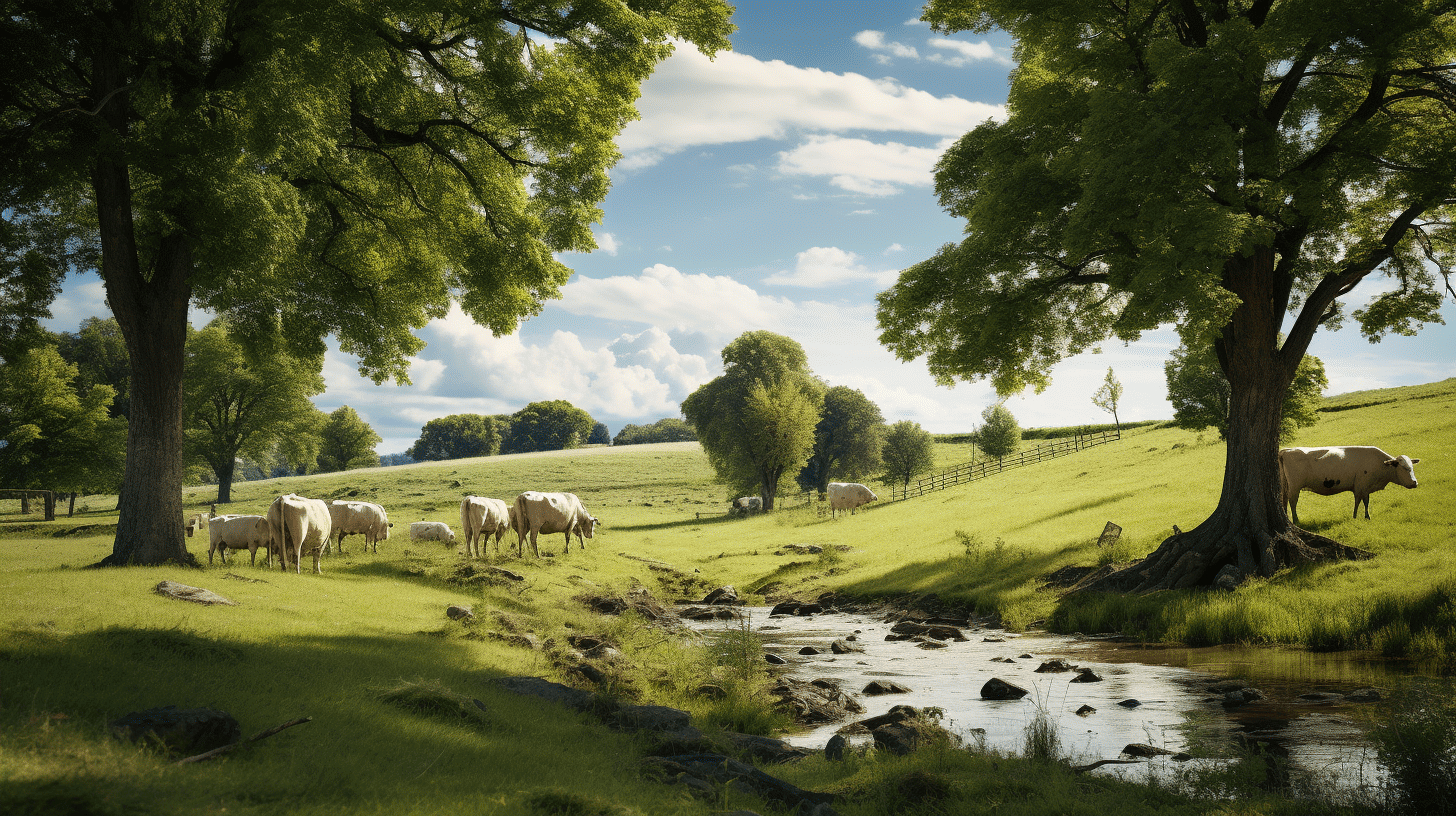
Silvopasture, the combination of trees and livestock grazing, is a sustainable land management practice gaining attention worldwide. The concept is simple: strategically integrate trees into grazing areas to create mutually beneficial relationships. As livestock graze, they provide natural fertilization, while the trees offer shade, erosion control, and additional income streams. This symbiotic approach promotes ecological balance, enhances livestock welfare, and contributes to climate change mitigation. In this article, we will delve into the benefits of silvopasture systems, including increased productivity, ecosystem services, climate change mitigation, and profitability. We will also explore how silvopasture enhances biodiversity and structural diversity, improves animal welfare, reduces costs, promotes sustainable livestock production, and offers economic viability and environmental benefits. Join us on this journey as we explore the remarkable advantages offered by the art of silvopasture!
Benefits of Silvopasture Systems
Increased Productivity
One of the key advantages of silvopasture systems is their ability to increase overall productivity. By combining trees with grazing animals, farmers can make the most of their land by simultaneously producing timber, forage, and livestock. Here are a few reasons why silvopasture systems are known to enhance productivity:
- Diverse Plant Species: Silvopasture systems typically incorporate a range of plant species, including trees, forage crops, and legumes. This diversity creates a more resilient ecosystem, reducing the risk of crop failure and providing a continuous supply of nutritious forage for livestock.
- Enhanced Nutrient Cycling: Trees in a silvopasture system help optimize nutrient cycling. They capture and store excess nutrients, which can then be used by the forage crops and livestock, fostering a more efficient use of resources.
- Improved Animal Health: The presence of trees in silvopasture systems can provide shade, reducing heat stress for grazing animals. It also offers protection from harsh weather conditions, such as wind and heavy rain, which can impact the well-being and productivity of livestock.
Ecosystem Services
Silvopasture systems go beyond simple agricultural productivity and offer a range of ecosystem services that contribute to environmental sustainability. Here are a few examples:
- Carbon Sequestration: Trees in silvopasture systems act as carbon sinks, sequestering carbon dioxide from the atmosphere and storing it in their biomass. This helps mitigate climate change by reducing greenhouse gas emissions.
- Improved Water Quality: The integrated nature of silvopasture systems helps filter and retain water, reducing soil erosion and nutrient runoff. This leads to improved water quality in nearby streams and rivers.
- Habitat for Biodiversity: The combination of trees, pastureland, and open spaces in silvopasture systems creates a diverse habitat for wildlife. It provides food sources, nesting areas, and shelter, supporting a variety of flora and fauna.
Climate Change Mitigation
Silvopasture systems contribute positively to climate change mitigation efforts. Here’s how:
- Woody Carbon Density: Silvopasture systems with high woody carbon density, thanks to the presence of trees, can act as carbon sinks, reducing the concentration of carbon dioxide in the atmosphere.
- Cooling Effect: Silvopasture systems are typically cooler than systems with no or low woody carbon density. The shade provided by trees helps regulate temperature and reduce the risk of heat stress for grazing animals, ultimately contributing to their overall health and productivity.
Profitability
Silvopasture systems can also offer enhanced profitability for farmers. While there may be initial investments and management considerations, the long-term benefits make it a financially viable option. Here’s why:
- Diversified Income: The integration of timber production, forage crops, and livestock in silvopasture systems allows farmers to diversify their income streams. They can harvest timber, sell livestock, and even generate income from carbon credits in some instances.
- Reduced Input Costs: With improved nutrient cycling, reduced soil erosion, and better animal health, farmers practicing silvopasture may experience reduced input costs for fertilizers, animal health medications, and erosion control measures.
In conclusion, silvopasture systems offer a multitude of benefits, including increased productivity, a range of ecosystem services, climate change mitigation, and enhanced profitability. By integrating trees, forage crops, and livestock, farmers can optimize land use and contribute to a more sustainable agricultural system.
Enhanced Biodiversity and Structural Diversity
When it comes to land management practices, silvopasture stands out as an exceptional approach that benefits both the environment and agricultural productivity. One of the key advantages of silvopasture is its ability to enhance biodiversity and structural diversity, creating a thriving ecosystem that supports a wide range of plant and animal species.
Silvopasture enhances the structural diversity of vegetation
In traditional grazing systems, the landscape often consists of uniform and monotonous grasslands. However, in a silvopasture system, trees are integrated with pastureland, resulting in a diverse ecosystem. This integration brings about a variety of vegetation heights, ranging from the tall canopies of trees to the herbaceous understory plants. This structural diversity is crucial for promoting biodiversity, as it provides niches and habitats for different species.
Silvopasture supports biodiversity
The presence of trees in silvopasture systems offers numerous benefits to biodiversity. These benefits include:
- Providing shelter and nesting sites: Trees provide a safe habitat for birds and other wildlife to nest and seek shelter from predators. This increases the overall biodiversity of the system, as different species can coexist in the same area.
- Enhancing food sources: Trees in silvopasture systems often bear fruits, nuts, or other edible components, which serve as an additional food source for wildlife. This abundance of food attracts a wide range of species and contributes to the overall biodiversity of the ecosystem.
- Supporting pollinators: Trees attract various pollinators, such as bees and butterflies, with their flowers and nectar. These pollinators play a critical role in plant reproduction and the maintenance of a diverse plant community.
- Promoting soil health: The presence of trees in silvopasture systems contributes to improved soil health. The roots of trees help prevent soil erosion, promote nutrient cycling, and enhance soil structure. These healthier soils, in turn, support a greater diversity of microorganisms and invertebrates that are crucial for a healthy ecosystem.
“Silvopasture is a win-win solution for landowners, as it provides economic benefits through livestock production while simultaneously supporting a diverse and flourishing ecosystem,” says John, a farmer who has implemented silvopasture on his land. “I have seen an increase in the number of bird species and beneficial insects, and the shade from the trees has benefitted my animals during hot summer days.”
By implementing silvopasture, landowners can not only enhance their agricultural productivity but also contribute to the conservation of biodiversity and the creation of a more resilient ecosystem. With its profound impact on structural diversity and the support it offers to a wide range of species, silvopasture is truly a sustainable and ecologically sound land management practice.
Animal Welfare and Cost Reduction
Animals play a crucial role in our lives, whether as companions, sources of food, or providers of various products. As responsible stewards of these creatures, it is our duty to prioritize their welfare while also finding ways to reduce costs. This article explores two key strategies that can contribute to both animal welfare and cost reduction: the reduction of heat stress and reduced feed costs.
Reduction of Heat Stress
Heat stress is a significant concern for animals, especially those in intensive farming systems or regions with hot climates. High temperatures can lead to decreased productivity, increased disease risk, and even mortality. One effective solution to minimize heat stress is the implementation of silvopasture.
Silvopasture involves integrating trees, forage, and livestock in a mutually beneficial system. By strategically planting trees in pastures, animals can benefit from shade, which helps them regulate their body temperature and provides relief from extreme heat. This practice not only improves animal welfare but also contributes to cost reduction.
Silvopasture reduces heat stress for animals and offers several advantages:
- Temperature regulation: Trees provide a natural shade that can significantly reduce the heat experienced by animals, helping them maintain their optimal body temperature.
- Reduced heat-related health issues: By minimizing heat stress, silvopasture decreases the likelihood of heat-related health problems in animals, such as heat stroke or reduced fertility.
- Improved productivity: When animals are more comfortable and not burdened by excessive heat, their productivity tends to increase, resulting in better overall performance.
- Long-term cost savings: A well-designed silvopasture system can provide shade for many years, reducing the reliance on costly artificial cooling methods, such as fans or misters.
Reduced Feed Costs
Feeding animals can be a significant expense for farmers and animal owners. Finding ways to reduce feed costs without compromising animal nutrition is essential for both animal welfare and financial stability. One approach is to incorporate the planting of edible trees in pastures, which can provide additional sources of nutrition for animals.
Incorporating edible trees into pastures offers several benefits:
- Enhanced forage availability: Edible trees can provide additional forage options for animals, including leaves, fruits, or nuts. This diversity in diet can supplement traditional feed sources and help reduce overall feed costs.
- Improved animal health: The additional nutrition provided by edible trees can enhance animal health and well-being. It can also contribute to better immune function, reducing the risk of diseases and costly veterinary interventions.
- Sustainable feed production: Edible trees can be a sustainable source of animal feed, requiring fewer resources and inputs compared to traditional feed crops. This approach promotes resource efficiency and reduces the ecological footprint of animal production systems.
- Reduced dependency on commercial feed: By incorporating edible trees, farmers and animal owners can reduce their reliance on expensive commercial feed, thus decreasing their overall feed costs. This can lead to better financial stability and improved farm profitability.
Incorporating silvopasture and planting edible trees in pastures are practical strategies that prioritize animal welfare while also reducing costs. By implementing these practices, we can create a win-win situation, where animals thrive in more comfortable environments, and farmers benefit from long-term cost savings. Let us work together to ensure the well-being of animals and build sustainable agricultural systems.
Promoting Sustainable Livestock Production
In today’s world, there is growing concern about the environmental impact of livestock production. As consumers become more conscious of their choices, there is an increased demand for sustainable practices in the agriculture industry. One approach that has gained attention for its positive impact is the adoption of silvopasture.
Silvopasture is a practice that integrates trees, forage crops, and grazing livestock on the same land. By combining these elements, farmers can promote sustainable livestock production while significantly reducing the environmental impact. Let’s take a closer look at how silvopasture contributes to sustainable agriculture and the benefits it offers.
Reduced Environmental Impact
- Mitigating Climate Change: Silvopasture plays a crucial role in mitigating climate change by sequestering carbon dioxide from the atmosphere. The trees in a silvopasture system capture and store carbon, acting as a natural carbon sink. This helps to reduce greenhouse gas emissions and combat climate change.
- Improved Soil Health: The presence of trees in silvopasture systems helps to prevent soil erosion by creating a protective canopy and stabilizing the soil structure. The tree roots also contribute to increased microbial activity, nutrient cycling, and organic matter content, resulting in improved soil health.
- Enhanced Biodiversity: Silvopasture provides a diverse habitat for various plant and animal species. The combination of trees, forage crops, and grazing livestock creates an ecosystem that supports a wide range of biodiversity. This promotes the conservation of plant and animal species, contributing to the overall health of the environment.
Increased Efficiency
- Optimal Land Use: Silvopasture maximizes land use efficiency by utilizing the available space for multiple purposes. The trees provide shade for livestock, reducing heat stress and improving animal welfare. Additionally, the forage crops grown alongside the trees provide a source of nutritious feed for the livestock, reducing the need for external inputs.
- Economic Benefits: Silvopasture can offer economic benefits to farmers by diversifying their income streams. The sale of timber, fruits, nuts, and other tree products can provide an additional source of revenue. Moreover, by reducing the reliance on external inputs and improving soil health, farmers can also save costs on fertilizers and other inputs.
- Resilience to Climate Variability: The integration of trees in silvopasture systems can enhance the resilience of livestock production to climate variability. The shade provided by trees can help mitigate extreme heat, while the tree roots absorb excess water during periods of heavy rainfall, reducing the risk of flooding. This resilience is especially important in the face of changing climate conditions.
Silvopasture contributes to sustainable livestock production by reducing the impact on natural resources and increasing efficiency. It offers a win-win solution for farmers, consumers, and the environment, ensuring a more sustainable future for the agriculture industry. By adopting silvopasture practices, we can promote responsible and environmentally friendly livestock production while meeting the increasing demand for sustainable food.
Economic Viability and Environmental Benefits of Silvopasture
Silvopasture: a concept that combines the benefits of forestry and agriculture, creating a sustainable approach to land use. But what makes this method so appealing? Let’s explore two key aspects: lambs in coffee plantations and soil protection and water quality.
Lambs in Coffee Plantations
Did you know that growing lambs in coffee plantations can be economically viable while also providing environmental and agronomic benefits? It’s true! Here’s why:
- Multiple Revenue Streams: Integrating lambs into coffee plantations allows farmers to diversify their income sources. They can sell both the coffee beans and the lambs, maximizing their profits.
- Land Utilization: Maximizing land use is a crucial aspect of sustainable farming. By utilizing coffee plantations for lamb grazing, farmers can optimize the use of their land and make the most of their resources.
- Natural Pest Control: Lambs grazing in coffee plantations can act as a natural solution to pest control. They eat weeds and other plants that may obstruct the growth and health of coffee plants, reducing the need for chemical interventions.
- Fertilizer Production: The presence of lambs in coffee plantations can also contribute to natural fertilizer production. Their droppings enrich the soil with valuable nutrients, promoting the growth of healthy coffee plants.
Soil Protection and Water Quality
Silvopasture goes beyond economic viability; it also offers significant environmental benefits. Two key areas where it excels are soil protection and water quality improvement:
- Soil Erosion Prevention: Silvopasture systems, including grazing animals like lambs, help protect the soil from wind and water erosion. The presence of vegetation and tree canopies in coffee plantations acts as a physical barrier against erosion caused by rainfall or strong winds.
- Improved Water Quality: Silvopasture systems are known to improve water quality by reducing runoff and filtering contaminants. Trees in coffee plantations act as filters, preventing sediment and chemicals from reaching nearby water bodies, such as rivers or streams.
- Enhanced Soil Health: The integration of trees, pasture, and livestock in a silvopasture system enhances soil health. The organic matter from the plants and animals contributes to the soil’s nutrient content, promoting long-term fertility and overall soil health.
Silvopasture is a win-win approach that brings economic viability and environmental benefits to farmers and the land. By integrating lambs into coffee plantations and protecting the soil and water quality, this method offers a sustainable and profitable solution for land use management.
Overall Benefits of Silvopasture
Silvopasture is not just a sustainable farming practice; it offers a wide range of benefits that make it a win-win for both farmers and the environment. Let’s take a closer look at the overall benefits of incorporating silvopasture into livestock production:
- Diversified Income: Silvopasture allows farmers to diversify their income streams by integrating livestock grazing with other sustainable practices like agroforestry or timber production. This diversification reduces the economic risk associated with relying solely on livestock production and creates additional revenue streams.
- Improved Animal Welfare: Silvopasture provides a more natural and comfortable environment for grazing animals. The combination of trees and pasture offers shade and protection from extreme weather conditions, reducing the risk of heat stress in animals. Moreover, the presence of trees provides shelter and a natural habitat for wildlife, enhancing the overall welfare of the ecosystem.
- Enhanced Soil Health: The integration of trees, forages, and animals in silvopasture systems contributes to improved soil health. The combination of deep-rooted trees and forage plants helps to prevent soil erosion, while the animal manure adds valuable nutrients to the soil. This synergy leads to increased organic matter content, improved water infiltration, and enhanced nutrient cycling, resulting in healthier and more productive soils.
- Carbon Sequestration: Silvopasture systems play a crucial role in mitigating climate change by sequestering carbon from the atmosphere. Trees act as carbon sinks, absorbing and storing significant amounts of carbon dioxide through photosynthesis. By incorporating trees into grazing areas, silvopasture systems help reduce greenhouse gas emissions and contribute to the overall efforts of carbon sequestration.
In the words of David Jacke, a renowned agroforestry expert, “Silvopasture is one of the most ecologically advantageous forms of land use there is. It delivers a broad array of benefits across multiple dimensions: ecology, economy, and society.” With its ability to enhance biodiversity, provide ecosystem services, reduce environmental impact, and increase efficiency, silvopasture truly holds immense potential for promoting sustainable livestock production.
Overall, the integration of trees, forages, and livestock in a silvopasture system creates a harmonious and sustainable environment that benefits farmers, animals, and the overall ecosystem. By embracing this ancient farming practice, we can pave the way towards a more resilient and sustainable future for agriculture.
Frequently Asked Questions
- What is Silvopasture?
Silvopasture is a sustainable land management practice that combines trees, forage plants, and livestock grazing in a mutually beneficial system.
- What are the advantages of implementing Silvopasture?
Implementing Silvopasture provides various benefits, such as increased biodiversity, improved soil health, reduced soil erosion, enhanced carbon sequestration, and additional income streams from timber and livestock production.
- How do trees benefit in Silvopasture?
Trees in Silvopasture provide shade for livestock, reduce heat stress, act as windbreaks, improve air quality, sequester carbon, and offer potential timber or non-timber forest product opportunities.
- What types of livestock are suitable for Silvopasture?
Various livestock species can be raised in Silvopasture, including cattle, sheep, goats, pigs, and even poultry. The choice of livestock depends on the specific goals and conditions of the land.
- Is Silvopasture suitable for all regions and climates?
While Silvopasture can be implemented in different regions and climates, the specific design and tree species selection may vary. It is essential to consider local climate, soil conditions, and species adaptability when planning a Silvopasture system.