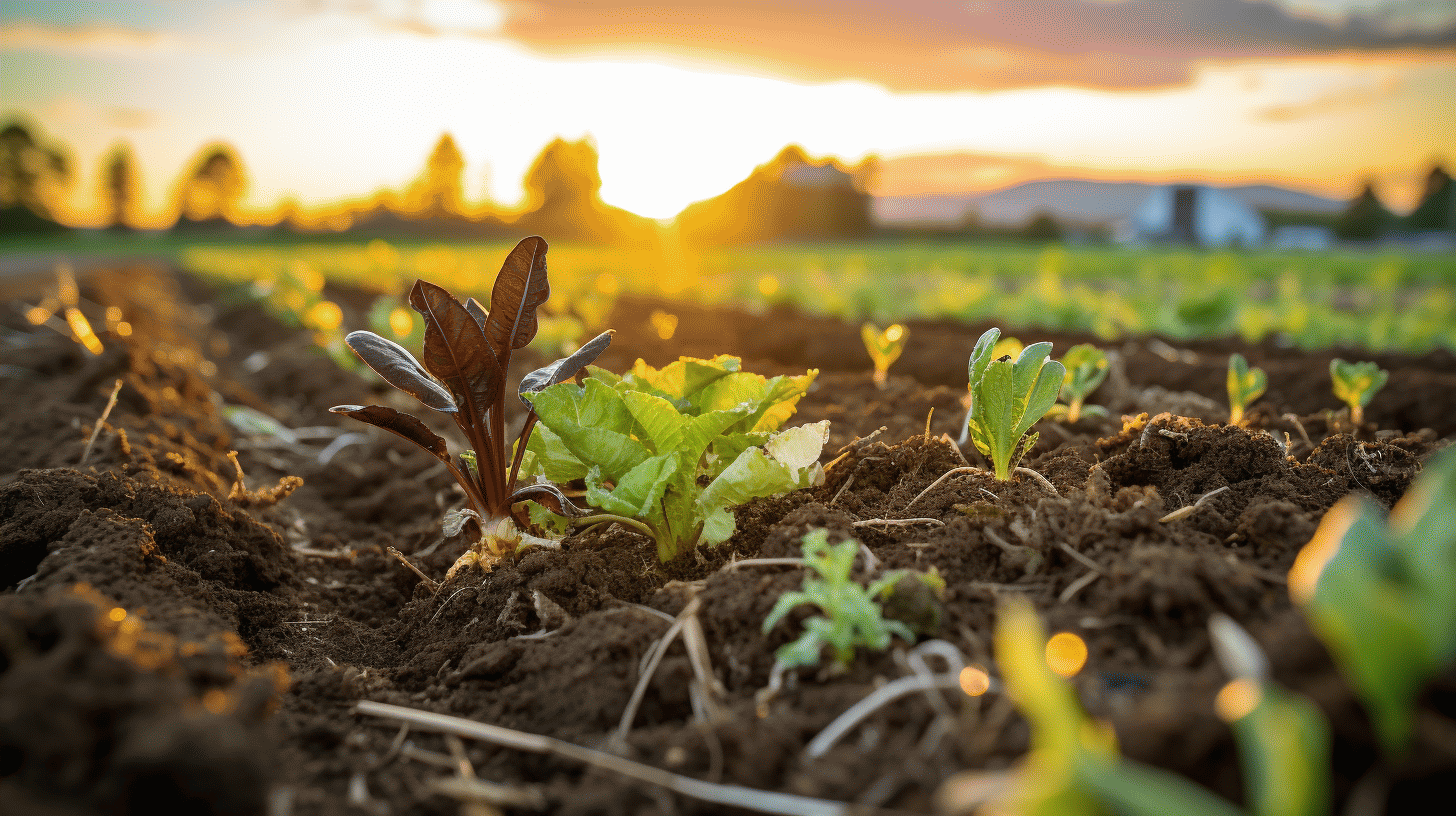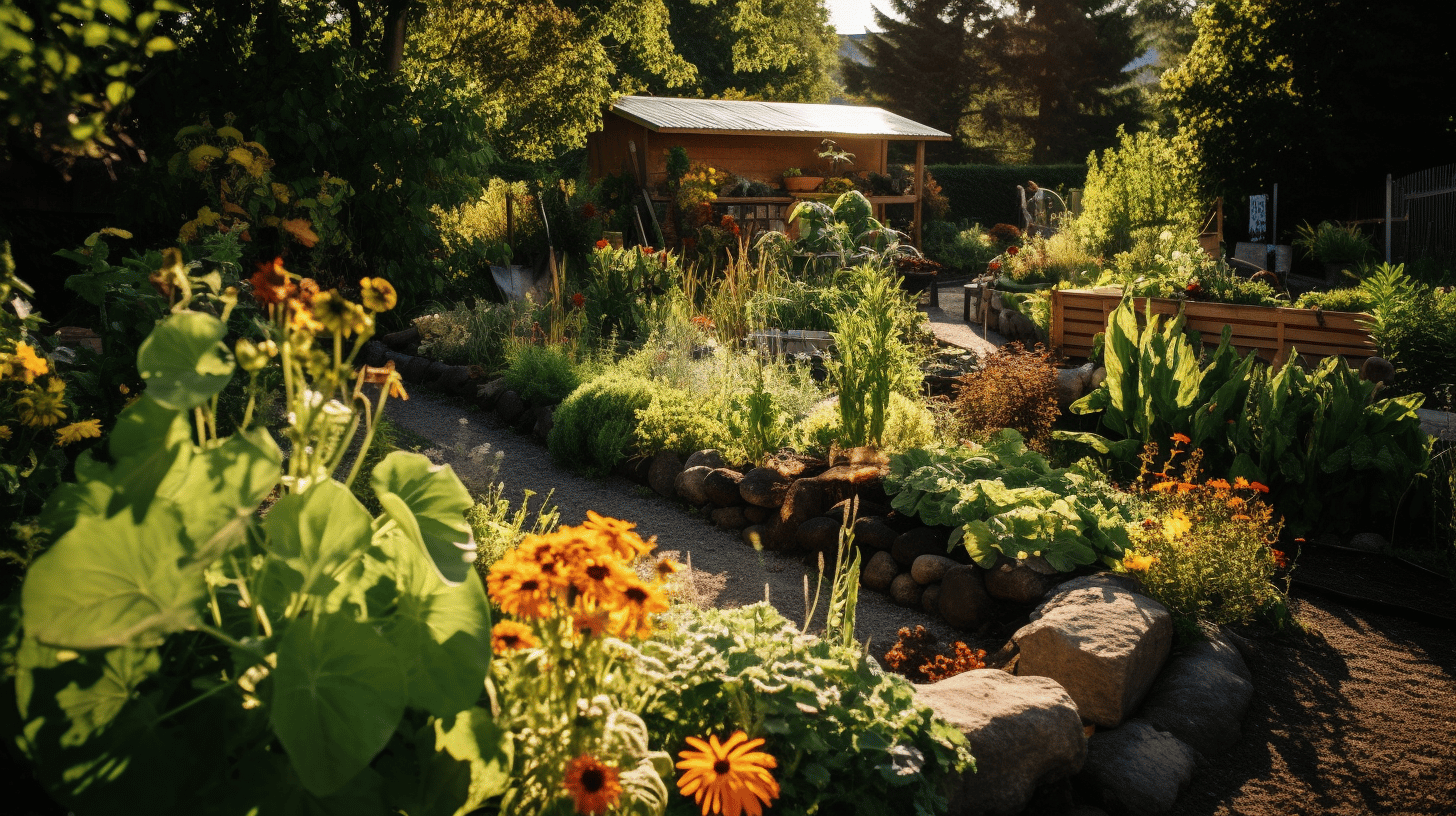
Permaculture, a sustainable design system, is gaining popularity around the world due to its ability to create productive and resilient ecosystems. One of the key aspects of permaculture is the use of polycultures, a farming technique that involves growing multiple crops together in harmony. This approach promotes biodiversity, enhances soil health, and maximizes yields. In this article, we will explore the principles of permaculture that contribute to the success of polycultures. Whether you are a seasoned farmer or an aspiring gardener, understanding these principles will help you create thriving and sustainable ecosystems in your own backyard. So let’s dive in and explore the world of permaculture and polycultures together!
Overview of Permaculture Principles
What is Permaculture
Permaculture is a holistic approach to designing sustainable systems that mimic the patterns and relationships found in nature. It is a way of living that aims to create regenerative and self-sustaining ecosystems, not only in agriculture but also in urban settings and everyday life. Permaculture principles can be applied to various aspects of life, from food production to energy consumption and waste management.
Key Principles
Permaculture principles serve as guidelines for designing and implementing sustainable systems. These principles are not rigid rules but rather flexible concepts that can be adapted to different contexts and environments. Here are some key principles that form the foundation of permaculture:
- Care for the Earth: This principle emphasizes the importance of nurturing and respecting the natural environment. It involves conserving resources, reducing waste, and regenerating ecosystems.
- Care for People: Permaculture recognizes the well-being of people as a fundamental aspect of sustainable design. It promotes social equity, community building, and meeting basic needs while considering long-term sustainability.
- Design with Patterns: By observing patterns in nature, permaculture seeks to create systems that are efficient, resilient, and productive. These patterns can be found in the flow of water, the growth of plants, and the behaviors of animals.
- Use Renewable Resources: Permaculture prioritizes the use of renewable resources over non-renewable ones. This includes utilizing solar energy, wind power, and biomass for energy production, as well as promoting organic and regenerative farming practices.
- Embrace Diversity: Biodiversity is essential for maintaining healthy ecosystems. Permaculture encourages the cultivation of diverse crops, the integration of different species, and the preservation of native plants and animals.
- Integrate Systems: Instead of isolating different components, permaculture seeks to integrate them into a functioning whole. This can involve creating mutually beneficial relationships between plants, animals, and humans, as well as maximizing the use of available resources.
By following these principles, permaculture enables us to create sustainable and regenerative systems that benefit both our environment and society. It encourages us to think holistically and take responsibility for our impact on the planet. So, whether you’re a gardener, urban dweller, or simply someone interested in a more sustainable lifestyle, permaculture offers a framework that can guide us towards a more harmonious and resilient future.
To learn more about permaculture principles and their application, check out our in-depth guide on Permaculture Principles.
Polycultures and Permaculture
Polycultures and permaculture are two interconnected concepts that offer numerous benefits to sustainable agriculture. By understanding polycultures and applying permaculture principles, farmers and gardeners can create thriving ecosystems that promote biodiversity, soil health, and resilience. Let’s take a closer look at these concepts and explore the many advantages they offer.
Understanding Polycultures
In traditional farming practices, monocultures, or the cultivation of a single crop, have been the norm. However, polycultures take a different approach by incorporating a diverse range of plant species within a given area. This practice mimics the natural ecosystems found in nature, where multiple species interconnect and support each other’s growth.
Polycultures can take various forms, from intercropping, where different crops are grown together in the same field, to companion planting, where specific plants are strategically placed to benefit one another. The goal of designing polycultures is to create a harmonious system where each plant plays a role in enhancing the overall productivity and sustainability of the farm or garden.
Benefits of Polycultures
Polycultures offer a myriad of benefits that make them a preferred choice over monocultures. Here are some key advantages to consider:
- Enhanced Biodiversity: By incorporating a diverse range of plant species, polycultures create habitats for a wide variety of beneficial insects, birds, and microorganisms. This biodiversity helps to naturally regulate pests, improve pollination rates, and create a more resilient ecosystem.
- Improved Soil Health: Each plant in a polyculture has unique root systems that interact differently with the soil. As a result, the soil structure is improved, promoting better water retention and nutrient cycling. With a healthier soil system, farmers and gardeners can reduce their reliance on synthetic fertilizers and pesticides.
- Increased Resilience: Monocultures are particularly susceptible to pests, diseases, and adverse weather conditions. In contrast, polycultures create a natural defense mechanism by minimizing the vulnerability of a single crop. If one plant is affected, others can still thrive, ensuring a more stable and resilient system.
- Higher Yields: Contrary to popular belief, polycultures can actually yield more than monocultures. The synergistic relationships between different plant species often lead to increased productivity and overall crop yield. Additionally, polycultures can have a more extended growing season, maximizing the use of resources throughout the year.
Applying Permaculture Principles to Polycultures
Permaculture is a design framework that seeks to create sustainable and self-sufficient systems that work in harmony with nature. When applied to polycultures, permaculture principles help maximize the benefits and efficiencies of growing multiple plant species together.
- Observation and Planning: By carefully observing the site’s natural features, climate, and soil conditions, farmers and gardeners can design polycultures that are well-suited to their specific environment. Planning for the long-term and considering factors such as plant compatibility, shade requirements, and nutrient cycling is essential for successful polyculture implementation.
- Stacking and Layering: Permaculture encourages the efficient use of space by implementing vertical stacking and layering techniques. In a polyculture system, this can involve planting taller crops that provide shade and support for smaller plants, maximizing the use of available sunlight and resources.
- Diversity and Resilience: Introducing a wide range of plant species with varying heights, root systems, and growth habits promotes diversity and resilience within the polyculture system. This helps to prevent the spread of pests and diseases, improve nutrient cycling, and create a more balanced ecosystem.
- Integration of Animals: Permaculture often involves the integration of animals within the farming system. By incorporating livestock or poultry, farmers can benefit from their natural behaviors, such as nutrient cycling and pest control. Animals can play a crucial role in improving soil fertility and the overall health of a polyculture system.
In conclusion, polycultures and permaculture offer a sustainable and holistic approach to agriculture. By embracing the diversity of plant species and applying permaculture principles, farmers and gardeners can create thriving ecosystems that benefit both people and the planet. The benefits of polycultures go far beyond traditional monocultures, offering improved biodiversity, soil health, resilience, and higher yields. Incorporating these practices can pave the way for a more sustainable and regenerative agricultural future.
Examples of Polycultures in Permaculture
Polycultures are a key component of permaculture design, allowing for the efficient use of space while promoting biodiversity and ecological resilience. By combining different plant species that have complementary growth patterns and nutrient needs, polycultures create a harmonious ecosystem that mimics the diversity found in natural ecosystems.
Polyculture Design Techniques
Designing a successful polyculture requires careful consideration of plant compatibility and growth habits. Let’s take a look at some effective polyculture design techniques commonly used in permaculture:
- Guild planting: Guild planting involves creating a beneficial plant community where each species supports and benefits from the others. For example, a guild around a fruit tree might include nitrogen-fixing plants, herbs for pest control, and groundcover plants to suppress weeds.
- Succession planting: Succession planting involves strategically timing the planting of different crops in the same space to maximize productivity and minimize downtime. By planting fast-maturing crops that can be harvested before slower-growing ones reach maturity, you can continuously harvest from the same area throughout the growing season.
- Companion planting: Companion planting involves growing compatible plants in close proximity to enhance each other’s growth and deter pests. For example, planting aromatic flowers like marigolds alongside vegetables can repel pests while attracting beneficial insects.
- Vertical stacking: Vertical stacking is a technique used to optimize space by growing plants vertically, such as using trellises or vertical grow systems. This allows for more plants to be grown in a smaller area, increasing yields and maximizing land use.
Examples of Successful Polycultures
Permaculture practitioners have successfully implemented polycultures in various climates and ecosystems around the world. Here are a few examples that highlight the benefits and effectiveness of polyculture systems:
- Three Sisters: This traditional Native American polyculture consists of corn, beans, and squash. The corn provides a vertical structure for the beans to climb, while the beans fix nitrogen in the soil, benefiting the nutrient-hungry corn. The sprawling squash plants provide groundcover, suppressing weeds and conserving soil moisture.
- Keyhole Garden: Keyhole gardening combines raised garden beds with a central composting system. The circular shape of the garden allows easy access to the plants from all sides while minimizing the need for excessive watering. The composting system placed in the center provides a continuous source of nutrients for the surrounding plants.
- Forest Garden: A forest garden is designed to mimic the structure and function of a natural forest ecosystem. It integrates fruit and nut trees, shrubs, perennial vegetables, and groundcover plants in multiple layers. This diverse and self-sustaining system creates a rich habitat for beneficial insects, improves soil health, and provides a variety of edible crops throughout the year.
By implementing these and other polyculture design techniques, permaculturists can create productive and resilient food systems that contribute to the overall health and sustainability of our planet.
So whether you have a small urban garden or a large-scale agricultural operation, exploring the possibilities of polyculture in permaculture can transform your approach to farming and gardening. Embracing the principles and techniques of polyculture is not only good for the environment, but it also leads to more abundant harvests and a more diverse and resilient ecosystem.
Challenges and Solutions in Polycultures
Polycultures, or the practice of planting different crops together in the same space, can offer numerous benefits for sustainable agriculture. However, like any farming method, polycultures come with their fair share of challenges. In this section, we will explore some of the common challenges faced in polycultures and discuss how permaculture principles can be applied to address these challenges.
Common Challenges of Polycultures
- Competition for Resources: When different crops are grown together, they naturally compete for resources such as sunlight, water, and nutrients. This competition can lead to stunted growth and reduced yields if not managed effectively.
- Pest and Disease Control: Polycultures can provide a favorable environment for pests and diseases to spread quickly. The close proximity of different crops can make it easier for pests to move from one plant to another, resulting in potential damage to the entire system.
- Weed Management: With multiple crops grown together, it becomes more challenging to control weeds. Weeds can compete with crops for resources and quickly take over if not kept in check.
Applying Permaculture Principles to Address Challenges
Permaculture, a design approach that integrates various elements of the ecosystem, provides valuable guidance in addressing the challenges faced in polycultures. Here are some solutions inspired by permaculture principles:
- Companion Planting: By selecting companion plants that have mutually beneficial relationships, we can address resource competition in polycultures. For example, planting nitrogen-fixing legumes alongside heavy feeders can enhance soil fertility and nutrient availability for all crops involved.
- Biocontrol and Integrated Pest Management: Implementing strategies such as attracting beneficial insects, using trap crops, and practicing crop rotation can help manage pests and diseases in polycultures. This approach reduces the reliance on chemical inputs and encourages natural pest control mechanisms.
- Mulching and Groundcover: Applying mulch and using groundcover plants can suppress weeds and minimize competition in polycultures. Mulching with organic materials like straw or leaves helps retain soil moisture, restrict weed growth, and enrich the soil as it decomposes.
- Successional Planting: Utilizing the concept of succession planting, where crops are planted in stages to ensure continuous harvests, can optimize the use of space in polycultures. This approach allows for the efficient use of available resources while minimizing weed pressure.
Incorporating these permaculture principles and techniques can contribute to the success and resilience of polycultures. By understanding and addressing the challenges, farmers can create diverse and thriving ecosystems that benefit both the environment and their crops. So, let’s embrace the power of polycultures and work towards a sustainable future in agriculture.
Impact of Polycultures on Biodiversity and Ecosystems
Polycultures, a form of agriculture that involves growing multiple crops together in the same area, have gained increasing attention for their potential positive impact on biodiversity and ecosystems. By replacing monocultures, which consist of cultivating a single crop, with polycultures, farmers and researchers are discovering a range of benefits that can contribute to the health and resilience of both local and global ecosystems.
Benefits of Polycultures for Biodiversity
One of the key advantages of polycultures is their ability to promote biodiversity. When different plant species are grown together, they create a more diverse habitat that can support a wider variety of organisms. Here are some specific ways in which polycultures benefit biodiversity:
- Habitat Creation: Polycultures provide a complex and diverse habitat compared to monocultures. This enables a greater number of species to find suitable living conditions, including insects, birds, mammals, and even microorganisms. These diverse habitats can support a healthy food chain and foster ecosystem stability.
- Pollinators and Beneficial Insects: Polycultures attract a greater diversity of pollinators, such as bees, butterflies, and birds, due to the presence of multiple flowering plants. Additionally, the mixture of plant species can also attract beneficial insects like ladybugs and spiders, which help control pests naturally. This reduces the reliance on chemical pesticides, making polycultures more environmentally friendly.
- Genetic Diversity: Growing a variety of crops together in polycultures enhances genetic diversity within the ecosystem. This genetic diversity can help protect against disease outbreaks and adapt to changing environmental conditions, making the ecosystem more resilient over time.
Overall, polycultures contribute to the preservation of biodiversity by providing opportunities for various species to thrive and interact in a mutually beneficial way.
Ecosystem Benefits
In addition to supporting biodiversity, polycultures offer numerous advantages for ecosystem health and functioning. Some of the ecosystem benefits of polycultures include:
- Soil Health and Nutrient Cycling: Polycultures help improve soil health by enhancing nutrient cycling. Different crops have different nutrient requirements and root structures, which can enhance nutrient uptake and reduce soil erosion. The diverse roots also create a more stable soil structure, promoting water infiltration and reducing the risk of drought or flooding.
- Water Conservation: Polycultures can contribute to better water management in agricultural systems. By having a mix of plant species with varying water requirements, polycultures can reduce water stress and increase the efficiency of water usage. This can be particularly beneficial in areas prone to water scarcity.
- Carbon Sequestration: Polycultures have the potential to sequester more carbon dioxide from the atmosphere compared to monocultures. The diverse mix of crops captures and stores more carbon in the soil, helping mitigate climate change by reducing greenhouse gas emissions.
It’s evident that by embracing polyculture practices, farmers and land managers can unlock multiple benefits for both biodiversity and the broader ecosystem. The switch from monocultures to polycultures is a step towards sustainable and regenerative agriculture that protects and enhances the natural environment.
Conclusion
In conclusion, permaculture principles provide the foundation for successful polycultures in regenerative agriculture. By understanding and applying these principles, farmers and gardeners can create resilient and thriving ecosystems that benefit both the environment and their own productivity.
Polycultures offer numerous advantages, including increased biodiversity, improved soil health, and natural pest control. By embracing permaculture principles such as observation, diversity, and utilizing natural patterns, farmers can design effective polycultures that harness the power of nature’s interconnectedness.
At Regenerative Agriculture Wiki, we are dedicated to providing comprehensive resources and insights on regenerative agriculture practices. Our platform offers a wealth of information on permaculture, soil health, and other crucial topics in sustainable farming. Join us in embracing the potential of regenerative agriculture and contributing to a future where harmony between agriculture and ecology is achieved.
Remember, each step towards regenerative agriculture is a step towards a healthier planet and a more sustainable future for generations to come. Start your journey with us today and be a part of the movement towards a regenerative world.
Frequently Asked Questions
- What is permaculture?
Permaculture is a holistic design system that aims to create sustainable and self-sufficient ecosystems by mimicking patterns found in nature.
- What are polycultures?
Polycultures are agricultural systems that involve growing multiple plant species together in a mutually beneficial relationship. It promotes biodiversity, reduces pest and disease pressures, and improves overall ecosystem health.
- What are the benefits of using permaculture principles in polycultures?
Using permaculture principles in polycultures helps to optimize resource utilization, enhance soil fertility, minimize water usage, increase resilience to climate change, and support biodiversity conservation.
- What are some key permaculture principles for successful polycultures?
Some key permaculture principles for successful polycultures include designing for maximum diversity, creating beneficial plant associations, focusing on plant guilds, using companion planting techniques, and implementing stacking and layering strategies.
- How can I implement permaculture principles in my polyculture garden?
To implement permaculture principles, start by observing and understanding your site’s conditions, analyze plant interactions and needs, design your polyculture based on careful planning and diversity, and regularly maintain and adapt your system based on feedback from nature and observation.