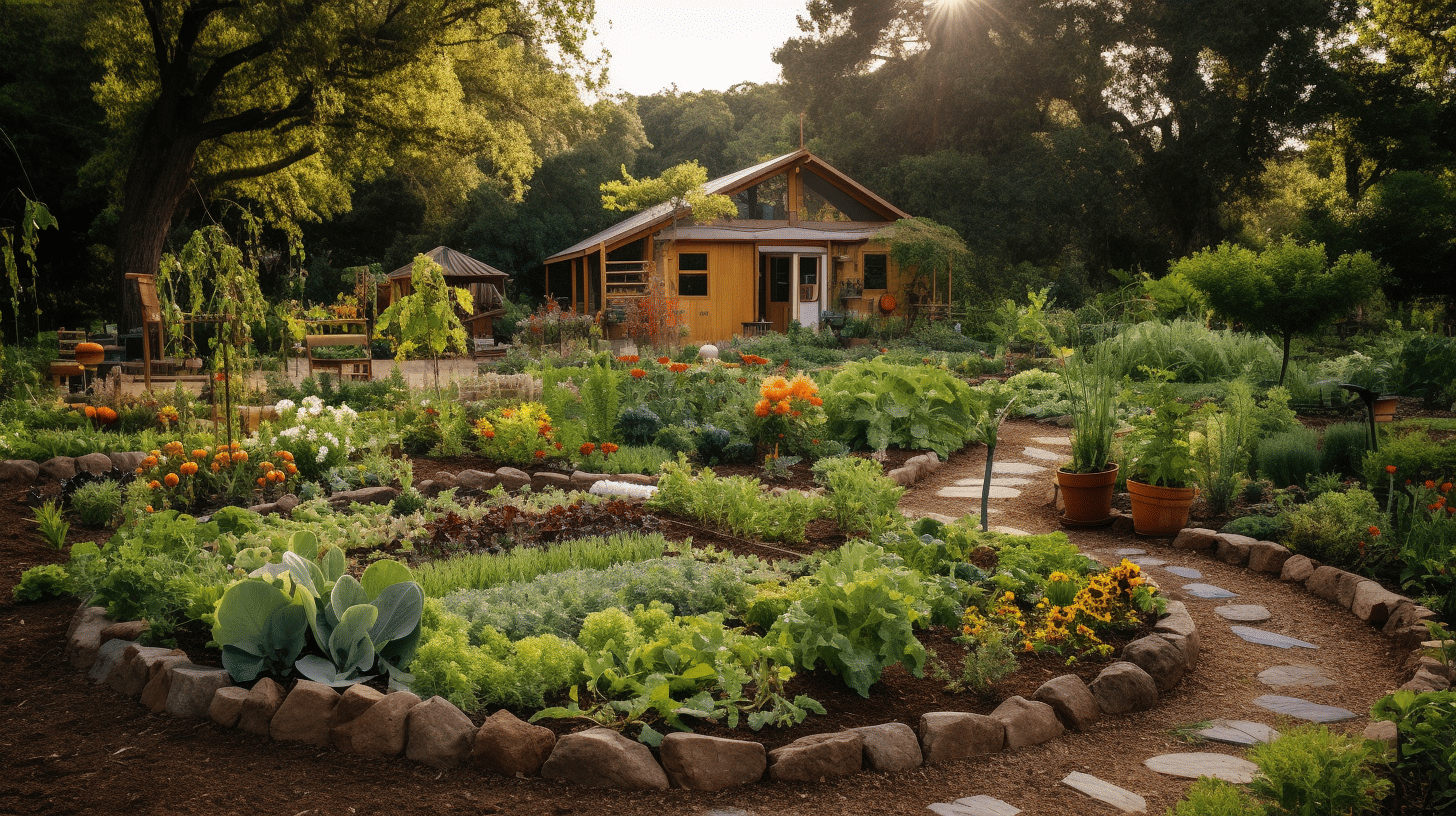
In recent years, there has been a growing recognition of the need for sustainable farming practices that prioritize both environmental stewardship and long-term productivity. One approach gaining traction is the use of polycultures, a farming system that embraces diversity and complexity. Unlike monocultures, which rely on the cultivation of a single crop, polycultures involve the simultaneous cultivation of multiple plant species in the same space.
The promise of polycultures lies in their ability to mimic natural ecosystems, harnessing the power of biodiversity to create resilient and sustainable agricultural systems. By fostering symbiotic relationships between different plants, polycultures offer a range of benefits such as enhanced biodiversity, natural pest control, improved soil health, and climate resilience.
In this article, we will delve into the world of polycultures, exploring their advantages, successful implementation examples, and the challenges they face. We will also uncover the latest research and real-world applications of polycultures, providing a comprehensive overview of their potential for transforming agriculture and contributing to a more sustainable future. So, let’s dive in and unlock the potential of polycultures!
Understanding Polycultures
Polycultures, a term frequently used in sustainable farming practices, refer to the intentional mixture of different plant species in a single field or growing area. Instead of planting a single crop in large monoculture fields, polycultures embrace biodiversity by diversifying the plant population. This farming technique can have numerous benefits for both the environment and the farmers themselves.
In a polyculture, various plants with different growth characteristics, root depths, and nutrient requirements are intercropped, creating a balanced ecosystem. This diversity enhances resilience and reduces the risk of crop failure due to pests, diseases, or adverse weather conditions.
Here are some key reasons why polycultures are important in sustainable farming:
1. Enhanced Soil Health
In polycultures, different plants contribute to improving soil health through several mechanisms such as:
- Nutrient cycling: Different plant species have varying nutrient requirements, and by intercropping them, the nutrients in the soil are utilized more efficiently. Some plants may fix nitrogen from the air and make it available to other plants.
- Erosion prevention: The varied root structures of different plants help bind the soil and prevent erosion, especially during heavy rainfalls.
- Improved soil structure: Different plant root systems create channels and pore spaces in the soil, allowing better water infiltration, air circulation, and nutrient distribution.
2. Natural Pest Control
One of the main advantages of polycultures is their ability to naturally control pests and diseases without relying heavily on chemical inputs. By planting a diverse mix of plants, natural predators of pests are attracted, which helps maintain a balanced ecosystem. Some plants also release certain chemical compounds that repel pests, reducing the need for synthetic pesticides.
3. Increased Biodiversity
Polycultures contribute to biodiversity conservation by providing habitat and food sources for a wide range of insects, birds, and other animals. This diverse ecosystem supports pollinators, beneficial insects, and other organisms that play critical roles in plant reproduction and pest control.
4. Improved Crop Resilience
By planting a mixture of crops, farmers create a more resilient system that is less vulnerable to disease outbreaks, extreme weather events, and market fluctuations. If one crop fails, the presence of other crops can help mitigate the impact on farmer livelihoods.
5. Sustainable Resource Management
Polycultures help manage resources more sustainably by:
- Optimizing land use: By growing multiple crops in the same area, farmers can maximize the use of available land and minimize wasted space.
- Water conservation: Different plants have different water requirements, so intercropping can help optimize water usage in regions with limited water resources.
- Long-term soil fertility: The diverse plant mix in polycultures helps reduce soil degradation and nutrient depletion, enabling sustainable farming practices for future generations.
In conclusion, polycultures offer a more sustainable alternative to conventional monoculture farming. By embracing diversity and harnessing the ecological benefits it brings, farmers can create resilient ecosystems that are better equipped to handle challenges while promoting environmental conservation.
Advantages of Polycultures
Polycultures, or the practice of growing multiple crops together, offer a host of benefits compared to monocultures. In this section, we will explore some of the significant advantages that polycultures bring to sustainable farming.
Enhanced Biodiversity
One of the primary benefits of polycultures is the enhanced biodiversity they encourage. By growing a variety of crops together, farmers create a more diverse and resilient ecosystem. This diversity attracts a wide range of beneficial organisms, such as pollinators, natural predators, and soil microorganisms, which in turn contribute to the overall health of the farm.
Natural Pest Control
Polycultures also promote natural pest control. In a monoculture system, pests that are specific to a particular crop can quickly build up, resulting in the need for harmful pesticides. However, in a polyculture, the presence of multiple plant species disrupts the life cycles of pests, making it more challenging for them to establish themselves. This natural pest control reduces the reliance on chemical inputs while maintaining a healthy balance in the ecosystem.
Improved Soil Health
Healthy soil is the foundation of sustainable farming, and polycultures play a vital role in improving soil health. The diverse range of plants in a polyculture system helps prevent soil erosion, enhances water retention, and increases organic matter. Different plants have different root structures, with some reaching deep into the soil and others spreading wide near the surface. This variation improves soil structure, promotes nutrient availability, and fosters a thriving soil microbiome.
Nutrient Cycling
Polycultures excel in nutrient cycling, which is the process of converting organic matter into plant-available nutrients. With diverse crops in a polyculture, there is a better utilization of nutrients, as each plant has unique nutrient requirements. The varied root systems and nutrient preferences of different plant species improve the efficiency of nutrient uptake. This reduces the need for synthetic fertilizers and minimizes nutrient runoff, which can impact nearby water systems.
Climate Resilience
In the face of climate change and unpredictable weather patterns, polycultures offer a higher level of resilience compared to monocultures. The diversity of crops ensures that if one species is susceptible to a particular weather event or disease, other species are still able to thrive. This resilience helps mitigate the risks associated with climate change and provides farmers with a more stable and secure food production system.
In conclusion, polycultures bring numerous advantages to sustainable farming, including enhanced biodiversity, natural pest control, improved soil health, efficient nutrient cycling, and climate resilience. By incorporating these practices, farmers can create a more balanced and resilient agricultural ecosystem while reducing the negative impacts on the environment.
Successful Polyculture Examples
Polyculture, the practice of growing multiple crops together in a synergistic and sustainable manner, has gained significant attention in recent years. By diversifying agricultural systems, polyculture not only maximizes yield but also promotes natural pest control, enhances soil fertility, and reduces the need for chemical inputs. Two successful examples of polyculture systems are the Three Sisters Agriculture and Permaculture Guilds. Let’s delve into these examples to understand their unique benefits and advantages.
Three Sisters Agriculture
One of the oldest and most well-known polyculture systems is the Three Sisters Agriculture, practiced by Indigenous peoples in North and Mesoamerica for centuries. The Three Sisters—corn, beans, and squash—work together harmoniously, each providing specific benefits to the others:
- Corn: This tall, sturdy crop serves as a natural trellis for the climbing beans while providing shade and support.
- Beans: The nitrogen-fixing beans replenish the soil by converting atmospheric nitrogen into a form that other plants can utilize. In return, they benefit from the structural support provided by the corn.
- Squash: With its large leaves and expansive ground coverage, squash acts as a living mulch, inhibiting weed growth, maintaining soil moisture, and reducing evaporation.
Together, these three crops create a self-sustaining ecosystem within the field. The benefits of Three Sisters Agriculture include:
- Improved soil fertility due to the nitrogen fixation by beans.
- Reduced soil erosion as the ground cover provided by squash protects the soil from heavy rain.
- Natural pest control – the presence of squash helps deter pests, while the climbing beans act as a barrier against predators.
Permaculture Guilds
Another successful polyculture system is Permaculture Guilds. Permaculture aims to imitate natural ecosystems to create resilient and productive landscapes. In this system, plants are selected and arranged strategically to harness their mutual benefits. Here’s how it works:
- Plant Selection: Plants with complementary characteristics are grouped together based on their functions. For example, a guild might consist of a fruit tree as the centerpiece, with smaller nitrogen-fixing shrubs, ground-cover plants, and root crops surrounding it. Each plant contributes to the overall health and productivity of the system.
- Beneficial Relationships: The plants in a guild form symbiotic relationships, where they support and enhance each other’s growth. For instance, the nitrogen-fixing shrubs provide a natural source of fertilizer for the surrounding plants, while the ground-cover plants help retain moisture and prevent weed growth.
- Stacked Layers: Permaculture guilds make use of vertical space by incorporating plants of different heights. This creates a layered effect, maximizing sunlight utilization and space efficiency.
Permaculture guilds offer numerous benefits, including:
- Increased biodiversity, attracting beneficial insects, pollinators, and other wildlife.
- Enhanced soil health through nutrient cycling and organic matter accumulation.
- Improved water retention and reduced irrigation needs due to mulching and beneficial plant interactions.
In conclusion, successful polyculture examples like Three Sisters Agriculture and Permaculture Guilds demonstrate the power of diversifying agricultural systems. By harnessing the complementary relationships between plants, these polyculture systems not only increase productivity but also promote ecological sustainability. Incorporating these practices into modern agriculture can lead to more resilient and regenerative farming methods that benefit both farmers and the environment.
Polyculture Implementation and Management
Polyculture is an agricultural practice that involves growing multiple crops together in the same space. This approach is gaining popularity among farmers and gardeners due to its numerous benefits, such as increased biodiversity, pest control, and improved soil health. However, successful implementation and management of polyculture require careful planning and understanding of different techniques. In this article, we will explore four key strategies for effectively implementing and managing polyculture: companion planting, crop rotation, intercropping, and agroforestry.
Companion Planting
Companion planting is the practice of growing two or more plants together that have mutually beneficial effects on each other. Some plants can enhance the growth of their neighbors by providing shade, suppressing weeds, attracting beneficial insects, or repelling pests. Here are a few key techniques and benefits of companion planting:
- Importance of companion planting: Companion planting helps create a balanced ecosystem, where each plant contributes to the health and productivity of the others.
- Strategies for companion planting: Pairing plants with different growth habits (e.g., tall plants with sprawling ones) or combining plants that have complementary properties (e.g., one plant repelling pests while the other attracts beneficial insects) are common strategies.
- Benefits of companion planting: By utilizing companion planting techniques, farmers can improve crop yield, reduce the need for pesticides, and enhance soil fertility.
Crop Rotation
Crop rotation involves the systematic rotation of crops in a specific sequence to optimize soil health and break pest and disease cycles. This technique is based on the principle that different crops have different nutrient requirements and vulnerabilities to pests and diseases. Here are some important aspects to consider when implementing crop rotation:
- Benefits of crop rotation: Crop rotation helps replenish soil nutrients, reduce soil erosion, prevent pest and disease buildup, and enhance long-term crop productivity.
- Crop rotation planning: Farmers need to create a well-designed rotation plan that considers factors such as crop families, nutrient demands, and disease susceptibility.
- Rotation examples: Common crop rotation sequences include alternating between nitrogen-fixing crops (e.g., legumes) and heavy nutrient feeders (e.g., brassicas), or rotating between cash crops and cover crops.
Intercropping
Intercropping, also known as mixed cropping, involves growing two or more crops simultaneously in the same space. Unlike monoculture, where a single crop dominates a field, intercropping creates a diverse plant community that maximizes resource utilization and enhances ecological interactions. Here’s what you need to know about intercropping:
- Advantages of intercropping: Intercropping promotes efficient use of sunlight, water, and nutrients, provides natural pest control, and improves soil structure and fertility.
- Intercropping techniques: Farmers can adopt different intercropping techniques, such as row intercropping (alternating rows of different crops), relay intercropping (planting a second crop among the rows of the first crop), or mixed intercropping (random mixing of crops within the same space).
- Crop combinations: Successful intercropping depends on selecting crop combinations that have compatible growth habits, complementary nutrient requirements, and minimal competition for resources.
Agroforestry
Agroforestry is a land-use system that combines agricultural crops with trees and shrubs. This practice allows for the integration of crops, livestock, and trees, providing multiple benefits such as climate regulation, biodiversity conservation, and sustainable production. Here’s an overview of agroforestry in polycultures:
- Benefits of agroforestry: Agroforestry systems enhance soil fertility, increase biodiversity, mitigate climate change, provide shade and windbreaks, and offer economic diversification opportunities.
- Types of agroforestry: Some common types of agroforestry systems include alley cropping (growing crops between rows of trees), silvopasture (combining trees, forage, and livestock), and forest farming (growing high-value crops under the cover of trees).
- Implementation considerations: When implementing agroforestry in polycultures, farmers need to carefully select suitable tree species, consider the needs of companion crops, and manage tree-crop interactions to ensure mutual benefits.
In conclusion, implementing and managing polycultures require careful planning and consideration of various techniques. Companion planting, crop rotation, intercropping, and agroforestry are effective strategies that can enhance biodiversity, improve soil health, and increase overall productivity. By adopting these approaches, farmers can not only achieve sustainable and resilient farming systems but also contribute to a healthier environment.
Polyculture Research and Studies
Polyculture, the practice of growing multiple crops or raising multiple species in the same space, has gained significant attention in recent years. Many farmers and researchers are exploring the potential benefits of polyculture over monoculture, where only one crop is grown in an area. The question arises: does polyculture truly offer advantages in terms of yield, resource use, and overall ecosystem health? Let’s delve into some of the relevant scientific research and studies to find out.
What the Research Says
Polyculture has been the subject of numerous studies conducted around the world. These studies have examined various aspects of polyculture systems, including crop yield, soil health, pest control, and biodiversity. Here are some key findings from the research:
- Increased Crop Yield: Several studies have shown that polyculture systems can lead to increased crop yield compared to monoculture. For example, a study published in the journal Nature found that mixed polycultures of wheat and legumes produced higher yields compared to monocultures of either crop alone[1]. This suggests that the combined presence of different crops can enhance nutrient cycling, reduce nutrient competition, and improve overall productivity.
- Improved Resource Use: Polyculture systems have shown promise in terms of efficient resource use. Research has demonstrated that planting a diverse range of crops can optimize nutrient uptake and reduce the need for synthetic fertilizers. Additionally, polycultures can decrease water usage by minimizing water loss due to evaporation and increasing water infiltration in the soil[2].
- Enhanced Pest Control: Another advantage of polyculture is its potential to control pests naturally. Some studies have found that mixed cropping systems can disrupt the life cycles of pests, making it harder for them to establish populations and cause significant damage[3]. By diversifying the crops planted, farmers can reduce the risk of pest outbreaks and rely less on chemical pesticides.
- Biodiversity Conservation: One of the main benefits of polyculture is its positive impact on biodiversity. Studies have shown that polyculture systems support higher levels of plant and animal diversity compared to monoculture systems[4]. This increased biodiversity can contribute to improved ecosystem stability, pollination, and overall resilience to environmental changes.
Conclusion
Scientific research and studies consistently highlight the potential benefits of polyculture systems. From increased crop yield and resource efficiency to enhanced pest control and biodiversity conservation, polyculture offers a promising alternative to monoculture farming. By considering the findings of these studies, farmers and policymakers can make informed decisions about implementing polyculture practices in agroecosystems, ultimately promoting a more sustainable and resilient agricultural sector.
Real-world Applications and Success Stories
Polyculture farming, the practice of growing multiple crops together in the same field, has gained traction in recent years due to its numerous benefits. This farming method promotes biodiversity, reduces the need for synthetic inputs, and increases overall productivity. But what does polyculture farming look like in practice? Let’s explore some real-world applications and success stories of polyculture farming systems implemented globally.
Examples of successful polyculture farming systems implemented globally
- China: In Sichuan province, farmers have successfully implemented polyculture farming techniques by combining different vegetable crops such as corn, soybeans, and cucumbers. This approach has not only increased crop yields but also improved soil health and water efficiency. The integration of livestock, such as chickens and ducks, into these systems has further enhanced nutrient cycling and pest control.
- India: In the northern state of Punjab, farmers have transitioned from monoculture rice cultivation to polyculture systems by incorporating crops like wheat, legumes, and vegetables. This shift has brought about significant improvements in soil fertility and reduced the dependence on chemical fertilizers and pesticides. Not only are the farmers experiencing higher yields, but they are also enjoying improved income and reduced production costs.
- Brazil: Agroforestry systems, a form of polyculture farming that combines trees with crops and livestock, have gained popularity in the Amazon rainforest region. Among the success stories is a project in Paraíba State, where farmers have integrated cashew, mango, and coconut trees with crops like bananas and beans. These agroforestry systems provide multiple benefits, including improved biodiversity, carbon sequestration, and sustainable livelihoods.
- United States: In California’s Central Valley, farmers have adopted polyculture practices combining row crops, such as tomatoes and lettuce, with cover crops like sunflowers and clover. These cover crops help suppress weeds, improve soil structure, and enhance nutrient cycling. By diversifying their crops, farmers not only mitigate risks associated with pests and diseases but also reduce the need for excessive irrigation and synthetic fertilizers.
These success stories from around the world demonstrate the tangible benefits of polyculture farming systems. By integrating different crops, farmers are not only able to increase their yields and income but also restore soil health, improve water efficiency, and promote biodiversity. The adoption of polyculture farming practices showcases a sustainable and resilient approach to agriculture that can contribute to both food security and environmental conservation.
To learn more about the advantages of polyculture farming systems, check out this resource.
Challenges and Limitations of Polycultures
Polycultures are widely appreciated for their ability to enhance biodiversity, improve soil health, and provide a more sustainable approach to agriculture. However, like any agricultural system, there are challenges and limitations that need to be considered. Let’s take a closer look at some of these challenges and limitations:
1. Management Complexity
Managing a polyculture system requires more time, effort, and expertise compared to conventional monoculture systems. Since multiple crops are grown together, it becomes essential to understand the specific requirements of each crop and ensure they receive adequate resources such as water, nutrients, and sunlight. This complexity in management can be a challenge for farmers, especially those who are new to polyculture farming.
2. Yield Variability
While polycultures have the potential to provide a more stable and resilient food production system, there can be variations in yields compared to monoculture systems. This variability can be influenced by factors such as competition for resources among different plants, variations in microclimates within the system, and variations in pest and disease pressure. Farmers need to carefully manage these variables to optimize yields and minimize potential losses.
3. Market Demand and Logistics
Another challenge in adopting polycultures is aligning market demand with the diverse range of crops grown in the system. Monoculture farming often allows farmers to cater to specific markets and streamline their production and transport logistics. In contrast, selling products from polycultures might require farmers to find niche markets, develop relationships with local buyers, and potentially invest in processing and packaging infrastructure to meet market demands.
4. Knowledge and Training
Transitioning from monoculture to polyculture farming may require farmers to acquire new knowledge and develop new skills. Understanding the interactions between different crops, managing biodiversity, and implementing effective pest and disease management strategies may require additional training and learning opportunities. Access to resources, such as workshops, field days, and educational materials, can play a crucial role in supporting farmers in overcoming this limitation.
“Polycultures offer numerous benefits, but they also come with their fair share of challenges and limitations. Managing complexity, dealing with yield variability, aligning market demand, and acquiring the necessary knowledge are all aspects that farmers need to carefully navigate in order to make polyculture farming a success.” (source: Polycultures – The Future of Sustainable Agriculture)
In conclusion, while polycultures present promising solutions for sustainable agriculture, it is crucial to acknowledge and address the challenges and limitations that come along with their adoption. By understanding and proactively managing these challenges, farmers can maximize the benefits and potential of polyculture systems.
Conclusion
Polycultures offer a promising solution for sustainable farming and a resilient future. By understanding the benefits of enhanced biodiversity, natural pest control, improved soil health, nutrient cycling, and climate resilience, farmers can make informed decisions about implementing polycultures on their land. Successful examples like Three Sisters Agriculture and Permaculture Guilds demonstrate the effectiveness of polyculture systems in practice. Implementing techniques such as companion planting, crop rotation, intercropping, and agroforestry can ensure the successful management of polycultures. While research and studies continue to shed light on the benefits of polycultures, real-world applications and success stories provide inspiration for farmers to adopt these innovative practices. However, it’s important to acknowledge that there are still challenges and limitations to overcome.
In conclusion, polycultures offer numerous advantages for agricultural sustainability, biodiversity conservation, and climate resilience. By embracing polyculture systems, farmers can contribute to a more harmonious and regenerative agricultural ecosystem. To learn more about regenerative agriculture and explore comprehensive guides and resources, visit Regenerative Agriculture Wiki. Discover the potential of regenerative agriculture and join us in fostering a future where agriculture and ecology thrive in harmony.
Frequently Asked Questions
- What is polyculture farming?
Polyculture farming is a farming technique that involves growing multiple crops and/or raising different types of livestock together on the same piece of land. It promotes biodiversity, reduces reliance on chemicals, and enhances overall farm resilience.
- What are the benefits of polyculture farming?
Polyculture farming offers several benefits, including increased biodiversity, improved soil health, reduced pest and disease pressure, efficient resource utilization, enhanced ecosystem services, and higher resilience to climate change and market fluctuations.
- How does polyculture farming contribute to sustainability?
Polyculture farming contributes to sustainability by minimizing the use of synthetic fertilizers, pesticides, and herbicides, reducing soil erosion, conserving water, promoting natural pest control, and creating a regenerative farming system that is environmentally-friendly and economically viable.
- Can polyculture farming be implemented on both large and small-scale farms?
Yes, polyculture farming can be implemented on both large and small-scale farms. The principles of polyculture farming can be adapted to different farm sizes and types, promoting sustainable and resilient agricultural practices for a more sustainable future.
- What are some examples of polyculture farming systems?
Some examples of polyculture farming systems include agroforestry (growing trees with crops/livestock), intercropping (planting different crops together), and integrated livestock-crop farming (raising livestock alongside crops). These systems enhance biodiversity, nutrient cycling, and overall farm productivity.