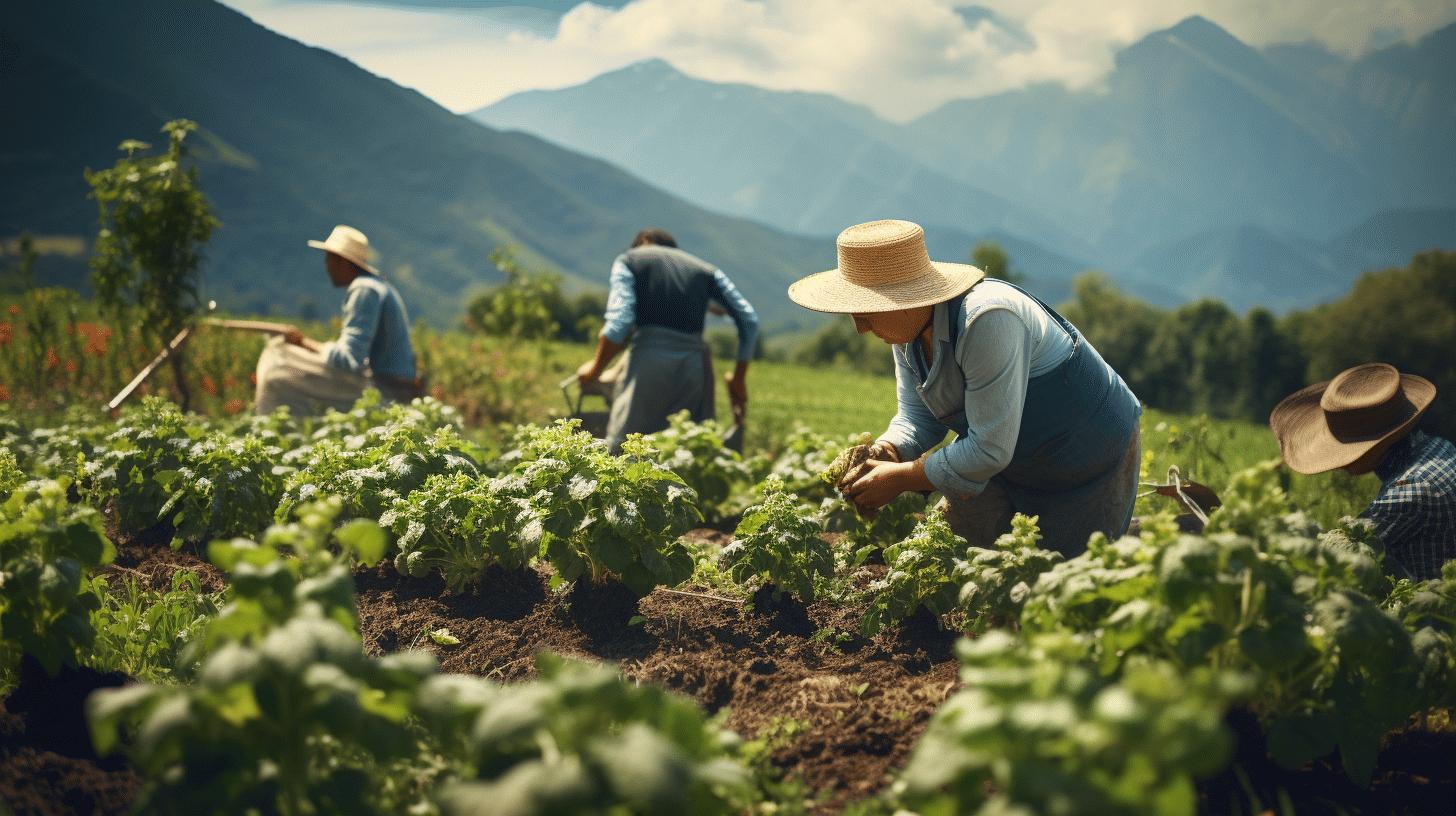
Holistic management, a sustainable approach to farming, is gaining popularity among farmers worldwide. It offers a comprehensive framework that not only improves agricultural practices but also promotes environmental stewardship and economic viability. In this article, we will delve into the world of regenerative farmers who have mastered holistic management, and explore the valuable lessons they have to offer.
From soil improvement techniques to water management strategies and increased biodiversity, regenerative farmers embrace a holistic approach that considers the interconnections between the various elements of their farms. They understand that by nurturing the health of their soil, water sources, and ecosystems, they can achieve sustainable and resilient farming systems.
But what exactly is holistic management, and how does it relate to regenerative farming? We will dive into these concepts and explore the shared principles and complementary strategies that underpin both practices. Additionally, we will uncover the long-term benefits of adopting holistic management and regenerative farming and discuss how you can implement these strategies in your own agricultural endeavors.
Join us on this journey as we explore the world of holistic management and learn from successful regenerative farmers. Together, we can gain insights that will not only benefit our farms but also contribute to the health and sustainability of our planet. So let’s get started!
Holistic Management: An Overview
Holistic management is a comprehensive approach to land and resource management that takes into account the interconnectedness of natural systems. It recognizes that decisions made in one aspect of a system can have far-reaching impacts on other elements within the system. This holistic approach aims to create a sustainable and regenerative balance between humans, animals, and the environment.
The Philosophy Behind Holistic Management
At the core of holistic management is the belief that land management should be guided by a deep understanding of the ecological processes at play. This philosophy emphasizes the following principles:
- Holistic Decision Making: Holistic management encourages land managers to consider the long-term effects of their decisions on the ecosystem as a whole. It involves careful planning, goal setting, and continuous monitoring to ensure that actions align with the desired outcomes.
- Importance of Healthy Soils: Soil health is at the forefront of holistic management. Recognizing that healthy soils are the foundation of vibrant ecosystems, this approach prioritizes practices that enhance soil fertility, structure, and biodiversity. Techniques like cover cropping, rotational grazing, and composting are commonly employed to improve soil health.
- Proper Grazing Management: Holistic management recognizes the crucial role of grazing animals in maintaining healthy ecosystems. By mimicking the natural grazing patterns of wild herbivores, land managers can improve soil fertility, stimulate plant growth, and enhance biodiversity. Proper grazing techniques, such as rotational grazing, ensure that grasses and forage have sufficient time to recover before being grazed again.
- Conservation of Water Resources: Water is a precious resource, and holistic management places great importance on its conservation and efficient use. By implementing strategies such as water catchment systems, drip irrigation, and land contouring, land managers can optimize water retention and minimize wastage.
Techniques Involved in Holistic Management
To implement holistic management effectively, several techniques are commonly employed. These techniques include:
- Holistic Planned Grazing: This technique involves carefully planning the movement of animals across the land to ensure proper grazing management. It includes dividing the land into smaller paddocks, rotating animals periodically, and allowing adequate recovery time for vegetation.
- Keyline Design: Keyline design is a land management method that focuses on contouring the land to maximize water retention and manage its flow. This technique helps prevent erosion, improve soil moisture, and enhance overall water management.
- Regenerative Agriculture: Regenerative agriculture practices go hand in hand with holistic management. These practices aim to restore and enhance soil health, biodiversity, and ecosystem functioning. They include methods like cover cropping, no-till farming, agroforestry, and diverse crop rotations.
- Monitoring and Adaptation: Holistic management emphasizes the importance of ongoing monitoring and adaptation. By closely observing the outcomes of management decisions, land managers can make timely adjustments to their practices, ensuring that they are aligned with their goals and the needs of the landscape.
In summary, holistic management is a holistic approach to land and resource management that considers the interconnectedness of natural systems. It is guided by a philosophy that emphasizes holistic decision-making, the importance of healthy soils, proper grazing management, and water resource conservation. Various techniques, such as holistic planned grazing, keyline design, regenerative agriculture, and ongoing monitoring, are employed to implement holistic management effectively. By adopting this approach, land managers can foster sustainable and regenerative ecosystems that benefit both humans and the environment.
Practices of Regenerative Farmers
Regenerative farming is a holistic approach to agriculture that aims to restore and enhance the health of the land, soil, and ecosystem. It goes beyond sustainable farming practices by actively working to regenerate the natural resources that are often depleted or degraded due to conventional farming methods. Regenerative farmers adopt a variety of practices that focus on soil improvement, water management, and increasing biodiversity. Let’s take a closer look at each of these practices and how they contribute to the overall regenerative farming approach.
Soil Improvement
One of the primary focuses of regenerative farmers is improving soil health. They understand that healthy soil is the foundation for sustainable and thriving agriculture. Through a range of techniques, regenerative farmers replenish and nurture the soil, ensuring it remains fertile and resilient. Some key practices they employ include:
- Cover cropping: Regenerative farmers plant cover crops, such as legumes or grasses, during periods when the main crop is not growing. These cover crops protect the soil from erosion, improve soil structure, and add nutrients when they are later incorporated into the soil.
- Crop rotation: By rotating crops each season or year, regenerative farmers not only reduce the risk of pests and diseases but also promote biodiversity in the soil. Different crops have different nutrient demands, so rotating them helps maintain nutrient balance in the soil.
- No-till farming: Unlike conventional farming methods that involve tilling the soil, regenerative farmers minimize or eliminate tillage. Tilling can disrupt the soil structure, lead to erosion, and release stored carbon into the atmosphere. By leaving the soil undisturbed, regenerative farmers promote the growth of beneficial soil microorganisms and improve water infiltration.
Water Management
Water is a precious resource in agriculture, and regenerative farmers take steps to manage it wisely and efficiently. They implement strategies to conserve water and prevent runoff, making the most of every drop. Here are some key practices in water management pursued by regenerative farmers:
- Mulching: Applying organic mulch, such as straw or wood chips, helps retain soil moisture and reduce water evaporation. Mulching also helps control weed growth, reducing the need for chemical herbicides.
- Conservation tillage: Regenerative farmers use conservation tillage techniques to reduce soil disturbance and preserve moisture. This can include practices like strip-till or using precision equipment that disturbs only a portion of the soil.
- Water catchment systems: Regenerative farmers utilize various methods to capture and store rainwater, such as constructing ponds or using contour plowing to slow down runoff. These systems provide a supplemental water source during dry periods and help replenish groundwater levels.
Increased Biodiversity
Regenerative farmers understand the importance of biodiversity in creating resilient and healthy ecosystems. They actively work towards increasing biodiversity on their farms by adopting practices that encourage the presence of diverse plant and animal species. Key practices they incorporate include:
- Hedgerows and buffer strips: Planting perennial hedgerows and buffer strips along the edges of fields helps create wildlife habitats and corridors. These areas provide food and shelter for beneficial insects, birds, and other wildlife, promoting natural pest control and pollination.
- Pollen and nectar-rich plants: Regenerative farmers sow flowers and other flowering plants throughout their fields to attract pollinators like bees and butterflies. This helps ensure the pollination of crops and supports overall ecosystem health.
- Intercropping and agroforestry: By integrating different crops or trees within the same field, regenerative farmers create microhabitats and increase biodiversity. Intercropping and agroforestry systems optimize land use, promote soil health, and diversify farm production.
Regenerative farming practices are gaining recognition for their potential to address environmental challenges and create sustainable, resilient agricultural systems. By implementing soil improvement techniques, efficient water management strategies, and measures to enhance biodiversity, regenerative farmers are leading the way in creating a more regenerative and sustainable future for agriculture.
Relation Between Holistic Management & Regenerative Farming
In recent years, there has been a growing recognition of the importance of sustainability in agriculture. Two concepts that have gained significant attention in this regard are Holistic Management and Regenerative Farming. While they are distinct approaches, they also share common principles and strategies that contribute to the overall goal of creating a more ecologically balanced and resilient agricultural system.
Shared Principles
Holistic Management and Regenerative Farming are both rooted in the belief that agricultural practices should work in harmony with nature rather than against it. They share several key principles that guide decision-making and management strategies:
- Enhancing Soil Health: Both approaches prioritize the promotion of soil health as a fundamental building block for sustainable agriculture. Healthy soil is seen as the foundation for nutrient cycling, water retention, and the overall productivity of the land.
- Biodiversity Conservation: Both practices recognize the importance of preserving and enhancing biodiversity on farmland. By promoting a rich variety of plants, animals, and insects, farmers can create resilient ecosystems that are more resistant to pests and diseases while also supporting natural pollinators and beneficial species.
- Water Conservation: Sustainable water management is a priority for both Holistic Management and Regenerative Farming. Practices such as water harvesting, cover cropping, and reducing irrigation needs help conserve this precious resource and build drought resilience on farms.
- Community Engagement: Both approaches emphasize the importance of engaging and collaborating with local communities. By fostering connections and knowledge sharing, farmers can build strong networks of support and learn from each other’s experiences, leading to more effective and sustainable agricultural practices.
Complementary Strategies
While Holistic Management and Regenerative Farming share common principles, they also employ distinct strategies that complement each other. These strategies involve specific practices and techniques to achieve their goals:
- Holistic Management emphasizes the importance of holistic decision-making that takes into account the social, economic, and environmental aspects of farming. It involves a holistic goal-setting process that guides decision-making at various levels, from daily farm operations to long-term planning.
- Regenerative Farming focuses on building and enhancing soil health through practices such as cover cropping, crop rotation, and minimal tillage. These approaches promote the restoration of soil organic matter and the reduction of chemical inputs, resulting in healthier soils that are better able to support plant growth and regulate water and nutrient cycles.
By combining the holistic decision-making framework of Holistic Management with the soil-building practices of Regenerative Farming, farmers can create integrated, sustainable systems that address both the ecological and social dimensions of agriculture.
In summary, while Holistic Management and Regenerative Farming are distinct concepts, they share common principles and complementary strategies that contribute to the goal of sustainable and regenerative agriculture. By adopting a holistic approach to decision-making and implementing soil-building practices, farmers can play a vital role in preserving the health of our ecosystems and ensuring a more resilient and sustainable food system for future generations.
Lessons from Successful Regenerative Farmers
Feedback Loops
Successful regenerative farmers understand the importance of feedback loops in their farming practices. They recognize that gathering and analyzing feedback allows them to make informed decisions, improve their processes, and achieve better outcomes.
Here are some key insights on feedback loops from these farmers:
- Constant monitoring: Successful regenerative farmers consistently monitor the health of their soil, crops, and livestock. They use various tools and techniques to gather data on soil moisture, nutrient levels, plant growth, and animal behavior. This monitoring provides them with valuable feedback on the effectiveness of their farming practices.
- Data-driven decision making: Armed with the data from monitoring, these farmers make informed decisions about their farming practices. They use the feedback to adjust irrigation schedules, nutrient applications, grazing rotations, and other aspects of their operations. By relying on data rather than assumptions, they are able to optimize their farming methods and minimize waste.
- Adaptation and flexibility: The feedback loops allow regenerative farmers to adapt and be flexible in response to changing conditions. They recognize that farming is dynamic and that what works today may not work tomorrow. By staying attuned to the feedback and being open to making adjustments, they are able to stay ahead of challenges and maximize their success.
One example of a successful regenerative farmer who embodies the use of feedback loops is Joel Salatin. Salatin is a renowned farmer and author who practices regenerative agriculture on his Polyface Farm in Virginia, USA. He emphasizes the importance of observing and listening to nature, using feedback to guide his decision-making process. Salatin’s farm serves as a model for regenerative farming, showcasing the power of feedback loops in achieving sustainable and productive agricultural systems.
Decentralized Decision Making
Successful regenerative farmers understand the value of decentralized decision making in their farming operations. They recognize that relying on a single authority for all decisions can limit innovation, stifle creativity, and hinder the ability to adapt to changing circumstances.
Here are some key insights on decentralized decision making from these farmers:
- Empowering the team: Successful regenerative farmers empower their team members to make decisions and take ownership of their roles. They provide training, resources, and support to ensure that everyone has the knowledge and tools necessary to make informed decisions.
- Shared responsibility: These farmers promote a culture of shared responsibility, where everyone understands the goals and values of the farm and actively contributes to its success. By involving team members in decision making, they foster a sense of ownership and accountability.
- Promoting diversity: Successful regenerative farmers value diverse perspectives and encourage open dialogue among their team members. They understand that different people bring unique experiences and ideas to the table, which can lead to innovative solutions and improved outcomes.
One example of a successful regenerative farmer who embraces decentralized decision making is Gabe Brown. Brown, a farmer and rancher from North Dakota, USA, has transformed his land into a thriving regenerative agricultural system. He credits his success to the collective decision making of his team, where each member contributes their expertise and ideas. Brown’s farm serves as an inspiration for others, showcasing the power of decentralized decision making in regenerative agriculture.
Continuous Learning
Successful regenerative farmers have a deep commitment to continuous learning. They understand that farming is a lifelong journey and that there is always something new to discover, experiment with, and improve upon.
Here are some key insights on continuous learning from these farmers:
- Seeking knowledge: Successful regenerative farmers actively seek out knowledge and information. They attend workshops, conferences, and industry events to learn from experts and fellow farmers. They also leverage online resources, books, and scientific publications to stay informed about the latest research and advancements in regenerative agriculture.
- Experimentation and innovation: These farmers embrace experimentation and are not afraid to try new approaches. They understand that failure can be a valuable learning experience and that taking risks is often necessary for progress. Through experimentation and innovation, they push the boundaries of what is possible in regenerative farming.
- Networking and collaboration: Successful regenerative farmers understand the power of networking and collaboration. They engage with other farmers, researchers, and industry professionals to share ideas, exchange experiences, and learn from each other. They actively participate in farmer networks, community groups, and online forums to foster a culture of collective learning.
One example of a successful regenerative farmer who embodies the spirit of continuous learning is Ray Archuleta, also known as the “Soil Health Ray.” Archuleta is a former soil microbiologist and now serves as a soil health consultant, educator, and speaker. He is passionate about educating farmers and ranchers about the benefits of regenerative agriculture and the importance of continuous learning. Archuleta’s work has inspired many to embrace a mindset of lifelong learning in their farming practices.
Incorporating feedback loops, decentralized decision making, and continuous learning are key lessons from successful regenerative farmers. By applying these principles to their farming practices, farmers can unlock the full potential of regenerative agriculture and contribute to a more sustainable and resilient food system.
Implementing Holistic Management Strategies in Your Own Practices
Imagine a world where every decision you make on your farm or ranch contributes to the health and well-being of your land, your livestock, and your community. A holistic management approach aims to do just that by focusing on the interconnectedness of all ecological and social factors. By developing a holistic context and building a decision-making framework, you can implement these strategies to create a sustainable and thriving operation.
Developing a Holistic Context
Before diving into specific management practices, it’s essential to develop a holistic context for your farm or ranch. This context serves as a guiding vision or mission statement that outlines your goals and values. It considers not only the economic viability of your operation but also the social and ecological aspects.
To develop your holistic context, consider the following steps:
- Defining Your Values: Start by identifying your core values and beliefs about land stewardship, animal welfare, and community engagement. What drives you as a farmer or rancher? What kind of legacy do you want to leave behind?
- Assessing Your Resources: Take inventory of your resources – land, water, livestock, infrastructure, and human capital. Assess their current state and determine their potential for supporting your goals.
- Setting Holistic Goals: Based on your values and available resources, set specific and measurable goals that align with your long-term vision. These goals should address environmental, economic, and social aspects and be achievable within your context.
- Considering Whole Systems: Identify the key components of your farm or ranch and understand how they interact with each other. Consider the relationships between soil health, water quality, animal welfare, biodiversity, and community well-being.
- Creating a Flexible Plan: Develop a management plan that outlines the strategies and actions you will take to achieve your goals. Keep in mind that this plan should be adaptable and allow for feedback and adjustments as you learn from your experiences.
Building a Decision Making Framework
Once you have a clear holistic context, it’s time to build a decision-making framework that aligns with your goals. This framework helps you make informed and strategic choices by considering a range of factors and potential consequences. Here are some key steps to consider:
- Defining Decision Criteria: Identify the specific factors that you will consider when making decisions. These may include economic viability, environmental impact, social benefits, and personal values. By clearly defining your criteria, you can prioritize your actions accordingly.
- Gathering Information: Collect data and information related to each decision you need to make. This may include market trends, scientific research, historical data, and input from experts or community members. Ensure you are using reliable and up-to-date sources to inform your choices.
- Analyzing Trade-offs: Consider the potential trade-offs and impacts associated with each decision. Evaluate the short-term and long-term consequences on your ecological and social systems. This analysis will help you make choices that are in line with your holistic context.
- Testing and Monitoring: Implement your chosen strategy or action and carefully monitor its outcomes. Assess the results against your goals and criteria. Learn from both successes and failures to refine your decision-making process in the future.
By developing a holistic context and building a decision-making framework, you can implement holistic management strategies that align with your goals and values. This approach not only benefits your farm or ranch but also contributes to the overall health of the environment and community. Embrace the interconnectedness of all factors and strive for a sustainable and thriving operation.
Long-Term Benefits of Holistic Management & Regenerative Farming
Improved Soil Health
One of the key advantages of holistic management and regenerative farming is the focus on soil health. Traditional farming practices often strip the soil of essential nutrients, leading to degradation over time. However, holistic management takes a proactive approach by implementing techniques that nurture and replenish the soil. Some of the ways in which it promotes improved soil health include:
- Cover cropping: This involves planting cover crops during off-seasons to prevent erosion, enhance soil structure, and add organic matter.
- Crop rotation: By rotating different crops on the same land, holistic management prevents the buildup of pests and diseases while also diversifying the soil’s nutrient profile.
- Minimal tillage: Unlike conventional farming methods, regenerative farming advocates for minimal or no-till practices. This helps to preserve soil structure, minimize erosion, and reduce carbon emissions.
These practices, among others, contribute to the overall health of the soil, resulting in increased fertility, water retention, and nutrient availability. Ultimately, this leads to better crop yields and reduced dependence on synthetic fertilizers and pesticides.
Climate Change Mitigation
As the world grapples with the effects of climate change, holistic management and regenerative farming offer a promising solution. These practices have the potential to significantly mitigate climate change by:
- Carbon sequestration: By implementing techniques such as agroforestry, rotational grazing, and the use of cover crops, regenerative farming facilitates the capture and storage of carbon dioxide from the atmosphere. This helps to reduce greenhouse gas emissions and combat global warming.
- Reduced use of synthetic inputs: Holistic management promotes the use of natural and organic inputs instead of synthetic fertilizers and pesticides. This reduces the carbon footprint associated with the production and use of these inputs.
- Enhanced biodiversity: Regenerative farming practices create habitats and promote biodiversity, which plays a crucial role in climate regulation. A diverse ecosystem can absorb and store more carbon, thereby contributing to climate change mitigation.
Overall Ecosystem Regeneration
In addition to improved soil health and climate change mitigation, holistic management and regenerative farming also focus on the regeneration of the overall ecosystem. These practices recognize the interconnectedness of various elements within an ecosystem and aim to foster a harmonious balance. Some key aspects of ecosystem regeneration include:
- Water management: Holistic management techniques prioritize water conservation and management. This includes strategies such as contour plowing, rainwater harvesting, and the use of drip irrigation systems. By efficiently managing water resources, these practices help to restore aquatic ecosystems and promote sustainable water use.
- Wildlife conservation: Regenerative farming practices create habitats for native wildlife, allowing for the restoration of biodiversity and the protection of endangered species. This enhances the overall health and resilience of the ecosystem.
- Resilient food systems: By shifting away from monoculture and promoting diversified farming systems, holistic management and regenerative farming foster more resilient food systems. This resilience enables farmers to adapt to changing environmental conditions, ensuring long-term food security.
In conclusion, holistic management and regenerative farming offer a multitude of long-term benefits that go beyond conventional agricultural practices. By prioritizing soil health, climate change mitigation, and overall ecosystem regeneration, these practices pave the way for a more sustainable and resilient future in agriculture.
Conclusion
In conclusion, mastering holistic management and adopting regenerative farming practices can have substantial benefits for both farmers and the environment. By taking a holistic approach to farm management, regenerative farmers can enhance soil health, improve water management, and foster increased biodiversity on their land. Furthermore, the principles of holistic management align closely with those of regenerative farming, making them complementary strategies for sustainable agriculture.
Through the implementation of feedback loops, decentralized decision making, and continuous learning, successful regenerative farmers have created thriving ecosystems that support long-term productivity and environmental regeneration. They have recognized the importance of building a holistic context and using a decision-making framework that considers both short-term and long-term goals.
The long-term benefits of holistic management and regenerative farming are far-reaching. These practices can lead to improved soil health, including increased nutrient content and organic matter. By sequestering carbon in the soil, they also contribute to climate change mitigation. Additionally, regenerative farming supports overall ecosystem regeneration, promoting the recovery of wildlife habitats, and enhancing overall biodiversity.
As more farmers adopt holistic management principles and embrace regenerative farming practices, the potential for positive transformation in the agricultural sector increases. By prioritizing soil health, biodiversity, and long-term sustainability, we can pave the way for a more resilient and environmentally friendly farming industry.
So, whether you’re a seasoned farmer or just starting out, exploring the concepts of holistic management and regenerative farming can revolutionize your approach to agriculture. By embracing these practices, you’ll not only play a vital role in promoting sustainable food production but also contribute to the preservation of our natural resources for generations to come.
Frequently Asked Questions
- What is Holistic Management?
Holistic Management is a decision-making framework and a set of principles and practices that aim to manage land and resources in a way that regenerates ecosystems, supports biodiversity, and improves the social, economic, and environmental well-being of farmers and communities.
- What do regenerative farmers focus on?
Regenerative farmers focus on building healthy soil, enhancing biodiversity, minimizing chemical inputs, implementing rotational grazing, managing water resources, and fostering symbiotic relationships between crops and livestock. They aim to create farming systems that work in harmony with nature.
- What are the benefits of practicing regenerative farming?
Practicing regenerative farming helps restore degraded land, increase soil fertility, sequester carbon dioxide from the atmosphere, improve water infiltration and retention, enhance biodiversity, reduce reliance on synthetic inputs, and create more resilient and sustainable farming systems.
- How can farmers get started with holistic management?
Farmers can start by understanding the principles of holistic management, conducting a thorough resource assessment, creating a holistic goal, developing a grazing plan, implementing rotational and regenerative practices, monitoring progress, and continuously adapting their management decisions based on feedback.
- Are there any success stories or case studies of regenerative farmers?
Yes, many regenerative farmers have successfully transformed their degraded land into thriving ecosystems. Examples include Gabe Brown in North Dakota, Joel Salatin at Polyface Farm in Virginia, and Darren Doherty at Regrarians. Their experiences and practices serve as valuable lessons for aspiring regenerative farmers.