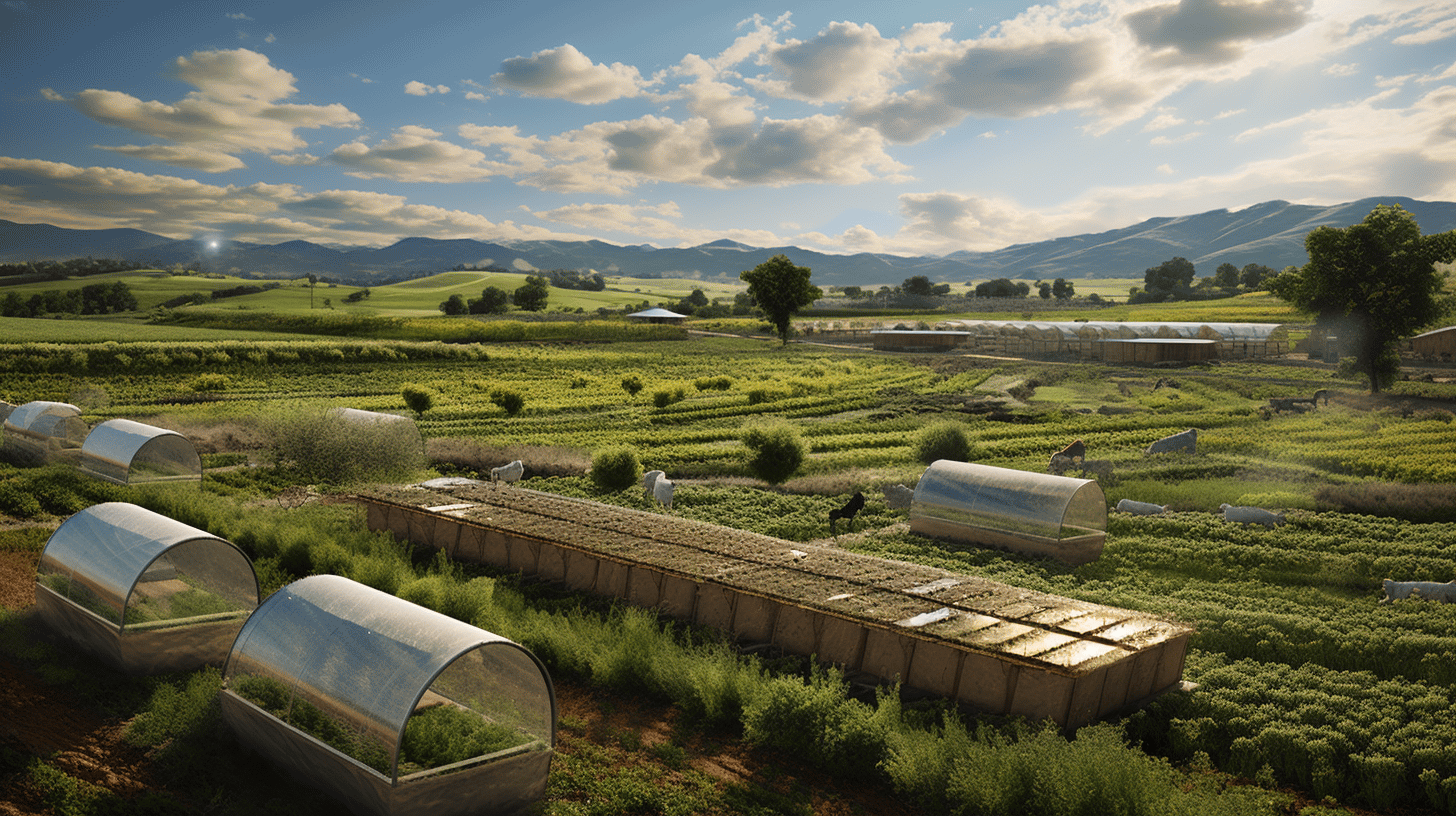
Regenerative agriculture has been gaining significant attention in recent years as a sustainable and environmentally-friendly approach to farming. By focusing on soil health and biodiversity, regenerative agriculture aims to restore and rejuvenate ecosystems, while also providing economic benefits to farmers. As we look ahead to 2023, it is essential to keep an eye on the emerging trends and developments in the field of regenerative agriculture.
In this article, we will explore the rising market size of regenerative agriculture and its impact on reducing the use of synthetic fertilizers and pesticides. We will also delve into the profitability of regenerative farming practices, as well as the environmental benefits it offers. Furthermore, we will delve into the public perception and acceptance of regenerative agriculture, highlighting the techniques involved and the crucial transition phase that farmers undergo during implementation.
So, join us on this insightful journey into regenerative agriculture and discover why it is a trend worth watching in 2023.
The Rising Market Size of Regenerative Agriculture
Regenerative agriculture is garnering increasing attention and investment in recent years due to its potential to address pressing environmental and sustainability challenges in the agricultural sector. In fact, the global regenerative agriculture market size is projected to witness remarkable growth in the coming years.
According to industry reports, the regenerative agriculture market size was valued at USD 8.97 billion in 2021 and is expected to reach USD 31.2 billion by 2030. This exponential growth can be attributed to several factors, including the increasing awareness about the environmental benefits of regenerative practices, the rising demand for organic and sustainable food products, and the favorable government policies promoting sustainable agriculture.
One of the key drivers behind the growth of the regenerative agriculture market is the rising consumer demand for food products that are produced in an environmentally-friendly and socially-responsible manner. Consumers are becoming increasingly conscious about the impact of traditional agricultural practices on the environment, such as soil degradation, water pollution, and greenhouse gas emissions. As a result, they are actively seeking out products that are produced using regenerative practices, which prioritize soil health, biodiversity, and ecosystem resilience.
Furthermore, the regenerative agriculture market is also benefiting from the support and incentives provided by governments and regulatory bodies around the world. Many countries have recognized the importance of transitioning to sustainable agricultural practices to mitigate the environmental impact of conventional farming methods. They are offering financial support, subsidies, and tax incentives to farmers who adopt regenerative practices, thereby driving the market growth.
Another significant factor contributing to the rapid expansion of the regenerative agriculture market is the increasing adoption of precision agriculture technologies. These technologies, which include satellite imaging, GPS-guided machinery, and data analytics, enable farmers to optimize their operations and maximize yields while minimizing environmental impact. The integration of these technologies with regenerative practices is expected to revolutionize the agricultural industry and enhance the scalability and profitability of regenerative agriculture.
In conclusion, the regenerative agriculture market is witnessing considerable growth and is projected to continue its upward trajectory in the coming years. Factors such as increasing consumer demand for sustainable and organic products, government support, and the adoption of precision agriculture technologies are driving this growth. As more farmers and stakeholders recognize the multitude of benefits offered by regenerative practices, the market size of regenerative agriculture is anticipated to reach new heights, contributing to a more sustainable and resilient future for the agricultural sector.
Additional Information:
- The global regenerative agriculture market size is expected to reach USD 2,900.2 million by 2030.
- Revenue from regenerative agriculture is expected to grow from $8.70 billion in 2022 to $32.29 billion in 2023.
Impact of Regenerative Agriculture on Fertilizer and Pesticides Use
Regenerative agriculture is gaining momentum as a sustainable farming practice that aims to restore and enhance soil health, biodiversity, and overall ecosystem resilience. One of the significant benefits of regenerative agriculture is its potential to reduce the reliance on synthetic fertilizers and pesticides, which can have harmful effects on the environment and human health.
Decreased Fertilizer Use
One of the key principles of regenerative agriculture is maximizing soil health and fertility naturally. By adopting regenerative practices such as cover cropping, crop rotation, and the use of organic amendments like compost, farmers can enhance soil nutrient cycling and minimize the need for synthetic fertilizers. This, in turn, has a positive environmental impact by reducing the run-off of excess nutrients into water bodies, which can cause harmful algal blooms and disrupt aquatic ecosystems.
Some farmers have reported noteworthy reductions in fertilizer use by embracing regenerative agriculture. In fact, studies have shown that regenerative practices can lead to a decrease in fertilizer application rates by up to 50%, while still maintaining or even increasing crop yields. This not only helps reduce input costs for farmers but also contributes to a more sustainable and environmentally friendly farming system.
Lower Pesticide Dependence
In conventional agriculture, the use of chemical pesticides is often necessary to combat pests, diseases, and weeds that can threaten crop productivity. However, these chemical pesticides can have adverse effects on non-target organisms, including beneficial insects, soil microorganisms, and even human health.
Regenerative agriculture focuses on enhancing natural pest management systems through practices like crop diversity, attracting beneficial insects, and promoting soil health. By nurturing a diverse and balanced ecosystem, regenerative farmers can reduce their reliance on chemical pesticides and foster the natural ability of plants and beneficial organisms to resist pests and diseases.
Research and real-world examples have shown that regenerative agriculture can lead to a significant reduction in pesticide use, with some farmers reporting decreases of up to 75%. This reduction not only minimizes potential environmental contamination and the health risks associated with pesticide exposure but also contributes to the preservation of beneficial insects and the overall biodiversity of the farm.
Conclusion
Regenerative agriculture holds tremendous potential in reducing the use of synthetic fertilizers and pesticides in conventional farming systems. By focusing on building healthy soils and promoting natural ecosystem dynamics, farmers can decrease their reliance on these inputs while still maintaining or even improving crop yields. This not only benefits the environment and human health but also contributes to the long-term sustainability and resilience of agricultural systems.
Profitability of Regenerative Farming
Regenerative farming is not only beneficial for the environment but also for farmers’ bottom line. By adopting regenerative agricultural practices, farmers are not only able to improve soil health and biodiversity but also increase their profitability. Let’s take a closer look at how regenerative farming can be a game-changer when it comes to financial success.
Higher Profit Margins
Regenerative farming offers higher profit margins compared to conventional farming methods. Studies have shown that after six years of transitioning to regenerative practices, farms can become up to 60% more profitable. This increase in profitability can be attributed to several factors:
- Reduced input costs: Regenerative farming focuses on building healthy soil, which means farmers can reduce their reliance on expensive chemical inputs such as fertilizers and pesticides. This leads to cost savings and higher profit margins.
- Improved yield stability: By implementing regenerative techniques, farmers can create more resilient and robust farming systems. This resilience helps mitigate the risks associated with extreme weather events and other challenges, resulting in more stable and consistent crop yields. The ability to maintain consistent yields throughout the years can positively impact the profitability of a farm.
Increased Crop Yields
In addition to higher profit margins, regenerative farming practices can also lead to increased crop yields. Farmers who adopt regenerative techniques have reported yield increases of up to 25%. This increase in productivity can be attributed to the following factors:
- Improved soil health: Regenerative farming focuses on building soil organic matter and enhancing soil fertility. Healthy soil provides plants with the necessary nutrients, water retention, and structure, resulting in improved crop growth and yield.
- Enhanced nutrient cycling: By implementing practices such as cover cropping and crop rotation, regenerative farmers can improve nutrient cycling within their fields. This results in more efficient nutrient uptake by plants, leading to increased yields.
- Pest and disease management: Regenerative agriculture emphasizes natural pest and disease management techniques, such as biological control and habitat diversification. By minimizing the reliance on chemical inputs, farmers can reduce the negative impact of pests and diseases on their crops, resulting in healthier plants and higher yields.
The Bottom Line
The profitability of regenerative farming is not just a myth. Farmers who embrace regenerative practices can experience financial benefits in the form of higher profit margins and increased crop yields. By reducing input costs, improving soil health, and implementing sustainable pest and disease management strategies, regenerative farmers pave the way to a more profitable and sustainable future for themselves and the planet.
So, if you’re a farmer looking to boost your profitability while also caring for the environment, regenerative farming might just be the key you’ve been looking for.
Want to learn more about regenerative farming and its financial benefits? Check out this link for more information.
Environmental Benefits of Regenerative Agriculture
Regenerative agriculture is gaining momentum as a sustainable farming practice that not only produces healthy food but also offers a multitude of environmental benefits. By implementing regenerative techniques, farmers can play a crucial role in mitigating climate change, restoring soil health, and enhancing biodiversity.
One of the notable environmental benefits of regenerative agriculture is its ability to increase soil organic matter. Compared to conventional farming methods, regenerative agriculture techniques can boost soil organic matter by 8% to 15%. This increase leads to improved soil structure, water retention, and nutrient availability, thus enhancing crop health and productivity. Additionally, higher levels of organic matter in the soil contribute to carbon sequestration, which helps combat the rising levels of atmospheric carbon dioxide.
Moreover, regenerative agriculture practices can build up organic soil carbon and nitrogen stocks while reducing nitrogen losses. Traditional agricultural practices often contribute to excessive nitrogen runoff, leading to water pollution and eutrophication of water bodies. However, regenerative techniques, such as cover cropping, crop rotation, and nutrient management, can minimize these detrimental effects. This not only improves water quality but also protects aquatic ecosystems, ensuring a healthier environment for both humans and wildlife.
In addition to soil health and water quality improvements, regenerative agriculture practices have the power to sequester greenhouse gas emissions. Agriculture is a significant contributor to greenhouse gas emissions, particularly through the release of carbon dioxide and methane. However, regenerative techniques, such as agroforestry and rotational grazing, can help capture and store carbon in the soil, effectively mitigating climate change. By implementing these practices, farmers can potentially become carbon-negative and actively contribute to the reduction of greenhouse gas emissions.
To sum up, regenerative agriculture offers a range of environmental benefits that contribute to a more sustainable and resilient food system. From increasing soil organic matter to reducing nitrogen losses and sequestering greenhouse gas emissions, this holistic approach to farming has the potential to transform agricultural landscapes for the better. By adopting regenerative practices, farmers can not only produce nutritious food but also become stewards of the environment, safeguarding the planet for future generations.
Public Perception and Acceptance of Regenerative Agriculture
Regenerative agriculture has gained significant attention in recent years due to its potential to address environmental challenges and improve the overall sustainability of food production. But how is it perceived by the public? And to what extent is it being accepted as a viable agricultural practice? Let’s explore the public perception and acceptance of regenerative agriculture.
Positive Consumer Sentiment
A study conducted by INSERT INTERNAL LINK TO “30% of consumer respondents selected regenerative agriculture as a top choice among the most beneficial agricultural practices.” revealed that regenerative agriculture is viewed favorably by consumers. In fact, a significant 30% of consumer respondents selected regenerative agriculture as a top choice among the most beneficial agricultural practices. This demonstrates that the public recognizes the potential benefits of regenerative agriculture for both the environment and our food system.
Benefits that Resonate with UK Consumers
In a survey conducted in the United Kingdom, respondents were asked about the most important benefits of regenerative agriculture. According to the results, INSERT INTERNAL LINK TO “UK respondents ranked greater biodiversity and reduced emissions as the most important benefits of regenerative agriculture.” This highlights the emphasis placed on environmental considerations by UK consumers. They value the promotion of biodiversity and the reduction of emissions, indicating that regenerative agriculture aligns with their sustainability priorities.
Acknowledgement by Agri-Food Firms
It’s not just consumers who recognize the potential of regenerative agriculture. A substantial number of agri-food firms have also acknowledged its importance. In fact, INSERT INTERNAL LINK TO “50 (63%) out of 79 global agri-food firms publicly refer to the potential of regenerative agriculture.” These firms understand the significance of transitioning to regenerative agriculture practices and have publicly acknowledged the potential benefits it can bring to the industry as a whole.
The positive perception and acceptance of regenerative agriculture by both consumers and agri-food firms are encouraging signs for the future of sustainable agricultural practices. As more people become aware of its potential benefits, it is likely that the adoption of regenerative agriculture will continue to grow.
Regenerative agriculture offers a promising path towards a more sustainable and resilient food system. Its focus on soil health, biodiversity, and climate mitigation resonates with consumers who are increasingly concerned about the environmental impact of their food choices. By harnessing the potential of regenerative agriculture, we can contribute to a more sustainable future for our planet and ensure the long-term health of our ecosystems.
Regenerative Agriculture Techniques
Regenerative agriculture is gaining recognition as a sustainable farming approach that focuses on restoring and revitalizing the natural resources of the land. It involves practices that promote soil health, biodiversity, and carbon sequestration. In this article, we will explore some of the key regenerative agriculture techniques that farmers are using to transform their land and contribute to a more sustainable future.
Intercropping: Maximizing Land Efficiency
One of the regenerative agriculture techniques gaining popularity is intercropping. This practice involves growing two or more crops in proximity to each other within the same field. Here’s how intercropping benefits farmers and the environment:
- Increased crop diversity: Intercropping allows farmers to cultivate a variety of crops simultaneously, enhancing biodiversity and reducing the risk of crop failure due to pests or diseases.
- Optimized land use: By growing multiple crops in the same field, farmers can make efficient use of available space, maximizing their yield per acre.
- Natural pest control: Some crops when grown together create a natural pest deterrent, reducing the need for chemical pesticides and promoting a healthier ecosystem.
Agroforestry: Nurturing Trees and Crops Together
Agroforestry is another regenerative agriculture practice that combines the cultivation of trees with agricultural crops. This technique offers numerous benefits:
- Enhanced carbon sequestration: Trees are excellent at capturing and storing carbon dioxide from the atmosphere, helping to mitigate climate change. By integrating trees into farming systems, agroforestry enhances carbon sequestration and reduces greenhouse gas emissions.
- Improved soil fertility: The presence of trees in agroforestry systems contributes to improved soil fertility by replenishing organic matter, increasing nutrient availability, and reducing soil erosion.
- Diverse income streams: Agroforestry systems can provide additional sources of income for farmers by harvesting timber, fruits, nuts, or medicinal plants from the trees.
Livestock Integration: Balancing Agriculture and Animal Husbandry
Integrating livestock into farming practices is another key aspect of regenerative agriculture. By allowing animals to graze on the land, farmers can achieve several benefits:
- Enhanced nutrient cycling: Livestock help replenish the soil by distributing manure and trampling plant material, accelerating the decomposition process and cycling nutrients back into the soil.
- Increased organic matter: The presence of livestock on the land contributes to improved soil structure and fertility through the addition of organic matter.
- Diversified income streams: Raising livestock offers farmers additional economic opportunities by selling meat, dairy products, or wool.
Cover Crops: Protecting and Nourishing the Soil
Cover cropping is a regenerative agriculture technique that involves planting crops specifically to protect and improve soil health. Here’s why cover crops are beneficial:
- Erosion prevention: Cover crops act as a shield against wind and water erosion, reducing the loss of topsoil and preserving the integrity of the land.
- Weed suppression: By crowding out weeds, cover crops minimize the need for herbicides, making farming more environmentally friendly.
- Nutrient retention: Cover crops absorb excess nutrients, preventing them from leaching into water bodies, thus minimizing the risk of water pollution.
Incorporating regenerative agriculture techniques like intercropping, agroforestry, livestock integration, and cover cropping can help transform conventional farming practices into sustainable, ecological systems. These techniques not only restore and revitalize the land but also contribute to mitigating climate change, preserving biodiversity, and ensuring long-term food security. Embracing regenerative agriculture is a step towards a more sustainable and resilient future for our planet.
Transition Phase in Regenerative Agriculture
Regenerative agriculture is gaining momentum as a sustainable farming practice that promotes soil health, biodiversity, and long-term ecological balance. However, transitioning from conventional farming methods to regenerative practices is not an overnight process. Farmers embarking on this transformative journey need to understand and navigate through the transition phase effectively. This section will delve into the transition phase in regenerative agriculture and shed light on what farmers can expect during this crucial period.
The Lengthy Journey to Regenerative Agriculture
The transition phase for farmers incorporating regenerative practices can last an average of 3–5 years. This duration is necessary for the land to restore its health, improve soil fertility, and allow natural systems to regain equilibrium. During this time, farmers employ a combination of techniques to revitalize their fields and transition from conventional to regenerative farming. While the journey may seem arduous, the rewards are well worth the effort and patience.
Navigating the Transition Phase
During the transition phase, farmers must be proactive, adaptable, and open to experimenting with new practices. Here are some key steps and considerations to keep in mind:
- Assess Your Soil: Understanding the current state of the soil is essential for determining the specific regenerative practices needed. Conducting soil tests can provide valuable insights into nutrient deficiencies, pH levels, and organic matter content, shaping your transition plan accordingly.
- Preserve Soil Cover: Maintaining soil cover is crucial to avoid erosion, retain moisture, and foster the growth of beneficial microbes. Consider cover cropping, mulching, or using cover crops as livestock forage to protect and improve the soil during the transition.
- Implement Crop Rotation: Crop rotation helps break pest cycles, reduces the reliance on synthetic inputs, and enhances soil health. Introduce diverse crops that promote different root structures and nutrient uptake, aiding in the regeneration of your farmland.
- Manage Weeds and Pests: Adopting integrated pest management (IPM) practices can help control weeds and pests without resorting to harmful chemicals. Implement strategies like mechanical cultivation, crop diversification, and biological controls to strike a balance between pest management and preserving ecosystem integrity.
Quotes on the Transition Phase
“The transition phase in regenerative agriculture requires patience and adaptability. Embracing change and experimenting with new practices is key to success.” – John Anderson, Regenerative Farmer
“During the transition, farmers need to focus on building soil health and biodiversity. This foundation sets the stage for long-term sustainability.” – Sarah Thompson, Soil Scientist
In conclusion, the transition phase is a critical period for farmers embarking on the path of regenerative agriculture. It requires a shift in mindset, a willingness to learn, and a commitment to nurturing the land back to its full potential. By following best practices, being patient, and seeking advice from experienced regenerative farmers, the transition phase can lay the foundation for a thriving and sustainable farming future.
Conclusion
In conclusion, regenerative agriculture is not just a passing trend but a transformative approach that holds immense potential for the future of farming. With its focus on soil health, holistic management, and sustainable practices, regenerative agriculture offers numerous benefits for farmers, the environment, and local communities.
By adopting regenerative farming techniques, farmers can experience increased profitability, reduced input costs, and improved soil fertility. This, in turn, leads to healthier crops, enhanced biodiversity, and cleaner water systems. Additionally, regenerative agriculture plays a vital role in mitigating climate change by sequestering carbon in the soil and reducing greenhouse gas emissions.
As public awareness and acceptance of regenerative agriculture grows, more consumers are seeking out products that have been grown using these sustainable methods. This shift in consumer demand is creating opportunities for farmers to tap into niche markets and command premium prices for their regenerative produce.
At Regenerative Agriculture Wiki, our mission is to support and educate individuals and communities interested in adopting regenerative farming practices. Through our comprehensive guides, insightful articles, and valuable resources, we strive to empower farmers and enthusiasts alike to embrace sustainable agriculture and contribute to a future where agriculture and ecology thrive in harmony.
Join us on our journey towards a more sustainable and regenerative future. Explore the potential of regenerative agriculture and discover how you can make a positive impact on the environment and global food security.
Visit Regenerative Agriculture Wiki to learn more and start your regenerative farming journey today.
Frequently Asked Questions
- What is regenerative agriculture?
Regenerative agriculture is a holistic approach to farming and land management that focuses on restoring and improving the health of the soil, increasing biodiversity, and promoting ecosystem resilience.
- Why is regenerative agriculture important?
Regenerative agriculture is important because it helps combat climate change by sequestering carbon in the soil, reduces the need for synthetic fertilizers and pesticides, improves water quality, and enhances the overall sustainability and resilience of the farming system.
- What are some key trends to watch out for in regenerative agriculture in 2023?
Some key trends to watch out for in regenerative agriculture in 2023 include the increased adoption of regenerative practices by farmers, the use of new technologies and data analytics for precision farming, the integration of livestock in regenerative farming systems, and the emergence of regenerative agriculture certification programs.
- How can farmers implement regenerative agriculture practices?
Farmers can implement regenerative agriculture practices by using techniques such as cover cropping, crop rotation, agroforestry, no-till farming, and holistic grazing management. It is also important to prioritize soil health, biodiversity, and minimizing chemical inputs.
- What are the benefits of regenerative agriculture for farmers?
Regenerative agriculture offers several benefits for farmers, including improved soil health and fertility, increased crop yields, reduced input costs, enhanced biodiversity, improved water retention, and resilience to climate change impacts.