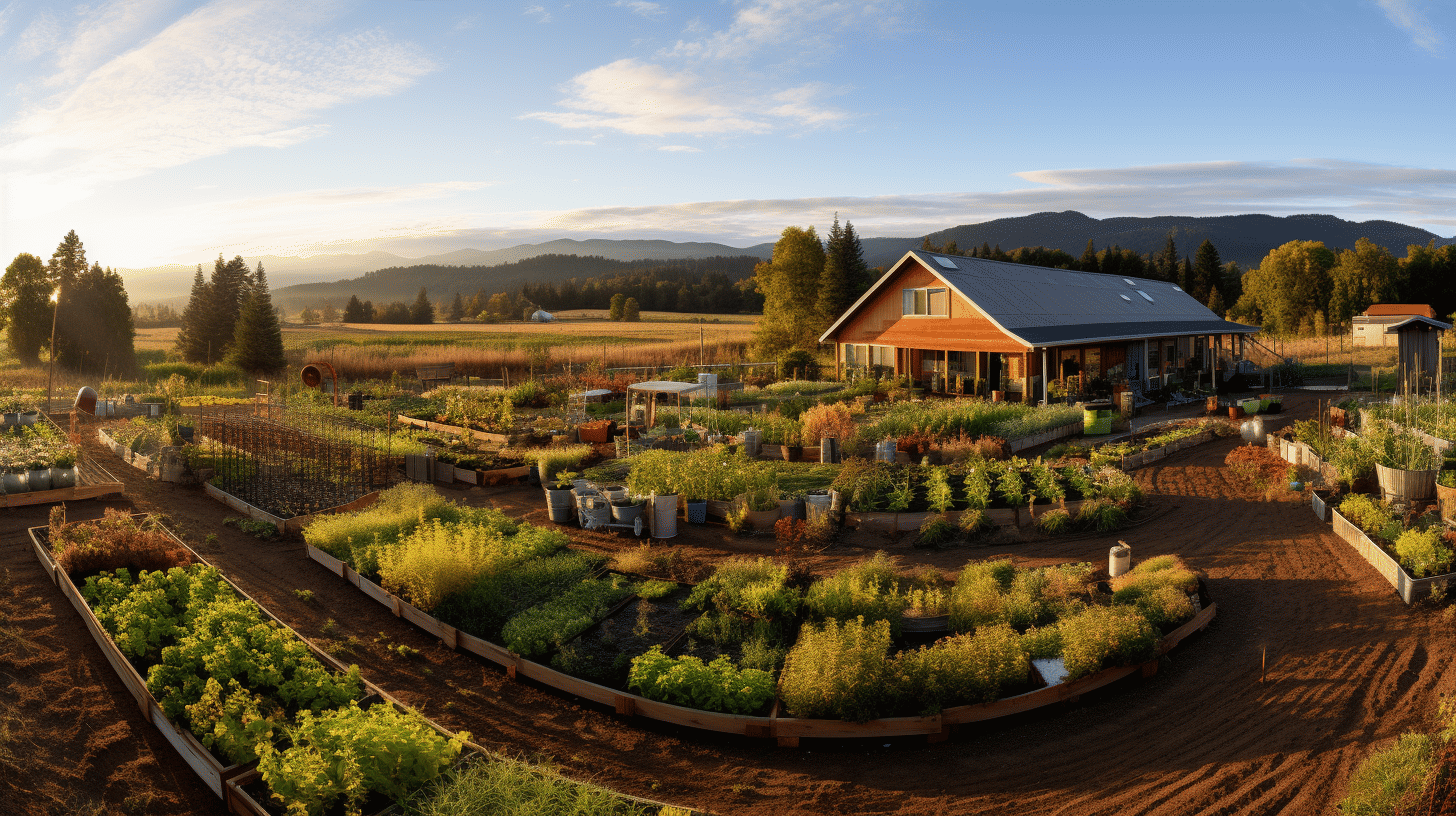
Agroforestry practices can play a vital role in boosting soil health and promoting sustainable land management. By integrating trees, crops, and livestock on the same piece of land, agroforestry systems offer a range of benefits that go beyond traditional agriculture. These practices not only enhance soil fertility but also reduce erosion rates, improve water quality, and contribute to climate change mitigation.
In this article, we will explore the various ways in which agroforestry practices can enhance soil health and contribute to sustainable land management. We will delve into the benefits of agroforestry for soil fertility, erosion control, and water quality. Furthermore, we will discuss the multiple environmental benefits of agroforestry, including climate change mitigation, biodiversity conservation, and land resilience. Finally, we will explore how agroforestry can be combined with other practices, such as cover crops, low tillage, and nutrient management, to optimize soil health and fertility.
So, if you are interested in learning how agroforestry practices can transform your land and boost soil health, buckle up and continue reading. We have a wealth of information to share with you on this exciting and sustainable approach to agriculture. Stay tuned!
Enhancing Soil Health through Agroforestry
Agroforestry, the practice of intentionally integrating trees and crops or livestock on the same piece of land, offers numerous benefits for soil health. By combining the advantages of agriculture and forestry, agroforestry provides a holistic approach that enhances soil organic carbon, reduces erosion and runoff, and increases productivity and stability. Let’s explore these benefits in more detail:
Improved Soil Organic Carbon
One of the key indicators of soil health is the presence of organic carbon. Agroforestry plays a crucial role in enhancing soil organic carbon levels, which in turn improves soil fertility and structure. Here’s how it works:
- Trees in agroforestry systems have deep root systems that penetrate the soil, increasing its organic matter content. As trees shed leaves and branches, these organic materials decompose and contribute to the carbon pool in the soil.
- The presence of trees also enhances the nutrient cycling process, as their roots absorb nutrients from deep within the soil and release them back into the surface layers through litterfall and root exudates.
- Agroforestry systems promote the development of a diverse range of microorganisms, including fungi and bacteria, which are responsible for decomposing organic matter and converting it into stable forms of carbon.
Reduced Erosion and Runoff
Erosion and runoff are major challenges in conventional agricultural systems, leading to loss of topsoil and nutrient depletion. Agroforestry tackles these issues effectively through the following mechanisms:
- The canopy of trees in agroforestry systems provides a natural shield against the force of raindrops, reducing their impact on the soil surface. This prevents the formation of soil crusts, which impede water infiltration and promote erosion.
- The roots of trees bind the soil particles together, creating a stable soil structure that resists erosion. They also increase water infiltration rates and reduce surface runoff, allowing more water to penetrate the soil and recharge groundwater.
- The presence of trees along contour lines or in windbreaks further mitigates erosion by acting as barriers to wind and water movement.
Increased Productivity and Stability
Agroforestry practices have been shown to enhance both crop and livestock productivity, as well as long-term system stability. Here’s why:
- The shade provided by trees in agroforestry systems helps to moderate temperature extremes, creating a favorable microclimate for crops and livestock. This can extend the growing season, improve yield, and reduce reliance on external inputs such as irrigation.
- By diversifying the landscape, agroforestry systems promote habitat diversity, attracting beneficial organisms like pollinators and natural predators of pests. This natural pest control reduces the need for chemical inputs and enhances overall system resilience.
- The multi-layered structure of agroforestry systems allows for the efficient utilization of sunlight and resources. Different crops and tree species can be intercropped, maximizing the use of available space and enhancing overall productivity.
In conclusion, agroforestry offers a comprehensive approach to enhancing soil health. By increasing soil organic carbon, reducing erosion and runoff, and boosting productivity and stability, this sustainable land-use practice contributes to the long-term sustainability of agricultural systems. The positive effects of agroforestry vary depending on location and specific management practices, making it important to adopt site-specific approaches for optimal results.
Benefits of Agroforestry for Soil Health
Agroforestry, the practice of integrating trees and crops on the same land, has gained significant attention in recent years due to its numerous benefits for soil health. By harnessing the power of trees and their symbiotic relationship with the soil, agroforestry systems offer a sustainable approach to agriculture that promotes the overall health and fertility of the soil. In this section, we’ll explore three key benefits of agroforestry for soil health: improved soil fertility, reduced erosion rates, and enhanced water quality.
Improved Soil Fertility
One of the primary advantages of agroforestry systems is their ability to enhance soil fertility. The presence of trees in agroforestry systems provides a multitude of benefits that contribute to the overall health and nutrient content of the soil. Here’s how:
- Nutrient cycling: Trees have deep-rooting systems that can access nutrients deep within the soil. As the trees absorb nutrients, they release them back into the soil through leaf litter and root exudates, enriching the soil with essential elements.
- Increased organic matter: The fallen leaves, twigs, and other organic materials from trees contribute to the organic matter content of the soil. This organic matter improves soil structure, water-holding capacity, and nutrient retention, creating an ideal environment for plant growth.
- Biological interactions: Agroforestry systems foster diverse and complex ecological interactions between trees, crops, and soil organisms. This promotes beneficial interactions, such as nutrient exchange between plants and mycorrhizal fungi, leading to improved nutrient availability for crops.
Reduced Erosion Rates
Soil erosion is a major concern in conventional agriculture, leading to the loss of fertile topsoil and subsequent decline in soil health. Agroforestry systems offer a natural solution to combat erosion and preserve soil integrity. Here’s how agroforestry helps reduce erosion rates:
- Windbreaks and shelterbelts: The strategic placement of trees in agroforestry systems acts as windbreaks, mitigating the impact of wind erosion. By decreasing wind velocity, trees reduce soil loss and protect crops from damage.
- Root reinforcement: The extensive root systems of trees play a crucial role in stabilizing the soil. Tree roots bind soil particles together, reducing the risk of erosion by water runoff.
- Rainwater interception: The canopy of trees intercepts rainwater, preventing direct impact on the soil surface. This reduces the erosive force of rainfall and minimizes soil splashing, further protecting the soil from erosion.
Enhanced Water Quality
Water quality is closely linked to soil health, as the health of the soil directly influences the quality of water that flows through it. Agroforestry systems play a vital role in improving water quality by:
- Filtering pollutants: The tree roots in agroforestry systems act as natural filters, capturing and absorbing pollutants before they reach water bodies. This helps prevent contamination of water sources by agricultural chemicals and sediments.
- Reducing runoff: Trees in agroforestry systems help to slow down water runoff, allowing more time for water infiltration. This reduces the transport of sediment, nutrients, and chemicals into water bodies, resulting in improved water quality.
By harnessing these benefits, agroforestry systems contribute to the overall health and resilience of the soil, ensuring sustainable agricultural practices that can withstand the challenges posed by climate change.
Sustainable agroforestry systems improve soil fertility and mitigate the adverse effects of climate change.
Agroforestry can reduce soil erosion rates by 50% compared to monocultures.
Agroforestry systems improve water quality and contribute to soil health.
Multiple Environmental Benefits of Agroforestry
Agroforestry is a sustainable farming practice that involves incorporating trees into agricultural landscapes. This innovative approach offers a multitude of environmental benefits that make it a valuable tool in addressing some of the pressing challenges we face today, such as climate change, biodiversity loss, and land degradation.
Climate Change Mitigation
One of the key environmental benefits of agroforestry is its contribution to climate change mitigation. Trees play a crucial role in sequestering carbon dioxide (CO2) from the atmosphere, acting as “carbon sinks.” By integrating trees into agricultural fields, we can significantly reduce greenhouse gas emissions and offset the carbon footprint of farming activities.
Did you know? According to studies, agroforestry systems have the potential to sequester up to four times more carbon than conventional farming methods. This means that agroforestry has the power to make a significant impact in combatting climate change.
Biodiversity Conservation
Another significant benefit of agroforestry is its contribution to biodiversity conservation. Traditional farming practices often lead to habitat destruction and the loss of biodiversity. However, agroforestry systems provide a more diverse and stable habitat for many plant and animal species.
In agroforestry systems, the trees provide shelter, nesting sites, and food sources for a wide range of organisms. This promotes the presence of beneficial insects, birds, and other wildlife, which contribute to natural pest control and pollination. By fostering biodiversity, agroforestry helps maintain a healthy and resilient ecosystem.
Land Resilience
Agroforestry also enhances land resilience, particularly in areas prone to soil erosion and degradation. The incorporation of trees in agricultural fields helps protect the soil from erosion caused by wind and water. The intricate root systems of trees help bind the soil particles, preventing them from washing or blowing away.
Moreover, the leaf litter and organic matter from trees act as natural fertilizers, enriching the soil with nutrients and improving its overall quality. This is especially beneficial in areas where soil fertility is poor, as trees can restore and rejuvenate the soil over time.
Fun fact! Did you know that trees in agroforestry systems enhance poor soil quality and nutrient content? They help increase organic matter, nitrogen, and phosphorus, leading to healthier and more productive soils.
In conclusion, agroforestry offers multiple environmental benefits that contribute to climate change mitigation, biodiversity conservation, and land resilience. By integrating trees into agricultural landscapes, we can promote a sustainable and resilient farming system that not only enhances productivity but also protects our natural resources for future generations.
Contributions of Agroforestry to Sustainable Land Management
Agroforestry, a practice that combines tree cultivation with agricultural crops or livestock, offers numerous benefits for sustainable land management. This innovative approach has gained recognition for its ability to enhance soil health, mitigate greenhouse gas emissions, and contribute to long-term environmental sustainability. By integrating trees into agricultural landscapes, farmers and land managers can harness the power of nature to create resilient and productive ecosystems.
Improved Soil Health
Agroforestry systems play a vital role in improving soil health, one of the cornerstones of sustainable land management. Here are a few key ways in which agroforestry contributes to soil health:
- Nutrient cycling: Trees in agroforestry systems act as natural nutrient pumps, cycling essential elements between the soil and the atmosphere. Through processes like nitrogen fixation and litterfall, trees enrich the soil with valuable nutrients, benefiting adjacent crops and vegetation.
- Enhanced soil structure: The presence of trees in agroforestry systems promotes the formation of stable soil aggregates, reducing soil erosion and allowing better water infiltration. Tree roots help bind the soil, preventing compaction and enhancing its resilience against drought or heavy rainfall.
- Organic matter accumulation: Agroforestry systems encourage the accumulation of organic matter in the soil through the continuous input of tree litter and root exudates. This organic matter enhances soil fertility, moisture retention, and microbial activity, facilitating healthier plant growth and crop productivity.
It is worth noting that agroforestry systems complement other sustainable land management practices such as cover crops, low tillage, and nutrient management. Working together, these practices create a synergistic effect, leading to even greater improvements in soil health and overall ecosystem resilience.
Reduced Greenhouse Gas Emissions
Addressing climate change requires urgent action to reduce greenhouse gas emissions. Agroforestry has emerged as a promising solution, offering substantial potential to mitigate these emissions. Here’s how agroforestry systems contribute towards reducing greenhouse gas emissions:
- Carbon sequestration: Trees are exceptional carbon sinks, absorbing atmospheric carbon dioxide (CO2) through photosynthesis and storing it in their biomass and soils. Agroforestry systems effectively sequester carbon, thereby offsetting greenhouse gas emissions and helping to combat climate change.
- Regulation of water resources: Agroforestry systems can regulate water resources, reducing the risk of floods and droughts. By reducing soil erosion and improving water infiltration rates, agroforestry helps to maintain a stable hydrological cycle, which indirectly contributes to mitigating greenhouse gas emissions.
Agroforestry’s ability to sequester carbon and regulate water resources makes it a valuable tool in the fight against climate change. By integrating trees into agricultural landscapes, we can harness their environmental benefits and build a more sustainable future.
In conclusion, agroforestry offers significant contributions to sustainable land management. By improving soil health, reducing greenhouse gas emissions, and enhancing ecosystem resilience, agroforestry represents a holistic approach to sustainable agriculture. Farmers and land managers should consider adopting agroforestry systems and take advantage of its multiple benefits for long-term environmental sustainability.
Agroforestry for Soil Fertility and Nutrient Cycling
Agroforestry systems have gained recognition as an effective and sustainable approach to enhance soil fertility and nutrient cycling. By combining trees, crops, and/or livestock on the same piece of land, agroforestry integrates agricultural practices with the benefits of trees, resulting in a synergistic relationship that positively influences soil health.
The Role of Trees in Agroforestry
Trees play a crucial role in agroforestry systems when it comes to soil fertility and nutrient cycling. Here are a few reasons why:
- Leaf Litter: Tree leaves provide a significant source of organic matter to the soil through leaf litter. As these leaves decompose, they release essential nutrients back into the soil, enriching its fertility. This organic matter also improves soil structure, moisture retention, and aeration, promoting optimal conditions for plant growth.
- Nitrogen Fixation: Certain tree species, such as legumes, have the ability to fix atmospheric nitrogen. These trees form symbiotic relationships with nitrogen-fixing bacteria in their root nodules, enabling them to convert atmospheric nitrogen into a form that plants can readily utilize. The fixed nitrogen is then available for other plants in the agroforestry system, promoting overall nutrient cycling.
- Deep Root Systems: Trees have deep and extensive root systems that penetrate the soil, accessing nutrients from greater depths. These roots can reach nutrients that are otherwise unavailable to shallow-rooted crops, making them valuable nutrient mobilizers. Additionally, deeper root systems help improve soil structure, reduce erosion, and prevent nutrient leaching.
Enhancing Soil-Based Ecosystem Services
Agroforestry systems provide organic inputs that enhance soil-based ecosystem services, ultimately contributing to improved soil fertility and nutrient cycling. Take a look at some of these notable benefits:
- Carbon Sequestration: Trees in agroforestry systems act as carbon sinks, helping to mitigate climate change by sequestering atmospheric carbon dioxide. The sequestered carbon is stored in tree biomass and in the soil, leading to the enhancement of organic matter content and soil carbon stocks. This not only helps combat climate change but also improves soil fertility.
- Water Conservation: The presence of trees in agroforestry systems can help conserve water by reducing evaporation and preventing soil moisture loss. The tree canopy provides shade, which helps keep the soil cool and reduces water evaporation. This contributes to improved water availability for plants and promotes a more sustainable use of water resources.
- Biodiversity Support: Agroforestry systems, with their diverse vegetation structure, provide habitat and food sources for a wide range of beneficial organisms, such as pollinators and natural enemies of pests. The presence of diverse plant and animal species enhances ecological interactions, leading to increased biodiversity and ecosystem resilience. This, in turn, contributes to improved nutrient cycling and overall soil health.
In summary, agroforestry systems offer a holistic approach to soil fertility and nutrient cycling by integrating the benefits of trees with agricultural practices. Through the provision of organic inputs, carbon sequestration, water conservation, and support for biodiversity, these systems promote sustainable and resilient agricultural production. By implementing agroforestry techniques, farmers can enhance soil health, increase productivity, and contribute to the long-term sustainability of our ecosystems.
Building Healthy and Fertile Soil with Agroforestry
When it comes to sustainable agriculture practices, agroforestry stands as a powerful tool for building healthy and fertile soil. Agroforestry is a land management system that integrates trees, crops, and livestock in a synergistic manner. This approach, rooted in traditional farming practices, has gained recognition for its role in soil restoration, runoff reduction, and soil particle binding.
One of the benefits of agroforestry is its ability to improve soil structure and fertility. Here’s how it works:
- Organic Matter Accumulation: Agroforestry systems promote the accumulation of organic matter in the soil through the addition of tree leaves, crop residues, and animal manure. This organic matter serves as a source of nutrients for plants and enhances the soil’s water-holding capacity.
- Nutrient Cycling: The presence of trees in agroforestry systems helps to cycle and redistribute nutrients. Trees draw up nutrients from deep within the soil and bring them to the surface through leaf litter and root exudates. These nutrients become available to the crops, resulting in improved plant growth and yield.
- Erosion Control: Agroforestry acts as a natural barrier against erosion. The roots of trees bind the soil particles together, reducing the risk of soil erosion caused by wind and water. This prevents valuable topsoil from being washed away and helps maintain soil fertility.
- Water Management: Agroforestry systems assist in reducing runoff and conserving water. Trees act as natural rainwater filters, intercepting rainfall, and reducing the force of droplets hitting the ground. They also provide shade, minimizing evaporation and preventing soil water loss.
Overall, agroforestry provides a holistic approach to soil health and ecological balance. By integrating trees, crops, and livestock, farmers can create ecosystems where each component plays a vital role in nourishing the soil, promoting biodiversity, and mitigating climate change impacts.
Did you know? Agroforestry has been practiced for centuries in various parts of the world, especially in indigenous communities. It showcases the wisdom of traditional agricultural systems and offers valuable insights into sustainable land management practices.
By adopting agroforestry practices, farmers can harness the power of nature to combat soil degradation, enhance fertility, and create a sustainable farming system for future generations.
Combining Agroforestry with Other Practices
Agroforestry is a sustainable land management practice that combines the cultivation of trees with agricultural crops or livestock production. This integrated approach offers numerous benefits, including improved soil health, increased biodiversity, and enhanced overall farm productivity. One of the strengths of agroforestry is its compatibility with other agricultural practices. By combining agroforestry with other techniques such as cover cropping, low tillage, and nutrient management, farmers can maximize the positive impacts on their land while mitigating potential challenges.
Cover Crops
Cover crops play a crucial role in agroforestry systems by protecting the soil from erosion, suppressing weeds, and increasing organic matter content. When combined with agroforestry, cover crops offer additional advantages, such as:
- Enhanced nutrient cycling: Cover crops can capture nutrients from the soil, preventing leaching and making them available for trees and other crops.
- Improved soil structure: The roots of cover crops help loosen the soil, allowing greater water infiltration and root penetration by both trees and other crops.
- Increased biodiversity: Cover crops provide habitat and food sources for beneficial insects and microorganisms, promoting a balanced ecosystem within the agroforestry system.
Low Tillage
Low tillage, also known as conservation tillage, minimizes soil disturbance by reducing or eliminating plowing and cultivating. When combined with agroforestry, low tillage offers the following benefits:
- Soil erosion prevention: Reduced soil disturbance through low tillage practices helps maintain soil structure and prevent erosion, preserving the integrity of the agroforestry system.
- Water conservation: By minimizing soil disturbance, low tillage practices help retain moisture in the soil, ensuring the trees and other crops have access to adequate water for growth and development.
- Carbon sequestration: Low tillage practices promote the accumulation of organic matter and the sequestration of carbon in the soil. This contributes to long-term carbon storage and helps mitigate climate change impacts.
Nutrient Management
Proper nutrient management is essential for the success of any agricultural system, including agroforestry. By combining nutrient management practices with agroforestry, farmers can optimize nutrient cycling and minimize environmental impacts. Key benefits include:
- Fertilizer optimization: With careful nutrient management, farmers can reduce reliance on synthetic fertilizers and instead rely on the natural nutrient cycling provided by agroforestry systems.
- Reduced nutrient runoff: Proper nutrient management practices help minimize nutrient runoff, protecting water quality and preventing pollution in nearby streams and rivers.
- Improved tree health: By providing trees with the necessary nutrients they need, agroforestry systems combined with nutrient management practices ensure optimal tree growth, productivity, and overall health.
As farmers continue to seek sustainable and regenerative agricultural practices, combining agroforestry with other techniques becomes increasingly important. This integrated approach allows farmers to harness the benefits of multiple agricultural practices, creating resilient and productive systems that benefit both the land and the communities that depend on them.
Note: Information in this article is based on expert knowledge and industry best practices.
Conclusion
In conclusion, agroforestry practices offer numerous benefits for soil health, environmental sustainability, and overall land management. By integrating trees and shrubs into agricultural landscapes, farmers can enhance soil fertility, reduce erosion rates, and improve water quality. Moreover, agroforestry contributes to climate change mitigation, biodiversity conservation, and land resilience. It is a holistic approach that promotes the long-term health and productivity of agricultural systems while also supporting the surrounding ecosystem.
For those interested in learning more about regenerative agriculture and exploring the potential of agroforestry, the Regenerative Agriculture Wiki is a valuable resource. Through their extensive content on soil health, holistic management, and permaculture, the blog offers comprehensive guides, practical tips, and inspirational insights. Dive into the world of regenerative agriculture and join the movement towards a future where agriculture and ecology thrive in harmony.
To access the wealth of information on regenerative agriculture, visit the Regenerative Agriculture Wiki.
Frequently Asked Questions
- What is agroforestry?
Agroforestry is a land management system that combines the cultivation of trees or shrubs with agricultural crops or livestock. It promotes sustainable farming practices by incorporating the benefits of trees into agricultural landscapes.
- How does agroforestry contribute to soil health?
Agroforestry practices help improve soil health by increasing organic matter content, enhancing nutrient cycling, preventing erosion, improving soil structure, and promoting beneficial microbial activity in the soil.
- What are some common agroforestry practices that boost soil health?
Common agroforestry practices that boost soil health include alley cropping, where agricultural crops are grown in between rows of trees; silvopasture, which combines trees, livestock, and forage crops; and windbreaks, which reduce soil erosion and create microclimates for crop growth.
- Can agroforestry practices be implemented in all types of agricultural systems?
Yes, agroforestry practices can be implemented in various agricultural systems, including small-scale farms, large plantations, and even urban settings. The specific agroforestry practices may vary depending on the local climate, soil type, and farming objectives.
- Are there any economic benefits to adopting agroforestry practices?
Yes, agroforestry practices can provide economic benefits such as increased crop yields, diversified income streams through tree products, reduced input costs through natural pest control and soil fertility enhancement, and improved resilience to climate change and market fluctuations.