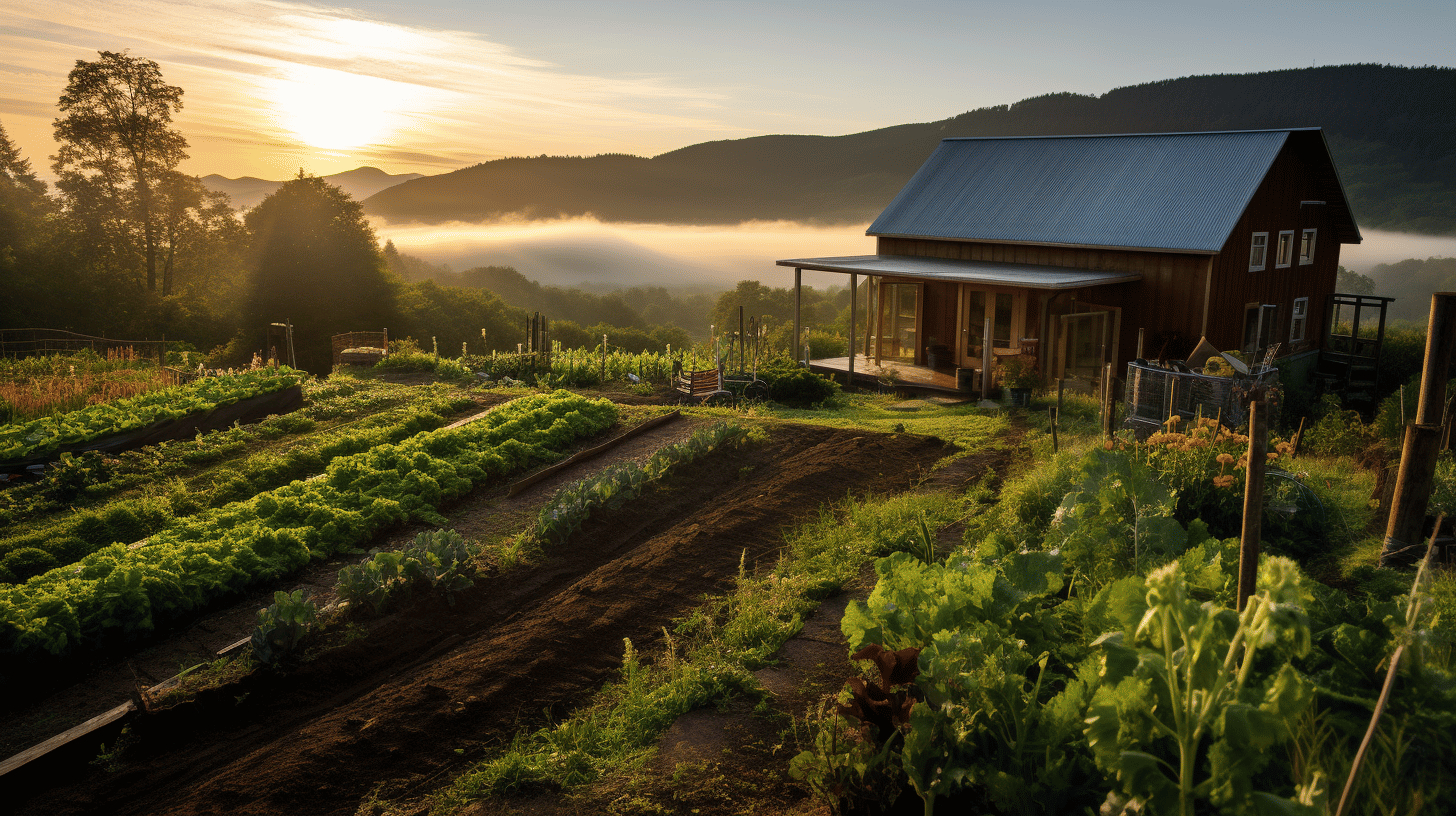
Regenerative agriculture is a sustainable farming practice that has gained significant attention in recent years. This innovative approach focuses on restoring and revitalizing the health of the soil, promoting biodiversity, and mitigating climate change impacts. While regenerative agriculture is often associated with larger-scale operations, its benefits and strategies can also be applied to small-scale farms.
Small-scale farmers play a pivotal role in our food system, producing a significant portion of the world’s food supply. However, they often face unique challenges such as limited resources and access to markets. By adopting regenerative agriculture practices, small-scale farmers can not only improve their land’s health but also enhance their farming operations’ economic viability and resilience.
In this article, we will explore the importance of small-scale farms and their potential to adopt regenerative agriculture. We will delve into the benefits of regenerative farming practices, the economic impact it can have on small-scale farms, and the ways in which it contributes to climate change mitigation and food production. Additionally, we will discuss strategies for transitioning to regenerative agriculture and promoting equitable food systems.
So, whether you are a small-scale farmer looking to improve your operations or an advocate for sustainable agriculture, this article will provide you with valuable insights and practical tips for implementing regenerative agriculture on a smaller scale. Let’s dive in and explore the world of regenerative agriculture for small-scale farmers!
Pivotal Role of Small-Scale Farms
Small-scale farms may not always make the headlines, but their impact on our food system and sustainable practices is far from insignificant. These humble farms, often owned and operated by families, play a pivotal role in feeding communities, preserving biodiversity, and promoting resilient agricultural practices. Let’s delve into the statistics and explore the various ways in which small-scale farmers contribute to a better future for all.
Small-Scale Farming Statistics
Small-scale family farms make up a staggering 50% of the farmer population worldwide. These farms may be modest in size, but they have a significant presence in our agricultural landscape. Here are a few statistics that shed light on the importance of small-scale farming:
- Small-scale farms occupy less than 2 hectares of land on average, but they account for roughly 30% of the world’s agricultural land.
- In developing countries, small-scale farms are responsible for producing up to 80% of the food consumed locally.
- Small-scale farmers are often highly diverse, both in terms of the crops they cultivate and the livestock they raise. This diversity contributes to a rich and varied food system.
It’s clear that small-scale farming is not just a niche practice but an integral part of our global food production.
Small-Scale Farmers and Sustainable Practices
One of the key reasons why small-scale farms are so vital is their commitment to sustainable practices. These farmers understand the importance of preserving the environment, supporting biodiversity, and ensuring the long-term viability of their operations. Here’s how small-scale farmers contribute to sustainable agriculture:
- Crop Diversity: Small-scale farmers tend to grow a wide range of crops, which helps maintain biodiversity and reduce the risk of crop failures due to pests or diseases. This diversity also promotes healthier soil and reduces the need for chemical inputs.
- Conservation of Genetic Resources: Small-scale farmers often preserve traditional and heirloom crop varieties, safeguarding genetic diversity and ensuring the availability of locally adapted plant species.
- Preservation of Local Food Systems: By supplying their communities with fresh, locally produced food, small-scale farmers help reduce the carbon footprint associated with long-distance transportation. They also contribute to the preservation of traditional culinary cultures and foster a stronger sense of community.
- Agroecological Practices: Many small-scale farmers employ agroecological techniques such as organic farming, natural pest control, and the use of cover crops to improve soil fertility and minimize the use of synthetic inputs.
Small-scale farmers are at the forefront of implementing sustainable agricultural practices. Their commitment to environmentally friendly methods not only benefits their own farms but also contributes to the overall health of our planet.
In conclusion, small-scale farms may be small in size but are mighty in impact. They make up a significant portion of farmers worldwide and play a crucial role in sustainable food production. By supporting these farms, we are not only ensuring the availability of fresh and nutritious food but also promoting resilient agricultural practices that benefit both people and the planet. So let’s celebrate and support our small-scale farmers, for they are the unsung heroes working towards a more sustainable future.
Overview of Regenerative Agriculture
Regenerative agriculture is a farming approach that prioritizes the health of the soil, biodiversity, and ecological balance. It goes beyond sustainable practices by actively working to regenerate and restore the health of agricultural ecosystems.
Biodiversity and Ecological Balance
One of the key principles of regenerative agriculture is promoting biodiversity. By diversifying crops and incorporating cover crops, farmers can create a rich and diverse ecosystem that supports a wide range of plant and animal species. This, in turn, enhances the overall ecological balance of the farm.
- Crop rotation: Regenerative farmers often practice crop rotation, which involves alternating different crops throughout the seasons. This helps to break pest and disease cycles, improve soil health, and reduce the reliance on chemical inputs.
- Cover crops: Another essential aspect of regenerative agriculture is the use of cover crops. These crops are grown specifically to protect and improve the soil between planting seasons. Cover crops help prevent erosion, enhance soil fertility, and contribute to carbon sequestration.
- Habitat creation: Regenerative farmers actively create habitats for beneficial insects, birds, and wildlife. By providing shelter, food sources, and nesting areas, they encourage a diverse and balanced ecosystem on their farms. This not only contributes to the overall health of the environment but also helps with natural pest control.
Regenerative Agriculture Popularity
In recent years, regenerative agriculture has gained popularity, especially among larger-scale farmers looking to improve sustainability and long-term profitability. Here are some reasons why this approach is becoming increasingly popular:
- Environmental benefits: Regenerative agriculture offers numerous environmental benefits, such as reducing soil erosion, conserving water, and enhancing soil health. As concerns about climate change and resource depletion increase, farmers are embracing regenerative practices to minimize their impact on the environment.
- Economic advantages: While transitioning to regenerative practices may initially require an investment of time and resources, it can ultimately lead to cost savings and increased profitability. Healthy soil is more resilient to extreme weather conditions, which can help farmers mitigate losses caused by droughts or heavy rains. Additionally, regenerative practices can reduce the need for costly inputs like synthetic fertilizers and pesticides.
- Consumer demand: As consumers become more conscious of the impact of their food choices on the environment, there is a growing demand for sustainably produced and regeneratively farmed products. Farmers who embrace regenerative agriculture can tap into this market and differentiate themselves from conventional agricultural practices.
In conclusion, regenerative agriculture is gaining momentum as a farming approach that prioritizes biodiversity, ecological balance, and sustainability. By adopting practices such as crop rotation, cover cropping, and habitat creation, farmers can improve soil health, conserve resources, and meet the growing demand for environmentally friendly products.
Economic Impact of Regenerative Agriculture
Regenerative agriculture is proving to be a game-changer in the world of farming and environmental sustainability. But what about its economic impact? How does it stack up in terms of market size and profitability? Let’s dive into the numbers and see how regenerative agriculture is reshaping the agricultural landscape.
Market Size Forecast
According to market reports, the regenerative agriculture market is projected to reach a whopping USD 31.2 billion by 2030[1]. This forecasted growth indicates a strong demand for regenerative farming practices and the potential for significant economic impact. As consumers become more conscious of their environmental footprint, they are increasingly seeking out products that align with regenerative principles. This shift in consumer behavior is creating a lucrative market for farmers who embrace regenerative agriculture practices.
Regenerative agriculture encompasses a range of practices such as cover cropping, holistic grazing, and agroforestry, which help restore and replenish the natural resources of the land. These practices not only benefit the environment but also result in higher-quality products that resonate with environmentally conscious consumers.
Profitability of Regenerative Agriculture
One of the most compelling arguments for adopting regenerative agriculture practices is the potential for increased profitability. Studies have shown that farmers can boost their profits by up to 78% by transitioning to regenerative farming methods[2]. The traditional industrial model of agriculture often involves high input costs, such as synthetic fertilizers and pesticides, which eat into farmers’ profits. In contrast, regenerative practices focus on building healthy soil, reducing input costs, and optimizing resource utilization.
By enhancing soil health, regenerative practices improve crop yields and reduce the need for chemical inputs. This not only translates to cost savings but also opens up opportunities for higher-value niche markets. With the growing demand for organic and sustainable products, farmers practicing regenerative agriculture are well-positioned to tap into these markets and command premium prices for their products.
Moreover, regenerative agriculture has long-term economic benefits as well. By regenerating soil health and fostering a sustainable farming ecosystem, farmers can mitigate the long-term risks associated with soil erosion, degradation, and climate change. This resilience contributes to the long-term profitability and viability of farming operations.
In conclusion, regenerative agriculture is not only transforming our food system and revitalizing the environment but also demonstrating substantial economic potential. The projected market size and the profitability gains affirm that regenerative practices are a win-win for farmers, consumers, and the planet as a whole.
[1]: Regenerative agriculture market size is expected to reach USD 31.2 billion by 2030.
[2]: Regenerative agriculture can increase a farmer’s profit over the industrial model by up to 78%.
Regenerative Agriculture Climate Change Mitigation Measures
Climate change is one of the most pressing challenges of our time, and addressing its impacts requires innovative and sustainable approaches. In recent years, regenerative agriculture has gained attention as a promising solution to mitigate climate change. This farming practice focuses on restoring the health of soils, enhancing biodiversity, and sequestering carbon. Let’s explore some of the measures that smallholder farmers can pursue in regenerative agriculture to adapt to and mitigate climate change.
Diversifying Crop Rotation
One of the key strategies in regenerative agriculture is diversifying crop rotation. Instead of continuously planting the same crop year after year, farmers can rotate different crops on their land. This practice has multiple benefits for climate change mitigation. It helps break pest and disease cycles, reduces the need for synthetic inputs, and improves soil health. By rotating crops, farmers can also improve nutrient cycling, leading to more resilient and productive farms.
Implementing Agroforestry Systems
Agroforestry is another powerful climate change mitigation measure that smallholder farmers can adopt. This practice involves integrating trees and shrubs into agricultural landscapes. The diverse vegetation cover provided by agroforestry systems has multiple benefits. It improves soil fertility, enhances carbon sequestration, and provides shade and shelter for livestock. Additionally, the trees in agroforestry systems act as a natural windbreak, reducing soil erosion and water runoff.
Applying Conservation Tillage Techniques
Traditional tillage practices, such as plowing, can contribute to carbon dioxide emissions and soil degradation. Conservation tillage techniques, on the other hand, minimize soil disturbance and help retain organic matter. By reducing or eliminating tillage, smallholder farmers can promote carbon sequestration in the soil, improve water infiltration, and protect soil structure. Conservation tillage techniques, like minimum tillage or direct seeding, can greatly benefit both the environment and the farmer’s bottom line.
Introducing Cover Crops
Cover crops are non-cash crops planted between the main growing seasons. They help protect the soil from erosion, suppress weeds, and improve soil fertility. Cover crops also play a crucial role in climate change mitigation by sequestering carbon from the atmosphere. These crops capture carbon dioxide and convert it into organic matter, which is then stored in the soil. Additionally, cover crops enhance soil water retention, reduce nutrient leaching, and provide habitat for beneficial insects.
Enhancing Water Management Techniques
Water scarcity is a growing concern in many regions, and climate change is likely to exacerbate this issue. Implementing effective water management techniques is crucial for farmers to adapt to changing water availability. Measures like drip irrigation, rainwater harvesting, and proper drainage systems can help smallholder farmers optimize water use, reduce water loss, and ensure crop productivity. By efficiently managing water resources, farmers can adapt to climate change while conserving this vital resource.
In conclusion, regenerative agriculture offers an array of climate change mitigation measures for smallholder farmers. By adopting practices such as diversifying crop rotation, implementing agroforestry systems, applying conservation tillage techniques, introducing cover crops, and enhancing water management, farmers can contribute to carbon sequestration, improve soil health, and build resilience to climate change impacts. Embracing regenerative agriculture not only benefits the environment but also supports sustainable and profitable farming practices.
Regenerative Agriculture and Food Production
Regenerative agriculture is an innovative approach that holds great promise for addressing the challenges of sustainable food production. By focusing on restoring and enhancing soil health, regenerative practices have the potential to not only feed the world but also contribute to climate change mitigation and biodiversity conservation.
Feeding The World
One of the main concerns when it comes to adopting regenerative agriculture is whether it can produce enough food to feed the growing global population. Fortunately, emerging evidence suggests that regenerative practices can indeed meet this challenge.
A literature review conducted by experts in the field reveals that small-scale regenerative agriculture has the potential to feed the world. It emphasizes the role of diverse cropping systems, organic inputs, and ecological management techniques in increasing both the productivity and resilience of farms.
There are several key reasons why regenerative agriculture can be a powerful tool for ensuring food security:
- Enhanced soil fertility: Regenerative practices prioritize the restoration of soil health, including increasing organic matter content, improving soil structure, and promoting microbial activity. These improvements result in higher nutrient availability and water-holding capacity, leading to increased crop yields.
- Improved biodiversity: Regenerative agriculture encourages the diversification of crops, which helps create habitats for beneficial insects, birds, and other wildlife. These species contribute to natural pest control and pollination, ultimately boosting agricultural productivity.
- Climate change resilience: By sequestering carbon in the soil, regenerative agriculture can help mitigate climate change. As the world grapples with the increasing impacts of global warming, the ability of regenerative practices to enhance soil carbon sequestration offers a lifeline for farmers.
Understanding the potential of regenerative agriculture to feed the world is crucial, especially as we face the challenges posed by climate change, population growth, and environmental degradation. By implementing sustainable and regenerative practices on a global scale, we can pave the way for a resilient and food-secure future.
Sub-Saharan Africa Smallholder Farmers Statistics
When it comes to food production in Sub-Saharan Africa, smallholder farmers play a vital role. These farmers, who typically cultivate small plots of land and rely on traditional agricultural practices, are responsible for producing an astonishing 80% of the food consumed in the region.
This statistic highlights the significance of supporting smallholder farmers in adopting regenerative agriculture practices. By empowering these farmers to embrace regenerative techniques, we can drive positive change across the entire food system. The benefits would extend beyond simply increasing food production; they would also include improving rural livelihoods, reducing poverty, and enhancing environmental sustainability.
Smallholder farmers face numerous challenges, including limited access to resources, knowledge, and markets. However, investing in capacity-building programs and providing support tailored to their needs can enable these farmers to transition to regenerative practices effectively. By doing so, we would not only contribute to increased food security in Sub-Saharan Africa but also promote the resilience and sustainability of agricultural systems in the face of climate change and other pressures.
In conclusion, regenerative agriculture holds immense potential for transforming our food production systems. By focusing on soil health, biodiversity, and climate change resilience, regenerative practices can contribute to feeding the world while also mitigating the environmental impacts of agriculture. Supporting smallholder farmers in adopting regenerative techniques is particularly important in regions like Sub-Saharan Africa, where they play a critical role in food production. By harnessing the power of regenerative agriculture, we can pave the way for a more sustainable and equitable future.
Promoting Equitable Food Systems
In today’s world, promoting equitable food systems is more important than ever. It’s not just about having access to nutritious food; it’s about ensuring that all individuals, regardless of their socio-economic status, have the opportunity to participate in and benefit from a fair and just food system.
One way to promote equity in our food systems is through regenerative agriculture. This approach, which focuses on building healthy soil and promoting biodiversity, has the potential to transform our agricultural practices and support small-scale farmers. By implementing regenerative practices, we can create a more equitable and sustainable food system for all.
Here are a few reasons why regenerative agriculture is crucial in promoting equity:
1. Empowering Small-Scale Farmers
Regenerative agriculture puts power and control back into the hands of small-scale farmers. By emphasizing diverse and sustainable farming practices, it enables farmers to produce high-quality, nutrient-dense foods while also improving soil health and reducing environmental impact. This helps to level the playing field and allows small-scale farmers to compete with larger industrial operations.
2. Enhancing Food Security
Equitable food systems prioritize the availability and accessibility of nutritious food for all individuals. Through regenerative agriculture, we can improve food security by diversifying crop production and reducing reliance on a few staple crops. This approach not only boosts resilience to climate change but also ensures a more varied and nutritious food supply for communities.
3. Fostering Economic Opportunities
Promoting equity in food systems means creating economic opportunities for marginalized communities. Regenerative agriculture can help achieve this by supporting local food systems and promoting direct relationships between farmers and consumers. By shortening the supply chain and cutting out intermediaries, farmers can receive fair prices for their products, while consumers have access to fresh, locally sourced food.
4. Prioritizing Environmental Stewardship
Equitable food systems go hand in hand with sustainable environmental practices. Regenerative agriculture emphasizes the importance of soil health, biodiversity conservation, and reducing chemical inputs. By adopting regenerative practices, we can mitigate climate change, protect natural resources, and create a resilient food system that benefits all.
In conclusion, promoting equitable food systems is crucial for building a more just and sustainable future. By embracing regenerative agriculture, we can empower small-scale farmers, enhance food security, foster economic opportunities, and prioritize environmental stewardship. Let us strive for a food system that not only nourishes our bodies but also uplifts and supports communities in need.
Transition to Regenerative Agriculture
Regenerative agriculture is gaining popularity as a sustainable farming practice that aims to restore and improve the health of our soil, increase biodiversity, and reduce dependency on synthetic inputs. Transitioning to regenerative agriculture requires careful planning and implementation, as it involves a shift in mindset and practices.
Initial Investments
One of the key considerations when transitioning to regenerative agriculture is the initial investments that farmers may need to make. While it’s true that adopting regenerative practices may require some upfront costs, the long-term benefits far outweigh the initial investments. Here are a few areas where farmers may need to invest:
- Soil testing and analysis: Understanding the current state of your soil is crucial for successful regeneration. Soil testing helps identify nutrient deficiencies, pH levels, organic matter content, and microbial activity. Based on the results, farmers can make informed decisions about soil amendments and fertility management.
- Cover crops and crop rotation: Incorporating cover crops and implementing crop rotation is essential for regenerative agriculture. However, it may require additional investments in purchasing cover crop seeds, modifying equipment to accommodate diverse crop rotations, and potentially adjusting planting and harvesting schedules.
- Alternative farming equipment: Traditional farming methods often rely on heavy machinery that can compact the soil and disrupt its natural structure. Transitioning to regenerative practices may involve investing in alternative equipment such as no-till planting machines, roller-crimpers for cover crop termination, or precision planting tools. While these investments can be significant, they contribute to better soil health and long-term sustainability.
New Equipment and Farming Techniques
To successfully transition to regenerative agriculture, farmers need to adopt new equipment and farming techniques that align with the principles of regeneration. Here are some examples:
- No-till farming: Traditional tillage practices can disrupt soil ecosystems, leading to erosion and loss of organic matter. No-till farming, on the other hand, minimizes soil disturbance, retains moisture, and promotes the growth of beneficial soil organisms. It may require the adoption of no-till planters and drills specifically designed for conservation farming.
- Precision agriculture: Precision agriculture techniques, such as satellite imaging, global positioning systems (GPS), and remote sensing, can help farmers optimize resource allocation. By identifying specific areas of a field that require different amounts of inputs like water, fertilizers, or pesticides, farmers can reduce waste and enhance efficiency.
- Livestock integration: Regenerative agriculture often involves the integration of livestock into the farming system. This integration can provide multiple benefits, including nutrient cycling, enhanced soil fertility, and pest control. However, it may require additional infrastructure investments such as fencing, watering systems, and shade structures.
In conclusion, transitioning to regenerative agriculture requires initial investments in new equipment and alternative farming techniques. While these investments may involve upfront costs, they contribute to long-term sustainability, soil health, and overall farm profitability. Embracing regenerative practices can lead to a more resilient and environmentally friendly agricultural system for future generations.
Conclusion
Regenerative agriculture offers a promising and sustainable approach to farming that can benefit small-scale farmers in numerous ways. By prioritizing soil health, biodiversity, and ecological balance, small-scale farmers can not only improve their farming practices but also contribute to climate change mitigation and equitable food systems. With the right investments, equipment, and techniques, small-scale farmers can transition to regenerative agriculture and reap the economic and environmental benefits it provides. Embracing regenerative agriculture is a crucial step towards a future where agriculture and ecology thrive in harmony.
At Regenerative Agriculture Wiki, we are passionate about promoting sustainable farming practices and providing comprehensive resources to support farmers on their journey towards regenerative agriculture. Check out our website for more information, tips, and guides on regenerative agriculture. Join us in fostering a future where agriculture and the environment go hand in hand. Together, we can make a positive impact and contribute to global food security.
Explore regenerative agriculture with Regenerative Agriculture Wiki
Frequently Asked Questions
- What is regenerative agriculture?
Regenerative agriculture is a farming practice that aims to improve soil health, increase biodiversity, and enhance ecosystem services. It involves techniques like cover cropping, crop rotation, minimal tillage, and the use of organic fertilizers.
- How can regenerative agriculture benefit small-scale farmers?
Regenerative agriculture can benefit small-scale farmers by improving soil fertility, reducing dependence on synthetic inputs, increasing crop resilience to climate change, improving water retention, and providing economic opportunities through sustainable farming practices.
- What are some key strategies for implementing regenerative agriculture?
Some key strategies for implementing regenerative agriculture include diversifying crop rotations, integrating livestock into the farming system, using compost and organic fertilizers, implementing agroforestry practices, and minimizing chemical pesticide and herbicide use.
- Is regenerative agriculture applicable for all types of crops?
Yes, regenerative agriculture principles can be applied to various types of crops, including fruits, vegetables, grains, and legumes. The focus is on improving soil health and overall ecosystem resilience, regardless of the specific crop being grown.
- Are there any certification programs for regenerative agriculture?
Yes, there are several certification programs available for regenerative agriculture, such as the Regenerative Organic Certification (ROC), the Carbon Underground’s Regenerative Agriculture Standard, and the Rodale Institute’s Regenerative Organic Certified.