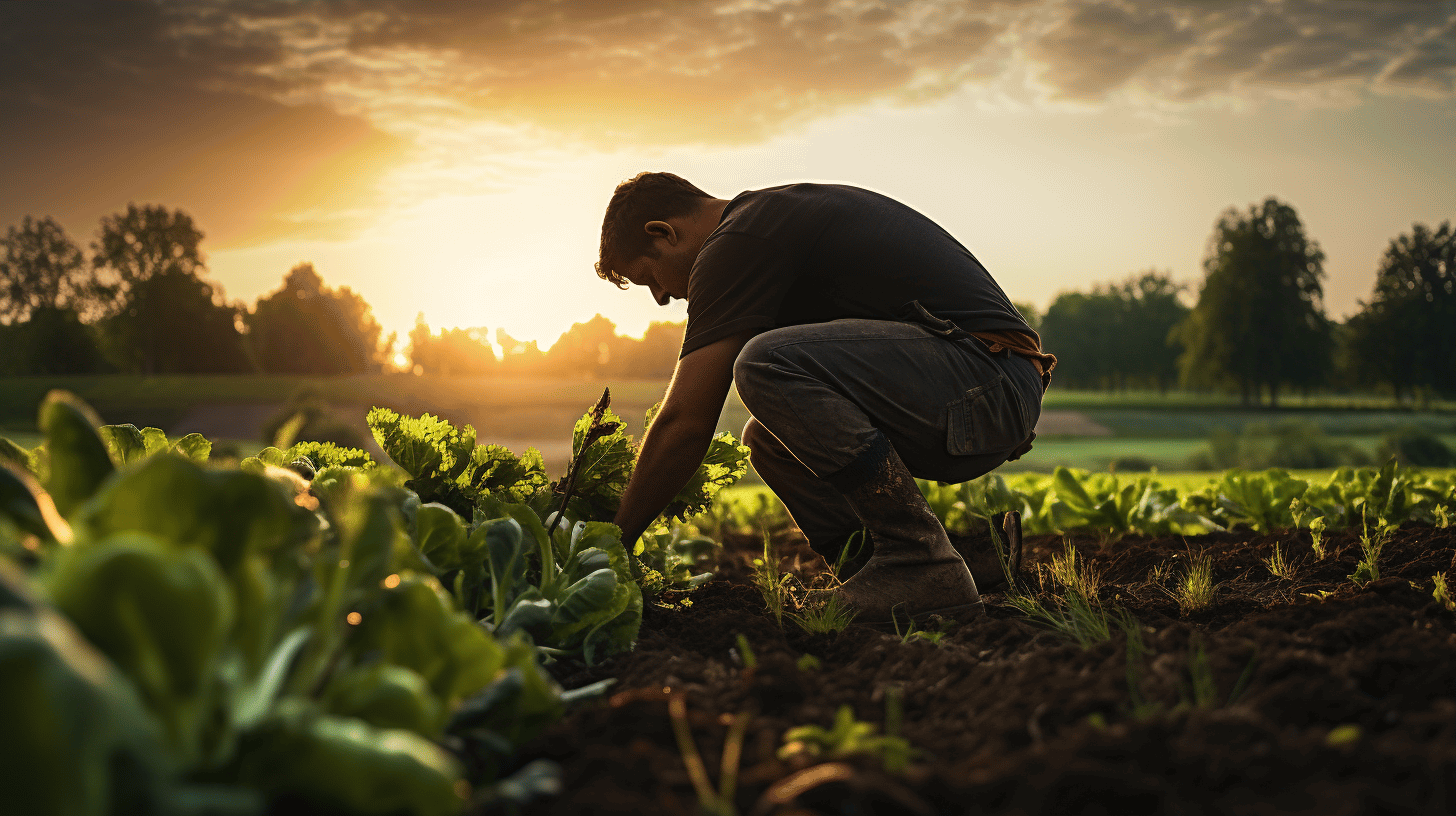
Are you a farmer looking to maximize soil health and improve the sustainability of your farming practices? Or perhaps you’re an agriculture enthusiast interested in learning more about regenerative farming techniques? Look no further! In this article, we will explore the concept of soil health and delve into the world of regenerative farming. We’ll discuss key considerations for maximizing soil health, techniques for healthy soil management, the benefits of regenerative farming, and the challenges that come along with implementing these practices. We’ll also provide you with valuable resources to help you on your regenerative farming journey. So, let’s dig in and discover how we can nurture our soils for a greener and more sustainable future.
Soil Health and Regenerative Farming: An Overview
Concept of Soil Health
Soil health is a crucial component of sustainable agriculture practices. It refers to the ability of the soil to sustain plant and animal life while maintaining its essential functions and productivity. A healthy soil ecosystem is teeming with a diverse range of organisms, such as bacteria, fungi, earthworms, and insects, which help in nutrient cycling and organic matter decomposition.
The Importance of Soil Health
Maintaining soil health is vital for several reasons:
- Nutrient Cycling: Healthy soils have an optimal balance of nutrients, ensuring that plants have access to the essential elements they need for growth and development.
- Water Retention: Healthy soils have better water-holding capacity, reducing the risk of drought stress for crops.
- Erosion Control: Soils rich in organic matter are more resistant to erosion, preventing nutrient loss and maintaining soil structure.
- Carbon Sequestration: Healthy soils play a crucial role in mitigating climate change by storing carbon in the form of organic matter.
Regenerative Farming: A Brief Introduction
Regenerative farming is an approach to agriculture that focuses on improving soil health and ecological sustainability. Unlike conventional farming practices that often lead to soil degradation, regenerative farming aims to restore and enhance natural processes within the soil ecosystem. This holistic approach promotes practices that nurture the soil, including:
1. Cover Cropping
Cover cropping involves planting specific crop species during fallow periods or in between cash crops. These cover crops protect the soil from erosion, reduce weed growth, and provide organic matter when they are eventually incorporated into the soil.
2. Crop Rotation
Crop rotation involves alternating the types of crops grown in specific fields over time. This practice helps break pest and disease cycles, enhances nutrient availability, and improves soil structure.
3. Conservation Tillage
Conservation tillage minimizes soil disturbance by reducing or eliminating plowing and other forms of invasive tillage. This method helps to preserve soil structure, reduce erosion, and retain organic matter.
4. Incorporating Organic Matter
Adding organic matter, such as compost or manure, improves soil health by increasing its nutrient content, water-holding capacity, and microbial activity.
5. Integrating Livestock
Integrating livestock into crop production systems can contribute to soil health by providing natural fertilizer through manure, encouraging nutrient cycling, and enhancing soil structure through grazing.
“Regenerative farming focuses on nurturing soil health and enhancing ecological sustainability, setting it apart from conventional farming practices that often result in soil degradation. By adopting practices such as cover cropping, crop rotation, conservation tillage, incorporating organic matter, and integrating livestock, farmers can improve soil health and ecosystem resilience. The benefits extend beyond the farm gate, with healthier soils contributing to increased yields, reduced input needs, and sustainable food production for generations to come.”
Maximizing Soil Health: Key Considerations
When it comes to maximizing soil health, there are several key considerations that can make a significant difference in the productivity and sustainability of your land. From ensuring proper soil nutrition and fertility to preventing soil erosion and maintaining soil organic matter, each aspect plays a crucial role in creating a healthy and thriving soil ecosystem. Additionally, adjusting soil pH can also have a profound impact on the overall health and productivity of your soil. Let’s dive deeper into each of these key considerations to better understand their importance and how they can be optimized for optimal soil health.
Soil Nutrition and Fertility
Proper soil nutrition and fertility are fundamental elements in maximizing soil health. When your soil is well-nourished and rich in essential nutrients, it creates the ideal environment for plant growth and development. Here are some key points to consider:
- Balanced Nutrient Levels: Ensuring that your soil has balanced levels of essential nutrients such as nitrogen, phosphorus, and potassium is crucial. Conducting regular soil tests can help you assess nutrient deficiencies and determine the appropriate fertilization plan.
- Organic Matter: Incorporating organic matter into your soil can greatly enhance its fertility. Organic matter acts as a source of nutrients and helps improve soil structure, water retention, and microbial activity. Adding compost, manure, or cover crops can significantly increase organic matter content.
- Crop Rotation: Practicing crop rotation helps prevent nutrient imbalances and depletion. Different crops have varying nutrient demands, and rotating them can help maintain soil fertility by allowing nutrients to be replenished naturally.
Soil Erosion Prevention
Soil erosion is a significant concern for farmers and gardeners alike, as it can lead to the loss of fertile topsoil and affect the overall health of the soil. Here’s what you need to know about preventing soil erosion:
- Cover Crops: Planting cover crops such as clover, ryegrass, or legumes can help protect your soil from erosion. These crops form a protective layer on the soil surface, reducing the impact of raindrops and wind erosion.
- Contour Plowing: Plowing along the contour of your land, rather than up and down slopes, helps slow down water runoff and promotes water infiltration into the soil. This technique helps prevent excessive soil erosion, especially on hilly or sloping terrain.
- Mulching: Applying organic mulch, such as straw or wood chips, to the soil surface helps reduce the impact of rainfall and wind, preventing soil erosion. Mulch also helps regulate soil temperature and moisture levels, promoting overall soil health.
Soil Organic Matter
The presence of organic matter in soil is critical for its health and productivity. Here’s why it matters:
- Enhanced Soil Structure: Organic matter improves soil structure by binding soil particles together, creating pore spaces for air and water movement. This allows plant roots to penetrate the soil easily and access essential nutrients.
- Increased Water Retention: Soils with higher organic matter content have better water-holding capacity, reducing the risk of drought stress for plants. Organic matter acts as a sponge, holding onto water and releasing it slowly over time, ensuring continuous moisture availability.
- Microbial Activity: Organic matter serves as a food source for beneficial soil microorganisms that contribute significantly to nutrient cycling and overall soil health. These microorganisms break down organic matter, releasing nutrients that are essential for plant growth.
Soil pH Adjustment
Adjusting soil pH levels can have a profound impact on nutrient availability and plant growth. Here’s what you need to know:
- pH Range: Different plants thrive in different pH ranges, so understanding the optimal pH levels for your crop of choice is crucial. Most plants prefer a slightly acidic to neutral pH range, typically between 6 and 7.
- Soil Testing: Conducting regular soil tests can help determine the current pH level of your soil. If the pH is outside the desired range, you can make the necessary adjustments by adding amendments such as lime to raise the pH or sulfur to lower it.
- Nutrient Availability: Soil pH affects the availability of essential nutrients to plants. For example, some nutrients may become less available in acidic soils, while others may be more available in alkaline soils. Maintaining the appropriate pH level ensures optimal nutrient uptake by plants.
By paying attention to these key considerations, you can create and maintain a healthy soil ecosystem that promotes robust plant growth, enhances crop yields, and ensures long-term sustainability. Implementing practices such as balanced soil nutrition, erosion prevention, organic matter incorporation, and pH adjustment will help you maximize soil health and achieve your agricultural or gardening goals.
Techniques for Healthy Soil Management in Regenerative Farming
Regenerative farming is gaining popularity for its ability to restore soil health and increase crop yields while minimizing environmental impact. One key aspect of regenerative farming is the implementation of effective soil management techniques. By employing practices such as crop rotation and diversity, cover cropping, organic amendments, and no-till or reduced-till methods, farmers can cultivate healthier and more resilient soils. These techniques promote biodiversity, improve soil structure, enhance nutrient cycling, and reduce soil erosion. Let’s delve into each of these techniques and explore their benefits in more detail.
Crop Rotation and Diversity
Crop rotation involves systematically alternating the types of crops grown in a particular field over several seasons. This practice helps break pest and disease cycles, reduces the build-up of pathogens, and enhances soil fertility. By rotating crops with different nutrient requirements and growth habits, farmers can optimize nutrient utilization and minimize the depletion of specific nutrients from the soil.
Diversifying crop selection within rotations further enhances the benefits of crop rotation. Planting a variety of crops with different root structures, such as deep-rooted legumes or shallow-rooted leafy greens, helps to improve soil structure and nutrient cycling. This diversity also attracts a wider range of beneficial insects and microorganisms, contributing to the overall health and resilience of the system.
Cover Crops
Cover crops, also known as green manures, are grown primarily for the purpose of improving soil health rather than harvest. These crops are sown during fallow periods or between regular cash crops. Cover crops help prevent soil erosion, suppress weeds, improve water infiltration, and enhance soil organic matter content. Some common cover crops include legumes like clover and vetch, grasses like rye and oats, and brassicas like radishes and mustards.
When cover crops are grown, they absorb excess nutrients from the soil, preventing nutrient leaching and runoff. Once incorporated into the soil, cover crops add organic matter, improving soil structure and nutrient-holding capacity. Furthermore, cover crops provide habitat and food sources for beneficial insects, thereby reducing the need for synthetic pesticides.
Organic Amendments
Organic amendments, such as compost, manure, and biochar, are valuable additions to regenerative farming systems. These materials introduce essential nutrients, improve soil structure, increase moisture retention, and enhance microbial activity in the soil. Organic amendments also replenish organic matter, which is crucial for sustaining soil fertility and supporting beneficial soil organisms.
Compost, made from decomposed organic materials, is a rich source of nutrients and adds beneficial microorganisms to the soil. Manure supplies valuable nutrients and improves soil structure, but it should be used judiciously to avoid nutrient imbalances or excessive salinization. Biochar, a type of charcoal produced from biomass, contributes long-lasting carbon to the soil and aids in retaining nutrients and water.
No-till or Reduced-till Practices
No-till or reduced-till practices involve minimizing or eliminating mechanical soil disturbance. These methods help to preserve soil structure, retain moisture, and reduce erosion. By leaving crop residues on the soil surface, no-till or reduced-till practices protect the soil from erosion caused by wind and water.
This approach also promotes the buildup of soil organic matter as the crop residues decompose slowly over time. The presence of organic matter improves soil structure and aggregation, increasing water infiltration and nutrient availability. Additionally, reduced-till practices result in less fuel consumption and lower greenhouse gas emissions compared to intensive tillage methods.
Incorporating these soil management techniques into regenerative farming practices can greatly enhance soil health, increase crop productivity, and contribute to long-term sustainability. By embracing these practices, farmers can transition towards a holistic and regenerative approach that nurtures the soil, supports biodiversity, and promotes environmental stewardship.
Benefits of Regenerative Farming
Regenerative farming has gained significant attention in recent years for its numerous benefits over conventional farming practices. With its focus on enhancing soil health and ecosystem functions, regenerative farming offers a host of advantages that benefit both farmers and the environment. In this article, we will explore three key benefits of regenerative farming: improved crop yield and quality, enhanced soil fertility, and environmental sustainability.
Improved Crop Yield & Quality
Regenerative farming techniques can have a positive impact on crop yield and quality. By adopting practices such as cover cropping, crop rotation, and reduced tillage, regenerative farmers are able to provide their crops with a more favorable environment for growth. Here are some specific ways regenerative farming supports improved crop yield and quality:
- Enhanced nutrient availability: Regenerative farming methods focus on increasing organic matter in the soil, which leads to improved nutrient cycling and availability. This ensures that crops have access to essential nutrients, resulting in healthier plants and higher yields.
- Reduced soil erosion: By using practices like cover cropping and conservation tillage, regenerative farmers minimize soil erosion. This helps to protect the topsoil, which is rich in nutrients and essential for plant growth. With less erosion, crops have a more stable foundation to grow, minimizing yield losses.
- Increased water holding capacity: Regenerative farming practices contribute to better water infiltration and retention in the soil. This is crucial, especially in regions prone to drought, as it allows crops to access water more efficiently, reducing water stress and improving overall crop yield.
- Enhanced plant resilience: Regenerative farming builds resilient ecosystems that promote plant health and resistance to pests and diseases. By diversifying crop rotations and fostering beneficial soil microbial communities, regenerative farmers create a more balanced and resilient ecosystem that supports healthier, more robust crops.
Overall, regenerative farming techniques offer farmers the potential to increase crop yield and improve the quality of their harvests, ultimately benefiting their bottom line.
Enhanced Soil Fertility
Regenerative farming revolves around rebuilding and improving soil fertility, which is the bedrock of sustainable agriculture. By focusing on soil health, regenerative farmers can enjoy the following benefits:
- Increased organic matter: Regenerative practices, such as cover cropping and incorporating organic amendments, lead to the accumulation of organic matter in the soil. This organic matter serves as a source of nutrients, improves soil structure, and enhances microbial activity, all of which contribute to overall soil fertility.
- Improved soil structure: Regenerative farming techniques promote the formation of stable soil aggregates, which allows for improved water infiltration and root penetration, as well as better air circulation in the soil. This enhanced soil structure creates a favorable environment for plant growth and nutrient uptake.
- Enhanced nutrient retention: Regenerative farming practices help to improve the soil’s capacity to retain nutrients, preventing leaching and runoff. This ensures that the nutrients applied to the soil, either through organic amendments or fertilizers, are available for plant uptake, reducing the need for excessive inputs and minimizing nutrient pollution.
By focusing on soil fertility, regenerative farming ensures the long-term productivity and sustainability of agricultural land, benefiting both current and future generations.
Environmental Sustainability
One of the key advantages of regenerative farming is its commitment to environmental sustainability. By prioritizing ecosystem health and biodiversity, regenerative farming practices provide the following environmental benefits:
- Carbon sequestration: Regenerative farming techniques, such as cover cropping and agroforestry, contribute to carbon sequestration by capturing and storing atmospheric carbon dioxide in the soil and biomass. This helps to mitigate climate change by reducing greenhouse gas emissions.
- Improved water quality: Regenerative farming practices minimize the use of synthetic fertilizers and pesticides, reducing the risk of water contamination from runoff. Additionally, practices like buffer strips and riparian zone restoration help to filter and purify water, improving its quality and benefiting aquatic ecosystems.
- Biodiversity conservation: Regenerative farming promotes biodiversity through practices such as maintaining hedgerows, planting native species, and providing habitat for beneficial insects and pollinators. This supports a diverse range of species and helps to preserve ecosystem balance and resilience.
By adopting regenerative farming practices, farmers can play a crucial role in conserving natural resources, mitigating climate change, and fostering biodiversity conservation.
In conclusion, regenerative farming offers numerous benefits that go beyond just improving crop yield and quality. With practices focused on soil health, regenerative farmers can reap the rewards of enhanced fertility, while also making significant contributions to environmental sustainability. By embracing regenerative farming, we can create a more resilient and sustainable agricultural system for the future.
Challenges in Implementing Regenerative Farming Practices
Regenerative farming practices have gained traction in recent years as a sustainable and environmentally friendly approach to agriculture. However, implementing these practices can come with its fair share of challenges. In this section, we will explore three key challenges that farmers may face when transitioning to regenerative farming practices.
Initial Investment Costs
One of the primary challenges farmers encounter when implementing regenerative farming practices is the initial investment costs. Unlike traditional farming methods, regenerative farming involves significant changes in infrastructure and equipment, which can be expensive upfront. Some of the investments required may include:
- Soil testing and analysis: Understanding the current state of the soil is essential for implementing regenerative practices effectively. This may involve conducting comprehensive soil tests and analysis, which can incur additional costs.
- Cover crops and crop rotation: Introducing cover crops and implementing crop rotation techniques are integral to regenerative farming. However, purchasing cover crop seeds and adjusting crop rotation schedules may require a financial investment.
- Infrastructure updates: Implementing regenerative farming practices may necessitate infrastructure updates, such as installing water retention systems, implementing no-till planting techniques, or setting up irrigation systems. These updates can add to the initial investment costs.
While the initial investment may seem daunting, it is crucial to consider the long-term benefits of regenerative farming practices. Over time, these practices can lead to increased soil health, reduced input costs, and improved yields, ultimately offsetting the initial expenses.
Time for Transition
Transitioning from conventional farming methods to regenerative practices is not an overnight process. It requires a significant commitment of time and effort. Some aspects that can contribute to the time needed for transition include:
- Learning and education: Farmers need to invest time in learning about regenerative farming techniques, including soil health management, cover cropping, and holistic management approaches. This may involve attending workshops, training sessions, or seeking guidance from experienced regenerative farmers.
- Adapting to new practices: Adopting regenerative farming methods often requires farmers to modify their existing practices and techniques. This adjustment period can take time as farmers experiment with different approaches to find what works best for their specific farm and circumstances.
- Building soil health: Regenerative farming focuses on building and enhancing soil health through practices such as minimal tillage, composting, and integration of livestock. However, building soil health is a gradual process that may require several planting seasons before significant improvements are observed.
It is essential for farmers to be patient and allow for a learning curve during the transition period. Over time, the benefits of regenerative farming practices will become evident.
Need for Continued Learning and Adaptation
Regenerative farming is a dynamic and evolving field. As new research emerges and technology advances, farmers must stay up-to-date with the latest developments and adapt their practices accordingly. Some factors that highlight the need for continued learning include:
- Scientific advancements: Ongoing research in regenerative farming provides new insights into soil health management, nutrient cycling, and pest control. Farmers must stay informed about these advancements and incorporate them into their practices to maximize their farm’s potential.
- Local and regional considerations: Each farming region has unique variables such as climate, soil composition, and crop preferences. Farmers must continually evaluate their regenerative practices in light of these local considerations to ensure optimal results.
- Market demands: Consumer preferences and market demands for sustainably produced food are continually evolving. Farmers need to stay attuned to these market trends and adapt their regenerative practices to align with consumer expectations.
Continuous learning and adaptation are critical for farmers to successfully implement regenerative farming practices. By staying informed and flexible, farmers can optimize their operations and contribute to the growth of the regenerative agriculture movement.
In conclusion, while there are challenges involved in implementing regenerative farming practices, such as initial investment costs, time for transition, and the need for continued learning and adaptation, the long-term benefits outweigh these challenges. With perseverance and a commitment to sustainable agriculture, farmers can successfully transition to regenerative farming and contribute to a more resilient and healthier food system.
Resources for Regenerative Farming Practitioners
Regenerative farming is an innovative approach that focuses on restoring and enhancing the health of the soil, biodiversity, and overall ecosystem. Whether you’re a seasoned regenerative farmer or just starting out, having access to reliable resources can be invaluable to your success. In this section, we will explore some educational websites and online platforms, community-based organizations, as well as government and nonprofit programs that can provide you with the knowledge and support you need on your regenerative farming journey.
Educational Websites and Online Platforms
When it comes to regenerative farming, staying updated with the latest research, techniques, and practices is essential. Luckily, there are several educational websites and online platforms that offer a wealth of information on regenerative agriculture. Here are a few worth exploring:
- Regeneration International: This global network provides resources, news, and educational materials on regenerative agriculture, with a focus on soil health, carbon sequestration, and food sovereignty.
- The Rodale Institute: Known for their extensive research on organic farming, the Rodale Institute offers a variety of resources on regenerative agriculture, including articles, webinars, and training programs.
- The Savory Institute: With a mission to promote large-scale restoration of the world’s grasslands through regenerative agriculture, the Savory Institute offers online courses, webinars, and resources for farmers and practitioners.
Community-Based Organizations
Engaging with community-based organizations can provide you with a supportive network of like-minded individuals and experts in the field of regenerative farming. These organizations often offer workshops, events, and networking opportunities. Here are a few noteworthy community-based organizations for practitioners:
- Regenerative Agriculture Alliance: This alliance brings together various stakeholders in regenerative agriculture, including farmers, researchers, and industry professionals. They aim to promote regenerative practices through education, collaboration, and advocacy.
- Young Farmers Coalition: If you’re a young farmer or just starting out, the Young Farmers Coalition can provide you with resources, mentorship opportunities, and a community of other young farmers passionate about regenerative farming.
- The Permaculture Association: As a leading organization for permaculture enthusiasts, the Permaculture Association offers courses, events, and resources for those interested in regenerative farming practices.
Government and Nonprofit Programs
Governments and nonprofit organizations often offer funding opportunities, grants, and programs to support regenerative farming practices. These programs can provide financial assistance, technical support, and access to resources. Here are a few examples:
- USDA Natural Resources Conservation Service: The USDA’s Natural Resources Conservation Service offers various programs, such as the Environmental Quality Incentives Program (EQIP), which provides financial and technical assistance to farmers implementing conservation practices, including regenerative agriculture.
- The National Sustainable Agriculture Coalition: This nonprofit organization advocates for policies that support regenerative farming and offers resources and programs to help farmers access funding and support.
- Farm Aid: Farm Aid is a nonprofit organization that provides grants, resources, and emergency assistance to family farmers. They support regenerative farming practices and work to strengthen local food systems.
Remember, these are just a few examples of the many resources available to regenerative farming practitioners. Explore these websites, reach out to community-based organizations, and research local government and nonprofit programs to find the support and knowledge you need to thrive as a regenerative farmer. Happy farming!
“The key to successful regenerative farming lies in continuous learning and collaboration. Take advantage of the resources available to you and share your knowledge with others to create a sustainable and regenerative farming community.”
Conclusion
In conclusion, maximizing soil health is a fundamental aspect of regenerative farming. By implementing techniques such as crop rotation, cover crops, organic amendments, and reduced-till practices, farmers can improve soil nutrition, prevent erosion, and enhance soil organic matter. These practices not only lead to improved crop yield and quality but also contribute to soil fertility and environmental sustainability.
While there may be initial investment costs and a need for continued learning and adaptation, resources such as educational websites, community-based organizations, and government and nonprofit programs can provide support to practitioners of regenerative farming.
At Regenerative Agriculture Wiki, we are dedicated to providing extensive content on regenerative agriculture, including soil health, holistic management, permaculture, and agroecology. Our goal is to educate and inspire individuals and communities to adopt sustainable and regenerative farming practices. Join us in fostering a future where agriculture and ecology thrive in harmony. Visit our website to explore our insightful guides, tips, and resources.
Learn more about regenerative farming on Regenerative Agriculture Wiki and discover the potential of regenerative agriculture in contributing to global food security and nurturing the environment.
Frequently Asked Questions
- What is regenerative farming?
Regenerative farming is an approach to agriculture that focuses on improving the health and fertility of the soil, restoring biodiversity, and reducing the use of synthetic inputs. It aims to create a sustainable and resilient ecosystem on farmland.
- Why is soil health important in regenerative farming?
Soil health is crucial in regenerative farming as it forms the foundation for a productive and sustainable agricultural system. Healthy soil promotes nutrient cycling, water retention, and beneficial microbial activity, which in turn supports robust plant growth and reduces the need for chemical inputs.
- What are some techniques to improve soil health in regenerative farming?
Some techniques to improve soil health in regenerative farming include: 1. Using cover crops and crop rotation to enhance organic matter content, 2. Minimizing soil disturbance through conservation tillage or no-till farming, 3. Applying compost and organic amendments to replenish nutrients, and 4. Managing livestock grazing to optimize nutrient cycling.
- Can regenerative farming practices benefit the environment?
Yes, regenerative farming practices have several environmental benefits. They help sequester carbon from the atmosphere, mitigate climate change by reducing greenhouse gas emissions, preserve biodiversity by supporting natural habitats, and protect water quality by minimizing runoff and soil erosion.
- Are there any financial benefits to adopting regenerative farming practices?
Adopting regenerative farming practices can result in various financial benefits. These include reduced input costs, such as synthetic fertilizers and pesticides, improved crop yields and quality, increased resilience to extreme weather events, and access to premium markets that value sustainable and environmentally friendly production methods.