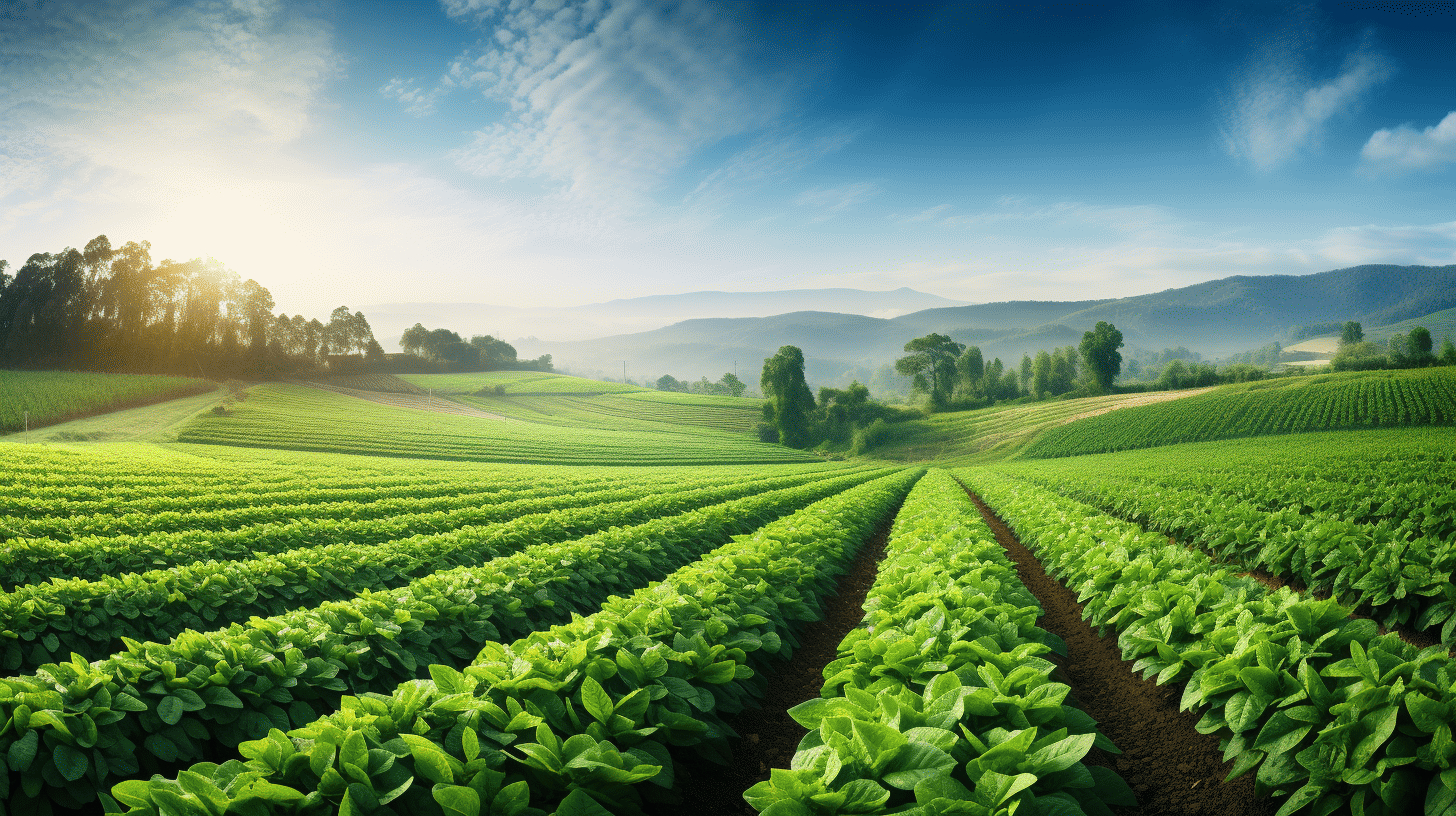
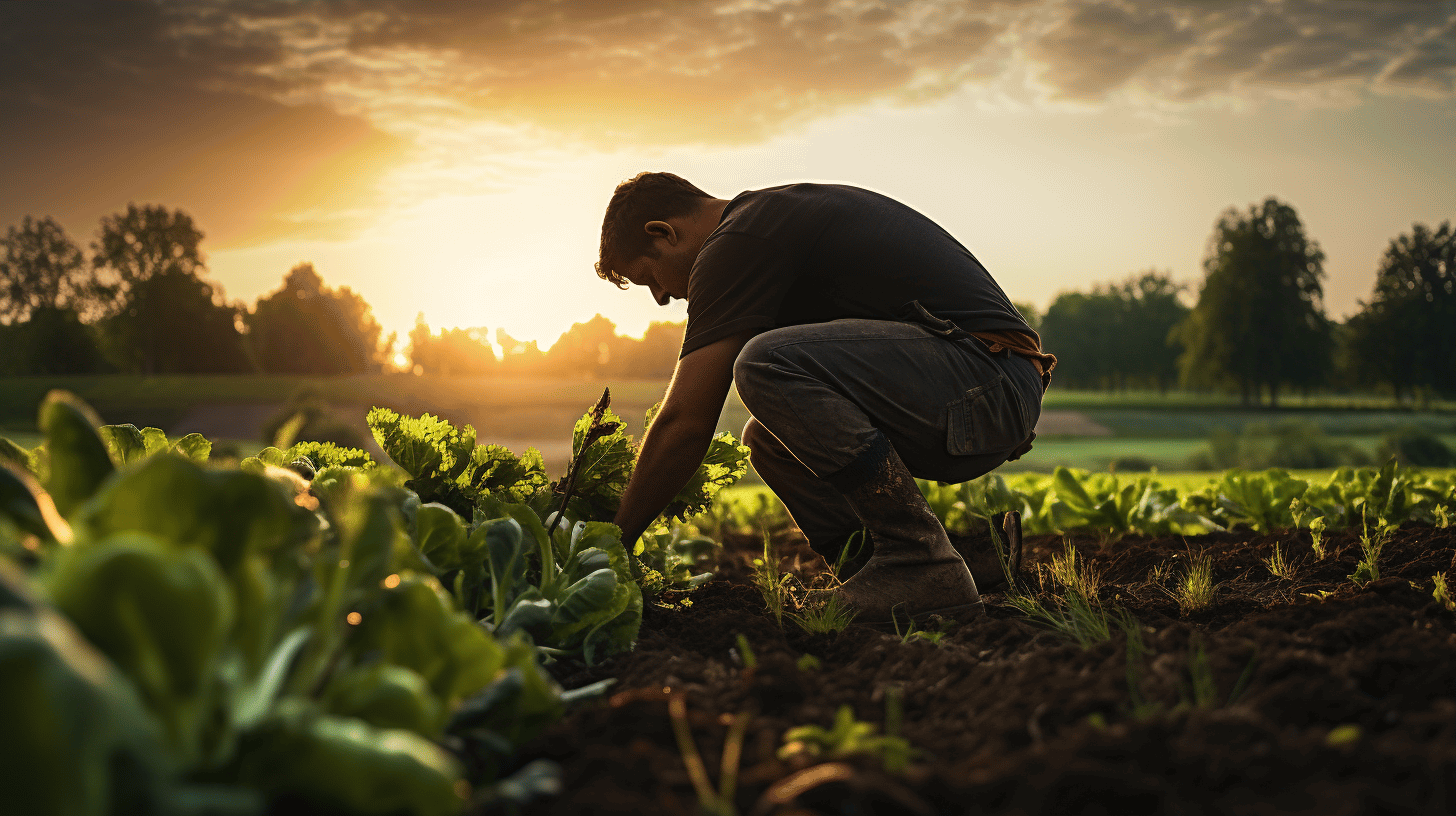
Sustainable farming has gained widespread attention in recent years as individuals and communities seek to lessen their impact on the environment and promote healthier, more ethical farming practices. With sustainable farming, you can cultivate crops and raise animals in a way that provides long-term benefits to both the ecosystem and your own livelihood.
In this beginner’s guide, we will explore the foundational concepts of sustainable farming and provide practical steps to help you get started on your own sustainable farming journey. From understanding the principles of sustainable farming to implementing organic pest control methods, we will cover the essentials that will set you up for success.
Whether you’re a seasoned farmer looking to transition to more sustainable practices or someone with no prior farming experience, this guide will equip you with the knowledge and tools you need to embark on a sustainable farming venture. So let’s dive in and discover how you can contribute to a more sustainable and resilient food system.
Understanding Sustainable Farming
Sustainable farming is a term that is becoming more and more prevalent in discussions about agriculture and food production. But what exactly does it mean? At its core, sustainable farming is a way of producing food that takes into account the health of the environment, the economic viability of the farm, and the well-being of the farmers and the local community. It aims to meet the needs of the present without compromising the ability of future generations to meet their own needs.
Definition of Sustainable Farming
Sustainable farming encompasses a set of practices that prioritize environmental stewardship, social responsibility, and economic viability. Here are some key elements that define sustainable farming:
- Conservation of Resources: Sustainable farming focuses on minimizing the use of non-renewable resources, such as fossil fuels and synthetic fertilizers, while maximizing the use of renewable resources, like organic matter and natural fertilizers.
- Promotion of Biodiversity: Sustainable farming aims to preserve and enhance biodiversity by implementing practices that support healthy ecosystems. These practices include crop rotation, companion planting, and the preservation of natural habitats on the farm.
- Protection of Water Quality: Sustainable farmers strive to prevent water pollution by minimizing the use of chemicals and managing nutrient runoff. They employ techniques like responsible irrigation, cover cropping, and the use of natural filtration systems.
- Animal Welfare: Sustainable farming recognizes the importance of treating animals with respect and ensuring their well-being. This includes providing them with adequate space, a natural diet, and access to the outdoors.
Principles of Sustainable Farming
To achieve sustainability, farmers can follow certain principles that guide their practices. These principles include:
- Regenerative Agriculture: This approach focuses on restoring soils and ecosystems by building organic matter, increasing biodiversity, and reducing soil erosion. It emphasizes the use of cover crops, composting, and crop rotation.
- Integrated Pest Management: Sustainable farmers employ a range of strategies to manage pests and diseases while minimizing the use of pesticides. These strategies may include biological controls, crop rotation, and the use of resistant crop varieties.
- Local and Seasonal Production: Sustainable farming prioritizes local markets and aims to produce food that is in season. This reduces the carbon footprint associated with food transportation and supports local economies.
The Importance of Sustainable Farming
Sustainable farming plays a crucial role in addressing various environmental and social challenges. Here are some reasons why it is important:
- Environmental Protection: Sustainable farming practices help reduce the impact of agriculture on the environment by conserving resources, preserving biodiversity, and minimizing pollution.
- Healthier Food: Sustainable farming often leads to the production of healthier and more nutritious food. By avoiding the use of synthetic pesticides and fertilizers, farmers can produce crops that are free from harmful residues.
- Supporting Local Communities: Sustainable farming contributes to the vitality of local economies by creating jobs and supporting small-scale farmers. It also helps preserve traditional farming knowledge and cultural heritage.
By embracing sustainable farming practices, farmers can contribute to a more resilient and sustainable food system that benefits both people and the planet.
Steps to Start Sustainable Farming
Sustainable farming is gaining popularity as more people recognize the importance of environmentally-friendly agricultural practices. Whether you’re a seasoned farmer looking to transition to sustainable methods or a beginner interested in starting your own sustainable farm, this article will guide you through the fundamental steps to get started. By following these steps, you’ll be on your way to creating a thriving and eco-conscious farm that benefits both the environment and your community.
Identifying Suitable Land for Farming
The first step in starting your sustainable farm is to find suitable land for farming. Consider the following factors when choosing your land:
- Soil quality: Look for land with fertile soil that is rich in organic matter and essential nutrients. Conduct soil tests to assess its suitability for growing crops.
- Sunlight exposure: Choose a location with ample sunlight exposure, as most crops require a minimum of six hours of direct sunlight daily.
- Water availability: Ensure there is a reliable water source nearby, such as a stream or well, to support irrigation and livestock needs.
- Accessibility: Consider the proximity of your land to markets, suppliers, and potential customers. Easy access to transportation routes will save you time and costs.
Planning for Crop Rotation and Diversity
To promote soil health and prevent pest and disease buildup, crop rotation and diversity are crucial in sustainable farming. Here’s how to incorporate these practices into your farming plan:
- Rotate crops: Plant different crops in specific sequences to break pest cycles, improve soil fertility, and reduce the risk of disease. For example, rotate nitrogen-fixing legumes like beans or peas with nutrient-demanding crops like corn or tomatoes.
- Practice intercropping: Plant complementary crops together to maximize space and reduce weed competition. For example, growing tall sunflowers alongside low-growing lettuce can provide shade to the lettuce while attracting beneficial insects.
- Use cover crops: Plant cover crops during fallow periods to prevent soil erosion, improve soil structure, and add organic matter. Examples include winter rye, clover, or buckwheat.
Building Compost System
Compost is a valuable resource in sustainable farming as it enriches the soil with organic matter, nutrients, and beneficial microorganisms. Here’s how to build a compost system:
- Collect organic waste: Gather kitchen scraps, yard trimmings, and animal manure to create a balanced mix of carbon-rich (e.g., leaves, straw) and nitrogen-rich (e.g., food waste, grass clippings) materials.
- Create compost piles or bins: Designate an area for composting and create piles or use enclosed bins to facilitate decomposition. Alternate layers of green and brown materials and ensure adequate moisture and aeration.
- Turn and monitor: Regularly turn the compost pile to promote faster decomposition and balance the carbon-to-nitrogen ratio. Monitor the temperature and moisture levels to optimize the composting process.
Implementing Organic Pest Control Methods
In sustainable farming, using natural, non-toxic pest control methods is key to maintaining a healthy ecosystem. Here are some organic pest control methods to consider:
- Beneficial insects: Attract and encourage beneficial insects like ladybugs, lacewings, and predatory wasps, which feed on pests such as aphids and caterpillars.
- Crop diversification: Plant diverse crops to reduce the risk of pest outbreaks. Many insects are specific to certain plants, so by diversifying, you can minimize the impact of pests on your crops.
- Physical barriers: Use physical barriers like row covers, netting, or fences to protect crops from pests. This method can be particularly effective for preventing damage caused by birds and larger animals.
Setting Up Rainwater Harvesting System
Water conservation is a critical aspect of sustainable farming. Setting up a rainwater harvesting system can help reduce reliance on external water sources. Consider the following steps:
- Collect rainwater: Install rain barrels or cisterns to capture rainwater from rooftops or other catchment areas. Ensure proper filtration to remove debris and sediments.
- Storage and distribution: Store harvested rainwater and use it efficiently for irrigation purposes. Implement a distribution system such as drip irrigation or soaker hoses to minimize water wastage.
Animal Integration into Your Farming System
Integrating animals into your sustainable farming system can enhance ecological balance and provide additional benefits. Here’s how to incorporate animals on your farm:
- Rotational grazing: Practice rotational grazing by moving livestock to different paddocks periodically. This ensures proper forage regrowth, avoids overgrazing, and improves soil fertility.
- Composting with manure: Use livestock manure as a valuable source of nutrients for your compost system. Add manure to your compost piles to accelerate decomposition and enrich the resulting compost.
Remember, starting a sustainable farm takes time, effort, and continuous learning. Each step you take toward sustainability brings you closer to a more resilient and environmentally-friendly farm. So, roll up your sleeves, put on your boots, and get ready to embark on this rewarding journey!
Related: Benefits of Sustainable Farming
Challenges in Sustainable Farming
Sustainable farming is gaining momentum as more farmers recognize the importance of preserving our planet and ensuring food security for future generations. However, this type of farming does not come without its fair share of challenges. From coping with extreme weather conditions to managing pests and diseases naturally, farmers are faced with a variety of obstacles on their path to sustainable agriculture.
Coping with Extreme Weather Conditions
Climate change has brought about unpredictable weather patterns, making it increasingly difficult for farmers to plan and adapt their farming practices accordingly. Extreme weather events such as droughts, floods, heatwaves, and storms have become more frequent and intense, posing significant challenges for sustainable farming. Some of the difficulties farmers face include:
- Water scarcity: Droughts and irregular rainfall patterns can lead to water scarcity, making it challenging to irrigate crops adequately and maintain livestock.
- Soil erosion: Heavy rainfall and strong winds can cause soil erosion, washing away essential nutrients and reducing soil fertility.
- Crop damage: Extreme temperatures, frost, and hailstorms can damage crops, leading to reduced yields and financial losses for farmers.
To cope with these challenges, sustainable farmers are implementing various strategies, such as:
- Water conservation practices: Employing water-efficient irrigation systems, mulching, and using cover crops to minimize water loss through evaporation and improve soil moisture retention.
- Conserving soil: Adopting soil conservation practices like contour plowing, terracing, and agroforestry to prevent erosion and maintain the health and fertility of the soil.
- Crop diversification: Planting a variety of crops that are more resilient to extreme weather conditions, reducing the risk of crop failure.
Maintaining Soil’s Nutritional Balance
One of the key aspects of sustainable farming is maintaining the nutritional balance of the soil. However, conventional agricultural practices, such as excessive use of synthetic fertilizers and monoculture farming, have resulted in soil degradation and nutrient depletion. This presents a significant challenge for sustainable farmers who rely on healthy soil for productive and sustainable agriculture.
- Soil organic matter: Maintaining an adequate level of organic matter in the soil is crucial for nutrient cycling and water retention. Sustainable farmers use practices like composting, cover cropping, and crop rotation to increase organic matter content in the soil.
- Nutrient management: Sustainable farmers focus on promoting natural nutrient cycling by using organic fertilizers, such as manure and compost, and avoiding over-reliance on synthetic fertilizers. This helps to prevent nutrient imbalances and the buildup of harmful chemicals in the soil.
- Soil testing: Regular soil testing helps farmers assess the nutrient levels in their soil and make informed decisions about nutrient management. By understanding the specific needs of their soil, farmers can apply the right amount and type of fertilizers, reducing waste and environmental impact.
Managing Pests and Diseases Naturally
Pests and diseases pose a significant threat to crop production, and managing them naturally is a fundamental aspect of sustainable farming. Sustainable farmers strive to minimize the use of synthetic pesticides and instead focus on environmentally friendly pest and disease management strategies. Here are some practices employed by sustainable farmers:
- Biological control: Encouraging the presence of natural predators and beneficial insects that feed on pests can help control their populations naturally. This includes introducing ladybugs, praying mantises, and beneficial nematodes to the farm ecosystem.
- Crop rotation: Rotating crops helps prevent the buildup of pests and diseases in the soil. Different crops have different pest vulnerabilities, and by rotating them, farmers disrupt the life cycles of pests and reduce disease pressure.
- Integrated pest management: Sustainable farmers use a combination of techniques, including cultural practices, biological controls, and targeted pesticide use when necessary, to effectively manage pests and diseases while minimizing environmental impact.
In conclusion, sustainable farming presents several challenges that farmers must overcome to ensure the long-term viability and environmental sustainability of their agricultural practices. By implementing innovative strategies and techniques, farmers can address these challenges and continue to contribute to a more sustainable and resilient food system.
Benefits of Sustainable Farming
It’s no secret that sustainable farming has been gaining momentum in recent years. With a focus on environmental stewardship and long-term viability, sustainable farming practices offer a myriad of benefits that go beyond just food production. In this section, we will explore the three main categories of benefits associated with sustainable farming: environmental, health, and economic.
Environmental Benefits
Sustainable farming practices play a crucial role in preserving and protecting our environment. By prioritizing biodiversity and soil health, sustainable farmers reduce their impact on the land and contribute to the overall health of ecosystems. Here are some key environmental benefits of sustainable farming:
- Conservation of Soil Health: Sustainable farmers prioritize soil health by minimizing erosion, avoiding the use of harmful chemicals, and preserving organic matter content. This results in improved soil fertility and water retention, promoting long-term sustainability.
- Reduction of Greenhouse Gas Emissions: Sustainable farming practices such as cover cropping and rotational grazing help sequester carbon dioxide from the atmosphere, mitigating climate change. These practices also reduce the need for synthetic fertilizers and lower the emissions associated with their production and use.
- Preservation of Water Resources: Sustainable farming methods, such as precision irrigation and the use of cover crops, help conserve water by minimizing unnecessary irrigation and reducing water runoff. This ensures the availability of water for future generations and reduces the impact on aquatic ecosystems.
Health Benefits
In addition to the environmental benefits, sustainable farming practices also have a positive impact on our health. By focusing on organic and regenerative practices, sustainable farmers provide consumers with healthier food options. Here are some key health benefits of sustainable farming:
- Reduced Exposure to Chemicals: Sustainable farmers prioritize the use of organic methods and avoid the use of synthetic pesticides and fertilizers. This helps reduce consumers’ exposure to harmful chemicals and promotes the consumption of cleaner, more nutritious produce.
- Higher Nutritional Value: Studies have shown that sustainably farmed crops have higher nutrient content compared to conventionally grown ones. This is attributed to the nutrient-rich soil and organic practices employed by sustainable farmers.
- Support for Local Communities: Sustainable farming practices often involve small-scale, local farming operations. By supporting these farmers, consumers not only gain access to fresh, locally grown produce but also contribute to the economic well-being of their communities.
Economic Benefits
Sustainable farming is not only environmentally and health-friendly, but it also offers significant economic benefits. Here are some key economic benefits of sustainable farming:
Key Resources for Learning More About Sustainable Farming
If you’re interested in learning more about sustainable farming, there are a variety of resources available to help you expand your knowledge and skills. Whether you prefer online courses, books and magazines, or connecting with like-minded individuals through professional associations and organizations, there’s something for everyone. Let’s explore some key resources that can guide you on your sustainable farming journey.
Online Courses and Webinars
Online courses and webinars provide a convenient and flexible way to learn about sustainable farming techniques and practices. These resources are often designed and presented by experts in the field, ensuring that you’re getting reliable and up-to-date information. Here are a few popular online platforms that offer courses and webinars on sustainable farming:
- Coursera: Coursera offers a wide range of courses on sustainable agriculture, organic farming, permaculture, and more. These courses are created in partnership with prestigious universities and institutions.
- Udemy: Udemy has a vast selection of courses on sustainable farming, covering topics such as regenerative agriculture, hydroponics, and agroforestry. The platform allows you to learn at your own pace and offers lifetime access to course materials.
- Online Permaculture Design Course: The Permaculture Research Institute offers an online Permaculture Design Course, providing a comprehensive introduction to sustainable farming principles and practices.
Farming Books and Magazines
Books and magazines are timeless resources that can provide in-depth knowledge and inspiration for sustainable farming. They cover a wide range of topics, from practical guides on organic gardening to philosophical discussions on regenerative agriculture. Here are a few notable titles to consider:
- “The One-Straw Revolution” by Masanobu Fukuoka: This classic book explores Fukuoka’s natural farming philosophy and shares his experiences practicing sustainable agriculture in Japan.
- “The Market Gardener” by Jean-Martin Fortier: This practical guide offers insights into small-scale organic farming, including techniques for maximizing productivity and profitability.
- “Permaculture: A Designers’ Manual” by Bill Mollison: Considered the bible of permaculture, this comprehensive manual covers the principles and methods of sustainable design and farming.
- “Acres U.S.A.”: Acres U.S.A. is a magazine that covers sustainable farming practices, ecological agriculture, and innovative techniques for regenerative farming.
Sustainable Farming Associations and Organizations
Networking and connecting with others who share your passion for sustainable farming is essential. Joining a sustainable farming association or organization can provide valuable resources, mentorship opportunities, and a sense of community. Here are a few notable associations and organizations to consider:
- Rodale Institute: Rodale Institute is a leading research organization dedicated to regenerative organic farming. They offer educational programs, conduct research studies, and advocate for sustainable agriculture practices.
- National Sustainable Agriculture Coalition: The National Sustainable Agriculture Coalition (NSAC) is an alliance that advocates for federal policy reform to support sustainable farming practices and family farmers.
- Ecological Farmers Association of Ontario: The Ecological Farmers Association of Ontario (EFAO) supports farmers in adopting sustainable and ecological farming practices through farmer-led research, mentorship, and networking opportunities.
Remember, sustainable farming is a journey of continuous learning and improvement. Exploring these key resources can equip you with valuable knowledge, guidance, and connections, helping you become a more successful and sustainable farmer. Happy learning!
Conclusion
In conclusion, sustainable farming is not just a passing trend; it is a crucial shift towards a more environmentally friendly and resilient agricultural system. By understanding and implementing the principles of sustainable farming, farmers can create a healthier ecosystem, enhance soil health, and contribute to sustainability and food security.
Starting on the path of sustainable farming may seem daunting at first, but with the right knowledge and resources, it can be a rewarding and fulfilling journey. The steps outlined in this article, such as identifying suitable land, implementing organic pest control methods, and integrating animals into the farming system, provide a solid foundation for beginners.
While there are challenges in sustainable farming, such as extreme weather conditions and managing pests naturally, the benefits far outweigh the difficulties. Not only does sustainable farming have positive environmental impacts, but it also promotes better health and economic benefits for farmers and communities.
To continue learning and exploring sustainable farming practices, there are various resources available. Online courses and webinars, farming books and magazines, as well as sustainable farming associations and organizations, can provide valuable information and support for those looking to delve deeper into sustainable farming practices.
At Regenerative Agriculture Wiki, we are committed to promoting regenerative agriculture and providing valuable content to help individuals and communities on their sustainable farming journey. Visit our website to explore our extensive resources and discover the potential of regenerative agriculture.
Start your sustainable farming journey today and join us in nurturing the environment and fostering a future where agriculture and ecology thrive in harmony!
Learn more about sustainable farming at Regenerative Agriculture Wiki
Frequently Asked Questions
- What is sustainable farming?
Sustainable farming is an agricultural practice that aims to minimize environmental impacts while producing food, fiber, or other plant-based products. It focuses on long-term soil health, water conservation, biodiversity preservation, and responsible resource management.
- Why is sustainable farming important?
Sustainable farming is important because it helps protect natural resources, promotes biodiversity, reduces pollution, improves soil fertility, and ensures long-term food security. It also supports the well-being of farmers, local communities, and the overall ecosystem.
- What are some practices of sustainable farming?
Some practices of sustainable farming include organic farming, crop rotation, agroforestry, conservation tillage, integrated pest management, use of cover crops, water conservation techniques, and promoting wildlife habitats.
- How can I start practicing sustainable farming?
To start practicing sustainable farming, you can begin by adopting organic farming methods, minimizing chemical use, conserving water, implementing crop rotation, using cover crops, managing waste and composting, and promoting biodiversity on your farm.
- Are there any certifications for sustainable farming?
Yes, there are various certifications available for sustainable farming. Some popular ones include USDA Organic Certification, Certified Naturally Grown, Regenerative Organic Certification, and Fair Trade Certification. These certifications help consumers identify and support sustainable farming practices.