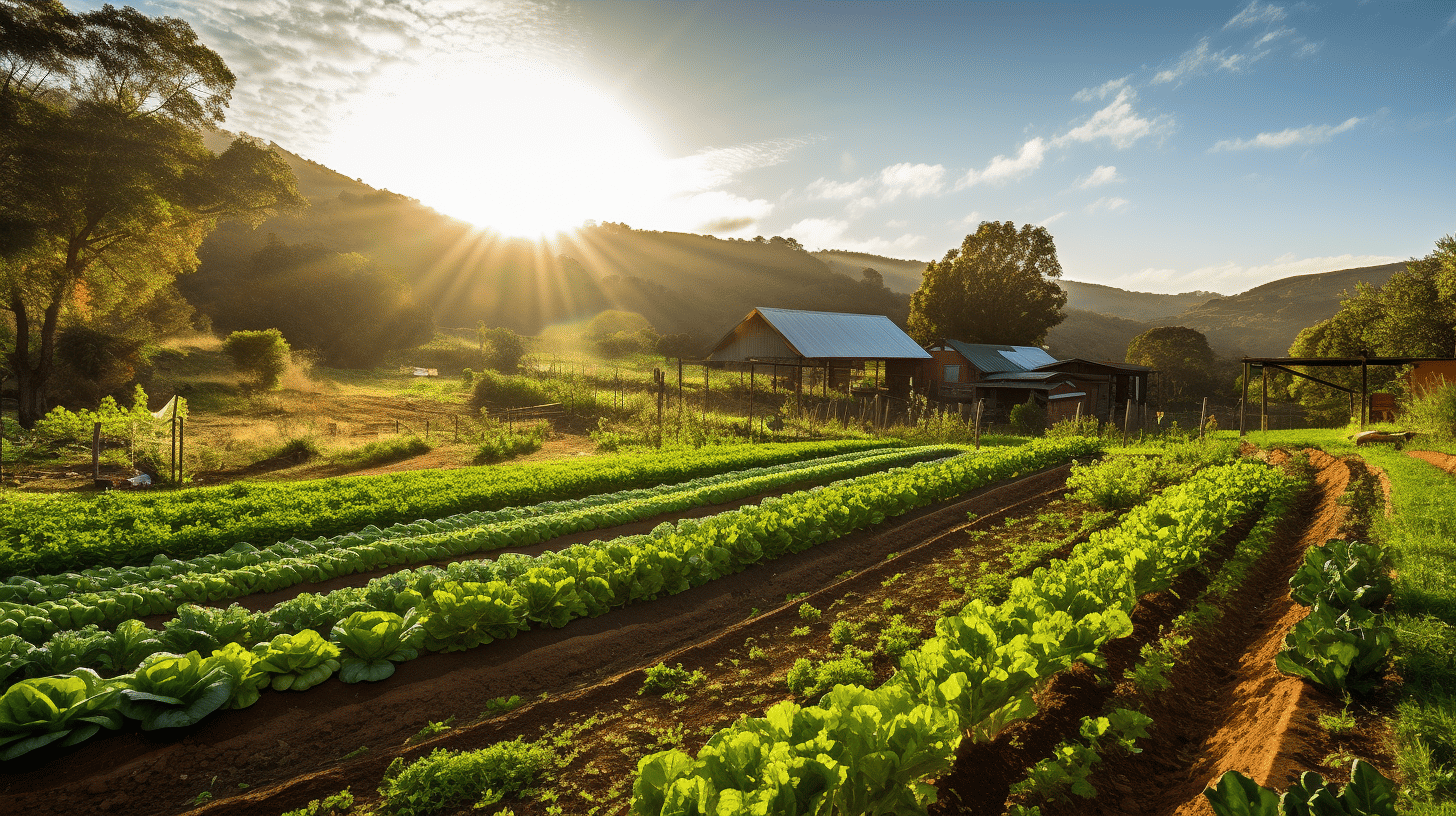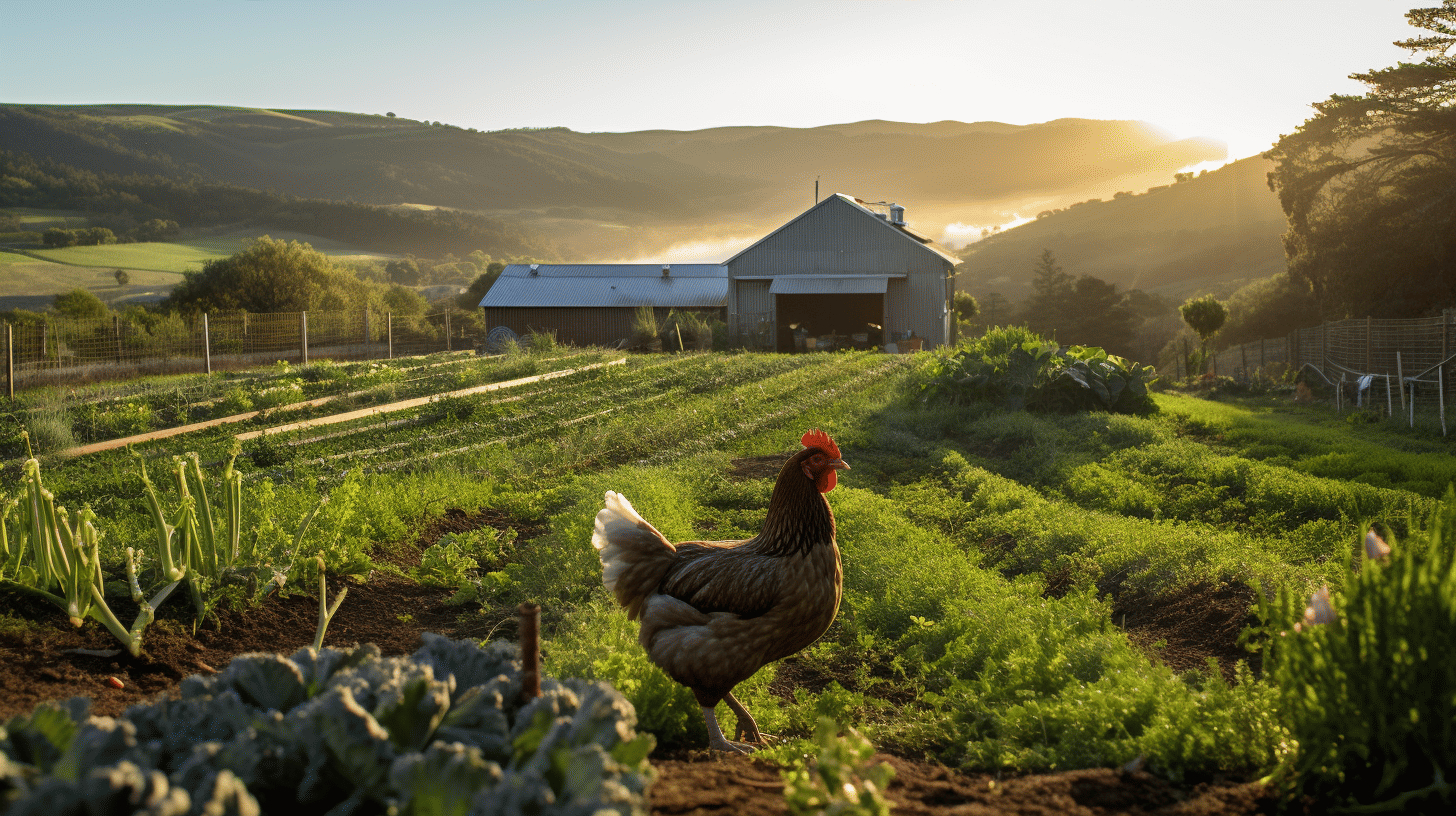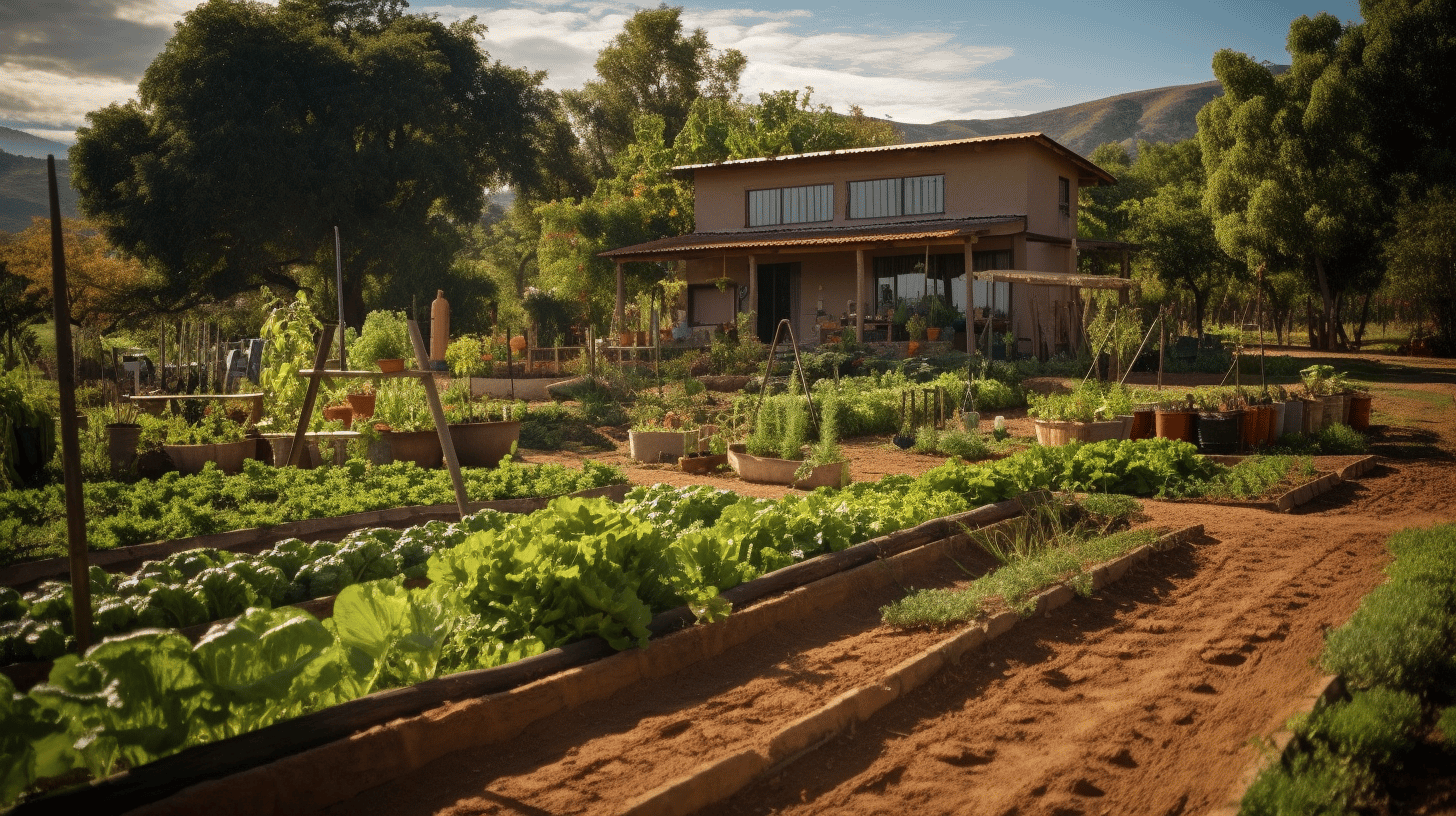
Imagine a farm that thrives even in the face of challenges – where the soil is rich and fertile, water resources are efficiently managed, and pests are kept at bay using natural methods. This is the essence of permaculture, a sustainable farming approach that focuses on creating productive ecosystems inspired by nature. By applying permaculture principles, farmers can build resilience in their farms, ensuring long-term success and environmental stewardship.
In this article, we will delve into the world of permaculture, exploring its core principles, practical applications, and the benefits it brings to farm resilience. Whether you’re a small-scale farmer looking to improve your practices or simply curious about sustainable farming methods, this guide will provide valuable insights and actionable steps to incorporate permaculture into your own agricultural endeavors.
From nurturing the soil to careful site selection, we’ll explore the key components of permaculture that contribute to farm resilience. We’ll also discuss the various advantages that permaculture offers, such as protection against natural disasters, disease resistance, pest control, biodiversity conservation, and sustainable production.
Permaculture is not just a philosophy; it’s a practical approach that is being implemented by farmers worldwide to create resilient, flourishing farms. By investing in the principles of permaculture, you’ll not only benefit your own farm but also contribute to the larger goal of sustainable agriculture. So, let’s dive into the world of permaculture and discover how these principles can transform the way we farm.
Overview of Permaculture
Permaculture is a holistic approach to designing sustainable and productive systems that mimic the patterns and relationships found in nature. It focuses on creating regenerative and resilient landscapes, while also addressing social and economic aspects of human life. This section will delve into the definition of permaculture and explore its fascinating history.
Defining Permaculture
At its core, permaculture is about harmonizing human settlements with the natural world, creating a symbiotic relationship that benefits both. It aims to utilize the principles of ecology, combined with innovative design techniques, to create self-sustaining and regenerative systems. Here are some key aspects that define permaculture:
- Ecological Design: Permaculture utilizes principles and patterns found in nature to design systems that maximize efficiency and productivity. By observing and understanding natural ecosystems, permaculture practitioners can create designs that work in harmony with the environment.
- Sustainability: Permaculture emphasizes the importance of sustainable practices that reduce waste and reliance on non-renewable resources. It encourages the use of renewable energy, water conservation techniques, and organic farming methods to create long-lasting and regenerative systems.
- Ethics and Principles: Permaculture is guided by three core ethics – Earth Care, People Care, and Fair Share. These ethics serve as a foundation for decision-making and design processes. Additionally, permaculture is based on a set of principles that guide practitioners in designing and managing systems effectively.
History of Permaculture
Permaculture has its roots in the sustainable agriculture movement of the 1970s. The term “permaculture” was coined by Bill Mollison and David Holmgren in the mid-1970s in Australia. The word itself is a combination of “permanent” and “agriculture” or “culture,” reflecting the goal of creating permanent and sustainable systems.
The development of permaculture as a concept and practice was influenced by various disciplines, including ecology, organic farming, systems theory, and indigenous land management practices. Bill Mollison and David Holmgren synthesized these ideas into a cohesive framework for ecological design and created the first permaculture design course.
Since its inception, permaculture has evolved and expanded beyond agriculture to encompass various domains, including urban planning, architecture, water management, and community development. It has gained recognition worldwide as a sustainable design approach and has inspired countless individuals and communities to implement regenerative practices.
Permaculture is not a static concept but rather a dynamic and adaptive approach to designing human systems. It continues to evolve and incorporate new knowledge and practices, making it an exciting and ever-evolving field of study and application.
In the next section, we will explore the key principles and design techniques that underpin permaculture, providing a deeper understanding of how it is put into practice. So, let’s dive in!
To learn more about the origins of permaculture and its pioneers, click here.
Core Principles of Permaculture
Permaculture is an ecological design philosophy that seeks to create sustainable and regenerative systems that mimic the patterns and resilience of natural ecosystems. At its core are three principles: Care for the Earth, Care for People, and Fair Share. These principles guide permaculture practitioners in creating harmonious and productive environments that benefit both people and the planet.
Care for the Earth
The principle of Care for the Earth emphasizes the importance of working in harmony with nature, recognizing that the Earth is a living and interconnected system. It encourages us to consider the impact of our actions on the environment and to actively work towards regenerating and restoring ecosystems. By nurturing the soil, conserving water, and practicing sustainable land management techniques, we can create resilient and biodiverse landscapes that promote ecosystem health.
Some key practices that align with the Care for the Earth principle include:
- Regenerative Agriculture: Instead of relying on harmful chemical inputs, regenerative agriculture focuses on building healthy soils and maximizing ecological interactions to promote long-term agricultural sustainability.
- Perennial Food Production: By incorporating perennial plants into our food systems, we can reduce soil erosion, increase biodiversity, and improve carbon sequestration.
- Water Conservation: Implementing practices such as rainwater harvesting, greywater recycling, and using drought-tolerant plants can significantly reduce water usage and waste.
- Wildlife Habitat Creation: Creating wildlife-friendly habitats with native plants, nesting boxes, and water sources supports biodiversity and helps maintain healthy ecosystems.
By prioritizing the well-being of the Earth and its natural systems, we can create environments that are not only productive but also sustainable for generations to come.
Care for People
The principle of Care for People focuses on the well-being and empowerment of individuals and communities. It emphasizes the need to create systems that meet our basic needs, promote social justice, and foster strong and resilient communities. By considering the social, cultural, and economic aspects of our designs, we can create spaces that support human well-being and foster a sense of belonging.
Some practices that align with the Care for People principle include:
- Community Gardens: Providing access to community gardens allows people to grow their own food, fostering self-reliance, improving food security, and promoting community engagement.
- Social Permaculture: Considering the social dynamics and relationships within a community is essential for creating nurturing and inclusive spaces that foster cooperation and collaboration.
- Alternative Economies: Exploring alternative economic models, such as community currencies or cooperative enterprises, can help redistribute wealth, promote local self-sufficiency, and reduce inequality.
By prioritizing the needs and well-being of people, permaculture designs can help create thriving communities that are socially, economically, and emotionally sustainable.
Fair Share
The principle of Fair Share recognizes that resources are limited and that we have a responsibility to share them equitably. It promotes the fair distribution of surplus resources, ensuring that everyone’s needs are met while respecting the limits of the Earth. By embracing cooperation and collaboration, we can create systems that promote sharing, generosity, and solidarity.
Some practices that align with the Fair Share principle include:
- Sharing Economy: Embracing the sharing economy through practices such as tool libraries, time banks, and communal infrastructure reduces waste, fosters community connections, and ensures that resources are used efficiently and equitably.
- Ethical Consumption: Making conscious choices about what we consume and where our resources come from can help reduce waste, support local businesses, and promote fair and ethical practices.
- Education and Outreach: Sharing knowledge and empowering others to embrace permaculture principles and practices ensures that the benefits of sustainable living are accessible to all.
By embracing the principle of Fair Share, we can create systems that promote social justice, environmental sustainability, and a more balanced distribution of resources.
In conclusion, by embracing the principles of Care for the Earth, Care for People, and Fair Share, we can create sustainable and regenerative systems that promote the health and well-being of both people and the planet. These principles guide permaculture practitioners in creating environments that are not only productive but also in harmony with nature. By integrating these principles into our daily lives, we can contribute to a more sustainable and resilient future for all.
Applying Permaculture Principles for Farm Resilience
Permaculture is a holistic approach to agriculture that aims to create regenerative and self-sustaining systems. By implementing permaculture principles on a farm, farmers can enhance resilience, reduce inputs, and increase productivity. Let’s explore some key permaculture principles that can be applied to achieve farm resilience.
Building Soil Health
One of the foundational principles of permaculture is the focus on building and maintaining healthy soil. Healthy soil is vital for productive and resilient farms. Here are some strategies that farmers can use to improve soil health:
- Mulching: Covering the soil with organic matter, such as straw or wood chips, helps to retain moisture, suppress weeds, and nourish the soil as it breaks down.
- Composting: Creating and applying compost is a fantastic way to add organic matter and beneficial microorganisms to the soil, promoting nutrient cycling and improving its structure.
- Crop rotation: Rotating crops helps prevent the buildup of pests and diseases, while also replenishing nutrients in the soil. It is essential to plan rotations carefully to optimize productivity.
Water Management
Water is a precious resource on any farm, and efficient water management is key to resilience. Permaculture principles offer various strategies for effective water management:
- Rainwater harvesting: Capturing rainwater and efficiently storing it for later use can be achieved through techniques such as swales, ponds, or cisterns. This harvested water can then be used for irrigation during dry spells.
- Contour plowing: Plowing along the contour lines of the land helps to slow down water runoff and encourages its infiltration into the soil, reducing erosion and increasing water availability.
- Drip irrigation: Using drip irrigation systems, which deliver water directly to the plant’s roots, can significantly reduce water wastage and ensure that plants receive water precisely when and where they need it.
Diverse Planting
Embracing diversity is a central concept in permaculture. By cultivating a wide range of plants, farmers can create resilient ecosystems that provide various benefits:
- Polyculture: Instead of relying solely on monocultures, which are susceptible to pests and diseases, farmers can incorporate polycultures – the planting of multiple crops together. This approach increases biodiversity, decreases pest pressures, and enhances ecological balance.
- Companion planting: Pairing specific plants together can encourage mutually beneficial relationships. For example, planting marigolds with tomatoes can help deter pests, while growing legumes alongside other plants can enrich the soil with nitrogen.
Organic Pest Management
Managing pests in an organic and sustainable way is another principle that permaculture embraces. Here are some techniques farmers can use:
- Biological control: Encouraging beneficial insects, such as ladybugs, lacewings, and predatory wasps, can help control pest populations naturally. Providing habitat and food sources for these insects is crucial.
- Crop rotation: As mentioned earlier, rotating crops can disrupt pest life cycles and reduce their impact on plants. By planting pest-resistant crops in succession, farmers can actively manage pest populations.
Beneficial Animal Integration
Integrating animals into the farming system can provide numerous benefits while enhancing resilience:
- Poultry for pest control: Chickens and ducks are excellent at foraging for insects, slugs, and weed seeds. Allowing them to roam in orchards or gardens can help control pests while providing additional fertilizer through their droppings.
- Livestock for soil fertility: Grazing animals, such as cows or goats, can be managed to improve soil fertility through their manure and by cycling nutrients. Utilizing rotational grazing systems ensures that animals graze on different sections of the pasture, allowing the land to rest and regenerate.
Careful Site Selection and Design
When establishing a permaculture farm, thoughtful site selection and design play a vital role in achieving resilience:
- Observation: Taking the time to observe the site’s unique characteristics, such as sun exposure, wind patterns, and water flow, helps inform design decisions that work with, rather than against, the natural environment.
- Zoning: Organizing the farm into zones based on frequency of use and inputs allows for efficient management. Zone 1, for instance, would include areas closest to the farmer’s residence or where intensive crops are grown, while Zone 5 would be left entirely wild.
By embracing permaculture principles such as building soil health, water management, diverse planting, organic pest management, beneficial animal integration, and careful site selection and design, farmers can create resilient farming systems that are both productive and sustainable.
Benefits of Applying Permaculture in Farm Resilience
Permaculture is a holistic approach to farming and gardening that aims to create self-sustaining and resilient ecosystems by mimicking natural patterns and processes. By applying permaculture principles, farmers can experience a range of benefits that significantly contribute to the overall resilience of their farms. Let’s explore some of the key advantages of applying permaculture in farm resilience:
Natural Disaster Protection
One of the most significant benefits of permaculture is its ability to enhance natural disaster protection on a farm. By implementing permaculture techniques such as contouring and earthworks, farmers can effectively manage water flow and prevent erosion, reducing the risk of soil loss and damage during heavy rainfalls or floods. Additionally, by planting diverse crops and utilizing companion planting techniques, permaculture fosters a more robust ecosystem that is better equipped to withstand extreme weather events such as storms and droughts.
Disease Resistance
Another advantage of applying permaculture principles is the increased disease resistance it provides to farms. By promoting biodiversity and avoiding monocultures, permaculture creates a more balanced ecosystem that is less prone to outbreaks of pests and diseases. Companion planting and crop rotation, two common permaculture practices, help disrupt the life cycles of pests and pathogens, reducing their impact on crops. Furthermore, by incorporating natural pest control methods such as beneficial insects and birds, farmers can effectively manage pests without relying on chemical sprays.
Pest Control
Permaculture also offers farmers effective pest control strategies without relying on harmful chemicals. Instead of resorting to conventional pesticide use, permaculture encourages the use of natural pest control methods such as attracting beneficial insects, implementing trap crops, and utilizing natural predators. By restoring the ecological balance in the farm, permaculture helps manage pest populations and minimizes the damage they can cause to crops.
Biodiversity Conservation
Conserving biodiversity is crucial for maintaining the long-term health and resilience of farming systems. Permaculture actively promotes biodiversity by incorporating a wide range of plant species, including native plants and perennials, alongside annual crops. By diversifying the farm’s flora and fauna, permaculture supports a complex web of interactions between different species, leading to improved pollination, soil health, and ecosystem resilience. This increased biodiversity not only benefits the farm but also contributes to the overall conservation of local ecosystem diversity.
Sustainable Production
Arguably the most essential benefit of applying permaculture in farm resilience is its ability to support sustainable production. By following permaculture principles such as minimizing waste, utilizing renewable resources, and promoting regenerative practices, farmers can reduce their environmental impact while still maintaining viable production systems. Permaculture encourages the use of organic fertilizers, encourages water conservation, and promotes the integration of animals into the farming system, reducing the reliance on synthetic inputs and improving overall farm sustainability.
In conclusion, applying permaculture principles in farming can bring numerous benefits to farm resilience. From protecting against natural disasters to promoting disease resistance and pest control, permaculture offers a comprehensive and sustainable approach to farming. By embracing permaculture, farmers can create resilient ecosystems that not only support their livelihoods but also contribute to the conservation of natural resources.
Practical Examples of Permaculture Principles in Action
Permaculture principles provide a framework for designing sustainable and regenerative systems that work in harmony with nature. While the concept may seem abstract, there are numerous practical examples that demonstrate how these principles can be applied in real-world scenarios. Let’s explore some captivating examples that showcase the power of permaculture in action:
Polyculture Gardens: Enhancing Biodiversity
One of the fundamental principles of permaculture is to promote biodiversity by creating resilient ecosystems. Traditional mono-crop agriculture systems often rely on pesticides and fertilizers, causing harm to the environment. In contrast, polyculture gardens mimic the natural interactions between different plant species, resulting in a more robust and self-sustaining garden. Some practical examples of polyculture gardens include:
- Three Sisters Gardening: This ancient Native American technique combines corn, beans, and squash in a symbiotic relationship. Corn provides support for beans to climb, beans fix nitrogen in the soil, and squash acts as a living mulch, suppressing weeds and conserving moisture.
- Herb Spiral: Herb spirals are vertical gardens that utilize different microclimates to grow a variety of herbs. By stacking plants with different light and water requirements, herb spirals maximize space and create beneficial microhabitats for plant growth.
Rainwater Harvesting: Utilizing a Precious Resource
Water scarcity is a pressing global issue, and permaculture offers innovative solutions to conserve and utilize this precious resource. Rainwater harvesting is a prime example of permaculture principles in action that can be found worldwide. Here are some practical ways to capture and store rainwater:
- Rain Barrels: Simple and cost-effective, rain barrels collect rainwater from rooftops and store it for later use in the garden. By connecting multiple barrels, it’s possible to harvest large amounts of water during rainy periods.
- Swales: Swales are contour trenches that collect and store rainwater, preventing runoff and erosion. This water is then gradually released, nourishing plants over a longer period. Swales are commonly used on sloping landscapes to capture rainwater effectively.
Food Forests: Mimicking Nature’s Abundance
Food forests showcase permaculture principles by creating diverse and productive ecosystems that simulate natural forests. By mimicking nature’s interconnectedness, food forests provide sustenance while regenerating the land. Some practical examples of food forests include:
- Forest Gardening: Forest gardening embraces the layered structure of natural forests, incorporating diverse plants that work together. Canopy trees provide shade, understory plants add diversity, and ground cover crops suppress weeds and improve soil fertility.
- Orchard Guilds: Orchard guilds combine fruit trees with companion plants that support their growth. Nitrogen-fixing plants, like legumes, improve soil fertility, while herbs and flowers attract beneficial insects for natural pest control.
Incorporating permaculture principles into our daily lives is not only environmentally responsible but also practical and rewarding. By observing nature and implementing regenerative practices, it’s possible to create sustainable systems that benefit both humans and the planet we call home. So why not start incorporating permaculture principles into your own garden or landscape today?
“Permaculture principles in action showcase the power of regenerative systems – from polyculture gardens to rainwater harvesting and food forests. By embracing these practices, we can create a more sustainable and harmonious world.” (Internal link: Permaculture Principles)
How to Get Started with Permaculture
Permaculture offers a holistic approach to sustainable living, focusing on designing systems that work harmoniously with nature. Whether you have a small backyard or acres of land, getting started with permaculture can be an exciting and rewarding journey. Here are some key steps to help you embark on your permaculture adventure:
Finding Resources
When diving into permaculture, it’s crucial to gather resources to expand your knowledge and connect with like-minded individuals. Here are a few ways to find valuable resources:
- Books and Online Guides: Start by exploring informative books and online guides dedicated to permaculture. Some popular choices include “Introduction to Permaculture” by Bill Mollison and “Gaia’s Garden” by Toby Hemenway.
- Local Permaculture Communities: Engage with local permaculture communities and organizations. They often host workshops, events, and discussions that provide valuable insights and networking opportunities. Online platforms like Permaculture Association can help you find communities near you.
- Permaculture Design Courses: Consider enrolling in a permaculture design course to gain comprehensive knowledge and practical skills. These courses cover essential concepts such as ecological design principles, sustainable agriculture practices, and water conservation techniques. You can find both online and in-person courses offered by certified instructors.
Getting Training
Permaculture is a hands-on practice that requires practical skills and experience. Here are steps to help you get the necessary training:
- Volunteer or Intern: Seek out local permaculture projects, farms, or community gardens where you can volunteer or intern. This hands-on experience will give you a deeper understanding of permaculture techniques and how they are implemented in real-life settings. You’ll have the opportunity to learn from experienced practitioners and contribute to sustainable projects.
- Apprenticeships: Consider participating in apprenticeship programs where you work alongside experienced permaculturists. These immersive experiences provide mentorship, allowing you to learn directly from seasoned practitioners.
- Continuing Education: As you progress on your permaculture journey, continue expanding your knowledge and skills through workshops, seminars, and webinars. Stay updated on the latest research, techniques, and innovations in permaculture.
Planning and Implementation
Once you have gathered resources and gained training, it’s time to plan and implement your permaculture design. Here’s an overview of the steps involved:
- Site Analysis: Conduct a thorough analysis of your site, taking into consideration factors such as climate, soil quality, water sources, and existing vegetation. This assessment will help you determine the design elements and techniques that are most suitable for your specific location.
- Zoning: Divide your site into different zones based on their proximity and frequency of use. Zone 1, closest to your home, should contain high-intensity elements that require frequent attention, such as a kitchen garden. Zone 5, the furthest from your home, can be left in its natural state to provide wildlife habitat.
- Design Principles: Apply permaculture design principles such as observation, diversity, integration, and sustainability to create a resilient and productive system. Incorporate techniques such as companion planting, water harvesting, and soil regeneration to maximize the productivity of your land.
- Implementation: Begin implementing your permaculture design by starting small and gradually expanding. You can start by planting fruit trees, creating compost piles, or establishing a small herb garden. As you gain experience and confidence, you can progress to larger projects like constructing swales or building a greenhouse.
Remember that permaculture is a continuous learning process. Stay open to experimentation, adapt your design as needed, and embrace the interconnectedness of the natural world.
By following these steps and immersing yourself in the world of permaculture, you’ll be off to a great start on your journey towards a more sustainable and regenerative lifestyle. Happy permaculturing!
“Permaculture is a philosophy of working with, rather than against nature; of protracted and thoughtful observation rather than protracted and thoughtless labor; and of looking at plants and animals in all their functions, rather than treating any area as a single product system.” – Bill Mollison
Conclusion
In conclusion, permaculture principles offer a holistic and sustainable approach to farming that promotes resilience and harmony with the environment. By incorporating techniques such as building soil health, managing water effectively, diverse planting, organic pest management, beneficial animal integration, and careful site selection, farmers can create resilient and productive ecosystems on their land.
Applying permaculture principles not only enhances farm resilience but also brings numerous benefits like natural disaster protection, disease resistance, pest control, biodiversity conservation, and sustainable production.
Getting started with permaculture involves finding resources, getting training, and planning and implementing permaculture practices on your farm. Regenerative agriculture Wiki provides valuable content and resources on permaculture and other regenerative farming practices.
Join us in fostering a future where agriculture and ecology thrive in harmony by exploring the potential of regenerative agriculture and implementing permaculture principles on your farm. Together, we can create a more sustainable and resilient food system.
To learn more about permaculture and regenerative agriculture, visit Regenerative Agriculture Wiki.
Frequently Asked Questions
- What are the key principles of permaculture for farm resilience?
The key principles of permaculture for farm resilience include: 1. Observing and interacting with the farm ecosystem, 2. Catching and storing energy, 3. Obtaining a yield, 4. Applying self-regulation and accepting feedback, and 5. Using and valuing renewable resources and services.
- How can observing and interacting with the farm ecosystem contribute to resilience?
Observing and interacting with the farm ecosystem helps farmers understand the natural patterns and processes, leading to better decision-making. By observing the land, water, plants, and animals, farmers can identify potential problems and find sustainable solutions, making their farms more resilient.
- What does it mean to catch and store energy in permaculture farming?
Catching and storing energy is about utilizing and conserving natural resources effectively. Permaculture farmers focus on harnessing solar energy through methods like solar panels or passive solar design, as well as capturing and storing rainwater, wind, and biomass to support their farm’s energy needs.
- How does self-regulation and accepting feedback contribute to farm resilience?
Self-regulation and accepting feedback involve constantly monitoring and assessing the farm’s performance. This enables farmers to identify issues, learn from mistakes, and make necessary adjustments to ensure the farm remains resilient and adaptable to changing conditions.
- Why is using renewable resources and services important in permaculture farming?
Permaculture farming emphasizes using renewable resources and services to reduce the ecological footprint. By relying on renewable energy, organic fertilizers, and natural pest control methods, farmers can create a sustainable and resilient farming system that minimizes environmental impact.