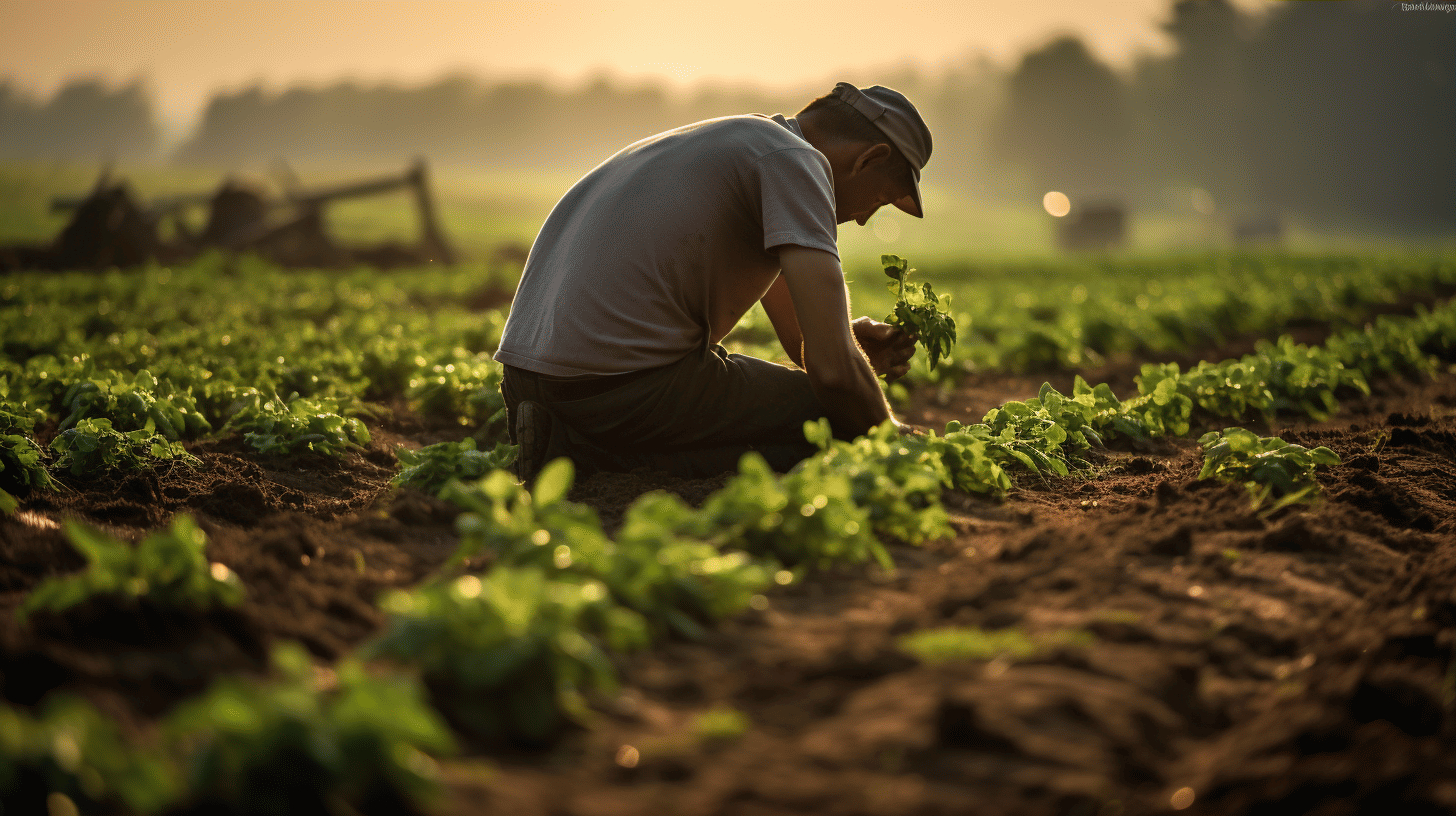
Regenerative farming is fast becoming a popular and effective approach to sustainable agriculture. By focusing on restoring and improving the health of the soil, regenerative farming offers numerous benefits for both the environment and the economy. But what exactly is regenerative farming, and why is it so important in today’s world?
In this article, we will explore the concept of regenerative farming and delve into the practices and strategies used by successful sustainable farmers. We will also discuss the environmental and economic impact of regenerative farming. Whether you’re a professional farmer, a hobbyist gardener, or simply interested in sustainable practices, this article will provide valuable insights and tips for mastering regenerative farming.
So let’s dive in and uncover the secrets of regenerative farming! But first, let’s begin by understanding the basics and importance of regenerative farming.
Understanding Regenerative Farming
Definition and Basics of Regenerative Farming
Regenerative farming is an agricultural practice that focuses on restoring and revitalizing the natural resources used in agriculture, such as soil health, water quality, and biodiversity. The goal is to create a self-sustaining system that improves over time rather than degrades, as is often the case with conventional farming methods.
At the core of regenerative farming is the recognition that the health and vitality of the soil are fundamental to the success of agricultural systems. Regenerative farmers work towards building and maintaining healthy soil ecosystems, which in turn support the growth of nutrient-rich crops. This is done through various techniques, such as:
- Minimal tillage: Unlike conventional farming, which often involves intensive plowing, regenerative farmers minimize soil disturbance by practicing no-till or reduced-till methods. This helps to preserve the soil’s structure, organic matter content, and microbial communities.
- Cover cropping: Regenerative farmers plant cover crops, such as legumes or grasses, during periods when the main crops aren’t growing. These cover crops help to protect the soil from erosion, improve water infiltration, and fix nitrogen from the air into the soil, reducing the need for synthetic fertilizers.
- Crop rotation: By rotating different crops each season, regenerative farmers can break pest and disease cycles, enhance soil fertility, and reduce nutrient depletion. This practice also encourages biodiversity, as different crops attract various beneficial insects and microorganisms.
Importance of Regenerative Farming
Regenerative farming is gaining recognition for its numerous benefits and potential to address some of the biggest challenges faced by modern agriculture. Here are a few reasons why regenerative farming is important:
- Soil health: Regenerative farming practices prioritize soil health and focus on rebuilding the organic matter, nutrient content, and microbial life within the soil. This results in improved soil structure, water-holding capacity, and nutrient availability for plants.
- Carbon sequestration: By adopting regenerative farming techniques, farmers can potentially sequester carbon dioxide from the atmosphere and store it in the soil. This helps to mitigate climate change by reducing greenhouse gas emissions.
- Water quality and conservation: Regenerative farming methods, such as cover cropping and reduced tillage, can improve water infiltration and reduce soil erosion. This leads to better water quality and helps to conserve water resources.
- Biodiversity and ecosystem resilience: Regenerative farming promotes biodiversity by creating habitat for beneficial insects, birds, and other wildlife. This enhances ecosystem resilience and helps to control pests naturally.
- Farm profitability and resilience: While transitioning to regenerative farming may require initial investments and changes in practices, it can lead to improved long-term profitability and resilience. Healthier soils and reduced input costs can result in higher crop yields and lower production expenses.
In conclusion, regenerative farming offers a promising path towards sustainable agriculture. By prioritizing soil health, implementing diverse and holistic practices, and working in harmony with nature, regenerative farmers can create resilient, productive, and environmentally friendly farming systems that benefit both present and future generations.
Guidelines and Tips from Successful Sustainable Farmers
Farming sustainably is not just about growing crops and raising livestock; it’s about understanding the intricate relationship between the land, the plants, the animals, and the ecosystem as a whole. Successful sustainable farmers have mastered this delicate balance and have shared their insights and tips for others to follow. Here are some guidelines from these experienced farmers that can help aspiring farmers on their journey towards sustainable agriculture.
Plant Diversity
One of the key principles of sustainable farming is promoting plant diversity. Instead of relying on monoculture crops, successful sustainable farmers emphasize the importance of growing a variety of plants. This not only helps to reduce the risk of crop failure due to pests or diseases, but it also enhances the overall health of the soil and attracts beneficial insects. Some of the ways in which farmers achieve plant diversity include:
- Crop Rotation: By rotating crops in a planned sequence, farmers can break the cycle of pests and diseases that target specific plants. This helps maintain soil fertility and reduces the need for chemical inputs.
- Intercropping: Planting different crops together in the same field allows for efficient use of space and resources. For example, legumes can be grown alongside grains, providing nitrogen fixation and improving soil fertility.
Soil Health Management
Maintaining the health of the soil is crucial for sustainable farming practices. Healthy soil not only provides a fertile ground for plants to grow but also helps in water retention and carbon sequestration. Here are some tips for soil health management:
- Cover Cropping: Planting cover crops like clover or rye during fallow periods can help prevent erosion, improve soil structure, and add organic matter. These cover crops also act as a natural weed suppressant.
- Composting: Creating and utilizing compost is an effective way to enrich the soil with organic matter. Successful sustainable farmers know the value of composting and make it an integral part of their farming practices.
Livestock Integration
Integrating livestock into sustainable farming systems can bring numerous benefits. Livestock can contribute to nutrient recycling, weed control, and soil fertility improvement. Here are some ways in which livestock integration is practiced:
- Rotational Grazing: Allowing livestock to graze on a particular area for a short period before moving them to the next paddock helps prevent overgrazing and enables the land to recover. This rotational system mimics the natural grazing patterns of wild animals.
- Manure Management: Proper management of livestock manure is essential for preventing nutrient runoff and maintaining a healthy balance of nutrients in the soil. Successful sustainable farmers utilize techniques like composting or direct application of manure to fertilize their fields.
Reducing Synthetic Inputs
Minimizing the use of synthetic inputs such as chemical fertilizers and pesticides is a hallmark of sustainable farming. Successful sustainable farmers employ strategies to reduce reliance on these inputs while maintaining productivity. Some practices include:
- Integrated Pest Management (IPM): An approach that combines different pest control methods, such as biological controls, crop rotation, and pest-resistant varieties, to minimize the use of synthetic pesticides.
- Natural Fertilizers: Using organic fertilizers like compost or manure instead of synthetic fertilizers not only adds nutrients to the soil but also improves its overall health and fertility in the long run.
The Impact of Regenerative Farming on Environment and Economy
Regenerative farming is gaining momentum as a sustainable agricultural practice that promotes environmental conservation and economic prosperity. By adopting regenerative farming techniques, farmers can restore soil health, reduce carbon emissions, and increase biodiversity on their land. This article explores the profound impact regenerative farming has on both the environment and the economy.
Resources for Further Learning on Regenerative Farming
Are you excited about regenerative farming and want to dive deeper into this sustainable farming practice? Luckily, there are numerous resources available to help you expand your knowledge and learn from experts in the field. Whether you prefer reading books, browsing websites, watching videos, or attending workshops, there’s something for everyone. Here are some excellent resources to get you started on your regenerative farming journey:
Websites & Blogs
When it comes to online resources, there’s no shortage of informative websites and blogs dedicated to regenerative farming. These platforms offer a wealth of knowledge, insights, and practical tips from experienced regenerative farmers. Here are a few top recommendations:
- Regeneration International: This global network advocates for regenerative agriculture and provides resources, news, and educational materials to support farmers and consumers alike.
- Rodale Institute: As a leading research institution focused on organic and regenerative farming, Rodale Institute offers valuable research papers, articles, and practical guidance for farmers.
- The Savory Institute: With a mission to facilitate large-scale regeneration of the world’s grasslands, The Savory Institute provides resources and training programs for farmers looking to implement holistic land management practices.
Books, Journals & Research Papers
Books have long been a valuable source of knowledge, and the same holds true for regenerative farming. Here are some noteworthy books, journals, and research papers on the subject:
- “The Soil Will Save Us” by Kristin Ohlson: Delve into the world of soil biology and its transformative potential in combating climate change.
- “Dirt to Soil” by Gabe Brown: Learn from a regenerative farmer’s personal journey and discover the principles and practices behind his successful farm.
- “Regenerative Agriculture” by Richard Perkins: Explore comprehensive regenerative farming techniques, including soil health, biodiversity, and efficient water management.
In addition to books, scientific journals and research papers can provide valuable insights into the latest developments in regenerative farming. The Journal of Regenerative Agriculture is a reputable publication in this field.
Video Tutorials and MOOCs
Visual learners will appreciate the abundance of video tutorials and Massive Open Online Courses (MOOCs) available on regenerative farming. These resources offer step-by-step guidance and practical demonstrations. Here are a few recommendations:
- Regen Ag Lab: This YouTube channel features informative videos on various regenerative farming topics, including soil health, water conservation, and agroforestry.
- Agroforestry World: This website offers free online courses on regenerative agroforestry, providing valuable knowledge on integrating trees into agricultural systems for environmental and economic benefits.
Local Workshops and Farm Visits
Sometimes, there’s no better way to learn than getting hands-on experience. Attending local workshops and farm visits allows you to learn directly from experienced regenerative farmers in your area. Connect with local agricultural organizations, farming associations, or environmental groups to find workshops or farm visits near you.
By exploring these resources, you’ll be well-equipped to understand the principles of regenerative farming, implement sustainable practices, and become an informed advocate for regenerative agriculture. Happy learning!
Conclusion
In conclusion, regenerative farming is not just a passing trend; it is a transformative approach to agriculture that has the potential to revolutionize our food systems and create a sustainable future for the planet. By prioritizing soil health, biodiversity, and holistic land management, regenerative farmers are not only producing high-quality, nutrient-dense food but also restoring ecosystems and mitigating the effects of climate change.
If you’re interested in learning more about regenerative agriculture and exploring its numerous benefits, be sure to visit Regenerative Agriculture Wiki. Our platform is dedicated to providing comprehensive resources, insightful articles, and practical tips to help you embark on your own regenerative farming journey. Join us in fostering a future where agriculture and ecology thrive in harmony, and let’s make a positive impact on our planet together.
Frequently Asked Questions
- What is regenerative farming?
Regenerative farming is an approach to agriculture that focuses on rebuilding and restoring soil health, biodiversity, and ecosystem services. It aims to create sustainable farming systems that enhance the environment rather than deplete it.
- What are the benefits of regenerative farming?
Regenerative farming brings numerous benefits, including improved soil fertility, increased water retention, enhanced carbon sequestration, reduced use of chemicals and synthetic inputs, and increased biodiversity. It also helps farmers build resilient and sustainable agricultural systems.
- What are some key practices in regenerative farming?
Some key practices in regenerative farming include cover cropping, crop rotation, no-till or reduced tillage, agroforestry, composting, integrated pest management, and the use of natural fertilizers and amendments.
- Can regenerative farming be applied to all types of agriculture?
Yes, regenerative farming principles can be applied to various types of agriculture, including both small-scale and large-scale farming operations, as well as different crops and livestock production systems.
- Are there any certification programs for regenerative farming?
Currently, there are no widely recognized certification programs specifically for regenerative farming. However, some organic certification programs incorporate regenerative practices and principles within their standards.