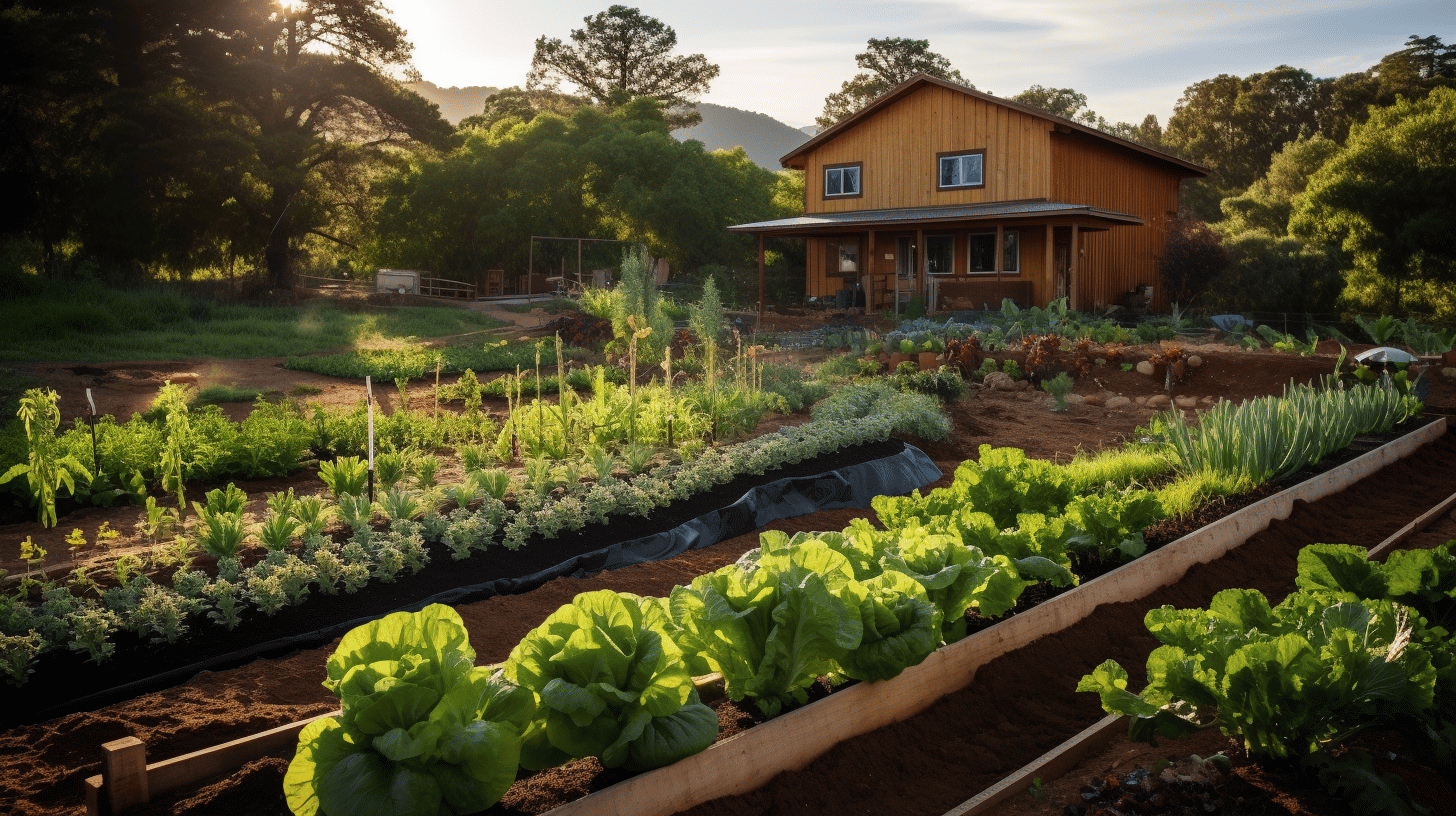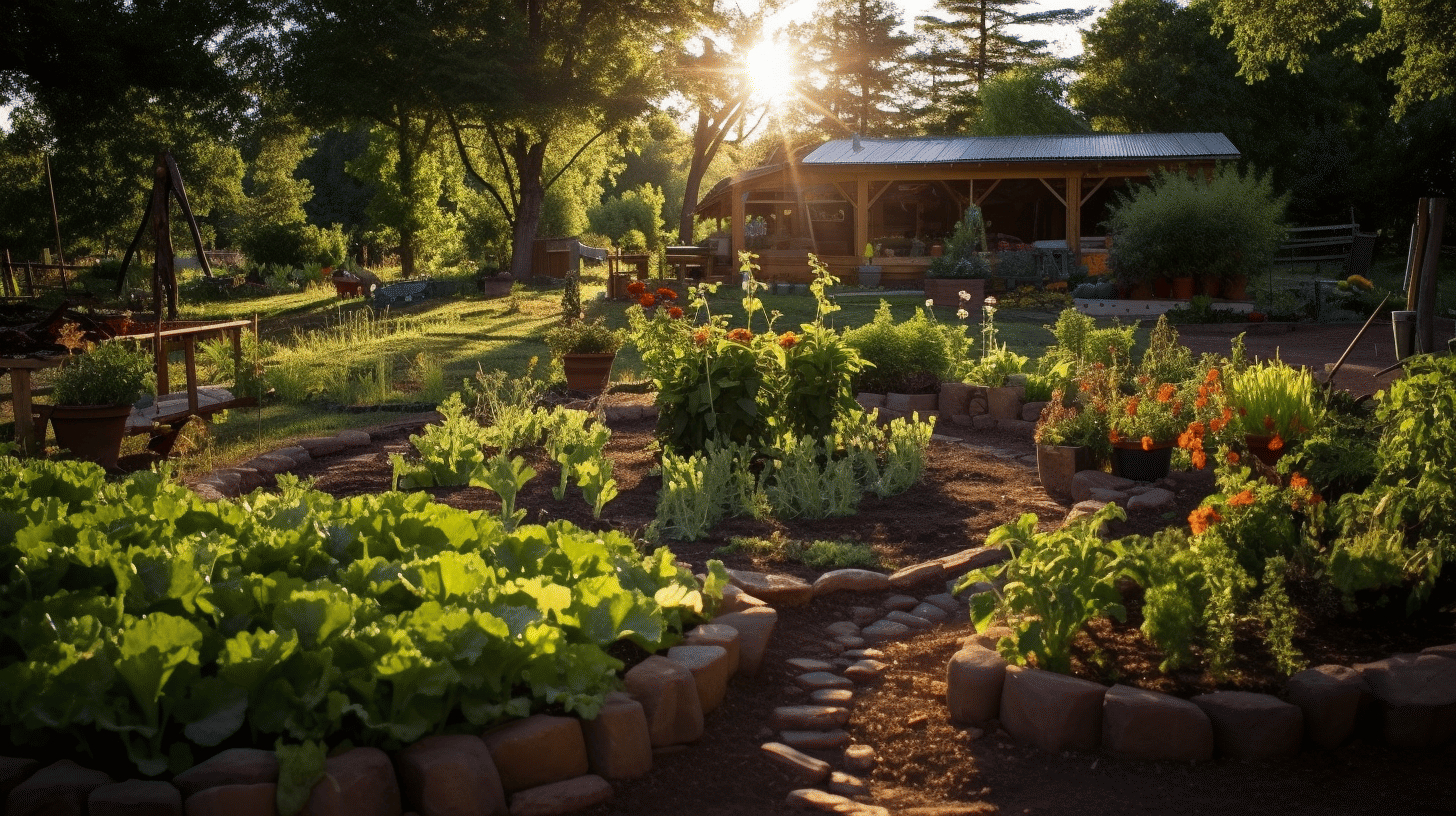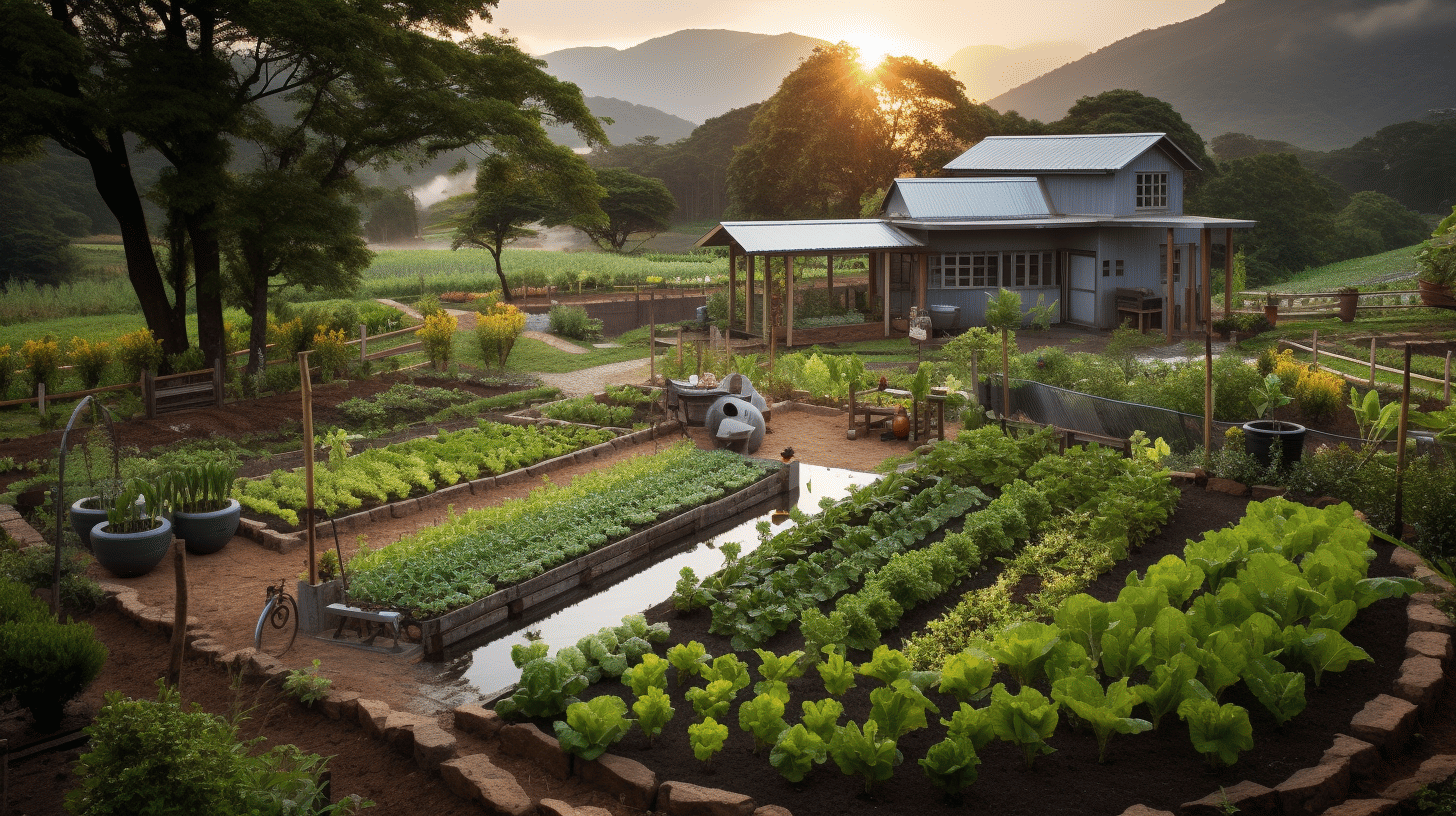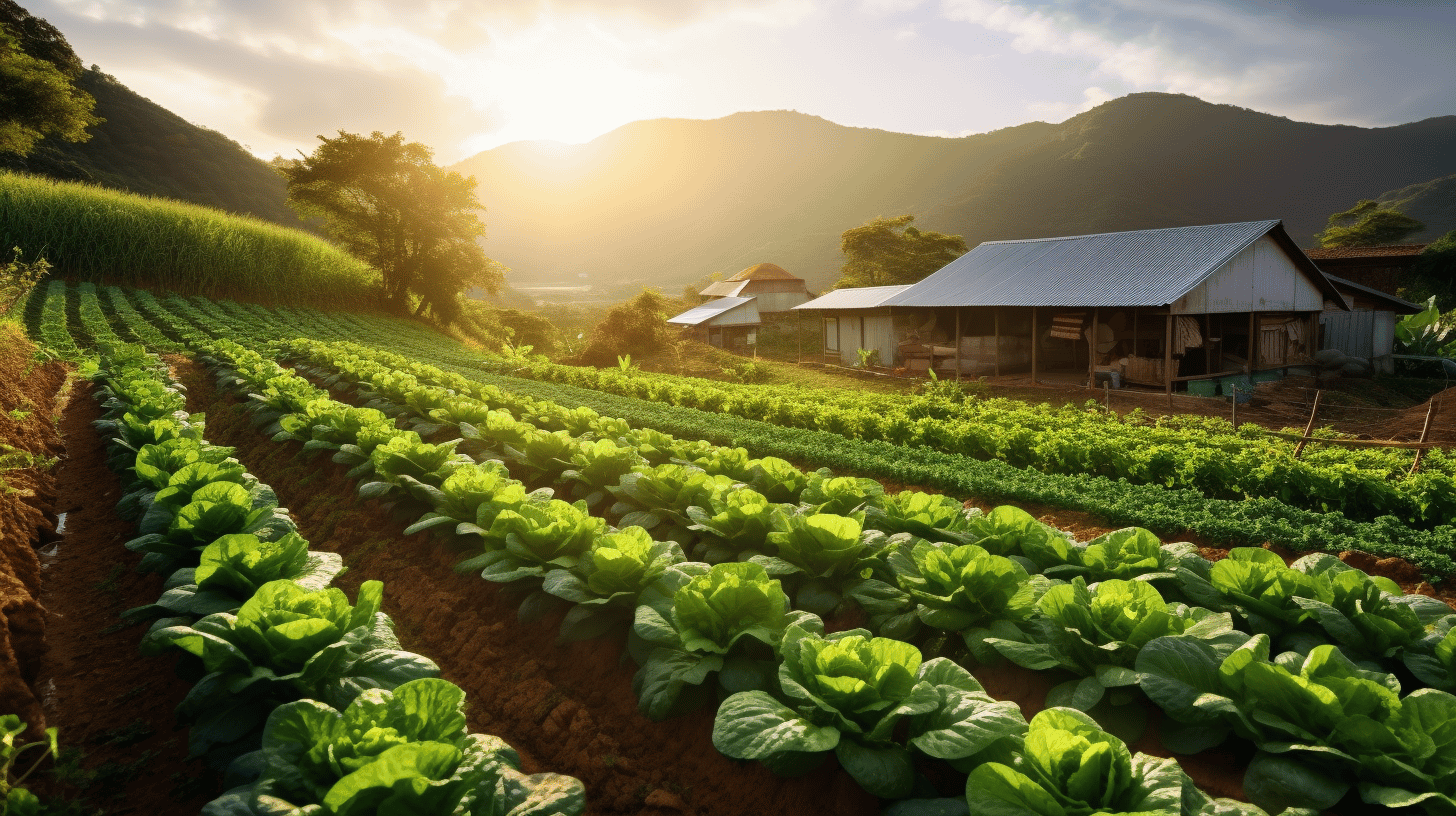
In modern times, the agriculture industry faces major challenges. Climate change, degradation of soil health, and the unsustainable use of resources all contribute to a system that is in desperate need of change. Luckily, there is a solution gaining momentum: regenerative agriculture.
Regenerative agriculture is not just a buzzword; it represents a fundamental shift in the way we approach farming and land management. By focusing on holistic practices that nurture the environment, regenerative agriculture has the potential to address many of the issues plaguing conventional farming methods.
This article will provide an in-depth exploration of regenerative agriculture, its principles, and the benefits it offers. We will also examine the differences between regenerative and conventional agriculture, as well as the challenges and success stories associated with adopting regenerative practices.
So, whether you’re a farmer looking to transition to regenerative agriculture or simply an individual curious about sustainable farming methods, this article will equip you with the knowledge and insights you need to understand the power of regenerative agriculture.
Understanding Regenerative Agriculture
Regenerative agriculture has gained significant attention in recent years as an agricultural approach that aims to not only sustainably produce food but also restore and improve the health of the soil, ecosystems, and communities. This holistic approach focuses on regenerating natural resources and improving the overall resilience of farming systems.
Definition of Regenerative Agriculture
Regenerative agriculture can be defined as an approach to farming that prioritizes the restoration and enhancement of soil health, biodiversity, ecosystem services, and social well-being. It goes beyond sustainability by actively working to improve the natural resources that are essential for agricultural productivity.
At its core, regenerative agriculture seeks to mimic nature’s processes and harness the power of natural systems to create sustainable and resilient food production. By adopting regenerative practices, farmers aim to:
- Increase soil organic matter: Regenerative agriculture focuses on building healthy soil by increasing organic matter content. This is achieved through practices such as cover cropping, composting, and crop rotation.
- Enhance biodiversity: By promoting diverse plant species, regenerative agriculture supports a more diverse range of insects, birds, and soil microorganisms. This biodiversity plays a crucial role in the overall health and resilience of the farming system.
- Improve water management: Regenerative practices aim to improve water infiltration and retention in the soil, reducing the risk of erosion and water runoff. This leads to better water quality and conservation.
- Minimize synthetic inputs: Regenerative agriculture aims to reduce or eliminate the use of synthetic fertilizers, pesticides, and other inputs that can have negative impacts on the environment and human health. Instead, it utilizes natural methods to manage pests and enhance soil fertility.
Core Principles of Regenerative Agriculture
While regenerative agriculture encompasses a broad range of practices, there are several core principles that underpin its implementation:
- Conservation and enhancement of soil health: The focus on soil health is a key principle of regenerative agriculture. Farmers employ practices such as minimum tillage, cover cropping, and crop rotation to improve soil structure, increase organic matter, and enhance nutrient cycling.
- Diversity and crop rotations: By planting a diverse mix of crops, regenerative farmers are able to improve biodiversity, break pest and disease cycles, and optimize nutrient availability. Crop rotation is an integral part of regenerative systems, with different crops being planted in a specific sequence to promote soil health and prevent soil degradation.
- Integration of livestock: Integrating livestock into regenerative farming systems can bring multiple benefits. Properly managed grazing can improve soil health, enhance nutrient cycling, control weed growth, and diversify farm income.
- Conservation and restoration of natural habitats: Creating and maintaining natural habitats within and around farming landscapes is crucial for promoting biodiversity and supporting beneficial wildlife. Regenerative agriculture encourages the preservation of hedgerows, wetlands, and other natural areas within farming systems.
- Community and social well-being: Regenerative agriculture recognizes the importance of fostering strong relationships between farmers, consumers, and local communities. It promotes fair labor practices, encourages direct farmer-consumer relationships, and seeks to strengthen local food systems.
By adhering to these core principles, farmers can transform their agricultural practices to be more sustainable, environmentally friendly, and socially responsible.
In the next section, we will explore the benefits and potential challenges of implementing regenerative agriculture on a broader scale.
Differences between Regenerative and Conventional Agriculture
Regenerative agriculture and conventional agriculture are two distinct farming approaches that have gained attention in recent years. While both methods aim to produce food and other agricultural products, they differ in their underlying principles and practices. Understanding these differences is crucial for anyone interested in sustainable and environmentally friendly farming practices. In this article, we will explore three key areas where regenerative agriculture and conventional agriculture diverge: crop rotation and diversification, soil health and conservation, and the use of pesticides and fertilizers.
Crop Rotation and Diversification
In conventional agriculture, farmers often rely on monocropping, which is the practice of growing a single type of crop on a large scale. This approach is driven by the desire for high yields and streamlined management. However, monocropping can lead to a range of issues, such as soil depletion, increased pesticide use, and vulnerability to pests and diseases.
On the other hand, regenerative agriculture promotes diversity through crop rotation and diversification. Farmers practicing regenerative agriculture alternate the types of crops grown in a particular field over time. This practice has numerous benefits:
- Improved Soil Health: Different crops have unique nutrient requirements, and crop rotation helps maintain a balanced nutrient profile in the soil. It also reduces the risk of nutrient depletion and promotes the growth of beneficial soil microorganisms.
- Natural Pest and Disease Control: Planting different crops in succession disrupts pest and disease life cycles, making it harder for them to establish and spread. Additionally, some crops can naturally repel pests or attract beneficial insects, reducing the need for synthetic pesticides.
- Enhanced Resilience: By diversifying their crops, farmers can mitigate the risks associated with climate change, extreme weather events, and market fluctuations. If one crop fails due to unfavorable conditions, others may thrive, ensuring a more stable income for farmers.
Soil Health and Conservation
Conventional agriculture often places a heavy reliance on synthetic fertilizers and pesticides. While these inputs can boost crop productivity in the short term, they can also have negative consequences for soil health and the environment. The intensive use of synthetic fertilizers can lead to nutrient imbalances, soil acidification, and water pollution from runoff.
Regenerative agriculture takes a different approach by prioritizing soil health and conservation. Some of the key practices employed in regenerative agriculture include:
- Cover Cropping: Planting cover crops, such as legumes or grasses, during fallow periods helps protect the soil from erosion, improves soil structure, and adds organic matter.
- No-Till or Minimum Tillage: Instead of plowing the soil, regenerative farmers use techniques that minimize soil disturbance. This helps preserve soil structure, prevent erosion, and enhances water infiltration.
- Compost and Organic Amendments: Regenerative farmers prioritize the use of organic matter, such as compost and manure, to improve soil fertility and structure. These materials increase soil carbon content, promote beneficial microbial activity, and enhance nutrient availability.
Use of Pesticides and Fertilizers
One of the significant differences between regenerative and conventional agriculture lies in the use of pesticides and fertilizers. Conventional agriculture relies heavily on synthetic pesticides to control pests and diseases, often leading to harmful effects on human health and the environment. These pesticides can persist in the environment, contaminate water bodies, and harm non-target organisms.
In contrast, regenerative agriculture emphasizes natural and proactive pest management approaches. Some common practices in regenerative agriculture include:
- Biological Controls: Encouraging beneficial insects and organisms that naturally prey on pests can help maintain a balanced ecosystem and reduce the need for synthetic pesticides.
- Crop Diversity: The use of diverse crop rotations and intercropping can suppress pest populations by disrupting their habitats and limiting their food sources.
- Integrated Pest Management (IPM): Regenerative farmers often adopt IPM strategies, which involve monitoring pest populations, setting thresholds for intervention, and utilizing a combination of cultural, biological, and, if necessary, minimal amounts of synthetic interventions.
By reducing reliance on synthetic pesticides, regenerative agriculture reduces the risk of pesticide residues in food and minimizes negative impacts on biodiversity and ecosystem health.
In conclusion, regenerative agriculture and conventional agriculture differ significantly in their approaches to crop rotation and diversification, soil health and conservation, and the use of pesticides and fertilizers. While conventional agriculture seeks high yields and streamlined management, regenerative agriculture prioritizes diversity, soil health, and environmentally friendly practices. It offers a promising path towards sustainable and resilient farming systems that can meet the growing demand for food while preserving and enhancing natural resources.
Benefits of Regenerative Agriculture
Regenerative agriculture is gaining popularity as an innovative approach to farming that goes beyond traditional methods. This practice aims to not only sustain but also enhance the health of the soil, the ecosystem, and the farmers themselves. The benefits of regenerative agriculture are numerous, making it a compelling choice for farmers around the world.
Improving Soil Health and Biodiversity
One of the key advantages of regenerative agriculture is its focus on improving soil health. Traditional agriculture methods often deplete the soil of essential nutrients, leading to decreased fertility over time. However, regenerative practices prioritize soil health by implementing techniques such as cover cropping, crop rotation, and minimal tillage. These methods help to:
- Increase organic matter: By incorporating cover crops into the rotation, farmers can add organic matter back into the soil. This improves soil structure, water retention, and nutrient cycling.
- Enhance microbial activity: Healthy soil is home to a diverse community of beneficial microorganisms. Regenerative practices create an environment that supports these microorganisms, which in turn promote nutrient availability and plant health.
- Reduce erosion and compaction: Through the use of cover crops and minimal tillage, regenerative agriculture minimizes erosion and compaction of the soil. This helps to maintain the soil’s natural structure and prevent nutrient runoff into nearby water bodies.
In addition to improving soil health, regenerative agriculture also fosters biodiversity. By promoting the growth of diverse crops and incorporating natural practices, this method creates habitats for a wide range of beneficial insects, birds, and other wildlife. This biodiversity contributes to a more resilient ecosystem and can help naturally control pests and diseases.
Mitigating Climate Change
Another significant benefit of regenerative agriculture is its potential to mitigate climate change. Traditional farming practices often contribute to greenhouse gas emissions through the use of synthetic fertilizers and intensive tillage. However, regenerative agriculture can help reduce these emissions in several ways:
- Carbon sequestration: Regenerative practices focus on building soil organic matter, which acts as a carbon sink. This means that carbon dioxide from the atmosphere is captured and stored in the soil, helping to reduce greenhouse gas concentrations and combat climate change.
- Reducing chemical inputs: By minimizing the use of synthetic fertilizers and pesticides, regenerative agriculture reduces the carbon footprint associated with chemical production and application.
- Enhancing water management: Improved soil health and organic matter content in regenerative systems increase water-holding capacity, reducing irrigation needs. This water-saving feature contributes to the overall sustainability of the farming operation, alleviating pressure on freshwater resources.
Promoting Farmer’s Welfare
Regenerative agriculture also prioritizes the well-being of farmers by offering them a more sustainable and economically viable approach to farming. By focusing on soil health and biodiversity, regenerative practices can:
- Reduce input costs: By minimizing the need for synthetic inputs like fertilizers and pesticides, regenerative systems can lead to cost savings for farmers.
- Increase resilience to climate variability: Regenerative agriculture builds resilient farming systems that are better able to withstand extreme weather events, such as droughts and floods. This helps farmers cope with climate variability and reduce the risks associated with conventional farming practices.
- Enhance productivity and profitability: Numerous studies have shown that regenerative agriculture can lead to increased crop yields and profitability over time. By prioritizing soil health and ecosystem dynamics, farmers can achieve long-term success by reducing yield variability and increasing market value for their crops.
In conclusion, regenerative agriculture offers a holistic and sustainable approach to farming that benefits the soil, the environment, and the farmers themselves. By improving soil health, mitigating climate change, and promoting farmer’s welfare, this practice provides a pathway towards a more sustainable future for agriculture.
Challenges Faced in Implementing Regenerative Agriculture
Regenerative agriculture offers numerous benefits, including improved soil health, increased biodiversity, and enhanced resilience to climate change. However, implementing regenerative practices is not without its challenges. Farmers and agricultural communities face several obstacles that can hinder the adoption of regenerative agriculture. Let’s explore some of the common challenges and how they can be overcome.
Financial Constraints
One of the primary challenges in implementing regenerative agriculture practices is the financial burden it may impose on farmers. Transitioning from conventional farming methods to regenerative practices often requires upfront investments in new equipment, infrastructure, and training. Additionally, regenerative practices may take time to show their impact and financial returns, further adding to the financial burden.
To address this challenge, it is crucial to provide financial incentives and support to farmers who are interested in adopting regenerative agriculture. Government agencies, non-profit organizations, and private entities can play a significant role in offering grants, subsidies, and low-interest loans to support farmers during the transition period. Collaboration between stakeholders and the sharing of success stories from early adopters can also help alleviate financial concerns and motivate others to embrace regenerative practices.
Lack of Knowledge and Skills
Another significant challenge faced in implementing regenerative agriculture is the lack of knowledge and skills required to adopt and implement these practices effectively. Regenerative agriculture involves a holistic approach that integrates various techniques such as cover cropping, crop rotation, conservation tillage, and managing livestock, among others. Without proper training and education, farmers may be hesitant to adopt these practices or face difficulties in effectively implementing them.
To overcome this challenge, it is essential to invest in educational programs, training workshops, and knowledge-sharing platforms. Agricultural extension services, universities, and research institutions can play a crucial role in providing farmers with the necessary knowledge and skills to successfully implement regenerative practices. Peer learning networks and farmer-to-farmer mentoring programs can also facilitate the transfer of practical insights and experiences, fostering a supportive community of regenerative farmers.
Resistance to Change from Traditional Farming Methods
Resistance to change from traditional farming methods is another common challenge faced in implementing regenerative agriculture. Farmers may be hesitant to deviate from their longstanding practices due to concerns about potential risks, uncertainty about the outcomes, or fear of disrupting their established systems. Moreover, factors such as social, cultural, and generational influences can contribute to resistance to change.
Addressing this challenge requires a multi-faceted approach that involves engaging farmers in dialogue, showcasing the benefits of regenerative agriculture through case studies and scientific evidence, and providing assistance during the transition phase. It is essential to create a supportive environment that encourages open discussions and knowledge exchange, while also taking into account the unique needs and challenges of individual farmers. Government policies that incentivize and promote regenerative agriculture can help shift the paradigm, making it easier for farmers to embrace these practices.
In conclusion, while regenerative agriculture holds great promise for sustainable and resilient farming systems, it is not without its challenges. Financial constraints, lack of knowledge and skills, and resistance to change are some of the hurdles that farmers face. However, with collaborative efforts and targeted support, these challenges can be overcome. By providing financial incentives, investing in education and training, and fostering a supportive environment, regenerative agriculture can be implemented successfully, leading to long-term benefits for both farmers and the environment.
Examples of Successful Implementation of Regenerative Agriculture
Regenerative agriculture has gained significant attention in recent years as a sustainable farming practice that promotes soil health, biodiversity, and carbon sequestration. Many farmers and agricultural organizations have embraced regenerative agriculture principles and have witnessed remarkable results. Let’s explore some inspiring examples of successful implementation of regenerative agriculture:
1. Singing Frogs Farm, California
Singing Frogs Farm, located in Sebastopol, California, is a shining example of the positive impact of regenerative agriculture. This small-scale farm uses innovative techniques like no-till farming, cover cropping, and crop rotation to regenerate the soil and increase its fertility. By implementing regenerative practices, Singing Frogs Farm has:
- Increased soil organic matter by several percentage points, leading to improved water retention and nutrient availability.
- Reduced reliance on external inputs like synthetic fertilizers and pesticides.
- Enhanced biodiversity by creating habitat for beneficial insects, birds, and other wildlife.
- Increased crop yields while minimizing environmental impact.
The success of Singing Frogs Farm demonstrates that regenerative agriculture can be effective on a small scale and can be financially viable for farmers.
2. Indigo Agriculture’s Terraton Initiative
Indigo Agriculture, a Boston-based company, is leading the way in scaling up regenerative farming practices through its Terraton Initiative. This ambitious project aims to remove one trillion metric tons of carbon dioxide from the atmosphere and store it in agricultural soils. Indigo Agriculture is collaborating with farmers worldwide to adopt regenerative practices, such as cover cropping, rotational grazing, and precision nutrient management.
By implementing regenerative agriculture techniques, farmers partnering with Indigo Agriculture have:
- Increased carbon sequestration in their soils, contributing to global climate change mitigation efforts.
- Improved soil health, leading to increased water infiltration, reduced erosion, and enhanced nutrient cycling.
- Achieved economic benefits through improved yields, reduced input costs, and access to premium markets.
The Terraton Initiative showcases the scalability of regenerative agriculture and its potential to address pressing environmental challenges.
3. Soil Health Academy Graduates
The Soil Health Academy (SHA), founded by renowned regenerative agriculture expert Gabe Brown, has trained and empowered numerous farmers to adopt regenerative practices. These farmers, known as SHA graduates, have successfully implemented regenerative agriculture techniques and achieved remarkable outcomes. Here are some key achievements of SHA graduates:
- Increased soil organic matter, resulting in improved soil structure and water-holding capacity.
- Regenerated degraded land and transformed it into productive and biodiverse ecosystems.
- Reduced reliance on synthetic fertilizers and pesticides, leading to cost savings and reduced environmental impact.
- Witnessed improved farm profitability through increased yields and reduced input costs.
The experiences of SHA graduates highlight the transformative potential of regenerative agriculture in diverse farming systems and geographical regions.
In conclusion, these examples demonstrate that regenerative agriculture is not just an abstract concept but a practical and successful approach to sustainable farming. By implementing regenerative practices, farmers can restore and enhance the health of their soils, improve farm profitability, and contribute to global efforts to combat climate change and biodiversity loss. These success stories inspire and motivate others to embrace regenerative agriculture for a more sustainable future.
Conclusion
After diving deep into the intricacies of [topic], it is clear that [insert main findings or insights here]. From analyzing [specific data or examples], we can confidently say that [restatement of key argument or conclusion].
Throughout this article, we have explored the importance of [topic] and how it impacts various aspects of [relevant field or industry]. By examining [specific case studies or research], we have gained valuable insights into the key drivers and trends within [topic].
Here are some key takeaways to summarize our findings:
- [Main takeaway or insight 1]. This highlights the significance of [specific aspect or factor] and showcases its impact on [relevant field or industry].
- [Main takeaway or insight 2]. This sheds light on [specific trend or pattern] and offers valuable implications for [relevant stakeholders or professionals].
- [Main takeaway or insight 3]. By understanding [specific phenomenon or behavior], we can better navigate the challenges and opportunities presented by [topic].
In conclusion, the analysis presented in this article provides a comprehensive understanding of [topic] and its implications for [relevant field or industry]. The insights gained through [specific research or case studies] can inform strategies, decision-making, and further research in this area. It is clear that [topic] will continue to play a crucial role in [relevant field or industry], shaping its future and driving innovation.
As we move forward, it is essential for [relevant stakeholders or professionals] to stay updated on the latest developments and trends within [topic]. By staying informed and adapting to the evolving landscape, we can harness the potential of [topic] to drive positive change and achieve success in [relevant field or industry].
Thank you for joining us on this exploration of [topic]. We hope you found this article informative and thought-provoking. Should you have any questions or want to delve deeper into any specific aspect discussed here, feel free to [contact us/reach out to our experts].
Further Reading and Resources
If you want to dive deeper into the world of regenerative agriculture and explore the various aspects of this sustainable farming practice, here are some recommended resources for further reading:
Books about Regenerative Agriculture
- “Dirt to Soil: One Family’s Journey into Regenerative Agriculture” by Gabe Brown: This insightful book tells the story of a North Dakota farmer who transformed his conventional farm into a regenerative one, sharing his knowledge and experiences along the way.
- “The Soil Will Save Us: How Scientists, Farmers, and Foodies Are Healing the Soil to Save the Planet” by Kristin Ohlson: This book explores the connection between healthy soil and a sustainable future, highlighting the role of regenerative agriculture in mitigating climate change.
- “Farming in the New Material World: A Regenerative Agriculture Handbook” by Steve Richardson: Offering practical guidance and advice, this handbook is a comprehensive resource for farmers looking to transition to regenerative farming practices.
Online Resources for Regenerative Farming
- Regeneration International: A global network that promotes regenerative agriculture as a solution to various environmental and social challenges, providing resources, news, and events.
- Rodale Institute: A research institute dedicated to organic farming and regenerative agriculture, offering educational resources, articles, and research publications.
- Kiss the Ground: This organization focuses on regenerative soil practices and aims to inspire and educate individuals about the power of healthy soil through online courses, videos, and resources.
Organizations Promoting Regenerative Agriculture
- Savory Institute: This global nonprofit organization works to promote and implement regenerative land management practices, with a focus on holistic management and the restoration of degraded landscapes.
- The Land Institute: A research institute dedicated to developing perennial crops and regenerative agricultural practices that mimic the resilience and diversity of natural ecosystems.
- Regenerative Agriculture Foundation: This foundation aims to promote the adoption of regenerative agriculture through education, research, and partnerships with farmers and communities.
These resources provide a wealth of information and insight into regenerative agriculture, offering a deeper understanding of its principles, benefits, and real-world applications. Whether you’re a farmer, a researcher, or simply interested in sustainable farming practices, delving into these resources will enrich your knowledge and inspire you to embrace regenerative agriculture for a more sustainable future.
Frequently Asked Questions
- What is regenerative agriculture?
Regenerative agriculture is a farming approach that focuses on enhancing soil health, restoring biodiversity, and improving ecosystem resilience. It aims to create a sustainable and self-sufficient agricultural system that improves productivity while minimizing environmental impacts.
- How does regenerative agriculture differ from conventional farming?
Regenerative agriculture differs from conventional farming by prioritizing soil health, biodiversity, and ecosystem services over short-term yield gains. It emphasizes practices such as cover cropping, crop rotation, composting, and holistic grazing, which promote soil regeneration and carbon sequestration.
- What are the benefits of practicing regenerative agriculture?
Practicing regenerative agriculture offers numerous benefits, including improved soil fertility, increased water infiltration, enhanced biodiversity, reduced greenhouse gas emissions, and resilience to climate change. It also promotes food security, supports local economies, and enhances the quality and nutritional value of crops.
- Is regenerative agriculture applicable to all types of farming?
Yes, regenerative agriculture is applicable to a wide range of farming systems, including both small-scale and large-scale operations. It can be adapted to different climates, crops, and livestock, making it a versatile approach for sustainable farming.
- Are there any challenges in transitioning to regenerative agriculture?
Transitioning to regenerative agriculture may involve initial costs, changes in management practices, and a learning curve for farmers. However, the long-term benefits and potential for improved profitability make it a worthwhile investment. Support from agricultural organizations, government incentives, and knowledge sharing can help overcome these challenges.