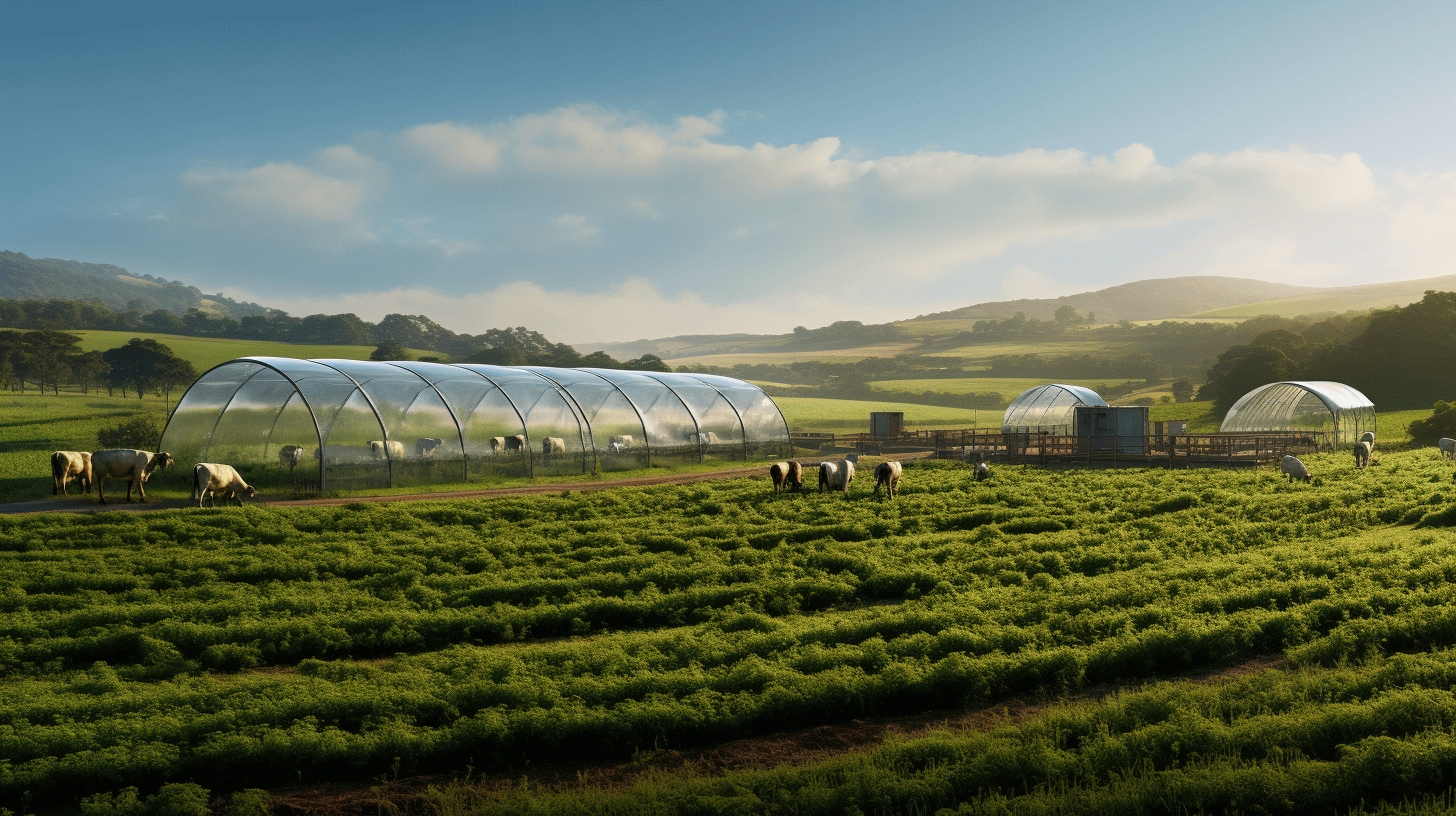
Regenerative agriculture is a sustainable farming practice that promotes the restoration and regeneration of the ecosystem. By prioritizing soil health and biodiversity, regenerative agriculture aims to enhance the long-term productivity and resilience of agricultural systems. This holistic approach to farming has gained significant attention and recognition in recent years, as it offers a promising solution to mitigate the negative environmental impacts of conventional agriculture.
In this article, we will explore the impact of regenerative agriculture on biodiversity, focusing on how this farming practice contributes to the preservation and improvement of species diversity. Biodiversity, or the variety of life on Earth, plays a critical role in maintaining the ecological balance and functioning of ecosystems. It encompasses not only the richness of different species but also the genetic, ecosystem, and functional diversity within an area.
Through an in-depth exploration of regenerative agriculture and its effects on biodiversity, we will uncover the ecological benefits and potential drawbacks of this farming approach. By examining case studies, discussing challenges, and exploring future perspectives, we will paint a comprehensive picture of the relationship between regenerative agriculture and biodiversity.
Join us on this journey to understand the profound impact that regenerative agriculture can have on biodiversity conservation and the long-term sustainability of our planet. Let’s delve into the world of regenerative agriculture and explore the connections between farming practices and the preservation of our natural world.
Understanding Regenerative Agriculture
Regenerative agriculture is an innovative approach to farming that focuses on soil health, biodiversity, and ecosystem restoration. It goes beyond sustainable farming practices by actively replenishing and revitalizing the land.
Biodiversity: An Overview
Biodiversity is a term that we often come across when discussing the environment and the natural world. But what exactly does it mean? In simple terms, biodiversity refers to the variety of plant and animal species that exist on Earth, as well as the ecosystems and habitats they inhabit. It encompasses everything from the smallest microorganisms to the largest animals, and from the depths of the oceans to the highest mountain peaks.
Definition
Biodiversity can be defined as the variety of life forms that exist in a specific area, ecosystem, or the entire planet. It includes not only the number of species but also the genetic variation within each species and the diversity of different ecosystems. This concept is crucial in understanding the complex web of life on Earth and the interdependence between different species.
When we talk about biodiversity, we often use terms like species richness and species diversity. Species richness refers to the number of different species in a particular area, while species diversity takes into account not only the number of species but also their relative abundance. High biodiversity can indicate a healthy ecosystem, as it suggests a greater ability to withstand environmental changes and maintain stability.
Importance
So why is biodiversity important? Biodiversity plays a crucial role in maintaining the balance and functioning of ecosystems. It provides a range of ecosystem services that are essential for the well-being of all living organisms, including humans. Here are some key reasons why biodiversity matters:
- Ecosystem Stability: Biodiversity ensures the stability of ecosystems by enhancing their resilience against disturbances such as natural disasters, climate change, and human activities. Each species within an ecosystem has a specific role to play, and the loss of even a single species can have cascading effects on the entire ecosystem.
- Food Security: Biodiversity is essential for our global food supply. A diverse range of plant species ensures a variety of crops that can adapt to different growing conditions and resist pests and diseases. Similarly, diverse animal species contribute to pollination and pest control, which are crucial for agricultural productivity.
- Medicinal Resources: Many of the medicines we rely on today are derived from plants and animals. Biodiversity provides a vast array of natural resources that have enormous potential for the development of new drugs and treatments for various diseases.
- Ecotourism and Recreation: Biodiverse regions often attract tourists and nature enthusiasts, generating revenue for local communities. Preserving biodiversity can create sustainable economic opportunities through ecotourism and recreational activities.
In a nutshell, biodiversity is the foundation of life on Earth. It not only sustains our ecosystems and provides us with valuable resources but also enriches our lives in countless ways. Preserving and conserving biodiversity is vital for the future of our planet and the well-being of all its inhabitants.
The Current State of Biodiversity
Biodiversity is a term used to describe the incredible variety of life on Earth. It encompasses all living organisms, from microscopic bacteria to towering trees and majestic animals. However, the current state of biodiversity is a cause for concern. Human activities have led to significant threats to biodiversity, resulting in alarming rates of biodiversity loss.
Threats to Biodiversity
There are several major factors contributing to the decline of biodiversity worldwide. These threats are largely driven by human actions and include:
- Habitat Loss: As human populations grow and expand, natural habitats are transformed to meet the increasing demands for food, shelter, and resources. Deforestation, urbanization, and the conversion of land for agriculture have all contributed to the loss and fragmentation of habitats, leaving many species without suitable places to live.
- Climate Change: The Earth’s climate is changing at an unprecedented rate, primarily due to human-induced greenhouse gas emissions. Rising temperatures, erratic weather patterns, and sea-level rise pose significant challenges to species that are unable to adapt or migrate quickly enough.
- Pollution: Pollution, including air, water, and soil pollution, has detrimental effects on biodiversity. Chemical pollutants, such as pesticides and industrial waste, can contaminate ecosystems and harm both plants and animals. The pollution of water bodies can lead to the death of aquatic species and the destruction of fragile marine ecosystems.
- Overexploitation: The unsustainable harvesting of natural resources, such as overfishing, illegal wildlife trade, and excessive logging, puts enormous pressure on species populations. When species are subjected to intense exploitation without adequate management, their populations can quickly decline, leading to their eventual extinction.
Biodiversity Loss
The loss of biodiversity has far-reaching consequences, impacting not only the natural world but also human well-being. Here’s why biodiversity loss matters:
- Ecosystem Stability: Biodiversity plays a crucial role in maintaining the stability of ecosystems. Species within an ecosystem depend on each other for survival and function together in complex ways. When species disappear, this delicate balance is disrupted, leading to ecosystem instability and potential collapses.
- Loss of Genetic Diversity: Biodiversity includes not only the variety of species but also the genetic diversity within species. Genetic diversity allows species to adapt to changing environments and helps them withstand diseases and other threats. The loss of genetic diversity reduces the resilience of populations and makes them more vulnerable to extinction.
- Medicinal and Economic Value: Many of our medicines and economic resources are derived from biodiversity. Countless plant species, for example, have been used for centuries to develop medicine to treat various ailments. Additionally, ecotourism, which relies on intact ecosystems and diverse wildlife, supports local economies and provides livelihoods for many communities around the world.
In conclusion, the current state of biodiversity is under threat due to human activities and is resulting in significant biodiversity loss. The implications of this loss are far-reaching, affecting ecosystems, genetic diversity, and our reliance on nature for resources and economic value. It is essential to take immediate action to protect and conserve biodiversity to ensure a sustainable future for all species on our planet.
Contributions of Regenerative Agriculture to Biodiversity
Regenerative agriculture, with its focus on sustainable farming practices, not only brings numerous benefits to the environment and human health but also plays a crucial role in preserving biodiversity. By fostering healthy ecosystems, regenerative agriculture helps support a wide range of plant and animal species, creating a harmonious balance in the natural world.
Soil Health
Soil health is at the heart of regenerative agriculture, and this has a direct impact on biodiversity. By utilizing practices such as cover cropping, no-till farming, and crop rotation, regenerative farmers enhance the fertility and structure of the soil. This healthy soil attracts and sustains a diverse array of beneficial microorganisms, insects, and small mammals, which in turn attracts larger species. From earthworms and pollinators to birds and mammals, regenerative farms become havens for a variety of wildlife.
In addition to providing a thriving habitat for these creatures, healthy soil also supports the growth of diverse plant species. This leads to an increase in plant biodiversity, contributing to the overall richness of the ecosystem. With a greater variety of plants, comes a higher chance of attracting a wide range of herbivores and other organisms that rely on specific plant species for survival.
Habitat Restoration
One of the key contributions of regenerative agriculture to biodiversity is habitat restoration. By incorporating diverse plantings and creating buffer zones, regenerative farmers create or restore natural habitats on their land. These habitats provide shelter, food, and nesting sites for a multitude of species, including both resident and migratory birds, insects, and mammals.
The use of native plants in regenerative agriculture is particularly important for fostering biodiversity. Native plants, adapted to the local environment, provide essential resources for native species. They attract native pollinators, serve as host plants for insects that play crucial roles in the ecosystem, and offer food sources for birds and mammals throughout the year.
Water Conservation
Water is a vital resource for all forms of life, and regenerative agriculture plays a significant role in conserving water and maintaining its quality. By implementing water management strategies such as agroforestry, contour farming, and water recycling, regenerative farmers reduce water runoff and increase water infiltration into the soil. This not only helps in water conservation but also improves water quality by reducing the amount of sediment, nutrients, and pesticides entering water bodies.
Conserving water resources and maintaining water quality are essential for the survival and well-being of aquatic organisms. Many species, from fish to amphibians, rely on clean and sufficient water sources for reproduction, feeding, and survival. By employing water conservation practices, regenerative agriculture supports the health and diversity of aquatic ecosystems, contributing to overall biodiversity.
In conclusion, regenerative agriculture makes significant contributions to biodiversity by promoting soil health, restoring habitats, and conserving water resources. By practicing these sustainable farming methods, farmers can create a thriving environment that supports a wide range of plant and animal species. Embracing regenerative agriculture is not only beneficial for the farmers themselves but also for the preservation of our planet’s biodiversity.
Case Studies of Biodiversity Improvement through Regenerative Agriculture
Regenerative agriculture has gained recognition for its potential to restore and enhance biodiversity on farmland. By implementing practices that prioritize soil health, farmers can create an ecosystem that supports a wide range of plant and animal species. Let’s explore some fascinating case studies that highlight the positive impact of regenerative agriculture on biodiversity.
Crop Rotation
Crop rotation is a fundamental practice in regenerative agriculture that involves alternating the types of crops grown in a specific field. This technique disrupts pest and disease cycles, improves nutrient cycling, and promotes soil health. A notable case study in Latin America demonstrated the positive impact of crop rotation on biodiversity. The study found that fields with diverse crop rotations attracted a higher abundance and diversity of beneficial insects, birds, and mammals compared to monoculture systems. This increase in biodiversity resulted in better pest control and improved pollination services.
Cover Cropping
Cover cropping involves planting non-commercial crops to cover and protect the soil during periods when primary crops are not actively growing. These cover crops not only help prevent erosion but also provide habitat and food for a range of beneficial organisms. A case study conducted in North America showed that incorporating cover crops into farming systems increased the abundance and diversity of soil microorganisms. These microorganisms play a crucial role in nutrient cycling, disease suppression, and soil structure formation, ultimately benefiting overall biodiversity.
Intercropping
Intercropping is the practice of growing two or more different crops in close proximity within the same field. This technique promotes biodiversity by creating diverse habitats and encouraging beneficial interactions between plant species. An interesting case study in Africa demonstrated the positive impact of intercropping on biodiversity. The study found that intercropped fields had higher insect abundance and diversity compared to monoculture fields. The presence of diverse crops attracted a variety of insects, including pollinators, predatory insects, and pest-controlling organisms, leading to enhanced biodiversity.
Agroforestry
Agroforestry combines agricultural and forestry practices by integrating trees with crops or livestock. This approach provides multiple benefits, including improved soil health, carbon sequestration, and increased biodiversity. A remarkable case study in Asia showcased how agroforestry systems promoted biodiversity by creating a diverse range of habitats for various plant and animal species. The presence of trees not only improved the ecological balance but also provided shelter, food, and nesting sites for birds, small mammals, and beneficial insects.
Animal Integration
Integrating livestock into farming systems is another key aspect of regenerative agriculture. By allowing animals to graze on pastures and using rotational grazing practices, farmers can mimic natural grazing patterns and improve soil health. A compelling case study in Europe demonstrated the positive impact of animal integration on biodiversity. The study found that well-managed grazing systems supported a diverse range of grassland plants, insects, and birds compared to intensively managed pastures. The presence of livestock not only contributed to nutrient cycling but also helped maintain open habitats and provided suitable conditions for various species.
These case studies emphasize the crucial role of regenerative agriculture in biodiversity improvement. By implementing practices such as crop rotation, cover cropping, intercropping, agroforestry, and animal integration, farmers can create a thriving ecosystem that supports a wide array of plant and animal species. This not only benefits the environment but also enhances the resilience and productivity of agricultural systems.
Challenges and Limitations of Regenerative Agriculture
Regenerative agriculture has gained popularity as a sustainable and environmentally friendly approach to farming. However, like any agricultural method, it faces its fair share of challenges and limitations. In this section, we will explore some of the hurdles that regenerative agriculture practitioners may encounter and discuss how these challenges can be addressed.
Updated regulations
As regenerative agriculture gains traction, it is essential to have updated regulations in place to support its practice. Unfortunately, the current regulatory framework may not fully address the unique needs and practices associated with regenerative agriculture. This can pose challenges for farmers and limit the widespread adoption of regenerative practices. Some of the specific regulatory challenges include:
- Certification processes: Existing certifications and labeling programs may not adequately recognize regenerative agriculture practices. Farmers may face difficulties in obtaining the necessary certifications that validate their regenerative efforts.
- Access to funding and incentives: Financial support and incentives play a crucial role in encouraging farmers to transition to regenerative agriculture. However, existing agricultural policies may not sufficiently prioritize and incentivize regenerative practices. Without proper financial support, farmers may find it challenging to invest in the necessary infrastructure and training needed for successful regenerative farming.
To overcome these regulatory hurdles, policymakers need to work closely with farmers, scientists, and industry experts to develop updated regulations that align with the principles and goals of regenerative agriculture. This may involve revisiting existing certification processes, creating targeted funding programs, and incorporating regenerative practices into agricultural policies.
Economic factors
While regenerative agriculture offers numerous environmental benefits, its economic viability remains an important consideration for farmers. Transitioning to regenerative practices often requires significant upfront investments and changes in traditional farming methods, which can impact a farmer’s bottom line. Some economic challenges associated with regenerative agriculture include:
- Initial costs: Adopting regenerative practices may require investments in equipment, soil testing, and training. These initial costs can be a barrier for farmers, especially those with limited financial resources or access to capital.
- Transition period: The transition period from conventional to regenerative agriculture can also result in a temporary decrease in yields. Farmers may experience a period of adjustment as they rebuild soil health and restore the ecosystem balance. This dip in productivity can have financial implications, potentially affecting a farmer’s income during the transition phase.
To mitigate these economic challenges, it is crucial to provide financial support and resources to farmers during the transition period. This can include grants, low-interest loans, and technical assistance programs that help farmers manage the financial burden of adopting regenerative practices. Additionally, raising awareness among consumers about the value of regenerative agriculture and creating market incentives for regenerative products can contribute to the economic viability of this approach.
Climatic variables
The effects of climate change pose unique challenges for regenerative agriculture. Climate variability, extreme weather events, and shifting precipitation patterns can significantly impact the success of regenerative practices. Some of the climatic challenges faced by regenerative farmers include:
- Drought and water availability: Regenerative agriculture relies on healthy soil ecosystems, which in turn depend on an adequate water supply. Droughts and water scarcity can make it challenging for farmers to maintain optimal soil health and productivity.
- Extreme weather events: Flooding, hurricanes, and other extreme weather events can damage crops, disrupt regenerative practices, and lead to financial losses for farmers.
To address these climatic challenges, farmers can implement certain strategies to build resilience in their regenerative systems. These strategies may include the use of cover crops to conserve soil moisture, contouring fields to minimize erosion during heavy rainfall, and diversifying cropping systems to minimize dependency on a single crop.
In conclusion, while regenerative agriculture offers significant benefits, it is not without its challenges and limitations. By addressing the regulatory, economic, and climatic hurdles, we can create a more supportive environment for regenerative practices. Governments, farmers, and consumers all have a role to play in promoting and advancing regenerative agriculture as a sustainable and profitable approach to farming.
Future Perspectives: Regenerative Agriculture and Biodiversity
In recent years, there has been a growing recognition of the need for sustainable and regenerative agricultural practices. As the world grapples with the consequences of climate change and the long-term sustainability of our food systems, regenerative agriculture offers a promising solution. This approach focuses on restoring and enhancing ecosystem health, promoting biodiversity, and improving soil fertility. With the aid of ongoing research and advancements in technology, the future of regenerative agriculture looks bright.
Research
Research plays a crucial role in shaping the future of regenerative agriculture. By studying the impacts of different practices on soil health, biodiversity, and crop yields, researchers are uncovering new insights that have the potential to transform agricultural systems. Here are a few key areas of research that are shaping the future of regenerative agriculture:
- Soil Health: Researchers are investigating how regenerative practices such as cover cropping, crop rotation, and reduced tillage impact soil health. Studies have shown that these practices improve soil organic matter content, enhance nutrient cycling, and increase water infiltration, thereby boosting overall soil health.
- Biodiversity Conservation: Biodiversity is vital for the resilience of ecosystems and agricultural systems alike. Research is shedding light on how regenerative practices can promote biodiversity on farms. For instance, planting native vegetation, creating habitat corridors, and implementing agroforestry systems can foster biodiversity and support beneficial wildlife populations.
- Carbon Sequestration: As the world grapples with the challenges of climate change, there is a growing need to sequester carbon from the atmosphere. Research is exploring how regenerative agriculture practices can enhance carbon sequestration in soils. By enriching soil organic matter and reducing carbon emissions from cultivation practices, regenerative agriculture has the potential to contribute significantly to climate change mitigation.
Technology
Advancements in technology are also playing a pivotal role in shaping the future of regenerative agriculture. These technologies not only help farmers implement regenerative practices more efficiently but also enable greater monitoring and precision in agricultural operations. Here are a few key technologies that are driving the future of regenerative agriculture:
- Precision Agriculture: Precision agriculture technologies, such as remote sensing, drones, and GPS, allow farmers to monitor and manage their crops with greater precision. This enables them to optimize inputs, reduce wasted resources, and make data-driven decisions for better crop health and performance.
- Digital Tools: Digital tools, such as mobile apps and web-based platforms, are empowering farmers with valuable information and resources. These tools provide guidance on regenerative practices, facilitate knowledge sharing among farmers, and assist in farm management tasks like record-keeping and monitoring.
- Smart Irrigation: Water management is a critical aspect of regenerative agriculture. Smart irrigation technologies employ sensors and algorithms to optimize water use, conserve water resources, and ensure that crops receive the right amount of water at the right time.
In conclusion, the future of regenerative agriculture and biodiversity is promising, thanks to ongoing research and advancements in technology. Through research, we are gaining a deeper understanding of the impacts of regenerative practices on soil health, biodiversity conservation, and carbon sequestration. Simultaneously, technology is enabling farmers to implement these practices more efficiently and monitor their progress with precision. As we continue to invest in research and embrace innovative technologies, regenerative agriculture can play a vital role in creating a sustainable and resilient food system for future generations.
Conclusion
In conclusion, regenerative agriculture holds immense potential for positively impacting biodiversity. By adopting regenerative practices, farmers can not only improve soil health but also restore habitats, conserve water, and promote the overall well-being of ecosystems. It is a holistic approach that benefits not only farmers but also the environment and the communities that depend on agricultural landscapes.
Through case studies and research, it has been evident that regenerative agriculture techniques such as crop rotation, cover cropping, intercropping, agroforestry, and animal integration play a significant role in enhancing biodiversity. These practices create diverse habitats, increase plant and animal diversity, and promote ecological balance.
However, regenerative agriculture still faces challenges, including updated regulations, economic factors, and climatic variables. Overcoming these limitations will require continued research, innovation, and support from policymakers, farmers, and consumers.
Looking ahead, the future of regenerative agriculture and biodiversity is promising. Continued research and advancements in technology will further enhance our understanding of the relationship between regenerative practices and biodiversity conservation. By implementing regenerative farming techniques on a broader scale, we can contribute to the preservation of biodiversity, mitigate climate change, and foster a more sustainable and resilient food system.
At Regenerative Agriculture Wiki, we are dedicated to spreading awareness about regenerative practices and their profound impact on biodiversity conservation. Visit our website to explore comprehensive guides, informative articles, and actionable tips to learn how you can contribute to a more sustainable and regenerative future.
Join us in fostering a future where agriculture and ecology thrive in harmony. Together, we can make a difference in preserving biodiversity and creating a resilient and sustainable world for generations to come.
Discover the potential of regenerative agriculture now!
Frequently Asked Questions
- What is regenerative agriculture?
Regenerative agriculture is a holistic approach to farming and land management that focuses on restoring and improving the health of the soil, reducing the use of synthetic inputs, promoting biodiversity, and enhancing ecosystem services.
- How does regenerative agriculture impact biodiversity?
Regenerative agriculture practices such as crop rotation, cover cropping, and agroforestry create diverse habitats that support a wide range of plant and animal species. These practices also promote soil health, which is crucial for the survival of many organisms.
- Does regenerative agriculture help protect endangered species?
Yes, regenerative agriculture plays a significant role in protecting endangered species. By promoting biodiversity and creating suitable habitats, it provides a safe environment for endangered plants and animals to thrive.
- Can regenerative agriculture mitigate the effects of climate change?
Yes, regenerative agriculture has the potential to mitigate climate change through carbon sequestration. By improving soil health and promoting the growth of plants with deep root systems, it enhances carbon storage in the soil and reduces greenhouse gas emissions.
- Are there any challenges in adopting regenerative agriculture practices?
While regenerative agriculture offers numerous benefits, there are challenges in adopting these practices. Farmers may require education and training to transition from conventional farming methods, and there can be initial financial investments. However, the long-term benefits outweigh the challenges.