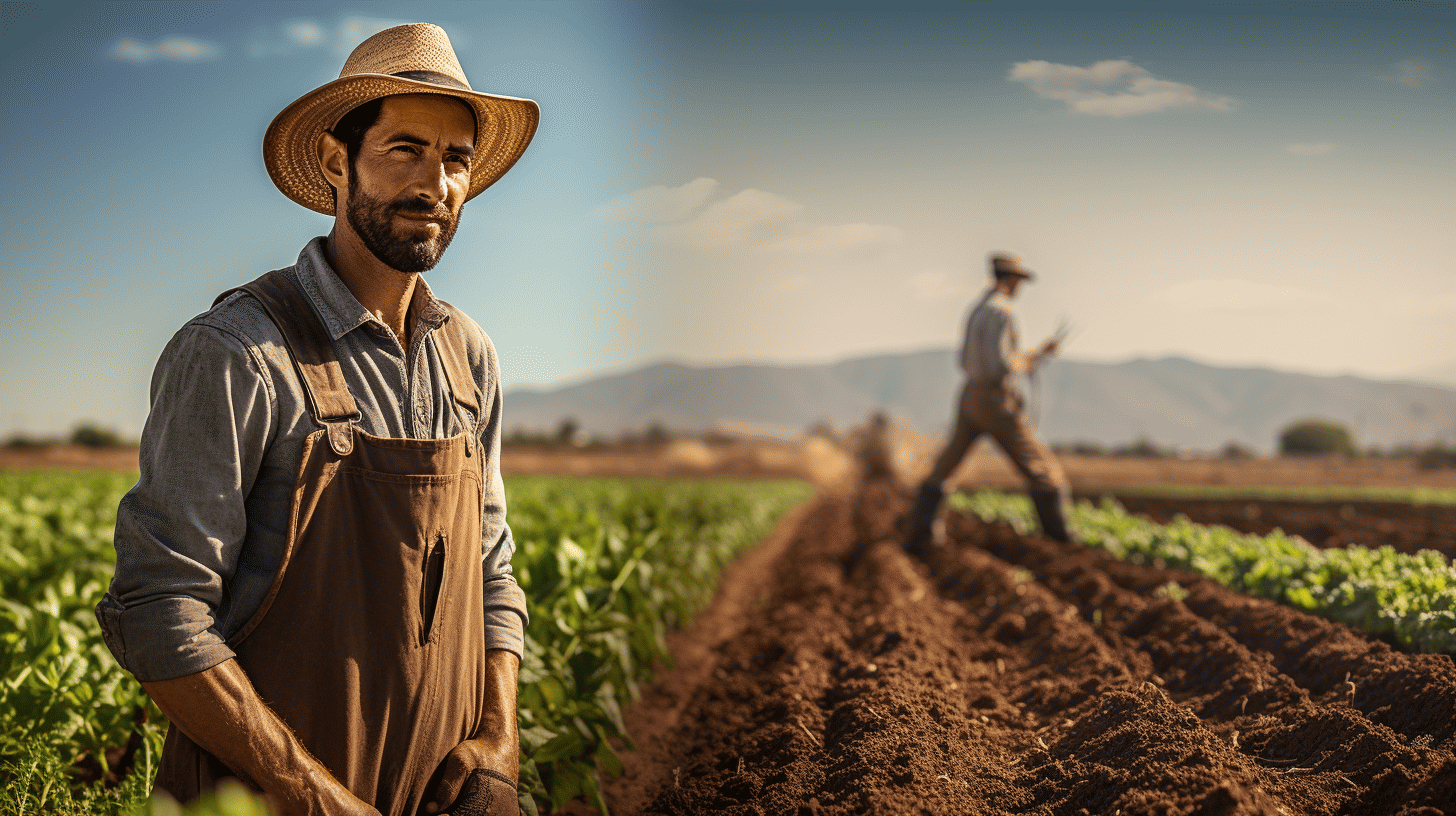
Regenerative farming is gaining tremendous attention in the agricultural industry for its potential to revolutionize the way we produce food. With its focus on promoting soil health, biodiversity, and overall ecosystem resilience, this innovative farming approach offers a host of benefits that go beyond traditional agricultural practices.
In this article, we will delve into the economics of regenerative farming, exploring its profitability, socio-ecological benefits, and impact on rural economies. By examining these aspects, we hope to provide a comprehensive understanding of why regenerative farming is not only environmentally sustainable but also economically viable.
But what exactly is regenerative farming? At its core, regenerative farming goes beyond sustainability by actively seeking to regenerate and restore the health of our agricultural ecosystems. This involves mimicking natural systems, leveraging techniques such as cover cropping, crop rotation, and holistic grazing to enhance soil health, sequester carbon, and promote biodiversity.
It’s important to note that regenerative farming is not a one-size-fits-all approach. Farmers adapt their practices based on their specific location, climate, and crop types. This flexibility allows regenerative farming to be implemented across a wide range of agricultural systems, from large-scale grain production to small organic farms.
So, why is it worth investing time, effort, and resources into regenerative farming practices? The answer lies in its wide range of benefits, which we will explore in the following sections. From increased profitability to climate resilience and income generation, the advantages of regenerative farming are multifaceted and far-reaching.
Join us as we dive deeper into the economics of regenerative farming and uncover the rewards and considerations that come with adopting this transformative approach to agriculture.
Profitability of Regenerative Farming
Regenerative farming isn’t just good for the environment—it’s also good for the bottom line. Farmers who adopt regenerative practices can enjoy higher profitability compared to conventional farming methods. Let’s dive into the reasons behind the increased profitability of regenerative farming.
Higher Profitability
According to a study, farms that implement regenerative practices are 78% more profitable than their conventional counterparts[1]. This significant increase in profitability demonstrates the financial benefits that regenerative farming can bring. As consumers become more conscious about sustainability and the quality of their food, the demand for regeneratively produced products continues to rise. This demand-driven market creates an opportunity for farmers to command premium prices for their regeneratively grown crops and products.
Lower Production Costs
One of the key factors contributing to the higher profitability of regenerative farming is the lower production costs associated with these practices. Here’s how regenerative farming helps farmers save money:
- Reduced input costs: Regenerative farming relies on natural processes and biological inputs, reducing the need for expensive synthetic fertilizers, pesticides, and herbicides.
- Lower irrigation expenses: By improving soil health and increasing water-holding capacity, regenerative farming reduces the reliance on irrigation, resulting in lower water consumption and cost savings.
- Decreased machinery costs: Regenerative practices like cover cropping and crop rotations can help maintain soil health and reduce the need for excessive tilling, leading to decreased machinery maintenance and fuel expenses.
By minimizing input costs and optimizing resource utilization, regenerative farmers can efficiently manage their finances and improve their profitability.
Increased Land Value
Investing in regenerative farming practices doesn’t just provide short-term profitability—it also enhances the long-term value of farmland. Here’s how regenerative farming helps increase land value:
- Improved soil health: Regenerative practices focus on building healthy soils by increasing organic matter, enhancing soil structure, and promoting beneficial microbial activity. These improvements lead to higher yields, reduced erosion, and improved water retention, making the land more productive and valuable.
- Enhanced biodiversity: Regenerative farming creates a diverse and dynamic ecosystem on the farm, supporting a wide range of plants, insects, and wildlife. This biodiversity not only enriches the ecological balance but also contributes to the appeal and attractiveness of the land, making it more desirable to potential buyers or tenants.
As a result of these factors, farms that adopt regenerative practices can experience an increase in land value over time, ensuring a return on their investment in sustainable farming methods.
In conclusion, regenerative farming offers a pathway to higher profitability for farmers. By capitalizing on the demand for sustainably produced products, minimizing production costs, and increasing land value, farmers can achieve financial success while promoting the health of the soil and the environment.
“Regenerative practices can increase profits and crop yields by up to 25%” [3].
[1]: Farms with regenerative practices are 78% more profitable than conventional plots – Study findings
[3]: Investing in soil-health practices leads to higher profitability for farmers
Socio-Ecological Benefits of Regenerative Farming
Introduction:
Regenerative farming is gaining significant attention as a sustainable agricultural practice that not only benefits the environment but also has numerous socio-economic advantages. By embracing regenerative farming techniques, farmers can decarbonize the food system and build resilience to climate shocks. The ripple effect of these practices extends far beyond the fields, providing a range of socio-ecological benefits that contribute to a healthier and more sustainable future.
Decarbonizing the Food System
Regenerative farming plays a crucial role in addressing one of the major challenges the world faces today: decarbonizing the food system. By adopting regenerative practices such as cover cropping, crop rotation, and minimal tillage, farmers can reduce carbon emissions and sequester carbon dioxide from the atmosphere. This restores soil health, enhances nutrient cycling, and safeguards the biodiversity of the surrounding ecosystem.
Here are some specific ways in which regenerative farming supports decarbonization:
- Enhanced Carbon Sequestration: Regenerative practices boost the capacity of agricultural soils to sequester carbon dioxide from the atmosphere. This sequestered carbon not only mitigates climate change but also improves soil fertility and resilience.
- Reduced Synthetic Input Dependency: Regenerative farming reduces the reliance on synthetic fertilizers and pesticides, which are energy-intensive to produce and contribute to greenhouse gas emissions. By using natural methods to manage pests and nourish the soil, farmers reduce their carbon footprint.
- Preservation of Carbon-Rich Ecosystems: Regenerative farming practices emphasize the preservation of carbon-rich ecosystems such as wetlands, forests, and grasslands. These ecosystems act as carbon sinks, absorbing significant amounts of carbon dioxide from the atmosphere.
Climate Resilience
In addition to decarbonization, regenerative farming practices make agriculture more resilient to the increasing frequency and intensity of climate shocks. Extreme weather events, such as droughts, floods, and heatwaves, pose significant threats to agricultural productivity. However, regenerative farming techniques build resilience by:
- Improving Soil Health: Regenerative practices enhance soil health, making it more resistant to erosion and better able to retain moisture. This helps crops withstand periods of drought and reduces the risk of yield losses during extreme weather events.
- Enhancing Biodiversity: By promoting diverse cropping systems and integrating perennial crops, regenerative farming contributes to the preservation of biodiversity on and around agricultural lands. A diverse ecosystem provides a natural buffer against pest outbreaks and disease, reducing the vulnerability of crops to climate-induced threats.
- Water Management: Regenerative farming practices, including the use of cover crops and conservation tillage, help manage water resources more efficiently. These practices reduce soil erosion and runoff, enhance water infiltration, and maintain water quality, ultimately increasing resilience to both flooding and water scarcity.
Additional Information:
- Regenerative farming not only benefits the environment and improves agricultural practices but also has significant economic value. According to a study, the socio-ecological benefits from regenerative agriculture could be worth at least €8.5 billion annually. These benefits encompass improved soil fertility, reduced healthcare costs, carbon sequestration, and the preservation of ecosystem services.
By embracing regenerative farming, we can pave the way for a more sustainable and resilient future. The socio-ecological benefits it provides, such as decarbonization of the food system and climate resilience, make regenerative farming a powerful tool in addressing the environmental challenges we face today. Let us explore the various regenerative farming practices and the positive impact they have on our planet.
Income Generation and Rural Economy
Regenerative farming not only has ecological and economic benefits but also contributes to income generation and the growth of rural economies. By implementing regenerative practices, farmers can tap into new income streams and attract investments in their communities. Let’s explore how regenerative farming fosters income generation and supports the rural economy.
New Income Streams
One of the key ways that regenerative farming contributes to income generation is through diversification. Traditionally, farmers often relied solely on crop or livestock production for income. However, regenerative farming offers opportunities for farmers to explore additional revenue streams. Here are some examples:
- Agroforestry: By integrating trees into their farming systems, farmers can harvest timber, fruits, nuts, or other non-timber forest products, providing supplemental income.
- Value-added products: Regenerative farmers can process their crops into value-added products like jams, pickles, or artisanal cheese. These products can be sold directly to consumers or local markets, commanding higher prices and creating additional income streams.
- Eco-tourism: Rural areas with regenerative farms often attract visitors interested in experiencing sustainable agriculture firsthand. Farmers can offer farm stays, tours, workshops, or other experiential activities, generating income from tourism.
Investments in Rural Economies
Regenerative farming has the potential to revitalize rural economies by attracting investments and supporting local businesses. When farmers adopt regenerative practices, they often need specialized equipment, infrastructure, and technical expertise. This creates opportunities for local entrepreneurs, equipment manufacturers, service providers, and consultants. As regenerative farming gains popularity, the demand for these goods and services also increases, leading to job creation and economic growth in rural areas.
Furthermore, regenerative farming can strengthen the local food system by connecting farmers directly with consumers. This direct-to-consumer approach encourages the growth of farmers’ markets, CSA (Community Supported Agriculture) programs, and local food cooperatives. These initiatives not only provide farmers with a fair price for their products but also reduce transportation costs and create a sense of community resilience.
In summary, regenerative farming goes beyond ecological restoration and profitability. It also stimulates income generation and contributes to the development of rural economies. By diversifying income streams and attracting investments, regenerative farming empowers farmers and strengthens the social and economic fabric of rural communities.
Want to learn more about the economic benefits of regenerative farming? Check out this article on regenerative agriculture and profitability.
Frequently Asked Questions
- What is regenerative farming?
Regenerative farming is an agricultural practice that focuses on restoring and enhancing the health of the soil, ecosystem, and community. It aims to promote soil fertility, biodiversity, and resilience through techniques such as cover cropping, crop rotation, composting, and holistic grazing.
- What are the benefits of regenerative farming?
Regenerative farming offers several benefits, including improved soil health, increased crop yields, enhanced biodiversity, carbon sequestration, water conservation, reduced pesticide use, and healthier ecosystems. It also promotes sustainable farming practices and supports local communities.
- How does regenerative farming contribute to the economy?
Regenerative farming can have positive economic impacts by reducing input costs, improving long-term soil fertility, and increasing yields. It can also create new job opportunities in sustainable agriculture and stimulate local economies through direct sales of farm products.
- Are there any financial considerations when transitioning to regenerative farming?
Transitioning to regenerative farming may require initial investments in infrastructure, equipment, and training. However, in the long run, regenerative practices can lead to cost savings, as they reduce the need for synthetic inputs, increase soil’s nutrient-holding capacity, and minimize erosion and pest damage.
- Is regenerative farming applicable to all types of agriculture?
Yes, regenerative farming principles can be applied to various types of agriculture, including crop farming, livestock grazing, and mixed farming systems. It encourages sustainable and holistic approaches that can be adapted to suit different regions, climates, and farm sizes.