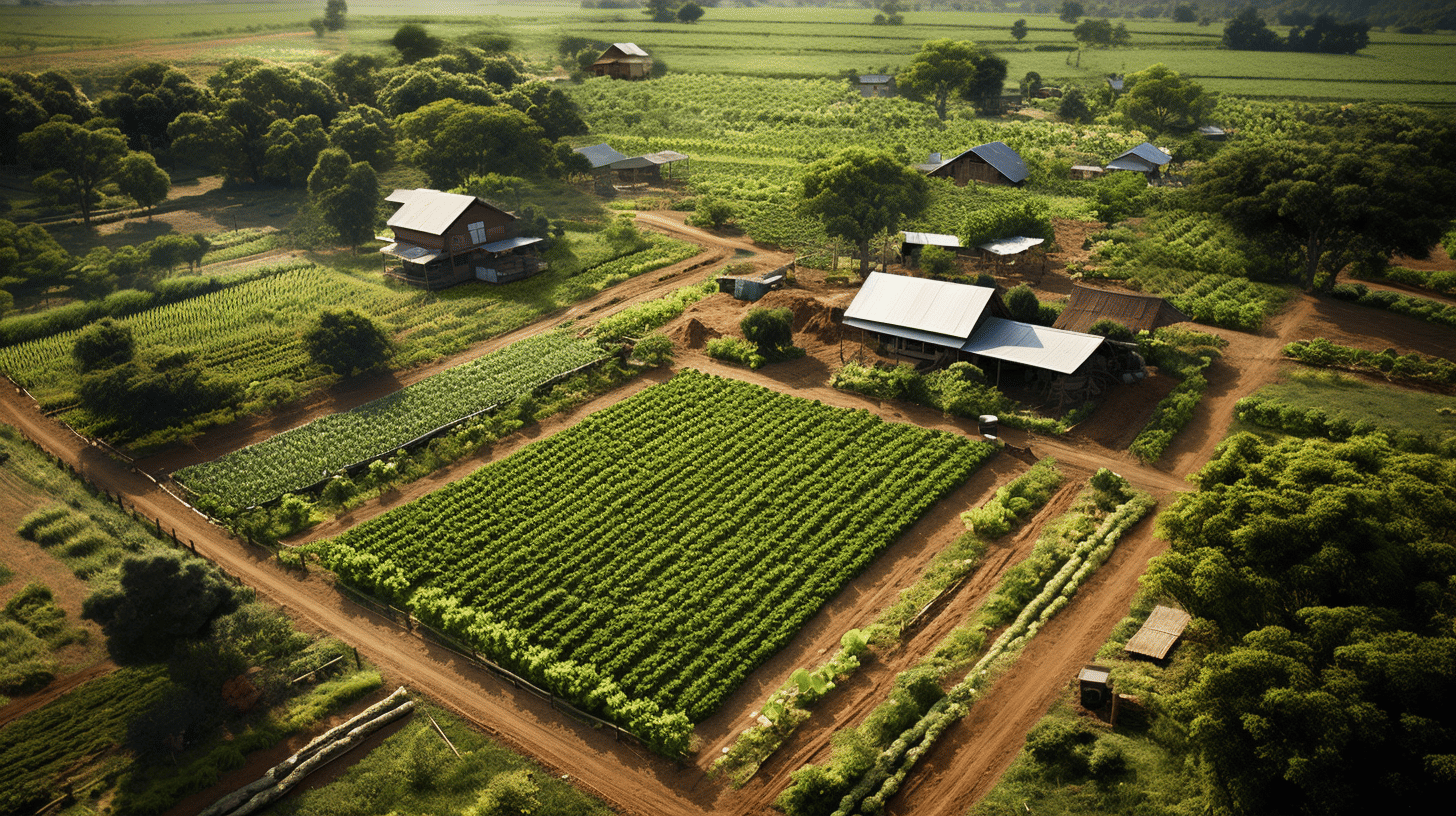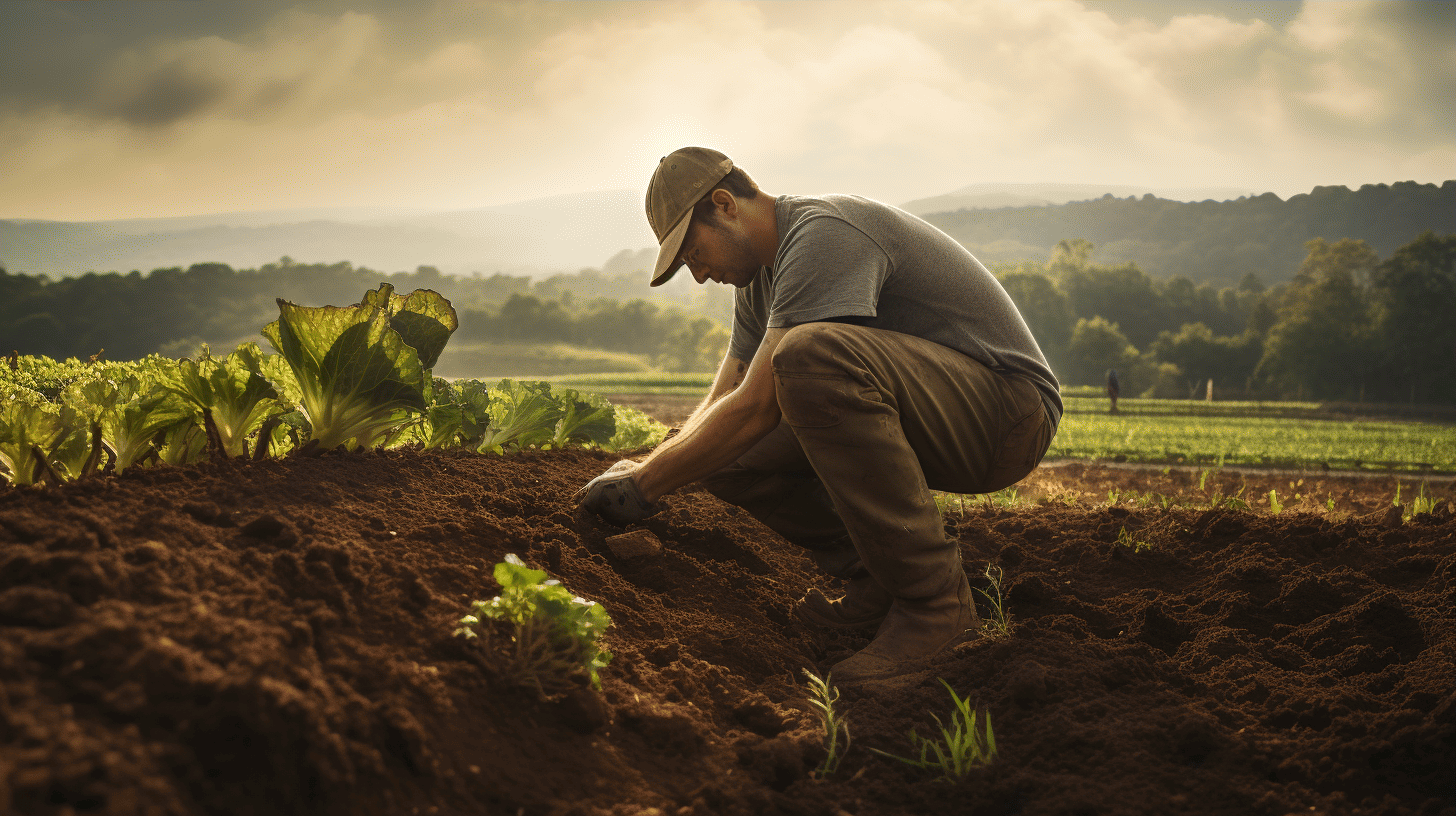
Regenerative agriculture is gaining increasing attention as a sustainable farming practice that promotes soil health, biodiversity, and ecosystem resilience. Farmers worldwide are recognizing the value of regenerative agriculture in producing nutrient-rich crops, mitigating climate change, and creating resilient livelihoods. Whether you’re a seasoned farmer looking to transition to regenerative practices or someone interested in learning more about sustainable agriculture, this comprehensive guide will provide you with all the essential information.
In this guide, we’ll delve into the definition of regenerative agriculture and explore its core principles. We’ll also highlight the key features that set regenerative agriculture apart from conventional farming methods. Understanding these principles and features will give you a solid foundation for implementing regenerative practices on your own farm.
Moreover, this guide will outline the numerous benefits of regenerative agriculture. From improving soil health to enhancing ecosystems and mitigating climate change, regenerative practices offer a multitude of advantages for both farmers and the environment.
We’ll also delve into the practical aspects of implementing regenerative agriculture practices. Topics such as crop rotation, cover cropping, composting, and agroforestry will be covered, providing you with actionable steps to incorporate regenerative practices into your farm.
While regenerative agriculture holds immense promise, it is not without its challenges. We will discuss the initial financial investments required, the need for adaptive management, and the importance of market support and policy regulations.
Looking ahead, we will explore the future of regenerative agriculture. As consumer demand for sustainable products continues to rise, new technologies and innovations in agriculture are emerging to support regenerative practices. We’ll also examine the role of policies and regulations in shaping the future of sustainable farming.
By the end of this guide, you’ll have a comprehensive understanding of regenerative agriculture and its potential to revolutionize the farming industry. Whether you’re interested in improving soil health, reducing the environmental impact, or building a resilient and prosperous farming business, regenerative agriculture offers a path toward a sustainable future. So let’s dive in and explore the world of regenerative agriculture together.
Understanding Regenerative Agriculture
Regenerative agriculture is an innovative approach to farming that focuses on restoring and enhancing the health of the soil, improving biodiversity, and increasing the resilience of agricultural systems. It goes beyond conventional farming methods by adopting practices that support ecological balance and sustainability. In this section, we will delve into the definition and principles of regenerative agriculture, explore its key features, and compare it to conventional agriculture.
Definition and Principles
Regenerative agriculture is a holistic and systems-based approach to farming that aims to restore and replenish natural resources while producing food. It is rooted in the understanding that agriculture should not only sustain the environment but also regenerate it. The principles of regenerative agriculture include:
- Soil Health: Regenerative agriculture places a strong emphasis on building and maintaining healthy soil. Healthy soil is the foundation for sustainable and productive farming. It promotes the use of practices such as cover cropping, crop rotation, and minimal tillage to improve soil structure, fertility, and biodiversity.
- Biodiversity: Encouraging biodiversity is another essential principle of regenerative agriculture. It involves creating habitats for beneficial insects, birds, and other wildlife to thrive. By diversifying crops and integrating livestock into farming systems, regenerative agriculture enhances ecosystem resilience and prevents the spread of pests and diseases.
- Water Management: Efficient water management plays a crucial role in regenerative agriculture. Conservation practices, such as the use of mulch, contour plowing, and precision irrigation, help minimize water runoff, retain moisture in the soil, and reduce the need for irrigation.
- Carbon Sequestration: Regenerative agriculture actively sequesters carbon dioxide from the atmosphere and stores it in the soil. Practices like agroforestry, cover cropping, and rotational grazing promote the capture and storage of carbon, mitigating climate change and enhancing soil fertility.
Key Features of Regenerative Agriculture
Regenerative agriculture is characterized by several key features that set it apart from conventional agricultural practices. These features include:
- Diverse Crop Rotation: Regenerative farmers adopt a diverse crop rotation system that helps break pest and disease cycles, improve soil fertility, and reduce the need for synthetic pesticides and fertilizers.
- Livestock Integration: Many regenerative farming systems integrate livestock, such as cows, pigs, or chickens, into their operations. Livestock help cycle nutrients, control weeds, and enhance soil fertility through grazing.
- Minimal or No Tillage: Unlike conventional farming, regenerative agriculture promotes minimal or no tillage. This practice helps prevent soil erosion, retains moisture, and preserves soil organic matter.
- Composting and Organic Matter: Building and maintaining soil organic matter through composting and incorporating organic materials is a fundamental aspect of regenerative agriculture. This improves soil structure, water-holding capacity, and nutrient availability.
Regenerative Agriculture vs Conventional Agriculture
Regenerative agriculture differs significantly from conventional agriculture in its principles, practices, and overall impact on the environment. Here are a few key points of differentiation:
- Synthetic Inputs: Conventional agriculture relies heavily on synthetic fertilizers, pesticides, and herbicides, which can have detrimental effects on soil health, water quality, and biodiversity. In contrast, regenerative agriculture emphasizes natural and organic inputs to support ecological balance.
- Soil Degradation: Conventional agriculture often contributes to soil degradation through practices like intensive chemical use, extensive tillage, and monocropping. Regenerative agriculture works to reverse these processes, restore soil health, and promote long-term sustainability.
- Carbon Footprint: Regenerative agriculture aims to reduce greenhouse gas emissions by sequestering carbon in the soil. In contrast, conventional agriculture is a significant contributor to greenhouse gas emissions through activities like synthetic fertilizer production and the use of heavy machinery.
In conclusion, regenerative agriculture offers a promising alternative to conventional farming. By adopting regenerative practices, farmers can improve soil health, conserve water, enhance biodiversity, and mitigate climate change. This holistic approach has the potential to transform our agricultural systems and create a more sustainable and resilient future for food production.
Benefits of Regenerative Agriculture
Regenerative agriculture is gaining attention for its ability to not only produce high-quality food but also restore the health of our planet. This innovative approach to farming goes beyond traditional methods, focusing on holistic practices that prioritize soil health, biodiversity, and sustainable farming techniques. Let’s explore some of the key benefits of regenerative agriculture:
Nutrient-Rich Produce
Regenerative agriculture puts a strong emphasis on improving soil health through practices like cover cropping, crop rotation, and minimal tillage. By prioritizing the health of the soil, farmers can enhance the nutrient content of their produce. Healthy soil is key to nutrient cycling, which ensures that plants have access to a diverse range of essential nutrients. As a result, regeneratively grown fruits, vegetables, and grains tend to be more nutrient-dense compared to conventionally grown counterparts.
Improvement of Soil Health
One of the main goals of regenerative agriculture is to restore and enhance soil health. Healthy soil is a living ecosystem teeming with beneficial microbes, insects, and other organisms. By implementing regenerative practices such as cover cropping and composting, farmers can improve soil structure, increase water retention, and promote the growth of beneficial soil microorganisms. This not only leads to healthier plants but also helps combat soil erosion and degradation.
Enhanced Ecosystem
Regenerative agriculture focuses on creating diversified and ecologically balanced farm systems. By incorporating a variety of crops, integrating livestock, and maintaining natural habitats, regenerative farmers create an ecosystem that supports a wide range of species. This biodiversity is essential for promoting the natural predators of pests and reducing the need for chemical inputs. Additionally, regenerative farming practices can help conserve and protect natural resources like water, air, and wildlife habitats.
Climate Change Mitigation
One of the most significant benefits of regenerative agriculture is its potential to mitigate climate change. Healthy soils act as carbon sinks, effectively sequestering carbon dioxide from the atmosphere. Through practices like cover cropping and no-till farming, regenerative agriculture increases organic matter in the soil, which helps lock away carbon for long periods. By adopting these practices on a large scale, regenerative agriculture has the potential to play a significant role in reducing greenhouse gas emissions and combating climate change.
Resilient Livelihoods for Farmers
Regenerative agriculture also offers economic benefits to farmers. By diversifying their crops and implementing regenerative practices, farmers can often reduce input costs, such as synthetic fertilizers and pesticides. This can lead to increased profitability and a reduced reliance on expensive external inputs. Moreover, regenerative agriculture enhances the resilience of farming systems, making them better equipped to withstand changing environmental conditions and market uncertainties.
In conclusion, regenerative agriculture offers a multitude of benefits that go beyond simply producing food. From nutrient-rich produce and improved soil health to enhanced ecosystems and climate change mitigation, regenerative practices have the potential to transform our agricultural systems. By adopting these innovative techniques, we can cultivate a healthier planet for future generations while supporting resilient livelihoods for farmers.
Implementing Regenerative Agriculture Practices
Regenerative agriculture practices have gained significant attention in recent years due to their potential to not only improve soil health but also mitigate climate change. By using techniques that work with natural ecosystems, farmers can build resilience in their fields and promote sustainable food production. In this article, we will explore some key practices that farmers can implement to shift towards regenerative agriculture and reap its benefits.
Crop Rotation and Diversity
One of the fundamental principles of regenerative agriculture is crop rotation and diversity. Instead of planting the same crop year after year, farmers should adopt a diverse rotation system. This helps break pest and disease cycles, reduces the need for chemical inputs, and improves soil health. By rotating crops, farmers can:
- Increase soil nutrient availability: Different crops have different nutrient requirements. By diversifying their crops, farmers can tap into various nutrient sources and improve overall soil fertility.
- Suppress pests and diseases: Planting different crops disrupts the lifecycle of pests and diseases, reducing their populations and alleviating the need for chemical interventions.
- Enhance soil structure: Different crops have different root structures, which contribute to the overall stability and organic matter content of the soil. This improves water infiltration, reduces erosion, and enhances soil nutrient cycling.
To learn more about the benefits of crop rotation and diversity, check out this comprehensive guide on the topic.
Cover Cropping
Cover crops play a crucial role in regenerative agriculture by protecting and improving the soil during fallow periods. These crops are grown primarily for their ability to:
- Prevent erosion: Cover crops act as a protective layer that shields the soil from erosion caused by wind and rain. Their dense root systems help anchor the soil in place.
- Reduce weed pressure: By covering the soil surface, cover crops prevent sunlight from reaching weed seeds, reducing their germination and growth.
- Enhance soil structure: Cover crops contribute to the development of soil aggregates, which improve water infiltration, reduce compaction, and enhance nutrient cycling.
“Cover crops act as a green blanket that nurtures the soil, keeping it alive and ready for the next planting season”
To choose the right cover crops for your region and needs, refer to this helpful resource that provides detailed information and recommendations.
Composting
Composting is a simple yet incredibly effective practice in regenerative agriculture. It involves the decomposition of organic materials, such as crop residues, animal manure, and food scraps, to create nutrient-rich compost. By incorporating compost into the soil, farmers can:
- Improve soil structure: Compost enhances soil aggregation, making it more resistant to erosion and compaction. This allows for better water infiltration and root penetration.
- Increase soil fertility: Compost is a rich source of organic matter and essential nutrients. It provides a slow-release supply of nutrients to crops, promoting healthy growth and reducing the need for synthetic fertilizers.
- Foster microbial activity: The microbial communities in compost contribute to soil health by breaking down organic matter, cycling nutrients, and suppressing pathogens.
For more information on the art of composting and its benefits, visit this resource that covers everything from getting started to troubleshooting common issues.
Agroforestry
Agroforestry combines the benefits of agriculture and forestry by integrating trees with crops and/or livestock. This practice offers a multitude of advantages, including:
- Biodiversity conservation: Trees provide habitat for beneficial insects, birds, and other wildlife, promoting a more balanced ecosystem.
- Soil erosion prevention: The presence of trees helps mitigate wind and water erosion by providing windbreaks and stabilizing the soil with their roots.
- Carbon sequestration: Trees capture and store carbon dioxide, helping to mitigate climate change by reducing greenhouse gas emissions.
- Diversification of income: Agroforestry systems can provide additional sources of income through the production of timber, fruits, nuts, or medicinal plants.
To explore different types of agroforestry systems and their benefits, check out this informative guide.
By implementing these regenerative agriculture practices, farmers can move towards a more sustainable and resilient farming system. The cumulative effect of these practices not only improves soil health but also contributes to building a more environmentally friendly and productive agricultural landscape.
Challenges of Regenerative Agriculture
Regenerative agriculture is an innovative approach to farming that aims to restore soil health, promote biodiversity, and increase resilience in the face of climate change. While it offers numerous benefits, implementing regenerative agriculture practices also comes with its fair share of challenges. In this section, we’ll explore some of the key obstacles that farmers and practitioners may encounter when transitioning to regenerative agriculture.
Initial Financial Investments
Transitioning from conventional farming methods to regenerative agriculture often requires significant initial financial investments. Farmers may need to purchase specialized equipment, such as cover crop seeders or no-till planters, that are specifically designed for regenerative practices. Additionally, implementing new infrastructure, such as water management systems or fencing for rotational grazing, may be necessary. These upfront costs can be a barrier for some farmers, especially those operating on tight budgets or with limited access to capital.
On the upside, it’s important to note that while the initial costs may be high, regenerative agriculture practices can lead to long-term financial benefits. Improved soil health can reduce the need for synthetic fertilizers and pesticides, saving farmers money in input costs. Moreover, regenerative systems that integrate livestock can create additional revenue streams through the sale of meat, dairy, or other animal products.
Need for Adaptive Management
Regenerative agriculture is not a one-size-fits-all approach. It requires continuous observation, experimentation, and adaptive management to tailor practices to specific ecosystems and farm conditions. This can be challenging for farmers who are accustomed to following prescribed guidelines and relying on standardized practices.
Adaptive management involves closely monitoring the impact of regenerative practices, making adjustments as needed, and continuously learning from the results. It requires farmers to be flexible and open to trying new approaches, which can be a steep learning curve for those who have been farming conventionally for many years. However, the rewards can be substantial. By adapting practices to the unique needs of their land, farmers can optimize yields, improve soil health, and enhance long-term sustainability.
Market and Policy Support
One of the major challenges facing regenerative agriculture is the lack of market and policy support. While consumer demand for sustainably produced food is growing, it can still be difficult for farmers to find markets that are willing to pay a premium for regeneratively grown products. Without a strong market incentive, farmers may hesitate to invest in regenerative practices, especially if it means incurring additional costs.
Policy support is also crucial in facilitating the adoption of regenerative agriculture. Government incentives, subsidies, and funding opportunities can help offset the initial costs and provide financial support to farmers during the transition period. Additionally, policies that prioritize regenerative practices in land-use planning and conservation efforts can create a supportive environment for farmers interested in transitioning to regenerative agriculture.
In conclusion, while regenerative agriculture offers numerous benefits, it also poses challenges that farmers must navigate. The initial financial investments, need for adaptive management, and lack of market and policy support can be significant hurdles. However, with proper planning, education, and support, these challenges can be overcome, leading to a more sustainable and resilient agricultural system.
Future of Regenerative Agriculture
Regenerative agriculture is gaining momentum worldwide as a sustainable approach to farming that not only helps improve soil health but also has numerous environmental and social benefits. As consumer awareness and demand for sustainable products continue to rise, the future of regenerative agriculture looks promising. In this section, we will explore some key factors that contribute to the bright future of regenerative agriculture.
Rising Demand for Sustainable Products
The growing concern for environmental sustainability and the desire to support ethically produced goods has led to an increasing demand for sustainable products. Consumers today are more conscious than ever about the impact their choices have on the planet. By embracing regenerative agriculture, farmers can meet this demand and provide consumers with products that are not only healthy but also produced in a way that regenerates the ecosystem.
This rising demand for sustainable products has created market opportunities for farmers practicing regenerative agriculture. With a focus on holistic farming practices, regenerative agriculture ensures the production of high-quality, environmentally friendly products. These products are often marketed as being free from harmful chemicals, genetically modified organisms (GMOs), and other synthetic inputs, making them highly appealing to consumers.
Emerging Technologies in Agriculture
Advancements in technology are revolutionizing the way we approach agriculture, and regenerative farming is no exception. The integration of innovative technologies into regenerative agriculture practices allows farmers to optimize their operations and achieve higher levels of productivity while minimizing environmental impacts.
Precision agriculture technologies, such as drones, sensors, and satellite imagery, enable farmers to monitor soil, water, and crop health more accurately. This data-driven approach helps farmers make informed decisions regarding water and nutrient management, leading to more efficient agriculture practices. Additionally, the use of smart farming equipment and automation further enhances the effectiveness of regenerative agriculture techniques.
Policies and Regulations
Recognizing the importance of sustainable farming practices, governments and organizations worldwide are increasingly implementing policies and regulations that favor regenerative agriculture. These policies aim to incentivize farmers to adopt regenerative practices and provide support through financial assistance programs and technical guidance.
In the United States, for example, the 2018 Farm Bill includes provisions for soil health research and provides financial assistance to farmers practicing regenerative agriculture. Several countries, including France and Germany, have also introduced legislation that promotes agroecology and regenerative farming methods.
As governments and organizations continue to prioritize sustainability and resilience in agriculture, the future of regenerative agriculture looks promising. The implementation of supportive policies and regulations provides a solid foundation for farmers to transition to regenerative practices seamlessly.
In conclusion, the future of regenerative agriculture is bright, driven by the rising demand for sustainable products, the integration of emerging technologies, and the implementation of supportive policies and regulations. As farmers increasingly recognize the benefits of regenerative agriculture, we can expect to see a widespread adoption of these practices, leading to a more sustainable and resilient food system.
Conclusion
In conclusion, regenerative agriculture holds immense promise in transforming our farming systems and creating a sustainable future for both farmers and the environment. By adopting regenerative practices, farmers can restore soil health, enhance biodiversity, mitigate climate change, and improve the quality of their produce. These practices not only benefit the ecosystem but also provide resilient livelihoods for farmers.
As we look towards the future, it is clear that regenerative agriculture is gaining momentum. The rising demand for sustainable products, coupled with emerging technologies in agriculture and supportive policies and regulations, bodes well for the widespread adoption of regenerative practices.
At Regenerative Agriculture Wiki, we are committed to providing comprehensive guides, insights, and tips for farmers, environmentalists, and anyone interested in sustainable living. Join us in fostering a future where agriculture and ecology thrive in harmony. Visit our website to explore a wealth of content on regenerative agriculture.
Explore the potential of regenerative agriculture on our website. Let’s make a positive impact together.
Frequently Asked Questions
- What is regenerative agriculture?
Regenerative agriculture is a farming practice that focuses on improving soil health, biodiversity, and ecological balance. It aims to restore degraded land, enhance ecosystem services, and promote sustainable farming methods.
- What are the benefits of regenerative agriculture?
The benefits of regenerative agriculture include improved soil fertility, increased carbon sequestration, reduced water usage, enhanced biodiversity, lower reliance on external inputs, and improved resilience to climate change.
- What are some common regenerative farming techniques?
Common regenerative farming techniques include cover cropping, crop rotation, conservation tillage, agroforestry, rotational grazing, and composting. These practices help improve soil structure, nutrient cycling, and water retention.
- How does regenerative agriculture contribute to sustainability?
Regenerative agriculture contributes to sustainability by promoting long-term soil health, reducing greenhouse gas emissions, conserving water resources, and supporting biodiversity conservation. It helps create a resilient and sustainable food system.
- Can regenerative agriculture be implemented on a small scale?
Yes, regenerative agriculture can be implemented on a small scale. It is adaptable to various farm sizes and can be practiced by small-scale farmers. Even small changes in farming practices can have positive impacts on soil health and sustainability.