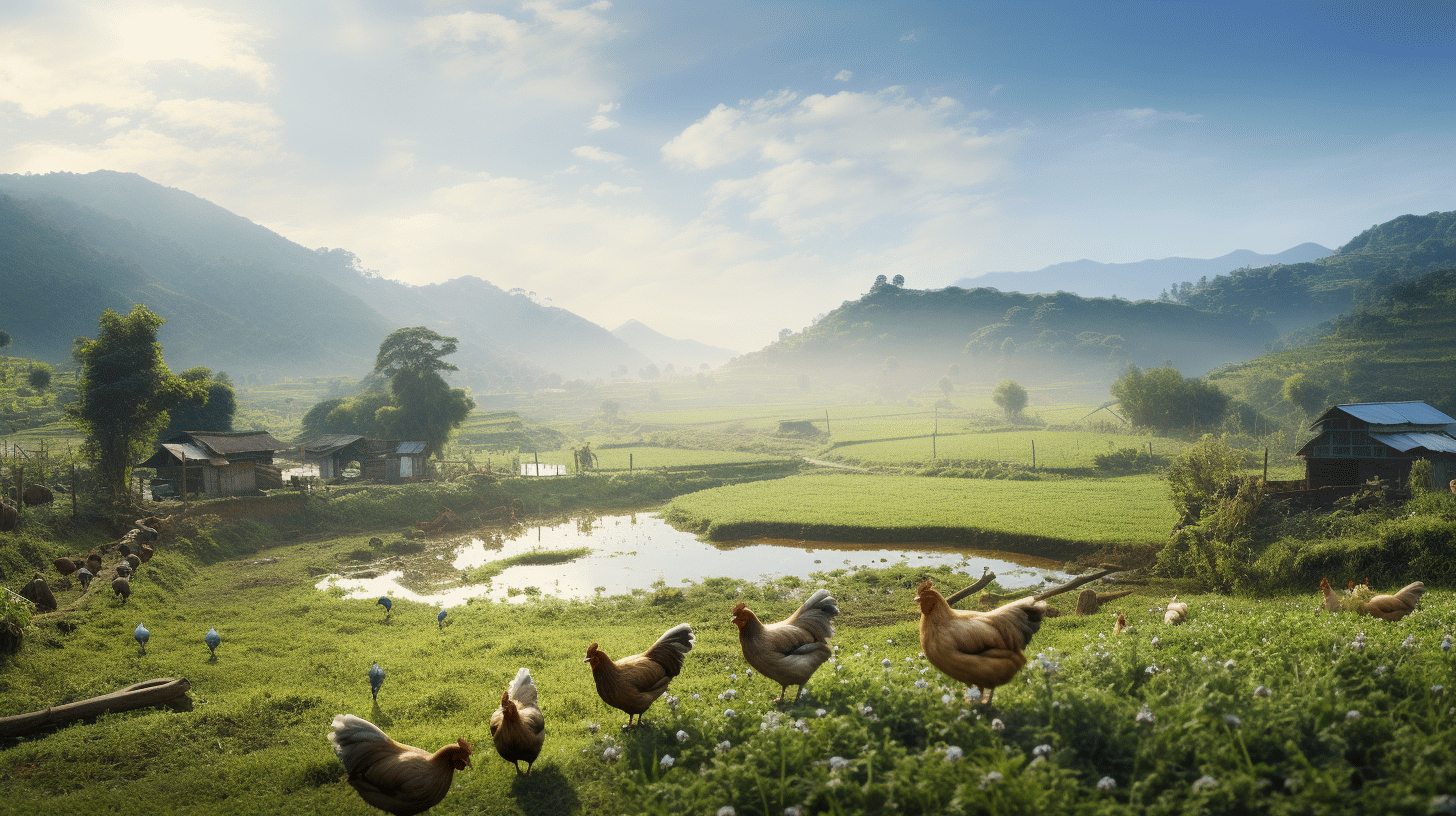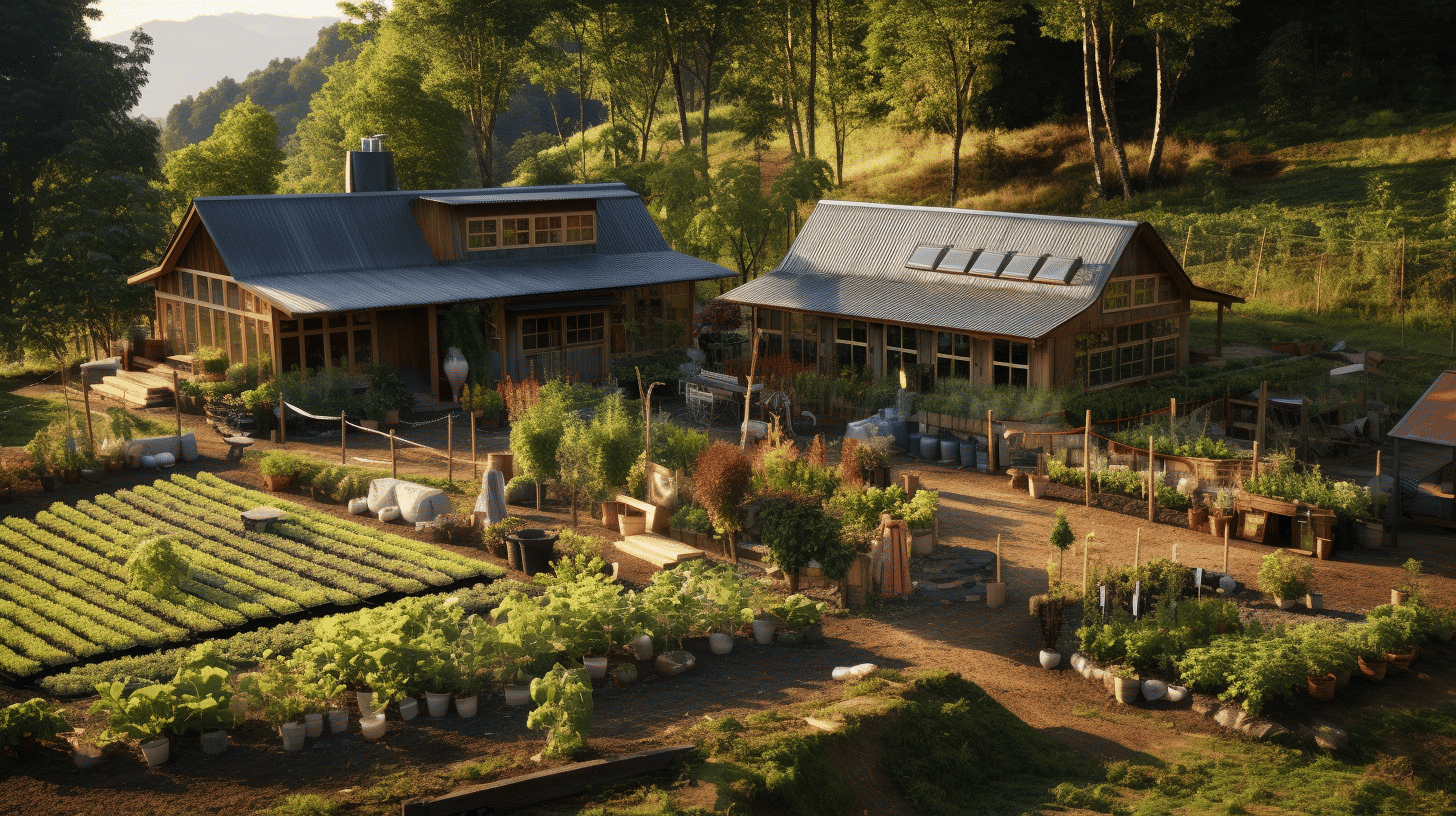
Permaculture has gained significant attention in recent years as a sustainable farming practice. With its focus on working with nature rather than against it, permaculture offers farmers an innovative and holistic approach to agriculture. By designing systems that mimic natural ecosystems, permaculture aims to create self-sufficient and regenerative farming systems.
In this comprehensive guide, we will explore the principles, techniques, and benefits of implementing permaculture on your farm. Whether you’re a seasoned farmer looking to transition to more sustainable practices or a beginner just starting out, this guide will provide you with the knowledge and tools necessary to integrate permaculture into your farming operation.
“Implementing Permaculture: A Guide for Sustainable Farmers” will cover the following key areas:
- Understanding Permaculture: We will delve into the definition of permaculture, its underlying principles, and the numerous benefits it offers to farmers.
- Steps to Implement Permaculture: This section will outline the process of implementing permaculture on your farm, from initial observation and assessment to designing and implementing a customized permaculture system.
- Permaculture Techniques and Practices: Here, we will explore some of the most effective techniques and practices used in permaculture, including companion planting, rainwater harvesting, composting, and natural pest control.
- Challenges in Implementing Permaculture: While permaculture can revolutionize farming practices, it does come with its own set of challenges. We will discuss resource management, climate factors, and legal restrictions that farmers may encounter when implementing permaculture.
- Case Studies: Success Stories of Farmers Implementing Permaculture: This section will highlight real-world case studies of farmers who have successfully implemented permaculture principles on their farms, showcasing the positive impact it can have on both the environment and the farm’s profitability.
By the end of this guide, you will have a thorough understanding of permaculture and be equipped with the knowledge needed to incorporate its principles and practices into your own farming operation. So, let’s dive into the world of permaculture and discover how it can transform your farm into a sustainable and thriving ecosystem.
Understanding Permaculture
Permaculture, also known as permanent agriculture, is an ecological design system that aims to create sustainable and regenerative systems modeled after natural ecosystems. It’s not just a gardening technique; it encompasses various aspects of life, including agriculture, architecture, economics, and social systems. By observing and mimicking nature’s patterns and processes, permaculture seeks to create harmonious and resilient human habitats.
Let’s delve deeper into the key aspects of permaculture:
Definition of Permaculture
At its core, permaculture is a holistic approach to designing and managing systems that are self-sustaining and beneficial for both people and the environment. It was coined by Bill Mollison and David Holmgren in the 1970s and has since gained global recognition.
The term “permaculture” combines “permanent” and “agriculture”, reflecting its emphasis on permanence, sustainability, and regenerativity. While it was initially focused on sustainable agriculture, permaculture has evolved to address broader ecological and social issues.
Principles of Permaculture
Permaculture is guided by a set of principles that serve as a framework for designing sustainable systems. These principles, often represented as a set of ethics and design principles, provide a foundation for decision-making and problem-solving. Here are some of the core principles of permaculture:
- Observe and Interact: By carefully observing the natural world, we can gain valuable insights and design solutions that harmonize with nature.
- Catch and Store Energy: Capturing and utilizing energy from the environment allows us to create efficient and sustainable systems.
- Obtain a Yield: Permaculture emphasizes the importance of producing a surplus and ensuring that the outputs of a system meet our needs and contribute to the overall resilience of the system.
- Apply Self-Regulation and Accept Feedback: Just like in nature, permaculture systems should be able to self-regulate and adapt to changing conditions over time.
- Use and Value Renewable Resources and Services: Permaculture encourages the use of renewable resources and services rather than depleting finite resources.
- Design from Patterns to Details: By understanding and mimicking natural patterns and processes, we can create efficient and resilient designs.
- Integrate Rather Than Segregate: Permaculture emphasizes the importance of integrating different elements of a system to maximize their functions and create mutually beneficial relationships.
- Use Small and Slow Solutions: Permaculture encourages starting small and gradually expanding, allowing for experimentation, observation, and adaptation.
Benefits of Permaculture
Permaculture offers a wide range of benefits, both for individuals and the environment. Here’s why permaculture is gaining popularity:
- Environmental Sustainability: By mimicking natural systems, permaculture minimizes environmental degradation, reduces resource consumption, and promotes biodiversity.
- Food Security: Permaculture focuses on producing food in a sustainable and regenerative manner, ensuring resilience in the face of climate change and other challenges.
- Community Resilience: Permaculture fosters community engagement, cooperation, and self-reliance by encouraging local food production, resource sharing, and sustainable living practices.
- Enhanced Soil Health: Permaculture prioritizes soil health through practices such as composting, mulching, and cover cropping, leading to improved soil fertility and structure.
- Water Conservation: Permaculture techniques minimize water consumption through efficient irrigation methods, water harvesting, and designing landscapes that retain moisture.
Permaculture offers a holistic and sustainable approach to living and designing systems. By applying its principles and practices, we can create regenerative landscapes, foster community resilience, promote biodiversity, and enhance our quality of life.
Steps to Implement Permaculture
Permaculture is a sustainable and holistic approach to designing and managing systems that mimic the patterns found in nature. It aims to create resilient and productive ecosystems that benefit both humans and the environment. Implementing permaculture principles requires careful observation, planning, and hands-on work. In this article, we will outline the key steps involved in implementing permaculture design.
Initial Observation and Assessment
Before diving into the design process, it’s essential to spend time observing and assessing the site. This step allows you to understand the existing ecosystem, identify its strengths and weaknesses, and determine the resources available. Here are a few key points to consider during the initial observation:
- Site Analysis: Take note of the site’s topography, soil conditions, microclimates, and existing vegetation. This information will help you understand the site’s potentials and limitations.
- Water Management: Assess the water flow patterns, drainage issues, and existing water sources such as ponds or streams. Understanding the water dynamics on the site is crucial for implementing effective water management strategies.
- Sun and Shade Patterns: Observe how the sun moves across the site throughout the day and throughout the year. This knowledge will help you determine where to place different elements of your design based on their sunlight requirements.
- Identify Problems: Look for existing challenges on the site, such as erosion, pest issues, or soil degradation. Identifying these problems will guide you in designing solutions that address these issues.
Once you have gathered enough information through your observation, you can move on to the next step: the permaculture design process.
Permaculture Design Process
The permaculture design process involves creating a comprehensive plan that integrates the various components of your ecosystem in a harmonious and regenerative way. Here is an overview of the key steps involved in the design process:
- Goal Setting: Clearly define your goals and objectives for the site. What do you hope to achieve through permaculture design? Whether it’s increasing food production, enhancing biodiversity, or conserving water, having clear goals will guide your design decisions.
- Zone and Sector Analysis: Divide your site into zones based on frequency of use and management requirements. Analyze the sectors, such as prevailing winds and noise pollution, that influence your site. This analysis will help you determine the placement of different elements within your design.
- Ecosystem Design: Develop a detailed plan for each zone, incorporating elements of permaculture such as food forests, swales, or herb spirals. Consider the interconnections between different elements to create a self-sustaining and harmonious ecosystem.
- Implementation Plan: Break down the design into actionable steps. Determine the sequence of implementation and allocate resources, such as time and budget, to each step.
Once you have a well-thought-out design plan, it’s time to put it into action.
Implementing the Design
Implementing a permaculture design involves turning your ideas into tangible reality. Here are some key steps to follow during the implementation phase:
- Start Small: Begin with manageable tasks that align with your design plan. Consider starting with one zone and gradually expand as you gain experience and resources.
- Prepare the Soil: Improve the soil fertility and structure by adding organic matter, compost, and mulch. This will help create a thriving environment for your plants.
- Planting and Establishment: Follow permaculture principles when choosing plants for your system. Opt for native, perennial, and multi-functional plants that provide multiple benefits.
- Implement Water Management Strategies: Install swales, rainwater harvesting systems, or other water retention features to optimize water use and reduce erosion.
Remember that implementing a permaculture design is an ongoing process. It’s essential to monitor the system and make adjustments as needed.
Maintaining and Improving the System
To ensure the long-term success of a permaculture system, regular maintenance and continuous improvement are crucial. Here are some key aspects to consider:
- Observation and Adaptation: Continuously observe the system and assess its performance. Make adjustments to address any issues and capitalize on opportunities for improvement.
- Soil Care: Practice soil-building techniques such as cover cropping, crop rotation, and composting to maintain soil health.
- Manage Pests and Diseases: Implement integrated pest management techniques to minimize the impact of pests and diseases on your plants.
- Continued Learning: Stay up to date with the latest developments in permaculture and cultivate a learning mindset. Attend workshops, read books, and connect with other permaculture enthusiasts to expand your knowledge.
By following these steps, you can start implementing permaculture principles and create a sustainable and regenerative system that benefits both you and the environment.
Permaculture Techniques and Practices
Permaculture is a holistic approach to sustainable living that aims to create harmonious and self-sustaining systems that mimic the patterns and resilience found in nature. By utilizing a set of principles and practices, permaculture allows individuals to design and cultivate productive and regenerative landscapes that benefit both people and the planet.
In this article, we will explore some essential permaculture techniques and practices that you can implement in your own garden or agricultural space. From companion planting to rainwater harvesting, composting, and natural pest control, these techniques can help you create a thriving and resilient ecosystem.
Companion Planting
Companion planting is a technique that involves planting different species of plants together to create symbiotic relationships that benefit each other. By strategically selecting plant combinations, you can enhance nutrient uptake, deter pests, and improve pollination, resulting in healthier and more productive plants.
Here are a few examples of beneficial companion planting combinations:
- Tomatoes and Basil: Planting basil near tomatoes can help repel pests like aphids and hornworms, while also enhancing the flavor of the tomatoes.
- Corn, Beans, and Squash: Known as the “Three Sisters,” this traditional Native American planting technique involves planting these three crops together. Corn provides support for the climbing beans, while the beans add nitrogen to the soil. The large leaves of the squash help suppress weeds and retain moisture.
By incorporating the principles of companion planting, you can create a diverse and harmonious garden that maximizes the benefits of interplanting.
Rainwater Harvesting
As water scarcity becomes a growing concern in many regions, rainwater harvesting has gained popularity as a sustainable practice. By collecting rainwater from roofs, gutters, and other surfaces, you can store and reuse this valuable resource for irrigation, reducing your reliance on municipal water sources.
Rainwater harvesting systems can range from simple rain barrels to more complex setups that collect and store water for future use. Here are some key benefits of rainwater harvesting:
- Water Conservation: Collecting rainwater helps reduce stormwater runoff and allows you to utilize this free and abundant resource for your gardening needs.
- Sustainable Irrigation: Rainwater is naturally soft and free from chemicals, making it an ideal choice for watering plants. It also helps reduce water bills and conserves groundwater supplies.
- Flood Mitigation: By capturing rainwater, you can prevent excessive runoff during heavy rain events, mitigating the risk of flooding.
Implementing a rainwater harvesting system not only helps conserve water but also promotes a more sustainable and resilient garden ecosystem.
Composting
Composting is the process of organic matter decomposition, resulting in nutrient-rich humus that can be used as a natural fertilizer for plants. By recycling organic waste such as kitchen scraps, yard trimmings, and leaves, you can divert waste from landfills while enriching your soil.
Benefits of composting include:
- Soil Health: Compost improves soil structure, enhances moisture retention, and promotes beneficial microbial activity, creating a healthy and fertile growing environment.
- Nutrient Cycling: Composting allows nutrients from organic matter to be recycled back into the soil, reducing the need for chemical fertilizers.
- Waste Reduction: By composting organic waste, you contribute to reducing waste sent to landfills, contributing to a more sustainable waste management system.
To start composting, you can create a simple compost pile or use a compost bin. By being mindful of the materials you add to your compost and maintaining the right balance of carbon and nitrogen, you can create nutrient-rich compost for your garden.
Natural Pest Control
In permaculture, emphasis is placed on creating a balanced ecosystem where pests and beneficial organisms coexist. By incorporating natural pest control methods, you can minimize the impact of pests while preserving the health of your plants and the environment.
Here are some natural pest control techniques:
- Beneficial Insects: Attract and support beneficial insects like ladybugs, lacewings, and parasitic wasps, which prey on common garden pests.
- Companion Planting: Certain plants, such as marigolds, can repel pests and attract beneficial insects when planted strategically within your garden.
- Physical Barriers: Use barriers like netting or row covers to protect vulnerable crops from pest damage.
- Crop Rotation: Rotate your crops to disrupt the lifecycle of pests and reduce their impact on specific plant species.
By implementing these natural pest control techniques, you can minimize the need for harmful chemical pesticides and foster a healthy and resilient garden ecosystem.
Incorporating these permaculture techniques and practices can help you create a more sustainable and regenerative garden or agricultural space. By working in harmony with nature and applying these principles, you can create a vibrant ecosystem that supports both your plants and the environment.
Challenges in Implementing Permaculture
Permaculture, with its focus on sustainable design principles, has gained popularity as a holistic approach to agriculture and land management. However, like any system, there are challenges that need to be addressed when implementing permaculture practices. In this section, we will explore three key challenges that individuals and communities face when adopting permaculture:
Resource Management
One of the primary challenges in implementing permaculture is effective resource management. Permaculture emphasizes the efficient use of resources and the integration of natural systems. However, this requires careful planning and management to ensure that resources such as land, water, and nutrients are used optimally.
Resource Management – Table
| Challenge | Description |
|---|---|
| Limited Space | Urban environments often have limited space available for implementing permaculture practices. Finding creative ways to maximize space utilization becomes crucial. |
| Water Scarcity | In regions with limited water resources, managing water efficiently becomes a significant challenge. Techniques like rainwater harvesting and drip irrigation can help address this issue. |
| Soil Fertility | Maintaining healthy soil fertility is essential for successful permaculture implementation. Strategies such as composting, cover cropping, and crop rotation can help improve soil health and productivity. |
Resource management can be a complex task that requires careful consideration of the specific conditions and resources available in a particular area or site. By addressing the challenges associated with resource management, individuals and communities can create more resilient permaculture systems that can thrive sustainably.
Climate Factors
Another significant challenge in implementing permaculture is dealing with climate factors. Permaculture seeks to work with nature and design systems that are resilient and adaptable to the climate of a particular region. However, changing weather patterns and extreme events pose challenges that need to be addressed.
Climate Factors – Bullet Points
- Extreme Temperatures: High temperatures, frost, and heatwaves can impact plant growth and productivity. Designing microclimates, using shade structures, and selecting appropriate plant species can help mitigate these challenges.
- Precipitation Variability: Erratic rainfall patterns can lead to waterlogging or drought conditions, affecting crop production. Implementing water harvesting and storage techniques, along with water-efficient irrigation methods, can help manage precipitation variations.
- Seasonal Changes: Understanding the seasonal changes and planning accordingly can ensure the availability of fresh produce throughout the year. Implementing techniques like season extension, crop rotation, and succession planting can help optimize production.
Addressing climate challenges requires careful observation, experimentation, and adaptation. By designing climate-resilient systems, permaculture practitioners can strive towards sustainable food production despite changing weather patterns.
Legal Restrictions
Implementing permaculture practices can also be limited by legal restrictions and regulations. These restrictions may vary by region and can include zoning ordinances, land-use policies, and restrictions on certain practices.
Legal Restrictions – Quote
“Many local authorities have recognized the value of permaculture and have incorporated provisions to support and encourage its implementation. However, navigating through local laws and regulations can still pose challenges.” – Permaculture Research Institute
While some areas have embraced permaculture and provide favorable conditions for its implementation, others may have more restrictive regulations. This can limit the extent and scope of permaculture projects, requiring individuals and communities to be well-informed about the local laws and engage with relevant authorities to seek exemptions or amendments.
In conclusion, implementing permaculture practices is not without its challenges. Effective resource management, addressing climate factors, and navigating legal restrictions are critical aspects that permaculturists must consider. However, with careful planning, adaptation, and collaboration, these challenges can be overcome, allowing for the creation of sustainable and resilient permaculture systems.
Case Studies: Success Stories of Farmers Implementing Permaculture
Permaculture has proven to be a game-changer for farmers around the world, offering sustainable and regenerative solutions to the challenges of modern agriculture. In this article, we will explore some inspiring success stories of farmers who have implemented permaculture principles on their farms. These case studies highlight the tangible benefits of permaculture, both for the environment and the farmers themselves.
Farmer John’s Transformation
One such success story is Farmer John, who was facing numerous obstacles on his conventional farm. With unpredictable weather patterns, soil degradation, and the constant use of chemical inputs, his farm was struggling to thrive. Frustrated with these challenges, Farmer John decided to embrace permaculture and transform his farm.
By implementing permaculture principles, Farmer John was able to:
- Enhance soil health and fertility through the use of cover crops, composting, and natural mulching techniques.
- Create diverse microclimates on his farm, allowing for the cultivation of a wide range of crops.
- Increase biodiversity by integrating native plants, beneficial insects, and wildlife habitats into his farm.
- Utilize rainwater harvesting and efficient irrigation systems to reduce water usage and improve water management.
- Incorporate agroforestry practices, such as planting food forests and incorporating perennial crops, to maximize productivity and conserve resources.
As a result of these permaculture interventions, Farmer John’s farm saw remarkable improvements:
- Increased crop yields and resilience to climate fluctuations.
- Reduction in the use of synthetic inputs and associated costs.
- Improved soil structure and fertility, leading to healthier plants and reduced erosion.
- Enhanced biodiversity, creating a more sustainable and balanced ecosystem.
- Diversification of income streams, as Farmer John was able to sell a wider range of products, including organic produce and value-added products from his farm.
Mary’s Permaculture Farm: A Model of Sustainability
Another inspiring success story comes from Mary, a farmer who had years of experience in conventional agriculture but wanted to transition to a more sustainable and regenerative farming system. She decided to embrace permaculture principles and create a model permaculture farm.
Mary’s permaculture farm showcases the following key features:
- Food Forests: She has created thriving food forests, with a variety of fruit and nut trees, medicinal plants, and vegetables.
- Animal Integration: Mary integrated livestock into her farm, using rotational grazing systems to mimic natural grazing patterns and improve soil health.
- Water Management: Through the use of swales, ponds, and water-harvesting techniques, she effectively managed water resources on her farm, reducing the need for irrigation.
- Pollinator Habitats: Mary created pollinator-friendly habitats, attracting bees, butterflies, and other beneficial insects, which in turn improved crop pollination and yield.
- Composting: Composting played a central role on her farm, providing quality organic matter to improve soil fertility and structure.
- Education and Community: Mary opened her farm to the community, hosting workshops and educational programs to spread awareness about permaculture and sustainable farming practices.
Mary’s permaculture farm has become a hub of sustainability, showcasing the potential of permaculture in creating regenerative and resilient farming systems. Her farm not only provides a diverse range of sustainable food but also serves as an educational platform for aspiring farmers and the local community.
These case studies highlight the transformative power of permaculture in the agriculture sector. By implementing permaculture principles, farmers like John and Mary have not only improved their livelihoods but have also contributed to a more sustainable and resilient food system. Their success stories serve as inspirational examples for farmers around the world, encouraging the adoption of permaculture practices for a more sustainable future.
Conclusion
In conclusion, implementing permaculture on your farm can bring about numerous benefits for both the environment and your bottom line. By embracing regenerative agricultural practices like permaculture, you can create a thriving ecosystem that sustains biodiversity, improves soil health, and conserves resources. Through careful observation, thoughtful design, and the use of techniques such as companion planting, rainwater harvesting, composting, and natural pest control, you can create a self-sustaining system that minimizes waste and maximizes productivity.
While there may be challenges along the way, such as resource management, climate factors, and legal restrictions, the rewards of implementing permaculture far outweigh the obstacles. By adopting regenerative farming practices, you become a steward of the land, playing a crucial role in preserving the health of our planet and ensuring a sustainable future for generations to come.
At Regenerative Agriculture Wiki, we are dedicated to providing you with the knowledge and guidance you need to embark on your permaculture journey. Visit our website to explore our extensive collection of articles, guides, and case studies that showcase the success stories of farmers who have implemented permaculture principles. Join us in fostering a future where agriculture and ecology thrive in harmony, and together, let’s make a positive impact on the world.
Visit Regenerative Agriculture Wiki to learn more about the potential of regenerative agriculture and start your journey towards a sustainable future.
Frequently Asked Questions
- What is permaculture?
Permaculture is an approach to designing sustainable and productive systems that mimic the patterns and principles found in nature. It involves integrating various elements such as plants, animals, water, buildings, and people to create harmonious and self-sustaining ecosystems.
- How can permaculture benefit farmers?
Permaculture can benefit farmers by providing them with ecological and sustainable farming techniques that focus on enhancing biodiversity, conserving resources, reducing chemical inputs, and increasing overall farm resilience. It offers long-term solutions for food production, soil health, and environmental stewardship.
- What are some key principles of permaculture for sustainable farming?
Some key principles of permaculture for sustainable farming include observing and interacting with nature, capturing and storing energy, using renewable resources, producing no waste, designing for diversity, and integrating functions to create mutually beneficial relationships.
- How can farmers implement permaculture on their farms?
Farmers can implement permaculture on their farms by starting with a thorough site analysis, designing for optimal resource use and efficiency, practicing agroforestry and polyculture, promoting soil health through composting and mulching, and creating diverse habitats to attract beneficial insects and wildlife.
- Are there any success stories of implementing permaculture in agriculture?
Yes, there are numerous success stories of implementing permaculture in agriculture. One notable example is the Zaytuna Farm in Australia, which showcases permaculture practices and has successfully transformed degraded land into a thriving and productive regenerative farm, serving as an educational center for sustainable farming.