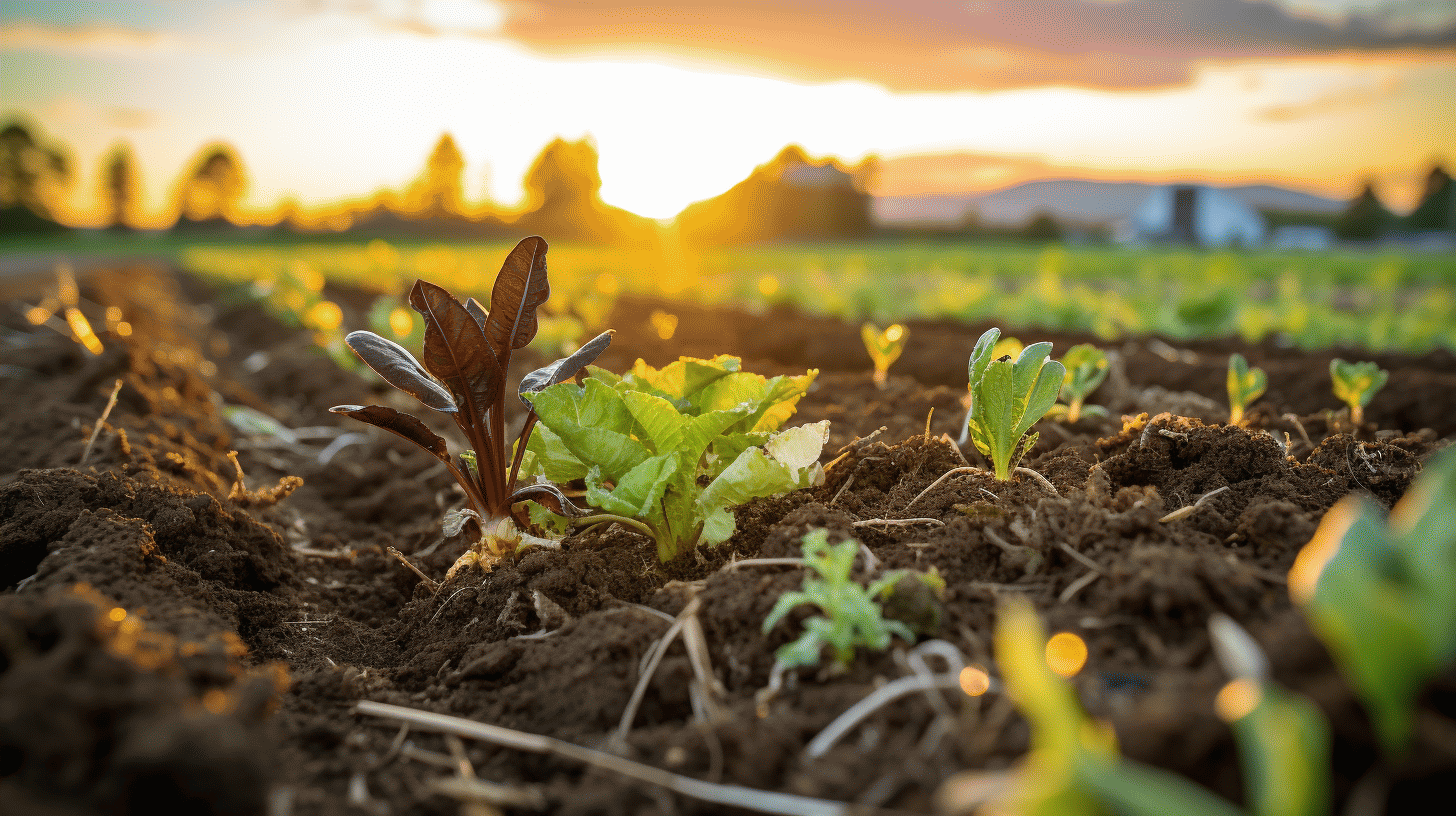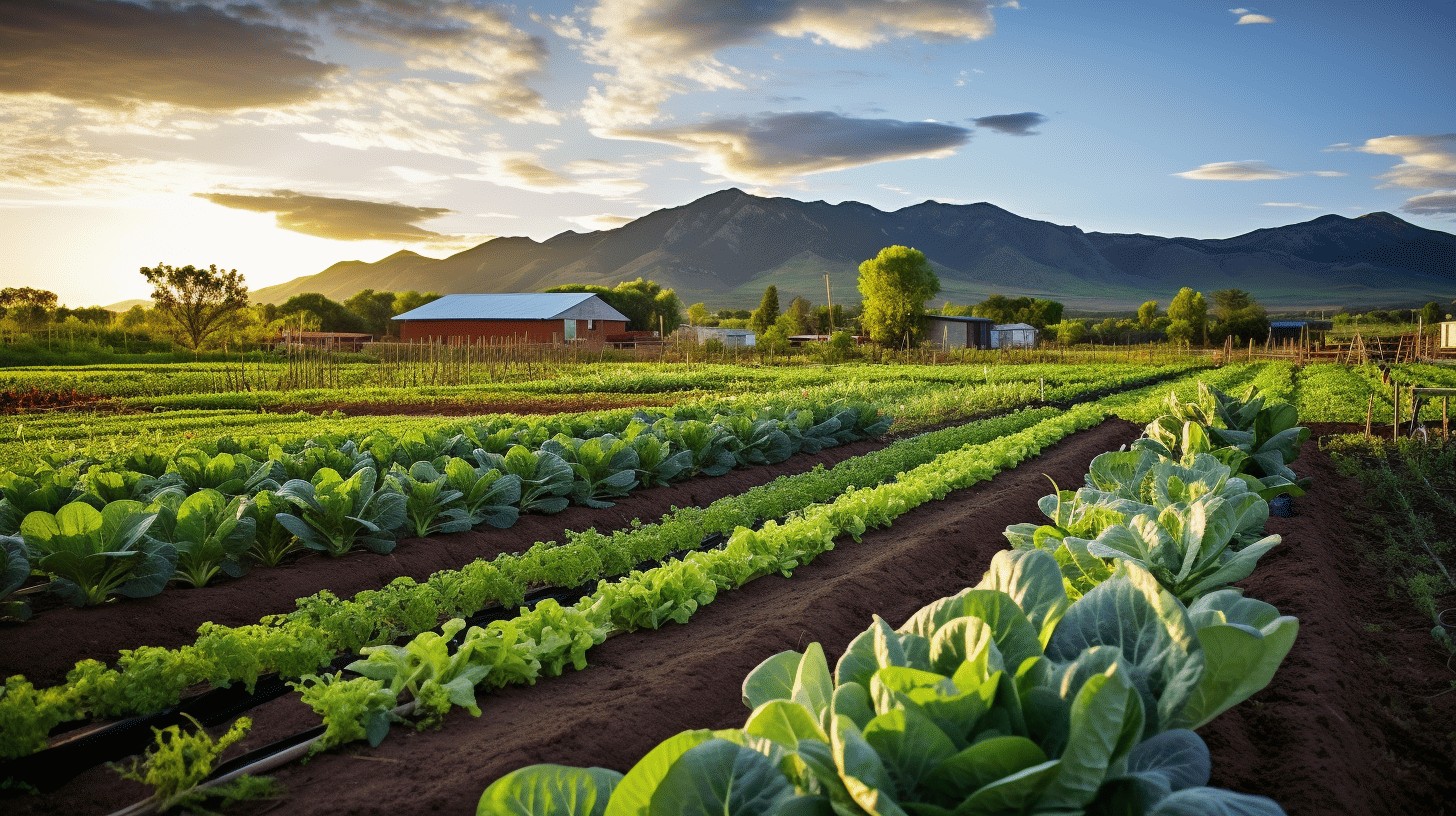
In today’s rapidly changing world, farmers face numerous challenges that can impact their livelihoods. From climate change and increased pest pressure to soil degradation and market fluctuations, these factors can threaten the sustainability of traditional farming practices. However, there is a solution that offers resilience and adaptability: polycultures.
Polycultures, also known as intercropping or mixed cropping, involve the cultivation of multiple crops or plant species in the same field or growing area. This approach stands in contrast to monoculture, where only a single crop is grown. Polycultures have gained recognition for their ability to enhance farm resilience and mitigate the risks associated with changing conditions.
In this article, we will explore the concept of polycultures and delve into the various ways they contribute to farm resilience. We will also discuss the benefits of polycultures in terms of biodiversity, nutrient use efficiency, and pest and disease management. Moreover, we will examine how polycultures strengthen soil health, improve climate resilience, and ensure sustainable yields.
By the end of this article, you will have a comprehensive understanding of polyculture farming and its potential to support farmers in adapting to the challenges posed by a rapidly changing agricultural landscape. Whether you are a large-scale farmer or a home gardener, the information presented here will empower you to make informed decisions about incorporating polycultures into your farming practices. So, let’s dive in and explore the world of polycultures for farm resilience!
Understanding Polycultures
Polyculture is an agricultural practice that involves cultivating multiple types of plants or raising different species of animals in close proximity. This concept stands in stark contrast to monoculture, where large areas of land are dedicated to growing a single crop. Polyculture promotes biodiversity, resilience, and sustainability in farming systems, making it an attractive option for modern agriculture.
Definition of Polyculture
In a polyculture system, farmers intentionally mix and diversify their crops or livestock to maximize the benefits of mutual support and symbiosis between different species. This practice aims to mimic the natural processes and interactions that occur in ecosystems, creating a more balanced and resilient farming system. Instead of relying on synthetic fertilizers and pesticides, the different species work together to provide pest control, nutrient cycling, and soil enrichment.
Principles of Polyculture
Successful polycultures are built on several key principles that set them apart from monocultures:
- Nutrient cycling: Different plants have different nutrient requirements and uptake mechanisms. By planting a variety of crops together, nutrients can be more efficiently utilized and recycled in the soil, reducing the need for external inputs.
- Natural pest control: In polycultures, pests are less likely to reach epidemic levels because the diversity of plants disrupts pest life cycles. Some plants even release natural compounds that repel pests or attract beneficial insects that prey on them, creating natural pest control mechanisms.
- Maximizing land use: Rather than leaving soil bare between crop rows, polycultures densely populate the available space, utilizing sunlight, water, and nutrients more effectively. This reduces soil erosion, improves water retention, and optimizes land productivity.
- Enhancing biodiversity: Monocultures can have negative impacts on biodiversity by reducing habitat availability for wildlife. Polycultures, on the other hand, provide a more diverse and welcoming environment for a wide range of species, from insects and pollinators to birds and small mammals.
Difference between Polyculture and Monoculture
The primary difference between polyculture and monoculture lies in the diversity and complexity of the farming system. While monocultures focus on maximizing the yield of a single crop, polycultures prioritize ecological balance and resilience. Here are some key distinctions:
| Polyculture | Monoculture |
|---|---|
| Multiple crops or species coexist | A single crop dominates |
| Crop diversity reduces pest and disease risks | Makes crops more susceptible to pests and diseases |
| Improves soil health through nutrient cycling | Leads to nutrient depletion and soil degradation |
| Promotes beneficial inter-species relationships | Requires synthetic fertilizers and pesticides |
| Supports biodiversity on the farm | Reduces habitat availability for wildlife |
In conclusion, understanding polycultures is key to exploring sustainable and resilient farming practices. By embracing diversity, nutrient cycling, natural pest control, and land optimization, polycultures offer a promising alternative to monoculture farming. The benefits of polyculture extend beyond increased productivity; they help create a more harmonious and ecologically balanced farming ecosystem.
Role of Polycultures in Farm Resilience
Polycultures, or the practice of growing multiple crops together in the same field, play a crucial role in enhancing farm resilience. This farming technique promotes biodiversity, improves nutrient use efficiency, and aids in pest and disease management. By diversifying crops and creating a harmonious ecosystem, farmers can mitigate risks and improve the overall health and productivity of their farms. Let’s explore the significant benefits of polycultures in more detail:
Biodiversity and Agroecosystem
Polycultures create a diverse and dynamic agroecosystem, mimicking nature’s complexity and interdependence. Unlike monocultures, where a single crop dominates a field, polycultures encourage a mixture of different crops. This diversity attracts a wide range of beneficial insects, pollinators, and microorganisms that contribute to soil fertility, crop health, and ecosystem balance.
In a polyculture system, each crop has its role to play. Some crops may serve as companions, providing shade or acting as a natural pest repellent for others. The interactions between different crops can result in enhanced soil structure, nutrient cycling, and improved water retention. Additionally, the varied root systems of different crops facilitate better utilization of soil resources like water and nutrients, reducing the risk of soil degradation and erosion.
Nutrient Use Efficiency
One of the advantages of polycultures is their ability to optimize nutrient use efficiency. Different crops have varying nutrient requirements, uptake rates, and root depths. By combining complementary crops that utilize different nutrients, farmers can maximize nutrient utilization and reduce the need for excessive synthetic fertilizers.
In a polyculture system, crop residues and diverse root exudates contribute to increased organic matter and nutrient cycling. For example, leguminous crops, such as beans or clover, fix atmospheric nitrogen and make it available to other crops in the rotation. This reduces the reliance on synthetic nitrogen fertilizers, which can have negative environmental impacts.
Pest and Disease Management
Another significant benefit of polycultures is their ability to naturally manage pests and diseases. Monocultures, with their large acreages of genetically similar crops, are more susceptible to pest outbreaks and disease epidemics. In contrast, polycultures create a more complex and diverse environment that encourages natural pest control mechanisms.
By planting a mixture of crops, farmers can reduce pest and disease pressure. Some crops may act as trap crops, attracting pests away from the main crops, or repelling pests through companion planting. The presence of beneficial insects and predatory organisms in a diverse ecosystem helps regulate pest populations, reducing the need for chemical interventions.
In conclusion, polycultures play a vital role in enhancing farm resilience by promoting biodiversity, improving nutrient use efficiency, and aiding in pest and disease management. This farming practice not only benefits the ecosystem and soil health but also reduces the reliance on synthetic inputs while increasing farm productivity. By embracing polycultures, farmers can foster a more sustainable and resilient agricultural system for the future.
Strengthening Farm Resilience with Polycultures
Introduction
In the face of changing environmental conditions and the need to produce more food sustainably, farmers are increasingly turning to polycultures as a way to strengthen the resilience of their farms. Polycultures involve growing multiple crops together in the same field, creating a diverse and interconnected ecosystem that benefits both the plants and the soil. This approach offers several advantages over traditional monocultures, such as improved soil health, enhanced climate resilience, and sustainable yields. Let’s take a closer look at how polycultures can contribute to the resilience of farms.
Soil Improvement
One of the primary benefits of polycultures is the improvement of soil health. By growing different crops together, farmers can diversify the root structures in their fields, which helps to break up compacted soil and improves water infiltration. Additionally, certain plants have symbiotic relationships with soil microorganisms, such as mycorrhizal fungi, that enhance nutrient uptake and promote overall soil fertility.
Key Points:
- Polycultures promote diverse root structures, which can break up compacted soil.
- Certain crops in polycultures establish symbiotic relationships with soil microorganisms, enhancing nutrient cycling and soil fertility.
Climate Resilience
With climate change bringing increased uncertainty to farming, the ability of a farm to withstand extreme weather events is crucial. Polycultures offer resilience in the face of these challenges by diversifying the plant species and their growth patterns. This diversity spreads the risk associated with climate variability, making the system more adaptable and reducing the likelihood of complete crop failures.
Key Points:
- Polycultures diversify plant species and their growth patterns, reducing the risk of complete crop failures.
- The diverse nature of polycultures helps farms adapt to changing climatic conditions.
Sustainable Yield
Contrary to traditional monocultures that rely heavily on synthetic inputs such as fertilizers and pesticides, polycultures can maintain sustainable yields without excessive chemical inputs. The combination of different crops within a polyculture provides natural pest control through habitat diversity, reduces the need for synthetic fertilizers, and promotes a healthy and balanced ecosystem.
Key Points:
- Polycultures reduce the reliance on synthetic inputs like fertilizers and pesticides.
- Natural pest control mechanisms and nutrient cycling in polycultures promote a healthy and balanced ecosystem, resulting in sustainable yields.
By adopting polycultures, farmers can take a significant step towards strengthening the resilience of their farms. The diverse and interconnected nature of polycultures not only improves soil health and climate resilience but also supports sustainable yields. Embracing this approach can help farmers overcome the challenges of a changing agricultural landscape and contribute to a more sustainable future.
Polycultures and Adapting to Changing Conditions
Polycultures, also known as mixed cropping or intercropping, have gained significant attention in recent years as a sustainable and adaptable farming practice. In contrast to monocultures, where a single crop is grown in an area, polycultures involve growing multiple crops together in the same space. This method offers numerous benefits, including enhanced resilience against variable climatic conditions, increased biodiversity, and reduced risks associated with pests and diseases.
Adaptability to Variable Climatic Conditions
One of the primary advantages of polycultures is their ability to adapt to changing and unpredictable climatic conditions. By planting a diverse range of crops, farmers can mitigate the negative impacts of extreme weather events such as droughts or floods. Here’s how polycultures assist in adapting to variable climatic conditions:
- Increased resilience: Different crops have varying tolerances to different climatic conditions. In a polyculture, if one crop is susceptible to a particular climatic stressor, another crop may thrive, ensuring a more stable overall yield.
- Improved resource utilization: Polycultures optimize resource utilization by utilizing different plant traits. For example, deep-rooted crops can access nutrients and water deep down in the soil, while shallow-rooted crops can capture rainwater in the upper layers. This efficient resource utilization helps polycultures thrive under different climate scenarios.
- Enhanced pest and disease management: When multiple crops are grown together, pests and diseases often struggle to spread and establish themselves. This natural pest control reduces reliance on chemical pesticides and decreases the risk of crop failure due to an outbreak.
Mitigating Risks and Challenges
Transitioning from monoculture to polyculture can be seen as a way of mitigating various risks and challenges that farmers face. While monocultures have traditionally been favored for their simplicity and higher yields, they are more vulnerable to climate change impacts and other challenges. Here’s how polycultures help mitigate risks:
- Diversification of income: Growing multiple crops makes farmers less dependent on a single crop for income. If one crop fails due to unforeseen circumstances, there are still other crops to rely on, reducing financial risks.
- Enhanced soil health: Monocultures often deplete soil nutrients and increase the risk of soil erosion. Polycultures, on the other hand, promote healthier soil by reducing nutrient depletion and erosion. This improves the long-term sustainability of farming practices.
- Sustainable water management: By having a diverse mix of crops with varying water requirements, polycultures can optimize water usage. This is particularly important in regions where water availability is limited, making polycultures a more sustainable choice.
Transitioning from Monoculture to Polyculture: Tips and Strategies
Transitioning from a monoculture system to a polyculture can be a gradual process that requires planning and careful consideration. Here are some tips and strategies to facilitate a successful transition:
- Start small: Begin by experimenting with a small area and a few different crops. This allows farmers to learn and adapt their practices without committing to large-scale changes right away.
- Select compatible crops: Choose crops that have complementary growth requirements and compatible root systems. This will facilitate the coexistence of different crops without competition for resources.
- Rotate crops: Implementing crop rotation can help break pest and disease cycles and maintain soil fertility. Rotate crops annually or over a set period to keep the soil healthy and reduce the risk of pest and disease buildup.
- Seek expert advice: Consult agricultural experts, local extension services, or experienced farmers who have successfully transitioned to polycultures. Their knowledge and experience can provide valuable insights and guidance.
In conclusion, polycultures offer a flexible and sustainable approach to farming, allowing farmers to adapt to changing climatic conditions while mitigating risks and challenges associated with monocultures. By embracing polycultures and implementing effective strategies, farmers can enhance their resilience, protect their income, and contribute to a more sustainable agricultural system.
Case Studies: Successful Implementation of Polycultures
Polyculture farming, the practice of growing multiple crops together in a single field, has gained recognition for its numerous benefits. From improved soil health to increased biodiversity, polycultures offer a sustainable alternative to monoculture farming. But how effective are they in practice? Let’s explore some case studies that showcase the successful implementation of polycultures in both large-scale farming and small-scale home gardening.
Large Scale Polyculture Farming
Case Study 1: The Singing Winds Farm
Situated in the heart of the countryside, the Singing Winds Farm has become a shining example of successful large-scale polyculture farming. Here, conventional farming methods involving monocultures were replaced with an integrated polyculture system, resulting in remarkable outcomes. Let’s take a closer look at the key highlights:
- Diversified crop mix: The farm introduced a combination of complementary crops, such as corn, beans, and squash, known as the “Three Sisters.” This symbiotic relationship allowed the crops to mutually benefit from each other, resulting in increased yields and reduced pest infestations.
- Soil regeneration: By incorporating cover crops and practicing crop rotation, the Singing Winds Farm improved soil health significantly. The diverse root systems of the polyculture plants helped prevent erosion and increased soil organic matter, leading to better water retention and nutrient cycling.
- Pest control: One of the biggest advantages of polyculture farming is the natural pest control it provides. Implementing diverse crop mixtures acted as a natural deterrent to pests by disrupting their breeding and feeding patterns, reducing the need for chemical interventions.
Case Study 2: The Harmony Acres Farm
Another notable success story comes from the Harmony Acres Farm, which transitioned from monoculture to polyculture farming practices. Let’s explore the key factors that contributed to their success:
- Increased crop diversity: Harmony Acres integrated a variety of crops, including fruits, vegetables, and herbs, within their fields. This diversity not only provided a wider range of produce for sale but also reduced the farm’s vulnerability to market fluctuations and crop failures.
- Improved farm resilience: Polyculture systems are known for their ability to withstand environmental stresses such as droughts, floods, and pest outbreaks. By diversifying their crop selection, Harmony Acres built a more resilient and adaptive farming system that could better weather challenges.
- Enhanced ecosystem services: The implementation of polycultures on Harmony Acres Farm led to an increase in beneficial insects, pollinators, and predator populations. This, in turn, contributed to better ecosystem services and improved overall farm sustainability.
Small Scale and Home Gardening
Case Study 1: The Green Thumb Homestead
In the realm of small-scale and home gardening, the Green Thumb Homestead serves as an inspiration. Here’s what they achieved through their adoption of polyculture techniques:
- Maximizing limited space: With small plots of land, the Green Thumb Homestead utilized vertical gardening, intercropping, and companion planting techniques to make the most of their available space. By combining plants with different heights, growth habits, and nutrient requirements, they optimized the use of their garden beds.
- Pest management: Polyculture gardening naturally deterred pests by creating an unfavorable environment for their establishment and growth. The Green Thumb Homestead strategically placed companion plants and trap crops to attract pests away from main crops, effectively minimizing the need for pesticides.
- Year-round harvests: By selecting a diverse range of crops with varying growing seasons, the Green Thumb Homestead was able to enjoy a continuous supply of fresh produce throughout the year. Interplanting vegetables, herbs, and flowers allowed for succession planting, extending the harvest period.
Whether at a large scale or in small home gardens, these case studies demonstrate the positive impact of polyculture farming. From increased crop yields and improved soil health to enhanced biodiversity and reduced pest pressure, polycultures offer a sustainable and resilient approach to agriculture. By learning from these success stories, farmers and gardeners can embrace the power of diversity and transform their own practices for a greener future.
Conclusion
In conclusion, polycultures offer a powerful solution for enhancing farm resilience and adapting to changing conditions. By diversifying plant species and maximizing biodiversity, farmers can create agroecosystems that are more resistant to pests, diseases, and extreme weather events. Polycultures also promote efficient nutrient use and improve soil health, leading to sustainable yields and long-term agricultural productivity.
Transitioning from monoculture to polyculture may seem challenging, but with the right tips and strategies, it is achievable. It requires a shift in mindset, as well as careful planning and implementation. However, the benefits are well worth the effort and can contribute to a more sustainable and regenerative farming system.
At Regenerative Agriculture Wiki, we are dedicated to providing comprehensive guides, insights, and tips on polycultures and other sustainable farming practices. Explore our platform to learn more about regenerative agriculture and join us in fostering a future where agriculture and ecology thrive in harmony. Together, we can contribute to global food security and a healthier planet.
Visit Regenerative Agriculture Wiki to start your journey towards sustainable farming practices and discover the potential of regenerative agriculture.
Frequently Asked Questions
- What is polyculture farming?
Polyculture farming refers to the practice of growing multiple crops or raising multiple livestock species on the same farm. It is a method that promotes biodiversity, resilience, and sustainability.
- What are the benefits of polyculture farming?
Polyculture farming offers several benefits, including increased biodiversity, natural pest control, nutrient cycling, improved soil health, reduced reliance on pesticides and fertilizers, and better resilience to changing environmental conditions.
- How does polyculture farming contribute to farm resilience?
Polyculture farming enhances farm resilience by diversifying income streams, reducing the risk of crop failure, improving ecosystem services, and providing a buffer against climate variability and other environmental challenges.
- What are some examples of polyculture farming practices?
Examples of polyculture farming practices include intercropping (planting different crops together), agroforestry (combining trees and crops), and integrated livestock-crop systems (raising livestock alongside crops). These practices vary based on local contexts and goals.
- Are there any challenges in implementing polyculture farming?
Implementing polyculture farming requires careful planning, knowledge of different crop/livestock interactions, and understanding of market demands. It may require additional labor and management compared to conventional monoculture farming.