Agroforestry is an innovative and sustainable approach to farming that combines the benefits of agriculture and forestry practices. By integrating trees, crops, and livestock on the same piece of land, agroforestry not only boosts agricultural productivity but also promotes environmental conservation and economic stability for farmers.
In recent years, there has been an increasing interest in agroforestry techniques as more farmers and landowners recognize the numerous advantages they offer. From improving soil health and biodiversity to providing additional sources of income, agroforestry has the potential to revolutionize the way we cultivate our land.
However, implementing agroforestry techniques can be complex and challenging, requiring careful planning, proper resources, and adequate knowledge. This article aims to explore the various components of agroforestry, including its definition, historical background, benefits, and different techniques. It will also provide valuable insights into the tools, resources, and solutions available to farmers interested in adopting agroforestry practices.
Whether you are an experienced farmer looking to diversify your operations or a new landowner interested in sustainable practices, this article will serve as a comprehensive guide to agroforestry. Strap on your boots and let’s dive into the world of agroforestry and its vast potential for creating a sustainable and resilient future for farming.
Understanding Agroforestry
Agroforestry is a sustainable land management practice that combines the cultivation of trees and shrubs with agricultural crops or livestock on the same piece of land. This integrated approach brings together the benefits of trees and agriculture, creating a resilient and productive system.
Definition and Overview
Agroforestry is a diverse and flexible system that can be adapted to different ecological and socio-economic contexts. It essentially involves the deliberate integration of trees into agriculture, where the trees and crops or livestock interact synergistically, providing several benefits:
- Environmental Benefits: Agroforestry helps to improve soil health, prevent erosion, and protect water quality. Trees act as windbreaks, reducing wind erosion, and their root systems help bind the soil, preventing it from washing away. The shade provided by trees also helps to moderate temperatures and reduce evaporation, thus conserving water.
- Biodiversity Conservation: Agroforestry systems can support a wide range of plant and animal species, promoting biodiversity and habitat conservation. The presence of trees attracts beneficial insects and birds, aiding in natural pest control and pollination.
- Climate Change Mitigation: Trees in agroforestry systems act as carbon sinks, sequestering carbon dioxide from the atmosphere and mitigating climate change. They also contribute to the reduction of greenhouse gas emissions by providing renewable sources of biomass energy.
- Livelihood and Economic Benefits: Agroforestry can enhance food security and increase rural income. The integration of trees with crops or livestock diversifies farm production, providing additional sources of income from timber, fruits, nuts, medicinal plants, and other non-timber forest products.
History and Evolution of Agroforestry
While the term “agroforestry” may be relatively new, the practice itself has a long history that dates back centuries. Indigenous communities around the world have practiced agroforestry for generations, as they understood the benefits of combining trees and agriculture.
In recent decades, agroforestry has gained recognition as a sustainable farming system, thanks to the efforts of researchers, practitioners, and policymakers. The evolution of agroforestry can be traced back to key developments and milestones:
- Early Practices: Many traditional agricultural systems, such as silvopastoralism and homegardens, have incorporated agroforestry elements for centuries. These practices exemplify the sustainable integration of trees, crops, and animals.
- Research and Documentation: In the 20th century, researchers began to study and document the benefits of agroforestry. The International Centre for Research in Agroforestry (ICRAF), now known as the World Agroforestry Centre, was established in 1977 to promote research and development in agroforestry.
- Recognition and Adoption: As awareness of the environmental and socio-economic benefits of agroforestry grew, governments and international organizations started integrating agroforestry into their policies and programs. The United Nations’ Food and Agriculture Organization (FAO) has played a crucial role in advocating for agroforestry on a global scale.
- Continued Innovation: Agroforestry continues to evolve and adapt to changing circumstances. Ongoing research and innovative practices aim to optimize agroforestry systems, making them even more productive, resilient, and sustainable.
Agroforestry offers a promising solution to address the challenges of sustainable land use management, environmental conservation, and rural development. By harnessing the power of trees and agriculture working together, agroforestry has the potential to transform landscapes and improve livelihoods worldwide.
The Role of Agroforestry in Sustainable Farming
Agroforestry is a sustainable farming practice that combines the cultivation of trees with growing crops or rearing livestock. It offers a multitude of benefits, making it a valuable tool for promoting environmental protection, sustainable resource use, and financial stability for farmers. Let’s explore each of these aspects in more detail.
Environmental Protection
Agroforestry systems play a crucial role in protecting the environment by mitigating climate change and preserving biodiversity. Here’s how:
- Reducing greenhouse gas emissions: Trees in agroforestry systems sequester and store carbon dioxide from the atmosphere, helping to offset greenhouse gas emissions. This helps combat climate change and its associated impacts.
- Enhancing soil health: The combination of trees and crops or livestock in agroforestry systems promotes organic matter accumulation, improves soil structure, and reduces erosion. This leads to increased soil fertility, water retention, and overall soil health.
- Conserving biodiversity: Agroforestry provides habitats for various animal and plant species, contributing to biodiversity conservation. The diverse vegetation structure and microclimates created by trees support a wide range of organisms, including beneficial insects and pollinators.
Sustainable Resource Use
Agroforestry practices promote sustainable resource use by optimizing land, water, and nutrient management. Here’s how it works:
- Optimizing land use: Agroforestry combines tree cultivation with agricultural or livestock production, effectively utilizing available land space. It allows farmers to maximize the productive potential of their land while minimizing the need for expansion into natural ecosystems.
- Water conservation: Trees in agroforestry systems act as natural hydrological buffers, reducing soil erosion and regulating water flow. Their deep root systems can also help improve groundwater recharge and stabilize water tables.
- Nutrient cycling: Agroforestry systems promote efficient nutrient cycling by utilizing the complementary nutrient requirements of trees and crops or livestock. For example, tree leaves can serve as a valuable source of organic matter and nutrients for adjacent crop fields or grazing areas.
Financial Stability for Farmers
Implementing agroforestry practices can bring economic benefits to farmers, enhancing their financial stability and resilience. Here’s why:
- Diversification of income: Agroforestry provides farmers with multiple income streams by combining tree products, such as timber or fruits, with agricultural or livestock products. This diversification helps spread risks and increase economic stability.
- Long-term investment: Trees in agroforestry systems are often long-lived and can provide a steady income source over time. By incorporating trees into their farming practices, farmers can create a valuable asset that appreciates in value as trees grow.
- Reduced input costs: Agroforestry systems often require fewer inputs, such as fertilizers or pesticides, compared to conventional farming. This can help reduce production costs and increase profitability.
In conclusion, agroforestry plays a significant role in sustainable farming by contributing to environmental protection, promoting sustainable resource use, and providing financial stability for farmers. By harnessing the power of trees and integrating them into agricultural or livestock systems, we can create a more sustainable and resilient agricultural landscape.
Learn more about the benefits of agroforestry in sustainable farming here.
Different Agroforestry Techniques
Agroforestry is a sustainable land management approach that integrates trees, crops, and livestock on the same piece of land. This practice offers a wide range of benefits, including increased biodiversity, improved soil fertility, enhanced water conservation, and increased income for farmers. There are several different agroforestry techniques that farmers can implement, each with its own unique advantages. Let’s explore some of these techniques in more detail:
Silvopasture
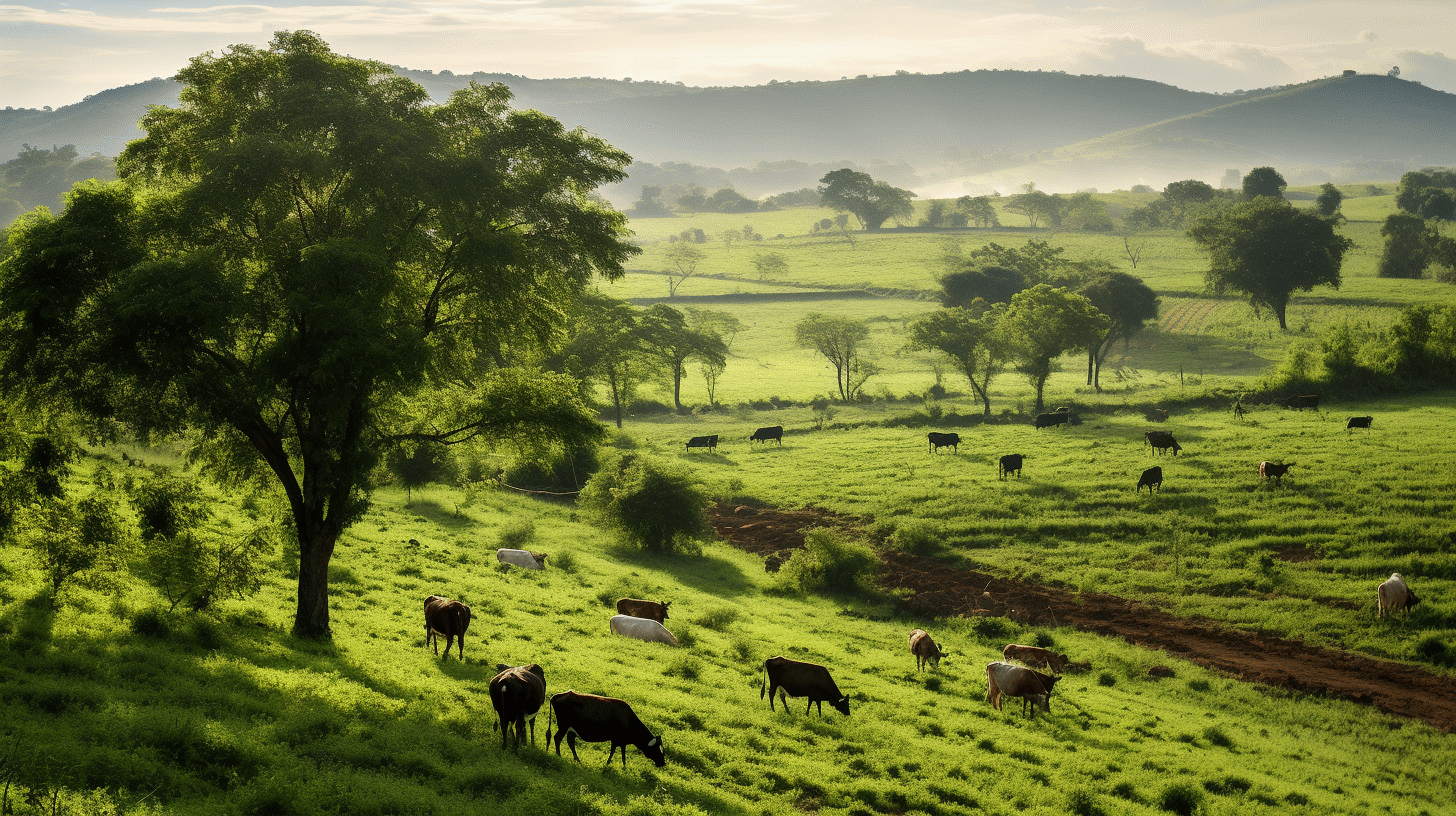
Silvopasture is a form of agroforestry that combines the benefits of trees, forage crops, and livestock grazing. In a silvopasture system, carefully selected tree species are planted alongside pasture or forage crops, creating a multi-layered system. The trees provide shade for the livestock, fodder from fallen leaves and fruit, and contribute to carbon sequestration. This technique can have numerous advantages, such as:
- Increased livestock productivity due to improved animal welfare and reduced heat stress.
- Protection of soil from erosion and nutrient leaching.
- Diversification of income streams by selling timber and grazing services.
- Enhanced biodiversity with the creation of habitats for birds and other wildlife.
Alley Cropping
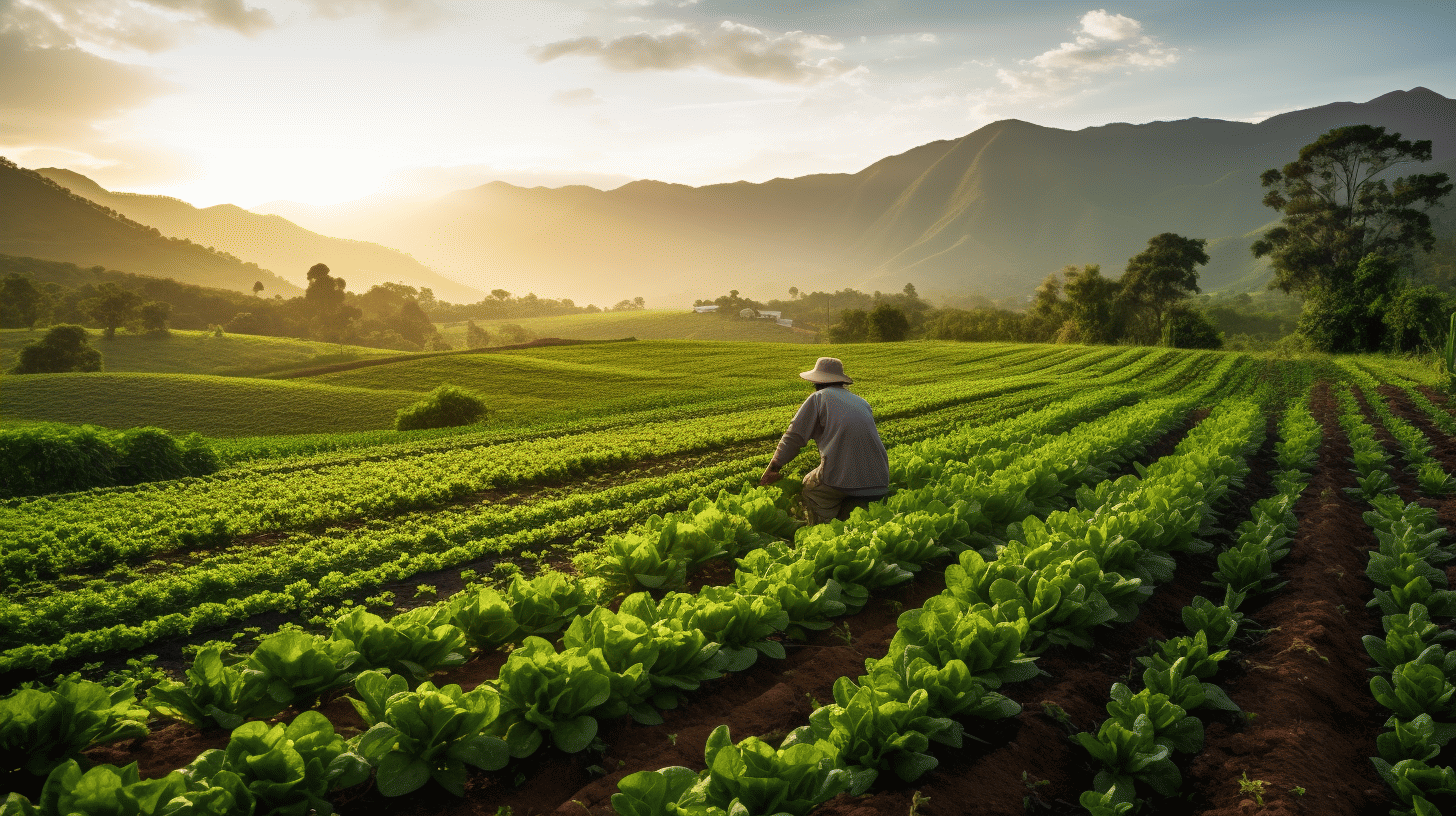
Alley cropping is another popular agroforestry technique that involves planting rows of trees or shrubs with wide spacing between them. The alleyways created between the tree rows are then used to grow crops. This technique offers several benefits, including:
- Reduced soil erosion and nutrient runoff due to the tree rows breaking wind and trapping sediment.
- Improved microclimate for crops, including shading and wind protection.
- Nutrient cycling and increased organic matter in the soil through the decomposition of leaf litter.
- Additional income from timber, fruits, or nuts harvested from the trees.
Forest Farming
Forest farming is a technique that mimics the structure and function of a natural forest ecosystem. It involves growing understory crops such as medicinal plants, mushrooms, herbs, or berries under a canopy of trees. Forest farming provides various advantages, including:
- Efficient utilization of vertical space, maximizing land productivity.
- Enhanced biodiversity and conservation of native species.
- Production of high-value specialty crops that command premium prices.
- Improved natural resource management, such as water and nutrient cycling.
Windbreaks
Windbreaks are linear plantings of trees or shrubs that act as barriers to the wind. These plantings are strategically placed to protect crops, livestock, and farm infrastructure from the damaging effects of strong winds. Windbreaks offer multiple benefits, including:
- Reduction of wind erosion and soil drying, preserving soil moisture.
- Protection of crops from wind damage, such as lodging and abrasion.
- Creation of microclimates, enabling the cultivation of more sensitive crops.
- Increased biodiversity by providing habitat for birds, insects, and other wildlife.
Riparian Buffer Zones
Riparian buffer zones are strips of vegetation planted along rivers, streams, or water bodies on agricultural lands. These buffer zones help prevent runoff of nutrients, pesticides, and sediment into waterways, improving water quality. Some key benefits of riparian buffer zones include:
- Reduction of soil erosion and sediment deposition in water bodies.
- Removal of pollutants and nutrients from runoff, improving water quality.
- Creation of wildlife corridors and habitats for aquatic organisms.
- Regulation of water flow and prevention of flooding.
Implementing these different agroforestry techniques can bring numerous benefits to farmers and the environment. By integrating trees with crops and livestock, agroforestry systems contribute to sustainable land management practices that enhance resilience, productivity, and biodiversity.
Tools & Resources for Agroforestry Implementation
Agroforestry is a sustainable land management practice that combines agriculture and forestry principles to maximize ecological and economic benefits. Whether you’re a farmer looking to diversify your income or a landowner interested in enhancing biodiversity, implementing agroforestry can be a rewarding venture. To help you get started, here are some valuable tools and resources that can aid in the process of agroforestry implementation.
Assessment and Planning Tools
Before embarking on an agroforestry project, it’s crucial to assess your land and develop a comprehensive plan. These assessment and planning tools can guide you through the process:
- Agroforestry Planning Guide: This comprehensive guide provides step-by-step instructions on evaluating your land, choosing appropriate agroforestry practices, and developing a robust plan. It covers topics such as site selection, tree species selection, and financial considerations. It’s an invaluable resource for beginners and experienced practitioners alike.
- Agroforestry Suitability Maps: These interactive maps, provided by organizations such as the USDA or local agricultural departments, help determine the suitability of your land for different agroforestry practices. By considering factors like soil type, climate, and topography, you can identify the most compatible agroforestry systems for your specific location.
- AgroforestCalc: A user-friendly online tool that allows you to calculate the potential benefits of implementing agroforestry on your land. By inputting data about your site’s characteristics and proposed agroforestry practices, AgroforestCalc provides estimates on potential carbon sequestration, soil conservation, and economic returns.
Online Resources and Networks
While embarking on an agroforestry project, it’s essential to stay connected with the broader agroforestry community and access valuable resources. These online platforms and networks can provide you with the necessary knowledge and support:
- Agroforestry Network: Joining an agroforestry network, such as the Agroforestry Research Trust in the UK or the Association for Temperate Agroforestry in the US, connects you with like-minded individuals and experts in the field. These networks often offer discussion forums, webinars, and workshops, allowing you to learn from experienced practitioners and share your own experiences.
- Agroforestry Webinars: Many organizations and institutions regularly host webinars on various agroforestry topics. These online seminars provide valuable insights from experts, showcasing successful case studies, and discussing best practices. Webinars are an excellent opportunity to expand your knowledge and engage in discussions with industry professionals.
- Agroforestry Manuals and Publications: Numerous books, manuals, and research publications are available online, covering topics ranging from agroforestry design principles to specific agroforestry practices. These resources offer in-depth information and guidance for implementing agroforestry on your land. Look for publications from respected institutions like the World Agroforestry Centre or your local agricultural department.
Training and Education Opportunities
To gain a deeper understanding of agroforestry and acquire practical skills, consider taking advantage of training and education opportunities. Here are a few options:
- Agroforestry Courses: Many universities and agricultural institutions offer specialized courses or even degree programs in agroforestry. These courses provide a structured curriculum covering topics like agroforestry systems, tree identification, and marketing strategies. You’ll gain essential knowledge and learn from seasoned professionals in the field.
- Workshops and Field Days: Participating in workshops and field days organized by agricultural institutions or agroforestry networks exposes you to hands-on learning experiences. These events often include field demonstrations, practical exercises, and networking opportunities. It’s an ideal way to learn from experts, ask questions, and observe agroforestry practices in action.
- Online Agroforestry Courses: If attending in-person training is challenging, consider exploring online courses on agroforestry. These e-learning platforms provide flexible learning experiences, allowing you to access course material at your own pace. Online courses cover various aspects of agroforestry and are designed for individuals with different levels of experience.
By utilizing these tools and resources, you’ll be well-equipped to implement agroforestry practices successfully. Remember, agroforestry is a journey that requires continuous learning and adaptation. Stay curious, connect with the agroforestry community, and continue to explore new innovations in this rapidly evolving field. Happy agroforestry implementation!
Challenges and Solutions in Agroforestry Implementation
Agroforestry is an innovative and sustainable approach to land management that combines agriculture and forestry practices. It offers a range of benefits, such as increased biodiversity, improved soil health, and enhanced climate resilience. However, like any agricultural system, agroforestry implementation comes with its share of challenges. In this section, we will explore some key challenges faced by farmers and land managers when adopting agroforestry practices and potential solutions to overcome these obstacles.
Financial Considerations
One of the major challenges faced by farmers when implementing agroforestry is the initial investment required. Establishing tree crops takes time, and farmers may face financial constraints during this period. Additionally, the long-term returns from agroforestry systems can be uncertain, further complicating financial planning.
Solutions:
- Access to financial resources: Governments, NGOs, and financial institutions can play a crucial role in providing financial support and incentivizing agroforestry implementation through loans, grants, and subsidies.
- Value-added products: Farmers can explore potential income streams from value-added products derived from tree crops, such as timber, fruits, nuts, and medicinal plants.
- Market development: Supporting the development of local and regional markets for agroforestry products can increase profitability and create economic opportunities for farmers.
Training and Knowledge Acquisition
Implementing agroforestry practices effectively requires specific knowledge and skills. Many farmers may lack the necessary training to understand the complexities of managing tree-crop interactions, selecting suitable species, and employing appropriate management techniques. Furthermore, accessing reliable information and technical expertise can be a challenge in some regions.
Solutions:
- Training programs: Governments, extension services, and NGOs should prioritize the development and delivery of training programs that focus on agroforestry best practices and provide farmers with the necessary skills and knowledge.
- Knowledge exchange platforms: Creating platforms for farmers to share their experiences, successes, and challenges can enhance learning and facilitate knowledge transfer among agroforestry practitioners.
- Information dissemination: Utilizing digital tools, such as websites, online forums, and mobile applications, can make critical information on agroforestry more accessible to farmers.
Adaptation to Climate Change
Climate change poses significant risks to agricultural production, and agroforestry is not immune to these challenges. Changes in temperature, precipitation patterns, and extreme weather events can impact the growth and survival of tree crops. Additionally, the timing of flowering, pollination, and fruiting can be disrupted, affecting productivity.
Solutions:
- Diversification of species: Incorporating a diverse range of tree species in agroforestry systems can enhance their resilience to climate change.
- Monitoring and adaptive management: Regular monitoring of agroforestry systems can help identify early signs of stress or vulnerability. Adaptive management practices, such as adjusting planting dates or selecting more resilient species, can mitigate the effects of climate change.
- Climate-smart techniques: Implementing climate-smart techniques, such as water management strategies, mulching, and windbreaks, can help buffer the impacts of climate variability and extreme weather events.
Dealing with Pests and Diseases
Just like any other crop, tree crops in agroforestry systems are susceptible to pests and diseases. However, managing pests and diseases in tree crops can be more challenging due to the complex ecosystem dynamics and the limited availability of pesticides approved for use in agroforestry.
Solutions:
- Integrated pest management (IPM): Following IPM principles, such as promoting biodiversity, using biological controls, and employing cultural practices, can effectively manage pests and diseases in agroforestry systems while minimizing the use of synthetic pesticides.
- Early detection and monitoring: Regular scouting and monitoring of tree crops can help identify pests and diseases at an early stage, allowing for timely intervention and prevention of outbreaks.
- Knowledge sharing: Facilitating knowledge sharing among farmers, researchers, and extension services regarding pest and disease management strategies specific to agroforestry systems can foster innovation and create a supportive network for addressing these challenges.
In summary, while agroforestry offers numerous benefits, its implementation can be accompanied by various challenges. By addressing financial constraints, providing adequate training and knowledge, adapting to climate change, and developing effective strategies for pest and disease management, farmers and land managers can overcome these obstacles and harness the full potential of agroforestry systems.
The Future of Agroforestry
Agroforestry is a sustainable land management practice that combines agriculture and forestry in a mutually beneficial way. It offers a promising solution to address the challenges of food security, climate change, and biodiversity loss. As we look ahead to the future of agroforestry, there are several key factors that will shape its development and adoption.
Technological Advancements
Technological advancements have the potential to revolutionize the way agroforestry is practiced and scaled up. Here are some exciting developments to watch out for:
- Remote sensing and GIS: Remote sensing technologies and geographic information systems (GIS) can provide valuable data on land use, vegetation cover, crop yields, and ecosystem services. This information can help farmers and policymakers make informed decisions about agroforestry practices.
- Precision agriculture: Precision agriculture techniques, such as using drones and sensors, can optimize resource management in agroforestry systems. By precisely applying fertilizers and water, farmers can maximize crop yields while minimizing environmental impacts.
- Climate-smart technologies: As climate change poses challenges to agriculture, the development of climate-smart technologies becomes crucial. For example, drought-resistant crop varieties and improved irrigation systems can enhance the resilience of agroforestry systems to extreme weather events.
Policy and Regulatory Developments
Policies and regulations play a vital role in promoting and supporting agroforestry practices. Governments around the world are recognizing the benefits of agroforestry and taking steps to create a favorable policy environment. Here are some trends to consider:
- Incentives and subsidies: Governments can incentivize farmers to adopt agroforestry by providing financial support, tax breaks, or other incentives. These policies can encourage farmers to plant trees on their land and integrate agroforestry practices into their farming systems.
- Land tenure and rights: Clear land tenure and rights are essential for the long-term success of agroforestry projects. Governments must establish policies that secure land tenure for farmers and protect their rights to access and manage agroforestry resources.
- Collaborative governance: Agroforestry often requires collaboration among different stakeholders, including farmers, researchers, government agencies, and NGOs. Policy frameworks that foster collaboration and participation can facilitate the scaling up of agroforestry initiatives.
Integration with Other Sustainable Practices
Integrating agroforestry with other sustainable practices can maximize its benefits for both farmers and the environment. Here are some examples of synergies:
- Agroecology: Agroecological approaches emphasize the integration of ecological principles into agriculture. Agroforestry aligns well with agroecology by enhancing biodiversity, improving soil health, and reducing the need for chemical inputs.
- Carbon sequestration: Agroforestry has the potential to sequester significant amounts of carbon dioxide from the atmosphere. By planting trees alongside crops, farmers can contribute to climate change mitigation efforts.
- Water management: Agroforestry systems can help improve water management by reducing soil erosion and increasing water infiltration rates. They can also provide shade and windbreaks, reducing water evaporation from fields.
In conclusion, the future of agroforestry looks promising, thanks to technological advancements, supportive policies, and integration with other sustainable practices. By harnessing these opportunities, we can unlock the full potential of agroforestry and create a more sustainable and resilient food system for future generations.
Explore more about the benefits of agroforestry and how it can contribute to sustainable development.
Conclusion
In conclusion, agroforestry is a powerful tool for sustainable farmers looking to enhance their farming practices and foster environmental resilience. It offers a wide range of benefits, including environmental protection, sustainable resource use, and financial stability for farmers.
By incorporating agroforestry techniques such as silvopasture, alley cropping, forest farming, windbreaks, and riparian buffer zones, farmers can create integrated systems that promote biodiversity, mitigate climate change, and improve soil health.
While implementing agroforestry may present challenges such as financial considerations and the need for training and knowledge acquisition, there are solutions available. Farmers can access assessment and planning tools, online resources, networks, and training and education opportunities to support their agroforestry journey.
The future of agroforestry holds promising advancements in technology, policy and regulatory developments, and integration with other sustainable practices. This opens up new opportunities for farmers and encourages the adoption of regenerative agricultural practices.
To explore more about agroforestry and other sustainable farming practices, visit the Regenerative Agriculture Wiki. Our platform offers comprehensive guides, informative articles, and resources to help you embrace regenerative agriculture and contribute to a future where agriculture and ecology thrive in harmony.
Join us in fostering a sustainable, resilient, and regenerative agricultural system for the benefit of our planet and future generations.
Check out the Regenerative Agriculture Wiki for more insights on sustainable farming practices!
Frequently Asked Questions
- What is agroforestry?
Agroforestry is a land-use management system that combines agricultural crops or livestock with trees to create sustainable and productive farming systems.
- What are the benefits of agroforestry techniques?
Agroforestry techniques offer numerous benefits including increased soil fertility, improved water quality, enhanced biodiversity, carbon sequestration, and diversified income sources for farmers.
- What tools can sustainable farmers use for agroforestry?
Sustainable farmers can use various tools for agroforestry such as grazing management plans, tree planting guides, pruning equipment, soil testing kits, and wildlife monitoring tools.
- How can farmers incorporate agroforestry techniques into their existing farming practices?
Farmers can incorporate agroforestry techniques by carefully selecting suitable tree species, planning for proper spacing and tree arrangement, and integrating trees with their existing crops or livestock in a way that maximizes benefits and minimizes competition.
- Are there any government programs or resources available to assist farmers in adopting agroforestry techniques?
Yes, many government programs and resources exist to support farmers in adopting agroforestry techniques. These include cost-share programs, technical assistance, grants, and educational materials provided by agricultural and forestry departments or organizations.