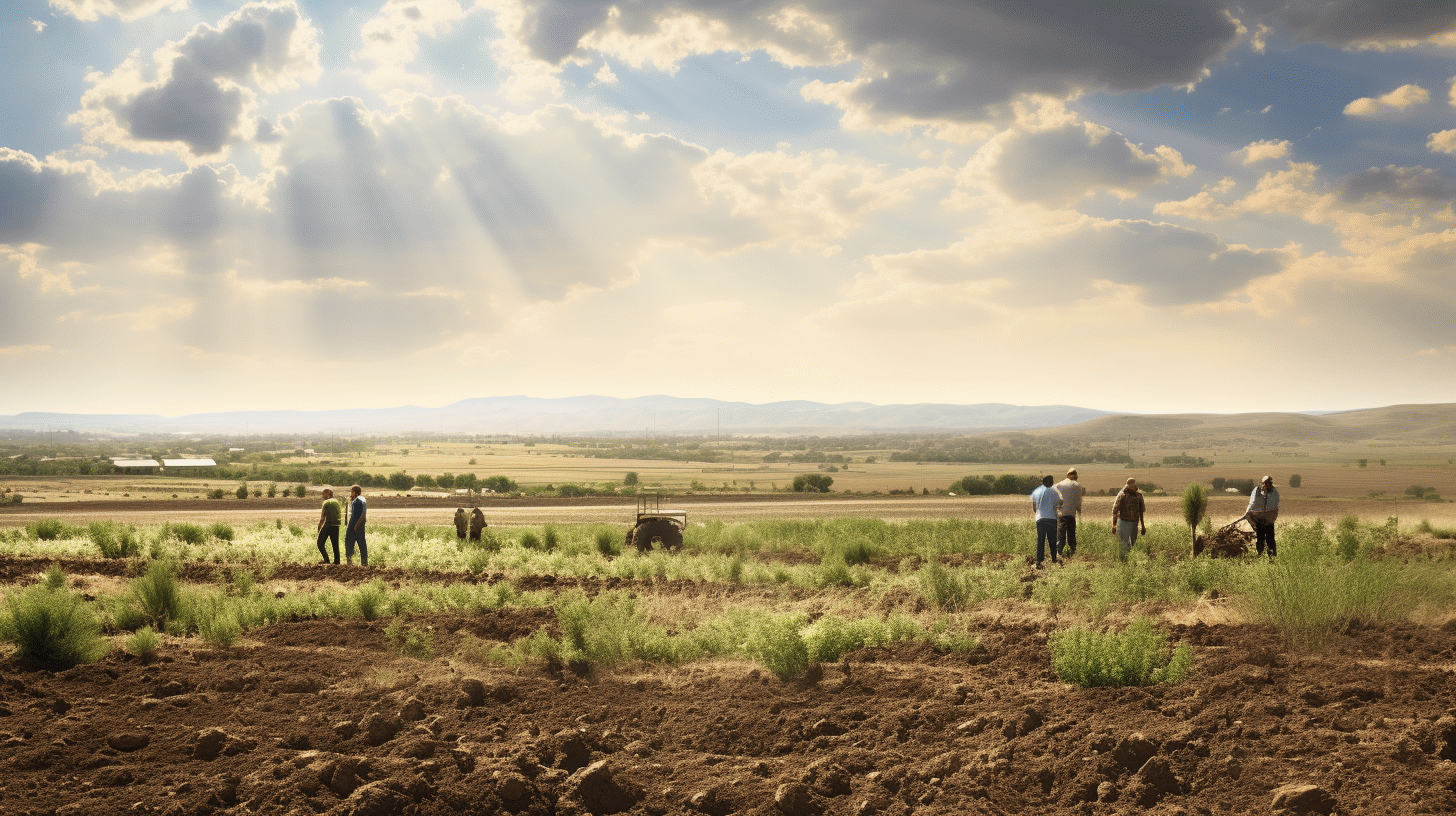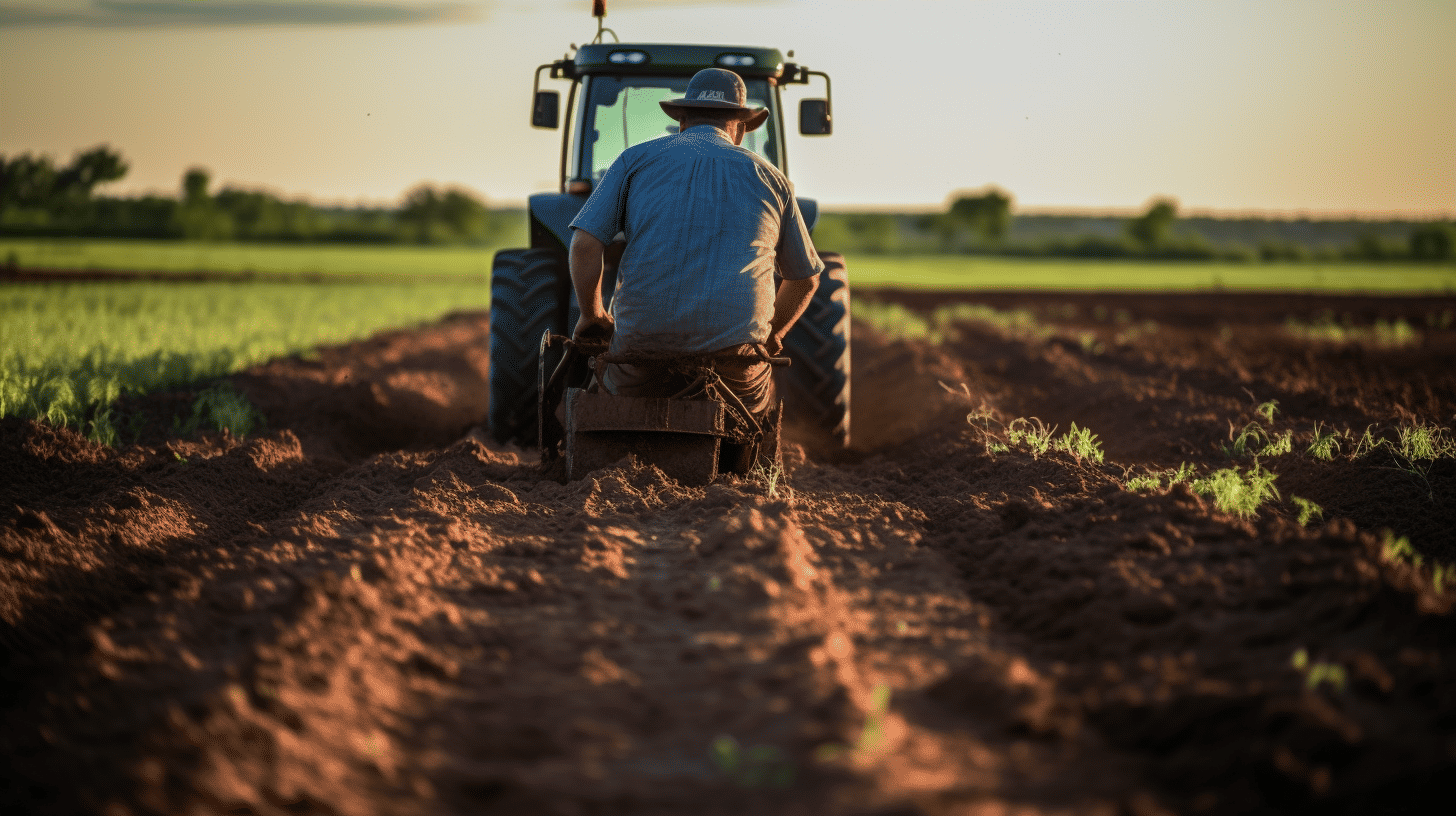
Regenerative agriculture techniques have gained significant attention in recent years due to their potential to enhance sustainability and address environmental challenges in farming practices. One particular area where these techniques have shown promise is in enhancing water resilience.
Water resilience refers to the ability of ecosystems, communities, and agricultural systems to withstand and recover from water-related challenges such as droughts, floods, and water scarcity. In the face of climate change and increasing water stress, it is crucial to adopt practices that promote water resilience in agriculture.
In this article, we will explore the concept of water resilience and its importance in agricultural systems. We will then delve into the principles and techniques of regenerative agriculture and how they can contribute to enhancing water resilience. By understanding the role of regenerative agriculture in promoting water resilience, we can pave the way for a more sustainable and resilient farming future. So, let’s dive in!
Understanding Water Resilience
Water resilience is a term that is becoming increasingly important in today’s world. With climate change and population growth, the availability and quality of water are under threat. It is crucial to understand what water resilience means and why it is essential for the sustainability of our planet.
Definition of Water Resilience
Water resilience refers to the ability of a water system, whether natural or human-made, to withstand and recover from various challenges and disturbances while maintaining its functionality and providing water services. It involves assessing and managing risks to ensure the continued availability of water resources and the ability to adapt to changing conditions.
Water resilience encompasses various aspects, including:
- Water Supply: The ability to maintain a consistent and reliable supply of clean drinking water for human consumption, agriculture, and industry.
- Water Quality: The capacity to protect and enhance water quality to meet ecological and human health needs, considering factors such as contamination, pollution, and natural processes.
- Water Infrastructure: The resilience of water infrastructure, such as dams, pipes, treatment plants, and storage facilities, to withstand natural disasters, aging, and other challenges.
- Water Ecosystems: The preservation and restoration of healthy aquatic ecosystems and biodiversity, as they play a vital role in water quality and quantity.
Importance of Water Resilience
Water resilience is crucial for several reasons:
- Climate Change Adaptation: As climate change intensifies, water resources face increased uncertainties, including extreme weather events, droughts, and floods. Building water resilience helps communities and ecosystems adapt to these changes and safeguard water supplies.
- Sustainable Development: Water is essential for economic growth, poverty reduction, and public health. By enhancing water resilience, we can ensure the availability and accessibility of water resources for future generations.
- Risk Management: Water resilience allows us to identify and manage risks associated with the water system, such as water scarcity, contamination, and infrastructure failures. Proactive planning and investment can significantly reduce the impacts of water-related emergencies.
- Environmental Protection: Healthy water ecosystems are vital for supporting biodiversity, ecological functions, and regulating water quality. By promoting water resilience, we protect these ecosystems and the services they provide, benefiting both humans and the environment.
In conclusion, water resilience involves managing risks and adapting to changing conditions to ensure the availability and quality of water resources. It plays a crucial role in climate change adaptation, sustainable development, risk management, and environmental protection. By prioritizing water resilience, we can secure a sustainable and resilient future for all.
Regenerative Agriculture: An Overview
Regenerative agriculture is an innovative and sustainable approach to farming that goes beyond just minimizing harm to the environment. It is a holistic system that aims to restore and enhance the health of the soil, the ecosystem, and the community. By adopting regenerative practices, farmers can improve soil fertility, reduce erosion, enhance biodiversity, and even mitigate climate change.
Definition of Regenerative Agriculture
At its core, regenerative agriculture is all about working with nature rather than against it. It involves adopting practices that focus on the following principles:
- Soil Health: Regenerative agriculture places a strong emphasis on building and maintaining healthy soils. Healthy soils are teeming with microorganisms, fungi, and other beneficial organisms that contribute to nutrient cycling, water infiltration, and overall soil structure. Practices such as cover cropping, crop rotations, and the use of organic amendments help to nourish and protect the soil.
- Biodiversity: Encouraging biodiversity is another key component of regenerative agriculture. By promoting the presence of various plant and animal species on the farm, farmers can create a balanced ecosystem that is more resilient to pests, diseases, and extreme weather events. Planting cover crops, creating hedgerows, and providing habitat for beneficial insects are all strategies used to enhance biodiversity.
- Water Management: Regenerative agriculture recognizes the importance of water conservation and responsible irrigation practices. By implementing measures such as drip irrigation, rainwater harvesting, and contour plowing, farmers can reduce water usage and prevent soil erosion.
- Carbon Sequestration: One of the most exciting aspects of regenerative agriculture is its potential to sequester carbon dioxide from the atmosphere and store it in the soil. Through practices like agroforestry, rotational grazing, and no-till farming, farmers can enhance the carbon-capturing capacity of their land, helping to mitigate the impacts of climate change.
Importance of Regenerative Agriculture
Regenerative agriculture offers numerous benefits to farmers, consumers, and the environment. Here are some key reasons why this approach is gaining momentum across the globe:
- Improved Soil Quality: By adopting regenerative practices, farmers can improve the health and fertility of their soils. Healthy soils are more productive, require fewer inputs, and are better able to withstand droughts and floods.
- Climate Resilience: Regenerative agriculture has the potential to play a vital role in combatting climate change. By sequestering carbon dioxide in the soil, farmers can help reduce greenhouse gas emissions and mitigate the effects of global warming.
- Biodiversity Conservation: Encouraging biodiversity on farms helps to support pollinators, beneficial insects, and other wildlife. This leads to healthier ecosystems and more sustainable food production in the long term.
- Sustainable Farming: Regenerative practices promote sustainability by reducing the reliance on synthetic fertilizers, pesticides, and other chemical inputs. This leads to improved water quality, reduced pollution, and healthier food for consumers.
- Rural Economic Development: The adoption of regenerative agriculture practices can create new opportunities for farmers, stimulate rural economies, and foster local food systems. By investing in regenerative practices, farmers can build a more resilient and prosperous future for themselves and their communities.
In conclusion, regenerative agriculture is a transformative approach to farming that holds immense potential for addressing environmental, social, and economic challenges. By nurturing the soil, enhancing biodiversity, and mitigating climate change, regenerative agriculture offers a path towards a more sustainable and resilient food system.
Techniques of Regenerative Agriculture
Regenerative agriculture is a holistic approach to farming that focuses on restoring and improving the health of the soil, enhancing biodiversity, and promoting long-term sustainability. Unlike conventional farming methods that often result in soil degradation and the use of synthetic inputs, regenerative agriculture aims to work in harmony with nature to create a resilient and vibrant ecosystem.
In this section, we will explore some of the key techniques used in regenerative agriculture. These techniques are not only environmentally friendly but also offer a range of benefits such as increased soil fertility, water retention, carbon sequestration, and improved crop yields. Let’s dive in!
Cover Crops
One of the fundamental practices in regenerative agriculture is the use of cover crops. These are crops that are grown specifically to cover and protect the soil between cash crops. Cover crops serve several purposes, including:
- Soil Protection: Cover crops act as a natural “blanket” for the soil, preventing erosion and reducing weed growth.
- Nutrient Cycling: Certain cover crops, like legumes, have the ability to fix nitrogen from the atmosphere, enriching the soil with this essential nutrient.
- Carbon Sequestration: Cover crops help capture carbon dioxide from the atmosphere and store it in the soil, contributing to mitigating climate change.
- Improved Water Infiltration: The dense root systems of cover crops enhance the soil’s ability to absorb and retain water, reducing runoff and improving water quality.
By incorporating cover crops into their farming systems, regenerative farmers can promote soil health, reduce the need for synthetic fertilizers and pesticides, and enhance the overall resilience of their farms to environmental stresses.
Crop Rotation
Crop rotation is another key technique used in regenerative agriculture. This practice involves changing the type of crop grown in a specific field each growing season. Crop rotation offers a range of benefits, including:
- Pest and Disease Management: By alternating crops, farmers can disrupt pest and disease cycles, reducing the need for chemical interventions.
- Weed Suppression: Different crops compete with weeds in different ways, leading to a reduction in weed pressure over time.
- Nutrient Management: Rotating crops helps ensure that the soil’s nutrient levels remain balanced. Different crops have varying nutrient requirements, allowing for more efficient nutrient utilization.
Crop rotation enhances biodiversity, improves soil structure, and minimizes the risk of soilborne diseases, ultimately leading to healthier and more productive agricultural systems.
No-Till Farming
In regenerative agriculture, no-till farming is a technique that focuses on reducing soil disturbance during the planting process. Instead of plowing or tilling the soil, farmers retain the crop residues and use specialized equipment to plant their crops directly into the undisturbed soil. This practice offers numerous advantages, including:
- Soil Conservation: No-till farming helps prevent soil erosion, improves soil structure, and reduces nutrient runoff.
- Water Conservation: By leaving crop residues on the soil surface, no-till farming helps retain moisture, reducing the need for irrigation.
- Enhanced Carbon Sequestration: Tilling disrupts the soil’s natural carbon storage capacity, while no-till farming promotes carbon sequestration by preserving organic matter in the soil.
No-till farming is a highly effective technique for maintaining soil health, reducing labor and fuel costs, and improving overall farm sustainability.
Organic Mulching
Organic mulching is another technique commonly used in regenerative agriculture. This practice involves covering the soil with organic materials like straw, hay, or cover crop residues. Organic mulch provides a range of benefits, including:
- Moisture Retention: Mulch acts as a protective barrier, reducing water evaporation from the soil surface and helping to maintain optimal soil moisture levels.
- Weed Suppression: A layer of organic mulch prevents sunlight from reaching weed seeds, inhibiting their germination and growth.
- Temperature Regulation: Mulch helps moderate soil temperatures, keeping the soil cooler in hot weather and warmer during colder periods.
Organic mulching improves soil structure, nutrient availability, and overall plant health, while reducing the need for synthetic herbicides and conserving water resources.
Managed Grazing
In regenerative farming, managed grazing refers to a strategic approach to grazing livestock in a way that mimics natural ecological processes. Livestock are rotated between different pasture areas, allowing for rest and recovery periods for the grasses and increasing plant and soil health. This technique offers several advantages, including:
- Improved Soil Fertility: Grazing animals contribute to nutrient cycling through their manure, enriching the soil with essential nutrients.
- Biodiversity Enhancement: Managed grazing promotes the growth of diverse plant species and encourages the return of native wildlife.
- Weed and Pest Control: Grazing animals can help manage weeds by consuming and trampling them, reducing the need for herbicides.
Managed grazing systems have been shown to enhance soil health, increase forage quality, optimize pasture productivity, and contribute to overall farm sustainability.
In conclusion, regenerative agriculture utilizes a range of techniques to restore and improve the health of agricultural ecosystems. By implementing practices such as cover cropping, crop rotation, no-till farming, organic mulching, and managed grazing, farmers can enhance soil fertility, increase biodiversity, conserve water resources, and mitigate climate change. These techniques offer a sustainable and resilient approach to agriculture that benefits both the environment and the farmers themselves.
Enhancing Water Resilience Through Regenerative Agriculture
Water scarcity is a pressing issue that affects communities around the world. As climate change continues to impact rainfall patterns and increase the frequency of droughts, finding sustainable solutions to manage water resources becomes crucial. Regenerative agriculture presents a promising approach to enhance water resilience and mitigate the effects of water scarcity. By adopting regenerative practices, farmers can optimize water usage, improve water holding capacity, and prevent water erosion. In this article, we will explore how regenerative agriculture can contribute to enhancing water resilience and contribute to a sustainable future.
Increasing Water Holding Capacity
One of the primary benefits of regenerative agriculture is its ability to increase the water holding capacity of soil. Conventional farming methods, such as tilling and excessive use of synthetic fertilizers, degrade the soil structure and reduce its ability to retain water. In contrast, regenerative practices focus on building healthy soil ecosystems that are capable of capturing and storing water effectively.
- By incorporating organic matter through practices like cover cropping and composting, regenerative farmers improve soil structure and create channels for water infiltration.
- Healthy soil with high organic matter content acts like a sponge, absorbing and holding moisture. This helps to prevent water runoff and allows plants to access water during dry periods.
- The increased water holding capacity of regeneratively managed soils not only benefits crop production but also contributes to replenishing groundwater reserves and reducing the risk of droughts.
Improved Water Capture and Infiltration
In addition to increasing water holding capacity, regenerative agriculture also focuses on optimizing water capture and infiltration, ensuring that the available water resources are used efficiently.
- By employing conservation practices like contour plowing and the use of grass waterways, regenerative farmers create natural pathways for water flow, preventing excess runoff and erosion.
- Mulching, another regenerative technique, involves covering the soil with organic materials, such as straw or woodchips, to reduce evaporation and facilitate water absorption.
- The combination of these methods enhances the soil’s ability to capture rainfall and allows it to infiltrate into the ground, replenishing groundwater resources and reducing the strain on surface water bodies.
Reduced Irrigation Requirements
One of the significant advantages of regenerative agriculture is its potential to reduce irrigation requirements. By improving soil health and maximizing water-holding capacity, regenerative practices minimize the need for additional irrigation water.
- Healthy soil with enhanced water retention capabilities reduces the reliance on irrigation in areas where rainfall is irregular or scarce.
- Regenerative practices also promote the development of deep root systems in plants, enabling them to access moisture from lower soil layers. This further reduces the need for surface irrigation.
- By implementing regenerative techniques, farmers can significantly cut down on water usage, leading to cost savings and reduced pressure on water sources.
Prevention of Water Erosion
Soil erosion is a significant concern when it comes to water resilience. Excessive runoff and erosion not only lead to the loss of fertile topsoil but also degrade water quality by carrying sediment and pollutants into water bodies. Regenerative agriculture plays a crucial role in preventing water erosion and preserving water quality.
- The use of regenerative practices like cover cropping and conservation tillage helps to maintain soil cover throughout the year, reducing the impact of raindrops and preventing soil particles from being dislodged.
- The enhanced infiltration capacity of regeneratively managed soils minimizes surface runoff, ensuring that water carries fewer sediments and contaminants into streams and rivers.
- By preventing water erosion, regenerative agriculture protects both soil health and water quality, creating a more resilient and sustainable ecosystem.
In conclusion, regenerative agriculture offers a holistic approach to enhance water resilience and address the challenges of water scarcity. By focusing on increasing water holding capacity, improving water capture and infiltration, reducing irrigation requirements, and preventing water erosion, regenerative practices contribute to the sustainable management of water resources. Implementing these practices on a broader scale can help build more resilient agricultural systems and safeguard water availability for future generations.
The Role of Regenerative Agriculture In Future Sustainable Farming
Introduction
In recent years, the importance of sustainable farming practices has gained significant recognition. As the global population continues to grow, the need for efficient and eco-friendly agricultural methods becomes paramount. One such method that has gained attention is regenerative agriculture. In this article, we will explore the role of regenerative agriculture in future sustainable farming, focusing on three key aspects: contributing to climate change mitigation, promoting biodiversity, and improving soil health.
Contributing to Climate Change Mitigation
Regenerative agriculture plays a crucial role in mitigating climate change by reducing greenhouse gas emissions and sequestering carbon. Here’s how:
- Increased carbon sequestration: Through practices like cover cropping, rotational grazing, and agroforestry, regenerative agriculture enhances carbon sequestration. This means that carbon dioxide is drawn from the atmosphere and stored in the soil, leading to a reduction in greenhouse gas levels.
- Reduced chemical input: Unlike conventional farming methods that heavily rely on synthetic fertilizers and pesticides, regenerative agriculture focuses on organic and natural inputs. This approach minimizes the use of fossil fuel-derived chemicals, thereby reducing greenhouse gas emissions associated with their production and application.
- Enhanced soil organic matter: Regenerative practices such as crop diversification and reduced tillage help build soil organic matter, which indirectly contributes to climate change mitigation. Higher organic matter content enhances soil water-holding capacity and reduces soil erosion, leading to increased resilience against extreme weather events, including droughts and floods.
Promoting Biodiversity
Regenerative agriculture also plays a key role in promoting biodiversity on farmland. By adopting practices that mimic natural ecosystems, farmers can create habitats for diverse plant and animal species. Here’s how regenerative agriculture promotes biodiversity:
- Habitat creation: Practices like hedgerow planting, buffer strips, and the preservation of natural areas on farmland provide essential habitats for a wide range of wildlife, including pollinators, birds, and beneficial insects. These habitats serve as corridors and refuges, supporting biodiversity both within and around the farm.
- Crop diversity: Regenerative agriculture emphasizes the cultivation of diverse plant species, reducing the dependency on monoculture. This diversification creates a more balanced ecosystem that offers a variety of food sources and habitats for different organisms.
- Reduced pesticide use: By relying on natural pest management techniques such as crop rotation, cover cropping, and integrated pest management, regenerative agriculture decreases the need for synthetic pesticides. This reduction in pesticide use helps protect beneficial insects and decreases the negative impact on biodiversity.
Improving Soil Health
One of the primary focuses of regenerative agriculture is to improve soil health. By adopting practices that nourish and restore the soil, farmers can enhance productivity and sustainability. Here’s how regenerative agriculture improves soil health:
- Soil organic matter: Regenerative practices such as cover cropping and incorporating crop residues increase the organic matter content in the soil. This leads to improved soil structure, water retention, and nutrient cycling, ultimately enhancing soil fertility and resilience.
- Microbial activity: Regenerative agriculture encourages the growth of beneficial soil microorganisms. These microbes play a vital role in nutrient availability and plant health, promoting a healthy and balanced soil ecosystem.
- Reduced erosion: By minimizing soil disturbance through reduced tillage and the use of cover crops, regenerative agriculture helps prevent erosion. This protective cover maintains soil structure, prevents runoff, and preserves topsoil, ensuring long-term soil health and productivity.
In summary, regenerative agriculture holds tremendous potential for the future of sustainable farming. It contributes to climate change mitigation by sequestering carbon, promotes biodiversity by providing habitats and reducing the use of synthetic pesticides, and improves soil health through increased organic matter and microbial activity. By adopting regenerative practices, farmers can cultivate a more resilient and sustainable agricultural system that benefits both the environment and future generations.
Conclusion
In conclusion, regenerative agriculture is a powerful approach that holds immense potential for enhancing water resilience in farming systems. By implementing regenerative techniques such as cover cropping, crop rotation, no-till farming, organic mulching, and managed grazing, farmers can effectively increase water holding capacity, capture and infiltrate water more efficiently, reduce irrigation requirements, and prevent water erosion. These techniques not only benefit the environment but also contribute to sustainable and resilient farming practices.
Regenerative agriculture goes beyond water management. It plays a crucial role in mitigating climate change, promoting biodiversity, and improving soil health, making it a key player in the future of sustainable farming. By adopting regenerative practices, farmers can reduce their environmental impact, improve the health of their land, and contribute to global food security.
At Regenerative Agriculture Wiki, we are passionate about sharing knowledge and empowering individuals and communities to embrace regenerative farming methods. Our platform offers a wealth of content on regenerative agriculture, covering topics ranging from soil health to permaculture. Join us in our mission to foster a future where agriculture and ecology thrive in harmony.
Remember, small changes at the individual level can have a significant impact on the larger ecosystem. Explore the potential of regenerative agriculture today and contribute to a more sustainable and resilient future.
[Product Name] is a valuable tool/resource that can assist farmers in implementing regenerative agriculture practices effectively. With its comprehensive guides and informative content, it offers practical insights and tips for sustainable farming. Take the first step towards regenerative agriculture with [Product Name] and witness the positive transformation in your farming practices.
Check out [Product Name] and get started on your regenerative agriculture journey now!
Frequently Asked Questions
- What is regenerative agriculture?
Regenerative agriculture is a holistic approach to farming that focuses on enhancing the health and vitality of the soil, improving water management, and restoring ecosystems. It involves practices like cover cropping, crop rotation, composting, and minimizing chemical inputs.
- How does regenerative agriculture enhance water resilience?
Regenerative agriculture techniques such as cover cropping and no-till farming help improve soil health and structure, which increases its water-holding capacity. This reduces water runoff and enhances water infiltration, thereby improving water resilience in agricultural systems.
- What are some regenerative agriculture techniques for water management?
Some regenerative agriculture techniques for water management include installing rainwater harvesting systems, implementing contour plowing and terracing to reduce soil erosion, and using mulch or cover crops to reduce evaporation and retain moisture in the soil.
- Can regenerative agriculture techniques be applied in both dry and wet regions?
Yes, regenerative agriculture techniques can be applied in both dry and wet regions. The specific techniques may vary depending on the climate and soil conditions, but the underlying principles of improving soil health and enhancing water management remain the same.
- Are there any economic benefits of implementing regenerative agriculture techniques for water resilience?
Yes, implementing regenerative agriculture techniques for water resilience can have economic benefits. These techniques can improve crop yields, reduce input costs, and increase the overall sustainability and long-term profitability of farming operations.