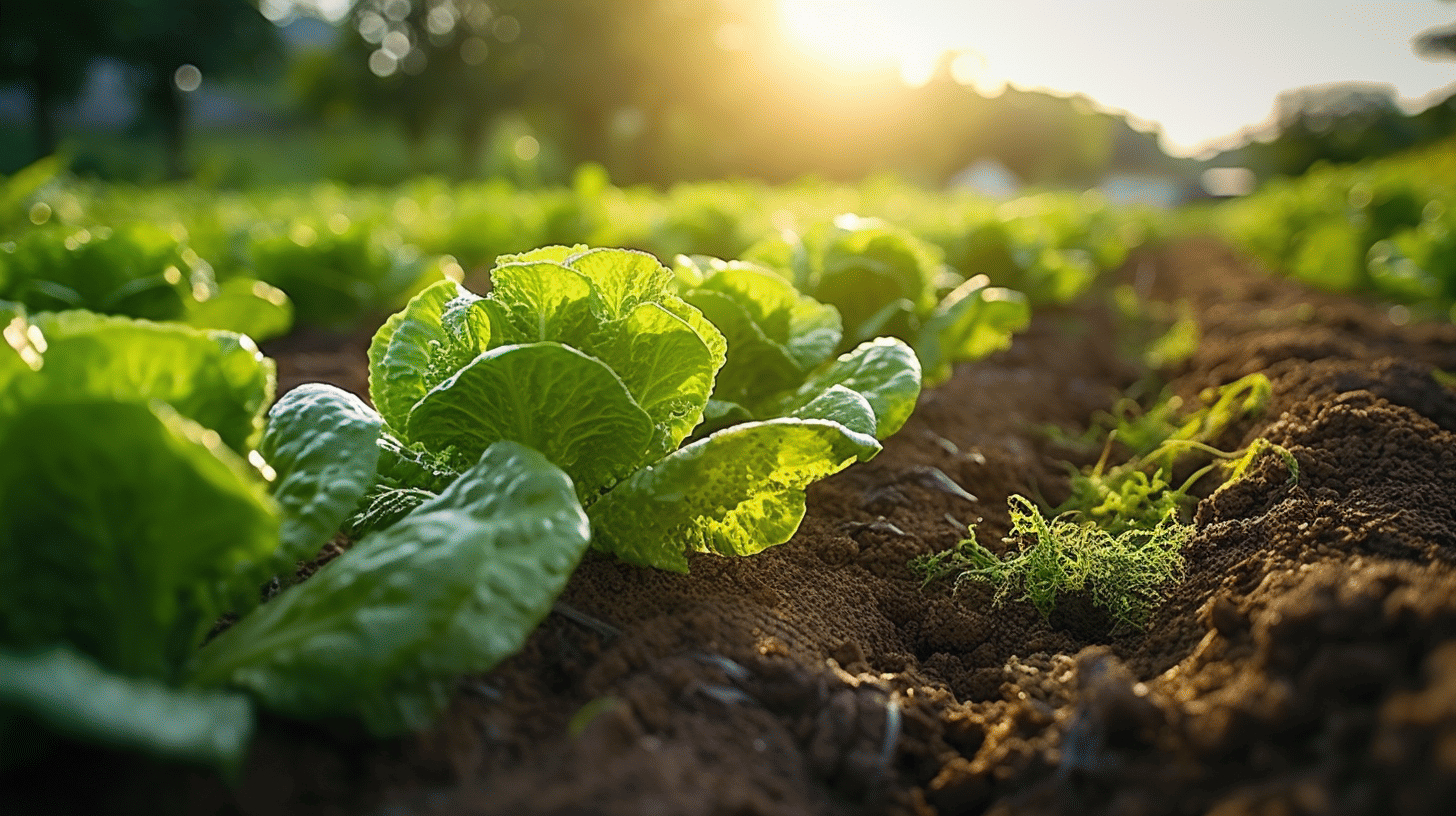
Soil health is a fundamental component of agricultural success, playing a crucial role in the productivity and sustainability of our food systems. Without healthy soil, crops struggle to access essential nutrients, pests and diseases thrive, and water is poorly retained. To truly understand the science of soil and its importance, we must delve into the intricacies of soil health and its impact on agriculture.
In this article, we will explore the fascinating world of soil health, uncovering its critical role in carbon storage and crop yields. We will also examine the current state of global soil health, highlighting the challenges posed by soil degradation and its implications for food security. Additionally, we will explore environmental impacts such as topsoil loss and erosion, the specific case of soil degradation in India, and the significant role of soil in drought resilience and water holding capacity.
But it’s not all doom and gloom. We will also discuss the benefits of improving soil health, such as carbon sequestration and enhanced drought resilience. Furthermore, we will touch on the emerging concept of regenerative agriculture and its potential to improve both soil health and the nutritional content of our food.
By understanding the science behind soil health, we can develop more sustainable and effective agricultural practices that prioritize the vitality of our soil. So let’s dig in and uncover the secrets of the soil!
The Importance of Soil Health
Good soil health is vital for the overall well-being of our planet. It not only supports the growth of crops and plants but also plays a crucial role in carbon storage and mitigating climate change. In this section, we will explore two key aspects of soil health: carbon storage in soil and its impact on crop yields.
Carbon Storage in Soil
When we think of carbon storage, we often associate it with forests and the atmosphere. However, did you know that soil is actually the largest carbon reservoir on Earth? In fact, there are approximately 2,500 billion tons of carbon stored in soil, surpassing the combined amount found in the atmosphere and plant life. This makes soil a powerful natural ally in fighting climate change.
Soil acts as a sink for carbon dioxide (CO2), effectively capturing it from the atmosphere through a process called carbon sequestration. Organic matter, such as decomposed plant and animal residue, plays a vital role in this process. When organic matter decomposes, it releases carbon dioxide, but it also traps carbon within the soil, keeping it locked away for an extended period.
By focusing on improving soil health, we can enhance its ability to store carbon and reduce greenhouse gas emissions. This can help mitigate climate change and create a more sustainable future for generations to come.
Impact on Crop Yields
Healthy soil is not only beneficial for the environment but also essential for agricultural productivity. The presence of organic matter in soil directly influences crop yields, providing a range of advantages for farmers and food production. Here are some ways soil health impacts crop yields:
- Increased Soil Organic Matter: Studies have shown that increasing soil organic matter content can lead to significant improvements in crop yields. For example, it has been found that crop yields for maize and wheat can improve by up to 20% with increased soil organic matter.
- Enhanced Nutrient Availability: Soil with adequate organic matter content acts as a reservoir for essential nutrients, making them readily available to plants. This ensures that crops have access to the necessary nutrients for growth and development, leading to healthier and more productive plants.
- Improved Water Retention: Healthy soil can retain more water, reducing the risk of drought stress on crops. This is particularly crucial in regions facing water scarcity or unpredictable rainfall patterns. By improving soil health, farmers can increase water availability to their crops, ensuring their survival even during dry periods.
- Disease Suppression: Soil that is rich in organic matter has shown a greater ability to suppress soil-borne diseases. This can help farmers reduce the need for chemical pesticides, leading to more environmentally friendly and sustainable farming practices.
In conclusion, soil health is essential for carbon storage and plays a crucial role in supporting crop yields. By prioritizing soil health through sustainable agricultural practices, we can protect the environment, improve agricultural productivity, and secure our future food supply.
The State of Global Soil Health
Soil health is an often overlooked yet critical aspect of our planet’s well-being. The state of our soils directly impacts food production, water quality, and ecosystem sustainability. Unfortunately, the global picture of soil health is not a pretty one. Let’s take a closer look at two significant issues: the state of EU soils and the rampant soil degradation threatening food security worldwide.
Unhealthy EU Soils
According to the EUSO soil health dashboard, a staggering 61% of European Union soils are in an unhealthy state[1]. This alarming statistic raises concerns about the long-term viability of agricultural practices and the ability to meet food demands in the region. The main reasons behind this concerning state include erosion, compaction, nutrient depletion, and chemical pollution.
Soil Degradation and Food Security
Beyond the borders of the European Union, soil degradation poses a global threat to food security. Approximately one-third of the world’s soils are already degraded, putting the livelihoods of millions of people at risk[2]. This degradation is a result of unsustainable agricultural practices, deforestation, urbanization, climate change, and improper land management.
Soil degradation not only reduces crop productivity and yields but also disrupts natural ecosystems, leading to imbalanced nutrient cycles, decreased water retention capacity, and increased vulnerability to pests and diseases. This alarming trend could exacerbate global food shortages and heighten the risk of famine in vulnerable regions.
To address the state of global soil health, concerted efforts are needed at local, regional, and international levels. Promoting sustainable agricultural practices, implementing effective soil conservation measures, and prioritizing land restoration projects are crucial steps to improving soil health and securing a sustainable future for generations to come.
“We must recognize the importance of healthy soils not only for our own survival but also for the health and well-being of the planet. It’s time to take action and prioritize the preservation and restoration of our soils for a sustainable future.” – Soil Scientist
[1] EUSO soil health dashboard
[2] Additional information – According to the Food and Agriculture Organization (FAO), soil degradation affects approximately 2.6 billion hectares of agricultural land worldwide. The degradation occurs at a rate of 0.3-0.5% per year, resulting in the loss of 12 million hectares of productive land annually.
Environmental Impact and Challenges
Topsoil loss and soil degradation are significant environmental challenges that affect agricultural practices worldwide. The consequences of these issues include reduced crop productivity, increased vulnerability to drought, and diminished water holding capacity. In this section, we will explore the environmental impact of topsoil loss and erosion, soil degradation in India, and the importance of drought resilience and water holding capacity in healthy soils.
Topsoil Loss and Erosion
A stunning 24 billion tons of topsoil is lost each year due to agricultural practices and erosion. This valuable layer of soil is crucial for plant growth and provides essential nutrients and moisture retention capabilities. However, unsustainable agricultural practices, such as over-tilling, deforestation, and improper irrigation, contribute to the erosion of this vital resource.
Prolonged Consequences of Topsoil Loss and Erosion
The consequences of topsoil loss and erosion are far-reaching and extend beyond decreased crop yields. Here are a few profound impacts that result from this environmental challenge:
- Nutrient Depletion: Topsoil contains essential nutrients like nitrogen, phosphorus, and potassium. When eroded, these nutrients are washed away, leaving the remaining soil less fertile.
- Water Pollution: Eroded topsoil can clog waterways, leading to sedimentation and reduced water quality. This sedimentation can harm aquatic ecosystems, disrupt natural habitats, and negatively impact fisheries.
- Climate Change: Soil erosion contributes to the release of carbon dioxide into the atmosphere, exacerbating climate change. Additionally, eroded soil has reduced carbon storage capacity, making it less efficient in capturing and storing carbon.
Soil Degradation in India
India faces a severe challenge when it comes to soil degradation, with distressing consequences for both the environment and its population. It is estimated that nearly 30 people in India experience distress every minute due to soil degradation. Contributing factors to this issue include improper agricultural practices, excessive use of chemical fertilizers, and insufficient soil conservation measures.
Alarming Effects of Soil Degradation in India
Soil degradation in India has several alarming effects, including:
- Loss of Arable Land: As soil quality deteriorates, arable land becomes less productive and may eventually become unsuitable for cultivation. This threatens food security and places additional strain on farmers.
- Decreased Groundwater Recharge: Healthy soil acts as a reservoir for rainwater, allowing it to slowly infiltrate into the ground and recharge groundwater sources. However, degraded soil has reduced water-holding capacity, leading to decreased groundwater recharge and increased vulnerability to drought.
- Increased Soil Erosion: Soil degradation weakens the structure of the soil, making it more susceptible to erosion. This exacerbates the issue of topsoil loss and erosion, further impacting agricultural productivity.
Drought Resilience and Water Holding Capacity
One of the key challenges that arise from soil degradation and topsoil loss is the reduction in drought resilience and water holding capacity. Healthy soils have the remarkable ability to retain water, helping crops withstand dry spells and reducing the need for excessive irrigation.
Studies have shown that healthy soil can hold up to 20 times its weight in water. By increasing organic matter content in the soil, the water holding capacity can be further enhanced by 3.7%. This increased water holding capacity plays a crucial role in reducing water stress during periods of drought and maintaining stable crop yields.
In conclusion, the environmental impact of topsoil loss, erosion, and soil degradation poses significant challenges for sustainable agriculture. It is crucial to recognize the importance of preserving healthy soils and implementing practices that promote soil conservation, proper land management, and drought-resilient farming techniques. By doing so, we can ensure the long-term viability of our agricultural systems and protect the health of our planet.
Benefits of Improving Soil Health
Healthy soil is the foundation of a thriving ecosystem and plays a crucial role in supporting agricultural productivity, environmental sustainability, and climate resilience. By improving soil health, we can unlock a range of benefits that have far-reaching impacts. Let’s explore two key benefits of investing in soil health: carbon sequestration and greenhouse gas emissions reduction, as well as enhancing drought resilience.
Carbon Sequestration and Greenhouse Gas Emissions
Carbon sequestration refers to the process of capturing and storing carbon dioxide from the atmosphere. Healthy soils play a vital role in this process by acting as a natural sink for carbon. Here’s how improving soil health contributes to carbon sequestration and reduces greenhouse gas emissions:
- Increased organic matter: Healthy soils have higher levels of organic matter, which is comprised of decomposed plant and animal material. This organic matter acts as a reservoir for carbon, locking it away in the soil.
- Enhanced microbial activity: Healthy soils teem with beneficial bacteria, fungi, and other microorganisms. These microbes break down organic matter, releasing nutrients and capturing carbon dioxide in the process.
- Reduced soil erosion: Improving soil health can mitigate soil erosion, preventing the loss of valuable topsoil where most organic matter and carbon are stored.
According to recent studies, by improving soil health, we can sequester significant amounts of carbon and potentially offset greenhouse gas emissions. For example, adopting practices such as cover cropping and conservation tillage can help capture and retain carbon in the soil, making a positive impact on the climate.
Enhancing Drought Resilience
As climate change intensifies, the frequency and severity of droughts are on the rise. One of the most critical ways to build drought resilience is by improving soil health. Here’s how healthy soils help in enhancing drought resilience:
- Water retention: Healthy soils have a higher capacity to hold water due to increased organic matter content and improved soil structure. This means that during dry periods, plants can access stored soil moisture, reducing the impact of drought stress.
- Better infiltration and drainage: Improving soil health promotes better water infiltration into the soil profile and improves drainage, preventing waterlogging during wet periods and allowing for efficient water distribution during dry spells.
- Enhanced root development: Healthy soils provide an optimal environment for root growth. With strong and extensive root systems, plants can access deeper soil layers for water and nutrients, making them more resilient to drought conditions.
By investing in soil health, farmers and land managers can mitigate the negative impacts of drought, maintaining agricultural productivity, and ensuring ecosystem stability.
In conclusion, improving soil health offers a multitude of benefits, including carbon sequestration, greenhouse gas emissions reduction, and enhanced drought resilience. By adopting sustainable soil management practices, we can not only improve our agricultural systems but also contribute to mitigating climate change and building a more resilient future for our planet.
Learn more about the importance of soil health in our article on how to improve soil health.
Regenerative Agriculture and Nutritional Content
Regenerative agriculture is an innovative farming approach that focuses on restoring and enhancing the health of the soil. By implementing practices like cover cropping, crop rotation, and reduced tillage, regenerative agriculture aims to promote biodiversity, improve water retention, and sequester carbon in the soil.
But did you know that regenerative agriculture can also have a significant impact on the nutritional content of our food? It turns out that the way our food is grown can affect not only its taste and appearance but also its nutrient profile.
Comparison of Nutritional Content
Studies comparing the nutritional content of crops grown using conventional agriculture methods versus regenerative practices have shown some interesting findings. While more research is needed in this area, early evidence suggests that regenerative farming techniques can enhance the nutritional value of our food in several ways:
- Micronutrients: Regenerative agriculture practices tend to have a positive effect on the levels of essential micronutrients in crops. These include vitamins, minerals, and antioxidants, which play a vital role in supporting our overall health and well-being.
- Phytonutrients: Phytonutrients are compounds found in plants that have been linked to numerous health benefits, including reduced inflammation and protection against chronic diseases like heart disease and cancer. Preliminary studies have shown that regenerative farming methods can increase the levels of phytonutrients in crops, making them even more nutritious.
- Increased soil health: Regenerative agriculture focuses on building healthy soil ecosystems, which directly impacts the nutrient levels in plants. The use of cover crops and the promotion of beneficial soil organisms can lead to improved nutrient availability for plants, resulting in higher nutrient content in the harvested crops.
- Quality over quantity: While conventional farming methods often prioritize high yields and quick growth, regenerative agriculture emphasizes the quality of the food produced. By prioritizing soil health and biodiversity, regeneratively-grown crops have the potential to be more nutrient-dense and flavorful than conventionally-grown counterparts.
The Future of Nutritious Food
As we continue to explore the potential benefits of regenerative agriculture, it’s becoming clear that this farming approach has the power to revolutionize our food system. By focusing on soil health and ecosystem balance, regenerative practices can enhance the nutritional content of our food and contribute to a more sustainable and resilient agricultural system.
Incorporating regeneratively-grown crops into our diets not only supports our own health but also the health of the planet. So the next time you’re at the grocery store or farmer’s market, keep an eye out for products that have been grown using regenerative agriculture methods. Your tastebuds and your body will thank you!
Conclusion
In conclusion, understanding soil health is crucial for sustainable agriculture practices. The science behind soil health reveals its vital role in carbon storage and its direct impact on crop yields. Moreover, the state of global soil health poses significant challenges, such as soil degradation and food security concerns. Environmental impacts, such as topsoil loss, erosion, and drought vulnerability, further emphasize the need to prioritize soil health.
Improving soil health brings several benefits, including enhanced carbon sequestration and greenhouse gas emissions reduction, along with enhanced drought resilience. By adopting regenerative agriculture practices, farmers can not only improve soil health but also contribute to the nutritional content of their crops.
At Regenerative Agriculture Wiki, we are passionate about educating and inspiring individuals and communities to explore the potential of regenerative agriculture. Join us in fostering a future where agriculture and ecology thrive in harmony. Visit our website to delve into extensive content on regenerative agriculture, including soil health, holistic management, permaculture, and agroecology. Let’s work together towards a sustainable and regenerative farming future.
Visit Regenerative Agriculture Wiki to learn more.
Product Context – Regenerative Agriculture Course – Our comprehensive regenerative agriculture course is designed to provide farmers, environmentalists, and food enthusiasts with in-depth knowledge and practical techniques for implementing regenerative agriculture practices. Join the course to unlock the potential of regenerative agriculture and make a positive impact on the environment and local communities.
Frequently Asked Questions
- What is soil health and why is it important in agriculture?
Soil health refers to the overall capacity of soil to function as a living ecosystem. It is important in agriculture as healthy soils support plant growth, nutrient availability, water filtration and retention, carbon sequestration, and overall crop productivity.
- What are some indicators of healthy soil?
Some indicators of healthy soil include good soil structure, rich organic matter content, diverse microbial activity, balanced soil pH, good water-holding capacity, and high nutrient availability.
- How does soil health impact crop yield?
Healthy soil provides an optimal environment for root development, nutrient uptake, and water absorption, leading to improved crop yield. It also helps plants resist pests and diseases, reducing the need for chemical interventions.
- What are some practices that promote soil health in agriculture?
Practices that promote soil health include crop rotation, cover cropping, conservation tillage, composting, organic amendment application, avoiding overuse of synthetic fertilizers and pesticides, and adopting precision agriculture techniques.
- Can soil health be improved in already degraded soils?
Yes, soil health can be improved in degraded soils through the implementation of soil restoration techniques such as proper erosion control, soil amendments, re-vegetation, and remediation of nutrient imbalances.