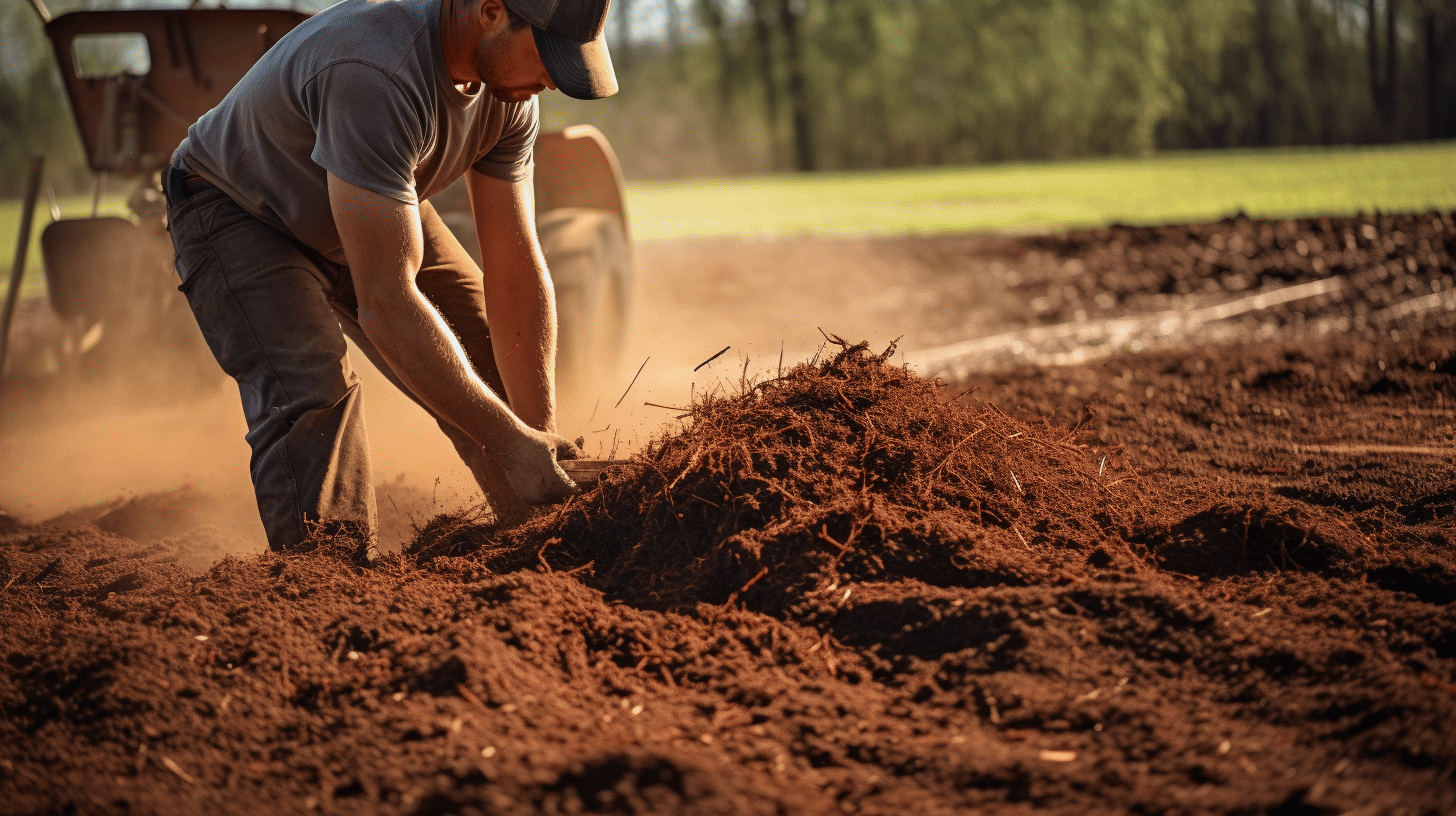
In today’s ever-changing climate, water scarcity has become a pressing issue, affecting numerous industries worldwide. Agriculture, in particular, heavily relies on water for crop growth, making it crucial for farmers to adopt sustainable water conservation techniques. One such technique gaining popularity is mulching. Mulching involves covering the soil surface around plants with organic or synthetic materials to retain moisture and suppress weed growth.
This article explores the power of mulching as a water conservation technique for farmers. We will delve into the importance of water in agriculture, the shift towards more efficient techniques, and the benefits of mulching. By understanding the advantages and implementation of mulching, farmers can take a significant step towards sustainable farming practices while ensuring optimal crop growth.
So, let’s dive in and discover how mulching can revolutionize water conservation in agriculture!
The Importance of Water in Agriculture
Water is perhaps the most essential resource when it comes to agriculture. Without an adequate supply of water, crops cannot grow, and farmers struggle to maintain their livelihoods. In this article, we will explore the global usage of irrigation in agriculture, the value of irrigation in US farms, and the overall consumption of water in agricultural practices.
Global Irrigation Usage in Agriculture
Agricultural irrigation accounts for a staggering 70% of water use worldwide. This means that nearly three-quarters of all the water consumed on the planet is dedicated to sustaining crops and supporting agricultural practices. In many OECD countries, this percentage is even higher, reaching over 40%. This should come as no surprise, considering the immense amount of water required to nourish crops and ensure healthy growth.
Value of Irrigation in US Farms
In the United States, the value of irrigation in farms cannot be understated. Farms that utilize some form of irrigation account for over 54% of the total value of U.S. farms. This statistic clearly demonstrates the crucial role that irrigation plays in ensuring a productive and profitable agricultural sector. Irrigation enables farmers to cultivate a wider variety of crops, increase yields, and enhance the overall quality of their produce. It is a vital tool in the arsenal of American farmers, helping them meet the demands of a growing population and a competitive market.
Agricultural Water Consumption
On average, farms around the globe contribute to a staggering 70% of all water consumed annually. This highlights the significant impact that agriculture has on our planet’s water resources. As the global population continues to rise, so does the demand for food, which in turn increases the need for water in agriculture. It is crucial for farmers to adopt sustainable practices and technologies that optimize water usage, reduce waste, and protect this precious resource for future generations.
To sum it up, water plays a pivotal role in agriculture, and its importance cannot be overstated. It is essential for crop growth, farm productivity, and the overall sustainability of the agricultural industry. As we navigate the challenges of feeding a growing population, it is vital to prioritize efficient water management in agriculture to ensure a prosperous and sustainable future.
Shift to Efficient Techniques
Shift to Efficient Techniques
Introduction
As the world population continues to grow, so does the demand for food. Agriculture, being one of the largest consumers of water, must find ways to decrease its water usage while still meeting the needs of a growing population. In recent years, there has been a shift towards more efficient techniques in agriculture, resulting in a decrease in water usage and an increase in irrigation efficiency. This article will explore the factors contributing to this shift and the benefits it brings.
Decrease in US Agriculture’s Water Use
US agriculture has made significant strides in reducing its water use over the past few decades. From 1995 to 2010, water usage in agriculture dropped due to a combination of factors. One of the main contributors to this decrease was the adoption of more efficient irrigation techniques.
Increase in Irrigation Efficiency
- One technique that has gained popularity in recent years is drip irrigation. This method involves delivering water directly to the plant’s root zone, minimizing evaporation and water waste. Drip irrigation systems can reduce water use by up to 40%, compared to traditional overhead sprinklers.
- Another effective technique is precision agriculture, which uses technology to deliver the right amount of water to each plant based on its specific needs. With the help of sensors and data analysis, farmers can optimize irrigation schedules and ensure that water is used efficiently.
The Benefits of Efficient Techniques
The shift to more efficient techniques in agriculture brings various benefits, both to farmers and the environment:
- Water conservation: By reducing water use, these techniques help conserve this precious resource, especially in regions experiencing water scarcity. This ensures a more sustainable future for agriculture.
- Cost savings: Efficient irrigation techniques can significantly reduce water bills for farmers. By using only the necessary amount of water, they can save money on irrigation while still maintaining crop yield and quality.
- Environmental impact: Decreasing water usage in agriculture has a positive impact on the environment. It reduces the strain on water sources, minimizes runoff and soil erosion, and protects water quality by reducing the need for chemical inputs.
- Increased productivity: Efficient irrigation techniques often result in improved crop health and productivity. By providing plants with the right amount of water at the right time, farmers can optimize growth and maximize yields.
In conclusion, the shift towards more efficient techniques in agriculture, such as drip irrigation and precision agriculture, has led to a decrease in water usage and an increase in irrigation efficiency. These techniques not only benefit farmers by saving costs but also contribute to water conservation, environmental sustainability, and increased productivity. As the world strives to meet the food demands of a growing population, embracing these efficient techniques is crucial for a sustainable and resilient agricultural industry.
Mulching: An Effective Solution
Introduction:
When it comes to maintaining a healthy garden or landscape, mulching is an effective solution that offers numerous benefits. Whether you’re an experienced gardener or a novice, understanding the advantages of mulching can help you make informed decisions about your gardening practices. In this article, we will explore the benefits of mulching and compare the two common types of mulch: plastic and wheat straw mulch. By the end, you’ll have a deeper understanding of why mulching is considered a sustainable water and soil-saving practice in agriculture.
Benefits of Mulching
Mulching provides several noteworthy benefits that contribute to the overall health and appearance of your garden or landscape. Here are some of the key advantages of mulching:
- Weed suppression: Mulch acts as a natural barrier, inhibiting the growth of weeds. By keeping sunlight from reaching the soil where weed seeds germinate, mulching helps to reduce the number of weeds that compete with your plants for nutrients and water.
- Moisture conservation: One of the primary benefits of mulching is its ability to conserve soil moisture. By creating a protective layer on the soil surface, mulch helps to reduce evaporation, maintain consistent soil moisture, and decreases the need for frequent watering.
- Temperature moderation: Mulch acts as an insulator, regulating soil temperature and protecting plant roots from extreme heat or cold. This can be particularly beneficial during periods of hot weather or in regions with fluctuating temperatures.
- Soil erosion prevention: Mulch provides a protective covering that helps to prevent soil erosion caused by heavy rain or wind. It acts as a buffer, reducing the impact of raindrops on the soil and minimizing runoff, thus preserving valuable topsoil.
- Nutrient enrichment: Over time, organic mulch breaks down and adds valuable nutrients to the soil. As the mulch decomposes, it releases nutrients that contribute to the overall fertility and health of the soil, benefiting your plants.
- Enhanced aesthetics: Mulching adds a polished and tidy appearance to your garden or landscape. It helps create defined borders around plants, trees, and pathways, giving your outdoor space a visually pleasing and well-maintained look.
Comparison of Plastic and Wheat Straw Mulch
When it comes to choosing the right type of mulch, it’s important to consider the specific needs of your garden or landscape. Let’s take a closer look at the two commonly used types of mulch: plastic and wheat straw mulch, and compare their characteristics:
Plastic mulch:
- Made from polyethylene or polypropylene, plastic mulch is highly durable and long-lasting.
- Provides excellent weed suppression due to its impenetrable surface.
- Efficiently conserves soil moisture by reducing evaporation.
- Promotes warmer soil temperatures, which can be beneficial for certain crops.
- Generally more expensive and less environmentally friendly compared to organic mulches.
Wheat straw mulch:
- Made from the dried stalks of wheat plants, wheat straw mulch is an organic and biodegradable option.
- Offers effective weed suppression but may require thicker layers to be as effective as plastic mulch.
- Helps conserve soil moisture by reducing evaporation, although not as efficient as plastic mulch.
- Provides additional benefits by contributing organic matter to the soil as it decomposes.
- Generally more affordable and environmentally friendly compared to plastic mulch.
In conclusion, both plastic and wheat straw mulch have their advantages and considerations. Your choice will depend on factors such as your gardening goals, budget, crop preferences, and environmental preferences. It’s worth considering the specific needs of your garden and experimenting with different mulching techniques to find what works best for you.
Remember, mulching is a sustainable practice that can significantly reduce runoff and soil loss, conserve soil moisture, and contribute to the overall health of your garden or landscape. So, whether you opt for plastic or wheat straw mulch, incorporating this technique into your gardening routine is a wise choice.
Conclusion
In conclusion, the power of mulching in water conservation cannot be overstated. By implementing mulching techniques, farmers can significantly reduce water usage, increase soil moisture retention, and enhance overall plant health. Mulching serves as a protective barrier, preventing evaporation and suppressing weed growth. The use of organic mulches, such as wheat straw, proves to be a sustainable alternative to plastic mulch, supporting the principles of regenerative agriculture.
At Regenerative Agriculture Wiki, we are committed to providing comprehensive information on regenerative farming practices, including the benefits of mulching. Our platform offers a wide range of resources and guides tailored to the interests of farmers, environmentalists, and anyone curious about sustainable living. Join us in fostering a future where agriculture and ecology thrive in harmony. Together, we can make a difference in building a resilient and sustainable food system.
Frequently Asked Questions
- What is mulching and how does it help with water conservation?
Mulching is the practice of covering the soil surface with a layer of organic or inorganic material. It helps conserve water by reducing evaporation, minimizing weed growth, improving soil moisture retention, and preventing soil erosion.
- What are the different types of mulching materials used in farming?
There are various types of mulching materials used in farming, including organic materials such as straw, wood chips, compost, and leaves, as well as inorganic materials like plastic sheets and geotextiles.
- How does mulching improve soil health?
Mulching improves soil health by enhancing soil structure, increasing organic matter content, promoting beneficial microbial activity, and reducing soil compaction. It also helps regulate soil temperature and prevents nutrient leaching.
- Is mulching suitable for all types of crops?
Yes, mulching can be beneficial for a wide range of crops, including vegetables, fruits, herbs, and ornamental plants. However, the type of mulching material and application techniques may vary depending on the specific crop and its requirements.
- Are there any disadvantages of using mulching techniques?
While mulching offers numerous benefits, there can be some disadvantages. These include potential weed growth under the mulch layer, increased risk of pest or disease buildup in certain conditions, and the initial cost and labor required for mulch application.


