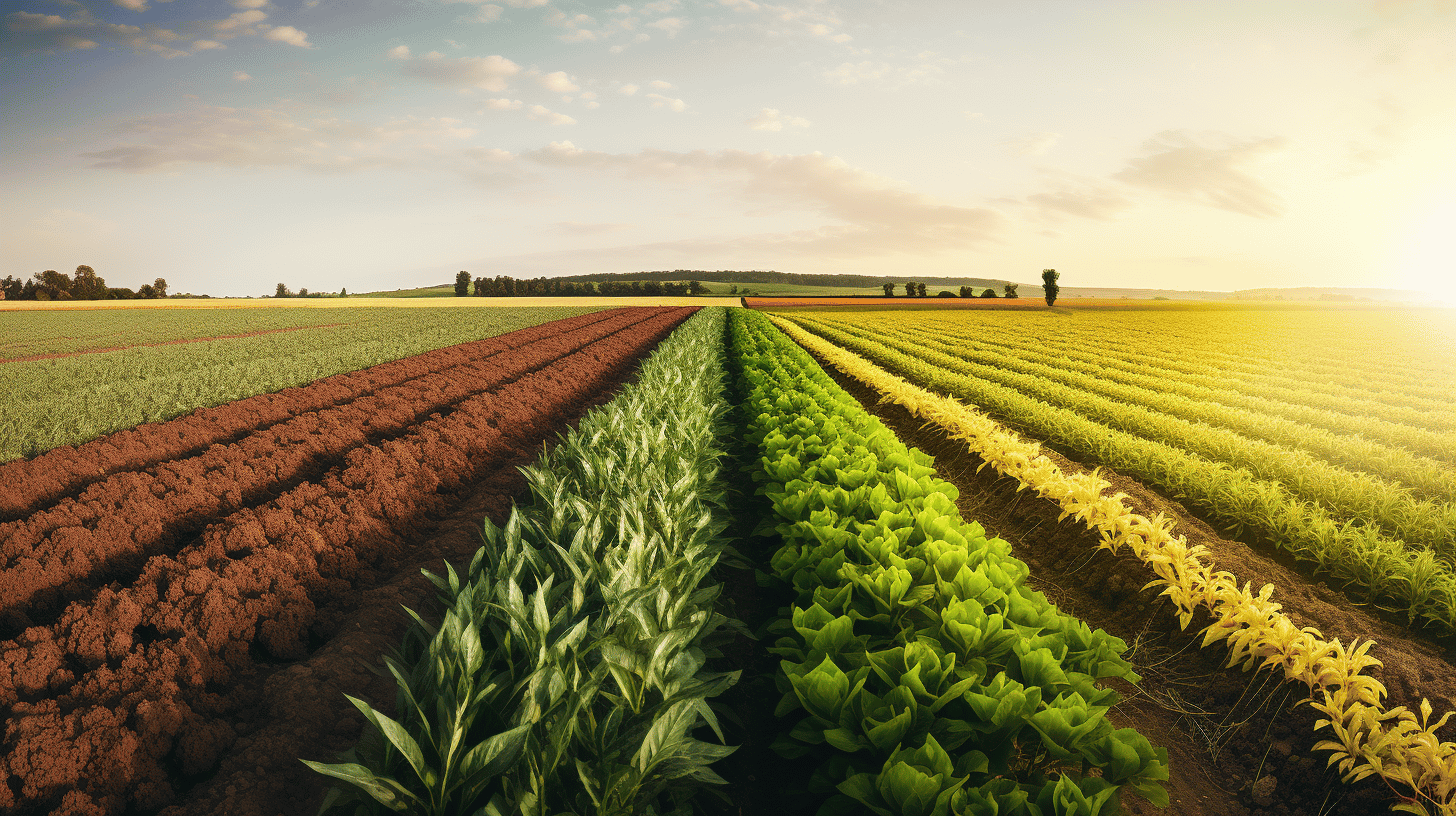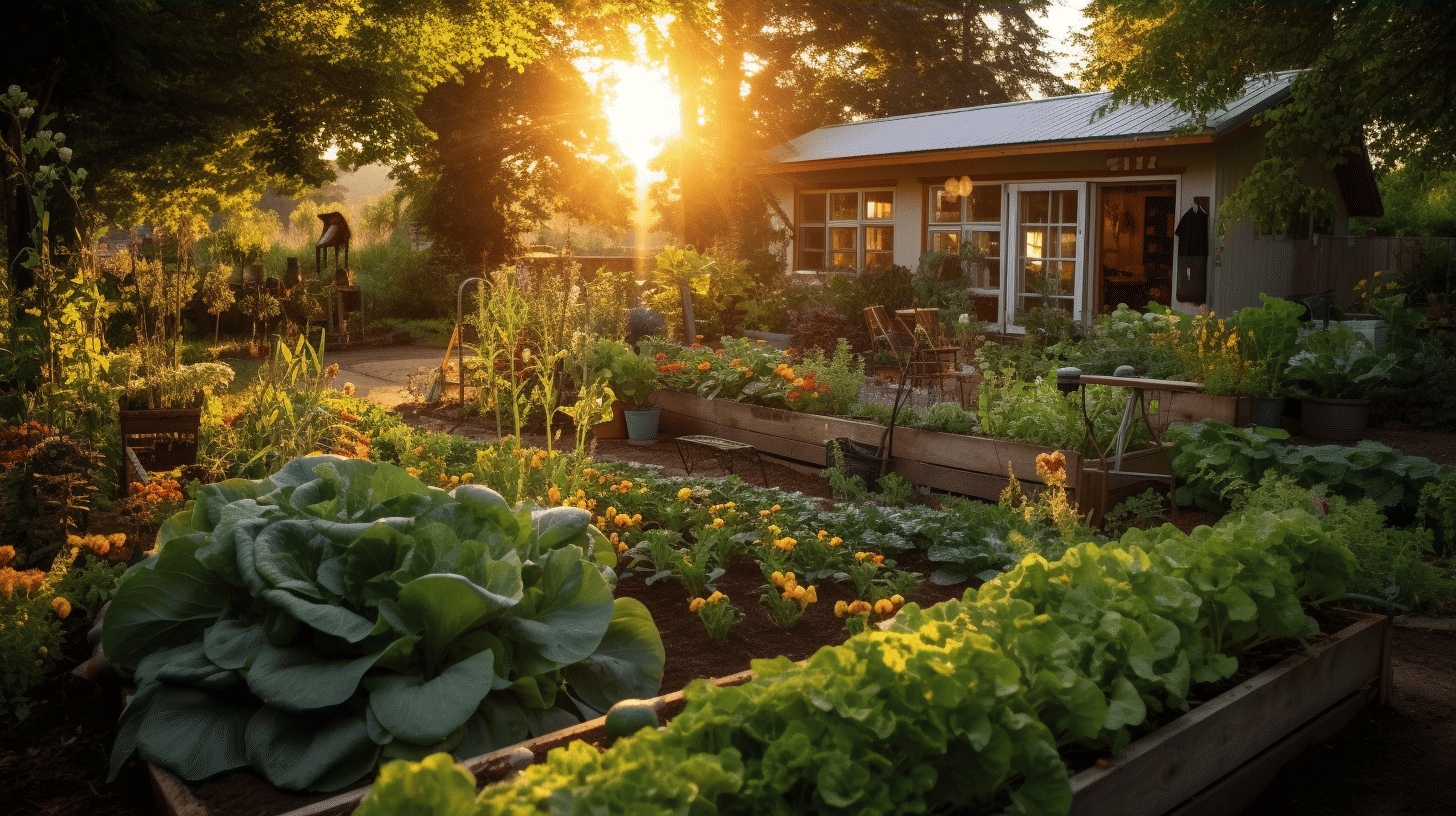
Permaculture, a term coined by Bill Mollison and David Holmgren in the 1970s, has gained significant recognition and adoption worldwide as a sustainable farming and gardening practice. The word itself is derived from “permanent agriculture” and “culture,” emphasizing the harmonious integration of nature and human systems.
Permaculture offers a holistic approach to food production, aiming to create regenerative and self-sustaining ecosystems that yield abundant and diverse harvests. It goes beyond mere organic farming by incorporating ecological principles, design thinking, and a deep understanding of natural patterns and processes.
In recent years, permaculture has captured the attention of farmers, gardeners, and conscious consumers alike. Its emphasis on environmental stewardship, resource efficiency, and community resilience has garnered praise for its long-term benefits. By integrating permaculture practices into our food systems, we can address pressing global challenges such as climate change, soil degradation, and food security.
In this article, we will explore the global adoption of permaculture, its economic viability, and how it addresses environmental and agricultural challenges. We will also delve into the advantages of permaculture, its design principles, and future perspectives for further research and implementation. Join us on this journey as we uncover the power of permaculture in sustainable food production.
Global Adoption of Permaculture
Permaculture, an ecological design approach that aims to create sustainable and self-sufficient systems, has been gaining traction worldwide. From small-scale backyard gardens to large-scale farms and community projects, permaculture principles are being embraced by individuals, organizations, and communities in at least 45 countries[1]. The global adoption of permaculture reflects a growing awareness of the need to prioritize sustainable practices in the face of environmental challenges.
Permaculture Around the Globe
Permaculture principles can be applied in a variety of settings and climates, making it a versatile approach to sustainable living. Here are some examples of how permaculture is being adopted around the world:
- Australia: As the birthplace of permaculture, Australia continues to lead the way in permaculture practices. The principles have been applied across vast landscapes, from rural farms to urban rooftops.
- United States: Permaculture has gained significant popularity in the United States, with individuals and communities incorporating permaculture principles into their gardens, farms, and urban landscapes. This movement is driven by a desire to reduce environmental impact and promote resilient, local food systems.
- Europe: Permaculture has spread throughout Europe, with countries like the United Kingdom, Germany, and France implementing permaculture principles in various agricultural and community projects. European countries have recognized the potential of permaculture to address food security and mitigate climate change.
- Asia: In countries like India, Thailand, and Japan, permaculture is being embraced by farmers and communities seeking sustainable farming practices and food sovereignty. Permaculture is seen as a way to combat the negative effects of industrial agriculture and promote regenerative techniques.
The Benefits of Permaculture Adoption
The global adoption of permaculture brings numerous benefits to individuals, communities, and the environment. Some of these benefits include:
- Environmental Sustainability: Permaculture focuses on sustainable agriculture and regenerative practices, minimizing chemical inputs, and maximizing natural resources. By adopting permaculture principles, land can be restored, water can be conserved, and biodiversity can thrive.
- Food Security: Permaculture offers a solution to the challenges of industrial agriculture and food insecurity. By promoting diverse and resilient food systems, permaculture can enhance food production and reduce reliance on external food sources.
- Community Resilience: Permaculture encourages community involvement and cooperation, fostering connections and resilience. By working together to implement permaculture principles, communities can create sustainable livelihoods and strengthen local economies.
In conclusion, the global adoption of permaculture reflects a growing recognition of the need for sustainable and regenerative practices. From its origins in Australia to its spread across continents, permaculture is being embraced by people from diverse backgrounds and cultures who share a common goal of cultivating a more sustainable future.
Click here for more information on the global adoption of permaculture.
Economic Viability of Permaculture
Permaculture is not just about sustainable agriculture and ecological design; it also offers significant economic benefits. In fact, several studies have shown that permaculture can contribute to a farm’s overall income and financial stability. Let’s take a closer look at the economic viability of permaculture.
Evidence of Financial Success
A survey conducted among 280 farmers from two countries revealed some compelling findings. Participants who implemented permaculture practices reported that over 40% of their total income came from permaculture-related activities. This demonstrates the significant financial contribution that permaculture can make to a farmer’s livelihood. It not only helps them sustain their operations but also provides a decent income.
Overcoming Dependence on Off-Farm Income
In the United States, more than half of all farms rely on off-farm income to survive. This means that farmers are forced to seek additional employment or business opportunities outside of their agricultural operations. However, permaculture offers a promising alternative by diversifying income streams and reducing reliance on off-farm activities. By implementing permaculture principles, farmers can generate income directly from their land, reducing the need for additional employment.
The Virtuous Cycle of Permaculture Economics
Permaculture creates a virtuous cycle that benefits the environment, the farmer, and the local economy. By implementing regenerative practices, permaculture enhances soil health, conserves water, and promotes biodiversity. These ecological benefits translate into increased productivity and reduced input costs for farmers. Furthermore, as permaculture farms thrive, they create job opportunities and stimulate local economic development.
Challenges and Solutions
While permaculture offers substantial economic potential, it’s important to acknowledge the challenges that farmers may face when transitioning to this approach. Some potential barriers include initial investment costs, knowledge and training requirements, and market access. However, these challenges can be overcome with proper planning and support. Here are a few ways to address these obstacles:
- Access to funding: Governments, NGOs, and community organizations often provide grants, loans, and subsidies for sustainable agriculture practices, including permaculture. Farmers can explore these funding options to mitigate upfront costs.
- Training and education: Investing in permaculture education and training programs helps farmers acquire the skills and knowledge necessary to implement successful permaculture practices. Workshops, courses, and mentorship programs can be valuable resources.
- Market connections: Building relationships with local markets, restaurants, and consumers who prioritize sustainable and locally produced food can ensure a stable market for permaculture products. Participating in farmers markets, joining community-supported agriculture (CSA) programs, and establishing direct-to-consumer channels can help farmers connect with potential customers.
By addressing these challenges proactively, farmers can unlock the full economic potential of permaculture and build resilient, profitable agricultural systems.
In conclusion, permaculture not only offers environmental benefits but also provides a viable path towards financial sustainability for farmers. With its ability to generate income, reduce dependence on off-farm activities, and create economic opportunities, permaculture proves to be a promising approach for individuals seeking economic viability in farming.
Addressing Environmental and Agricultural Challenges Through Permaculture
Permaculture is a holistic and sustainable approach to agriculture that offers innovative solutions to pressing environmental and agricultural challenges. By working with nature rather than against it, permaculture aims to create resilient and regenerative farming systems. In this article, we will explore how permaculture addresses key challenges, including drought resilience, efficiency compared to industrial farming, soil health, and emission reduction.
Drought Resilience
Drought poses a significant threat to agricultural productivity and food security worldwide. Traditional farming methods often struggle to cope with water scarcity, leading to crop loss and reduced yields. However, permaculture offers a range of strategies to enhance drought resilience:
- Water Conservation: Permaculture emphasizes the collection and conservation of water through techniques such as rainwater harvesting, swales, and keyline design. These methods help retain water in the landscape and provide a reliable water source for crops during dry periods.
- Diverse Planting: By cultivating a diverse range of crops and incorporating native plants, permaculture systems are better equipped to withstand drought. Different plants have varying water requirements and root depths, allowing them to access water from different layers of the soil.
- Mulching: The use of organic mulch, such as straw or wood chips, helps retain soil moisture by reducing evaporation. Mulching also improves soil structure and fertility over time.
Efficiency vs Industrial Farming
Industrial farming methods often rely on high inputs of synthetic fertilizers, pesticides, and machinery, which can have detrimental effects on the environment and human health. In contrast, permaculture focuses on efficiency and maximizing yields using ecological principles. Here’s how permaculture excels in terms of efficiency:
- Natural Pest Control: Permaculture utilizes companion planting, beneficial insect habitats, and biological control methods to manage pests naturally, reducing the need for synthetic pesticides.
- Closed-loop Systems: Permaculture designs aim to create self-sustaining, closed-loop systems where waste from one component becomes a resource for another. For example, kitchen scraps can be composted and used to fertilize the garden.
- Polyculture: Instead of monocropping, permaculture promotes polyculture, where a variety of plants are grown together. This approach minimizes the risk of crop failure due to pest or disease outbreaks, and also enhances nutrient cycling and soil health.
Soil Health
Healthy soil is the foundation of any successful agricultural system. Permaculture recognizes the importance of nurturing and building soil health. Here’s how permaculture practices contribute to soil health:
- Composting: Composting is a central practice in permaculture. It involves decomposing organic matter to create nutrient-rich compost, which can be used as a soil amendment. Compost improves soil structure, water retention, and nutrient availability.
- No-till Farming: Permaculture discourages the use of intensive tilling, which disrupts the soil structure and can lead to erosion. Instead, permaculture promotes the use of mulch and mulching techniques to protect the soil, improve water infiltration, and promote beneficial microbial activity.
- Cover Crops: Cover crops, such as legumes or grasses, are grown specifically to cover the soil during fallow periods. They help suppress weeds, fix nitrogen in the soil, and prevent erosion.
Emission Reduction
Agriculture is a significant contributor to greenhouse gas emissions, particularly through the use of synthetic fertilizers, machinery, and livestock production. Permaculture offers sustainable alternatives to reduce emissions:
- Carbon Sequestration: Permaculture practices such as agroforestry, silvopasture, and regenerative grazing help sequester carbon in the soil and vegetation, acting as a natural carbon sink.
- Reduced Inputs: By minimizing the use of synthetic fertilizers and pesticides, permaculture reduces the reliance on fossil fuels and decreases the associated emissions.
- Renewable Energy: Permaculture systems often integrate renewable energy sources such as solar panels or wind turbines, further reducing reliance on fossil fuels.
Permaculture is a versatile and effective approach to address environmental and agricultural challenges. By implementing permaculture practices, we can create sustainable and resilient farming systems that benefit both people and the planet.
Advantages of Permaculture
Permaculture, a holistic design process for complex ecosystems, offers a multitude of advantages that extend beyond just sustainable agriculture. Adopting permaculture practices can have a significant positive impact on production, food security, livelihoods, and ecological balance. Let’s explore some of the key advantages of permaculture:
Increased Production and Food Security
- Permaculture design focuses on creating integrated systems that maximize productivity while minimizing inputs. By utilizing the principles of permaculture, farmers and gardeners can create food forests, guilds, and polycultures that mimic natural ecosystems.
- These diverse and resilient systems not only contribute to increased food production but also enhance food security by providing a variety of crops that can withstand climate variations and pest pressures.
Sustainable Livelihoods
- Permaculture promotes the use of regenerative practices that support local economies and communities. By adopting permaculture principles, individuals can create sustainable livelihoods through activities such as small-scale farming, agroforestry, and permaculture education.
- These practices not only provide a source of income but also contribute to the overall well-being of communities by fostering self-sufficiency, fostering local resilience, and reducing dependence on external inputs.
Mimicking the Natural Environment
- Unlike conventional agriculture, permaculture design seeks to mimic the natural environment rather than fighting against it. By observing and working in harmony with nature, permaculturists leverage the inherent qualities of plants and animals to create sustainable and productive systems.
- By integrating various elements such as trees, shrubs, herbs, and animals, permaculture design creates synergistic relationships that enhance ecosystem health, nutrient cycling, and soil fertility. This approach ultimately leads to long-term sustainability and resilience.
Effective Use of Natural Resources
- An essential aspect of permaculture is the efficient and effective use of natural resources. Through techniques like rainwater harvesting, greywater recycling, and composting, permaculturists minimize waste and ensure the responsible use of resources.
- Additionally, permaculture promotes practices such as organic and regenerative farming, which reduce reliance on synthetic fertilizers and pesticides. This not only protects the environment but also improves soil health and biodiversity.
In conclusion, permaculture offers a range of advantages that go beyond sustainable agriculture. By adopting permaculture principles, individuals can play a significant role in increasing productivity, enhancing food security, creating sustainable livelihoods, and promoting ecological balance. Embracing permaculture can lead to a more sustainable and resilient future for both people and the planet.
Permaculture Design Principles
Permaculture is a holistic and sustainable approach to designing systems that mimic natural ecosystems and enhance biodiversity. By following a set of principles, permaculturists aim to create regenerative landscapes that provide abundant food, clean water, and a harmonious living environment. In this section, we will explore some of the fundamental permaculture design principles and how they can be applied to create resilient and productive systems.
1. Observe and Interact
The first principle of permaculture is all about taking the time to observe and understand the natural patterns and processes of a site before any design work begins. By immersing themselves in the landscape, permaculturists gain valuable insights into the unique characteristics of the site, including the climate, topography, soil conditions, and existing vegetation. This deep understanding allows for more informed decision-making when it comes to designing and managing the system.
2. Catch and Store Energy
Energy flows through every living system, and permaculturists strive to harness and utilize this energy efficiently. This principle emphasizes the importance of capturing and storing resources such as sunlight, water, and organic matter. By maximizing the use of renewable energy sources and implementing strategies like rainwater harvesting, composting, and solar power, permaculturists can create self-sustaining systems that minimize reliance on external inputs.
3. Obtain a Yield
Permaculture systems are designed to be productive and provide a tangible output. This principle encourages permaculturists to seek a diverse range of yields, including food, fiber, fuel, and medicinal plants. By choosing a variety of productive species, incorporating multi-functional elements like fruit trees, and implementing smart design strategies, such as companion planting and stacking functions, permaculturists can maximize the productivity of their systems and ensure a bountiful yield.
4. Apply Self-Regulation and Accept Feedback
In order to create sustainable systems, permaculturists understand the importance of self-regulation and continual learning. This principle emphasizes the need to adapt and respond to feedback from the environment, as well as from the community and stakeholders involved. By carefully observing the outcomes of their actions and making adjustments accordingly, permaculturists can refine and improve their designs over time, creating more resilient and efficient systems.
5. Use and Value Renewable Resources and Services
Permaculture places a strong emphasis on utilizing renewable resources and services, both natural and human-made. This principle encourages the use of locally available materials, such as timber from sustainably managed forests and organic fertilizers from composting. It also highlights the importance of fostering positive relationships within the community and collaborating with local organizations and businesses to create a more sustainable and resilient system.
By following these principles, permaculture designers can create landscapes that not only provide for human needs but also regenerate the natural environment and strengthen local communities. Permaculture takes a holistic and long-term approach to design, considering the interconnectedness of all elements within a system. By embracing these principles, we can work towards a more sustainable and regenerative future.
Future Perspectives and Research Needs
Permaculture has made significant strides in redeveloping agricultural systems through its principles of biomimicry and whole-systems thinking. However, despite its transformative potential, the adoption of permaculture practices has been relatively isolated from scientific research. This lack of scientific rigor leaves room for further exploration and understanding of the long-term impacts and benefits of permaculture.
To fully harness the potential of permaculture and further its integration into mainstream agricultural practices, there are several key areas that require future research and attention. These research needs revolve around sustainability, community engagement, policy support, and scalability.
Here are some specific areas that warrant investigation:
- Sustainability: Research should focus on understanding the ecological, social, and economic impacts of permaculture practices over the long term, including carbon sequestration, soil health, biodiversity conservation, and water management. This research will help to quantify the environmental benefits of permaculture and guide sustainable land management practices.
- Community Engagement: Exploring and documenting the social and cultural dimensions of permaculture can provide valuable insights into community empowerment, food security, and social cohesion. Research should investigate the role of permaculture in fostering resilient communities, promoting local food systems, and enhancing the well-being of individuals and communities.
- Policy Support: To facilitate the widespread adoption of permaculture practices, research is needed to inform policy decisions at various levels. This includes exploring the economic viability of permaculture, assessing its potential as a climate change mitigation strategy, and incorporating permaculture principles into agricultural policies and regulations.
- Scalability: Permaculture practices have primarily been implemented at small scales, such as home gardens, community gardens, and small farms. Research should explore strategies for scaling up permaculture to larger agricultural systems, including techniques for integrating permaculture into conventional farming practices and evaluating the economic feasibility of large-scale permaculture projects.
By addressing these research needs, we can gain a deeper understanding of the potential and limitations of permaculture. This knowledge will not only help to optimize permaculture practices but also facilitate the wider acceptance and adoption of these sustainable agricultural approaches.
As permaculture continues to evolve and gain recognition, it is crucial for researchers, practitioners, and policymakers to collaborate and invest in scientific research. This will ensure evidence-based decision-making, foster innovation, and pave the way for the widespread implementation of permaculture principles in transforming our agricultural systems for a more sustainable future.
Conclusion
In conclusion, permaculture is a powerful approach to sustainable food production that addresses environmental and agricultural challenges while promoting economic viability. Its emphasis on regenerating soil health, resilience to drought, and reducing emissions make it a compelling solution for the future of agriculture.
By incorporating permaculture design principles and adopting regenerative farming practices, we can create thriving ecosystems that foster biodiversity, conserve water resources, and promote the well-being of both the environment and communities.
At Regenerative Agriculture Wiki, we are committed to sharing in-depth knowledge and practical guidance on permaculture and other regenerative farming practices. Our platform serves as a valuable resource for farmers, environmentalists, and anyone interested in sustainable living. Join us in harnessing the power of regenerative agriculture to build a future where agriculture and ecology thrive in harmony.
Discover more about the potential of permaculture and explore our comprehensive resources at Regenerative Agriculture Wiki. Together, let’s create a more sustainable and resilient food system that benefits both present and future generations.
Frequently Asked Questions
- What is permaculture?
Permaculture is a design system that integrates sustainable agriculture, ecology, and social systems. It aims to create sustainable and self-sufficient ecosystems that are in harmony with nature.
- How does permaculture contribute to sustainable food production?
Permaculture promotes the use of natural farming techniques, such as companion planting, mulching, and composting, to create resilient and productive food systems. It minimizes the use of synthetic inputs and focuses on creating regenerative ecosystems.
- What are the key principles of permaculture in sustainable food production?
The key principles of permaculture in sustainable food production include observing and interacting with nature, using natural patterns and processes, integrating diverse elements, promoting self-regulation and resilience, and valuing renewable resources and energy.
- Can permaculture be implemented in urban areas?
Yes, permaculture principles can be applied in urban areas through techniques like vertical gardening, rooftop gardens, and community gardens. It helps create sustainable food production systems and promotes community engagement.
- What are the benefits of permaculture in sustainable food production?
Permaculture in sustainable food production has several benefits including increased food security, improved soil health, reduced water usage, enhanced biodiversity, and lower environmental impact. It also promotes a sense of connection with nature and encourages self-sufficiency.