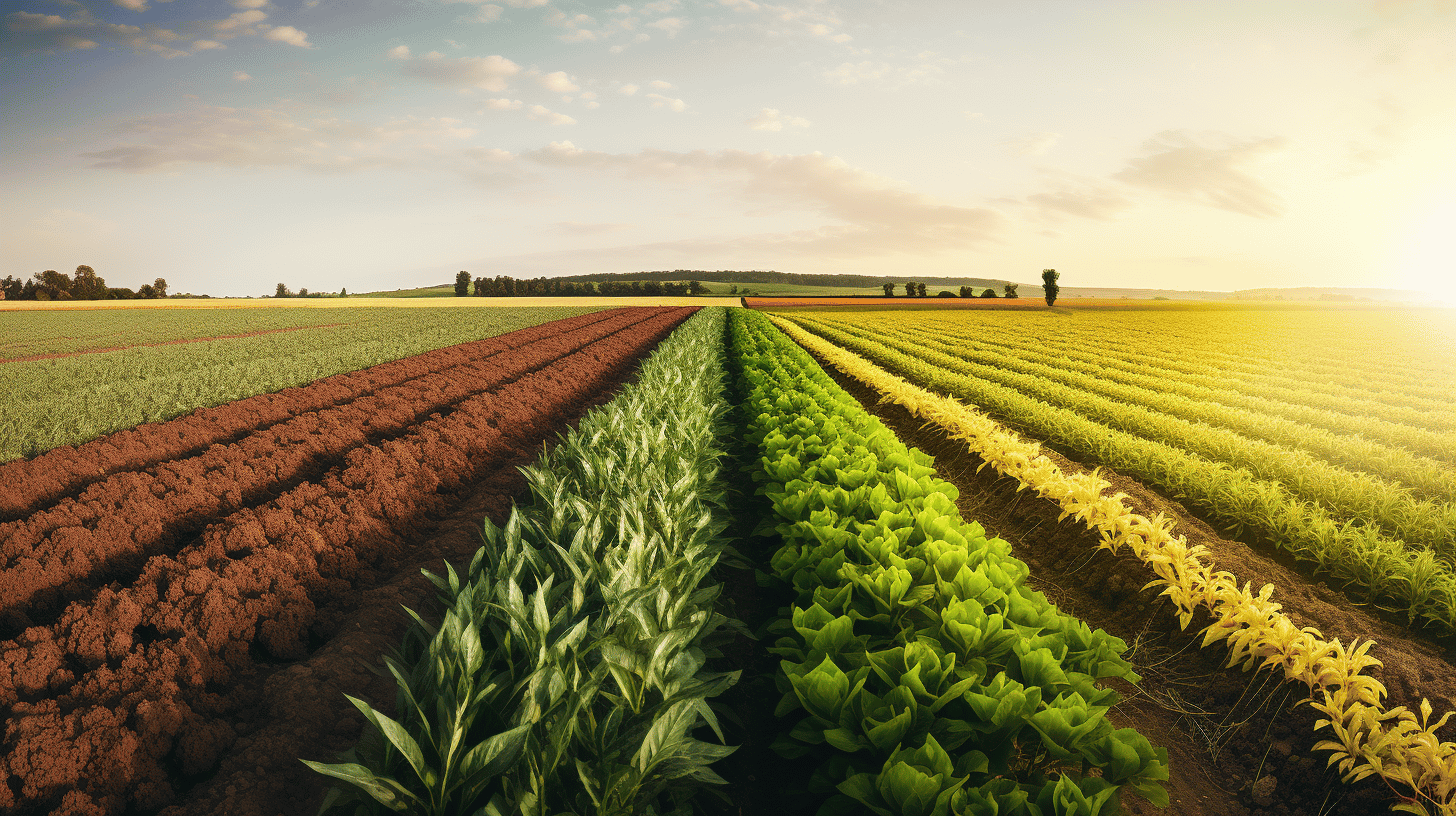
Regenerative agriculture has emerged as a sustainable and forward-thinking approach to farming that not only nurtures the land but also benefits farmers and the environment. With the increasing awareness of the negative impacts of conventional farming practices, regenerative agriculture offers a promising solution that focuses on restoring soil health, increasing biodiversity, and improving the overall resilience of farming systems.
In this comprehensive guide, we will explore the various implications, techniques, and benefits of regenerative agriculture, as well as its economic impact and potential for job creation. We will also delve into the role of technology in supporting regenerative practices and provide valuable insights for farmers who are interested in implementing regenerative techniques on their farms.
But first, let’s try to understand the implications of regenerative agriculture and why it has gained significant attention in recent years.
Implication of Regenerative Agriculture
Regenerative agriculture, with its focus on sustainable practices and ecosystem restoration, holds immense potential for transforming the agricultural industry. The implications of adopting regenerative farming methods are far-reaching and have wide-ranging benefits for the environment, farmers, and the global food system.
Restoration of Degraded Grasslands
One of the key implications of regenerative agriculture is the restoration of degraded grasslands. According to data, approximately 70% of the earth’s grasslands have suffered from degradation due to conventional agricultural practices[^1^]. However, regenerative farming offers a solution to this issue by promoting biodiversity, soil health, and nutrient cycling.
Through practices such as cover cropping, rotational grazing, and reduced tillage, regenerative agriculture helps rebuild the organic matter content of the soil and improve its structure. This, in turn, restores the health and vitality of degraded grasslands, enhancing their productivity and resilience to climate change.
Profitability of Regenerative Farming
Contrary to common belief, regenerative farming practices can also lead to increased profitability for farmers. Research has shown that after a six-year period, regenerative farming systems can be up to 60% more profitable compared to conventional farming methods[^2^]. This is primarily due to reduced input costs, improved soil fertility, and increased crop yields.
By adopting regenerative practices, such as agroforestry, diversified crop rotations, and integrated pest management, farmers can minimize their reliance on expensive synthetic inputs and synthetic fertilizers. This not only reduces production costs but also improves the overall financial viability of farming operations.
Current Market and Future Projections
The global regenerative agriculture market is currently experiencing significant growth and is estimated to be worth $8.7 billion in 2022[^3^]. The market is projected to reach $16.8 billion by the end of 2027, reflecting a compound annual growth rate of over 9%. This growth is driven by increasing consumer demand for sustainable and ethically produced food, as well as government initiatives supporting regenerative farming practices.
As consumers become more aware of the environmental impact of conventional agriculture, there is a growing preference for products that are produced using regenerative techniques. This trend is driving the demand for regeneratively grown food products, creating new market opportunities for farmers who embrace these practices.
Carbon Sequestration Potential
Perhaps one of the most significant implications of regenerative agriculture is its ability to sequester carbon from the atmosphere. Research suggests that shifting to regenerative farming practices has the potential to sequester more than 100% of the current annual CO2 emissions[^4^]. This is achieved through the increased biomass production and carbon storage in the soil.
By sequestering carbon in the soil, regenerative agriculture not only helps mitigate climate change but also enhances soil health and resilience. Carbon sequestration also has the potential to create additional revenue streams for farmers through carbon credit markets, further incentivizing the adoption of regenerative practices.
In conclusion, regenerative agriculture offers a promising pathway towards sustainable and resilient food systems. Its implications range from restoring degraded grasslands and improving farmer profitability to addressing climate change through carbon sequestration. As the market for regenerative products continues to grow, investing in and promoting regenerative farming practices is both environmentally and economically beneficial.
[^1^]: One-third of the earth’s surface is grassland, 70% of which has degraded due to conventional agriculture.
[^2^]: Regenerative farming is up to 60% more profitable after six years (Climate Farmers).
[^3^]: The global regenerative agriculture market is estimated to be worth $8.7B in 2022 and projected to reach $16.8B by the end of 2027.
[^4^]: Research suggests that switching to regenerative farming practices can sequester more than 100% of current annual CO2 emissions.
Techniques and Benefits of Regenerative Agriculture
Regenerative agriculture is a holistic approach to farming that focuses on rebuilding soil health, increasing biodiversity, and promoting sustainability. By implementing regenerative techniques, farmers can enhance the long-term productivity and resilience of their land, while also contributing to climate change mitigation. This article will explore some key techniques used in regenerative agriculture and the benefits they offer.
Rebuilding Soil Health
One of the fundamental principles of regenerative agriculture is to prioritize soil health. Healthy soil is the foundation of a productive and sustainable farm system. To rebuild soil health, regenerative farmers employ various practices, including:
- Cover cropping: Planting cover crops such as legumes and grasses between cash crops helps protect the soil from erosion, improves water infiltration, and enhances nutrient cycling.
- No-till farming: By avoiding traditional tillage practices, regenerative farmers reduce soil disturbance, preserve soil structure, and enhance organic matter accumulation.
- Crop rotation: Rotating crops on a seasonal basis helps break pest and disease cycles, reduces the buildup of soil-borne pathogens, and promotes nutrient diversity.
Increasing Biodiversity
Regenerative agriculture emphasizes the importance of biodiversity on the farm, recognizing that a diverse ecosystem leads to increased resilience and productivity. Farmers practicing regenerative agriculture utilize techniques such as:
- Hedgerows and buffer zones: Planting native trees, shrubs, and grasses in and around the farm provides habitat for beneficial insects, birds, and other wildlife. These natural predators help control pests and contribute to a balanced ecosystem.
- Polyculture: Growing a variety of crops in the same field promotes biodiversity and decreases the risk of pest and disease outbreaks. It also improves soil fertility as different crops have different nutrient requirements.
Holistic Farming Approaches
Regenerative agriculture takes a holistic approach by considering the farm as a whole ecosystem. Rather than focusing on individual crops or livestock, regenerative farmers aim to create a symbiotic relationship between different elements of the farm. This includes:
- Integrating livestock: Grazing animals on the farm can help manage vegetation, recycle nutrients, and improve soil structure through their grazing and manure deposition.
- Agroforestry: Incorporating trees into agricultural systems provides multiple benefits, such as erosion control, carbon sequestration, and diversified income streams.
Decreased Use of Fertilizers and Pesticides
Regenerative agriculture promotes natural nutrient cycling and pest management, reducing farmers’ reliance on synthetic fertilizers and pesticides. By implementing the following practices, farmers have successfully decreased their use of chemical inputs:
- Composting and manure management: Turning organic waste into nutrient-rich compost contributes to soil fertility and reduces the need for synthetic fertilizers.
- Integrated Pest Management (IPM): By using a combination of methods like biological control, crop rotation, and trap crops, regenerative farmers can manage pests and diseases without heavy reliance on pesticides.
Increased Pest Resistance
Studies have shown that regenerative fields have fewer pest problems compared to conventionally managed farms. The enhanced biodiversity, beneficial insect populations, and healthier plants in regenerative systems create an environment that is more resistant to pest outbreaks.
Increase in Yields
Contrary to the misconception that regenerative agriculture leads to lower yields, many studies have shown that properly implemented regenerative practices can actually increase crop yields over time. This is due to the improved soil health, increased nutrient availability, and reduced pests and diseases.
Overall, regenerative agriculture offers a range of benefits, both for the environment and for the farmers themselves. By implementing these techniques, farmers can rebuild soil health, increase biodiversity, reduce the use of chemical inputs, and ultimately achieve more sustainable and productive farming systems.
Economic Impact and Job Creation
Regenerative agriculture is not only beneficial for the environment but also has a significant economic impact. By adopting regenerative practices, farmers can create jobs and generate higher profits. Let’s delve into the economic benefits of regenerative agriculture, specifically focusing on job creation and profitability.
Job Creation
Regenerative agriculture has the potential to create more jobs than conventional agricultural practices. According to a study, regenerative agriculture creates 21% more jobs than traditional agriculture methods[1]. This is attributed to the labor-intensive nature of regenerative practices, such as cover cropping, composting, and crop rotation. Unlike conventional agriculture that relies heavily on machinery and chemical inputs, regenerative agriculture requires more human labor.
By adopting regenerative practices, farmers can employ more people to carry out various tasks, including soil preparation, planting, managing cover crops, and implementing holistic grazing systems. These additional job opportunities can have a positive impact on rural communities, providing income and stability to local economies.
Profitability
While regenerative fields may yield lower grain production compared to conventional corn fields, they have been found to be significantly more profitable. Studies reveal that regenerative fields can have 29% lower grain production, but enjoy a staggering 78% higher profit margin compared to traditional corn fields[1].
The profitability of regenerative agriculture stems from multiple factors. First, regenerative farming practices minimize input costs by reducing dependence on synthetic fertilizers and pesticides. This translates into lower production costs and increased profit margins.
Second, regenerative practices enhance soil health and fertility over time. Healthy soils are more resilient to extreme weather conditions, reducing the risk of crop failure. Additionally, healthier soils require less irrigation, further reducing water consumption and associated costs. These factors contribute to increased profitability for farmers practicing regenerative agriculture.
In summary, regenerative agriculture not only provides environmental benefits but also has a positive economic impact. By creating more jobs and generating higher profits, this sustainable approach to farming strengthens local economies and supports the livelihoods of farming communities.
Did you know? Regenerative agriculture creates 21% more jobs than conventional agriculture and regenerative fields yield 29% lower grain production but have 78% higher profits than traditional corn fields[1].
[1]: Source
Regenerative Agriculture and Technology
Regenerative agriculture is gaining recognition as a sustainable farming practice that promotes soil health, biodiversity, and carbon sequestration. However, convincing people of its value and potential impact can be challenging. This is where technology comes into play, offering powerful tools to monitor and optimize regenerative practices. In particular, remote sensing and crop modeling have emerged as key technologies in this field.
Remote Sensing
Remote sensing refers to the use of satellites, drones, and sensors to collect data about the Earth’s surface. In the context of regenerative agriculture, remote sensing enables farmers and researchers to:
- Assess vegetation health: Remote sensing allows for the monitoring of crop growth, detecting stress factors, and identifying potential disease outbreaks or nutrient deficiencies.
- Evaluate soil moisture: By analyzing the reflectance of light from the soil, remote sensing can provide insights into soil moisture levels, enabling farmers to make informed irrigation decisions.
- Monitor land cover changes: Remote sensing helps identify the conversion of land from conventional to regenerative agriculture, providing evidence of the transformation’s impact on the environment.
In essence, remote sensing provides valuable information on the health and dynamics of agricultural landscapes, empowering farmers to make data-driven decisions and monitor the progress and impact of their regenerative practices.
Crop Modeling
Crop modeling, on the other hand, involves the use of computer algorithms and mathematical equations to simulate and predict crop growth, yield, and environmental interactions. By integrating various data inputs, including weather patterns, soil characteristics, and management practices, crop models can:
- Optimize inputs: Through simulations, farmers can determine the optimal timing and amount of irrigation, fertilizers, and other resources needed to maximize crop productivity while minimizing environmental impacts.
- Evaluate climate change impacts: Crop models can help farmers understand the potential effects of climate change on crop performance, allowing them to adapt and implement mitigation strategies.
- Assess economic viability: By assessing different scenarios and management strategies, crop modeling can help farmers estimate the economic feasibility of shifting to regenerative agriculture practices.
With the ability to simulate and predict crop performance, crop modeling provides farmers with valuable insights to improve productivity and make informed decisions that align with regenerative principles.
Technology, such as remote sensing and crop modeling, plays a vital role in convincing people of the value of regenerative agriculture. These tools provide tangible evidence of the benefits of regenerative practices and help overcome skepticism by demonstrating the positive impact on soil health, biodiversity, and resource management. By combining the knowledge of regenerative agriculture with cutting-edge technology, farmers can chart a sustainable path towards a greener and more resilient future.
Insights for Farmers
Welcome to our comprehensive guide on regenerative agriculture techniques! Here, we will explore various principles and practices that farmers can adopt to enhance their farming systems. By implementing these techniques, farmers can improve soil health, increase biodiversity, and promote sustainable farming practices.
Cover Cropping
One of the key practices in regenerative agriculture is cover cropping. This involves planting a variety of cover crops during the off-season or in between cash crops. The benefits of cover cropping include:
- Preventing soil erosion by improving soil structure and stability.
- Providing organic matter to the soil, which enhances nutrient availability and water retention.
- Suppressing weeds, reducing the need for herbicides.
- Attracting beneficial insects and pollinators, promoting biodiversity on the farm.
- Breaking pest and disease cycles, reducing the need for pesticides.
Crop Rotation
Crop rotation is another crucial technique in regenerative agriculture. It involves alternating the types of crops grown in a particular area over a set period of time. Some benefits of crop rotation include:
- Breaking pest and disease cycles, as different crops attract different pests and diseases.
- Balancing nutrient uptake and reducing the risk of nutrient depletion, as different crops have varying nutrient requirements.
- Improving soil structure and fertility by enhancing microbial diversity and nutrient cycling.
- Reducing reliance on synthetic fertilizers and pesticides, leading to cost savings and environmental benefits.
Reduced Tillage
Reduced tillage, also known as conservation tillage, involves minimizing the disturbance of the soil during planting and cultivation. This technique offers several advantages:
- Preserving soil structure and preventing erosion by leaving crop residues on the soil surface.
- Retaining soil moisture, which is particularly beneficial in areas with limited water resources.
- Promoting the development of a healthy soil microbiome, crucial for nutrient cycling and plant health.
- Reducing fuel consumption and greenhouse gas emissions associated with tillage operations.
Adaptive Management
Regenerative agriculture encourages farmers to embrace adaptive management practices. This involves continuously assessing and adjusting farming practices based on observed outcomes and feedback from the land. By adopting adaptive management, farmers can:
- Tailor their practices to the specific needs and conditions of their farm.
- Improve resource efficiency and optimize productivity.
- Continuously learn and innovate, fostering resilience in the face of environmental challenges.
- Promote long-term sustainability and profitability.
No-till Farming
No-till farming is a technique that eliminates plowing altogether, leaving the soil undisturbed. Benefits of no-till farming include:
- Maintaining soil structure and reducing erosion by leaving crop residues on the surface.
- Conserving soil moisture, enhancing water infiltration, and reducing water runoff.
- Increasing soil organic matter content, supporting nutrient availability, and carbon sequestration.
- Reducing labor and machinery costs associated with tillage operations.
Increased Crop Diversity
Lastly, increasing crop diversity is a fundamental aspect of regenerative agriculture. Planting a wide range of crops offers several advantages:
- Enhancing biodiversity by providing habitat and food sources for diverse species.
- Improving resilience to pests and diseases, as diverse cropping systems are less susceptible to outbreaks.
- Enhancing soil health and nutrient cycling, as different crops have different nutrient requirements.
- Expanding market opportunities by offering a wider range of products.
By adopting these regenerative agriculture techniques, farmers can cultivate healthier soils, promote biodiversity, and develop more sustainable farming systems. Incorporating these practices not only benefits the environment but also contributes to long-term profitability and resilience on the farm.
Remember, sustainable agriculture is a journey of continuous learning and improvement. We hope that this guide provides you with valuable insights and serves as a resource for your regenerative farming journey. Happy farming!
Conclusion
In conclusion, regenerative agriculture is not just a passing trend but a powerful solution to many of the challenges faced by modern farmers. By implementing regenerative practices, farmers can restore degraded lands, increase profitability, and contribute to carbon sequestration. Through techniques such as rebuilding soil health, increasing biodiversity, and adopting holistic farming approaches, farmers can enhance their yields while reducing the need for fertilizers and pesticides. The economic impact of regenerative agriculture is undeniable, leading to job creation and improved profitability. Additionally, advancements in technology, such as remote sensing and crop modeling, are further aiding farmers in optimizing their regenerative practices.
As we wrap up this comprehensive guide, we invite you to explore the world of regenerative agriculture on Regenerative Agriculture Wiki. Our platform is dedicated to providing you with extensive content, insights, and practical tips to help you embark on your regenerative journey. Join us in fostering a future where agriculture and ecology thrive in harmony by adopting sustainable and regenerative farming practices. Together, we can make a positive impact on the environment and ensure a more secure and sustainable food system for generations to come.
Discover the potential of regenerative agriculture on Regenerative Agriculture Wiki and learn how you can contribute to a sustainable future. Join our community of enthusiastic farmers, environmentalists, and food enthusiasts as we explore the benefits of regenerative farming practices.
Frequently Asked Questions
- What is regenerative agriculture?
Regenerative agriculture is a farming practice that focuses on improving soil health, biodiversity, and ecosystem services. It aims to restore degraded land, enhance nutrient cycling, capture carbon, and promote sustainable and resilient farming systems.
- What are some common regenerative agriculture techniques?
Common regenerative agriculture techniques include cover cropping, crop rotation, agroforestry, conservation tillage, composting, holistic planned grazing, and integrating livestock into cropping systems.
- What are the benefits of practicing regenerative agriculture?
Practicing regenerative agriculture yields numerous benefits, including improved soil fertility and water retention, increased yield and crop resilience, reduced soil erosion and nutrient runoff, enhanced biodiversity, and lower greenhouse gas emissions.
- How can regenerative agriculture help combat climate change?
Regenerative agriculture helps combat climate change by sequestering carbon in the soil, reducing the need for synthetic fertilizers and chemicals, promoting natural resource conservation, and enhancing the overall resilience of agricultural ecosystems.
- Are there any grants or financial incentives available for farmers practicing regenerative agriculture?
Yes, there are various grants, subsidies, and financial incentives available for farmers practicing regenerative agriculture. These programs aim to support sustainable farming practices, promote environmental stewardship, and reward farmers for their efforts in adopting regenerative techniques.