Sustainable farming has become a buzzword in the agricultural industry, with more and more farmers recognizing the need to prioritize the health of both the planet and its people. In a world grappling with environmental challenges, economic fluctuations, and social issues, sustainable farming offers a glimmer of hope for a more resilient and sustainable future.
This article aims to delve into the fascinating world of sustainable farming, exploring its definition, significance, and the key principles that underpin its practices. We will also examine the current challenges faced by sustainable farmers, the emerging trends that are revolutionizing the industry, and the cutting-edge strategies farmers can implement to supercharge their sustainable farming efforts.
If you’ve ever wondered about the future of agriculture or how to make your farm more resilient and successful while minimizing its impact on the environment, then this article is for you. So, let’s embark on this journey together and discover the transformative potential of sustainable farming.
Understanding Sustainable Farming
Sustainable farming is an essential practice that plays a significant role in promoting environmental stewardship, preserving natural resources, and ensuring the long-term viability of our food systems. With the increasing global population and growing concerns about climate change, sustainable farming has become more crucial than ever before.
Definition and Importance
Sustainable farming, also known as sustainable agriculture, refers to a set of farming practices that prioritize the protection of the environment, social responsibility, and economic viability. It aims to produce food in a way that minimizes negative impacts on ecosystems, conserves natural resources, and maintains the well-being of farmers and communities.
The importance of sustainable farming cannot be overstated. Here are a few key reasons why it matters:
- Environmental Conservation: Sustainable farming practices help mitigate the negative impacts of traditional agricultural methods on the environment. By reducing the use of synthetic pesticides and fertilizers, practicing water conservation, and promoting biodiversity, sustainable farming helps protect our ecosystems and wildlife.
- Preservation of Natural Resources: Sustainable farming focuses on conserving natural resources such as soil, water, and energy. By implementing soil conservation techniques, efficient irrigation systems, and renewable energy sources, sustainable farmers ensure the long-term availability of these resources for future generations.
- Climate Change Mitigation: Sustainable farming plays a crucial role in combating climate change. Practices like agroforestry, cover cropping, and rotational grazing help sequester carbon from the atmosphere, minimizing greenhouse gas emissions and promoting carbon-neutral or even carbon-negative agriculture.
- Improved Food Safety and Quality: Sustainable farming practices prioritize the use of organic and natural methods, resulting in healthier, chemical-free food. By avoiding the use of synthetic inputs, sustainable farmers produce crops and livestock that are free from harmful residues, pesticides, and contaminants.
Key Principles of Sustainable Agriculture
To achieve sustainable farming, several key principles guide the implementation of these practices. These principles include:
- Crop Rotation: Crop rotation involves growing different crops in a planned sequence on the same land, which helps prevent the buildup of pests and diseases while improving soil health and fertility.
- Integrating Livestock: Integrating livestock into farming systems helps recycle nutrients, enhance soil fertility, and reduce the need for synthetic fertilizers. Livestock grazing on pasture also promotes biodiversity and improves animal welfare.
- Conservation Tillage: Conservation tillage techniques aim to reduce soil erosion and improve soil structure by minimizing the disturbance of the soil during planting and cultivation. This technique helps retain moisture, enhance nutrient cycling, and protect soil health.
- Water Management: Sustainable farming promotes water conservation through the use of efficient irrigation systems, rainwater harvesting, and proper water storage. By managing water resources responsibly, farmers can minimize water waste and preserve this precious resource.
In conclusion, sustainable farming is a holistic approach to agriculture that considers the long-term impacts on the environment, natural resources, and communities. By implementing key principles and practices, farmers can cultivate food in a way that ensures the sustainability of our planet for generations to come.
Current Challenges in Sustainable Farming
Sustainable farming is a practice that aims to meet the rising demand for food while minimizing the impact on the environment and preserving natural resources for future generations. However, in this pursuit of sustainability, farmers face various challenges that can hinder their efforts. In this article, we will explore some of the current challenges in sustainable farming and the potential solutions.
Environmental Issues
One of the primary challenges in sustainable farming is the environmental impact of agricultural practices. Traditional farming methods often result in soil degradation, water pollution, and deforestation, which can have long-lasting effects on ecosystem health. Here are some key environmental challenges faced by farmers:
- Soil erosion: Improper land management practices, such as over-tilling and lack of cover crops, can lead to soil erosion. This not only diminishes soil fertility but also contributes to sediment runoff and water pollution.
- Water scarcity: With growing populations and changing climate patterns, water scarcity has become a significant concern for farmers. Sustainable farming practices must find ways to conserve water and use it efficiently.
- Biodiversity loss: Monocropping, the practice of cultivating a single crop over a large area, can have detrimental effects on biodiversity. It reduces habitat diversity, increases the risk of pest outbreaks, and decreases natural pollinators’ populations.
To address these challenges, sustainable farming practices focus on techniques like conservation tillage, crop rotation, and agroforestry. These methods help reduce soil erosion, conserve water, and enhance biodiversity on farms.
Technological Constraints
Another challenge faced by farmers in sustainable agriculture is the lack of access to appropriate technologies. Advancements in technology have the potential to improve agricultural practices, increase efficiency, and reduce environmental impacts. However, several technological constraints hinder the adoption of these advancements:
- Cost of technology: Many sustainable farming technologies, such as precision agriculture tools and smart irrigation systems, can be expensive to implement. This cost can be prohibitive for small-scale farmers, making it difficult for them to adopt sustainable practices.
- Education and training: The proper use of technology requires education and training. Unfortunately, many farmers, especially those in developing regions, lack access to the necessary resources and training opportunities to fully utilize technological advancements.
To overcome these constraints, governments, non-profit organizations, and agricultural research institutions need to invest in research and development of affordable and user-friendly technologies. Supporting farmers with training programs and subsidies can also encourage the adoption of sustainable farming practices.
Economic Factors
Sustainable farming practices often require initial investments and may involve additional costs compared to conventional farming methods. This poses an economic challenge for farmers, especially those operating on small margins. Some key economic factors hindering sustainable farming include:
- Market demand and pricing: Farmers may face challenges finding markets that value sustainably produced goods and are willing to pay a premium for them. Without sufficient demand or fair pricing, farmers may struggle to make their sustainable farming endeavors economically viable.
- Access to financing: Access to capital and financing options can be limited, especially for small-scale farmers who lack collateral or credit history. This limits their ability to invest in sustainable farming practices.
To address these economic challenges, initiatives such as farmer-to-consumer direct markets, local food campaigns, and government support programs can help create a demand for sustainably produced goods and provide farmers with the financial resources they need.
Social Challenges
Sustainable farming requires collaboration among farmers, consumers, policymakers, and other stakeholders to bring about meaningful change. However, there are several social challenges that need to be addressed:
- Awareness and education: Many consumers are unaware of the environmental and social benefits of sustainably produced food. Raising awareness and educating consumers about the importance of sustainable farming can help drive demand for such products.
- Policy and regulations: The lack of supportive policies and regulations can make it difficult for farmers to transition to sustainable farming practices. Governments need to develop and implement policies that incentivize and support sustainable agriculture.
- Community involvement: Building strong connections and collaborations within the farming community and with local organizations can help overcome social barriers and create a supportive network for sustainable farmers.
By addressing these social challenges, we can create a more sustainable future for agriculture that benefits both farmers and the environment.
In conclusion, sustainable farming faces various challenges that require collective efforts and innovative solutions. By addressing environmental issues, technological constraints, economic factors, and social challenges, we can pave the way for a more sustainable and resilient agricultural system. The key lies in promoting awareness, implementing supportive policies, investing in technology, and creating market demand for sustainably produced goods. It is through these collective actions that we can build a better future for sustainable farming.
Emerging Trends in Sustainable Farming
Sustainable farming is gaining momentum worldwide as farmers and policymakers recognize the need to protect the environment while meeting the ever-increasing demand for food. As a result, new and innovative practices are emerging to enhance productivity while minimizing negative impacts on the planet. In this article, we will explore four of the most promising trends in sustainable farming: precision farming, vertical farming, agroecology, and organic farming.
Precision Farming
Precision farming utilizes advanced technologies to optimize crop production while reducing resource wastage. This approach involves collecting data from various sources such as soil sensors, satellite imagery, and weather forecasts to make informed decisions about planting, fertilization, irrigation, and pest control. By carefully analyzing these data points, farmers can apply inputs precisely where they are needed, improving yields, and minimizing environmental harm.
Some key advantages of precision farming include:
- Increased efficiency: By using data-driven insights, farmers can precisely allocate resources, resulting in higher crop yields and reduced input costs.
- Environmental sustainability: Precision farming helps minimize the use of chemicals, water, and energy, reducing the overall negative impact on ecosystems.
- Improved profitability: By optimizing resource usage and reducing wastage, farmers can improve their economic viability and long-term sustainability.
Vertical Farming
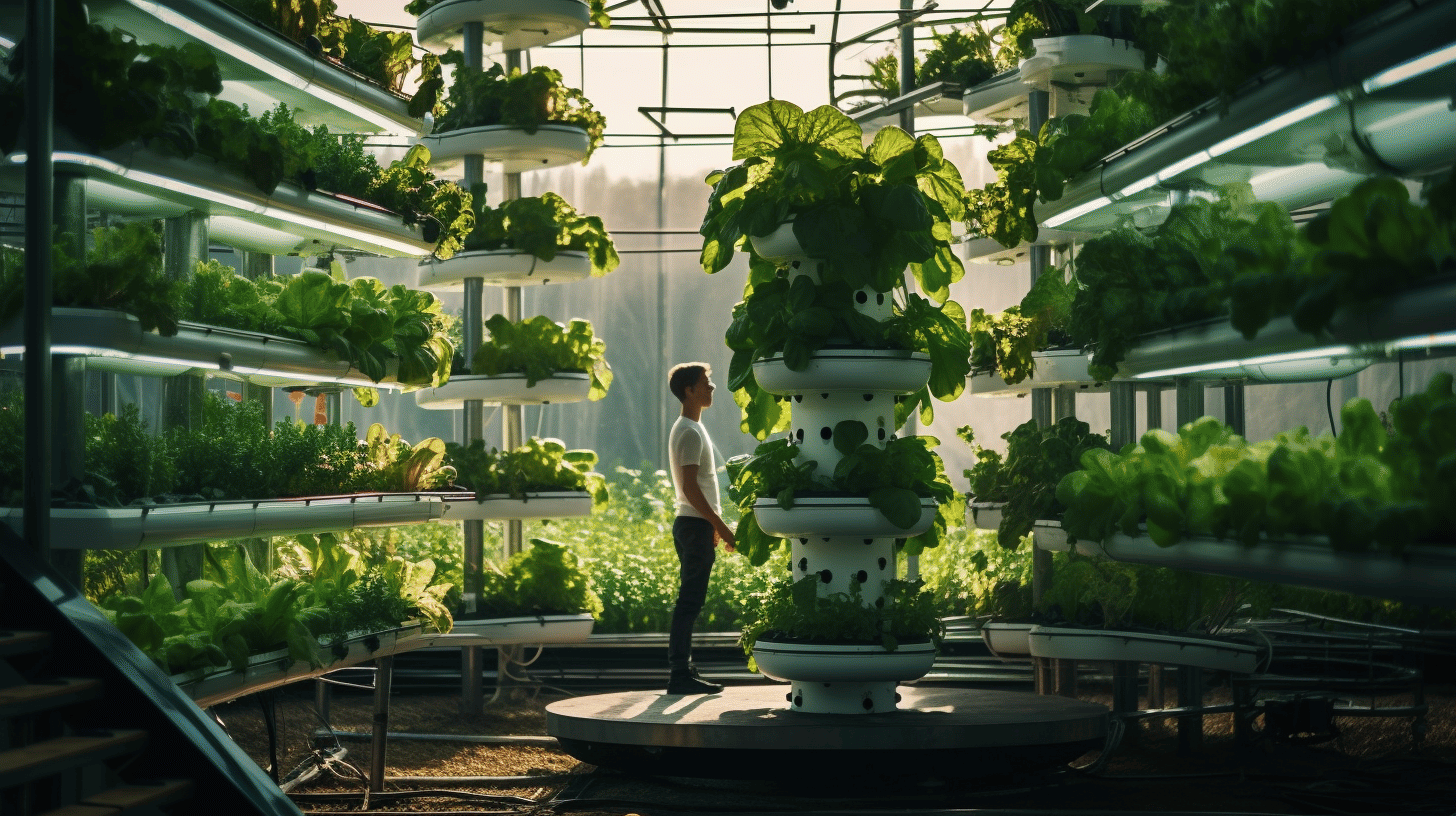
In densely populated urban areas or regions with limited arable land, vertical farming offers a sustainable solution to grow crops vertically in stacked layers. These controlled environment systems utilize artificial lighting, hydroponics, and aeroponics to provide plants with the required light, nutrients, and water. Vertical farming minimizes the need for pesticides and herbicides, and its efficient use of resources such as water and space makes it an attractive option for sustainable agriculture.
Key benefits of vertical farming include:
- Year-round production: Vertical farms can operate year-round, unaffected by seasonal changes or adverse weather conditions. This continuous production capability helps meet the growing demand for fresh, locally sourced produce.
- Reduced transportation: By locating vertical farms within or near urban areas, the need for long-distance transport is minimized, reducing carbon emissions associated with food transportation.
- Maximized land utilization: Vertical farms take up less space than traditional farms, allowing the cultivation of crops in otherwise non-arable areas, such as abandoned warehouses or urban rooftops.
Agroecology
Agroecology is an approach that seeks to mimic natural ecosystems and their processes in agricultural systems. By promoting biodiversity, enhancing soil health, and minimizing external inputs, agroecology focuses on creating resilient and sustainable farming practices. This philosophy recognizes the interdependence of ecosystems and encourages farmers to work with nature rather than against it.
Some key features of agroecology include:
- Biodiversity conservation: Agroecological practices encourage the presence of diverse plant and animal species, which contribute to pest control, pollination, and soil fertility.
- Soil health restoration: By promoting organic matter, reducing tillage, and employing cover crops, agroecology builds healthy soils that can retain water, sequester carbon, and support robust plant growth.
- Community engagement: Agroecology fosters collaboration between farmers, researchers, and local communities to develop context-specific solutions and knowledge-sharing networks.
Organic Farming
Organic farming is a well-established sustainable farming method that avoids the use of synthetic fertilizers, pesticides, and genetically modified organisms (GMOs). Instead, organic farmers rely on natural inputs and practices to maintain soil fertility, control pests, and ensure the welfare of livestock. Organic certification ensures compliance with specific standards, giving consumers confidence in the production methods used.
Benefits of organic farming include:
- Healthier ecosystems: Organic farming practices prioritize biodiversity, promote soil health, and reduce chemical use, resulting in healthier ecosystems and reduced pollution.
- Sustainable resource management: Organic farming methods aim to minimize resource consumption, reduce water pollution, and conserve energy, contributing to long-term sustainability.
- Consumer demand: The growing consumer interest in organic products presents market opportunities for farmers who adopt these practices.
As the world faces the challenges of climate change, diminishing resources, and population growth, these emerging trends in sustainable farming offer practical solutions to improve agricultural practices. By implementing precision farming techniques, vertical farming systems, agroecological approaches, and organic farming methods, farmers can contribute to a more sustainable and resilient food system for generations to come.
Broadening Your Sustainable Farming with Cutting-Edge Strategies
Leveraging New Technologies
Sustainable farming is an ever-evolving field, constantly seeking innovative solutions to increase productivity while minimizing environmental impact. One of the key ways to broaden your sustainable farming practices is by leveraging new technologies. These cutting-edge tools and systems have the potential to revolutionize the way you approach farming, allowing you to achieve higher yields, reduce waste, and conserve resources. Here are a few technologies that every forward-thinking farmer should consider incorporating into their operations:
- Precision Agriculture: Using advanced sensors, drones, and satellite imagery, precision agriculture allows farmers to gather real-time data on soil conditions, crop health, and yield potential. This information can then be used to make informed decisions regarding planting, fertilization, irrigation, and pest control, optimizing resource allocation and maximizing crop yields.
- Vertical Farming: Vertical farming involves growing crops in vertically stacked layers, often in indoor environments. By utilizing techniques such as hydroponics and aeroponics, vertical farms can produce crops with significantly less water, fertilizers, and pesticides compared to traditional farming methods. These scalable systems are highly efficient, making it possible to grow food in urban areas and reduce reliance on long-distance transportation.
- Robotics and Automation: Robotics and automation are revolutionizing farming by taking over time-consuming and labor-intensive tasks. From autonomous tractors for precision planting and harvesting to robotic weeders that can precisely identify and remove weeds without the need for herbicides, these technologies can help reduce labor costs, increase efficiency, and minimize environmental impact.
By embracing these new technologies, farmers can optimize their operations, increase their competitiveness, and reduce their ecological footprint. However, it’s important to carefully evaluate the costs, benefits, and compatibility of these technologies with your specific farming practices before implementation. With the right integration and management, these cutting-edge tools have the potential to revolutionize sustainable farming practices, helping you achieve greater profitability and environmental stewardship.
Did you know? According to a study published in Nature Sustainability, precision agriculture techniques can reduce water usage by up to 35% and increase crop yields by 20% or more.
Next up: Adopting Integrated Farming Systems
Success Stories of Sustainable Farms
Stories of Successful Implementation of Sustainable Techniques
Sustainable farming practices have gained significant momentum in recent years, as farmers and agricultural experts recognize the importance of preserving our environment and ensuring the long-term viability of food production. While implementing sustainable techniques can be a challenging task, there are numerous success stories that highlight the positive impact these practices can have on both farms and the broader ecosystem. Let’s explore some inspiring examples of farms that have successfully embraced sustainable farming methods:
-
Example Farm #1: Redwood Organic Farm
Located in the heart of California, Redwood Organic Farm is a shining example of sustainable agriculture done right. This small-scale farm is committed to organic growing practices and focuses on regenerative soil management techniques. By employing methods such as cover cropping, crop rotation, and composting, Redwood Organic Farm has not only improved soil health but has also increased crop resilience and yield.
Moreover, the farm utilizes integrated pest management strategies to minimize the use of chemical pesticides. Instead, they rely on beneficial insects, natural predators, and companion planting to control pests effectively. As a result, Redwood Organic Farm has successfully decreased pesticide usage while maintaining healthy crop growth.
-
Example Farm #2: Sunflower Sustainable Ranch
Sunflower Sustainable Ranch, located in the Midwest, has embraced holistic land management techniques to promote sustainability. This family-owned ranch practices rotational grazing to ensure the optimal use of grazing land while allowing sufficient recovery time for the pasture. By consciously managing the livestock’s movement and focusing on the health of the land, Sunflower Sustainable Ranch has restored degraded soil and increased biodiversity.
Additionally, the ranch has incorporated agroforestry practices by planting windbreaks and creating riparian buffers. These additions not only provide habitats for wildlife but also help mitigate wind erosion and water pollution. By adopting these sustainable practices, Sunflower Sustainable Ranch has achieved a balance between livestock production and environmental stewardship.
-
Example Farm #3: Coastal Organic Vineyards
Coastal Organic Vineyards, nestled along the picturesque coastlines, have demonstrated that sustainable practices can thrive even in specialized farming sectors like viticulture. This vineyard has transitioned to organic and biodynamic farming methods, eliminating the use of synthetic fertilizers and pesticides. Instead, they focus on building healthy soil through composting, cover cropping, and natural weed control methods.
Coastal Organic Vineyards also prioritize water conservation by utilizing efficient irrigation systems and implementing water-monitoring techniques. They actively manage pests and diseases through cultural practices, such as maintaining proper vine spacing and encouraging biodiversity within the vineyard. As a result, they have not only enhanced wine quality but also reduced the ecological footprint associated with conventional grape production.
These success stories demonstrate that sustainable farming practices are not only doable but also bring a range of benefits to farmers, consumers, and the environment. By adopting techniques that prioritize soil health, efficient resource management, and biodiversity conservation, these farms serve as role models for others to follow.
Remember, sustainability is an ongoing journey, and each farm’s success story serves as inspiration for others to make positive changes in their own agricultural practices. By embracing sustainable farming, we can ensure a greener, healthier future for generations to come.
Future of Sustainable Farming
Sustainable farming has become a hot topic in recent years as the world grapples with the challenges of climate change and resource depletion. Farmers and agricultural experts are continuously exploring innovative and sustainable techniques to ensure a steady supply of nutritious food while minimizing harm to the environment. The future of sustainable farming looks promising, with a range of predicted trends and techniques that show immense potential for transforming the agricultural landscape. Let’s take a closer look at what lies ahead.
Predicted Trends and Techniques
- Vertical Farming: This cutting-edge technique involves growing crops in vertically stacked layers, taking advantage of limited space in urban areas. By utilizing advanced lighting and hydroponics systems, vertical farms can produce higher yields with significantly less water and land. This vertical approach to farming is becoming increasingly popular, especially in densely populated cities where traditional farmland is limited.
- Precision Agriculture: With the help of technology such as GPS, sensors, and drones, farmers are moving towards precision agriculture. This approach involves collecting detailed data about soil conditions, weather patterns, and plant health, allowing farmers to make data-driven decisions about irrigation, fertilization, and pest control. By optimizing resource usage and reducing waste, precision agriculture has the potential to boost productivity while limiting environmental impact.
- Regenerative Farming: Regenerative farming is a holistic approach that focuses on improving soil health, biodiversity, and ecosystem function. It aims to restore and regenerate degraded lands by adopting practices like cover cropping, composting, and rotational grazing. This technique not only enhances soil fertility and water retention but also sequesters carbon from the atmosphere, mitigating the effects of climate change.
Role of Policies and Regulations
While technological advancements play a vital role in shaping the future of sustainable farming, the implementation of supportive policies and regulations is equally crucial. Governments and regulatory bodies across the globe need to prioritize sustainable farming practices by incentivizing farmers and providing financial support for the adoption of eco-friendly techniques. Key policy areas that can drive the growth of sustainable farming include:
- Subsidies and Grants: Governments can offer subsidies and grants to farmers who transition to sustainable practices. This financial support can help offset the initial costs and encourage more farmers to embrace sustainable farming methods.
- Education and Training: Investing in training programs and educational resources that promote sustainable farming techniques can empower farmers to adopt new practices. By providing access to knowledge and skills, policymakers can facilitate a smooth transition towards sustainable agriculture.
- Environmental Regulations: Strict regulations regarding the use of chemicals, pesticide residues, and agricultural waste management can help protect soil, water, and air quality. By enforcing these regulations, governments can ensure that farming practices align with sustainability standards.
Impact on Global Food Security
The future of sustainable farming has significant implications for global food security. By adopting sustainable practices, farmers can:
- Increase Resilience: Sustainable farming techniques, such as diversification of crops, can enhance the resilience of agricultural systems to climate change-induced challenges like droughts, floods, and pests. This resilience ensures a stable food supply even in the face of environmental uncertainties.
- Preserve Natural Resources: Sustainable farming practices aim to minimize water usage, reduce soil erosion, and protect biodiversity. By conserving natural resources, sustainable farming helps ensure their availability for future generations.
- Promote Healthy Diets: Sustainable farming promotes the production of nutrient-rich, organic foods. By prioritizing sustainable practices, farmers contribute to a healthier food system, reducing the risk of diet-related diseases.
In conclusion, the future of sustainable farming holds great promise. With the adoption of advanced techniques like vertical farming, precision agriculture, and regenerative farming, farmers can increase yields, protect the environment, and contribute to global food security. However, the success of these practices relies on supportive policies and regulations that incentivize farmers to transition towards sustainability. By embracing sustainable farming methods, we can create a more resilient, healthy, and sustainable future for agriculture and the planet.
Conclusion
In conclusion, sustainable farming is not just a passing trend but a necessary step towards a more resilient and environmentally friendly agricultural system. By adopting regenerative practices, farmers can improve soil health, reduce environmental impact, and enhance biodiversity. However, implementing these strategies comes with challenges, including technological limitations, economic constraints, and societal factors. Despite these obstacles, emerging trends such as precision farming, vertical farming, agroecology, and organic farming offer promising solutions.
To supercharge sustainable farming, it’s crucial to leverage new technologies, embrace integrated farming systems, invest in soil health, ensure biodiversity, and implement water conservation strategies. These cutting-edge strategies can maximize productivity while minimizing negative environmental consequences.
A notable success has been seen in various sustainable farms where innovative techniques have led to increased yields, improved ecosystem health, and positive social impacts. These success stories serve as inspiration for aspiring sustainable farmers and demonstrate the potential of regenerative agriculture.
Looking ahead, the future of sustainable farming holds exciting prospects. Predicted trends and techniques, along with supportive policies and regulations, will play a significant role in shaping the industry. Moreover, the impact of sustainable farming on global food security cannot be underestimated. As we continue to prioritize ecological stewardship and promote sustainable practices, we can build a more resilient and food-secure future.
At Regenerative Agriculture Wiki, we are dedicated to providing extensive content and resources on regenerative agriculture. Visit our website to explore the potential of sustainable farming and join us in fostering a future where agriculture and ecology thrive in harmony.
Check out our comprehensive guides and resources on regenerative agriculture here.
Frequently Asked Questions
- What are some cutting-edge sustainable farming strategies?
Some cutting-edge sustainable farming strategies include vertical farming, hydroponics, aquaponics, precision agriculture, and regenerative farming.
- What is vertical farming?
Vertical farming is the practice of growing crops in vertically stacked layers or on vertically inclined surfaces. This technique utilizes artificial lighting and controlled environments to maximize production in limited spaces.
- What is hydroponics?
Hydroponics is a soilless farming technique that involves growing plants in nutrient-rich water solutions. The plants receive the necessary nutrients directly, resulting in faster growth and higher yields.
- What is aquaponics?
Aquaponics is a combination of aquaculture (fish farming) and hydroponics. It involves growing fish and plants together in a symbiotic system, where fish waste provides the nutrients for plant growth, and the plants purify the water for the fish.
- What is regenerative farming?
Regenerative farming is an approach that focuses on improving soil health, biodiversity, and ecosystem services. It involves practices like cover cropping, crop rotation, composting, and minimizing the use of synthetic inputs.


