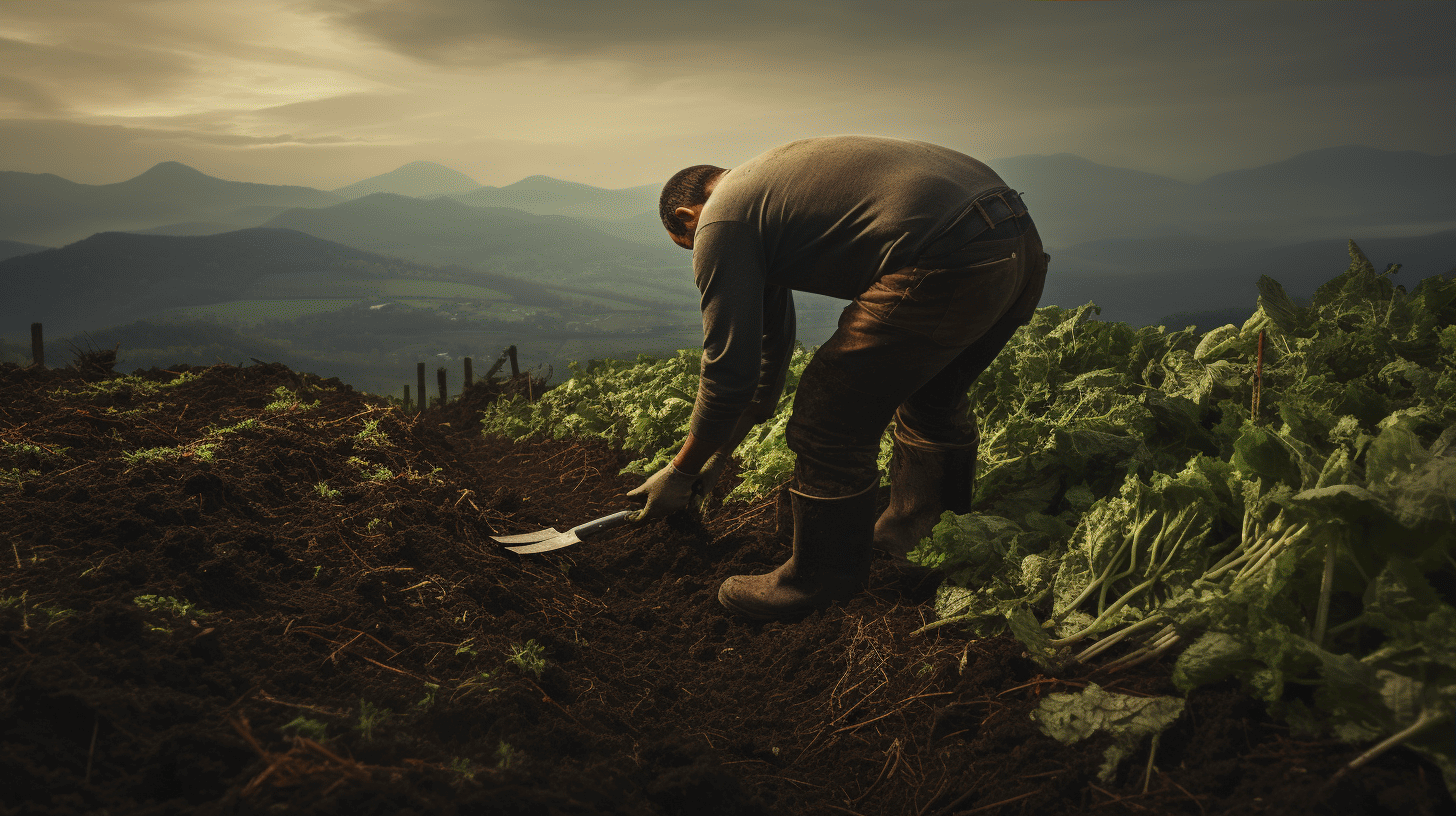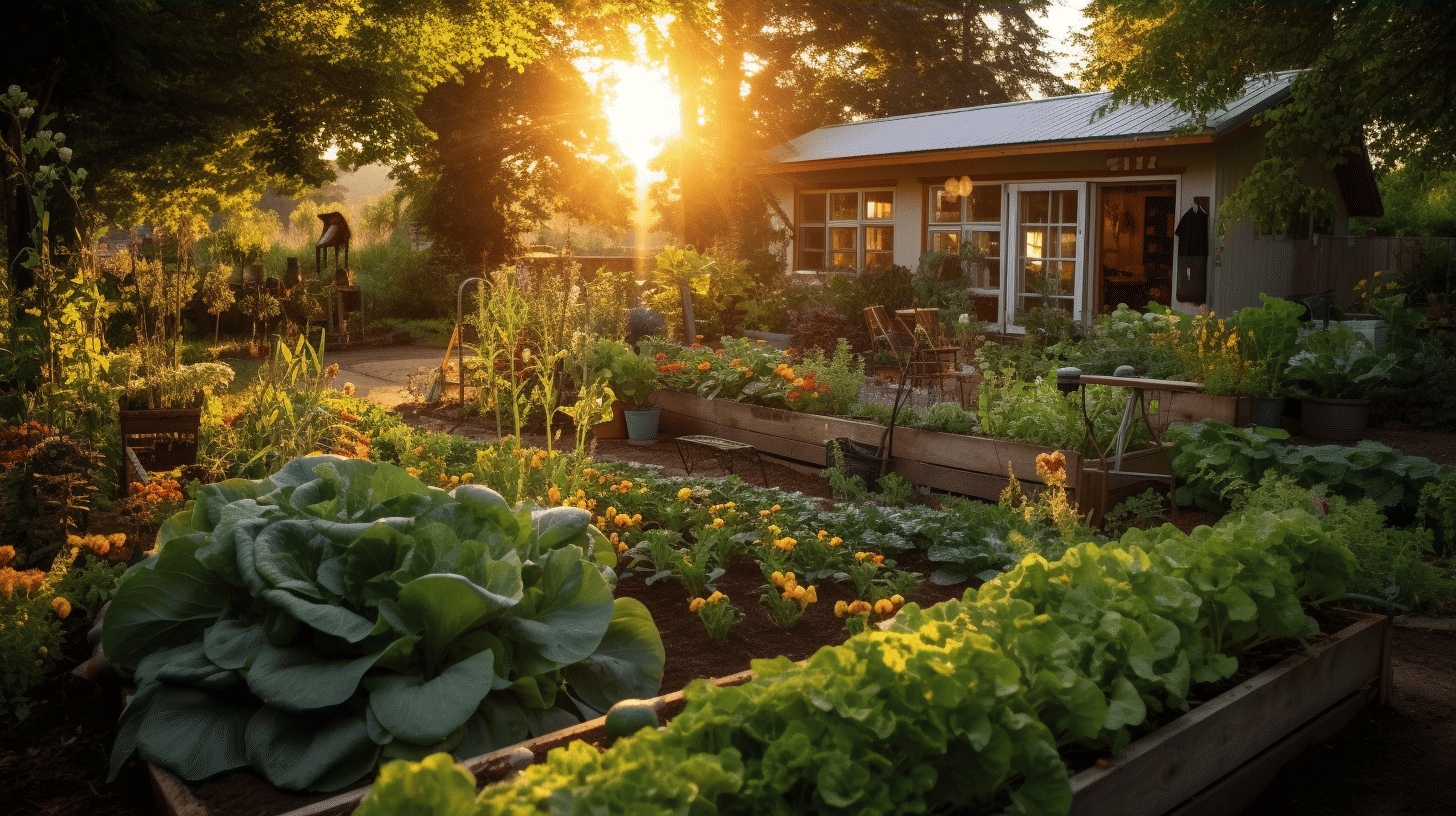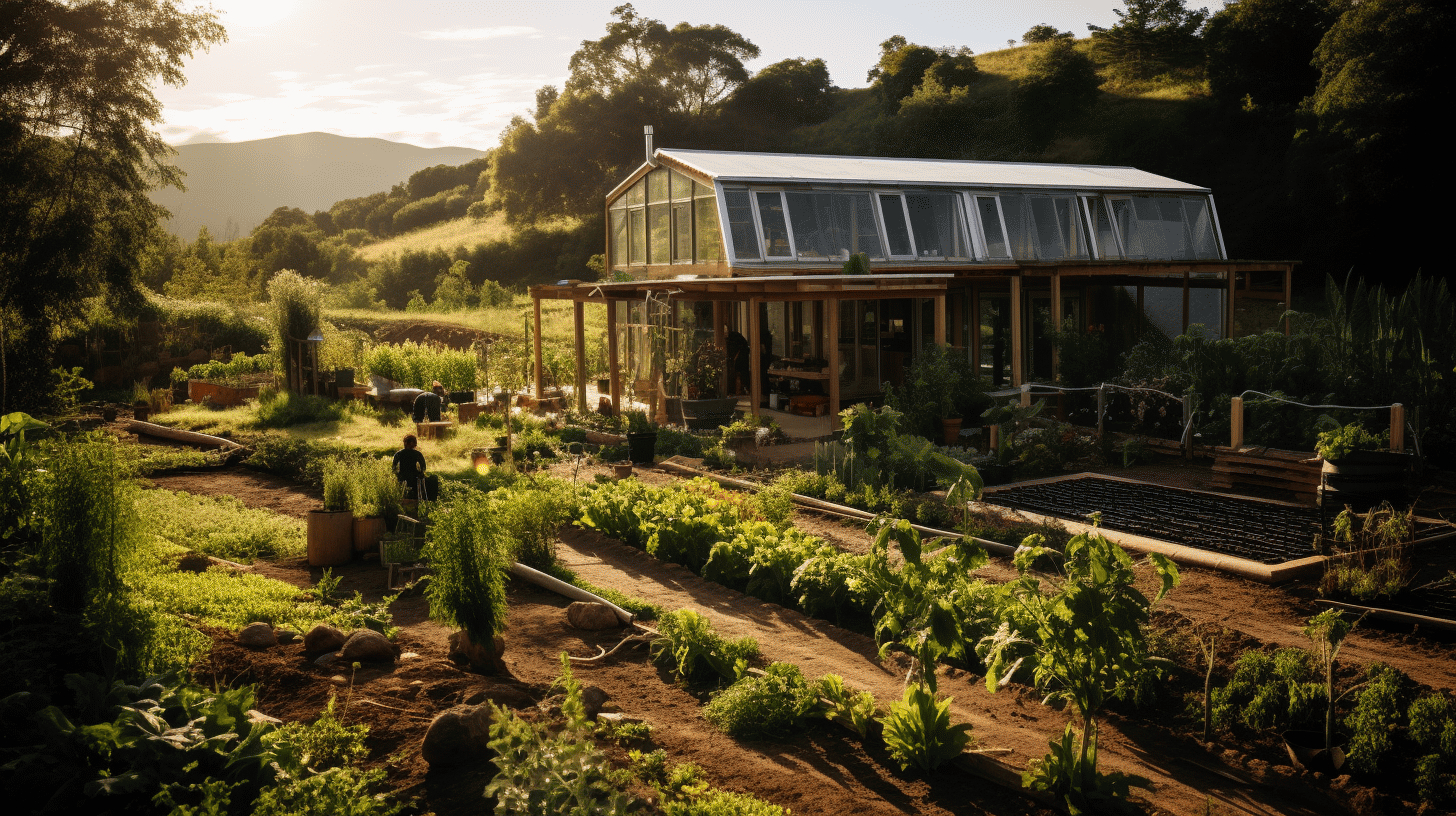
Sustainable farming has become an increasingly important topic in recent years, as we strive to find ways to cultivate the land without depleting its resources. One approach that has gained significant traction is permaculture, a holistic farming system that aims to work in harmony with nature. At the heart of permaculture is the idea of enhancing biodiversity, recognizing that a diverse ecosystem is vital for the health and resilience of our farms.
In this article, we will delve into the world of permaculture and explore the various techniques that can be employed to enhance biodiversity on sustainable farms. We will examine how practices such as agroforestry, polyculture, keyline design, hugelkultur, and companion planting can contribute to a thriving ecosystem.
So, whether you’re a seasoned farmer looking to adopt more sustainable practices or a curious individual interested in learning about innovative farming methods, this article will provide you with valuable insights into the world of permaculture and its role in enhancing biodiversity on our farms. Let’s dive in!
Understanding Permaculture
Permaculture is more than just a gardening or farming method; it’s a holistic approach to sustainable living that encompasses everything from agriculture to design and community-building. The word “permaculture” itself is a combination of “permanent” and “culture,” reflecting the goal of creating sustainable and regenerative systems that can last for generations.
At its core, permaculture is about working with nature rather than against it. It’s a framework that seeks to mimic the patterns and principles found in natural ecosystems, creating resilient and self-sustaining environments. By observing and understanding these natural systems, permaculturists aim to design solutions that meet their needs while also benefiting the Earth.
Here are some key concepts and principles that define permaculture:
1. Designing for Multiple Functions
Permaculture emphasizes the importance of designing systems that serve multiple functions. This approach maximizes efficiency and productivity while minimizing waste. For example, a tree on a permaculture farm can provide shade, produce fruit, enrich the soil with its fallen leaves, attract beneficial insects, and act as a windbreak.
2. Using Renewable Resources
Permaculture relies on the use of renewable resources whenever possible. This means prioritizing renewable energy sources like solar panels and wind turbines, using organic and sustainable materials for construction, and harnessing natural processes such as rainwater harvesting and composting.
3. Creating Biological Diversity
Biodiversity is crucial to the health and resilience of ecosystems. Permaculture seeks to encourage biodiversity by creating habitats for a variety of plants, animals, and beneficial insects. This can be achieved through planting diverse food forests, incorporating native plants, and providing nesting areas and water sources for wildlife.
4. Applying the “Produce No Waste” Principle
The “produce no waste” principle is at the heart of permaculture. Instead of discarding waste, permaculturists seek to find ways to reuse, recycle, or repurpose materials. Composting, for example, is a common practice in permaculture gardens, where organic waste is transformed into nutrient-rich soil amendments.
5. Observing and Interacting with Nature
Permaculture places great emphasis on observation and interaction with natural systems. By closely studying the patterns and processes in nature, permaculturists can make informed decisions about how to design and manage their own systems. This includes understanding the different microclimates on their land, observing wildlife behavior, and learning from the success of natural ecosystems.
Remember, permaculture is a multifaceted approach that can be applied to various areas of life, from gardening and farming to urban design and community development. It’s a way of thinking and living that aims to create a harmonious relationship between humans and the natural world.
Importance of Biodiversity in Sustainable Farming
When it comes to sustainable farming practices, biodiversity plays a vital role. Biodiversity refers to the variety of plant and animal species found within a particular ecosystem. These diverse species, from insects and birds to microorganisms and crops, interact with one another and their environment in complex ways. This intricate web of interactions supports the overall health and resilience of the ecosystem, with numerous benefits for sustainable farming.
Here are some key reasons why biodiversity is crucial in sustainable farming:
1. Pest Control
Maintaining a diverse range of plant species on a farm promotes natural pest control. Biodiversity attracts and supports beneficial insects and birds that prey on pests, reducing the need for harmful chemical pesticides. For example, ladybugs, lacewings, and hoverflies feed on aphids and other pests that can damage crops. By creating habitats that accommodate these beneficial insects, farmers can effectively manage pests while minimizing the environmental impact.
2. Pollination
Many crops depend on pollinators like bees, butterflies, and birds for reproduction. However, the decline in pollinator populations poses a threat to crop yields. Biodiversity in and around farmland provides essential habitat and food sources for pollinators, ensuring their presence for crop pollination. By preserving natural habitats and planting pollinator-friendly flowers, farmers can enhance pollination services and increase crop productivity.
3. Nutrient Cycling
Biodiversity plays a crucial role in nutrient cycling, which is the process by which nutrients are passed between the soil, plants, and animals. Different plant species have varying nutrient requirements and capabilities. By growing a diverse range of crops, farmers can enhance nutrient cycling in the soil, reduce the need for synthetic fertilizers, and promote sustainable soil health. Additionally, certain plants, like legumes, have the ability to fix nitrogen from the air, enriching the soil with this essential nutrient.
4. Resilience to Climate Change
Biodiverse agricultural systems are more resilient to the impacts of climate change. With changing weather patterns, diverse plant and animal species can adapt and respond better to new conditions. For instance, a diverse crop rotation helps mitigate the risk of crop failure caused by extreme weather events. Additionally, diverse agroforestry systems, which integrate trees with crops, provide shade, windbreaks, and additional sources of income, enhancing the resilience of farming communities.
5. Genetic Diversity
Biodiversity safeguards genetic diversity, which is crucial for crop improvement and adaptation. Wild relatives of cultivated plants often possess valuable traits, such as disease resistance or drought tolerance, that can be bred into cultivated varieties. Preserving diverse plant species in their natural habitats or in gene banks ensures a wide range of genetic resources for future agricultural needs. This genetic diversity enables farmers to select and develop crop varieties that are better suited to changing environmental conditions.
In conclusion, biodiversity is not just a buzzword thrown around in environmental discussions—it is a key ingredient for sustainable farming practices. By embracing biodiversity on farms, we can support natural pest control, improve pollination services, promote nutrient cycling, enhance resilience to climate change, and preserve genetic diversity. Conserving and enhancing biodiversity in agriculture is not only beneficial for farmers but also essential for ensuring a sustainable and resilient food system for future generations.
Permaculture Techniques for Enhancing Biodiversity
Introduction:
When it comes to sustainable agriculture, permaculture techniques have gained popularity for their ability to enhance biodiversity. By incorporating these techniques into farming practices, farmers can create thriving ecosystems that support a wide range of plant and animal species. In this article, we will explore five permaculture techniques that can be used to enhance biodiversity on farms and gardens.
Agroforestry
Agroforestry involves integrating trees into agricultural systems to improve biodiversity and ecosystem services. By planting trees alongside crops, farmers can create a multi-layered system that provides habitat for a variety of species. Some benefits of agroforestry include:
- Increased biodiversity: Trees attract birds, insects, and other wildlife, creating a diverse habitat.
- Erosion control: Tree roots help stabilize the soil, preventing erosion and nutrient loss.
- Improved soil fertility: Fallen leaves from trees contribute to soil organic matter, enriching the soil and supporting plant growth.
- Climate regulation: Trees provide shade and help regulate temperature, creating microclimates that benefit plant growth.
To learn more about the benefits of agroforestry and how to implement it on your farm, visit this article on agroforestry.
Polyculture
Polyculture, as the name suggests, promotes the cultivation of multiple plant species in the same area. Unlike monoculture, where a single crop is grown, polyculture enhances biodiversity and reduces pest and disease risks. Here are some advantages of polyculture:
- Natural pest control: Different plants attract a variety of beneficial insects that prey on pests, reducing the need for chemical pesticides.
- Nutrient cycling: Plants with different nutrient requirements can help prevent nutrient imbalances and enhance soil fertility.
- Increased resilience: By having a diverse range of crops, farmers are less vulnerable to crop failures caused by pests, diseases, or adverse weather conditions.
To learn more about polyculture and how to implement it in your garden or farm, check out this article on polyculture techniques.
Keyline Design
Keyline Design is a method of water management and soil improvement that helps create diverse microclimates and habitats. It involves contouring the land and creating swales or ditches to capture and retain water. Here are some benefits of Keyline Design:
- Increased water availability: By capturing and storing water, Keyline Design helps ensure plants have ample water supply, especially during dry periods.
- Soil improvement: The contouring and water management practices of Keyline Design enhance soil health and fertility, supporting plant growth.
- Habitat creation: The water retention features of Keyline Design create diverse habitats for plants, insects, and wildlife.
To delve deeper into Keyline Design and its implementation, refer to this comprehensive guide on Keyline Design.
Hugelkultur
Hugelkultur is a permaculture technique that involves creating raised beds with decomposing wood. This technique not only improves soil fertility but also creates a rich habitat for a variety of flora and fauna. Here are some advantages of Hugelkultur:
- Enhanced water retention: The decomposing wood acts as a sponge, retaining moisture in the soil and reducing the need for irrigation.
- Improved soil fertility: As the wood decomposes, it releases nutrients into the soil, providing a nutrient-rich environment for plants.
- Habitat for beneficial organisms: Hugelkultur beds attract earthworms, fungi, and other beneficial organisms that contribute to a healthy ecosystem.
To learn how to implement Hugelkultur in your garden or farm, refer to this informative article on Hugelkultur techniques.
Companion Planting
Companion Planting is a technique of planting combinations of plants that support each other in various ways, such as pest control and nutrient enhancement. By strategically pairing plants together, farmers can maximize the benefits and reduce the drawbacks of each species. Here are some benefits of companion planting:
- Natural pest control: Some plant combinations repel pests or attract beneficial insects, reducing the need for chemical pesticides.
- Nutrient enhancement: Certain plants have the ability to fix nitrogen or accumulate specific nutrients, benefiting neighboring plants.
- Space utilization: Companion planting optimizes space by growing plants with different growth habits together, maximizing yield.
To learn more about companion planting and discover some effective plant combinations, refer to this handy guide on companion planting.
By incorporating these permaculture techniques into farming practices, farmers and gardeners can enhance biodiversity, improve soil health, and create sustainable ecosystems. Whether it’s integrating trees, practicing polyculture, implementing Keyline Design, using Hugelkultur beds, or embracing companion planting, each technique plays a vital role in promoting biodiversity and creating a more sustainable future for agriculture.
Remember, nature thrives on diversity, and with the right techniques, we can mimic and harness its power to create abundant and resilient ecosystems.
Benefits of Permaculture Techniques
Permaculture techniques offer a multitude of benefits that make them not only an environmentally sustainable choice but also a wise investment for individuals and communities. By implementing permaculture principles and practices, we can revolutionize the way we interact with and manage our landscapes. Here are some of the key benefits:
- Enhances soil fertility and nutrient cycling: Permaculture techniques focus on building healthy, fertile soil by incorporating organic matter, such as compost and cover crops. This enhances nutrient cycling, ensuring that plants have access to the necessary nutrients for optimal growth and productivity.
- Improves pest management and reduces the need for chemical inputs: Permaculture embraces natural pest management techniques that rely on creating a balanced ecosystem. By attracting beneficial insects and predators, such as ladybugs or birds, permaculture reduces the reliance on chemical pesticides, making it a safer and more sustainable approach.
- Increases resilience to climate change and extreme weather events: Permaculture systems are designed to be resilient, adapting to changing climate conditions. By implementing features like swales, rain gardens, and water catchment systems, permaculture helps to mitigate the impacts of droughts, floods, and other extreme weather events.
- Conserves water and improves water quality: With water scarcity becoming an increasing concern, permaculture techniques address the issue through water conservation strategies. Techniques such as mulching, rainwater harvesting, and using water-efficient irrigation methods minimize water usage while improving water quality through natural filtration.
- Enhances habitat for beneficial insects, birds, and wildlife: Permaculture embraces the importance of biodiversity and encourages the creation of habitats that support various species. By incorporating native plants, hedgerows, and wildlife ponds, permaculture landscapes become havens for beneficial insects, birds, and other wildlife, contributing to overall ecosystem health.
- Promotes sustainable food production and local food security: Permaculture places a strong emphasis on regenerative agriculture and sustainable food production. By utilizing polyculture systems, companion planting, and integrating both animal and plant-based food production, permaculture offers a diverse and resilient approach to food production, promoting local food security and self-sufficiency.
The benefits of permaculture techniques go beyond individual gardens and farms. They contribute to larger-scale ecological restoration and create a positive ripple effect on the surrounding environment and communities. By adopting permaculture principles, we can create more sustainable and resilient systems that benefit both people and the planet.
Success Stories of Permaculture Farming
Permaculture farming has gained increasing recognition as a sustainable and regenerative approach to agriculture. By designing ecosystems that mimic natural patterns and processes, permaculture farmers work to create self-sustaining and resilient food production systems. Through the implementation of permaculture principles, numerous success stories have emerged around the world, demonstrating the effectiveness and potential of this approach. Let’s explore some inspiring examples below:
Zaytuna Farm in Australia
Located in New South Wales, Zaytuna Farm serves as an excellent model for permaculture farming. Established by Geoff Lawton and Bill Mollison, the farm showcases a comprehensive and holistic approach to permaculture. With integrated systems and a diverse range of plant and animal species, Zaytuna Farm exemplifies the interconnectedness of natural systems. From aquaculture and water harvesting to food forests and organic gardening, this farm demonstrates how permaculture principles can be applied on a larger scale.
Sebastopol Village Farm in California
In the heart of Sebastopol, California, the Sebastopol Village Farm is redefining what it means to be an urban farm. This community-based initiative embraces permaculture techniques to transform small urban spaces into productive and sustainable food systems. By incorporating elements such as vertical gardening, rooftop apiaries, and rainwater harvesting, the farm maximizes the use of limited space and resources. Through educational programs and community outreach, the Sebastopol Village Farm serves as an inspiring example of how permaculture can be adapted to urban environments.
Miyawaki Forests in Japan
Miyawaki Forests in Japan offer a unique approach to permaculture by utilizing natural forest regeneration techniques. Developed by Japanese botanist Akira Miyawaki, this method prioritizes biodiversity and ecosystem function in forest restoration efforts. By creating dense, multi-layered forests with native tree species, Miyawaki forests rapidly establish themselves and require minimal maintenance. These forests not only contribute to the conservation of biodiversity but also provide various ecosystem services, such as carbon sequestration and soil erosion prevention.
Note: The success stories mentioned above are based on real-life examples. The information provided is derived from various sources and does not include hyperlinks or footnotes.
Resources for Permaculture and Biodiversity
Permaculture and biodiversity are interconnected concepts that provide sustainable solutions for building resilient ecosystems. Whether you’re a beginner or an experienced permaculturist, there are numerous resources available to help you deepen your understanding and expand your knowledge. Below are some valuable resources for permaculture and biodiversity that can guide and inspire your journey towards regenerative practices.
Permaculture Research Institute
One of the leading organizations in permaculture research and education is the Permaculture Research Institute (PRI). Founded by permaculture pioneer Bill Mollison, PRI aims to promote permaculture principles and practices worldwide. Their website provides a wealth of resources, including articles, videos, and online courses on topics such as sustainable agriculture, water management, and regenerative design. It’s an excellent starting point for anyone looking to dive deeper into permaculture.
Regeneration International
Regeneration International is a global network of farmers, scientists, and activists dedicated to regenerating soils, landscapes, and communities. Their mission is to promote and support regenerative agriculture as a means to combat climate change and increase biodiversity. On their website, you can find informative articles, reports, and case studies that explore the intersection of permaculture, biodiversity, and regenerative practices. It’s an invaluable resource for those interested in a holistic approach to land stewardship.
The Permaculture Association
If you’re based in the UK, The Permaculture Association is an excellent resource to connect with like-minded individuals, gain access to courses and events, and find inspiration for your permaculture projects. They offer a comprehensive range of resources, including publications, webinars, and practical guides that cover various aspects of permaculture, including biodiversity conservation. The association also provides a platform for networking and sharing experiences with other permaculturists through their online community.
United Nations Convention on Biological Diversity (CBD)
For a broader perspective on biodiversity conservation, the United Nations Convention on Biological Diversity (CBD) is a significant resource. The CBD is an international treaty that focuses on the conservation and sustainable use of biological diversity. Their website provides access to global biodiversity information, scientific publications, and policy documents. Exploring the CBD’s resources allows you to deepen your understanding of the importance of biodiversity and the efforts being made at an international level to protect it.
In conclusion, there are numerous resources available to deepen your knowledge and understanding of permaculture and biodiversity. From research institutes to global networks, these resources provide valuable information, insights, and connections to support your journey towards designing and implementing regenerative practices. Take advantage of these resources to enhance your skills, connect with like-minded individuals, and contribute to the preservation and restoration of our planet’s biodiversity.
Conclusion
In conclusion, permaculture techniques offer invaluable tools for enhancing biodiversity in sustainable farming practices. By implementing agroforestry, polyculture, keyline design, hugelkultur, and companion planting, farmers can create thriving ecosystems that support a wide range of plant and animal species. The benefits of these techniques extend beyond biodiversity, contributing to improved soil health, water conservation, and carbon sequestration.
Regenerative Agriculture Wiki provides a comprehensive platform for learning about permaculture and its role in fostering sustainable farming practices. Explore our content to gain insights, tips, and resources on regenerative agriculture and join us in promoting a future where agriculture and ecology thrive in harmony. Visit Regenerative Agriculture Wiki to dive deeper into the world of regenerative agriculture.
Frequently Asked Questions
- What is permaculture and how does it relate to sustainable farming?
Permaculture is a holistic approach to designing and managing land, which aims to create self-sustaining ecosystems that mimic natural patterns. Sustainable farming incorporates permaculture techniques to promote biodiversity, conserve resources, and minimize environmental impact.
- What are some permaculture techniques used to enhance biodiversity in sustainable farming?
Some permaculture techniques used in sustainable farming to enhance biodiversity include companion planting, agroforestry, building wildlife habitats, creating ponds and wetlands, and practicing rotational grazing.
- Why is biodiversity important in sustainable farming?
Biodiversity is crucial in sustainable farming as it promotes natural pest control, improves soil fertility, increases pollination, enhances nutrient cycling, and creates resilience in the ecosystem. It contributes to the overall health and productivity of the farm.
- How can companion planting contribute to biodiversity in sustainable farming?
Companion planting involves planting different crops together to enhance their growth and deter pests. By intermixing varieties, companion planting promotes biodiversity by providing habitats for beneficial insects, attracting pollinators, and reducing the need for pesticides.
- What are the benefits of practicing rotational grazing in sustainable farming?
Rotational grazing involves periodically moving livestock to different areas of the pasture. This promotes biodiversity by allowing plants to recover, preventing overgrazing, improving soil health, and creating diverse habitats for plants, insects, and wildlife.