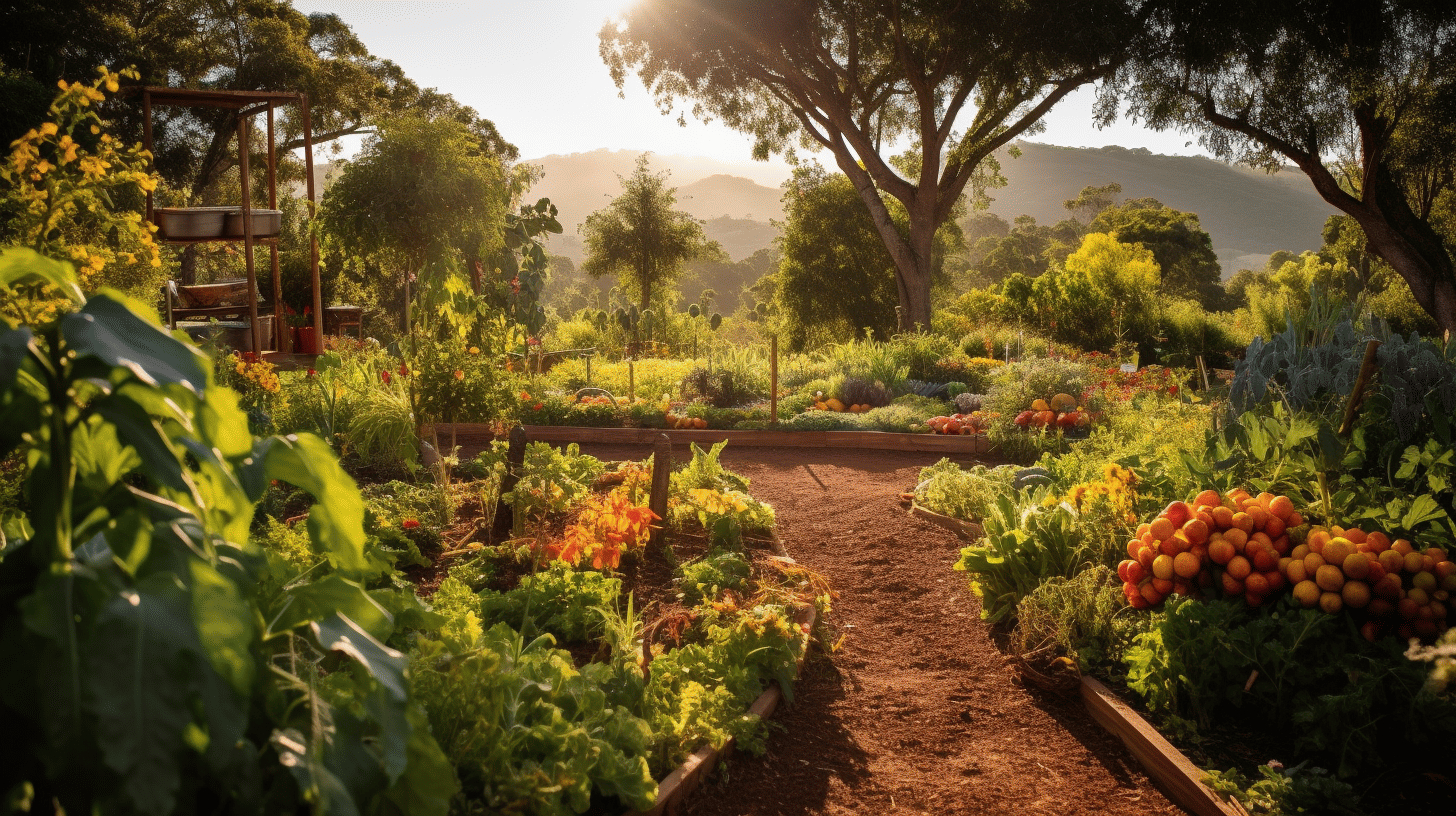
Permaculture gardening is a revolutionary approach to sustainable horticulture that aims to create abundant and resilient food systems. Unlike traditional gardening methods that rely heavily on chemical inputs and constant maintenance, permaculture gardening focuses on working with nature to create self-sustaining and regenerative landscapes. In this article, we will explore the principles, benefits, key components, and techniques of permaculture gardening. Whether you’re an experienced gardener looking to integrate permaculture practices or a beginner wanting to learn more about this innovative approach, this guide will provide you with the knowledge and inspiration to start your own permaculture garden.
Permaculture gardening emphasizes the importance of observing and understanding natural ecosystems, and then applying those principles to design productive and sustainable gardens. By mimicking the patterns and relationships found in nature, permaculture gardens can provide a wide array of benefits, including increased biodiversity, improved soil fertility, efficient water management, and reduced reliance on external inputs. Moreover, permaculture gardens are designed to be resilient in the face of climate change and other challenges, making them a valuable tool for building a more sustainable and secure food system.
In the following sections, we will delve deeper into the key concepts and principles of permaculture gardening, explore the various components that make up a successful permaculture garden, and highlight real-world examples of thriving permaculture gardens. We will also provide you with essential tips and resources to help you get started on your own permaculture gardening journey. So, let’s dive in and discover the wonderful world of permaculture gardening together!
Understanding Permaculture Gardening
Permaculture gardening is a holistic and sustainable approach to designing gardens and landscapes that mimic natural ecosystems. It aims to create self-sufficient and resilient systems that require minimal inputs while maximizing outputs.
Principles of Permaculture
When diving into the world of permaculture gardening, it’s essential to understand the principles that guide this practice. These principles serve as the foundation for creating and maintaining permaculture gardens:
- Observe and interact: Before making any decisions, take the time to observe your garden and interact with nature. Pay attention to patterns, cycles, and relationships between different elements. By understanding the existing ecosystem, you can design interventions that work harmoniously with nature.
- Use and value renewable resources and services: Utilize renewable resources such as solar energy, rainwater, and plant waste. Instead of relying on non-renewable resources, aim to create self-sufficiency and reduce your ecological footprint.
- Design from patterns to details: Look at the big picture and identify patterns in your garden. By understanding these patterns and working with them, you can create efficient and resilient designs. Start with broad concepts and gradually move towards the details.
- Integrate rather than segregate: In permaculture, the emphasis is on creating connections and relationships between different elements. By integrating plants, animals, and other components, you can create a diverse and thriving ecosystem where each element serves multiple functions.
- Use small and slow solutions: Instead of relying on large-scale interventions, embrace small and slow solutions. By making incremental changes and observing their effects, you can avoid unintended consequences and allow the system to adapt gradually.
- Use and value diversity: Diversity is key to the success of a permaculture garden. By incorporating a wide range of plant species, you can promote resilience and reduce the risk of pest and disease problems. Embrace biodiversity and create a balanced ecosystem.
- Use edges and value the marginal: The edges, where two ecosystems intersect, are often the most productive areas. In permaculture gardening, utilizing these edge spaces can maximize yields and provide opportunities for growth.
- Creatively use and respond to change: Change is inevitable, and permaculture gardens are designed to be adaptable. Embrace change and use it as an opportunity to innovate and improve your system. Observe how your garden responds to changes and adjust accordingly.
Key Concepts of Permaculture
Here are some key concepts to help you further understand permaculture gardening:
- Zone and sector planning: In permaculture, the garden is divided into zones based on the frequency of human interaction and the needs of different elements. Zone 1 is the closest to the house, and Zone 5 is the farthest. Sector planning considers external elements such as wind, sun, and water flow to optimize the design.
- Food forest: A food forest is a central concept in permaculture gardening. It involves creating multi-layered, productive landscapes that mimic the structure and function of natural forests. By incorporating trees, shrubs, vines, and ground cover plants, you can create a diverse and abundant food-producing system.
- Companion planting: Companion planting involves growing compatible plant species together to maximize their mutual benefits. Some plants repel pests, while others attract beneficial insects or provide shade. By carefully selecting companion plants, you can create a balanced ecosystem that supports plant health and productivity.
- Water management: Permaculture emphasizes efficient water management techniques such as rainwater harvesting, swales, and mulching. These practices aim to reduce water waste, prevent erosion, and ensure the optimal distribution of water throughout the garden.
So, whether you’re a seasoned gardener looking to embrace sustainable practices or a beginner wanting to explore a more eco-friendly approach, permaculture gardening provides a framework for creating resilient and abundant gardens. By understanding the principles and key concepts, you can start designing your own permaculture garden that works in harmony with nature. Don’t be afraid to experiment and adapt your system over time – that’s the beauty of permaculture gardening.
Benefits of Permaculture Gardening
Permaculture gardening is an innovative approach to gardening that aims to create sustainable and self-sufficient ecosystems. With its emphasis on ecological principles and sustainable design, permaculture gardening offers a wide range of benefits for both the environment and the gardener themselves. In this section, we will explore some of the key benefits of permaculture gardening.
1. Environmental Benefits
Permaculture gardening is all about working harmoniously with nature, which brings several environmental benefits. Here are a few examples:
- Conservation of Water: Permaculture gardens are designed to capture and retain rainwater, minimizing the need for additional irrigation and reducing water waste.
- Enhanced Biodiversity: By creating diverse and interconnected habitats, permaculture gardens attract a wide range of plants, animals, and beneficial insects, promoting biodiversity.
- Reduction of Chemical Inputs: Permaculture gardening promotes natural pest control methods, reducing the need for chemical pesticides and fertilizers, which can harm the environment.
2. Increased Food Production
One of the primary goals of permaculture gardening is to create productive and abundant food systems. Here’s how it helps increase food production:
- Polyculture Farming: Permaculture gardens often utilize polyculture farming techniques, where different plants are grown together in mutually beneficial arrangements. This helps maximize the use of available space and increases overall yields.
- Food Forests: Permaculture gardens incorporate the concept of food forests, where trees, shrubs, and other perennial plants are grown to mimic the structure and functions of natural forests. These food forests provide a diverse range of edible crops, creating a sustainable source of food.
3. Improved Soil Health
Permaculture gardening prioritizes soil health as the foundation for a thriving garden ecosystem. These are some of the ways permaculture gardening improves soil health:
- Composting: Permaculture gardens often emphasize the use of composting, which enriches the soil with organic matter, nutrients, and beneficial microorganisms, enhancing its fertility.
- No-Till Gardening: By avoiding tilling or disturbing the soil, permaculture gardening helps preserve its structure and prevent soil erosion, promoting long-term soil health.
- Crop Rotation: Permaculture gardens employ crop rotation techniques, where different crops are grown in succession, helping prevent nutrient depletion and reduce the build-up of pests and diseases.
4. Reduced Ecological Footprint
By adopting permaculture gardening practices, individuals can significantly reduce their ecological footprint. Some ways permaculture gardening helps achieve this are:
- Carbon Sequestration: Permaculture gardens, with their emphasis on trees and perennial plants, help sequester carbon from the atmosphere, mitigating climate change.
- Local and Organic Food: Permaculture gardens promote the production of local and organic food, reducing the need for long-distance transportation and the use of synthetic chemicals.
Permaculture gardening offers a holistic and sustainable approach to gardening that brings numerous benefits to both the environment and those who practice it. From conserving water and enhancing biodiversity to increasing food production and improving soil health, permaculture gardening provides a blueprint for a greener and more resilient future.
Designing a Permaculture Garden
Designing a permaculture garden is an exciting and rewarding endeavor. It allows you to create a sustainable and self-sufficient ecosystem that mimics the natural patterns and processes found in nature. By incorporating permaculture principles into your garden design, you can create a beautiful and productive space that requires minimal inputs and maintenance.
Site Assessment
Before diving into the design process, it’s crucial to conduct a site assessment. This involves observing and analyzing various factors that can influence the success of your permaculture garden. Here are some key components to consider during the assessment:
- Sunlight: Determine the amount of sunlight your garden receives throughout the day. This will help you determine the placement of different plants and structures.
- Climate: Understand the climate of your region, including average temperatures, rainfall patterns, and frost dates. This knowledge will guide you in selecting appropriate plant species and designing water management systems.
- Soil Quality: Assess the soil composition, structure, and fertility of your site. Conduct a soil test to determine its pH level and nutrient content. This information will inform your choice of plants and any necessary soil amendments.
- Topography: Study the contours and slopes of your site. This will influence water flow patterns and help you determine the best placement for water-catching features such as swales or ponds.
Zone and Sector Planning
Once you have a clear understanding of your site, you can proceed with zone and sector planning. These concepts are central to permaculture design and involve organizing your garden into zones based on usage and proximity to your living space. Consider the following principles:
- Zones: Divide your garden into zones based on the frequency of human interaction and the needs of different elements. Zone 1 is the area closest to your home and consists of highly intensive and frequently accessed elements such as vegetable beds and herb gardens. As you move outwards, the zones become less intensively managed.
- Sectors: Identify the various external influences on your garden, such as wind, sunlight, or noise. By understanding these factors, you can strategically plan your garden layout to take advantage of beneficial influences and mitigate negative ones.
Water Management
Water is a precious resource in any garden, and effective water management is vital in permaculture design. By designing water systems that capture, store, and distribute water efficiently, you can minimize the need for supplemental irrigation. Consider the following strategies:
- Rainwater Harvesting: Install rain barrels or tanks to collect rainwater from roofs and other catchment areas. This water can then be used for irrigation during dry periods.
- Swales: Create gentle, terraced channels called swales along contour lines to capture and slow down water runoff. This allows the water to infiltrate into the soil, recharging the groundwater and reducing erosion.
- Mulching: Apply organic mulch to the soil surface to retain moisture, suppress weeds, and regulate soil temperature. This conserves water by reducing evaporation.
Companion Planting
Companion planting is the practice of strategically placing compatible plant species together to enhance growth, deter pests, and promote overall garden health. By incorporating companion planting into your permaculture garden, you can create a balanced ecosystem that thrives naturally. Consider the following examples:
- Herb-vegetable combos: Plant aromatic herbs like basil or rosemary alongside vegetables to repel pests and attract beneficial insects.
- Three Sisters: Grow corn, beans, and squash together, known as the Three Sisters method. Corn provides a structure for the beans to climb, while squash acts as a groundcover, suppressing weeds and reducing water evaporation.
In summary, designing a permaculture garden involves conducting a thorough site assessment, planning zones and sectors, implementing efficient water management systems, and incorporating companion planting strategies. By following these principles, you can create a sustainable and thriving garden that benefits both you and the environment. Happy gardening!
Key Components of Permaculture Garden
Permaculture gardens are designed to mimic the patterns and relationships found in natural ecosystems. They are an innovative way to create sustainable and productive spaces that not only provide food but also support biodiversity and protect the environment. In this article, we will explore some of the key components of a permaculture garden and how they contribute to its success.
Food Forests
One of the fundamental elements of a permaculture garden is a food forest. Inspired by the structure of natural forests, food forests are designed to create a self-sustaining ecosystem where different plants and trees work together in harmony.
In a food forest, you will find various layers of vegetation, each serving multiple purposes. The tall canopy trees provide shade and protection, while shorter fruit trees and shrubs produce fruits and nuts. Below them, you’ll discover herbaceous plants that provide ground cover and support soil health. Additionally, climbers like vines and berry bushes add vertical interest and diversity.
The beauty of a food forest lies in the relationships between plants. Some plants fix nitrogen in the soil, benefiting neighboring species, while others attract beneficial insects for pollination and pest control. This interconnectedness creates a resilient and autonomous garden that requires minimal human intervention.
Swales and Earthworks
Another essential component of a permaculture garden is the use of swales and earthworks. Swales are trenches or channels dug on contour to capture and store rainwater. They help to prevent erosion, replenish groundwater, and provide hydration to plants.
The earthworks associated with swales, such as berms and basins, help to direct and distribute the water throughout the garden. By strategically placing these features, you can enhance moisture retention, promote efficient irrigation, and create microclimates that favor specific plant species.
In addition to their water management benefits, swales and earthworks also contribute to soil improvement. The water collected in the swales carries organic matter, nutrients, and sediment, which get deposited in the basins and enrich the soil. This gradual process fosters soil fertility, making it a fertile ground for plant growth.
Polycultures
Unlike traditional monoculture practices, permaculture gardens embrace the concept of polycultures. Polycultures involve growing a diverse range of plants together, promoting beneficial interactions between species and increasing overall productivity.
In a polyculture garden, plants are carefully selected for their complementary characteristics. Some may attract pollinators, while others repel pests or enhance soil fertility. This diversity ensures that the garden remains balanced and resilient, minimizing the risk of widespread crop failure due to pests or disease.
The intermixing of different species also helps to optimize space utilization. Tall plants provide shade for shorter ones, while sprawling vines climb up structures, making use of vertical space. This thoughtful arrangement maximizes the garden’s capacity and allows for efficient use of resources.
Composting
Last but not least, composting plays a vital role in a permaculture garden. By recycling organic waste, such as kitchen scraps and yard trimmings, composting enriches the soil with essential nutrients and enhances its structure.
Compost acts as a natural fertilizer, improving plant health and vitality. It also helps retain moisture in the soil, reducing the need for additional watering. Moreover, composting reduces the reliance on chemical fertilizers and promotes a more sustainable approach to gardening.
Incorporating these key components into a permaculture garden creates a thriving ecosystem that benefits both plants and wildlife. The careful design and implementation of food forests, swales and earthworks, polycultures, and composting all contribute to the garden’s resilience, productivity, and overall sustainability. By embracing the principles of permaculture, gardeners can create a harmonious and regenerative space that nurtures the Earth and provides an abundant harvest for years to come.
Building Resilience in Food Systems
Food systems around the world are facing increasing challenges due to climate change, population growth, and resource constraints. In order to ensure long-term food security, it is crucial to build resilience into these systems. Resilience allows food systems to bounce back from shocks and stresses, ensuring a stable supply of food even in the face of adversity.
When it comes to building resilience in food systems, there are several key areas that deserve attention. This article will explore three important aspects: drought resistance, natural pest control, and soil fertility. By focusing on these factors, farmers and agricultural practitioners can enhance the resilience of their food systems and mitigate the impacts of climate change.
Drought Resistance
Drought is becoming increasingly common in many parts of the world, posing a significant threat to food production. By adopting drought-resistant crop varieties and implementing water-efficient irrigation techniques, farmers can reduce their vulnerability to water scarcity. Additionally, agricultural practices such as conservation tillage and mulching can help the soil retain moisture, further enhancing drought resilience.
Explore More: Drought-Resistant Crop Varieties
Natural Pest Control
Pests and diseases can decimate crops, leading to significant losses in food production. While conventional pest control methods often rely on chemical pesticides, adopting natural pest control strategies can offer a more sustainable and resilient approach. Encouraging the presence of beneficial insects, using companion planting techniques, and implementing biological pest control methods can help reduce reliance on synthetic pesticides and promote a healthier and more resilient ecosystem.
Explore More: Biological Pest Control Methods
Soil Fertility
Healthy soil is the foundation of a resilient food system. Enhancing soil fertility not only increases crop productivity but also improves the soil’s ability to absorb and retain water. Practices such as cover cropping, crop rotation, and organic matter addition can help replenish nutrients, improve soil structure, and increase its water-holding capacity. By investing in soil health, farmers can create a resilient foundation for their food systems, ensuring long-term productivity and sustainability.
Explore More: Cover Cropping for Soil Fertility
In conclusion, building resilience in food systems is crucial for ensuring long-term food security in the face of climate change and resource constraints. By focusing on drought resistance, natural pest control, and soil fertility, farmers and agricultural practitioners can strengthen their food systems and mitigate the impacts of environmental challenges. It is imperative that we adopt sustainable practices and prioritize resilience to ensure a stable and sustainable food supply for future generations.
Examples of Successful Permaculture Gardens
Permaculture gardens offer a sustainable and holistic approach to gardening, focusing on the integration of ecosystems and maximizing efficiency. These gardens not only provide an abundance of fresh produce but also support biodiversity and create a more resilient environment.
In this section, we will explore three inspiring examples of successful permaculture gardens. Each garden showcases unique design elements and demonstrates the principles of permaculture in action.
Garden A
Garden A, located in the picturesque countryside, is a shining example of permaculture design. With its lush greenery and diverse array of plants, this garden is a haven for wildlife and a source of nourishment for its owners.
Key features of Garden A include:
- A companion planting system that maximizes the use of space and promotes natural pest control. The garden is filled with complementary plant combinations, such as marigolds and tomatoes, that deter harmful insects.
- A water harvesting system that collects and stores rainwater, reducing the dependence on external water sources.
- A well-designed chicken coop that provides fresh eggs and natural fertilizer for the garden. The chickens have ample space to roam and are integrated into the garden ecosystem.
- Creative use of vertical gardening techniques, such as trellises and stacked planters, to optimize space and increase yields.
Garden A demonstrates how thoughtful design and careful planning can create a thriving and sustainable permaculture garden.
Garden B
Situated in an urban setting, Garden B proves that permaculture can be successfully implemented even in limited spaces. This small but mighty garden showcases innovative techniques to maximize productivity while minimizing environmental impact.
Notable features of Garden B include:
- Intensive raised bed gardening that allows for efficient use of space and easy access to plants. The garden is brimming with a variety of vegetables, herbs, and microgreens.
- The incorporation of recycled materials and repurposed items throughout the garden, reducing waste and promoting sustainability.
- Vertical gardening structures, such as living walls and hanging baskets, that utilize vertical space and provide a beautiful aesthetic.
- Integration of beneficial insect habitats, such as bee hotels and butterfly houses, to support pollinators and enhance biodiversity.
Garden B serves as an inspiration for urban dwellers looking to create their own permaculture oasis, no matter the size of their space.
Garden C
Nestled in a suburban neighborhood, Garden C is a shining example of community collaboration and the power of shared resources. This garden brings neighbors together to cultivate an abundant and sustainable oasis in the midst of a busy urban environment.
Key highlights of Garden C include:
- Shared gardening plots that allow community members to grow their own food while also fostering a sense of camaraderie and connection.
- A seed and plant exchange program that promotes biodiversity and encourages the use of heirloom varieties.
- Composting stations throughout the garden, providing nutrient-rich soil amendments and minimizing waste.
- Educational workshops and community events that empower individuals with the knowledge and skills to implement permaculture principles in their own lives.
Garden C demonstrates how permaculture can not only produce an abundance of fresh food but also strengthen community bonds and promote a more sustainable way of living.
In conclusion, these three examples of successful permaculture gardens showcase the power of thoughtful design, sustainable practices, and community collaboration. Whether in a rural, urban, or suburban setting, permaculture gardens can transform spaces into thriving ecosystems that nourish both people and the planet.
Getting Started with Permaculture Gardening
Permaculture gardening is a sustainable and holistic approach to gardening that promotes harmony between human beings and nature. Whether you have a small balcony or a spacious backyard, permaculture principles can be applied to create a thriving garden that is both productive and resilient.
Education and Training
Before diving into permaculture gardening, it’s helpful to gain a solid understanding of the principles and practices involved. Here are a few education and training options to consider:
- Online courses and workshops: Many organizations and permaculture experts offer online courses and workshops that cover the basics of permaculture gardening. These courses typically include interactive modules, video lectures, and practical exercises to help you grasp the concepts.
- Books and publications: There is a wealth of information available in books and publications about permaculture gardening. Some popular titles to consider include “Introduction to Permaculture” by Bill Mollison and “Gaia’s Garden” by Toby Hemenway.
- Local permaculture groups: Joining a local permaculture group can be a great way to learn from experienced gardeners and connect with like-minded individuals. These groups often organize workshops, garden tours, and community projects that allow you to gain hands-on experience.
Remember, permaculture gardening is a constantly evolving field, so it’s important to stay updated with the latest research and practices.
Resources and Tools
To get started with permaculture gardening, you’ll need a few essential resources and tools. Here are some recommendations:
- Compost: Composting is an integral part of permaculture gardening. It helps enrich the soil with organic matter and nutrients, improving its fertility and water-holding capacity. Invest in a compost bin or create a compost pile in your garden to recycle kitchen scraps and yard waste.
- Mulch: Mulching is another key practice in permaculture gardening. Use organic materials such as straw, wood chips, or leaves to cover the soil around your plants. Mulch helps conserve moisture, suppress weeds, and regulate soil temperature.
- Perennial plants: Permaculture emphasizes the use of perennial plants, which are long-lasting and require less maintenance compared to annuals. Consider incorporating fruit trees, berry bushes, and perennial vegetables into your garden.
- Rainwater harvesting system: Conserving water is an essential aspect of permaculture gardening. Install a rainwater harvesting system with rain barrels or storage tanks to collect and store rainwater for irrigation purposes.
- Hand tools: Some basic hand tools such as a trowel, garden fork, and pruning shears will come in handy for various gardening tasks. Invest in high-quality tools that are durable and comfortable to use.
Remember, permaculture gardening is all about working with nature and creating sustainable systems. By implementing permaculture principles and utilizing the right resources and tools, you can create a beautiful and productive garden that supports both you and the environment.
Happy gardening! Remember that permaculture is a journey, and don’t be afraid to experiment and learn from your experiences. Embrace the principles of observation, diversity, and integration as you embark on your permaculture gardening adventure.
Conclusion
In conclusion, permaculture gardening holds immense potential for creating abundant and resilient food systems. By implementing the principles and key concepts of permaculture, individuals can design and cultivate gardens that not only provide a sustainable source of food but also contribute to the overall health and vitality of the ecosystem.
Through practices such as companion planting, water management, and building food forests, permaculture gardens maximize resource efficiency and promote biodiversity. They also integrate natural pest control methods and enhance soil fertility, resulting in a more resilient and productive garden.
For those interested in getting started with permaculture gardening, education and training resources are widely available, making it accessible to individuals of all backgrounds and experience levels. By equipping yourself with the knowledge and tools necessary for successful permaculture gardening, you can begin your journey towards creating a thriving and regenerative food system.
At Regenerative Agriculture Wiki, we are passionate about promoting sustainable farming practices like permaculture. Visit our platform to explore comprehensive guides and gain insights into regenerative agriculture. Join us in fostering a future where agriculture and ecology thrive in harmony.
Learn more about permaculture gardening and its benefits on our website
Frequently Asked Questions
- What is permaculture gardening?
Permaculture gardening is an approach to gardening that focuses on designing sustainable and self-sufficient food systems that mimic the patterns and relationships found in nature. It aims to create abundant and resilient gardens while minimizing harm to the environment.
- How does permaculture gardening benefit the environment?
Permaculture gardening benefits the environment in several ways. It promotes biodiversity, conserves water, reduces soil erosion, sequesters carbon, and helps to build healthy and fertile soil. It also minimizes the use of synthetic fertilizers and pesticides.
- What are the key principles of permaculture gardening?
The key principles of permaculture gardening include observing and interacting with nature, using and valuing renewable resources, producing no waste, designing from patterns to details, integrating functions, using small and slow solutions, valuing diversity, using edges and valuing the marginal, and creatively using and responding to change.
- What are some common techniques used in permaculture gardening?
Some common techniques used in permaculture gardening include companion planting, polycultures, using mulch to conserve moisture and suppress weeds, creating swales and berms to capture and retain water, using organic and natural fertilizers, and integrating livestock and animals into the garden ecosystem.
- Can permaculture gardening be applied to small spaces or urban environments?
Yes, permaculture gardening can be applied to small spaces and urban environments. Techniques like vertical gardening, container gardening, and rooftop gardening can be used to maximize productivity in limited spaces. Permaculture principles can also be applied to community gardens and urban farms.


