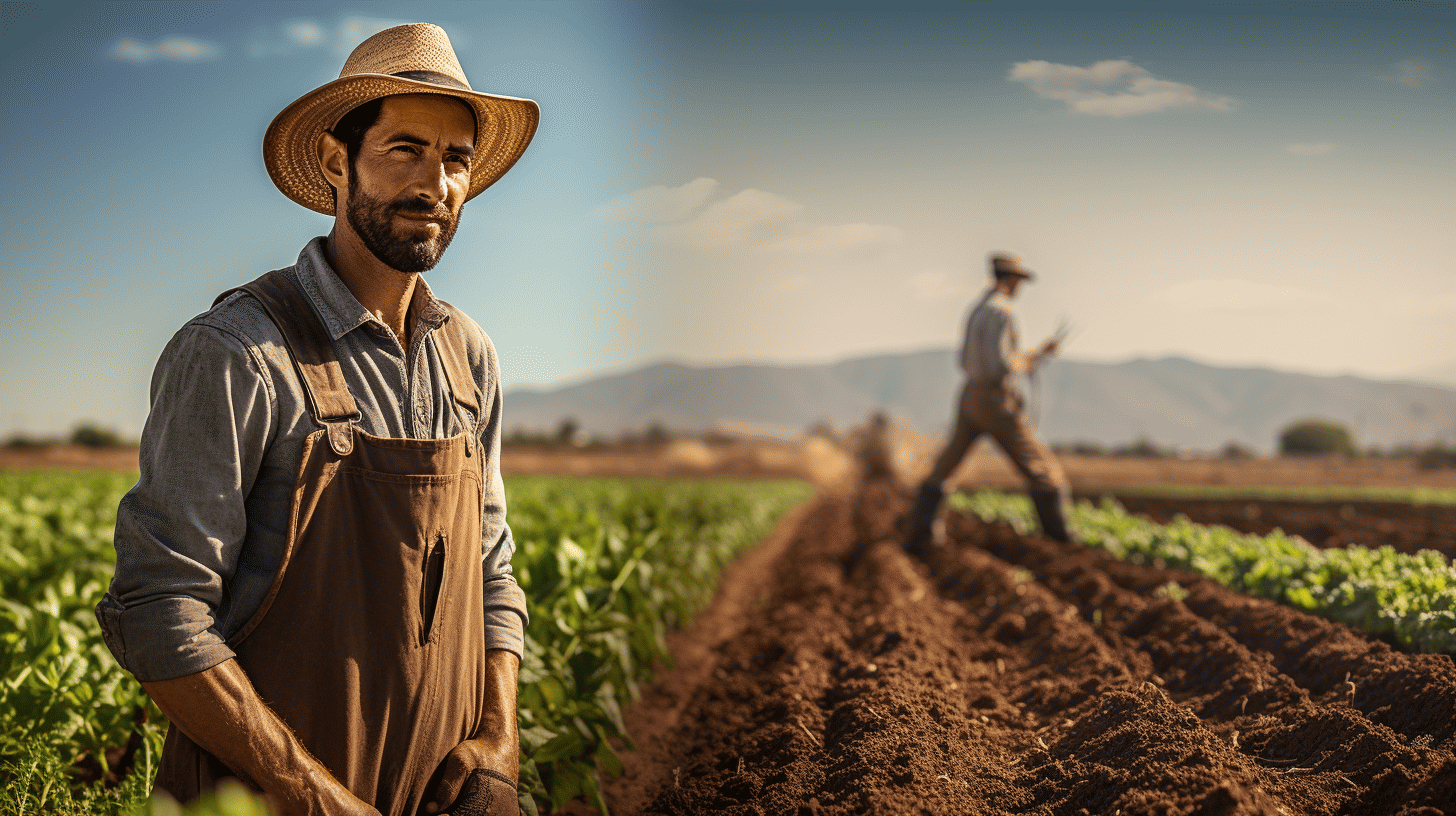
Enhancing soil health is a top priority for sustainable farmers around the world. Healthy soil is not only essential for plant growth and crop productivity, but it also plays a crucial role in reducing environmental impact and improving financial returns. By implementing key strategies and practices, farmers can create a thriving ecosystem beneath their feet, benefiting both their farms and the planet.
In this article, we will explore the benefits of improving soil health and delve into the key practices that farmers can adopt to enhance soil fertility and productivity. We will also examine the impact of various farming techniques on soil health and discuss the importance of monitoring and management in sustainable agriculture. So, let’s dive in and uncover the secrets to nurturing healthy soil that sustains us all.
Benefits of Improving Soil Health
When it comes to agriculture, one of the most crucial factors for success is soil health. Healthy soil not only provides a fertile environment for plants to grow and thrive but also offers a range of benefits for the environment and the farmer’s bottom line. In this article, we will explore the various benefits of improving soil health, including both environmental and financial advantages.
Environmental Benefits
Improving soil health through sustainable agricultural practices has a positive impact on the environment. Here are some of the key environmental benefits:
- Storing Soil Carbon: Practices like cover cropping and no-till farming help sequester carbon in the soil, reducing the amount of carbon dioxide in the atmosphere. This contributes to mitigating climate change by acting as a carbon sink.
- Reducing Greenhouse Gas Emissions: Healthy soil, rich in organic matter, releases fewer greenhouse gases into the atmosphere. By adopting practices that promote soil health, such as proper nutrient management and reduced chemical inputs, farmers can significantly reduce their greenhouse gas emissions.
- Improving Water Infiltration: Healthy soil has good structure and a high capacity to hold water, allowing for better water infiltration. This helps prevent water runoff and erosion, thereby reducing the risk of flooding and water pollution.
- Enhancing Wildlife and Pollinator Habitat: A healthy soil ecosystem provides habitat and food sources for a wide range of organisms, from earthworms to beneficial insects and microorganisms. Creating a favorable environment for these creatures enhances biodiversity and supports essential pollinators.
Financial Benefits
Improving soil health not only benefits the environment but also brings financial advantages to farmers. Those who prioritize soil health and adopt sustainable practices report the following benefits:
- Increased Carbon Sequestration: As mentioned earlier, improving soil health leads to increased carbon storage in the soil. Participating in carbon markets or carbon credit programs can provide additional income for farmers through carbon sequestration payments.
- Higher Water Infiltration: By improving soil structure and organic matter content, farmers can increase the infiltration rate of water into the soil. This reduces the risk of waterlogging, improves irrigation efficiency, and ultimately leads to more productive and resilient crops.
- Improved Crop Yields: Healthy soil provides better nutrient availability to plants, leading to improved crop yields. Additionally, the enhanced soil structure promotes better root growth and development, enabling plants to access nutrients and water more effectively.
- Reduced Input Costs: Sustainable soil management practices often result in reduced reliance on synthetic fertilizers, pesticides, and herbicides. By minimizing these inputs and adopting alternative approaches like cover cropping and crop rotation, farmers can significantly reduce their input costs.
In conclusion, improving soil health brings a myriad of benefits, both for the environment and for farmers. Practices like cover cropping, no-till farming, and proper nutrient management contribute to carbon sequestration, reduced greenhouse gas emissions, enhanced water infiltration, and improved crop yields. Farmers who prioritize soil health and adopt sustainable practices not only contribute to a healthier planet but also reap financial rewards through increased carbon sequestration, improved water management, higher crop yields, and reduced input costs. So, let’s recognize the importance of soil health and work towards sustainable agriculture for a better future.
Additional Information: Practices like cover crops and no-till can store soil carbon, reduce greenhouse gas emissions, and improve water infiltration. Farmers who focus on soil health report sequestering more carbon, increasing water infiltration, improving wildlife and pollinator habitat, and harvesting better profits. [1]
Key Practices for Enhancing Soil Health
When it comes to maintaining healthy soil, there are several key practices that can help farmers and gardeners achieve optimal soil health. These practices not only benefit the plants and crops being grown but also contribute to the long-term sustainability of the land. In this article, we will explore some of the key practices for enhancing soil health.
Use of Soil Amendments
One of the fundamental practices for enhancing soil health is the use of soil amendments. Soil amendments are materials that are added to the soil to improve its physical properties, nutrient content, and overall fertility. Some common soil amendments include:
- Compost: Compost is a nutrient-rich organic matter that improves soil structure and provides essential nutrients to plants.
- Manure: Manure adds organic matter to the soil and is a valuable source of nutrients.
- Cover Crops: Cover crops are planted between main crops to improve soil health by adding organic matter, reducing erosion, and suppressing weeds.
By incorporating these soil amendments into the soil, farmers and gardeners can maintain healthy soil by providing crop nutrition, improving soil structure, and enhancing overall fertility.
Soil Health Systems
Implementing soil health systems is another crucial practice for enhancing soil health. These systems focus on managing soil in a way that sustains its natural biological processes and minimizes soil degradation. Some key aspects of soil health systems include:
- Reduced Tillage: Minimizing tillage helps maintain soil structure, reduces erosion, and preserves beneficial soil organisms.
- Crop Rotation: Rotating crops diversifies the plant species grown in a field, which can help control pests, replenish soil nutrients, and reduce the build-up of pathogens.
- Conservation Tillage: Conservation tillage practices aim to disturb the soil as little as possible, preserving soil structure and minimizing erosion.
By adopting soil health systems, farmers can create more resilient and sustainable agricultural practices that have a positive impact on both soil health and crop production.
Soil Restoration
Over time, soil can become degraded due to factors like erosion, compaction, and depletion of nutrients. Soil restoration practices help reverse the negative effects of soil degradation and improve soil health. Some common soil restoration techniques include:
- Soil Aeration: Aerating the soil helps alleviate compaction, improves water infiltration, and enhances root growth.
- Addition of Organic Matter: Adding organic matter, such as compost or cover crops, replenishes depleted nutrients and improves soil structure.
- Soil Amendments: Soil amendments like gypsum can help improve soil structure and drainage.
By implementing these soil restoration practices, farmers can revitalize their soil, leading to improved measures of soil health, such as enhanced water retention and reduced bulk density.
Soil Testing
Soil testing is a widely adopted practice among farmers to assess soil health and identify nutrient deficiencies and imbalances. By conducting regular soil tests, farmers can make informed decisions regarding fertilizer application, soil amendments, and crop selection. Soil testing provides crucial information about:
- Soil pH: Soil pH affects nutrient availability to plants. Adjusting pH levels can optimize nutrient uptake.
- Macro and Micronutrients: Soil tests analyze the levels of essential nutrients, allowing farmers to tailor their fertilizer applications accordingly.
- Cation Exchange Capacity: Cation exchange capacity determines the soil’s ability to hold and exchange nutrients, influencing nutrient availability to plants.
By utilizing soil testing as a diagnostic tool, farmers can fine-tune their soil management practices and optimize soil health.
Conservation Practices
Conservation practices play a vital role in enhancing soil health and improving overall farm sustainability. These practices aim to minimize soil erosion, enhance water quality, and preserve natural resources. Some common conservation practices include:
- Cover Cropping: Planting cover crops between cash crops helps prevent erosion, improve soil structure, suppress weeds, and increase organic matter content.
- Crop Rotation: Rotating crops diversifies the plant species, reduces pests and diseases, and improves soil nutrient levels.
- Conservation Tillage: Adopting reduced or no-till practices minimizes soil disturbance, preserves soil structure, and improves water infiltration.
By integrating these conservation practices into their farming systems, farmers can improve soil health, boost profitability, and contribute to the long-term sustainability of their land.
To conclude, enhancing soil health involves implementing key practices such as using soil amendments, adopting soil health systems, practicing soil restoration, conducting regular soil testing, and embracing conservation practices. By incorporating these practices into their farming or gardening practices, individuals can create a thriving and sustainable environment for their crops and contribute to the preservation of our precious soil resources.
Impact of Farming Techniques
Farming techniques play a crucial role in the health and productivity of agricultural systems. The choice of farming practices can have a significant impact on soil health, water resources, biodiversity, and the overall sustainability of farming operations. In recent years, there has been a growing interest in adopting sustainable farming techniques that prioritize environmental stewardship and long-term viability.
Organic Farming and Reduced Tillage
One such sustainable farming practice is organic farming combined with reduced tillage. This approach aims to minimize soil disturbance and chemical inputs while prioritizing natural soil processes and biodiversity. When implemented correctly, organic farming and reduced tillage can have several positive impacts on the soil:
- Increased abundance, diversity, and activity of microorganisms: Organic farming practices, such as the use of compost and cover crops, provide a conducive environment for beneficial soil microorganisms. These microorganisms play a crucial role in nutrient cycling, decomposition of organic matter, and overall soil health.
- Improved soil structure and water-holding capacity: By reducing soil disturbance through practices like no-till or minimum tillage, organic farming helps to maintain soil structure and prevent compaction. This, in turn, improves the soil’s ability to hold water, reducing the risk of erosion and improving overall water-use efficiency.
Regenerative Agriculture
Another farming technique gaining traction is regenerative agriculture. Regenerative practices go beyond sustainability by actively working to restore and enhance ecosystem functions. Some key benefits of regenerative agriculture include:
- Restoring soil health and fertility: Regenerative practices, such as the use of cover crops, crop rotation, and compost application, help to improve soil structure, increase organic matter content, and enhance nutrient availability. This leads to healthier plants, improved water infiltration, and increased resistance to pests and diseases.
- Protecting water resources and biodiversity: Regenerative agriculture emphasizes the use of practices that reduce water pollution and promote wildlife habitat. For example, planting buffer strips along water bodies can help filter out pollutants and prevent soil erosion, protecting both water quality and biodiversity.
No-Till Farming
No-till farming is a sustainable practice that involves planting crops without prior soil tillage or minimal disturbance. This technique has gained popularity due to its numerous benefits, including:
- Mitigating and adapting to climate change: No-till farming helps to sequester carbon in the soil, reducing the amount of greenhouse gases released into the atmosphere. Additionally, the practice increases the soil’s water-holding capacity, buffering crops against drought conditions and improving overall resilience to climate change.
Cover Cropping
Cover cropping involves planting temporary crops between main cash crops to cover the soil. This technique offers several advantages, including:
- Weed control: Cover crops compete with weeds for resources such as sunlight, nutrients, and water, reducing the need for synthetic herbicides. They act as a natural weed control strategy, suppressing weed growth and minimizing the impact on crop yield.
- Soil erosion prevention: Cover crops protect the soil from erosion by reducing the impact of raindrops, increasing water infiltration, and improving overall soil structure. By keeping the soil in place, cover cropping helps to maintain fertile topsoil and prevent runoff into waterways.
Intercropping
Intercropping is a sustainable agricultural practice that involves growing two or more crops together in the same field. This technique offers numerous benefits, including:
- Improved soil and plant health: Intercropping provides a diverse mix of plant species in the same field, enhancing nutrient cycling and reducing the risk of nutrient depletion. Furthermore, different crop species may have complementary growth habits or pest-resistant properties, leading to healthier plants overall.
- Increased crop yield: By optimizing resource use and reducing competition for nutrients and sunlight, intercropping can result in higher crop yields compared to monoculture systems. The diversity of crop species also reduces the risk of complete crop failure in the event of pest or disease outbreaks.
Animal Manure Application
On mixed crop-livestock farms, animal manure application is an essential component of sustainable farming. The benefits of using animal manure as a fertilizer include:
- Maintenance of organic matter: Animal manure is rich in organic matter, which helps to improve soil structure, water-holding capacity, and nutrient availability. It replenishes the soil’s organic matter content, ensuring the long-term fertility and productivity of the land.
In conclusion, adopting sustainable farming techniques such as organic farming, reduced tillage, regenerative agriculture, no-till farming, cover cropping, intercropping, and animal manure application can have a significant impact on soil health, water resources, and overall agricultural sustainability. These practices prioritize the well-being of both the environment and farming operations, promoting long-term viability and resilience in the face of a changing climate.
Monitoring and Management
When it comes to soil health, monitoring and management play a crucial role in achieving long-term sustainability and productivity. Successful monitoring allows farmers and land managers to assess the current state of their soil resources, make informed decisions, and track progress towards soil health goals. Effective management strategies, on the other hand, help optimize soil conditions, incentivize carbon-sequestering practices, and transition towards regenerative farming methods.
Let’s explore some key aspects of soil resource monitoring and management:
Soil Resource Monitoring
Monitoring soil resources is key to understanding the health and quality of your soil. By regularly assessing important soil parameters, you can gain valuable insights into nutrient levels, organic matter content, pH levels, and microbial activity. This information helps identify areas for improvement and guides decision-making regarding nutrient management, irrigation practices, and organic amendments. By implementing proactive monitoring methods, farmers can:
- Identify potential nutrient deficiencies or excesses and adjust fertilization plans accordingly.
- Gauge the effectiveness of conservation practices such as cover cropping or no-till farming.
- Monitor soil erosion rates and implement erosion control measures to prevent further degradation.
- Keep track of changes in organic matter content, a critical factor in soil health.
- Assess soil fertility to ensure optimal crop growth and productivity.
Incentivizing Carbon-Sequestering Practices
One way to promote and encourage soil health is by incentivizing carbon-sequestering farming practices. Carbon sequestration is the process of capturing and storing carbon dioxide from the atmosphere in soil organic matter. This not only helps mitigate climate change by reducing greenhouse gas emissions but also improves soil structure, nutrient cycling, and water-holding capacity. Governments, organizations, and communities can play a vital role in this process by:
- Providing financial incentives or subsidies for adopting carbon-sequestering practices such as cover cropping, conservation tillage, and agroforestry.
- Offering technical assistance, training, and resources to farmers and land managers to help them implement these practices effectively.
- Collaborating with research institutions and agricultural experts to develop innovative techniques for carbon sequestration.
- Educating and raising awareness among farmers about the benefits of carbon-sequestering practices and their positive impact on soil health and the environment.
Tailoring Practices to Soil Conditions
Soil conditions vary across regions and even within individual fields. It is essential to tailor farming practices to suit the specific soil characteristics to optimize soil health outcomes. Consider the following factors when determining management strategies:
- Soil texture: Sandy soils have different water-holding capacities than clay soils, necessitating adjustments in irrigation and drainage practices.
- pH levels: Acidic or alkaline soils require targeted pH management through lime applications or acidifying agents.
- Nutrient levels: Conduct soil testing to identify nutrient deficiencies and adjust fertilizer applications accordingly.
- Organic matter content: Soils with low organic matter may benefit from cover cropping or organic amendments to improve soil structure and fertility.
Transitioning to Regenerative Farming
Transitioning from conventional farming methods to regenerative practices is a significant step towards soil health improvement. Regenerative farming focuses on building soil organic matter, enhancing biodiversity, and improving soil function through practices such as:
- Conservation tillage: Reduces soil disturbance, preserves soil structure, and prevents erosion.
- Cover cropping: Adds organic matter to the soil, reduces weed pressure, and improves nutrient cycling.
- Crop rotation: Breaks pest and disease cycles, enhances soil fertility, and reduces reliance on synthetic inputs.
- Integrated pest management: Promotes natural pest control, reducing the need for chemical pesticides.
- Agroforestry: Incorporates trees into agricultural systems, enhancing biodiversity and providing additional sources of income.
Transitioning to these regenerative practices requires planning, education, and support. Farmers can seek guidance from agricultural experts, attend workshops or training programs, and join local farming communities to share knowledge and experiences.
By monitoring soil resources, incentivizing carbon-sequestering practices, tailoring practices to soil conditions, and transitioning to regenerative farming, farmers and land managers can pave the way towards healthier soils and sustainable agricultural systems. These efforts not only improve crop productivity and financial outcomes but also contribute to environmental conservation and resilience in the face of climate change. So let’s start monitoring and managing our soil resources today for a greener tomorrow!
Conclusion
In conclusion, enhancing soil health is crucial for sustainable farmers who are dedicated to preserving the environment and increasing their yields. By implementing key practices such as using soil amendments, adopting soil health systems, and implementing conservation practices, farmers can improve the quality and fertility of their soil.
Farming techniques such as organic farming, reduced tillage, and regenerative agriculture have proven to be effective in maintaining soil health and mitigating environmental impacts. Additionally, monitoring and managing soil resources, incentivizing carbon-sequestering practices, and tailoring farming practices to suit soil conditions are essential for long-term success.
At Regenerative Agriculture Wiki, we are passionate about promoting sustainable farming practices and providing comprehensive resources to farmers and individuals interested in regenerative agriculture. Visit our website to explore a wealth of content on soil health, permaculture, agroecology, and more. Join us in fostering a future where agriculture and ecology thrive in harmony.
Explore the potential of regenerative agriculture and join us in making a positive impact on the planet. Together, we can create a sustainable and resilient agricultural system that supports both human needs and environmental well-being.
Frequently Asked Questions
- What are some key strategies for enhancing soil health?
Some key strategies for enhancing soil health include: practicing crop rotation, using cover crops, minimizing tillage, applying organic matter such as compost or manure, and avoiding the use of synthetic fertilizers and pesticides.
- Why is soil health important for sustainable farming?
Soil health is crucial for sustainable farming as it affects crop productivity, nutrient cycling, water retention, and biodiversity. Healthy soils support long-term agricultural sustainability by promoting plant growth, reducing soil erosion, and reducing the need for chemical inputs.
- How does crop rotation contribute to soil health?
Crop rotation helps enhance soil health by reducing pest and disease pressure, improving nutrient availability, and diversifying the root systems. Different crops have varying nutrient requirements and root structures, which can help break pest cycles and improve soil structure and fertility.
- What are cover crops and how do they benefit soil health?
Cover crops are plants grown in between main crops to cover and protect the soil. They benefit soil health by preventing erosion, adding organic matter, improving soil structure, suppressing weeds, and cycling nutrients. Cover crops also increase soil microbial activity and provide habitat for beneficial organisms.
- Why is minimizing tillage important for soil health?
Minimizing tillage helps preserve soil structure, prevent erosion, and retain organic matter. Excessive tillage can disrupt soil aggregates, reduce moisture retention, and lead to nutrient loss. Reduced or no-till practices also promote the growth of soil microorganisms, which contribute to overall soil health.