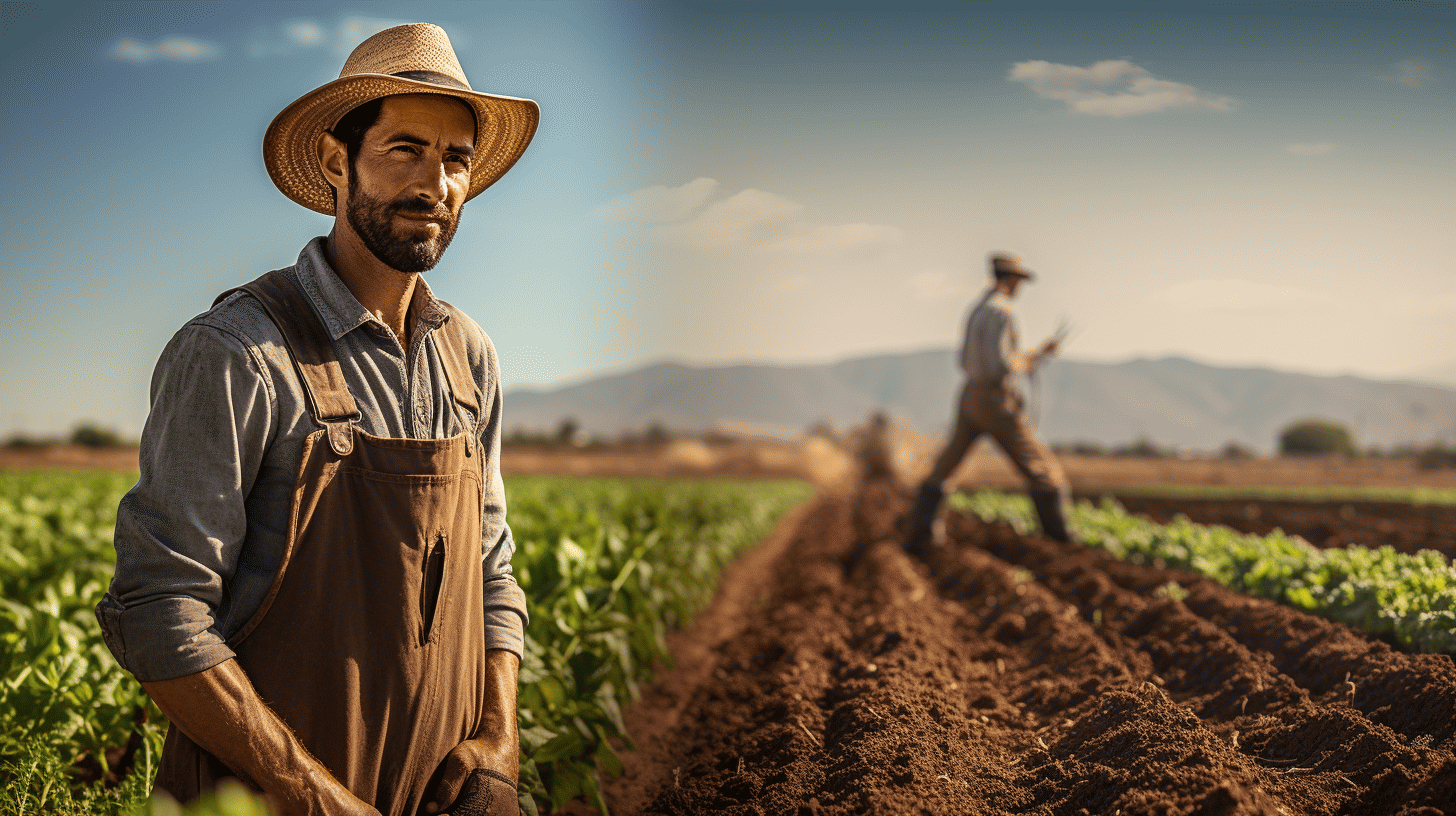
Regenerative farming, also known as regenerative agriculture, is a holistic approach to farming that focuses on restoring and enhancing the health of the land and the ecosystems it supports. With its emphasis on sustainability and soil health, regenerative farming has gained significant attention in recent years. As the challenges posed by climate change and environmental degradation become increasingly apparent, the role of education in advancing regenerative farming practices becomes crucial.
Education plays a vital role in equipping farmers with the knowledge and skills necessary to adopt regenerative practices. By providing them with the tools to implement sustainable farming methods, education empowers farmers to transition from conventional to regenerative farming practices. This transition not only benefits the environment but also leads to increased profitability for farmers.
In this article, we will explore the importance of regenerative farming, the support provided by the government, the current status of regenerative farming implementation, and the benefits it brings to farmers and the broader ecosystem. Through targeted education and knowledge-sharing, we can accelerate the transition to regenerative farming, benefiting both farmers and the planet. Let’s delve into the details of this transformative agricultural approach.
The Importance of Regenerative Farming
Regenerative farming is gaining momentum in the agricultural industry, with farmers recognizing its numerous benefits and positive impact on both the environment and their bottom line. This innovative approach moves beyond traditional farming methods to restore and enhance the health of the soil, water, and ecosystems. Let’s explore two significant reasons why regenerative farming is becoming increasingly important in today’s world.
Increased Profits for Farmers
One of the key advantages of regenerative farming is the potential for increased profits. By implementing practices that prioritize soil health and biodiversity, farmers are able to enhance their crop yields and reduce input costs. Here’s how regenerative farming practices are helping farmers earn more:
- Improved soil fertility: Regenerative practices such as cover cropping, rotational grazing, and composting help replenish the soil’s organic matter and nutrient content. This leads to healthier and more productive soil, resulting in higher crop yields and reduced reliance on synthetic fertilizers.
- Enhanced pest and disease management: Regenerative farming emphasizes the use of natural pest and disease control methods, such as integrating beneficial insects and crop rotation. This reduces the need for costly chemical pesticides and fungicides, resulting in significant savings for farmers.
- Diversification of income: Regenerative farmers often adopt diversified farming systems, incorporating livestock, intercropping, or agroforestry. This allows them to generate additional income streams and mitigate the risks associated with relying solely on a single crop.
For instance, according to the National Association of Conservation Districts, regenerative farming has led to a 78% increase in profits for farmers. This demonstrates the financial benefits that can be achieved by transitioning to regenerative practices.
Reducing Greenhouse Gas Emissions
Another crucial aspect of regenerative farming is its potential to play a significant role in reducing greenhouse gas emissions. Traditional farming practices, such as excessive tillage, synthetic fertilizers, and overgrazing, contribute to approximately 10% of U.S. greenhouse gas emissions, according to the U.S. Environmental Protection Agency. Regenerative farming offers a solution to mitigate these emissions through the following methods:
- Carbon sequestration: Regenerative practices, such as no-till farming, cover cropping, and agroforestry, increase the soil’s capacity to absorb and store carbon dioxide from the atmosphere. Carbon sequestration helps offset greenhouse gas emissions and mitigate climate change.
- Reduced chemical inputs: By minimizing the use of synthetic fertilizers and pesticides, regenerative farming reduces the energy-intensive production and application of these inputs. This results in fewer greenhouse gas emissions associated with their manufacturing and transportation.
- Improved livestock management: Adopting rotational grazing and regenerative pasture management techniques can reduce methane emissions from livestock. Proper grazing practices allow grass and forage to regenerate, improving carbon sequestration and reducing methane emissions.
Incorporating regenerative farming practices on a larger scale can contribute significantly to reducing greenhouse gas emissions from the agricultural sector. This helps in the overall fight against climate change and its detrimental effects on the planet.
In conclusion, regenerative farming offers numerous benefits for both farmers and the environment. Increased profits, improved soil health, decreased reliance on chemical inputs, and the reduction of greenhouse gas emissions are just a few of the many advantages that make regenerative farming an essential practice. By adopting these sustainable methods, farmers can contribute to a healthier planet while securing a more profitable and resilient future for themselves and future generations.
Government Support for Regenerative Farming
In recent years, there has been growing recognition of the importance of regenerative farming practices for the environment and agriculture. The government has played a crucial role in promoting and supporting these practices to ensure a sustainable future for our food systems. Two key areas where the government has stepped up its support are USDA funding and the potential economic benefits of regenerative farming.
USDA Funding
The United States Department of Agriculture (USDA) has been at the forefront of providing financial support to scale the development, data analysis, financing, and education around regenerative agricultural practices. With over $46 million in funding, the USDA is actively investing in projects that promote and advance regenerative farming techniques.
This funding is aimed at supporting farmers, researchers, and organizations in implementing regenerative practices on their land. It enables them to adopt innovative techniques that focus on soil health, biodiversity, and climate resilience. By providing financial assistance, the USDA is empowering farmers to transition away from conventional farming practices and embrace regenerative methods that can benefit both the environment and their agricultural productivity.
Potential Economic Benefits
The benefits of regenerative farming extend beyond environmental sustainability. There is a growing body of evidence that suggests regenerative practices can have significant economic benefits as well. According to recent studies, regenerative farming has the potential to increase yields by 13% by 2040 and create around five million new full-time jobs.
By focusing on building healthy soils, regenerative farming can improve crop yields and reduce input costs. Farmers can save money on synthetic fertilizers and pesticides, leading to higher profitability. Additionally, regenerative practices can help mitigate the impact of climate change by sequestering carbon in the soil, which can lead to carbon credits and additional income for farmers.
Furthermore, regenerative farming can foster local economic development. As more farmers adopt these practices, there is an increased demand for equipment, tools, and services associated with regenerative agriculture. This creates opportunities for local businesses and generates new job opportunities in rural communities.
In conclusion, government support for regenerative farming is essential in driving the widespread adoption of sustainable agricultural practices. The USDA funding enables farmers and researchers to implement regenerative techniques, while the economic benefits of these practices can create a thriving and resilient agricultural sector. As we move forward, it is crucial to continue investing in and promoting regenerative farming for a more sustainable and prosperous future.
Current Status and Transition Challenges
Regenerative agriculture has gained recognition as a sustainable farming practice that not only benefits the environment but also promotes soil health and biodiversity. Despite its potential, the current implementation of regenerative agriculture is still limited. To fully realize its benefits, there are several challenges that need to be addressed.
Current Implementation
Currently, regenerative agriculture techniques are implemented on only 15% of all cropland. This means that the majority of agricultural practices still rely on conventional methods that can degrade soil quality, contribute to water pollution, and increase greenhouse gas emissions. The slow adoption of regenerative agriculture can be attributed to various factors such as lack of awareness and understanding, financial barriers, and the need for additional research and technical support.
Key points to consider about the current implementation of regenerative agriculture are:
- Limited adoption: Only 15% of cropland utilizes regenerative agriculture techniques.
- Potential environmental risks: Conventional farming practices can contribute to soil degradation, water pollution, and increased greenhouse gas emissions.
- Barriers to adoption: Lack of awareness, financial challenges, and limited technical support hinder the widespread implementation of regenerative agriculture.
Accelerating Transition
To fully realize the potential of regenerative agriculture and address the challenges hindering its implementation, there is a need to accelerate the transition from conventional methods to regenerative practices. This requires concerted efforts from farmers, policymakers, researchers, and consumers.
Ways to accelerate the transition to regenerative agriculture include:
- Education and awareness: Increasing knowledge and understanding of regenerative agriculture among farmers and consumers can drive demand and encourage adoption.
- Financial incentives: Providing financial support, grants, and subsidies can help overcome the financial barriers associated with transitioning to regenerative practices.
- Research and development: Investing in research and development can lead to the refinement of regenerative agriculture techniques and the development of innovative solutions.
- Policy support: Policymakers play a crucial role in creating a favorable policy environment that promotes the adoption of regenerative agriculture through incentives, regulations, and support programs.
- Collaboration and knowledge sharing: Facilitating collaboration between farmers, researchers, and industry stakeholders can help disseminate best practices and foster innovation in regenerative agriculture.
By prioritizing these actions, it is possible to accelerate the transition to regenerative agriculture and unlock its potential for sustainable food production. The benefits extend beyond environmental preservation and can contribute to improved soil health, increased resilience to climate change, and the creation of healthier and more sustainable food systems.
Benefits of Regenerative Farming
Regenerative farming is revolutionizing the agricultural industry, offering a more sustainable and resilient approach to cultivating the land. Farmers who adopt regenerative practices are not only contributing to the health of their soil and ecosystems but are also reaping a multitude of benefits.
Increased Profitability
One of the most compelling advantages of regenerative farming is its potential to boost profits. According to recent studies, farms with regenerative practices were found to be 78% more profitable than those with only conventional practices[1]. By implementing regenerative techniques such as cover cropping, rotational grazing, and agroforestry, farmers can reduce input costs, improve soil fertility, and increase yields. These practices offer long-term financial sustainability by reducing reliance on external inputs like fertilizers and pesticides while maximizing the use of natural resources.
Farmer Wellbeing
Regenerative agriculture goes beyond just economic benefits; it also positively contributes to farmer wellbeing. By adopting regenerative practices, farmers can enjoy a more diverse and sustainable farming system that provides greater ecosystem services and profitability[2]. Through regenerative farming, farmers can reconnect with nature, enhance biodiversity, and foster a stronger sense of stewardship for the land. This holistic approach not only improves the physical health of farmers but also promotes mental and emotional wellbeing, reducing stress and burnout commonly associated with conventional farming practices.
Resilience to Climate Change
As our climate continues to change, farmers face increasing challenges in maintaining agricultural productivity. Regenerative farming practices offer a solution by building resilience to climate change impacts like flooding and drought. Practices that build healthy soils, such as the use of cover crops and reduced tillage, increase the soil’s water-holding capacity and improve its ability to withstand extreme weather events[3]. By adopting regenerative techniques, farmers can mitigate the impacts of climate change on their farm, ensuring the long-term viability of their operations.
Pest Management
Conventional farming often relies heavily on synthetic pesticides to control pests, which can have detrimental effects on the environment and human health. In contrast, regenerative practices focus on creating a balanced ecosystem that naturally suppresses pests. Studies have shown that regenerative practices can result in a significant reduction in pests present in crops[4]. By promoting biodiversity, enhancing natural predator-prey relationships, and creating habitat for beneficial insects and birds, regenerative farmers can effectively manage pests without relying on harmful chemicals, reducing their ecological footprint while ensuring crop productivity.
Improved Soil Health
Healthy soil is the foundation of successful agriculture, and regenerative farming prioritizes soil health above all else. Through practices like cover cropping, crop rotations, and composting, regenerative agriculture builds up organic soil carbon and nitrogen stocks while reducing nitrogen losses[5]. These practices enhance soil structure, increase water infiltration, and promote nutrient cycling, leading to improved soil fertility and productivity. Furthermore, regenerative farming helps sequester carbon from the atmosphere, mitigating climate change by storing carbon in the soil, making it a powerful tool in the fight against greenhouse gas emissions.
In conclusion, regenerative farming offers a host of benefits to both farmers and the environment. From increased profitability and farmer wellbeing to resilience against climate change, pest management, and improved soil health, adopting regenerative practices is a win-win solution for sustainable agriculture. By harnessing the power of nature, farmers can create thriving ecosystems, increase their bottom line, and contribute to a more sustainable future.
[4]: Additional Info – Regenerative practices result in a significant reduction in pests present in crops
Conclusion
In conclusion, education plays a crucial role in advancing regenerative farming practices. By equipping farmers with the knowledge and skills to implement sustainable techniques, we can promote healthier ecosystems, increase profitability, and mitigate the impacts of climate change. The adoption of regenerative farming practices is not only beneficial for farmers but also for the environment and society as a whole.
At Regenerative Agriculture Wiki, we are committed to providing comprehensive resources and guides to support individuals in their journey towards regenerative agriculture. Whether you want to learn about soil health, holistic management, or permaculture, our platform offers a wealth of information tailored to your interests. Join us in fostering a future where agriculture and ecology thrive in harmony.
To explore the potential of regenerative agriculture and learn more about sustainable farming practices, visit us at Regenerative Agriculture Wiki. Together, we can make a positive impact in the world of farming and contribute to the global goal of achieving food security while nurturing our planet.
Frequently Asked Questions
- What is regenerative farming?
Regenerative farming is a holistic approach to agriculture that focuses on improving soil health, biodiversity, and ecosystem services. It aims to restore and revitalize degraded soils and promote sustainable farming practices.
- How does education play a role in advancing regenerative farming?
Education plays a crucial role in advancing regenerative farming by raising awareness and providing knowledge about sustainable farming practices, soil health management, biodiversity conservation, and ecosystem restoration. It equips farmers with the necessary skills and techniques to implement regenerative practices on their farms.
- What are the benefits of regenerative farming?
Regenerative farming offers numerous benefits, including improved soil fertility, increased water retention, enhanced biodiversity, reduced use of synthetic chemicals, increased carbon sequestration, improved farm resilience to climate change, and better overall ecosystem health.
- What educational resources are available for learning about regenerative farming?
There are various educational resources available for learning about regenerative farming, including online courses, workshops, webinars, conferences, books, research papers, and expert-led training programs. Additionally, some agricultural universities and organizations offer specialized programs and certifications in regenerative agriculture.
- How can farmers implement regenerative farming practices?
Farmers can implement regenerative farming practices by adopting techniques such as cover cropping, crop rotation, no-till farming, agroforestry, holistic grazing, composting, and organic farming. They can also collaborate with experts, participate in farmer networks, and attend educational events to learn and exchange knowledge on regenerative practices.