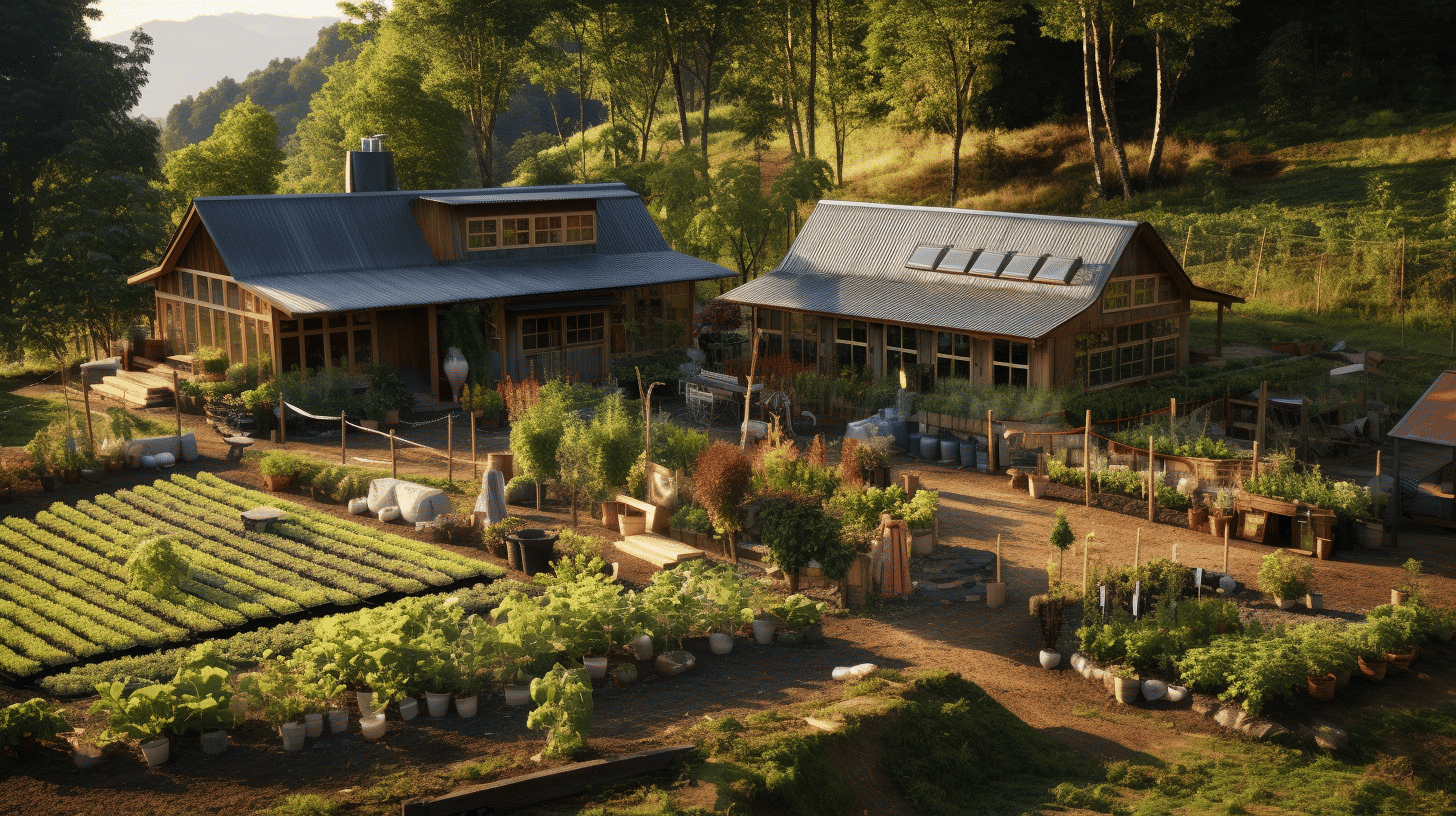
Permaculture, a holistic approach to sustainable farming and land management, has been gaining popularity among farmers and environmentalists alike. It offers a fresh perspective on how we can work with nature to create resilient and thriving ecosystems that benefit both the environment and the farmers themselves. So, what exactly is permaculture and why is it such a game-changer?
In this article, we will explore the principles, benefits, and challenges of permaculture. We will delve into real-world examples of permaculture design and implementation, highlighting its positive impact on soil fertility, efficient water use, biodiversity, and community building. We will also discuss the economic implications of adopting permaculture practices and how they compare to traditional farming methods.
Whether you’re a seasoned farmer looking to enhance your sustainable practices or someone interested in the future of agriculture, this article will provide valuable insights into the world of permaculture. Let’s dive in and discover how permaculture can revolutionize the way we farm and care for our environment.
Understanding Permaculture
Permaculture is a holistic approach to sustainable living that aims to create harmonious and resilient ecosystems. It is founded on the principles of observation, mimicry of natural systems, and the integration of ecological, social, and economic systems. By understanding and working with the patterns and processes found in nature, permaculture seeks to design and create regenerative and self-sustaining systems that provide for our needs while enhancing biodiversity, soil health, and community well-being.
Definition
At its core, permaculture is about finding creative and innovative solutions that work in harmony with nature. It is a design philosophy that encompasses a wide range of practices, from organic gardening and sustainable agriculture to water management, renewable energy systems, and community development.
In permaculture, every element serves multiple functions and each function is supported by multiple elements. This interconnectivity is what allows permaculture systems to be resilient and productive. By focusing on long-term sustainability rather than short-term gains, permaculture aims to create regenerative systems that continue to thrive and provide for future generations.
Principles of Permaculture
Permaculture is guided by a set of principles that help shape and inform its design practices. These principles, developed by the co-founders Bill Mollison and David Holmgren, provide a framework for sustainable and regenerative design. Some of the key principles include:
- Observe and Interact: By closely observing and engaging with natural systems, we can better understand how they function and how we can work with them.
- Catch and Store Energy: Permaculture seeks to capture and utilize energy from the environment, such as sunlight and rainwater, in order to minimize reliance on external inputs.
- Use and Value Renewable Resources and Services: Permaculture prioritizes the use of renewable resources and services, such as wind, solar, and natural ecological processes, over non-renewable resources.
- Design from Patterns to Details: By understanding the patterns and flows of energy and resources in a system, we can create more efficient and effective design solutions.
- Integrate Rather than Segregate: Permaculture encourages the integration of different elements and functions within a system, promoting synergy and diversity.
- Use Small and Slow Solutions: Small-scale and incremental changes are often more effective and sustainable than large-scale interventions.
- Produce No Waste: Permaculture aims to create systems where waste is minimized or turned into a resource, closing the loop and reducing environmental impact.
Brief History of Permaculture
Permaculture emerged in the 1970s as a response to the environmental and social challenges of the time. It was developed by Bill Mollison and David Holmgren in Australia and has since spread throughout the world, inspiring thousands of individuals and communities to adopt more sustainable lifestyles.
The term “permaculture” itself is a combination of the words “permanent” and “agriculture,” reflecting its original focus on designing sustainable agricultural systems. Over time, however, the scope of permaculture has expanded to include a wider range of practices and disciplines, such as ecological design, social permaculture, and urban permaculture.
Today, permaculture is practiced in diverse contexts, from small-scale homesteads and community gardens to large-scale farms and urban landscapes. Its principles and practices have proven to be resilient and adaptable, offering hope and inspiration for a more sustainable future.
In conclusion, permaculture is a holistic approach to sustainable living that aims to create regenerative systems that provide for our needs while enhancing biodiversity and community well-being. By working with nature and following its principles, permaculture offers a blueprint for designing resilient and productive ecosystems.
Benefits of Permaculture
Permaculture is an innovative approach to agriculture that focuses on creating sustainable and regenerative systems that mimic natural ecosystems. By incorporating principles such as observing and interacting with nature, using resources efficiently, and valuing diversity, permaculture offers a host of benefits for both the environment and the communities it serves. Let’s explore some of the key advantages of adopting permaculture practices:
Sustainable Farming and Soil Fertility
One of the primary benefits of permaculture is its ability to promote sustainable farming practices and enhance soil fertility. Traditional agriculture often relies heavily on the use of synthetic fertilizers and pesticides, which can have detrimental effects on the environment and long-term soil health. In contrast, permaculture employs organic and natural methods to build and maintain soil fertility, such as:
- Companion planting: By strategically combining different plant species, permaculture encourages natural pest control, nutrient cycling, and support for beneficial organisms.
- Mulching: Through the use of organic mulches like straw or wood chips, permaculture helps retain moisture in the soil, prevent erosion, and promote the growth of beneficial soil microorganisms.
- Composting: By recycling organic waste into nutrient-rich compost, permaculture enriches the soil with essential nutrients, reducing the need for synthetic fertilizers.
- Cover cropping: Growing cover crops during periods of rest or between main crops helps prevent soil erosion, improves soil structure, and adds organic matter to the soil.
These practices not only support healthy, productive farms but also contribute to the conservation of natural resources and the reduction of greenhouse gas emissions.
Efficient Water Use
Water scarcity is a pressing global issue, making efficient water use a crucial aspect of sustainable agriculture. Permaculture offers several strategies to maximize water efficiency on farms, including:
- Rainwater harvesting: Permaculture designs often incorporate techniques like swales, ponds, and rain gardens to capture and store rainwater, minimizing runoff and allowing it to slowly infiltrate the soil.
- Drip irrigation: Instead of wasteful overhead sprinklers, permaculture promotes the use of drip irrigation systems that deliver water directly to plant roots, reducing water loss through evaporation and ensuring targeted and efficient watering.
- Zone placement: By categorizing areas of the farm into zones based on water needs, permaculture allows for more precise water management, allocating resources where they are most needed and avoiding unnecessary watering.
By implementing these water-saving strategies, permaculture helps conserve this precious resource and ensures its availability for future generations.
Biodiversity Support and Ecosystem Services
Permaculture embraces the principle of valuing and protecting biodiversity, recognizing the integral role it plays in creating thriving ecosystems. Some ways in which permaculture supports biodiversity include:
- Polyculture: Instead of monocultures, which rely on single crops, permaculture promotes the cultivation of diverse plant species in an interdependent and mutually beneficial manner. This practice enhances ecological resilience, attracts a wide range of beneficial insects and pollinators, and reduces pest and disease pressures.
- Habitat creation: Permaculture designs incorporate elements like hedgerows, ponds, and wildflower strips, which offer refuge and food sources for wildlife, encouraging biodiversity.
- Integration of livestock: Integrating livestock into permaculture systems, such as rotational grazing, not only fosters sustainable meat and dairy production but also mimics natural grazing patterns and supports the health of grasslands.
By fostering biodiversity, permaculture contributes to the provision of crucial ecosystem services, such as pollination, pest control, and nutrient cycling, ultimately benefiting both humans and the natural environment.
Building Resilient Communities
Permaculture is not just about sustainable farming practices; it also encompasses a broader philosophy of community resilience and self-sufficiency. By involving local communities in the design and implementation of permaculture projects, numerous social and economic benefits can be realized:
- Food security: Permaculture systems can provide a diverse range of nutritious, locally grown food, reducing the dependence on imported or industrially produced goods and ensuring food security for communities.
- Education and empowerment: Permaculture offers opportunities for knowledge sharing and skill-building, empowering community members to actively participate in the design, maintenance, and management of their own food systems.
- Economic opportunities: By promoting local, small-scale agriculture and value-added products, permaculture can stimulate local economies, create job opportunities, and foster community wealth.
By fostering resilient communities, permaculture builds stronger social bonds, encourages collaboration, and contributes to the overall well-being and sustainability of society.
In conclusion, permaculture brings a multitude of benefits that go beyond sustainable farming practices. It fosters soil fertility, maximizes water efficiency, supports biodiversity, and empowers communities. By embracing permaculture, we can create a more sustainable and regenerative future for both the environment and ourselves.
Permaculture in Action
Permaculture design is not just a theoretical concept; it is meant to be implemented in the real world to create sustainable and regenerative systems. In this section, we will explore some inspiring examples of permaculture design in action, showcasing how it has been successfully applied in various contexts.
Permaculture Design Examples
1. Urban Gardens
Permaculture principles can be applied even in small urban spaces. Urban gardens are a prime example of how permaculture design can transform concrete jungles into thriving green havens. Using techniques such as vertical gardening, companion planting, and rainwater harvesting, urban gardens not only provide fresh food but also contribute to biodiversity, air quality improvement, and community building.
2. Food Forests
Food forests are a revolutionary concept where edible plants and trees are strategically integrated into a natural ecosystem. This design mimics the structure of a forest, utilizing the different layers – from groundcover to canopy – to maximize productivity and diversity. Food forests create self-sustaining ecosystems where plants support each other through symbiotic relationships, minimizing the need for external inputs such as fertilizers or pesticides.
3. Keyline Design
Keyline design is a water management technique that ensures optimal use of water resources on a property. By analyzing the natural contours of the land, keyline design employs contour plowing and earthworks to capture and distribute water effectively. This technique prevents erosion, increases soil fertility, and creates microclimates, enabling the growth of a wide range of crops and vegetation.
Real-world Implementations
1. Zaytuna Farm, Australia
Zaytuna Farm, located in New South Wales, Australia, is an exemplary permaculture project founded by Geoff Lawton. The farm is a hub for permaculture education and showcases innovative techniques such as swale systems, water harvesting, aquaculture, and mulching. By making efficient use of water resources, regenerating the soil, and nurturing diverse ecosystems, Zaytuna Farm demonstrates the immense potential of permaculture in restoring degraded landscapes.
2. Finca Luna Nueva, Costa Rica
In the heart of the Costa Rican rainforest, Finca Luna Nueva serves as a model for sustainable agriculture and agroforestry. The farm integrates traditional farming practices with permaculture design principles to cultivate a wide range of crops, including medicinal herbs, spices, and tropical fruits. Through companion planting, greywater recycling, and reforestation, Finca Luna Nueva showcases how permaculture can protect biodiversity while producing nutritious food.
3. Growing Power, USA
Located in Milwaukee, Wisconsin, Growing Power is a pioneering urban farm that has transformed vacant lots and abandoned buildings into thriving centers of food production. Using vertical farming techniques, vermicomposting, and aquaponics, Growing Power demonstrates the potential of permaculture to address issues of food security in urban environments. The farm also engages the local community through workshops and educational programs, empowering individuals to grow their own food sustainably.
As these examples illustrate, permaculture design is not a mere theoretical concept but rather a practical approach that can be adapted to various environments and scales. These real-world implementations serve as inspiration for individuals, communities, and organizations looking to create more sustainable and resilient systems. By incorporating permaculture principles into our lives, we can contribute to the regeneration of our planet and build a more harmonious future.
Potential Challenges in Implementing Permaculture
Permaculture offers numerous benefits, from creating sustainable food systems to promoting biodiversity. However, it is essential to acknowledge that implementing permaculture principles comes with its own set of challenges. In this section, we will explore some of the potential obstacles that individuals or communities may encounter when embarking on the journey of permaculture.
Adaptation to Different Climates
Permaculture practices are highly adaptable and can be implemented in various climates, from arid deserts to humid rainforests. However, each climate presents its own unique challenges, requiring specific strategies and techniques to be successful. Here are some potential climate-related challenges that permaculturists may face:
- Water Management: In arid regions, water scarcity may be a significant concern, requiring efficient water-harvesting and conservation methods.
- Extreme Temperatures: In areas with hot summers or cold winters, designing appropriate microclimates and selecting resilient plant species becomes crucial.
- Seasonal Variations: Regions with distinct seasons may require careful planning for crop rotation, seasonal planting, and protection against frost or heatwaves.
Initial Investment and Effort
Implementing permaculture principles often requires an initial investment of time, energy, and resources. It’s important to consider these potential challenges before diving into permaculture:
- Site Preparation: Converting a conventional landscape into a permaculture system may involve site clearing, soil improvement, and establishing key elements like swales or ponds.
- Infrastructure Development: Building necessary infrastructure, such as irrigation systems, composting areas, or animal shelters, can require both financial and physical resources.
- Planting and Establishment: Planting diverse perennial crops and establishing a balanced ecosystem takes time and ongoing effort. Patience and perseverance are key.
Knowledge and Skill Requirements
Permaculture principles are guided by a holistic understanding of ecological processes and regenerative design. Implementing these principles effectively requires knowledge and skill development in various areas:
- Permaculture Design: Gaining a deep understanding of permaculture design principles and techniques is essential. This includes knowledge of zoning, microclimates, soil health, plant guilds, and water management strategies.
- Ecological Literacy: A sound understanding of ecology, including plant species, interrelationships, and natural systems, helps inform decision-making and design.
- Practical Skills: Building skills in organic gardening, composting, natural pest control, animal husbandry, and other related practices are valuable assets for successful permaculture implementation.
In conclusion, while permaculture offers a sustainable and regenerative approach to land use, it is important to be aware of the potential challenges that come with it. Adapting to different climates, investing time and effort, and acquiring the necessary knowledge and skills are all part of the journey towards successful permaculture implementation. By recognizing and addressing these challenges, individuals and communities can navigate the path to a resilient and thriving permaculture system seamlessly.
The Economic Impact of Permaculture
The economic impact of permaculture is significant and far-reaching. Permaculture, a holistic approach to sustainable land and resource management, not only brings environmental benefits but also holds economic advantages for individuals, communities, and even entire regions. By focusing on ecological design and principles, permaculture practices can contribute to a more resilient and prosperous economy.
Here are a few key ways that permaculture can have a positive economic impact:
- Reduced input costs: One of the cornerstones of permaculture is minimizing external inputs and maximizing the use of natural resources. By implementing permaculture techniques such as companion planting, water harvesting, and natural pest control, farmers and gardeners can reduce their reliance on expensive chemical inputs, thus lowering their production costs. This can lead to higher profit margins and increased economic stability for agricultural businesses.
- Diversified income streams: Permaculture promotes the idea of creating diverse and interconnected systems. This principle extends beyond the natural environment and can be applied to economic activities as well. By integrating various income-generating enterprises such as agroforestry, livestock rearing, and value-added products, permaculture practitioners can create multiple revenue streams. This diversification helps mitigate the risks associated with relying on a single source of income, providing financial stability and resilience.
- Job creation: As permaculture initiatives gain traction, they often create new job opportunities. From farm laborers to permaculture design consultants, there is a growing demand for skilled individuals who can implement and teach permaculture techniques. Additionally, the decentralized and community-oriented nature of permaculture can foster the creation of small-scale, locally focused businesses. These enterprises not only provide employment but also contribute to the local economy by keeping resources and profits within the community.
- Increased food security: Permaculture focuses on regenerative agricultural practices that prioritize the production of healthy, nutritious food. By implementing permaculture techniques on a larger scale, communities can improve their overall food security. Increased self-sufficiency in food production reduces the dependence on external markets and creates a more resilient local economy. Additionally, by producing a variety of crops and utilizing diverse growing methods, permaculture contributes to the preservation of agricultural biodiversity, which is critical for long-term food security.
In conclusion, permaculture practices have the potential to generate positive economic impacts at various levels. By reducing input costs, creating diversified income streams, generating employment opportunities, and increasing food security, permaculture promotes sustainable economic development. It’s clear that permaculture is not just about environmental stewardship but also about building robust and thriving economies. So, whether you’re an individual farmer or a policymaker, exploring permaculture principles and practices can lead to economic gains while also benefiting the planet.
Permaculture as a Solution for Sustainable Agriculture
Permaculture, a holistic approach to agriculture, has gained significant attention in recent years as a solution for achieving sustainable food production. This system goes beyond traditional farming practices by prioritizing ecological principles, biodiversity, and the well-being of both people and the planet. By mimicking natural ecosystems and utilizing regenerative techniques, permaculture offers numerous benefits for farmers, consumers, and the environment. Let’s explore the advantages of permaculture and its potential future in farming.
Comparison with Traditional Farming Practices
When comparing permaculture with traditional farming practices, several stark differences emerge. Traditional agriculture often relies on large-scale monocultures, heavy chemical inputs, and mechanized processes. In contrast, permaculture embraces the following principles:
1. Diversity:
Permaculture promotes biodiversity by integrating a variety of plants, animals, and insects. By growing multiple crops together in a synergistic manner, farmers can maximize resource use, reduce pest pressure, and enhance soil fertility.
2. Regenerative Techniques:
Permaculture places a strong emphasis on regenerating the land. Farmers utilize techniques such as composting, mulching, and crop rotation to build healthy soil, conserve water, and minimize erosion, ultimately contributing to long-term sustainability.
3. Self-sufficiency:
Permaculture strives to create self-sufficient systems that reduce dependence on external resources. By implementing strategies like rainwater harvesting, renewable energy generation, and on-site waste management, farmers can minimize their ecological footprint and become more resilient in the face of potential disruptions.
4. Community Engagement:
Permaculture encourages community involvement and knowledge-sharing. Farmers often collaborate with local communities, creating opportunities for education, skill-building, and social cohesion. This cooperative approach fosters a sense of shared responsibility for the environment and ensures a more equitable distribution of resources.
Future of Farming
As the world faces increasing challenges such as climate change, soil degradation, and food insecurity, permaculture offers a promising future for farming. Here’s why:
1. Resilience:
Permaculture systems are designed to be resilient in the face of environmental pressures. The diversification of crops, reliance on natural processes, and focus on ecological health make permaculture farms more adaptable to changing conditions.
2. Sustainability:
Permaculture prioritizes the long-term health of the ecosystem. By using regenerative techniques, minimizing chemical inputs, and enhancing biodiversity, farmers can contribute to the preservation of natural resources and protect the planet for future generations.
3. Food Security:
Permaculture promotes local food production and reduces dependency on imported goods. By fostering self-sufficiency and encouraging community engagement, permaculture farms contribute to enhanced food security at both the individual and community levels.
4. Environmental Stewardship:
Permaculture recognizes the interconnectedness of all living beings and aims to restore harmony between humans and nature. By restoring degraded landscapes, conserving water, and promoting sustainable practices, permaculture farms become hubs of environmental stewardship.
In conclusion, permaculture offers a viable and sustainable alternative to traditional farming practices. By embracing ecological principles, regenerative techniques, and community engagement, permaculture farms can contribute to a healthier planet, more resilient food systems, and a brighter future for agriculture.
Conclusion
In conclusion, permaculture is a valuable approach to sustainable farming and environmental stewardship. By implementing permaculture principles in their practices, farmers can enhance soil fertility, efficiently utilize water resources, support biodiversity, and build resilient communities. Real-world examples demonstrate the effectiveness of permaculture design in creating productive and resilient agricultural systems. However, implementing permaculture does come with challenges, including the need for adaptation to different climates, initial investment and effort, and acquiring the necessary knowledge and skills.
Despite these challenges, permaculture offers promising solutions for sustainable agriculture. It outperforms traditional farming practices in terms of ecological benefits and has the potential to shape the future of farming. As we strive for a harmonious coexistence between agriculture and ecology, exploring the potential of permaculture is crucial. Regenerative Agriculture Wiki provides comprehensive resources and guides to help individuals and communities embrace regenerative practices and contribute to global food security. Join us in fostering a future where agriculture and the environment thrive together.
Visit Regenerative Agriculture Wiki to explore more on permaculture and other regenerative agriculture topics. Together, let’s cultivate a sustainable future.
Frequently Asked Questions
- What is permaculture?
Permaculture is a holistic approach to sustainable farming and gardening that aims to mimic natural ecosystems. It focuses on designing systems that are self-sufficient, regenerative, and in harmony with nature.
- What are the benefits of permaculture for sustainable farmers?
Permaculture offers numerous benefits for sustainable farmers including increased biodiversity, reduced reliance on synthetic inputs, improved soil health, water conservation, minimized waste, and resilient farming systems.
- How does permaculture benefit the environment?
Permaculture contributes to environmental sustainability by promoting biodiversity, reducing soil erosion, conserving water resources, mitigating climate change through carbon sequestration, and fostering habitat creation for wildlife.
- Can permaculture be applied in different farming systems?
Yes, permaculture principles can be applied in various farming systems including small-scale organic farms, community gardens, urban agriculture, agroforestry, and even large-scale commercial farming with integrated permaculture practices.
- What are some key permaculture techniques used in sustainable farming?
Key permaculture techniques used in sustainable farming include agroforestry, composting, rainwater harvesting, companion planting, rotational grazing, no-till farming, and using natural pest control methods.