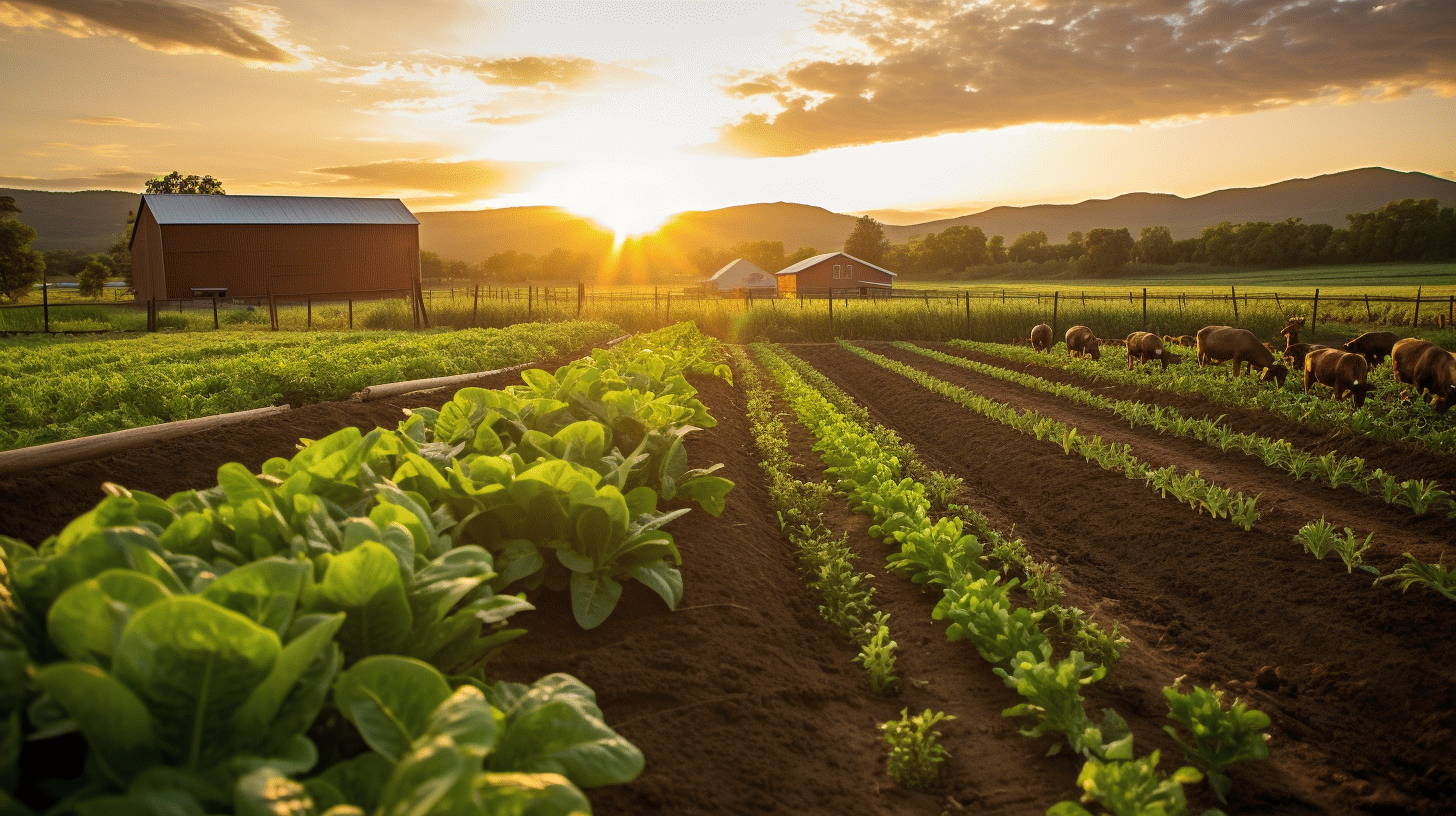
Climate change is one of the most pressing issues of our time, with far-reaching impacts on the environment and society as a whole. As the global community seeks effective solutions to mitigate the effects of climate change, regenerative agriculture has emerged as a promising approach.
Regenerative agriculture refers to a holistic farming system that aims to restore and enhance the health of the soil, improve water retention, promote biodiversity, and reduce the use of synthetic inputs. This method of farming goes beyond sustaining the land; it actively works towards revitalizing and regenerating the soil ecosystem.
By adopting regenerative agricultural practices, farmers can not only improve their own livelihoods but also play a crucial role in mitigating climate change. This article delves into the link between regenerative agriculture and carbon sequestration, highlighting its potential as an effective climate change mitigation tool. Additionally, we will explore the various benefits of regenerative agriculture and its positive impact on the environment.
Let’s embark on a fascinating journey and discover how regenerative agriculture can transform our food systems while contributing to a more sustainable and resilient planet.
Regenerative Agriculture and Carbon Sequestration
Regenerative agriculture practices have gained significant attention for their potential to combat climate change by sequestering carbon in the soil. By implementing techniques that enhance soil health and fertility, farmers can play a crucial role in mitigating greenhouse gas emissions and restoring the balance of our ecosystems.
Soil Carbon Sequestration Potential
One of the key benefits of regenerative agriculture is its ability to sequester atmospheric carbon dioxide (CO2) in the form of mineralized soil carbon. According to recent data, regenerative agriculture practices have the potential to sequester vast amounts of CO2 and store it in the soil for the long term.
Organic Soil Carbon and Nitrogen Stocks
Implementing regenerative agriculture techniques leads to the buildup of organic soil carbon and nitrogen stocks. This is beneficial for two reasons. Firstly, organic soil carbon helps improve soil structure, water retention, and nutrient availability, creating a more stable and resilient soil environment for crops. Secondly, the accumulation of nitrogen in the soil reduces the need for synthetic fertilizers, decreasing the dependency on fossil fuel-based inputs and minimizing nitrogen losses to the environment.
Proper management of regenerative agricultural systems, including cover cropping, composting, and crop rotation, contributes to the increase in organic soil carbon and nitrogen stocks. These practices create a positive feedback loop, where healthier soils result in higher crop productivity, further enhancing carbon sequestration potential.
Sequestering More Than Current CO2 Emissions
Recent data has indicated something truly remarkable – regenerative agriculture has the potential to sequester more than 100% of current annual CO2 emissions. This means that, by implementing regenerative practices on a large scale, we have the opportunity not only to mitigate current emissions but also to draw down historical carbon that has accumulated in the atmosphere. This has profound implications for reversing climate change.
Restoring Biodiversity for Enhanced Carbon Storage
In addition to carbon sequestration, regenerative agriculture also has the potential to restore biodiversity in soils, particularly in grasslands. Enhancing biodiversity enhances the capacity of soils to capture and store carbon. By incorporating practices like rotational grazing and agroforestry, farmers can create diverse ecosystems that support a wide range of beneficial organisms, such as earthworms, fungi, and bacteria. These organisms play a vital role in the carbon cycle, helping to convert plant residues into stable forms of soil carbon and facilitating nutrient cycling.
In conclusion, regenerative agriculture practices offer a promising solution for carbon sequestration and climate change mitigation. By implementing techniques that enhance soil health and fertility, farmers can contribute to long-term carbon storage, reduce greenhouse gas emissions, and restore the resilience of our ecosystems. The potential of regenerative agriculture to sequester more than 100% of current CO2 emissions is an exciting prospect for a sustainable and resilient future.
Regenerative Agriculture as Climate Change Mitigation
In recent years, there has been growing interest in finding effective solutions to mitigate the impacts of climate change. One such solution gaining traction is regenerative agriculture. This innovative approach to farming not only improves soil health and biodiversity but also has the potential to significantly reduce carbon emissions and combat climate change. Let’s take a closer look at why regenerative agriculture is considered a valuable tool in climate change mitigation.
Effective Climate Change Mitigation Tool
Reports suggest that regenerative agriculture principles can effectively mitigate climate change. By adopting practices such as cover cropping, crop rotation, and reduced tillage, farmers can enhance the health and fertility of the soil, leading to increased carbon sequestration. This means that carbon dioxide, one of the main greenhouse gases responsible for global warming, is drawn down from the atmosphere and stored in the soil.
Carbon Sequestration Potential
Regenerative farming practices have impressive carbon sequestration potential. Studies have shown that these practices can sequester around 2.29 megagrams of carbon per hectare annually. To put this into perspective, if widely adopted, regenerative agriculture could potentially offset a significant portion of global carbon emissions. This makes it a promising solution in the fight against climate change.
Promotion by Nestlé and General Mills
Recognizing the importance of regenerative agriculture, major food companies like Nestlé and General Mills have taken proactive steps to promote these sustainable farming practices. By incorporating regenerative agriculture into their supply chains, these companies aim to reduce their carbon emissions and contribute to a more sustainable future.
Nestlé, for instance, has committed to investing in projects that support regenerative farming practices across their value chain. They recognize the potential of regenerative agriculture not only in reducing greenhouse gas emissions but also in enhancing biodiversity and improving farmer livelihoods.
General Mills, on the other hand, has launched the “Gunsmoke Farms Regenerative Agriculture Initiative,” which aims to transition 1 million acres of farmland to regenerative practices by 2030. This initiative not only helps combat climate change but also promotes soil health and supports farmers in implementing regenerative agriculture techniques.
These efforts by industry leaders like Nestlé and General Mills highlight the significance of regenerative agriculture as a climate change mitigation strategy. By supporting and promoting regenerative farming practices, they are taking tangible steps towards building a more sustainable and resilient food system.
In conclusion, regenerative agriculture offers a promising solution for mitigating climate change. Its ability to sequester carbon and improve soil health makes it a valuable tool in the fight against global warming. With the support of companies like Nestlé and General Mills, regenerative agriculture is gaining momentum and has the potential to reshape the future of farming for the better.
Benefits of Regenerative Agriculture
Regenerative agriculture is gaining recognition as a sustainable farming approach that not only promotes ecological balance but also offers several benefits. Farmers, scientists, and environmentalists are increasingly recognizing the potential of regenerative agriculture to address the challenges of climate change and improve overall farming practices. Here are some notable benefits:
Improved Soil Productivity and Health
One of the primary advantages of regenerative agriculture is its ability to improve soil productivity and health. By implementing practices such as cover cropping, crop rotation, and reduced tillage, regenerative farmers contribute to the restoration of soil organic matter. This, in turn, enhances soil fertility, water retention, and nutrient availability. With improved soil health, farmers experience increased crop yields, reduced dependence on synthetic fertilizers, and improved overall farm productivity.
Annual Carbon Sequestration in the U.S.
Regenerative agriculture plays a crucial role in carbon sequestration, providing a practical solution to combat climate change. According to data, regenerative agriculture practices in the United States alone have the potential to sequester as much as 250 million tons of carbon dioxide annually. This impressive statistic highlights the significant carbon capture potential of regenerative farming methods. By sequestering carbon in the soil, regenerative agriculture helps mitigate greenhouse gas emissions and contributes to a sustainable and carbon-neutral future.
Enhanced Farming Resilience
In a world experiencing increasing climatic variability and extreme weather events, regenerative agriculture offers enhanced farming resilience. The principles of regenerative agriculture, such as diversification and soil health improvement, help farmers adapt to changing environmental conditions. By maintaining biodiversity, fostering natural ecosystem functions, and utilizing regenerative practices, farmers are better equipped to withstand climate-related challenges. Regenerative agriculture empowers farmers to build more resilient and sustainable farming systems for the long term.
Contribution to Carbon Capture
Regenerative agriculture contributes significantly to addressing the impacts of climate change through carbon capture. By adopting techniques like agroforestry, where trees are integrated into agricultural landscapes, farmers can capture and store substantial amounts of atmospheric carbon. These practices provide multiple benefits, including reducing erosion, providing shade, enhancing biodiversity, and sequestering more carbon from the atmosphere. Through strategic carbon capture, regenerative agriculture supports efforts to combat climate change and create a more sustainable future for all.
In conclusion, regenerative agriculture offers a range of benefits, from improving soil productivity and health to contributing to carbon capture and enhancing farming resilience. As more farmers and stakeholders embrace regenerative practices, we move closer to a more sustainable and resilient agricultural system that addresses the challenges of climate change while ensuring food security for future generations.
Additional Information:
- Regenerative agriculture practices improve soil productivity and health by restoring soil organic matter.
- Regenerative agriculture can sequester as much as 250 million tons of carbon dioxide annually in the U.S.
- Regenerative agriculture builds farming resilience to climatic variability.
- Regenerative agriculture contributes to addressing climate change impacts through carbon capture.
Regenerative Agriculture and Environmental Impact
Regenerative agriculture is gaining recognition for its potential to not only improve soil health and increase crop productivity but also for its positive environmental impact. By adopting regenerative practices, farmers can contribute to mitigating climate change, conserving water resources, protecting biodiversity, and promoting sustainable land management.
Water Quality Improvement
One of the significant environmental benefits of regenerative agriculture is its impact on water quality. Conventional farming practices often involve the use of synthetic fertilizers and pesticides, which can find their way into rivers, lakes, and groundwater. This pollution can have detrimental effects on aquatic ecosystems and human health. In contrast, regenerative farming methods prioritize organic inputs and reduce chemical applications, leading to less runoff and contamination.
Regenerative agriculture practices such as cover cropping, conservation tillage, and crop rotation help to improve soil structure and reduce erosion. This, in turn, helps to prevent sediment, nutrients, and pesticides from being washed away into water bodies, thereby safeguarding water quality.
Protection of Biodiversity
Biodiversity conservation is another crucial aspect of regenerative agriculture. Traditional farming practices, often characterized by monocultures and intensive chemical inputs, can lead to a loss of natural habitats and decrease biodiversity. However, regenerative agriculture focuses on enhancing biodiversity on and around the farm.
By diversifying crop rotations, incorporating hedgerows and buffer zones, and promoting wildlife-friendly practices, farmers can create a more favorable environment for a variety of plant and animal species. This multifunctional landscape not only supports pollinators and beneficial predators but also provides an ecological balance that helps prevent the outbreak of pests and diseases. Ultimately, protecting and encouraging biodiversity through regenerative practices contributes to the overall health and resilience of agricultural ecosystems.
Importance of Soil Microbes
While soil itself may not be the first thing that comes to mind when considering environmental impact, healthy soils are vital for numerous ecological processes and services. Regenerative agriculture recognizes the importance of soil microbes in building carbon stores in the soil and supporting nutrient cycling.
Soil microbes, which include bacteria, fungi, and other microorganisms, play a crucial role in breaking down organic matter, releasing nutrients, and improving soil structure. This, in turn, enhances the soil’s ability to retain water, resist erosion, and support plant growth. By adopting practices such as reduced tillage, cover cropping, and compost application, farmers can foster a thriving microbial community and promote carbon sequestration in the soil.
In conclusion, regenerative agriculture offers a holistic approach to farming that considers both agricultural productivity and environmental sustainability. By improving water quality, protecting biodiversity, and nurturing soil microbes, regenerative practices contribute to a healthier planet while providing a viable and sustainable future for agriculture.
Conclusion
In conclusion, regenerative agriculture holds immense potential as a solution to mitigate climate change and promote sustainable farming practices. By focusing on soil health, carbon sequestration, and biodiversity conservation, regenerative agriculture offers a holistic approach that benefits both the environment and farmers.
Through our platform, Regenerative Agriculture Wiki, we aim to empower individuals and communities with comprehensive knowledge and resources on regenerative agriculture. We believe that by fostering a future where agriculture and ecology thrive in harmony, we can contribute to global food security and create a more sustainable world.
Join us on this journey of discovery and exploration as we delve into topics such as holistic management, permaculture, and agroecology. Together, let’s embrace regenerative agriculture and pave the way for a greener, more resilient future.
Visit Regenerative Agriculture Wiki to access a wealth of informative content, insightful guides, and practical tips for embracing regenerative farming practices. Let’s make a positive impact on the planet and shape a better future for generations to come.
Frequently Asked Questions
- What is regenerative agriculture?
Regenerative agriculture is a holistic approach to farming and land management that aims to restore and improve soil health, biodiversity, and ecosystem functioning. It focuses on practices that enhance soil fertility, sequester carbon, promote water conservation, and mitigate climate change.
- How does regenerative agriculture help mitigate climate change?
Regenerative agriculture helps mitigate climate change by sequestering carbon in the soil through practices such as cover cropping, crop rotation, agroforestry, and no-till farming. These practices help reduce greenhouse gas emissions, improve soil organic matter, and enhance soil’s capacity to store carbon.
- What are some examples of regenerative agriculture practices?
Examples of regenerative agriculture practices include cover cropping, rotational grazing, agroforestry, conservation tillage, composting, crop diversification, and integrating livestock into cropping systems. These practices promote soil health, biodiversity, and ecosystem resilience.
- Are there any economic benefits to implementing regenerative agriculture?
Yes, there are economic benefits to implementing regenerative agriculture. It can lead to increased crop yields, reduced input costs (e.g., fertilizers, pesticides), improved water and nutrient retention, decreased soil erosion, and enhanced resilience to extreme weather events, ultimately resulting in improved profitability and long-term sustainability for farmers.
- Is regenerative agriculture suitable for all types of farming?
Regenerative agriculture principles can be applied to various farming systems, including both small-scale and large-scale operations. However, the specific practices may vary depending on factors such as climate, soil type, and crop/livestock selection. It’s important to adapt regenerative agriculture practices to the specific context and goals of each farm.