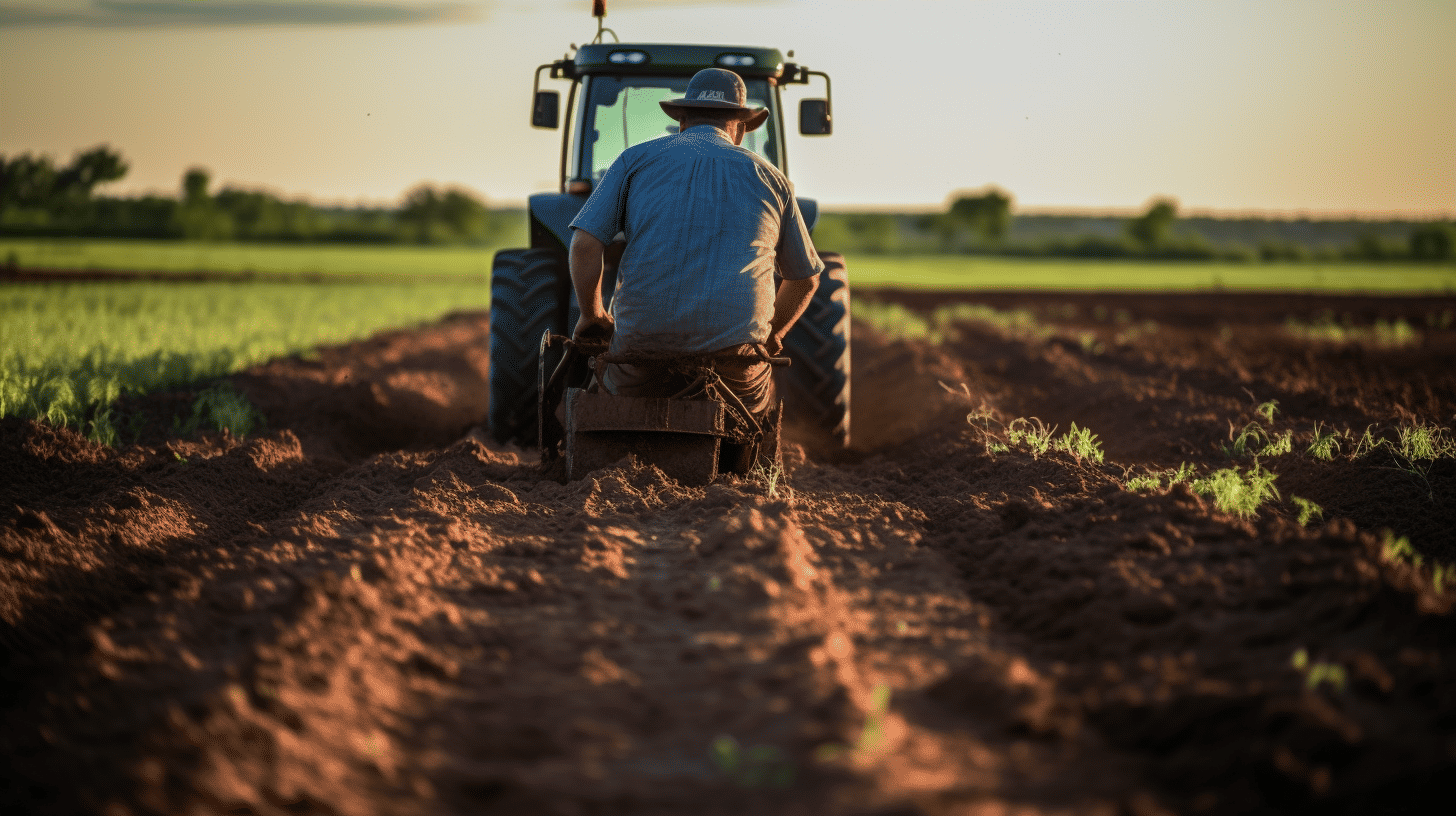
Regenerative orcharding is a sustainable approach to fruit and nut production that focuses on nurturing the health of the soil, enhancing biodiversity, and restoring ecosystem balance. This innovative method of agriculture goes beyond traditional farming practices, prioritizing environmental stewardship and long-term sustainability. By implementing regenerative practices, orchardists can not only produce high-quality fruits and nuts but also contribute to the health of the planet.
In this article, we will explore the principles and objectives of regenerative agriculture, the benefits it offers, and the importance of adopting a sustainable agricultural system. We will delve into the ways regenerative orcharding can improve soil health, increase biodiversity, mitigate climate change, and promote the sequestration of carbon. By the end, you will have a comprehensive understanding of why regenerative orcharding is a compelling option for fruit and nut producers looking to make a positive impact on the environment.
So, let’s dive in and uncover the exciting world of regenerative orcharding and its potential to transform the agricultural landscape!
Regenerative Agriculture and Its Importance
Regenerative agriculture is an innovative approach to farming that is gaining traction in the agricultural industry. It focuses on building and restoring soil health, biodiversity, and ecological balance. This method aims to create a sustainable and resilient farming system that benefits both farmers and the environment.
Addressing Systemic Racism and Equity
One of the significant implications of regenerative agriculture is its potential to address systemic racism and equity in the farming sector. Throughout U.S. history, marginalized communities, particularly Black, Indigenous, and People of Color (BIPOC), have faced significant barriers and discrimination in accessing land and resources for agriculture.
Fortunately, regenerative farming practices are providing an opportunity to rectify this historical inequity. By implementing regenerative practices, these farmers not only restore the health of the land but also regain control over their farming practices, building economic independence and resilience in their communities.
The principles of regenerative agriculture, such as diversifying crops, promoting local food systems, and creating cooperative networks, empower BIPOC farmers to reclaim their cultural heritage and regain control over their food production. This approach fosters a more inclusive and equitable agricultural system that values the contributions of all farmers.
Benefits of Regenerative Orchards
In addition to addressing equity issues, regenerative agriculture brings a multitude of benefits to orchards. Compared to conventional practices, regenerative orchards exhibit higher levels of plant biomass, species diversity, and percent cover.
Here are some key benefits of regenerative orchards:
- Enhanced Soil Health: Regenerative practices prioritize soil health by minimizing soil erosion, increasing organic matter content, and improving water infiltration. This not only improves the overall health of the trees but also increases their resilience to pests and diseases.
- Biodiversity Preservation: Regenerative orchards support a diverse range of plant and animal species. By creating habitats for beneficial insects and birds, they promote natural pest control and reduce the need for chemical inputs.
- Water Conservation: Regenerative agriculture emphasizes water conservation techniques such as mulching, cover cropping, and companion planting. These practices help retain soil moisture, reducing the need for excessive irrigation and conserving water resources.
- Climate Resilience: Regenerative orchards sequester carbon dioxide from the atmosphere through plant photosynthesis and carbon storage in the soil. This helps mitigate the impacts of climate change by reducing greenhouse gas emissions and enhancing the resilience of orchard ecosystems.
- Improved Crop Quality: Regenerative practices enhance the nutritional quality of fruits by providing a nutrient-rich soil environment. This results in healthier and more flavorful produce that is not only good for consumers but also brings higher market value to farmers.
Regenerative agriculture is proving to be a game-changer for orchards and the agricultural industry as a whole. By implementing these practices, farmers can create thriving ecosystems, improve their economic viability, and contribute to a more sustainable and equitable food system.
Objectives of Regenerative Agriculture
Regenerative agriculture is an innovative farming approach that aims to address various environmental challenges while promoting sustainable food production. This practice focuses on improving soil health, increasing biodiversity, restoring ecosystem balance, and mitigating climate change. Let’s take a closer look at each of these objectives:
Improving Soil Health
One of the key objectives of regenerative agriculture is to improve soil health. Farmers adopting this approach prioritize practices that enhance soil fertility and structure, such as:
- Cover cropping: Planting cover crops like legumes and grasses helps protect the soil from erosion, improves water retention, and increases organic matter content.
- Crop rotation: Rotating crops helps break pest and disease cycles, reduces the need for chemical inputs, and enhances soil nutrient availability.
- Minimal tillage: Minimizing soil disturbance through reduced or no-till practices helps preserve soil structure, retain moisture, and promote beneficial microbial activity.
Increasing Biodiversity
Regenerative agriculture recognizes the importance of biodiversity in agricultural systems. By promoting biodiversity, farmers can:
- Enhance pollination: Diverse plant species attract a wide range of pollinators, ensuring better fertilization and fruit set.
- Natural pest control: Encouraging beneficial insects and predators through habitat diversification helps control pests without relying on synthetic pesticides.
- Support wildlife habitats: Creating hedgerows, ponds, and other wildlife-friendly features on farms provides refuge and food sources for beneficial species.
Restoring Ecosystem Balance
Another objective of regenerative agriculture is to restore ecosystem balance by mimicking natural ecological processes. This can be achieved through:
- Integrated pest management: Instead of relying solely on chemical pesticides, regenerative farmers adopt integrated pest management strategies that harness natural methods to control pests.
- Water management practices: Implementing strategies like rainwater harvesting, contouring, and wetland creation helps restore water cycles, prevent erosion, and improve water quality.
- Conservation of natural habitats: Preserving and restoring natural areas within or adjacent to farms supports the recovery of native plant and animal species, helping to maintain a balanced ecosystem.
Mitigating Climate Change
Regenerative agriculture plays a vital role in mitigating climate change by reducing agricultural greenhouse gas emissions and sequestering carbon in the soil. Key practices include:
- Carbon sequestration: Through techniques like cover cropping and rotational grazing, regenerative farmers aim to increase organic matter in the soil, which acts as a long-term carbon sink.
- Reducing synthetic inputs: By minimizing the use of synthetic fertilizers and pesticides, regenerative agriculture helps reduce the embodied energy and emissions associated with their production.
- Enhancing soil water retention: Healthy soils with high organic matter content can hold more water, reducing the need for irrigation and increasing resilience to drought.
Investments in regenerative agriculture-related projects indicate a growing interest in this farming practice. As more farmers adopt regenerative agriculture principles, the benefits accumulate at both the farm and landscape levels, contributing to a more sustainable and resilient food system.
Benefits of Regenerative Agriculture
Regenerative agriculture is a farming approach that aims to restore and improve the health of the soil while minimizing environmental impact. It focuses on nurturing the soil using natural methods and emphasizes the importance of biodiversity. This holistic approach has numerous benefits for both farmers and the environment. In this section, we will explore some of the key advantages of regenerative agriculture.
Cost Savings and CO2 Emissions Reduction
By adopting regenerative practices, farmers can experience significant cost savings while also reducing their carbon footprint. Here’s how:
- Decreased chemical inputs: Regenerative agriculture promotes natural methods of pest control and disease prevention, reducing the need for synthetic chemicals. This leads to cost savings on fertilizers, pesticides, and other inputs.
- Improved water management: Soil health is a crucial factor in water retention. Regenerative practices help improve soil structure, allowing it to absorb and retain water more effectively. This reduces the need for irrigation, resulting in lower water usage and cost savings.
- Carbon sequestration: Regenerative farming techniques, such as cover cropping and agroforestry, help sequester carbon from the atmosphere and store it in the soil. This not only mitigates climate change but also provides an opportunity for farmers to participate in carbon markets and generate additional income.
Improved Biodiversity and Soil Health
Regenerative agriculture focuses on enhancing biodiversity, which brings a multitude of benefits to the farm ecosystem:
- Enhanced pollination: A diverse range of plants encourages pollinators such as bees and butterflies to thrive. This, in turn, improves crop pollination and increases yields.
- Natural pest control: By promoting a diverse habitat, regenerative farming creates a balance in the ecosystem. Beneficial insects and birds are attracted to the farm, helping control pests organically and minimizing the need for chemical interventions.
- Soil fertility and health: Regenerative practices, such as cover cropping and the use of organic matter, contribute to improved soil fertility. Healthy soils are more resilient to erosion, have better water-holding capacity, and provide a nutrient-rich environment for plants to thrive in.
Sustainable Crop Production
Regenerative agriculture ensures the long-term sustainability of crop production by nurturing the soil and minimizing environmental impact:
- Crop resilience: Healthy soils, enriched with organic matter, provide an optimal growing environment for crops. This enhances their resilience to adverse weather conditions, such as drought or excessive rainfall.
- Nutritious food: When the soil is healthy, crops grown on regenerative farms tend to be more nutrient-dense. This means that consumers can enjoy healthier and more flavorful produce.
- Reduced soil erosion: By keeping the soil covered with cover crops or mulch, regenerative farming practices help prevent soil erosion. This preserves valuable topsoil and prevents nutrient runoff into waterways.
As we can see, regenerative agriculture offers a wide range of benefits that go beyond simply growing crops. From cost savings to improved biodiversity and healthier soils, this farming approach is truly transformative. By incorporating regenerative practices, farmers can play a crucial role in healing both people and the planet. So, let’s embrace regenerative agriculture and cultivate a more sustainable future for all.
Carbon Sequestration and Agroforestry
Introduction
In the face of increasing concerns about climate change and the need to mitigate carbon emissions, regenerative agriculture practices are gaining attention. These practices aim to reverse the current trends of atmospheric CO2 accumulation and provide ways to store carbon in the soil and biomass. One such practice that shows great promise is agroforestry, which involves integrating trees into farming systems. Not only does agroforestry offer potential solutions for carbon sequestration, but it also addresses the decline in wildlife numbers and contributes to the broader goal of mitigating climate change.
Storing Carbon in Soil and Biomass
Agroforestry systems have a unique ability to sequester carbon, both above and below the ground. Here’s how it works:
- Above-ground biomass: Trees are excellent carbon sinks, absorbing carbon dioxide from the atmosphere through photosynthesis. As they grow, they store carbon in their trunks, branches, and leaves, thereby reducing the amount of CO2 in the atmosphere.
- Below-ground biomass: Agroforestry systems also have the advantage of sequestering carbon in the soil. When trees are integrated into farming practices, their roots extend deep into the ground, increasing the organic matter content and fostering the growth of beneficial microorganisms. This, in turn, enhances the soil’s ability to store carbon.
- Reducing soil erosion: Agroforestry systems also offer additional benefits for carbon sequestration. By providing a system of tree roots and ground cover, they help prevent soil erosion, which can release stored carbon into the atmosphere.
Addressing Wildlife Decline and Climate Change
In addition to carbon sequestration, agroforestry plays a vital role in addressing the decline in wildlife populations and combating climate change. Here’s how it does so:
- Habitat creation: By integrating trees into farmland, agroforestry creates new habitats for wildlife. These trees provide nesting sites, food sources, and corridors for animal movement, ultimately contributing to the conservation of diverse species.
- Biodiversity conservation: Agroforestry systems promote biodiversity by providing a diverse range of habitats within agricultural landscapes. The combination of trees, crops, and livestock creates a mosaic of different microhabitats that support a wide array of plant and animal species.
- Climate adaptation: Agroforestry helps farmers adapt to climate change by providing resilience against extreme weather events. The presence of trees in agroforestry systems can moderate temperature extremes, reduce wind speed, and protect crops from heavy rain or drought.
To sum up, agroforestry holds immense potential for carbon sequestration, wildlife conservation, and mitigating climate change. By integrating the benefits of trees into agricultural landscapes, we can create a more sustainable and resilient future. As more research and awareness surround agroforestry, its adoption can make a significant impact in combatting climate change and preserving biodiversity. So let’s embrace this regenerative agricultural practice and work towards a greener and healthier planet.
Read more: Looking to learn more about agroforestry and its benefits? Check out this resource for further information.
Importance of a Sustainable Agricultural System
A sustainable agricultural system is crucial for the long-term health and well-being of our planet. It involves practices that promote environmental stewardship, social equity, and economic viability. Here are some key reasons why a sustainable agricultural system is of utmost importance:
Maintaining Soil Fertility
One of the primary objectives of sustainable agriculture is to maintain soil fertility. Healthy soil is the foundation for successful crop production. By adopting practices such as cover cropping, crop rotation, and organic fertilization, farmers can replenish nutrients in the soil and prevent erosion. This ensures that the land remains productive for future generations.
Conserving Water
Water scarcity is a pressing issue in many parts of the world. Sustainable agriculture promotes water conservation through techniques like drip irrigation, rainwater harvesting, and efficient water management practices. These strategies reduce water usage and help farmers adapt to changing climate conditions.
Preserving Farming Services
A sustainable agricultural system recognizes the importance of preserving farming services for the prosperity of communities. This includes maintaining rural livelihoods, supporting local economies, and providing access to fresh and nutritious food. By prioritizing regenerative practices, such as agroforestry and ecological pest management, farmers can ensure the longevity of their businesses while contributing to the overall well-being of their communities.
In essence, a sustainable agricultural system takes a holistic approach, considering the interdependence of environmental, social, and economic factors. It aims to create a harmonious relationship between people and the land, fostering a resilient food system for future generations.
“The health of our agricultural system directly impacts the health of our planet. By adopting sustainable practices, we can ensure a better future for ourselves and the generations to come.”
Frequently Asked Questions
- What is regenerative orcharding?
Regenerative orcharding is a sustainable approach to fruit and nut production that focuses on restoring and enhancing the natural ecosystems within orchards. It involves practices such as biodiversity promotion, soil regeneration, water conservation, and integrated pest management.
- Why is regenerative orcharding important?
Regenerative orcharding is important because it improves soil health, increases biodiversity, reduces the need for chemical inputs, and enhances the resilience of orchard ecosystems to climate change. It also produces high-quality fruits and nuts while minimizing the negative environmental impacts of conventional farming.
- What are some key practices involved in regenerative orcharding?
Some key practices involved in regenerative orcharding include cover cropping, organic fertilization, mulching, agroforestry, crop rotation, companion planting, beneficial insect habitat creation, and natural pest control methods.
- Can regenerative orcharding be applied to any scale of fruit and nut production?
Yes, regenerative orcharding can be applied to any scale of fruit and nut production, from small backyard orchards to large commercial operations. The principles of regenerative agriculture can be adapted to suit different contexts and production systems.
- Are there any certifications or guidelines for regenerative orcharding?
Although there is no specific certification or standard for regenerative orcharding, various organizations and initiatives promote regenerative farming practices. These include the Regenerative Organic Certification, Biodynamic certification, and programs like the Savanna Institute’s Agroforestry Apprenticeship.