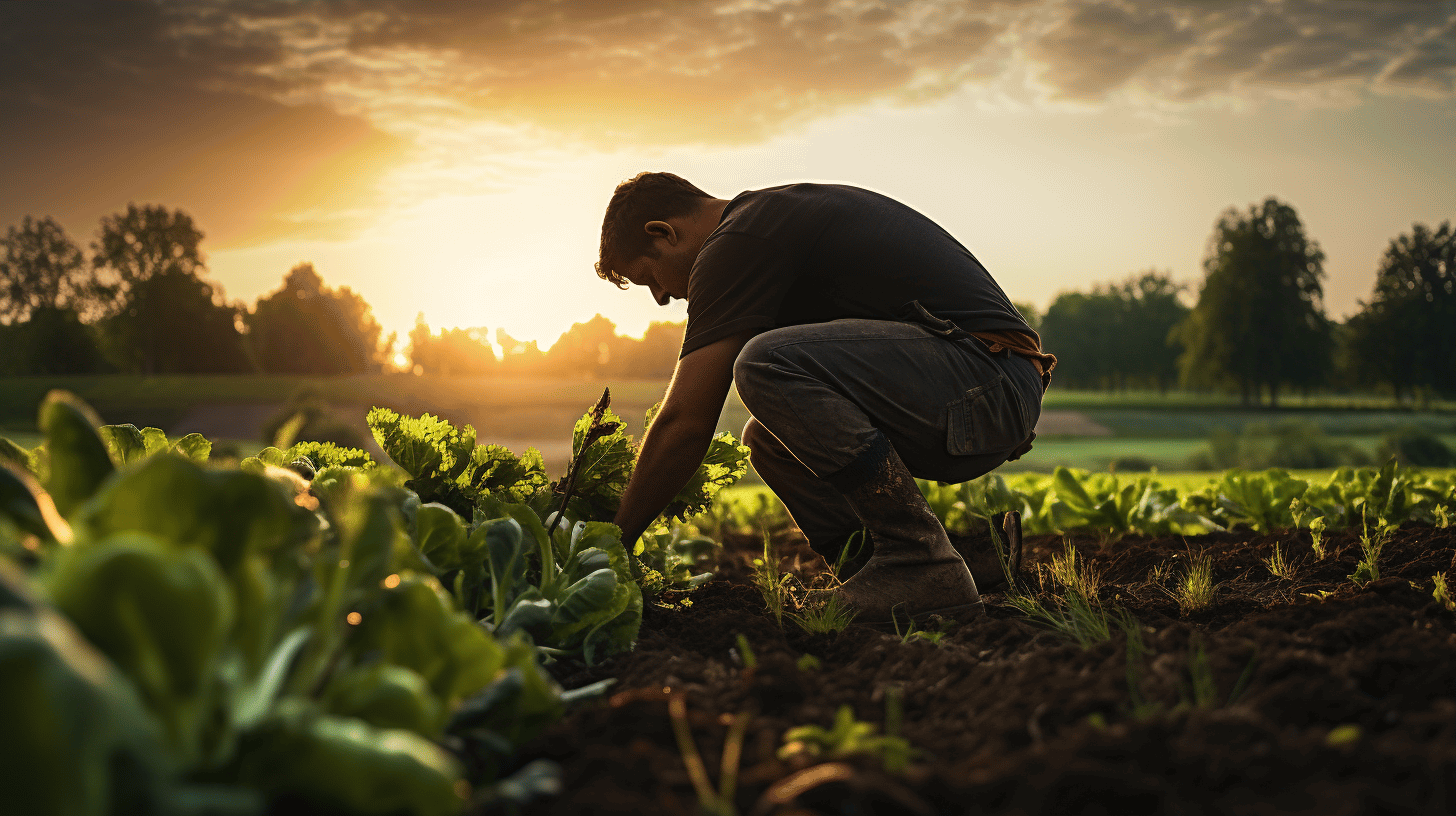
No-till farming is a sustainable agricultural practice that has gained increasing attention in recent years. It involves eliminating or minimizing the plowing or tilling of the soil, leaving it undisturbed after harvest. Instead of turning over the soil between crops, farmers leave the crop residue, including stalks and leaves, on the field. This practice can offer a multitude of benefits, not only for soil health but also for carbon sequestration.
In this article, we will explore the power of no-till farming and how it can positively impact soil health and contribute to climate change mitigation. We will delve into the various benefits of this farming technique, including reduced soil erosion, improved soil health, savings in time and money, and enhanced water retention. Furthermore, we will discuss its role in carbon sequestration, highlighting its potential to store carbon in the soil and reduce greenhouse gas emissions.
No-till farming is not only a sustainable solution but also a practical one for farmers. By adopting this approach, they can reap a range of advantages while contributing to the environment. So, let’s dive into the world of no-till farming and uncover the many benefits it offers for both soil health and carbon sequestration.
Benefits of No-Till Farming
No-till farming is a sustainable agricultural practice that offers numerous benefits to farmers and the environment. By minimizing soil disturbance and leaving crop residues in place, this method helps to improve soil health, reduce erosion, and conserve water. In addition, it can save farmers valuable time and money by reducing the need for equipment, fuel, and fertilizer. Let’s explore some of the key advantages of adopting a no-till farming approach.
Reduced Soil Erosion
Soil erosion is a major concern for farmers as it can lead to nutrient loss, decreased soil fertility, and environmental degradation. No-till farming plays a significant role in addressing this issue. By leaving the soil undisturbed and keeping crop residues on the surface, this method provides a protective barrier against wind and water erosion. The residues act as natural shields, breaking the impact of raindrops and preventing soil particles from being washed away. As a result, no-till farming helps to preserve the integrity of the topsoil, ensuring long-term productivity and sustainability.
Improved Soil Health
Adopting a no-till agriculture approach has a positive impact on soil health. One of the key ways it achieves this is by fostering increased biological activity in the soil. When the soil is left undisturbed, a diverse range of microorganisms, earthworms, and other beneficial organisms thrive. These organisms play a crucial role in breaking down organic matter, releasing nutrients, and enhancing soil structure. No-till farming also promotes the accumulation of organic matter, which improves soil fertility and water-holding capacity. The end result is healthier, more resilient soil that supports optimal crop growth.
Savings in Time and Money
One of the practical advantages of no-till farming is the potential for significant savings in both time and money. Traditional tillage practices require multiple passes over the field to prepare the soil, which can be time-consuming and labor-intensive. With no-till farming, farmers can eliminate or drastically reduce these repetitive tasks, freeing up valuable time to focus on other aspects of their operations. Furthermore, by reducing the need for equipment, fuel, and fertilizer, farmers can experience substantial cost savings. This not only benefits their bottom line but also contributes to a more sustainable and efficient farming system.
Water Retention
Water is a precious resource in agriculture, and effective water management is crucial for sustainable farming. No-till farming helps improve water retention in the soil, a key factor in maintaining plant health and crop productivity. By leaving crop residues on the surface, the soil is protected from direct exposure to the elements. This shields the soil from evaporation and helps to retain moisture, especially during dry periods. The improved water-holding capacity of no-till soils reduces the need for supplemental irrigation, conserves water resources, and contributes to more resilient farming systems.
In conclusion, no-till farming offers a multitude of benefits for both farmers and the environment. By reducing soil erosion, improving soil health, saving time and money, and enhancing water retention, this sustainable agricultural practice supports long-term productivity and sustainability. As farmers continue to embrace and integrate no-till techniques into their operations, the positive impact on soil quality, environmental conservation, and farm profitability will only grow stronger.
Carbon Sequestration and Climate Change Mitigation
Climate change is one of the most pressing global issues of our time, and addressing it requires innovative solutions. One such solution is carbon sequestration, a process by which carbon dioxide (CO2) is removed from the atmosphere and stored in long-term sinks, such as forests, oceans, and, notably, in the soil. Understanding the potential of carbon sequestration is crucial for effective climate change mitigation strategies. This article will explore the role of carbon sequestration in mitigating climate change and its connection to organic no-till farming practices.
Carbon Sequestration Potential
One of the most significant contributors to rising CO2 levels in the atmosphere is the release of carbon from agricultural practices like conventional tillage. However, studies have shown that implementing no-till farming methods can help sequester carbon in the soil, creating a positive impact on our climate. Here are some key points to consider:
- No-till farming has been shown to sequester carbon in the soil, mitigating climate change.
- Studies suggest that no-till methods can increase topsoil carbon by more than 11%.
- Switching to no-till farming can result in a net accumulation of organic carbon in the soil.
Organic No-Till Systems and Soil Health
In addition to their carbon sequestration potential, organic no-till systems offer several benefits for soil health. These systems, which combine the use of cover crops and minimal soil disturbance, have shown promising results in weed control and improved soil quality. Here are some key points to consider:
- Cover crop-based organic no-till systems show promising results in weed control and improved soil health.
- By avoiding the use of herbicides and reducing soil disturbance, organic no-till systems can promote the growth of beneficial soil organisms and enhance soil structure.
Reduction of Greenhouse Gas Emissions
In addition to sequestering carbon, no-till farming practices can also contribute to the reduction of greenhouse gas emissions. Here’s why:
- No-till farming reduces greenhouse gas emissions by reducing fossil fuel-powered machinery use.
- By minimizing tillage, farmers can decrease fuel consumption and associated emissions, making no-till farming a more environmentally friendly agricultural practice.
By implementing organic no-till farming practices, farmers can contribute to the process of carbon sequestration and reduce greenhouse gas emissions, making a positive impact on climate change mitigation. As the evidence supporting the benefits of carbon sequestration continues to grow, it becomes clear that sustainable agricultural practices are essential in our fight against climate change.
Enhancing Soil Carbon Sequestration
In recent years, there has been growing interest in finding effective ways to enhance soil carbon sequestration. This is due to the recognition of the role that soil plays in mitigating climate change by storing carbon dioxide (CO2) from the atmosphere. Increasing soil organic carbon can not only help combat global warming but also improve soil health and fertility. In this article, we will explore some strategies and practices that can contribute to enhancing soil carbon sequestration.
Increasing Soil Organic Carbon
One of the key ways to enhance soil carbon sequestration is by increasing the levels of soil organic carbon. Organic carbon is a fundamental component of soil organic matter, which is derived from plant residues, animal manure, and other organic materials. Here are some practices that can lead to increased soil organic carbon:
- No-Till Farming: No-till farming involves minimizing soil disturbance by avoiding the use of conventional tillage methods like plowing. This practice helps retain organic matter in the soil and prevents the release of CO2 into the atmosphere. Studies have shown that no-till farming can increase soil organic carbon concentrations, particularly in the upper soil layers.
- Cover Crops: Planting cover crops, such as legumes or grasses, during fallow periods can provide a valuable source of organic matter to the soil. Cover crops contribute to increased carbon input, reduce soil erosion, and improve soil structure. When combined with no-till practices, farmers can further enhance soil carbon sequestration and reduce nitrous oxide emissions.
- Crop Rotation: Implementing crop rotation practices can help maximize carbon inputs into the soil. Different crops have varying levels of carbon inputs, so rotating crops with high carbon residues can effectively increase soil organic carbon levels.
Pro Tip: According to data, the potential for carbon sequestration with no-till farming ranges from 0 to 0.4 metric tons per acre per year.
Impact of No-Till Farming on Carbon Sequestration
No-till farming practices have been extensively studied for their impact on soil carbon sequestration. Researchers have found that the conversion from conventional tillage to no-till farming can sequester an average of 0.57 metric tons of carbon per acre per year. By minimizing disturbances to the soil, no-till farming keeps carbon in the ground, slowing down the rate of soil carbon loss.
Did you know? Studies have shown that the carbon sequestration potential of no-till farming can vary depending on factors such as climate, soil type, and management practices. The use of cover crops and other conservation practices can further enhance carbon sequestration.
Afforestation and Soil Carbon Stocks
Another effective strategy for enhancing soil carbon sequestration is afforestation. Afforestation involves converting farmland into non-harvested forests, which can significantly increase soil carbon stocks. Forest ecosystems have high rates of carbon sequestration due to the long-term storage of carbon in trees and the accumulation of organic matter on the forest floor. Afforestation not only helps sequester carbon but also promotes biodiversity and provides habitat for wildlife.
Fun Fact: According to data, afforestation of farmland can lead to a substantial increase in soil carbon stocks, contributing to climate change mitigation.
In conclusion, enhancing soil carbon sequestration is vital for addressing climate change and sustaining agricultural productivity. Practices such as no-till farming, cover cropping, and afforestation can play a significant role in increasing soil organic carbon and mitigating greenhouse gas emissions. By adopting these strategies, farmers and land managers can contribute to a healthier and more sustainable future for our planet.
Conclusion
In conclusion, no-till farming is an innovative and sustainable approach that offers numerous benefits for soil health, carbon sequestration, and climate change mitigation. By reducing soil erosion, improving soil health, and increasing water retention, farmers who practice no-till farming can reap the rewards of healthier and more productive soil. Additionally, the carbon sequestration potential of no-till systems can play a crucial role in mitigating climate change by reducing greenhouse gas emissions and increasing soil organic carbon levels.
As we strive to enhance soil carbon sequestration and create a more sustainable future, it is essential to explore and embrace practices like no-till farming. By adopting regenerative agriculture practices, we can contribute to the well-being of our environment, foster food security, and embrace a harmonious relationship between agriculture and ecology.
To learn more about the principles and practices of regenerative agriculture, visit the Regenerative Agriculture Wiki. Explore our comprehensive guides, informative articles, and inspiring stories that aim to educate and inspire individuals and communities to embrace sustainable farming practices. Together, let’s cultivate a future where agriculture thrives in harmony with the natural world.
Frequently Asked Questions
- What is no-till farming?
No-till farming is an agricultural practice where farmers avoid tilling or turning over the soil between crops. Instead, they leave the soil undisturbed, allowing plant residues to remain on the surface.
- What are the benefits of no-till farming for soil health?
No-till farming helps improve soil health by preserving soil structure, reducing erosion, increasing soil organic matter, promoting beneficial soil organisms, and improving water infiltration and retention.
- How does no-till farming contribute to carbon sequestration?
No-till farming increases carbon sequestration by maintaining plant residues on the soil surface. These residues act as a protective layer, reducing carbon dioxide emissions and facilitating the accumulation of organic matter in the soil.
- Are there any challenges or limitations to implementing no-till farming?
Some challenges of no-till farming include weed management, initial adaptation period for soil organisms, and reliance on herbicides. However, with proper planning, crop rotation, and integrated pest management strategies, these challenges can be effectively managed.
- Can no-till farming be applied to all types of crops?
No-till farming can be applied to a wide range of crops, including grains, vegetables, and fruits. However, certain crops or specific growing conditions may require additional modifications or adaptations to achieve the desired results.