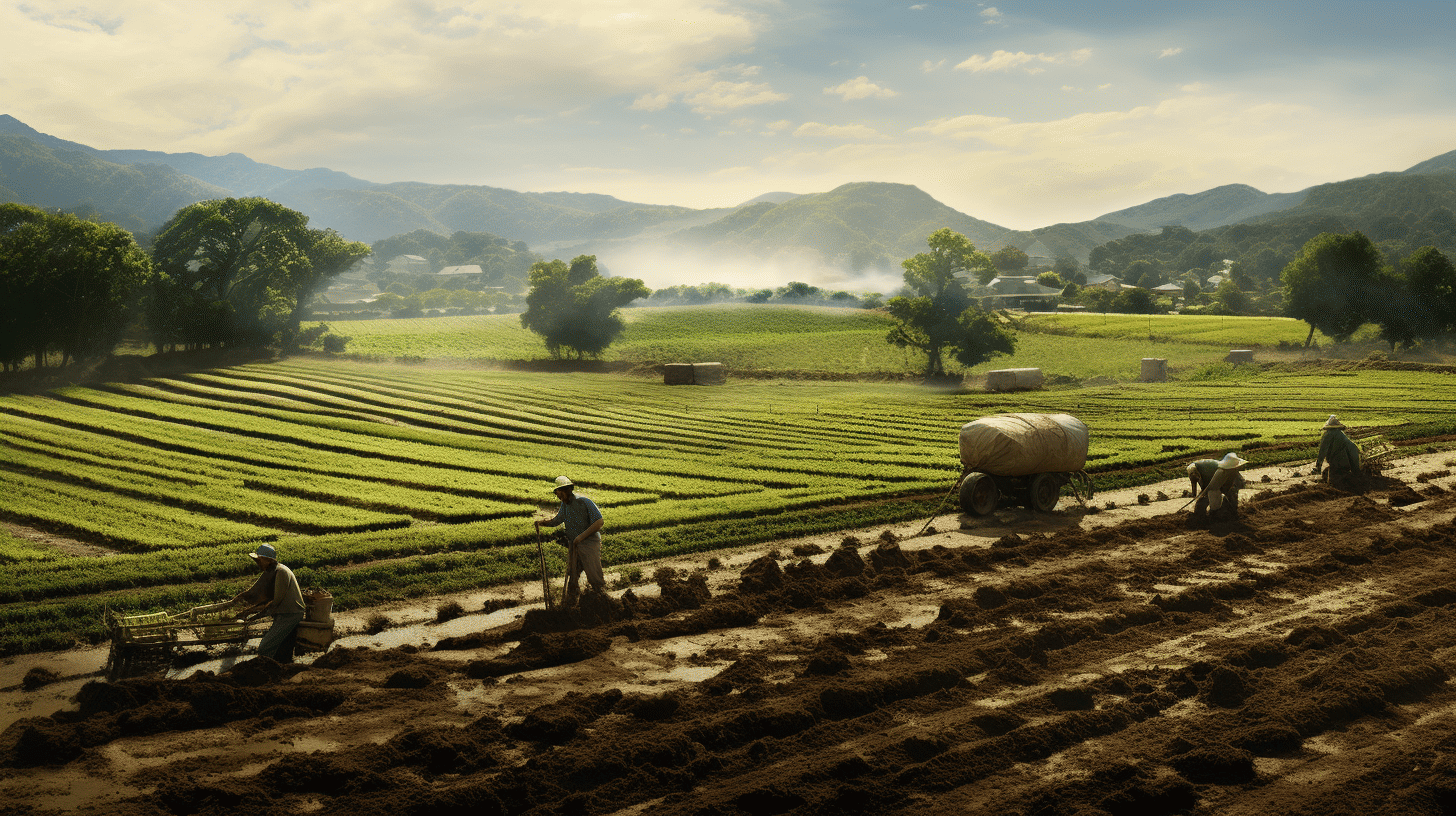
Regenerative farming, a holistic approach to agriculture, is gaining traction worldwide as farmers and consumers recognize its numerous benefits. By focusing on soil health, biodiversity, and ecological balance, regenerative farming aims to promote sustainable and resilient food systems for the future.
Imagine a farm where every action taken is intended to replenish and restore the land, rather than deplete it. Regenerative farming is all about creating a harmonious relationship between farmers and the environment, working together to enhance the health and productivity of the soil while minimizing negative impacts on surrounding ecosystems.
In this article, we will explore the art of regenerative farming, diving into its key practices, the benefits it offers, and how it can help mitigate climate change. We will also take a closer look at the economic and financial implications of embracing regenerative agriculture. So, whether you’re a farmer interested in implementing these practices or a consumer looking to support sustainable food systems, read on to discover the power of regenerative farming.
Benefits of Regenerative Farming
Regenerative farming is a practice that goes beyond sustainable agriculture. It focuses on restoring and improving ecosystems through holistic farming techniques. Not only does this approach offer numerous environmental benefits, but it also has significant impacts on our nutrition, finances, and the overall economy. Let’s dive into some of the key benefits of regenerative farming:
Nutritional Benefits of Regenerative Food
Food grown under regenerative practices is known for its superior nutritional quality. Here’s why:
- Increased nutrient density: Regenerative farming methods prioritize soil health, which leads to nutrient-rich crops. Rich, healthy soil provides the plants with the necessary minerals and nutrients, resulting in produce that is packed with vitamins and minerals.
- Enhanced flavor and taste: When crops are grown in healthy, nutrient-rich soil, they develop more flavor and taste. This means that regeneratively grown food not only nourishes our bodies but also satisfies our taste buds.
- Lower pesticide and chemical residues: Regenerative farming relies on natural pest control methods and avoids the use of harmful chemicals. As a result, the produce is less likely to have pesticide residues, reducing the potential risks to human health.
Financial Benefits of Regenerative Agriculture
Regenerative farming practices can also have a positive impact on a farmer’s bottom line. Here’s how:
- Higher profits: Studies have shown that regenerative agriculture can lead to higher profits compared to conventional farming methods. By minimizing the reliance on expensive chemical inputs and fostering biodiversity, regenerative farmers can reduce costs and increase yields, ultimately improving their financial sustainability.
- Improved soil health: Regenerative farming focuses on building and maintaining healthy soil. This not only improves crop productivity but also reduces the need for costly soil amendments and fertilizers.
- Diversification of income: The holistic nature of regenerative farming allows farmers to explore various income-generating opportunities. For example, integrating livestock, growing cover crops, and offering value-added products can add new revenue streams to the farm operation.
Environmental Benefits of Regenerative Farming
Regenerative farming practices prioritize ecosystem health and have several positive impacts on the environment:
- Soil health improvement: Through practices like cover cropping, crop rotation, and minimal soil disturbance, regenerative farmers build healthy, fertile soil that is better at retaining water and nutrients. This helps reduce erosion, improve water quality, and increase the resilience of the land against climate change.
- Biodiversity conservation: By promoting diverse crop rotations and preserving natural habitats, regenerative farming practices support biodiversity. This fosters the presence of beneficial insects, birds, and other wildlife, creating a more balanced and resilient ecosystem.
- Carbon sequestration: Regenerative agriculture has the potential to play a crucial role in mitigating climate change. Healthy soils act as carbon sinks, storing atmospheric carbon dioxide underground. By adopting regenerative practices, farmers contribute to carbon sequestration, helping to combat the effects of climate change.
Economic Growth and Market Potential
The global market for regenerative farming is expanding rapidly, making it an attractive sector for economic growth:
- Market size and growth potential: According to estimates, the regenerative agriculture market is projected to reach a valuation of $XX billion by 2025, with a CAGR of XX% during the forecast period. As consumers increasingly prioritize sustainable and nutritious food options, regenerative farming presents significant growth opportunities for producers, retailers, and investors alike.
- Job creation: The growth of regenerative farming also creates new employment opportunities. From farm laborers and specialists in soil health to distribution and marketing professionals, this sector stimulates job creation across the entire value chain.
Regenerative farming offers a multitude of benefits that extend far beyond traditional agriculture. From nourishing our bodies with nutrient-dense food to rejuvenating ecosystems and boosting economic growth, the adoption of regenerative farming practices has the potential to revolutionize our food systems and create a sustainable future for generations to come.
Key Practices of Regenerative Farming
Regenerative farming is gaining popularity among farmers and environmentalists alike. By implementing sustainable practices, regenerative farmers aim to improve soil health, promote biodiversity, conserve water, and reduce greenhouse gas emissions. In this article, we will explore the key practices of regenerative farming and how they contribute to a more sustainable and resilient agricultural system.
No-till Farming
One of the foundational practices of regenerative farming is no-till farming. Unlike conventional practices that involve intensive tilling of the soil, no-till farming minimizes or eliminates soil disturbance. This practice has several benefits:
- Improved soil structure: By leaving the soil undisturbed, beneficial organisms like earthworms and microbes can thrive, enhancing soil health.
- Reduced erosion: Tilling exposes bare soil to wind and water erosion. No-till farming helps to protect the topsoil, preventing erosion and preserving soil fertility.
- Water conservation: By minimizing soil disturbance, no-till farming helps to retain moisture in the soil, reducing the need for irrigation.
Rotational Grazing
Another key practice in regenerative farming is rotational grazing. Instead of keeping animals confined in one area, rotational grazing involves moving livestock periodically to different grazing areas. This practice provides several benefits:
- Improved soil health: Livestock, when rotated properly, can help to improve soil fertility by recycling nutrients through their manure and promoting natural fertilization.
- Biodiversity promotion: Rotational grazing allows pastures to recover and regrow, providing diverse habitats for plants, insects, and wildlife.
- Enhanced carbon sequestration: Well-managed rotational grazing systems can increase carbon sequestration in the soil, helping to mitigate climate change.
Mixed Crop Rotation
Crop rotation is a common practice in agriculture, but regenerative farmers take it a step further by implementing mixed crop rotation. Instead of planting a single crop in a field, regenerative farmers rotate multiple crops in a specific sequence. This practice offers several advantages:
- Pest and disease management: Planting different crops in rotation disrupts pest and disease cycles, reducing the need for pesticides and promoting natural pest control.
- Nutrient cycling: Different crops have varying nutrient requirements. By rotating crops, regenerative farmers can balance nutrient uptake and minimize nutrient depletion in the soil.
- Soil health improvement: Different crops have different root structures and exude different compounds, promoting diverse microbial populations in the soil and enhancing soil health.
Cover Cropping
Cover cropping is a vital practice in regenerative farming. It involves planting crops specifically for the purpose of covering the soil during non-growing seasons or between cash crops. Cover crops offer numerous benefits:
- Weed suppression: Cover crops compete with weeds, reducing the need for herbicides and manual weed control.
- Erosion prevention: The dense root systems of cover crops stabilize the soil and prevent erosion.
- Soil fertility improvement: Some cover crops, such as legumes, can fix nitrogen from the atmosphere and enrich the soil with this essential nutrient.
Compost and Manure Application
Regenerative farmers prioritize organic matter inputs for soil health, and that includes the use of compost and manure. These practices offer multiple benefits:
- Soil fertility enhancement: Compost and manure provide a rich source of nutrients for plants, improving soil fertility.
- Microbial activity stimulation: Organic matter inputs promote microbial activity in the soil, increasing nutrient availability and enhancing soil structure.
- Carbon sequestration: Compost and manure application helps to increase organic carbon levels in the soil, sequestering carbon and mitigating climate change.
In conclusion, regenerative farming encompasses a holistic approach to agriculture, prioritizing practices that nurture the soil, promote biodiversity, and minimize environmental impacts. By implementing no-till farming, rotational grazing, mixed crop rotation, cover cropping, and compost and manure application, farmers can contribute to a more sustainable and resilient food system. Embracing these key practices is a step towards building a healthier planet for future generations.
Benefits of Soil Restoration
Soil restoration is a vital process for maintaining and improving the health of our planet’s ecosystems. By revitalizing degraded soil, we can unlock a range of benefits that positively impact our environment, agriculture, and overall well-being.
Improved Soil Health
Restoring soil health is key to enhancing its fertility and productivity. When soil is degraded, it becomes less capable of supporting plant growth and sustaining healthy ecosystems. However, through soil restoration practices such as organic farming, cover cropping, and composting, we can:
- Increase soil organic matter content, which improves nutrient availability and moisture retention.
- Enhance the soil’s ability to absorb and store water, reducing the risk of drought and flood damage.
- Promote soil biodiversity and beneficial microorganisms, which play a vital role in nutrient cycling and pest control.
Reduced Erosion
Erosion is a significant problem worldwide, leading to loss of topsoil and a decline in soil quality. Soil restoration helps mitigate erosion by:
- Building up soil structure and organic matter, which improves soil stability and reduces the risk of erosion from wind and water.
- Establishing vegetative cover through methods like reforestation and contour plowing, which effectively trap soil particles and prevent runoff.
Enhanced Water Quality
Soil plays a critical role in filtering and purifying water as it percolates through the ground. By restoring soil health, we can improve water quality in several ways:
- Preventing the contamination of groundwater and surface water by reducing the leaching of pollutants and excess fertilizers.
- Removing sediment and pollutants from runoff, preventing them from entering streams, rivers, and lakes.
- Increasing infiltration rates, allowing water to infiltrate the soil and recharge aquifers, leading to higher-quality water resources.
Restored Natural Resources
Soil restoration contributes to the conservation and restoration of precious natural resources. The benefits include:
- Preserving biodiversity by creating habitats for beneficial soil organisms, plants, and wildlife.
- Protecting and restoring carbon storage in the soil, helping mitigate climate change by reducing greenhouse gas emissions.
- Promoting sustainable land use practices and ensuring the long-term viability of our food production systems.
In conclusion, soil restoration offers a multitude of benefits, ranging from improved soil health and reduced erosion to enhanced water quality and the restoration of natural resources. By prioritizing soil restoration efforts, we can help build a more sustainable and resilient future for our planet.
Regenerative Agriculture and Climate Change
Regenerative agriculture is gaining recognition as a powerful approach to mitigating the impacts of climate change. This innovative approach focuses on rebuilding soil health, restoring biodiversity, and enhancing ecosystem services. By implementing regenerative practices, farmers and land managers can not only improve the productivity and profitability of their operations but also play a crucial role in reducing greenhouse gas emissions and promoting a more sustainable future.
Carbon Sequestration
One of the key benefits of regenerative agriculture is its ability to sequester carbon dioxide from the atmosphere and store it in the soil. Through practices such as cover cropping, rotational grazing, and agroforestry, regenerative farmers can enhance the organic matter content in the soil, which serves as a carbon sink.
Here are some key points on how regenerative agriculture promotes carbon sequestration:
- Carbon cycling: Regenerative practices help to cycle carbon between the atmosphere and the soil, improving soil carbon stocks and reducing atmospheric CO2 levels.
- Enhanced soil structure: Healthy soils with a high organic matter content have improved physical properties, such as water infiltration and nutrient holding capacity, which contribute to carbon sequestration.
- Decreased soil erosion: By implementing practices that reduce soil erosion, such as conservation tillage and contour farming, regenerative farmers can prevent carbon loss from the soil surface, further enhancing carbon sequestration.
Resilient Food Systems
As the global population continues to grow, the need for resilient and sustainable food systems becomes more critical. Regenerative agriculture offers a promising solution to meet this challenge by promoting diverse and resilient farming systems.
Here are some key points on how regenerative agriculture contributes to resilient food systems:
- Enhanced biodiversity: Regenerative practices promote the restoration and preservation of biodiversity, including beneficial insects, pollinators, and soil microorganisms. This biodiversity contributes to enhanced ecosystem functioning and resilience.
- Reduced dependence on inputs: By building healthy and productive soils, regenerative farmers can reduce their reliance on synthetic fertilizers and pesticides, making their operations more resilient to market fluctuations and reducing their environmental impact.
- Improved water management: Through practices like conservation tillage and cover cropping, regenerative agriculture helps to improve water infiltration and retention in the soil, reducing the impact of droughts and floods on crop production.
Impact on Ecosystems
Regenerative agriculture recognizes the interconnectedness of agricultural systems with surrounding ecosystems. By adopting practices that work in harmony with nature, regenerative farmers can create agricultural landscapes that support biodiversity and ecosystem health.
Here are some key points on the impact of regenerative agriculture on ecosystems:
- Habitat restoration: Regenerative practices, such as the creation of hedgerows and the implementation of agroforestry systems, provide habitat for a wide range of plant and animal species, contributing to the preservation of biodiversity.
- Water quality improvement: By reducing soil erosion and minimizing the use of synthetic inputs, regenerative agriculture helps to protect water bodies from pollution, improving water quality for both humans and wildlife.
- Climate resilience: The restoration and enhancement of ecosystems through regenerative practices can help build resilience to climate change impacts, such as extreme weather events and the loss of biodiversity.
In conclusion, regenerative agriculture offers a holistic and sustainable approach to mitigating climate change while ensuring resilient food systems and protecting ecosystems. By implementing regenerative practices, farmers and land managers can make a positive impact and contribute to a more sustainable and climate-resilient future.
Economic and Financial Implications
Regenerative agriculture brings with it a multitude of economic and financial implications that have the potential to reshape the agricultural industry. Farmers and businesses alike are beginning to realize the profitability and market potential of implementing regenerative practices. This section will explore two key aspects of regenerative agriculture’s economic and financial implications: potential profitability and market size and growth.
Potential Profitability
The shift towards regenerative agriculture holds promise for increased profitability compared to conventional farming practices. Here are a few reasons why regenerative agriculture can be more profitable:
- Reduced input costs: One of the significant advantages of regenerative agriculture is its ability to minimize reliance on costly external inputs such as synthetic fertilizers, pesticides, and herbicides. By focusing on soil health and biodiversity, regenerative practices can enhance natural nutrient cycling, reduce the need for chemical inputs, and ultimately lower production costs.
- Improved soil health: Regenerative practices, such as cover cropping, crop rotation, and no-till farming, prioritize soil health and fertility. Healthy soils with high organic matter content can retain more water, increase nutrient availability, and promote better plant growth. These factors can lead to higher crop yields and improved farm productivity, resulting in increased profitability for farmers.
- Market demand for sustainable products: Consumers are becoming more conscious of the environmental and social impact of their purchasing decisions. There is a growing demand for sustainably produced food products, and regenerative agriculture fits the bill. By adopting regenerative practices, farmers can tap into this market demand and potentially command higher prices for their products, further boosting profitability.
Market Size and Growth
The global market for regenerative agriculture is gaining momentum, with immense growth potential. While precise figures may vary, estimates suggest that:
“Regenerative agriculture is more profitable than conventional farming” – GreenBiz
The market size and growth potential of regenerative agriculture can be attributed to several factors:
- Increasing awareness: Agricultural stakeholders, including farmers, policymakers, and consumers, are increasingly recognizing the environmental and social benefits of regenerative agriculture. As awareness spreads, it is likely to drive greater adoption of regenerative practices, expanding the market size.
- Sustainable development goals: The United Nations’ Sustainable Development Goals (SDGs) highlight the importance of sustainable agriculture in addressing global challenges such as climate change, biodiversity loss, and food security. Regenerative agriculture aligns with these goals, providing a strong impetus for governments and organizations to support and invest in its growth.
- Investment and funding: There is a growing interest from investors and philanthropic organizations in supporting regenerative agriculture initiatives. These investments not only contribute to the financial viability of regenerative agriculture but also help foster innovation, research, and development in the sector, driving further market growth.
As regenerative agriculture continues to gain traction, it holds the potential to transform the agricultural industry, paving the way for a more sustainable and profitable future. The economic and financial implications discussed here highlight the tangible benefits for farmers and businesses, making regenerative agriculture an attractive proposition for all stakeholders.
Learn more about the estimation of the global market size and growth potential of regenerative agriculture from here.
Techniques and Methods of Regenerative Farming
Regenerative farming is an innovative approach to agriculture that aims to restore and enhance the health of the soil, promote biodiversity, and improve the overall sustainability of farming practices. It goes beyond sustainable farming by actively replenishing and revitalizing the land to ensure its long-term productivity.
Various techniques and methods are employed in regenerative farming to achieve these goals. Let’s explore some of the most effective practices that farmers can implement to transition to regenerative agriculture:
1. Cover Cropping
Cover cropping involves growing specific crops during off-seasons or in between cash crops. These cover crops help protect the soil from erosion, suppress weeds, and improve soil structure. The roots of cover crops penetrate deep into the soil, breaking up compaction and increasing soil organic matter. This, in turn, enhances water retention and nutrient availability for future crops.
2. Composting
Composting is a natural process of recycling organic materials into nutrient-rich soil amendments. By composting crop residues, animal manure, and other organic waste, farmers can create a valuable resource to improve soil fertility and structure. Compost enhances the soil’s ability to hold moisture, promotes beneficial microbial activity, and provides essential nutrients to support plant growth.
3. Crop Rotation
Crop rotation involves the systematic change of crops grown in a particular field over time. By diversifying the crops grown, farmers can break pest and disease cycles and reduce the need for chemical pesticides and fertilizers. Different crops have different nutrient requirements, growth patterns, and pest vulnerabilities. By rotating crops, farmers can optimize resource utilization and maintain overall soil health.
4. Increasing Plant Diversity
In regenerative farming, increasing plant diversity is crucial for creating a resilient and thriving ecosystem. Farmers can introduce a mix of crops, including cover crops, cash crops, and perennial crops, to promote biodiversity and provide habitat for beneficial insects, pollinators, and soil microorganisms. This diverse plant community enhances natural pest control, nutrient cycling, and soil fertility.
5. Reduced or No-till Farming
Tillage involves the mechanical manipulation of the soil to prepare seedbeds, control weeds, and incorporate organic matter. However, tillage can disrupt soil structure, cause erosion, and deplete organic matter. In regenerative farming, reducing or eliminating tillage is practiced to minimize soil disturbance and preserve soil health. No-till farming helps increase water infiltration, reduce erosion, and promote soil carbon sequestration.
6. Livestock Rotations
Integrating livestock into regenerative farming systems can provide additional benefits. Livestock rotations involve strategically moving livestock across pastures to mimic the natural grazing patterns of wild herbivores. This rotational grazing allows for better nutrient distribution, improved soil fertility, and enhanced forage quality. Livestock graze on grasses, trample plant residues, and contribute to nutrient cycling through their manure.
7. Avoiding Chemical Pesticides
Chemical pesticides can have detrimental effects on the environment and human health. In regenerative farming, efforts are made to minimize or eliminate the use of chemical pesticides. Instead, farmers rely on natural pest control methods, such as biological controls (beneficial insects), crop diversity, and companion planting. These practices help maintain a balanced ecosystem and reduce the reliance on synthetic inputs.
8. Waste Reduction
Regenerative farmers strive to minimize waste and promote recycling and reuse. By implementing efficient management practices, such as proper water management, nutrient management, and organic waste recycling, farmers can minimize their environmental footprint. Waste reduction strategies not only benefit the environment but also improve the overall economics of the farming operation.
By adopting these regenerative farming techniques and methods, farmers can contribute to a more sustainable and resilient agricultural system. These practices not only benefit the environment but also have the potential to improve farm productivity, profitability, and the quality of food produced. It’s time for the agricultural industry to embrace regenerative farming for a brighter and more sustainable future.
Achieving Sustainable Agriculture
In the quest for a more sustainable future, one crucial area that requires immediate attention is agriculture. Sustainable agriculture encompasses practices that aim to meet the needs of the present while ensuring the ability of future generations to meet their own needs. It emphasizes the need to protect the environment, promote economic viability, and support social well-being. To achieve sustainable agriculture, several key approaches must be taken into account.
Rehabilitating the Ecosystem
Rehabilitating the ecosystem is an integral part of sustainable agriculture. By restoring and preserving natural habitats, we can create a balanced environment that supports healthy ecosystems and ensures the long-term productivity of agricultural lands. This can be achieved through various practices, such as:
- Conservation agriculture: This approach minimizes soil disturbance and promotes the use of cover crops to protect the soil from erosion and improve its fertility.
- Agroforestry: By integrating trees with agricultural crops, agroforestry systems help conserve biodiversity, improve soil health, and enhance the resilience of farming systems.
- Wetland restoration: Restoring wetlands not only provides habitat for wildlife but also helps in regulating water flows, improving water quality, and reducing the impacts of floods and droughts.
Mitigating Environmental Impacts
Mitigating the environmental impacts of agriculture is crucial in achieving sustainable agriculture. There are several ways to achieve this, such as:
- Precision agriculture: By using technology such as GPS mapping, sensors, and drones, farmers can apply inputs like fertilizers and pesticides precisely where and when they are needed. This helps minimize the overall use of chemicals and reduce their impact on the environment.
- Integrated pest management: By using a combination of biological, cultural, and chemical control methods, farmers can manage pests while minimizing the use of synthetic pesticides.
- Water conservation: Implementing efficient irrigation systems, such as drip irrigation and precision sprinklers, can significantly reduce water usage and minimize water runoff.
Long-term Ecological Approaches
Taking a long-term ecological approach is essential in sustainable agriculture. This involves adopting practices that prioritize ecological processes and interactions, promoting resilience, and reducing dependency on external inputs. Some examples of long-term ecological approaches include:
- Crop rotation and diversification: Rotating crops and incorporating diverse plant species helps break pest cycles, improve soil health, and reduce the need for synthetic fertilizers.
- Organic farming: By avoiding the use of synthetic fertilizers, pesticides, and genetically modified organisms, organic farming promotes biodiversity, soil fertility, and environmental sustainability.
- Regenerative agriculture: This approach focuses on building soil health and organic matter through practices such as cover cropping, crop rotation, and minimal tillage. It aims to restore and regenerate ecosystems while producing nutritious food.
Promoting Soil Health and Biodiversity
Maintaining soil health and biodiversity plays a crucial role in sustainable agriculture. Healthy soils are essential for nutrient cycling, water filtration, and carbon sequestration. Some strategies for promoting soil health and biodiversity include:
- Composting and organic amendments: Composting organic materials and using organic amendments enriches the soil with organic matter, enhances nutrient availability, and improves soil structure.
- Conservation of native habitats: Preserving natural areas within or around farmland provides habitat for beneficial organisms like pollinators and predators, contributing to natural pest control.
- Cover cropping and agroecological techniques: Planting cover crops and incorporating agroecological techniques like intercropping and alley cropping create diverse habitats that support beneficial insects, improve soil structure, and reduce erosion.
By implementing these approaches, we can move closer to achieving sustainable agriculture and securing a healthier and more resilient future for both the environment and humanity. It is through collective action and a commitment to sustainable practices that we can pave the way for a better tomorrow.
Learn more about sustainable agriculture and how it contributes to a more resilient and eco-friendly future.
Conclusion
Regenerative farming offers a holistic approach to agriculture that goes beyond mere sustainability. By focusing on restoring the health of the soil and nurturing biodiversity, regenerative farmers are able to reap a multitude of benefits.
Through practices such as no-till farming, rotational grazing, and cover cropping, they can enhance soil health, reduce erosion, and improve water quality. This, in turn, leads to increased nutrient content in the food we consume and promotes the overall well-being of our environment.
Moreover, regenerative agriculture has the potential to revitalize rural economies by creating new market opportunities and fostering economic growth. As the demand for regeneratively grown food continues to rise, both farmers and consumers stand to gain financially.
To learn more about the techniques and practices involved in regenerative farming, visit Regenerative Agriculture Wiki. Explore our extensive content on soil health, permaculture, and agroecology, and discover how you can play a role in fostering a future where agriculture and ecology thrive in harmony.
Frequently Asked Questions
- What is regenerative farming?
Regenerative farming is a holistic approach to agriculture that aims to restore and rejuvenate the health of the soil, enhance biodiversity, and mitigate climate change. It focuses on practices such as cover cropping, crop rotation, composting, and conservation tillage.
- What are the benefits of regenerative farming?
The benefits of regenerative farming include improved soil health, enhanced nutrient density in crops, increased biodiversity, reduced soil erosion, improved water retention, and reduced greenhouse gas emissions.
- How can I start practicing regenerative farming?
To start practicing regenerative farming, you can begin by implementing techniques like cover cropping, reducing or eliminating tillage, incorporating compost or organic matter into the soil, and diversifying cropping systems. It’s important to start small and gradually scale up as you gain experience.
- Is regenerative farming only applicable to large-scale farms?
No, regenerative farming can be applied to farms of all sizes, from small backyard gardens to large-scale commercial operations. The principles and practices of regenerative farming can be adapted to fit different scales and contexts.
- How does regenerative farming contribute to sustainable agriculture?
Regenerative farming helps to build resilient agricultural systems that minimize reliance on synthetic inputs, improve soil health, and promote ecological balance. By adopting regenerative practices, farmers can create sustainable, long-term solutions for food production.