In the face of increasing climate change challenges, farmers around the world are seeking innovative and sustainable farming practices. Agroforestry, a system that combines agricultural crops with woody perennials, is emerging as a solution that offers numerous benefits. This article will delve into the role of agroforestry in climate-resilient farming and explore its potential to mitigate climate change, enhance adaptive capacity, and provide economic and environmental benefits.
Agroforestry is not a new concept; it has been practiced for centuries in various forms across different regions. However, its significance has gained recognition in recent years as the impacts of climate change become more severe. By integrating trees and shrubs with agricultural crops, agroforestry systems harness synergies between agriculture, forestry, and conservation to create resilient and sustainable agricultural landscapes.
Agroforestry operates on the principle of creating symbiotic relationships between different components of the system. Trees provide shade and shelter to crops, reducing the risk of heat stress and wind damage. They also contribute to carbon sequestration, reducing greenhouse gas emissions and mitigating the impacts of climate change. Furthermore, the combination of diverse species in agroforestry systems enhances biodiversity and promotes ecosystem services such as soil fertility, water regulation, and pollination.
By adopting agroforestry practices, farmers can build climate resilience by buffering their crops from extreme weather events such as droughts and storms. The presence of trees acts as a natural barrier, reducing the intensity of temperature fluctuations and preventing soil erosion. Additionally, agroforestry improves the livelihoods of farming communities by providing additional sources of income through the sale of tree products such as fruits, timber, and medicinal plants.
As we explore the economic and environmental benefits of agroforestry, it becomes evident that this farming system is not only climate-resilient but also cost-effective. Agroforestry minimizes input costs by reducing the need for synthetic fertilizers and pesticides while maximizing land productivity. This combination of diverse land-use practices not only ensures food security but also contributes to long-term stability for farmers and agricultural systems.
In the future, the adoption of agroforestry will be essential in supporting global efforts to mitigate and adapt to climate change. However, realizing the full potential of agroforestry requires comprehensive, flexible, and forward-looking management strategies. Policies and initiatives that support the transition to agroecological approaches and provide technical and financial support to farmers will be crucial.
Agroforestry holds immense promise as a multifaceted solution in the face of climate change. By integrating trees into existing farming systems, enhancing sustainability and resilience, and contributing to long-term stability for farmers and agricultural systems, agroforestry demonstrates its potential to be a sustainable and climate-resilient farming practice. In the following sections, we will delve deeper into the specific ways in which agroforestry can mitigate climate change, enhance adaptive capacity, and provide economic and environmental benefits.
Agroforestry and Climate Change Mitigation
Agroforestry is not only a sustainable farming practice but also a powerful tool in mitigating climate change. By integrating trees into agricultural landscapes, agroforestry systems have the potential to sequester carbon, reduce greenhouse gas emissions, and contribute to global efforts in combating climate change.
Carbon Sequestration in Biomass and Soil
One of the key benefits of agroforestry is its ability to sequester carbon in both biomass and soil. Trees are known for their capacity to store carbon through photosynthesis, absorbing carbon dioxide from the atmosphere and converting it into biomass. As a result, agroforestry systems can act as “carbon sinks,” effectively removing and storing carbon from the atmosphere.
The carbon sequestration benefits of agroforestry are significant. It is estimated that agroforestry systems can sequester as much as 147 million metric tons of carbon dioxide (MtCO2) annually. This is a substantial contribution to global carbon sequestration efforts, considering that the total global greenhouse gas emissions amount to over 36 billion metric tons of carbon dioxide equivalent each year.
Furthermore, the average carbon sequestration potential of agroforestry systems is estimated to be around 25 tons of carbon per hectare (t/ha) over 96 million hectares. This signifies the immense carbon storage capacity of agroforestry and its potential to offset greenhouse gas emissions.
Reducing Greenhouse Gas Emissions
In addition to carbon sequestration, agroforestry also contributes to the reduction of greenhouse gas emissions. By integrating trees and perennial crops into agricultural landscapes, agroforestry systems promote sustainable farming practices that minimize the use of synthetic fertilizers and pesticides. This leads to lower emissions of nitrous oxide (N2O) and methane (CH4), two potent greenhouse gases.
Furthermore, agroforestry systems help prevent soil erosion and improve soil health. This is crucial in reducing the release of carbon dioxide (CO2) from degraded soils, as healthy soils have a higher carbon storage capacity.
The combination of carbon sequestration and emissions reduction makes agroforestry a powerful ally in the fight against climate change. As agroforestry practices become more widely adopted, we can expect significant contributions to global efforts in mitigating greenhouse gas emissions and building more resilient agricultural systems.
In conclusion, agroforestry is not only a sustainable farming practice but also a significant player in climate change mitigation. Its ability to sequester carbon in biomass and soil, as well as reduce greenhouse gas emissions, makes agroforestry an essential component of a sustainable and climate-friendly future.
Learn more about the carbon sequestration potential of agroforestry here.
Adaptive Capacity and Climate Resilience of Agroforestry
Agroforestry is an agricultural practice that combines trees and crops on the same piece of land, offering a range of benefits for farmers and the environment. One of the most significant advantages of agroforestry is its ability to enhance the adaptive capacity and climate resilience of farming systems.
Buffering Crops from Climate Extremes
With the increasing frequency and intensity of climate extremes such as droughts, floods, and storms, farmers are facing significant challenges in maintaining stable crop yields. However, agroforestry has shown remarkable potential in buffering crops from these climate extremes.
By integrating trees into agricultural landscapes, agroforestry systems create microclimates that mitigate temperature extremes, reduce wind speeds, and enhance water availability to crops. The trees act as windbreaks, providing protection against strong winds that can damage crops. They also play a crucial role in retaining moisture in the soil, ensuring that crops have access to water during drought periods.
Additionally, the shading effect of trees in agroforestry systems helps to reduce the impact of heat stress on crops. This protection from extreme temperatures can have a significant positive impact on crop productivity and resilience to climate change.
Improving Livelihoods of Farming Communities
Agroforestry not only benefits the environment but also improves the livelihoods of farming communities. By diversifying their sources of income and reducing dependence on a single crop, farmers can better adapt to climate variability and market fluctuations. This diversification is especially important in the face of unpredictable weather events and changing market demands.
Agroforestry systems often include multipurpose trees that provide multiple products and services. These trees can produce fruits, nuts, timber, fodder, and other non-timber forest products, which can be sold or consumed by the farming communities. This diversification not only generates additional income but also ensures food security and improves nutrition for farming households.
Furthermore, agroforestry improves soil health and reduces soil erosion, contributing to climate resilience. The tree roots help to stabilize the soil, preventing erosion and loss of valuable topsoil. This soil conservation aspect of agroforestry is crucial for long-term agricultural productivity and adaptation to climate change.
In conclusion, agroforestry has the potential to enhance the adaptive capacity and climate resilience of farming systems. By buffering crops from climate extremes and improving livelihoods through diversified income sources, agroforestry offers a sustainable solution to climate change challenges. Implementing agroforestry practices can contribute to the long-term sustainability of agriculture and the well-being of farming communities.
Economic and Environmental Benefits of Agroforestry
Agroforestry is gaining recognition for its numerous economic and environmental benefits. This innovative agricultural practice combines trees with crops or livestock, creating a more sustainable and resilient farming system. Let’s explore some of the key benefits of agroforestry that make it a promising solution for addressing climate change and improving agricultural productivity.
Cost-effectiveness of Agroforestry
One of the significant advantages of agroforestry is its cost-effectiveness. By integrating trees into farming systems, farmers can reduce their input costs and increase overall profitability. Here’s how:
- Natural pest control: Trees can serve as a natural barrier against pests and diseases, reducing the need for synthetic pesticides. This not only saves money for farmers but also minimizes their environmental impact.
- Improved soil fertility: Trees, with their extensive root systems, facilitate nutrient cycling and improve soil fertility. This reduces the reliance on expensive fertilizers, lowering production costs for farmers.
- Diversified income streams: Agroforestry allows farmers to diversify their income sources by incorporating tree products such as timber, fruits, nuts, or medicinal plants. This provides an additional revenue stream, making the farm more financially resilient.
Biodiversity and Ecosystem Services
Agroforestry plays a crucial role in preserving biodiversity and providing essential ecosystem services. Here are some key points:
- Habitat creation: The integration of trees in agricultural landscapes creates new habitats for wildlife, benefiting a wide range of species such as birds, insects, and mammals. This contributes to the overall biodiversity of the ecosystem.
- Improved water quality: Trees play a vital role in filtering and purifying water, reducing the runoff of agricultural pollutants into water bodies. This helps maintain water quality, benefiting both humans and aquatic ecosystems.
- Carbon sequestration: Trees are exceptional carbon sinks, absorbing and storing carbon dioxide from the atmosphere. Agroforestry systems, with their tree component, contribute to climate change mitigation by sequestering significant amounts of carbon.
Enhancing Farmer Incomes
Agroforestry can have a transformative impact on farmers’ incomes, particularly in regions where traditional agriculture faces significant challenges. Here’s how agroforestry helps farmers:
- Increased productivity: The integration of trees with crops or livestock can enhance productivity by providing shade, windbreaks, and protection from extreme weather events. This leads to higher crop yields and better livestock performance, ultimately improving farmers’ incomes.
- Climate resilience: Agroforestry systems are more resilient to climate change impacts such as droughts, floods, and temperature extremes. By diversifying their farming practices, agroforestry helps farmers adapt to changing climatic conditions and safeguard their incomes.
- Market opportunities: Agroforestry products like timber, fruits, and nuts can be sold at higher prices compared to traditional agricultural commodities. This offers farmers new market opportunities and the potential for increased profitability.
In conclusion, agroforestry offers a range of economic and environmental benefits. It can enhance farmers’ incomes, contribute to biodiversity conservation, and act as a cost-effective strategy for climate change mitigation. By promoting the adoption of agroforestry, we can foster a more sustainable and resilient agricultural sector.
Agroforestry: A Multifaceted Solution
Agroforestry offers a multifaceted solution to address various challenges faced by farmers and agricultural systems. By integrating trees into existing farming systems, agroforestry provides a range of benefits that contribute to sustainability, resilience, and long-term stability. In this section, we will explore three key aspects of agroforestry that make it a valuable approach for farmers and the environment.
Integration into Existing Farming Systems
Agroforestry seamlessly integrates trees into existing farming systems, allowing farmers to enhance productivity while maintaining ecological balance. Here are a few ways in which agroforestry can be integrated into farming systems:
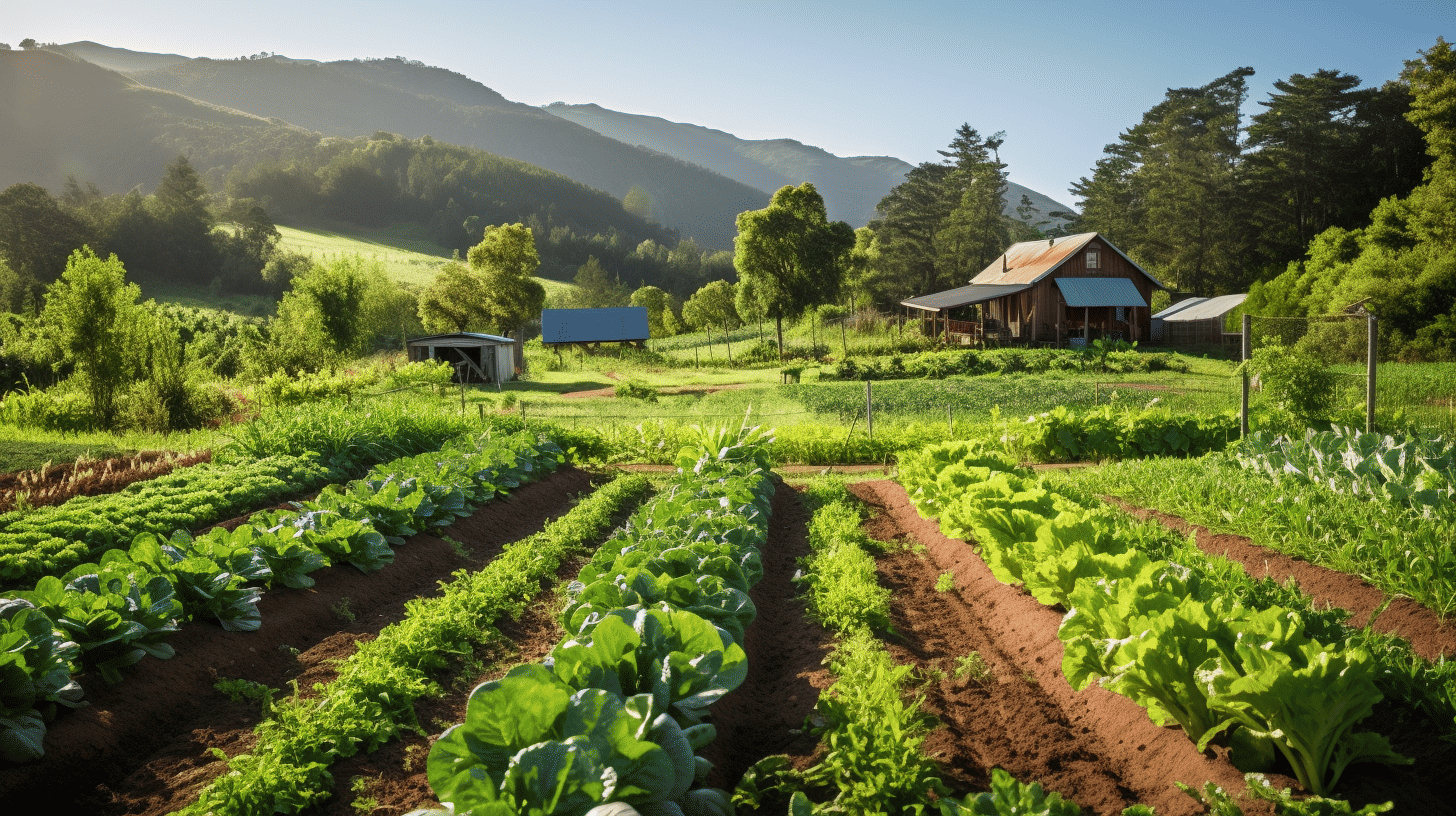
- Agroforestry Alley Cropping: This system involves planting rows of trees alongside rows of traditional crops. The trees provide shade, reducing soil moisture loss and minimizing weed growth. It also creates a microclimate that benefits both crops and trees.
- Silvopasture: In this system, trees are integrated into grazing areas, providing shade for livestock while also offering fodder and improving soil fertility. This integration promotes sustainable livestock production while maintaining a healthy ecosystem.
- Windbreaks: Planting trees strategically as windbreaks in agricultural fields can protect crops from strong winds, thereby reducing crop damage and erosion. Additionally, windbreaks create microclimates that increase crop yields and provide habitat for beneficial insects, birds, and other wildlife.
Enhancement of Sustainability and Resilience
Agroforestry systems contribute to the sustainability and resilience of family farming by addressing climate sensitivities and improving ecosystem services. Here’s how agroforestry enhances sustainability and resilience:
- Climate Change Mitigation: Trees in agroforestry systems sequester carbon dioxide from the atmosphere, acting as natural carbon sinks. Their presence helps reduce greenhouse gas emissions and mitigates the effects of climate change.
- Enhanced Soil Health: The integration of trees in agroforestry systems improves soil fertility by increasing organic matter content, improving nutrient cycling, and reducing soil erosion. This results in healthier soils that can better withstand climate variability.
- Diversification of Income: Agroforestry systems offer a diversified income stream for farmers. In addition to traditional crops, trees can provide timber, fruits, nuts, or medicinal products, adding economic resilience to farming communities.
Contribution to Long-term Stability for Farmers and Agricultural Systems
In the face of climate change and uncertain environmental conditions, agroforestry systems contribute to long-term stability for farmers and agricultural systems. Here’s how agroforestry helps build resilience:
- Water Management: Trees in agroforestry systems act as natural water regulators, reducing water runoff, retaining moisture in the soil, and contributing to water availability. This is especially beneficial during periods of drought or erratic rainfall.
- Biodiversity Conservation: Agroforestry systems create diverse habitats, supporting a wide range of plant and animal species. This biodiversity conservation enhances ecosystem resilience and contributes to the overall health of the agricultural landscape.
- Risk Reduction: The diversified nature of agroforestry systems reduces the risks associated with mono-cropping. If one crop fails, farmers still have other sources of income from trees or additional crops, providing a safety net against potential losses.
Agroforestry holds great potential to address the challenges faced by farmers and agricultural systems. Its integration into existing farming systems, enhancement of sustainability and resilience, and contribution to long-term stability make it a valuable multifaceted solution in the face of a changing climate and evolving agricultural practices.
The Future of Agroforestry
Introduction:
Agroforestry, the practice of integrating trees and shrubs into agricultural landscapes, holds great promise for a sustainable and resilient future. As we continue to grapple with climate change and the need for more sustainable food production, agroforestry offers comprehensive, flexible, and forward-looking management strategies that can benefit both the environment and farmers. In this article, we will explore how agroforestry can support agroecological transition, mitigate climate change, enhance ecosystem services, and increase farmers’ income.
Need for Comprehensive, Flexible, And Forward-Looking Management Strategies
Agroforestry is more than just planting trees alongside crops or livestock; it requires a holistic and strategic approach to land management. Here’s why comprehensive, flexible, and forward-looking management strategies are essential for the future of agroforestry:
- Sustainable land use: With the global population projected to reach 9 billion by 2050, the demand for food will continue to rise. Agroforestry provides a solution by optimizing land use through the integration of trees, crops, and livestock. By diversifying agricultural systems, agroforestry increases productivity while minimizing negative environmental impacts like soil erosion and nutrient depletion.
- Climate change adaptation: As our climate continues to change, farmers need adaptive strategies to cope with unpredictable weather patterns and increased pest and disease pressures. Agroforestry offers a flexible and resilient solution by providing shade, windbreaks, and microclimatic regulation. Trees also sequester carbon, helping to mitigate climate change and create more carbon-neutral agricultural systems.
- Biodiversity conservation: Agroforestry systems support rich biodiversity, acting as ecological corridors and providing habitat for both plant and animal species. By preserving and enhancing biodiversity, agroforestry contributes to the overall health and resilience of ecosystems.
- Water management: Water scarcity is a pressing issue in many agricultural regions. Agroforestry plays a crucial role in water management by reducing soil erosion, improving water infiltration, and regulating water flow, helping to maintain stable water resources and reducing the risk of floods and droughts.
By adopting comprehensive, flexible, and forward-looking management strategies, agroforestry can address these challenges and create a sustainable and resilient agricultural landscape for the future.
Supporting Agroecological Transition and Climate Change Adaptability
Agroecology is a holistic approach to sustainable agriculture that focuses on enhancing ecological processes, promoting biodiversity, and minimizing the use of external inputs. Agroforestry aligns perfectly with the principles of agroecology and can support the transition towards more sustainable farming practices. Here’s how:
- Nutrient cycling: Agroforestry systems, with their diverse mix of trees, crops, and livestock, promote natural nutrient cycling. Trees act as nutrient pumps, bringing minerals from deep in the soil to the surface where crops can access them. This reduces the reliance on synthetic fertilizers, making agroforestry more sustainable and cost-effective.
- Natural pest control: Biodiversity in agroforestry systems attracts beneficial insects and birds that act as natural pest control agents. The presence of trees provides habitat for these predators and enhances the overall ecological balance, reducing the need for chemical pesticides.
- Improved soil health: Agroforestry systems improve soil health by increasing organic matter content and enhancing soil structure. The roots of trees help prevent soil erosion and improve water infiltration, reducing nutrient runoff and soil degradation.
Agroforestry, as a component of agroecological farming systems, not only mitigates climate change but also enhances the adaptability and resilience of agricultural systems in the face of increasing environmental challenges.
Providing Ecosystem Services and Enhancing Adaptability
Agroforestry offers a wide range of ecosystem services that benefit both the environment and society. Here are some of the key ecosystem services provided by agroforestry:
- Carbon sequestration: Trees are excellent carbon sinks, absorbing carbon dioxide from the atmosphere and storing it in their biomass and soil. Agroforestry systems, with their tree-cover, play a vital role in sequestering carbon and reducing greenhouse gas emissions, contributing to global efforts to mitigate climate change.
- Pollination and biodiversity support: The presence of trees in agroforestry systems enhances pollinator diversity and abundance, leading to increased crop pollination and improved yields. Additionally, the diverse habitat provided by agroforestry systems supports a wide range of plant and animal species, contributing to overall biodiversity conservation.
- Water quality improvement: Agroforestry systems act as natural filters, reducing the runoff of sediments and pollutants into water bodies. The tree canopy intercepts rainfall, reducing the impact of erosion and protecting water quality. Agroforestry also helps replenish groundwater by increasing water infiltration rates and preventing excessive water loss due to evaporation.
- Diversification of income: Agroforestry provides farmers with an additional source of income from timber, fruits, nuts, and other non-timber forest products. This economic diversification strengthens the resilience of farming communities and reduces dependency on single commodities, mitigating the risks associated with price fluctuations and market uncertainties.
By providing these ecosystem services, agroforestry enhances the adaptability and sustainability of agricultural landscapes, benefiting both the environment and the livelihoods of farmers.
In conclusion, the future of agroforestry lies in comprehensive, flexible, and forward-looking management strategies that support agroecological transition, mitigate climate change, and provide a range of ecosystem services. By embracing agroforestry practices, we can create a more resilient and sustainable agricultural landscape for generations to come.
Conclusion
In conclusion, agroforestry stands out as a powerful tool in the fight against climate change and the pursuit of sustainable farming practices. By integrating trees with agricultural crops, farmers can reap numerous benefits, from carbon sequestration and greenhouse gas reduction to crop buffering and improved livelihoods for farming communities. Agroforestry not only proves to be cost-effective but also promotes biodiversity and enhances ecosystem services. It offers a multifaceted solution that can be seamlessly integrated into existing farming systems, enhancing sustainability and resilience while providing long-term stability for farmers and agricultural systems.
As we look to the future, it’s crucial to adopt comprehensive management strategies that support the agroecological transition and climate change adaptability. Agroforestry holds great potential in providing essential ecosystem services and enhancing adaptability in the face of a changing climate.
By exploring the vast resources available on the Regenerative Agriculture Wiki, you can gain a deeper understanding of the role agroforestry plays in climate-resilient farming. Our platform offers comprehensive guides, tips, and insights to help individuals and communities adopt regenerative and sustainable farming practices. Discover the potential of agroforestry and join us in fostering a future where agriculture and ecology thrive in harmony. Check out our website at Regenerative Agriculture Wiki to learn more and become a part of the movement towards a greener and more sustainable future.
Frequently Asked Questions
- What is agroforestry and its role in climate resilient farming?
Agroforestry is a land use system that combines trees or shrubs with agricultural crops or livestock on the same land. It plays a crucial role in climate resilient farming by providing numerous benefits such as carbon sequestration, soil conservation, biodiversity enhancement, and improved water management.
- How does agroforestry help in climate change mitigation?
Agroforestry helps in climate change mitigation by acting as a carbon sink. Trees in agroforestry systems absorb carbon dioxide from the atmosphere and store it in their biomass and in the soil, reducing greenhouse gas emissions and combating climate change.
- What are some examples of agroforestry practices?
Some examples of agroforestry practices include alley cropping, where trees are grown between rows of crops; silvopasture, which integrates trees, forage, and livestock; and windbreaks, where trees are planted to protect crops and livestock from strong winds.
- How does agroforestry promote biodiversity and ecological sustainability?
Agroforestry promotes biodiversity by providing habitat for a variety of plant and animal species. The presence of trees and diverse vegetation in agroforestry systems creates a more ecologically sustainable environment, supporting beneficial insects, birds, and microorganisms.
- What are the economic benefits of practicing agroforestry in farming?
Agroforestry can provide additional sources of income for farmers through the sale of timber, fruits, nuts, and other tree products. It also reduces dependency on external inputs, improves crop yields, and contributes to long-term farm resilience and sustainability.