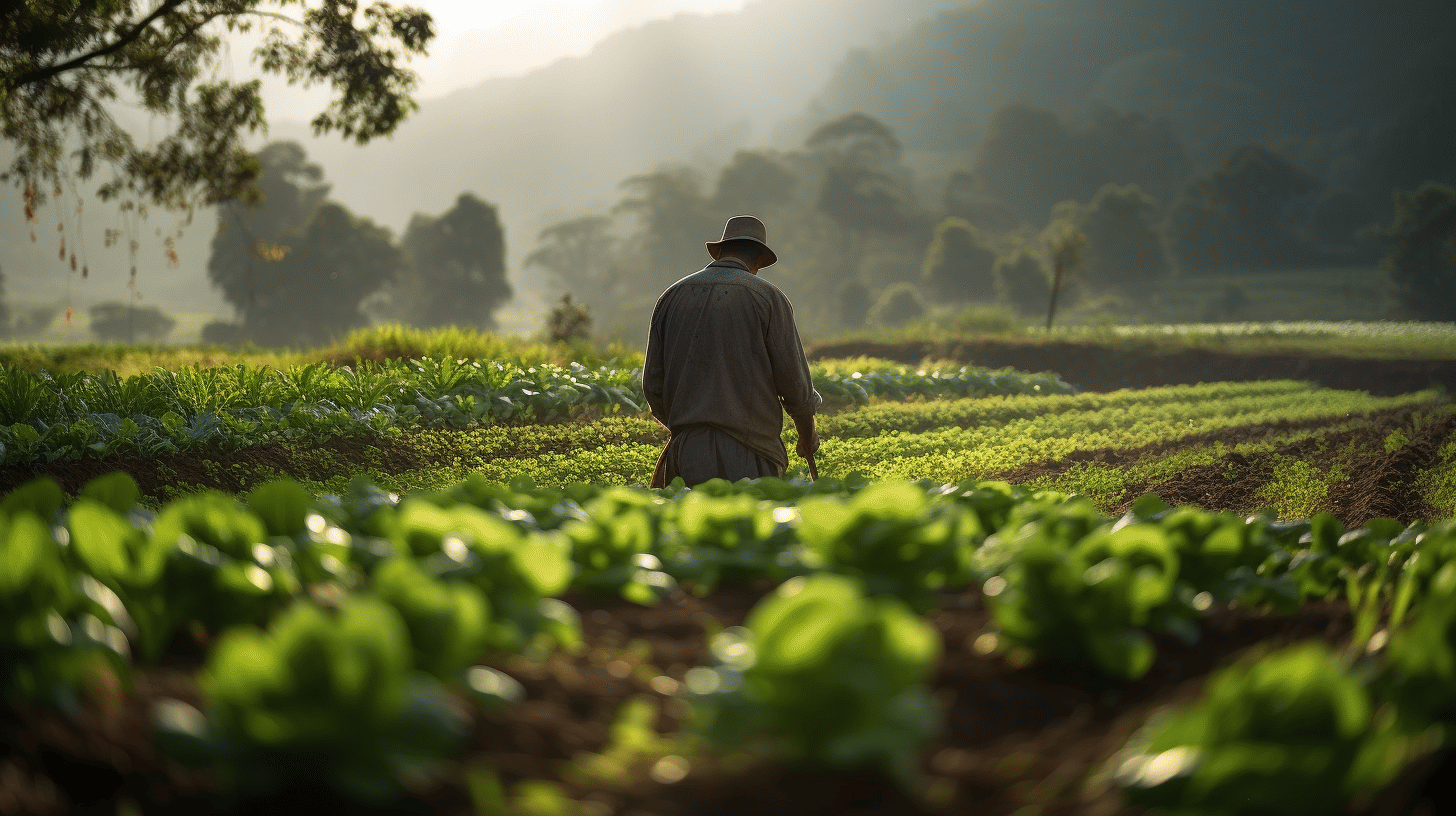
Regenerative agriculture and sustainable living have become increasingly popular topics in recent years as people become more aware of the impact of conventional farming practices on the environment. This intersection between regenerative agriculture and sustainable living offers a promising solution to some of the pressing challenges we face today, including climate change, soil degradation, and biodiversity loss.
Regenerative agriculture goes beyond sustainable farming practices by actively restoring and rejuvenating the health of the soil, promoting biodiversity, and reducing the use of synthetic inputs. It aims to create a harmonious ecosystem where crops and livestock thrive, and nature’s balance is restored.
Sustainable living, on the other hand, encompasses a broader approach to environmental responsibility, focusing not only on agriculture but also on reducing waste, conserving energy, and adopting eco-friendly practices in our daily lives. It is about making conscious choices that support the longevity of our planet and future generations.
By understanding the principles and benefits of regenerative agriculture and incorporating sustainable living practices into our lifestyles, we can make a significant positive impact on the environment. This article will delve further into the global regenerative agriculture market, the benefits it offers, the challenges it faces, and the ways in which sustainable farming practices can mitigate the environmental impact of conventional agriculture.
So let’s explore the fascinating world of regenerative agriculture and sustainable living and discover how we can be part of the solution to create a healthier and more sustainable future for all.
Global Regenerative Agriculture Market
Regenerative agriculture is gaining significant attention globally as a sustainable farming practice that aims to restore and improve soil health. This method focuses on enhancing the natural ecosystem processes, promoting biodiversity, and reducing harmful environmental impacts. As a result, the global regenerative agriculture market is experiencing substantial growth, driven by increasing awareness about the importance of sustainable farming practices and the demand for organic and healthy food products.
Market Overview:
- The global regenerative agriculture market is estimated to be worth $8.7 billion in 2022, with a growth rate of 14.0% (source: link).
- By the end of 2027, it is projected to reach $16.8 billion, showcasing a steady growth trajectory in the coming years.
- As the world moves towards more sustainable and environmentally friendly practices, the regenerative agriculture market is expected to reach $31.2 billion by 2031, indicating long-term growth prospects in the industry.
Factors Driving Market Growth:
Several factors contribute to the continual growth of the global regenerative agriculture market. These factors include:
- Increasing Consumer Demand: Consumers are becoming more conscious about the environmental impact of conventional farming methods and are actively seeking out sustainable alternatives. There is a growing demand for organic, healthy, and locally produced food, which is driving farmers to adopt regenerative agriculture practices.
- Environmental Benefits: Regenerative agriculture practices focus on soil health improvement, carbon sequestration, and water conservation. These practices contribute to mitigating climate change, reducing greenhouse gas emissions, and preserving the overall ecosystem. As governments and organizations prioritize sustainability, the adoption of regenerative farming practices is gaining momentum.
- Government Support and Policies: Many governments worldwide are implementing measures and providing incentives to encourage the adoption of regenerative agriculture practices. This support includes funding for research and development, subsidies for farmers transitioning to regenerative methods, and the integration of regenerative practices into agricultural policies.
- Health Benefits: Regenerative agriculture promotes the cultivation of nutrient-rich crops without the use of harmful chemicals, pesticides, or genetically modified organisms. This aspect appeals to health-conscious consumers who are increasingly prioritizing wholesome and organic food options.
Market Challenges:
While the global regenerative agriculture market presents numerous growth opportunities, there are also various challenges that need to be addressed. These challenges include:
- Knowledge and Education: Many farmers are not familiar with regenerative agriculture practices or lack the necessary knowledge and resources to adopt them. Education and training programs are crucial to empower farmers with the skills needed for successful implementation.
- Initial Investment: Transitioning from conventional farming methods to regenerative agriculture may require initial investments in equipment, infrastructure, and training. Financial support and incentives can help alleviate these challenges and encourage more farmers to adopt sustainable practices.
- Scaling Up: As regenerative agriculture gains traction, there is a need for scaled-up production and supply chains to meet increasing consumer demand. Collaborative efforts between farmers, manufacturers, and retailers are essential to streamline and optimize the supply chain.
In conclusion, the global regenerative agriculture market is experiencing robust growth due to increasing consumer demand, environmental benefits, government support, and health-conscious trends. However, addressing challenges such as knowledge gaps, initial investments, and scaling up production will be crucial for sustained growth and widespread adoption of regenerative farming practices.
Benefits of Regenerative Agriculture
Regenerative agriculture has gained significant attention in recent years as a sustainable approach to farming that goes beyond traditional methods. By prioritizing soil health and biodiversity, regenerative agriculture offers a range of benefits for both farmers and the environment. Let’s take a closer look at some of the key advantages this practice has to offer:
- Improvement of soil and land health, nutrition, biodiversity, and carbon storage: Regenerative agriculture focuses on building up the health and fertility of soil through practices like cover cropping, crop rotation, and minimal tillage. These methods enhance soil structure, increase organic matter content, and promote beneficial microbial activity, resulting in healthier, more nutrient-rich soils. Additionally, regenerative practices support biodiversity, providing habitats for beneficial insects, birds, and other wildlife. Moreover, this approach contributes to carbon sequestration and helps mitigate climate change by storing carbon in the soil.
- Potential 13% increase in crop yields by 2040: Research suggests that widespread adoption of regenerative agriculture techniques could lead to a significant boost in crop yields. According to a study conducted by The Nature Conservancy, implementing regenerative practices across 20% of cropland in the United States could result in a 13% increase in crop yields by 2040.
- Reducing reliance on inputs and increasing profitability: By promoting natural soil fertility and reducing the need for synthetic fertilizers and pesticides, regenerative agriculture decreases input costs for farmers. This, in turn, can increase profitability and financial resilience, allowing farmers to reduce their dependency on expensive external inputs.
- Improved soil health, water quality, and biodiversity: Studies have shown that regenerative farming practices lead to improved soil health by increasing organic matter, improving water infiltration, and reducing erosion. These practices also help to protect water quality by minimizing nutrient runoff and pesticide contamination. Furthermore, regenerative techniques support biodiversity, providing habitats for pollinators and beneficial insects, and helping to restore ecosystems on and around farms.
- Lower environmental impact and resource usage compared to conventional farming: The use of regenerative practices can significantly reduce the environmental impact of agriculture. By minimizing or eliminating synthetic inputs and reducing tillage, regenerative farming helps to reduce greenhouse gas emissions, conserve water, and decrease soil erosion. This approach also reduces reliance on fossil fuels, further contributing to a more sustainable and resilient agricultural system.
- Positive impact on climate resilience and crop quality: By increasing soil health and promoting biodiversity, regenerative agriculture contributes to climate resilience. Healthy soils retain more water, making crops more resistant to drought. Furthermore, the nutrient-rich soil enhances crop quality, resulting in more nutritious and flavorful produce.
In summary, regenerative agriculture offers a multitude of benefits across various aspects of farming and environmental sustainability. From improved soil health and increased crop yields to reduced environmental impact and climate resilience, this approach holds great potential for transforming the future of agriculture in a positive and sustainable manner.
Challenges and Adoption of Regenerative Agriculture
Regenerative agriculture is gaining momentum as a sustainable farming practice that aims to restore and enhance the health of the soil, increase biodiversity, and improve overall environmental and human well-being. However, like any transformative movement, regenerative agriculture also faces challenges in terms of widespread adoption. This section will explore some of the key challenges and opportunities associated with implementing regenerative agricultural practices.
1. Limited Awareness and Understanding
One of the primary obstacles to the adoption of regenerative agriculture is the limited awareness and understanding among farmers, consumers, and policymakers. Many people are still unfamiliar with the principles and benefits of regenerative farming methods. Educating and raising awareness about the value and potential of regenerative agriculture is crucial to drive its widespread adoption.
2. Economic Sustainability
Transitioning from conventional farming practices to regenerative agriculture requires initial investments in equipment, training, and infrastructure. Farmers may face financial challenges in the short term as they invest in regenerative practices and wait for the long-term benefits to materialize. However, studies have shown that regenerative systems can be economically sustainable in the long run, with higher profits and improved resilience to market fluctuations.
3. Scaling and Data Collection
Scaling up regenerative agriculture practices is essential for achieving significant environmental impact and ensuring food security. However, this scaling process requires effective measurement, monitoring, and data collection. Tracking the progress of regenerative practices on large farms or across regions can be complex and time-consuming. Developing standardized metrics and data collection tools will facilitate the adoption and evaluation of regenerative agriculture at a broader scale.
4. Policy and Institutional Support
Regenerative agriculture needs strong policy frameworks and institutional support to foster its adoption. Governments can incentivize and provide financial support for farmers transitioning to regenerative practices. They can also play a crucial role in developing regulations and certification standards to ensure the integrity and credibility of regenerative agricultural products in the market.
5. Knowledge Transfer and Training
Providing adequate training and knowledge transfer is essential to empower farmers to adopt regenerative agricultural practices successfully. Training programs, workshops, and peer-to-peer learning networks can facilitate the dissemination of knowledge and best practices among farmers. Collaboration between research institutions, extension services, and farming communities is key to ensuring the effective adoption and implementation of regenerative agriculture.
While regenerative agriculture faces challenges, it also presents numerous opportunities for sustainable food production, environmental conservation, and rural economies. By addressing these challenges and embracing the potential of regenerative practices, we can create a more resilient and sustainable agricultural system for future generations.
Sustainable Farming and Environmental Impact
Sustainable farming practices have become increasingly important in recent years, as we strive to protect our environment and ensure food security for future generations. By adopting sustainable farming methods, farmers can minimize their environmental impact while still striving for high crop yields. In this article, we will explore three key aspects of sustainable farming and how they contribute to a healthier and more resilient planet.
Creating more sustainable farms filled with life
Traditional farming practices often rely heavily on chemical inputs such as fertilizers and pesticides, which can have detrimental effects on the environment. In contrast, sustainable farming takes a more holistic approach, seeking to work in harmony with nature rather than against it. By using organic and regenerative farming techniques, farmers can promote biodiversity and enhance the health of their soils.
Key benefits of sustainable farming for biodiversity:
- Encourages the presence of beneficial insects and pollinators, which support crop production.
- Creates habitats for wildlife, such as birds and small mammals, by incorporating hedgerows and wildlife corridors on the farm.
- Reduces soil erosion and nutrient runoff, protecting nearby water sources and aquatic ecosystems.
Building resilience and adaptability to climatic variability
With the increasing impacts of climate change, farmers are faced with new challenges, including more frequent extreme weather events, droughts, and changing precipitation patterns. Sustainable farming practices can help build resilience and adaptability to these climatic variations.
Ways sustainable farming contributes to climate resilience:
- Promotes water conservation through practices like drip irrigation and rainwater harvesting, helping to mitigate the impacts of drought.
- Improves soil health, increasing its ability to retain moisture and withstand extreme weather events.
- Encourages crop diversification, reducing the risk of complete crop failure due to climate-related factors.
Reducing carbon footprint and reversing environmental damage
Agriculture is a significant contributor to greenhouse gas emissions, but sustainable farming practices have the potential to reduce the carbon footprint of the industry. By sequestering carbon in the soil and reducing reliance on fossil fuel-intensive inputs, farmers can play a crucial role in mitigating climate change.
Ways sustainable farming reduces environmental impact:
- Utilizes cover crops and crop rotation to improve soil organic matter, increasing carbon sequestration.
- Emphasizes organic and natural fertilizers, reducing the need for synthetic nitrogen fertilizers that release potent greenhouse gases.
- Implements agroforestry practices, such as planting trees on the farm, which can sequester significant amounts of carbon dioxide.
In conclusion, sustainable farming practices offer a promising path forward for agriculture in the face of environmental challenges. By creating more sustainable farms filled with life, building resilience to climatic variability, and reducing their carbon footprint, farmers can contribute to a healthier planet while still meeting the food demands of a growing population. It is crucial for farmers, policymakers, and consumers to continue supporting and promoting sustainable farming methods to ensure a sustainable future for generations to come.
Conclusion
In conclusion, regenerative agriculture offers a promising solution to the challenges facing modern farming practices. By focusing on soil health, biodiversity, and holistic management, regenerative agriculture helps cultivate sustainable and resilient farming systems. Farmers who embrace regenerative practices can benefit from increased crop yields, improved soil fertility, and reduced reliance on synthetic inputs. Furthermore, regenerative agriculture contributes to environmental conservation, mitigates climate change effects, and promotes overall ecosystem health.
As we venture into a future where agriculture and ecology flourish in harmony, it is essential to educate ourselves and support initiatives that promote regenerative farming. The Regenerative Agriculture Wiki is a valuable resource for individuals interested in learning more about this transformative approach. With comprehensive guides, informative articles, and a passionate community, the Regenerative Agriculture Wiki empowers individuals to make informed decisions and contribute to a more sustainable and regenerative future.
Visit the Regenerative Agriculture Wiki today and discover the potential of regenerative agriculture. Together, let’s foster a future where our agricultural practices nurture the environment and ensure global food security.
Frequently Asked Questions
- What is regenerative agriculture?
Regenerative agriculture is a holistic approach to farming that aims to restore and improve the health of ecosystems and soil by employing practices such as cover cropping, crop rotation, composting, and reduced tillage.
- How does regenerative agriculture contribute to sustainable living?
Regenerative agriculture contributes to sustainable living by promoting biodiversity, reducing the need for synthetic fertilizers and pesticides, sequestering carbon dioxide from the atmosphere, and improving soil health and water retention.
- What are some examples of regenerative agriculture practices?
Examples of regenerative agriculture practices include agroforestry, rotational grazing, no-till farming, intercropping, and the use of compost and organic fertilizers instead of chemical inputs.
- What are the benefits of regenerative agriculture?
The benefits of regenerative agriculture are numerous and include improved soil fertility and structure, increased crop yields, enhanced biodiversity, reduced use of chemicals, and lower greenhouse gas emissions.
- How can individuals support regenerative agriculture?
Individuals can support regenerative agriculture by buying products from farmers who practice regenerative methods, growing their own food using regenerative principles, supporting local farmers markets, and advocating for sustainable farming practices in their communities.