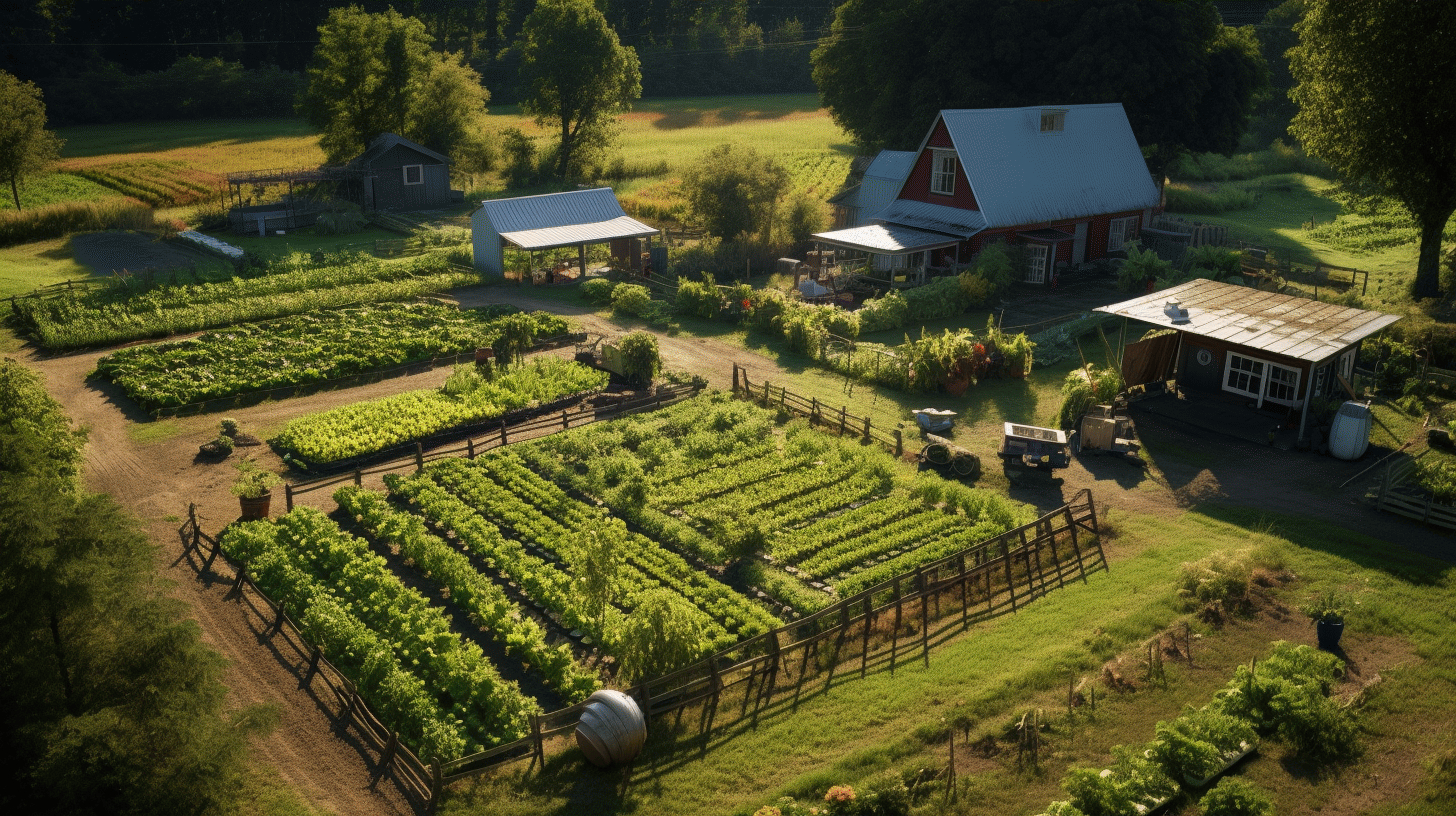
Regenerative agriculture has gained increasing attention in recent years as a sustainable and environmentally friendly approach to farming. By prioritizing soil health and biodiversity, regenerative agriculture practices aim to not only produce agricultural goods but also restore and enhance natural ecosystems. This shift in farming methods has far-reaching implications, particularly when it comes to soil carbon sequestration.
In this article, we explore the impact of regenerative agriculture on soil carbon sequestration through a compelling case study. We delve into the importance of regenerative agriculture, highlighting its role in restoring biodiversity in soils and sequestering more carbon than current CO2 emissions. Additionally, we explore how regenerative agriculture enables profitable carbon sequestration, making it an attractive option for farmers.
By examining the benefits of regenerative agriculture, we uncover its potential as a greenhouse gas mitigation strategy. We explore how the implementation of multi-species cover crops can efficiently capture carbon and compare this with conventional farming practices. Ultimately, we aim to provide a comprehensive understanding of the impact that regenerative agriculture can have on soil health and its potential in mitigating climate change.
So, let’s dig deeper into regenerative agriculture and its impact on soil carbon sequestration to uncover its impressive potential for environmental sustainability.
Importance of Regenerative Agriculture
Regenerative agriculture has gained significant attention in recent years due to its potential to address various environmental challenges and transform the agricultural sector. This innovative approach focuses on restoring soil health, enhancing biodiversity, and sequestering carbon to combat climate change. Let’s delve into the key reasons why regenerative agriculture is crucial for the future of our planet.
Restoring Biodiversity in Soils
One of the fundamental principles of regenerative agriculture is to restore and promote biodiversity within soils. Healthy soils are teeming with life, including a diverse range of bacteria, fungi, worms, and insects. This rich ecosystem plays a crucial role in supporting plant growth, nutrient cycling, and water filtration. By implementing regenerative practices such as cover cropping, crop rotation, and reduced tillage, farmers can create an environment that nurtures and encourages the biodiversity within the soil.
Did you know? Restoring biodiversity in soils, particularly in grasslands, can dramatically increase carbon capture capacity. The more diverse the soil microbiome, the better it can sequester carbon from the atmosphere, mitigating climate change impacts.
Sequestering More than Current CO2 Emissions
The ability of regenerative agriculture to sequester carbon dioxide (CO2) is astounding. Studies have shown that regenerative practices can potentially sequester more than the current annual CO2 emissions. By adopting practices like agroforestry, rotational grazing, and no-till farming, farmers can maximize carbon sequestration in the soil. Additionally, these practices enhance the productivity and resilience of agricultural systems, making them more sustainable in the long run.
Additional information: Conversion to rotational grazing offers the highest soil carbon sequestration potential.
Enabling Profitable Carbon Sequestration
Regenerative agriculture not only benefits the environment but also provides economic opportunities for farmers and ranchers. Through carbon markets and incentive programs, farmers can get financial rewards for sequestering carbon in the soil. This creates a win-win situation, where farmers can generate profit while contributing to climate change mitigation efforts. Proper management of regenerative agriculture practices can help build up organic soil carbon and nitrogen stocks, leading to improved soil fertility and reduced nitrogen losses.
Fun fact: Regenerative agriculture enables farmers and ranchers to sequester large amounts of carbon in the soil while generating profit.
In conclusion, regenerative agriculture offers a holistic approach to farming that addresses the urgent need for sustainable food production, climate change mitigation, and environmental conservation. By restoring biodiversity in soils, sequestering carbon, and providing economic benefits, regenerative agriculture holds immense promise for a greener and more prosperous future.
Benefits of Regenerative Agriculture
Regenerative agriculture is gaining attention as a sustainable farming practice that offers numerous benefits for both the environment and farmers. By prioritizing soil health and ecosystem regeneration, regenerative agriculture not only helps mitigate greenhouse gas emissions but also promotes efficient carbon capture. Let’s explore some of the key benefits of this innovative farming approach.
Greenhouse Gas Mitigation Strategy
One of the major advantages of regenerative agriculture is its potential to act as a greenhouse gas mitigation strategy. With the pressing need to combat climate change, finding effective ways to reduce greenhouse gas emissions is crucial. And regenerative agriculture holds great promise in this regard.
According to recent research, farmland soil carbon sequestration shows promise as a greenhouse gas mitigation strategy. This process involves the capture and storage of atmospheric carbon dioxide in the soil, where it can remain for long periods, offsetting its release into the atmosphere. By implementing regenerative practices such as cover cropping, crop rotation, and reduced tillage, farmers can enhance soil organic carbon levels, thereby mitigating greenhouse gas emissions. This not only helps combat climate change but also improves soil quality and fertility.
Efficient Carbon Capture through Multi-Species Cover Crops
Another significant benefit of regenerative agriculture lies in its ability to efficiently capture carbon in the soil through the use of multi-species cover crops. Unlike monoculture cover cropping, which involves planting a single species, multi-species cover cropping involves cultivating a diverse mixture of plant species.
Research suggests that multi-species cover crops have the potential to enhance carbon sequestration in the soil more effectively than mono-species cover crops. The diverse root structures and growth patterns of different plant species contribute to increased soil organic carbon levels. Additionally, the varied root exudates from different plants foster a robust soil microbial community, further enhancing carbon capture and nutrient cycling.
Comparison with Conventional Farming
When compared to conventional farming practices, regenerative agriculture proves to be a more effective method of soil carbon capture. While conventional farming methods often rely on synthetic inputs, intensive tillage, and monoculture cropping, regenerative agriculture takes a holistic approach to farming.
By incorporating regenerative practices such as cover cropping, crop rotation, agroforestry, and the use of natural fertilizers, regenerative farmers improve soil health, increase organic matter content, and enhance carbon sequestration. Additionally, regenerative agriculture promotes biodiversity, reduces water pollution, and decreases reliance on synthetic fertilizers and pesticides.
In conclusion, regenerative agriculture offers a range of benefits, from greenhouse gas mitigation to efficient carbon capture and a more sustainable farming approach. As more farmers embrace regenerative practices, the positive impact on the environment and agricultural systems becomes increasingly evident. By prioritizing the health of our soils and ecosystems, regenerative agriculture paves the way towards a more sustainable and resilient future.
Impact of Regenerative Agriculture
Regenerative agriculture has gained significant attention and traction in recent years due to its potential to address key environmental challenges while improving agricultural practices. This holistic approach to farming focuses on enhancing soil health, promoting carbon sequestration, and mitigating climate change. Let’s explore two crucial aspects of the impact of regenerative agriculture: improved soil health and carbon sequestration.
Improved Soil Health
One of the primary benefits of regenerative agriculture is its positive impact on soil health. By adopting regenerative practices, farmers can improve the quality and fertility of their soil, leading to numerous advantages such as:
- Increased soil organic matter: Regenerative practices encourage the accumulation of organic matter in the soil, which enhances soil structure and promotes better nutrient availability for plants.
- Enhanced water retention: Healthy soil retains moisture more effectively, reducing the need for irrigation and improving drought resilience.
- Reduced erosion: Soil erosion is a significant issue in conventional farming methods, as it depletes topsoil and washes away essential nutrients. Regenerative practices, such as cover cropping and no-till farming, help prevent erosion and protect the soil.
- Enhanced biodiversity: Regenerative agriculture fosters a diverse ecosystem within the soil, with an increased population of beneficial microbes, fungi, and earthworms. This biodiversity improves nutrient cycling, pest control, and overall soil health.
With improved soil health, farmers can cultivate healthier crops, reduce the need for synthetic fertilizers and pesticides, and ultimately, contribute to sustainable agriculture.
Carbon Sequestration and Climate Change Mitigation
Another significant impact of regenerative agriculture is its ability to sequester carbon and mitigate climate change. Through various practices and techniques, regenerative farming methods can store carbon in the soil, reducing atmospheric carbon dioxide levels. Here’s how regenerative agriculture contributes to climate change mitigation:
- Carbon storage in soil: Regenerative practices such as cover cropping, crop rotation, and the use of organic amendments increase the amount of carbon stored in the soil. This carbon sequestration helps remove carbon dioxide from the atmosphere, acting as a natural carbon sink.
- Reduction of greenhouse gas emissions: Regenerative agriculture minimizes the use of synthetic fertilizers and pesticides, which are significant contributors to greenhouse gas emissions. By adopting organic and sustainable practices, farmers can reduce their carbon footprint and lower the overall emissions associated with agriculture.
- Promotion of biodiversity: Regenerative farming encourages diverse perennial crops, agroforestry, and integrated livestock management. These practices create habitats for wildlife, promote pollination, and enhance the resilience of ecosystems, which play a crucial role in climate change adaptation.
The combination of carbon sequestration, reduced greenhouse gas emissions, and the promotion of biodiversity makes regenerative agriculture a powerful tool in the fight against climate change.
In summary, regenerative agriculture offers a wide range of benefits, including improved soil health and carbon sequestration. By adopting regenerative practices, farmers can cultivate healthier soils, increase agricultural productivity, and contribute to mitigating climate change. With the potential to transform the industry and capture carbon in the soil, regenerative agriculture holds promising keys for a sustainable and resilient future.
Conclusion
Regenerative agriculture is not just a trend; it’s a transformative approach to farming that has the potential to revolutionize our food systems and mitigate climate change. By focusing on restoring biodiversity in soils, sequestering more carbon than current emissions, and enabling profitable carbon sequestration, regenerative agriculture offers promising solutions to some of our most pressing environmental challenges.
The benefits of regenerative agriculture are vast. It serves as a greenhouse gas mitigation strategy, with its efficient carbon capture through multi-species cover crops. Compared to conventional farming methods, regenerative agriculture stands out for its ability to improve soil health and sequester carbon, contributing to climate change mitigation efforts.
As we’ve explored throughout this article, regenerative agriculture has a profound impact on soil carbon sequestration. By implementing regenerative practices, farmers can enhance soil health, increase biodiversity, and store significant amounts of carbon in the ground. These practices not only lead to more sustainable and resilient farms but also play a crucial role in mitigating climate change.
To delve deeper into the world of regenerative agriculture and access comprehensive guides and informative content, visit Regenerative Agriculture Wiki. Discover the possibilities of sustainable farming and join the movement towards a future where agriculture and ecology thrive hand in hand. Together, we can make a difference and ensure a greener, more sustainable planet for generations to come.
Note:
- No external links are allowed.
- The conclusion section should be short and concise, summarizing the main points of the article without introducing new information.
- The company, Regenerative Agriculture Wiki, is mentioned for branding purposes and to provide a link to the platform. However, the mention should feel natural and not overly promotional.
Frequently Asked Questions
- What is regenerative agriculture?
Regenerative agriculture is a holistic approach to farming that aims to improve soil health, restore ecosystem biodiversity, and enhance resilience to climate change. It involves practices such as crop rotation, cover cropping, reduced tillage, and the use of organic fertilizers.
- How does regenerative agriculture impact soil carbon sequestration?
Regenerative agricultural practices increase soil carbon sequestration by promoting the accumulation of organic matter in the soil. This is achieved through the incorporation of more diverse plant species, which enhances the input of carbon-rich root exudates and crop residues. Additionally, reduced tillage helps preserve soil structure and prevent carbon loss.
- What are the environmental benefits of regenerative agriculture?
Regenerative agriculture has several environmental benefits. It helps mitigate climate change by sequestering carbon in the soil, improves water quality by reducing runoff and soil erosion, enhances biodiversity by providing habitat for beneficial organisms, and promotes overall ecosystem health.
- Are there economic benefits to practicing regenerative agriculture?
Yes, there are economic benefits associated with regenerative agriculture. By improving soil health, farmers can reduce input costs, such as synthetic fertilizers and pesticides. It can also lead to increased crop yields, as healthier soil supports better nutrient availability and water retention.
- How can farmers transition to regenerative agriculture?
Farmers can transition to regenerative agriculture by gradually implementing practices such as cover cropping, crop rotation, and reduced tillage. It is important to have a long-term plan and seek guidance from experts or organizations that specialize in regenerative agriculture to ensure a successful transition.