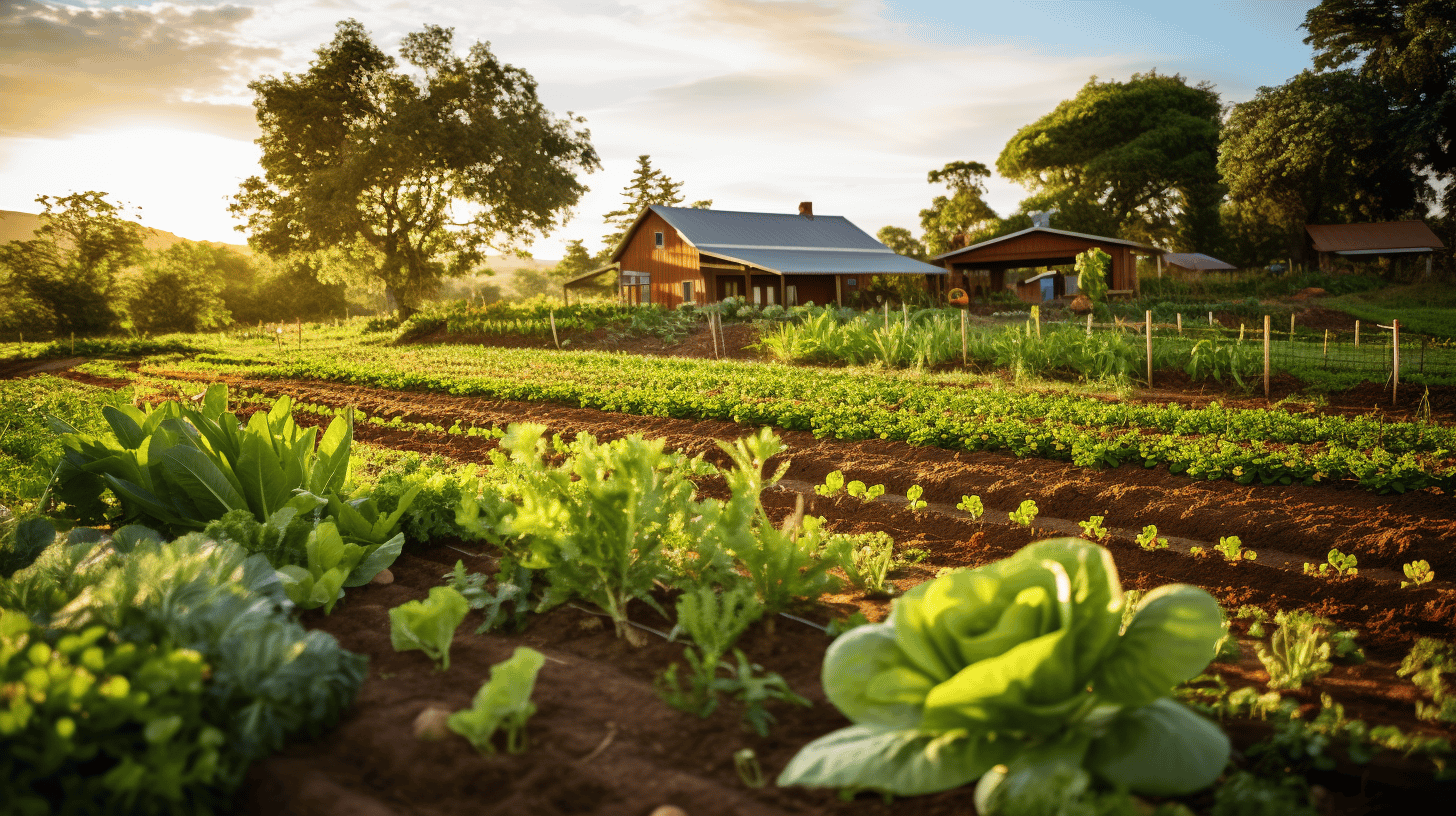
Regenerative agriculture is gaining traction as a sustainable approach to farming that aims to restore and enhance the ecosystem’s natural processes. One key component of regenerative agriculture is permaculture farming. Permaculture, coined from “permanent agriculture,” is a holistic design system that integrates various elements to create sustainable and self-sufficient agricultural systems. By utilizing permaculture principles, farmers can create thriving ecosystems that benefit both the environment and the human population.
In this article, we will explore the many benefits of permaculture farming in regenerative agriculture. From improved soil health and reduced water usage to increased biodiversity and resilience to climate change, permaculture offers a multitude of advantages that contribute to a more sustainable and resilient food system. We will also delve into the role of regenerative agriculture in mitigating climate change and how permaculture practices help in achieving this goal.
By the end of this article, you will have a comprehensive understanding of the benefits of permaculture in regenerative agriculture and how it plays a crucial role in creating a sustainable future. So, let’s dive in and explore the incredible potential of permaculture farming in regenerative agriculture.
Benefits of Permaculture Farming
Permaculture farming is gaining popularity worldwide for its sustainable and holistic approach to agriculture. By mimicking natural ecosystems, permaculture aims to create regenerative systems that benefit both the environment and the people who rely on it. The benefits of permaculture farming are extensive and far-reaching, making it a compelling choice for farmers looking to make a positive impact. Let’s explore some of the key benefits below:
Improved Soil Health
One of the most significant advantages of permaculture farming is its focus on soil health. Through practices like cover cropping, composting, and minimal disturbance, permaculture nurtures soil life and enhances its fertility. This results in healthier crops and improved overall ecosystem functioning.
Reduced Water Usage
Water scarcity is a growing concern in many parts of the world. Permaculture farming offers solutions to this challenge by promoting water-saving techniques such as rainwater harvesting and mulching. By maximizing water retention in the soil, permaculture minimizes the need for irrigation, conserving this precious resource.
Increased Biodiversity
Permaculture principles recognize the importance of biodiversity in ecosystem stability and resilience. By creating diverse habitats that attract beneficial insects, birds, and wildlife, permaculture farming helps to control pests naturally, reducing the reliance on harmful pesticides. The resulting increase in biodiversity also enhances the overall resilience of the farm ecosystem.
Resilience to Climate Change
Climate change poses significant challenges to agriculture, with extreme weather events becoming more frequent. Permaculture farming practices, such as agroforestry and the use of perennial crops, help build resilience to climate change. By diversifying the farm and implementing practices that promote water and nutrient cycling, permaculture farmers are better equipped to adapt to changing climatic conditions.
Reduced External Inputs
Traditional agriculture often relies on external inputs such as synthetic fertilizers and pesticides, which can be costly and have negative impacts on the environment. Permaculture farming aims to minimize these inputs by creating self-sustaining systems. By harnessing natural processes and maximizing resource efficiency, permaculture reduces the dependence on external inputs.
Nutritious Crops
Permaculture farming prioritizes the production of nutrient-dense crops. By focusing on soil health and diverse crop rotations, permaculture practices contribute to the increased nutritional value of produce. This benefits both farmers, who can command a premium for high-quality products, and consumers, who enjoy more nutritious food.
Greater Harvests
Contrary to the belief that sustainable farming practices yield lower harvests, permaculture has been shown to offer comparable and, in some cases, even greater yields than conventional methods. By optimizing ecological relationships and harnessing natural processes, permaculture maximizes productivity while minimizing negative impacts on the environment.
Improved Human Health
Permaculture farming doesn’t just provide environmental benefits; it also has positive effects on human health. By reducing exposure to harmful chemicals and providing access to fresh, nutritious food, permaculture contributes to improved overall well-being, both for farmers and consumers.
Reduced Input Costs
By minimizing the need for external inputs and expensive agricultural technologies, permaculture farming reduces input costs for farmers. This can lead to increased profitability and financial stability, especially for small-scale farmers who may have limited resources.
Increased Livestock and Crop Productivity
Permaculture practices can significantly enhance livestock and crop productivity. According to studies, livestock systems integrated with permaculture experienced a 25-75% increase in productivity. By optimizing grazing patterns, improving forage quality, and providing natural habitat, permaculture farming benefits both the animals and the farmers.
In conclusion, permaculture farming offers a multitude of benefits that go beyond conventional agricultural practices. From improved soil health and reduced water usage to increased biodiversity and resilience to climate change, permaculture provides sustainable solutions for a more regenerative and prosperous future. Whether you’re a farmer or a consumer, embracing permaculture principles can make a positive impact on our planet and our well-being.
Regenerative Agriculture and Permaculture
Regenerative agriculture is a holistic approach to farming that emphasizes the importance of soil health, biodiversity, and addressing socioeconomic disparities. It goes hand in hand with permaculture, a design system that seeks to mimic the patterns found in nature to create sustainable and self-sufficient ecosystems. Together, regenerative agriculture and permaculture offer a powerful solution to many of the challenges facing our food systems and the environment.
Focus on Soil Health, Biodiversity, and Socioeconomic Disparities
One of the key principles of regenerative agriculture is the focus on soil health. Soil is the foundation of a healthy ecosystem; it provides essential nutrients for plants, acts as a carbon sink, and supports a diverse community of organisms. By adopting regenerative practices such as cover cropping, crop rotation, and minimal tillage, farmers can restore and improve soil health, leading to increased fertility, water retention, and reduced erosion.
Biodiversity is another key aspect of regenerative agriculture and permaculture. By creating a diverse habitat for plants, animals, and insects, farmers can promote natural pest control, pollination, and nutrient cycling. This not only benefits the ecosystem but also enhances the resilience and productivity of the farm. Incorporating practices like agroforestry, hedgerows, and companion planting can encourage biodiversity and create a rich and balanced ecosystem.
Furthermore, regenerative agriculture and permaculture aim to address socioeconomic disparities in farming communities. By promoting small-scale farming, community engagement, and fair labor practices, these approaches empower farmers and contribute to local economic development. They encourage farmers to become stewards of the land, fostering a sense of connection, responsibility, and pride in their work.
Improvement in Soil Health, Biodiversity, Sustainability, and Resource Management
The adoption of regenerative agriculture and permaculture practices has shown remarkable benefits for soil health, biodiversity, sustainability, and resource management.
Soil Health: Through practices like composting, natural fertilization, and rotational grazing, regenerative agriculture improves soil fertility and structure. This leads to increased water infiltration, reduced soil erosion, and enhanced nutrient cycling, resulting in healthier and more productive soils.
Biodiversity: By creating diverse habitats and avoiding the use of chemical inputs, regenerative agriculture and permaculture promote biodiversity on farmland. This includes supporting beneficial insects, birds, and mammals that contribute to pest control and pollination. A diverse ecosystem also helps to preserve native plant species and supports a more resilient and balanced farm ecosystem.
Sustainability: Regenerative agriculture and permaculture prioritize long-term sustainability by reducing the dependence on synthetic fertilizers and pesticides. This reduces the environmental impact of farming practices and promotes a more resilient and self-sufficient system. The focus on sustainable practices also contributes to the conservation of natural resources such as water and energy.
Resource Management: Through practices like water management, agroforestry, and organic waste recycling, regenerative agriculture and permaculture optimize the use of resources on the farm. This includes minimizing water usage, improving soil fertility, and reducing waste generation. These practices help to create a more efficient and sustainable agricultural system.
In conclusion, regenerative agriculture and permaculture offer a promising pathway towards a more sustainable and resilient agriculture system. By prioritizing soil health, biodiversity, and socioeconomic disparities, these practices provide a holistic approach to farming that benefits both the environment and the farming community. Through improved soil health, increased biodiversity, and sustainable resource management, regenerative agriculture and permaculture demonstrate the potential for a more sustainable and regenerative future.
Role of Regenerative Agriculture in Climate Change Mitigation
The role of regenerative agriculture in mitigating climate change cannot be overstated. This innovative approach to farming not only helps stabilize the planet’s climate and carbon cycles but also integrates natural processes to create a more sustainable and resilient agricultural system. By focusing on carbon sequestration, boosting soil fertility, and promoting biodiversity, regenerative agriculture has the potential to make a significant impact on reducing greenhouse gas emissions.
Stabilizing the Planet’s Climate and Carbon Cycles
Regenerative agriculture plays a crucial role in stabilizing the planet’s climate and carbon cycles. Traditional agricultural practices, such as tilling and monocropping, release significant amounts of carbon into the atmosphere, contributing to greenhouse gas emissions. In contrast, regenerative practices aim to eliminate or reduce these emissions through the following methods:
- Cover Cropping: By planting cover crops in between cash crops, farmers can keep soil covered throughout the year, preventing erosion and minimizing carbon loss.
- No-Till Farming: By avoiding mechanical soil disturbance, no-till farming helps sequester carbon in the soil, keeping it locked away from the atmosphere.
- Rotational Grazing: Proper management of livestock grazing can enhance carbon sequestration in grasslands, which act as natural carbon sinks.
Integration of Natural Processes
Regenerative agriculture takes a holistic approach by integrating natural processes into farming practices. By working with nature instead of against it, this approach creates a more symbiotic relationship between agriculture and the environment. Here are some key examples:
- Agroforestry: By incorporating trees on farmlands, regenerative agriculture creates an agroecosystem that promotes biodiversity, enhances soil health, and sequesters carbon.
- Polyculture: Instead of planting a single crop, regenerative farmers adopt polyculture systems, where multiple species are grown together. This reduces pest and disease pressures while promoting natural nutrient cycling.
- Water Management: Regenerative practices focus on improving water infiltration and retention in the soil, reducing water runoff, and minimizing soil erosion.
Carbon Sequestration
One of the most significant benefits of regenerative agriculture is its ability to sequester carbon from the atmosphere and store it in the soil. As plants photosynthesize, they absorb carbon dioxide from the air and convert it into organic matter, which becomes part of the soil’s organic carbon pool. This process helps to remove carbon from the atmosphere and store it underground, supporting the fight against climate change.
Boosting Fertility and Biodiversity
Regenerative agriculture prioritizes building healthy and fertile soils, which are essential for sustainable food production. By implementing practices such as composting, crop rotation, and the use of natural fertilizers, regenerative farmers improve soil structure and fertility. This, in turn, supports the growth of diverse plant species and enables a thriving ecosystem that attracts beneficial insects, birds, and other wildlife.
Decreasing Greenhouse Gas Emissions
Agriculture is a significant contributor to greenhouse gas emissions, primarily through the release of methane from livestock and nitrous oxide from synthetic fertilizers. However, regenerative practices can help reduce these emissions through methods such as:
- Managed Grazing: Proper management of livestock grazing can minimize methane emissions by improving forage quality, reducing feed waste, and optimizing animal health.
- Organic Fertilizers: Instead of relying on synthetic fertilizers, regenerative agriculture emphasizes the use of organic alternatives like compost and manure, which release fewer nitrous oxide emissions.
In conclusion, regenerative agriculture offers tremendous potential in mitigating climate change by stabilizing the planet’s climate and carbon cycles, integrating natural processes, promoting carbon sequestration, boosting fertility and biodiversity, and decreasing greenhouse gas emissions. By adopting regenerative practices, farmers and policymakers can contribute to a more sustainable and resilient agricultural system that not only addresses climate change but also ensures the long-term health of our planet.
Feeding the World Sustainably with Regenerative Agriculture
Regenerative agriculture has gained significant attention as a sustainable solution for feeding a growing global population while minimizing environmental impacts. By implementing regenerative practices, we can not only produce nutritious food but also restore and enhance the health of our soils, improve biodiversity, and reduce greenhouse gas emissions. In this article, we will explore two key benefits of regenerative agriculture: decreased farmland requirements and carbon sequestration through multi-species pasture rotations.
Decreased Farmland Requirement
One of the remarkable aspects of regenerative agriculture is its ability to produce more food on less land. Conventional agricultural practices often rely on intensive monocultures that require large areas of land to meet production demands. However, regenerative agriculture takes a different approach by utilizing diverse crop rotations, intercropping, and agroforestry systems, which maximize soil productivity and minimize the need for extensive land use.
Through the use of cover crops, regenerative farmers can improve soil health, prevent erosion, and suppress weeds, enabling them to grow nutritious crops without the need for synthetic fertilizers and pesticides. Furthermore, the integration of livestock into regenerative systems allows for efficient nutrient cycling, reducing the reliance on external inputs. As a result, regenerative agriculture holds the potential to produce abundant food while reducing the strain on our farmland resources.
Carbon Sequestration through Multi-species Pasture Rotations
Another significant advantage of regenerative agriculture is its ability to sequester carbon from the atmosphere and store it in the soil. Carbon sequestration plays a vital role in mitigating climate change by removing excess greenhouse gases from the atmosphere and reducing the overall carbon footprint of agricultural systems.
In regenerative agriculture, multi-species pasture rotations play a crucial role in carbon sequestration. By combining different types of grasses, legumes, and forbs, these rotations promote a diverse plant community with deeper root systems. These deep-rooted plants have the ability to capture and store more carbon in the soil, helping to offset greenhouse gas emissions.
According to recent research, regenerative agricultural practices have the potential to sequester significant amounts of carbon. A study conducted by University of California, Berkeley demonstrated that well-managed grazing systems, often used in regenerative agriculture, can sequester up to 30% more carbon than conventional grazing practices. This finding highlights the immense potential of regenerative agriculture in combating climate change and promoting a more sustainable future.
In conclusion, regenerative agriculture offers promising solutions to the challenge of feeding the world sustainably. By implementing practices that decrease farmland requirements and promote carbon sequestration through multi-species pasture rotations, we can not only meet the nutritional needs of a growing population but also foster environmental resilience. The evidence is clear: regenerative agriculture has the power to transform our food systems and create a more sustainable future for generations to come.
Practices of Regenerative Agriculture
In the realm of regenerative agriculture, there are various practices that farmers and land managers can implement to restore and improve the health of the soil, foster biodiversity, and optimize the overall sustainability of their operations. These practices center around enhancing soil health, employing strategic crop rotation, and implementing cover cropping. Let’s take a closer look at each of these practices and the benefits they bring to the table.
1. Improving Soil Health:
- Composting: Composting is a fundamental practice used in regenerative agriculture. By composting organic matter such as food scraps, agricultural waste, and animal manure, farmers can create nutrient-rich soil amendments that enhance soil structure, moisture retention, and nutrient availability.
- No-till Farming: No-till farming involves minimal disturbance of the soil, which helps to preserve its natural structure and prevent erosion. This practice promotes the development of beneficial soil organisms, enhances water infiltration, and reduces the release of carbon dioxide into the atmosphere.
2. Crop Rotation:
- Diverse Crop Rotation: Rotating different crops on the same piece of land helps to break pest and disease cycles, improve soil fertility, and reduce the reliance on synthetic fertilizers and pesticides. This practice also reduces weed pressure and enhances biodiversity on the farm.
- Cover cropping: By planting cover crops during fallow periods, farmers can protect the soil from erosion, improve its structure, and increase nutrient cycling. These cover crops also add organic matter to the soil when they are incorporated, improving soil health and nutrient availability for future crops.
Implementing these practices requires careful planning, monitoring, and adaptation to suit the specific needs of each farm. By incorporating these practices into their operations, farmers can experience several significant benefits, including:
- Increased soil organic matter content
- Enhanced water retention capacity
- Improved nutrient cycling and availability
- Reduced soil erosion and nutrient runoff
- Enhanced biological activity in the soil
- Increased carbon sequestration
Overall, the adoption of regenerative agriculture practices can lead to more sustainable farming systems that are better equipped to withstand environmental challenges, improve the resilience of crops and livestock, and promote long-term ecological health.
Sources:
- Composting, USDA Natural Resources Conservation Service
- No-till Farming: Pros and Cons, Penn State Extension
- Crop Rotation, USDA Natural Resources Conservation Service
- Cover Crops and Green Manures for Kentucky Gardens and Fields, University of Kentucky Cooperative Extension
Frequently Asked Questions
- What is permaculture in regenerative agriculture?
Permaculture in regenerative agriculture is an approach that emphasizes designing sustainable and self-sufficient systems that mimic natural ecosystems. It aims to create resilient and productive agricultural systems while also addressing environmental concerns.
- What are the benefits of using permaculture in regenerative agriculture?
Some benefits of using permaculture in regenerative agriculture include: improved soil health, increased biodiversity, reduced water usage, enhanced carbon sequestration, and the potential for higher crop yields.
- How does permaculture help improve soil health?
Permaculture practices such as no-till farming, cover cropping, and composting help improve soil health by increasing organic matter content, promoting nutrient cycling, and enhancing soil structure, which in turn leads to better water retention and nutrient availability.
- Does permaculture promote biodiversity?
Yes, permaculture promotes biodiversity by creating diverse habitats and ecosystems within agricultural landscapes. This allows for the coexistence of various plant and animal species, which helps control pests, pollinate crops, and improve overall ecosystem resilience.
- Can permaculture reduce water usage in agriculture?
Permaculture techniques such as rainwater harvesting, mulching, and the use of efficient irrigation systems can help reduce water usage in agriculture. By optimizing water management, permaculture systems aim to minimize waste and increase water availability for plants.