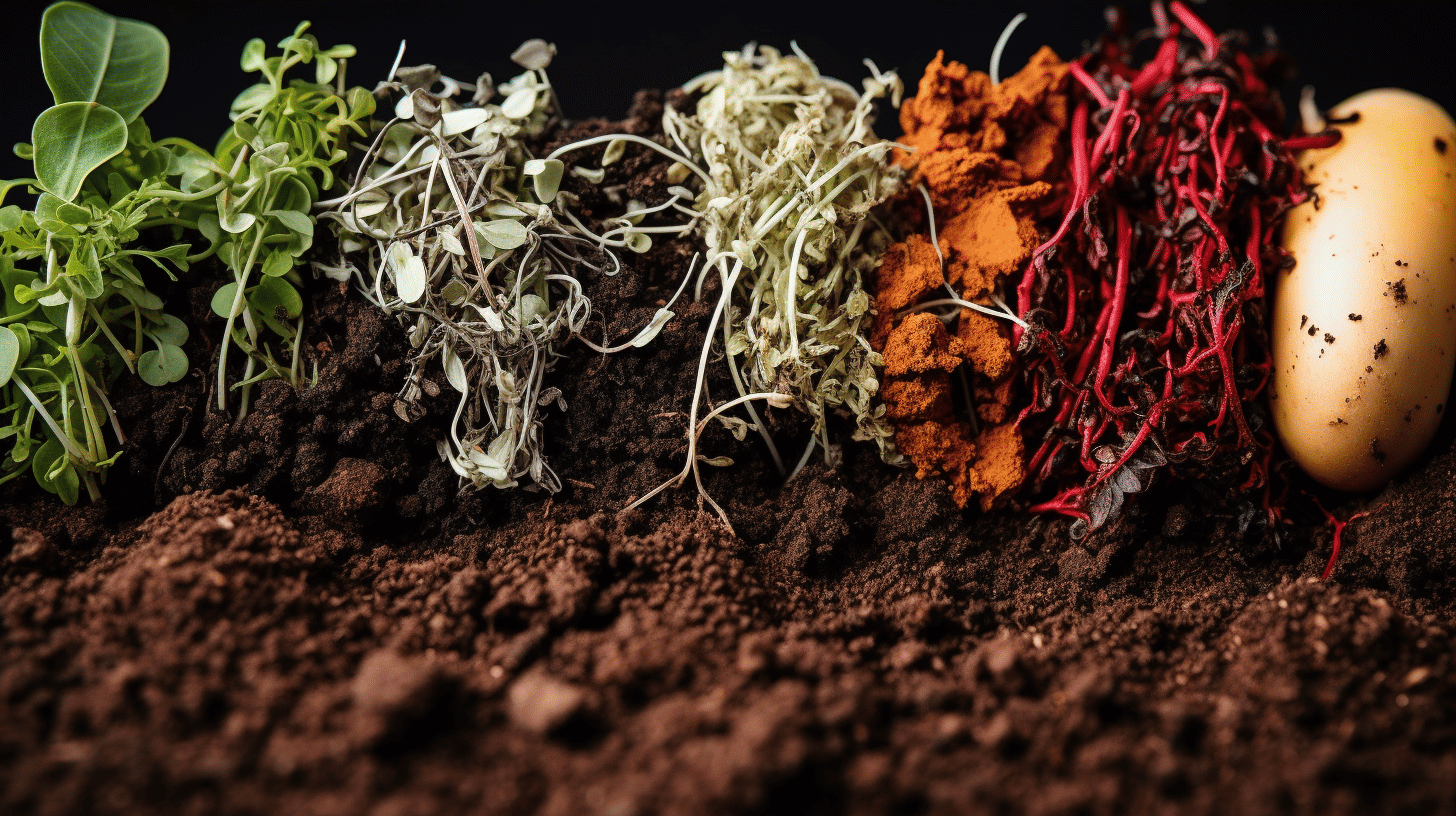
When you think about the health of the soil, what comes to mind? Most people might consider factors such as the amount of water or sunlight a soil receives, or the presence of organic matter. But there is one crucial element that often goes unnoticed – microorganisms.
Microorganisms, including bacteria, fungi, and archaea, are the unsung heroes of soil health. These microscopic creatures play a critical role in unlocking nature’s nutrient cycle, influencing everything from the availability of essential nutrients for plants to the overall health and fertility of the soil.
In this article, we will explore the fascinating world of soil microorganisms and shed light on the invaluable contributions they make to our ecosystem. We will delve into their abundance and diversity, examine their role in nutrient cycling, and uncover the additional benefits they bring to the soil. By understanding the importance of microorganisms, we can better appreciate the delicate balance that exists beneath our feet and make informed decisions to promote soil health.
So let’s journey into the hidden world of soil microorganisms and discover how they shape the landscapes we depend on.
Abundance and Diversity of Soil Microorganisms
When it comes to the world beneath our feet, it’s easy to underestimate the sheer abundance and diversity of microorganisms that call soil their home. A few grams of soil can house billions of microorganisms, including bacteria, archaea, and fungi, creating a bustling ecosystem that plays a crucial role in the health and fertility of the soil.
Microbial Biomass in Soil
One fascinating fact about soil microorganisms is the incredible amount of biomass they contribute. Mycobiota, which includes fungi, comprises a significant portion of the microbial biomass in soil, accounting for around 90% to 97% of it. While the numbers may sound mind-boggling, it’s a testament to the critical role these microorganisms play in nutrient cycling, decomposition, and plant-microbe interactions.
Soil Microbial Population Size
To put the abundance of soil microorganisms into perspective, let’s consider this mind-blowing statistic: there are more microbes in a single teaspoon of soil than there are people on Earth. Yes, you read that right! Soil, despite its apparent simplicity, is a thriving microcosm, teeming with life that is invisible to the naked eye.
Influence of Soil pH
Soil pH is a vital factor that influences the composition and diversity of microbial communities in soil. Different microbial taxa thrive under specific pH conditions, and even slight changes in pH can significantly impact their abundance. Acidic soils, for example, tend to favor certain bacterial and fungal communities, while alkaline soils may support a different set of microorganisms. This highlights the sensitivity and adaptability of soil microorganisms to their environment.
Global Distribution of Bacterial Taxa
As we explore the diversity of soil microorganisms on a global scale, it’s intriguing to discover that despite the vast numbers of microbial taxa existing in soil, only a small percentage dominate in terms of abundance. In fact, research has shown that a mere 2% of bacterial taxa contribute to almost half of the soil bacterial communities worldwide. This finding underscores the importance of identifying and understanding the key players in soil ecosystems to gain insights into their functions and ecological significance.
In conclusion, soil is not just an inert medium for plant growth; it is a living, dynamic ecosystem teeming with an abundance and diversity of microorganisms. These microscopic organisms perform vital functions that shape the health and fertility of soils worldwide. From facilitating nutrient cycling to influencing plant growth, soil microorganisms are the unsung heroes of the underground world, reminding us of the intricate and delicate balance that exists right beneath our feet.
Additional Information:
- A few grams of soil can contain billions of microorganisms, including bacteria, archaea, and fungi.
- Mycobiota comprises 90% to 97% of the microbial biomass in soil.
- There are more microbes in a teaspoon of soil than there are people on Earth.
- Soils can contain roughly 8 to 15 tons of bacteria, fungi, protozoa, and other microorganisms.
- Soil pH significantly influences microbial communities.
- Only 2% of bacterial taxa account for nearly half of soil bacterial communities worldwide.
Role of Microorganisms in Nutrient Cycling
Microorganisms play a crucial role in the nutrient cycling process, ensuring the availability and cycling of key nutrients in ecosystems. These microscopic organisms, such as bacteria and fungi, contribute to the overall health and fertility of the soil. They break down organic matter, release essential nutrients, and facilitate nutrient uptake by plants. Let’s explore the specific ways in which microorganisms impact nutrient cycling.
Effect on Nutrient Supply to Plants
Microorganisms influence the supply of nutrients, such as nitrogen and phosphorus, to plants in several ways. They:
- Decompose organic matter: Microorganisms break down organic materials, such as dead plants and animals, into simpler compounds. This decomposition process releases nutrients trapped within these organic materials, making them available for plant uptake.
- Fix nitrogen: Certain bacteria, known as nitrogen-fixing bacteria, possess the ability to convert atmospheric nitrogen into a form that plants can utilize. This process, called nitrogen fixation, is crucial as plants require nitrogen to support growth and development.
- Promote nutrient release: Microorganisms produce enzymes that help release bound nutrients from minerals in the soil. This enhances the availability of essential elements like phosphorus, which can often be present in forms that are inaccessible to plants.
Nitrogen and Phosphorus Availability
Nitrogen and phosphorus are two vital nutrients for plant growth, and microorganisms significantly impact their availability in the soil. Here’s how they are involved:
- Nitrogen cycling: Microorganisms play a key role in the nitrogen cycle by converting nitrogen into various forms. Nitrogen-fixing bacteria convert atmospheric nitrogen into ammonia, which can be taken up by plants. Other bacteria convert ammonia into nitrates, a form that plants can readily use. Additionally, certain bacteria carry out denitrification, which returns nitrogen back to the atmosphere.
- Phosphorus transformation: Microorganisms also play a critical role in the transformation of phosphorus in the soil. They produce enzymes that break down organic phosphorus compounds and convert them into inorganic forms. This process, known as mineralization, makes phosphorus available for plant uptake.
Preferred Soil Conditions
Microorganisms are highly adaptable and can tolerate a wide range of soil conditions. However, some preferences can influence their activity and abundance:
- Soil pH: Bacteria tend to favor neutral to slightly alkaline soils, while fungi can thrive in both acidic and alkaline conditions. Unfavorable microbial compositions in soil, which can be influenced by extreme pH levels, can impact nutrient cycling and overall soil health.
- Soil moisture and aeration: Moisture and aeration levels affect the activity and survival of microorganisms. Excessive moisture can lead to anaerobic conditions, limiting microbial activity. On the other hand, well-aerated soils provide an ideal environment for microorganisms to thrive.
In conclusion, microorganisms play a crucial role in nutrient cycling, affecting the availability of essential elements to plants. Through their decomposition activities, nitrogen fixation, and nutrient release mechanisms, they contribute to the overall ecosystem health. Understanding the functions and preferences of these microorganisms can help us manage and optimize nutrient cycling in agricultural and natural systems.
Additional Information:
- Unfavorable microbial compositions in soil affect the supply of nitrogen, phosphorus, and other nutrients to plants.
- Soil microorganisms can tolerate a wide range of soil pH levels, but bacteria favor neutral to slightly alkaline soil.
- Up to 10 billion bacterial cells inhabit each gram of soil in the rhizosphere, the region around plant roots.
Other Benefits of Soil Microorganisms
Soil microorganisms play a crucial role in maintaining the health and productivity of our soils. While we already know that they contribute to nutrient cycling and organic matter decomposition, there are several other benefits that these tiny organisms bring to the soil ecosystem. Let’s explore some of these fascinating benefits:
Decomposition of Carrion
You may not think of soil microorganisms as nature’s cleanup crew, but they actually play a vital role in decomposing carrion (dead animal remains). When an animal dies, it starts to decompose, releasing essential nutrients back into the environment. Soil microbial communities, particularly bacteria and fungi, are responsible for breaking down the organic matter and recycling these nutrients. This process not only helps to clear away carcasses efficiently but also ensures that valuable nutrients are put back into the soil, benefiting the surrounding plants and organisms.
Unlocking Bound Nutrients
In addition to their role in nutrient cycling, soil microorganisms also have the remarkable ability to unlock bound or unavailable nutrients in the soil. Many essential nutrients, such as phosphorus, can become tightly bound to soil particles and thus unavailable to plants. However, certain groups of microorganisms, known as “phosphorus-solubilizing bacteria,” have the unique capability to release these bound nutrients and make them accessible to plants. This process helps to improve nutrient availability and ultimately enhances plant growth and productivity.
Improving Plant Health
Healthy soils are crucial for promoting robust plant health, and soil microorganisms play a significant role in achieving this. Certain species of microbes can form beneficial relationships with plant roots, known as symbiotic relationships. For example, mycorrhizal fungi establish a mutually beneficial association with plant roots, assisting in nutrient acquisition, water uptake, and disease resistance. By improving nutrient uptake and protecting plants against pathogens, these microorganisms help to enhance the overall health and resilience of plants.
Carbon Storage Enhancement
Carbon sequestration is an essential process for mitigating climate change, and soil microorganisms can contribute to this effort. When organic matter, such as plant residues, enters the soil, it becomes a food source for soil microbes. As these microorganisms break down the organic matter, carbon dioxide is released into the atmosphere. However, some of the carbon is retained in the soil as stable organic compounds, effectively sequestering it from the atmosphere. By enhancing the efficiency of soil microbial communities, we can potentially increase the amount of carbon stored in soils, helping to reduce greenhouse gas levels.
Soil Regeneration Acceleration
Soil degradation is a significant environmental concern, but soil microorganisms offer a glimmer of hope for soil regeneration. The interactions between soil microbes and the physical, chemical, and biological properties of the soil contribute to the overall health and fertility of the soil. By incorporating organic matter, implementing sustainable agriculture practices, and promoting microbial diversity, we can accelerate the regeneration of degraded soils. Harnessing the power of soil microorganisms is not only beneficial for soil health but also for ensuring sustainable food production and ecosystem resilience.
In conclusion, soil microorganisms are not only essential for nutrient cycling and organic matter decomposition but also provide a range of additional benefits. From decomposing carrion to improving plant health and enhancing carbon storage, these microscopic organisms play a crucial role in maintaining the health and productivity of our soils. Understanding and harnessing their potential can lead to more sustainable and resilient agricultural practices, benefiting both the environment and human well-being. So the next time you see rich, fertile soil, remember the unseen heroes – the soil microorganisms that make it all possible.
Sources:
- Soil microbial communities influence the rate of carrion decomposition.
- Microbes in soil can unlock bound nutrients and find water in soil pores during plant stress.
- Soil microbes can enhance the resistance of plants to diseases.
- Enhancing microbial efficiency can lead to increased carbon storage in soils.
- The soil microbiome plays a significant role in accelerating soil regeneration.
Interconnected Microbiomes
Microorganisms don’t just play a crucial role in soil health; they are part of a larger interconnected web known as microbiomes. These microbiomes consist of complex networks of microorganisms in various environments, including soil, plants, and even the human body. The interactions between these microbiomes have far-reaching implications for ecosystem function and overall well-being.
Soil-Plant Interaction
The soil microbiome and the plant microbiome are closely interconnected. The health and diversity of microorganisms in the soil directly impact the health and productivity of plants. This is because microorganisms in the soil provide essential services to plants, such as:
- Nutrient cycling: Soil microorganisms break down organic matter and release nutrients in forms that plants can use. They play a vital role in the decomposition of dead plant material, recycling nutrients back into the soil.
- Disease suppression: Some soil microorganisms have the ability to suppress plant diseases by competing with pathogens or producing antimicrobial compounds. This helps to keep plants healthy and reduces the need for chemical pesticides.
- Growth promotion: Certain types of beneficial soil microorganisms can enhance plant growth by producing growth-promoting substances or facilitating nutrient uptake.
- Stress tolerance: Soil microorganisms can also help plants withstand various environmental stresses, such as drought, salinity, or extreme temperatures. They do this by aiding in the production of stress-resistance compounds or improving the plant’s ability to absorb water and nutrients.
Soil-Human Interaction
The human body is another ecosystem that hosts a vast array of microorganisms. The soil microbiome can indirectly influence human health through its impact on the plant microbiome and our food supply. Some key points to consider in the soil-human interaction are:
- Dietary impact: The quality and diversity of microorganisms in the soil influence the quality and nutritional value of the plants we consume. A healthy soil microbiome produces nutrient-rich crops, enhancing our overall dietary intake.
- Gut health: The microorganisms that inhabit our gastrointestinal tract, known as the gut microbiome, are critical for digestion, immune function, and overall well-being. A diverse and healthy soil microbiome can contribute to a more robust and balanced gut microbiome.
- Environmental exposure: Contact with soil and exposure to the diverse microorganisms it contains can also have positive effects on our immune system. Studies have shown that early exposure to environmental microorganisms can reduce the risk of developing allergies and asthma.
In summary, the interconnectedness of soil, plant, and human microbiomes highlights the importance of maintaining a healthy soil ecosystem. By nurturing and protecting the soil microbiome, we support not only the health and productivity of plants but also have far-reaching effects on our own well-being. It’s a reminder of the fascinating and intricate web of life that exists beneath our feet and within our bodies.
For more information on the role of interconnected microbiomes, check out this resource.
Frequently Asked Questions
- What is the role of microorganisms in soil health?
Microorganisms play a crucial role in soil health by breaking down organic matter, releasing nutrients, improving soil structure, enhancing water retention, and suppressing harmful pathogens.
- How do microorganisms break down organic matter in the soil?
Microorganisms, such as bacteria and fungi, secrete enzymes that break down complex organic molecules into simpler forms that can be easily absorbed by plants. This process is known as decomposition.
- Do all microorganisms have a positive impact on soil health?
No, not all microorganisms have a positive impact on soil health. While beneficial microorganisms enhance soil fertility and plant growth, harmful pathogens can cause diseases in plants and disrupt the nutrient cycle.
- How can we promote the growth of beneficial microorganisms in the soil?
To promote the growth of beneficial microorganisms, it is important to maintain proper soil moisture, avoid overuse of synthetic fertilizers and pesticides, add organic matter like compost or cover crops, and practice crop rotation.
- What are some common indicators of healthy soil rich in microorganisms?
Healthy soil rich in microorganisms is typically dark and crumbly, has a pleasant earthy smell, contains a diversity of plant and animal life, and has good water infiltration and retention.