Regenerative agriculture is a sustainable farming practice that focuses on restoring and improving soil health, biodiversity, and ecosystem functions. It goes beyond traditional farming methods by actively working towards reversing the effects of climate change and reducing reliance on chemicals and synthetic inputs. As a result, regenerative agriculture has gained recognition as a viable solution for mitigating the environmental impacts of industrialized agriculture.
In this article, we will explore the essential tools and resources that can greatly contribute to the success and effectiveness of practicing regenerative agriculture. Whether you’re a seasoned farmer looking to transition to regenerative practices or a beginner starting from scratch, these tools will assist you in implementing regenerative techniques with ease and efficiency.
So, let’s dig in and discover the tools and resources that can help accelerate the regenerative agriculture movement and shape a more sustainable future for our planet.
Essential Tools for Regenerative Farming
Regenerative farming is gaining popularity as a sustainable and eco-friendly approach to agriculture. It focuses on restoring the health of the soil and improving overall ecosystem resilience. To practice regenerative farming effectively, farmers need the right tools that can help them implement these principles. In this section, we will explore five essential tools that play a crucial role in regenerative farming.
Smart Irrigation
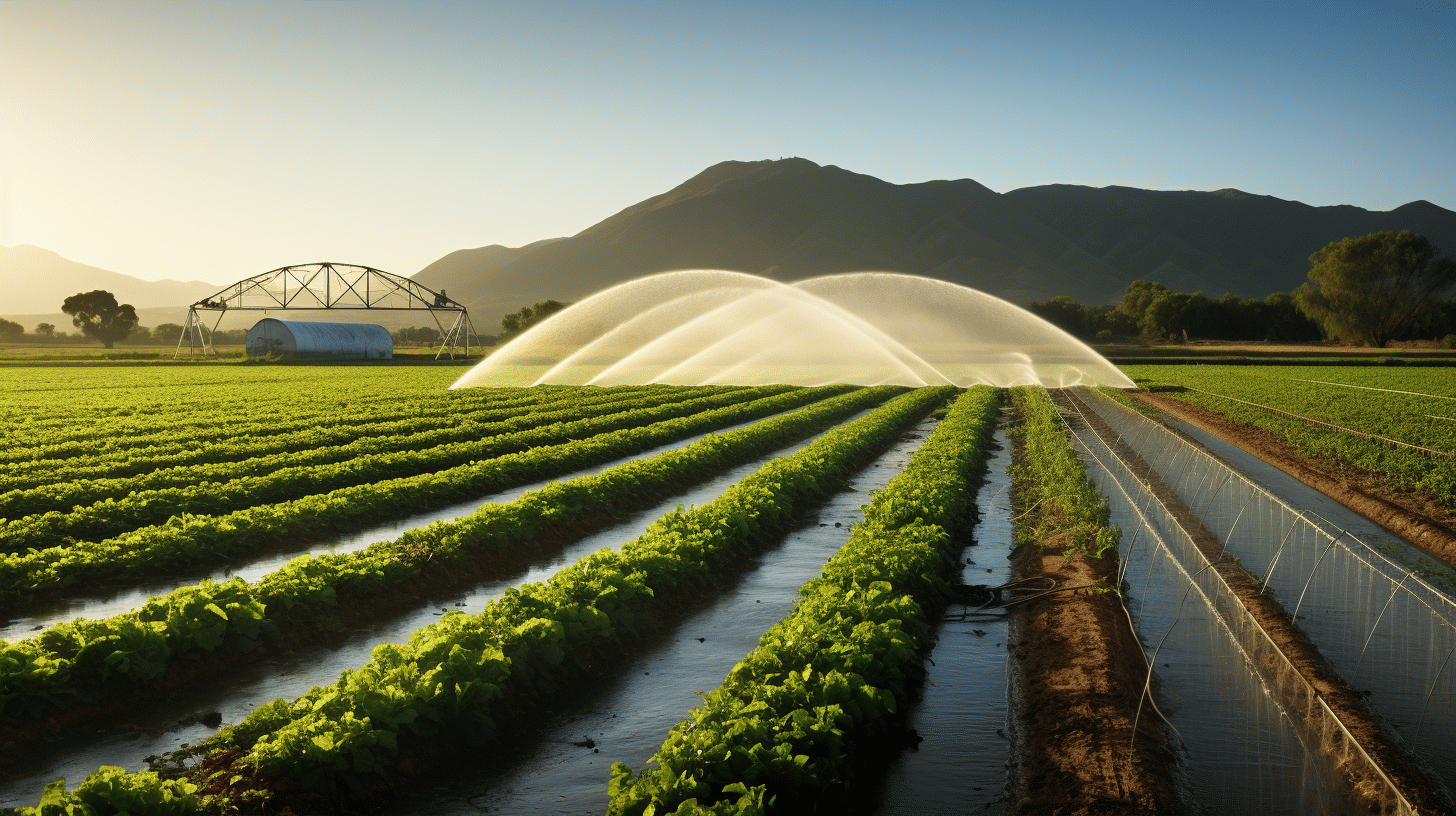
One of the key principles of regenerative farming is efficient water use. Smart irrigation systems are a game-changer in this regard. These systems use sensor-based technology to monitor soil moisture levels and only water the crops when needed. This not only prevents water wastage but also ensures that the plants receive the right amount of water for optimal growth. With smart irrigation, farmers can conserve water resources while promoting healthy soil and plant life.
Manure Spreader
Manure is a valuable resource in regenerative farming as it enriches the soil with essential nutrients and organic matter. However, spreading manure manually can be a labor-intensive and time-consuming task. That’s where a manure spreader comes in handy. This tool helps farmers distribute manure evenly across their fields, saving them time and energy. By efficiently spreading manure, farmers can improve soil fertility and support the growth of nutrient-rich crops.
No-till Drill
Tillage, or plowing, is a common practice in conventional farming. However, it can disrupt the soil structure and deplete its organic matter. No-till farming, on the other hand, aims to minimize soil disturbance and preserve its natural ecosystem. A no-till drill is an essential tool in this type of farming. It enables farmers to plant seeds directly into untilled soil, reducing soil erosion and increasing water retention. By adopting a no-till approach with the help of this tool, farmers can promote healthy soil and minimize environmental impact.
Post-hole Digger
In regenerative farming, farmers often use rotational grazing systems that involve shifting their livestock to different areas of the farm. To effectively manage this rotation, farmers need fencing to contain the animals. A post-hole digger is an indispensable tool for installing fence posts. It allows farmers to quickly and efficiently dig holes in the ground, making the process of setting up fences much easier. With a post-hole digger, farmers can implement grazing practices that promote soil health and prevent overgrazing.
Bioreactor
Regenerative farming aims to minimize the negative impact of agriculture on water systems. A bioreactor is a tool that helps achieve this by treating agricultural runoff. It works by passing the runoff through a controlled environment where microorganisms break down pollutants before they enter water bodies. By using a bioreactor, farmers can mitigate the effects of nutrient runoff and reduce water pollution. This tool is crucial for maintaining water quality and preserving the health of aquatic ecosystems.
In conclusion, these essential tools empower farmers to implement regenerative farming practices successfully. By smartly managing water resources, enriching the soil with organic matter, reducing soil disturbance, efficiently setting up grazing systems, and treating agricultural runoff, farmers can create a more sustainable and resilient farming system. Investing in these tools not only benefits the environment but also improves the overall productivity and profitability of the farm.
Precision Agriculture Tools for Regenerative Practices
Soil Moisture Sensors
One essential component of precision agriculture for regenerative practices is the use of soil moisture sensors. These sensors provide farmers with real-time information about the moisture levels in the soil, allowing them to make precise and informed decisions about irrigation and water management.
Importance of Soil Moisture Sensors
Soil moisture is a critical factor in determining crop health and yield. Over or under-watering can lead to reduced productivity, decreased nutrient absorption, and increased susceptibility to diseases. By accurately measuring soil moisture levels, farmers can optimize irrigation practices, saving water and energy while minimizing crop stress.
How Soil Moisture Sensors Work
Soil moisture sensors are embedded in the ground at various depths and locations within the field. They use different mechanisms to measure water content, such as electrical resistance or capacitance. The sensors transmit the data wirelessly to a central monitoring system, where farmers can access the information in real-time.
Benefits of Soil Moisture Sensors in Precision Agriculture
Using soil moisture sensors in precision agriculture offers several benefits:
- Optimized Irrigation: By having accurate and up-to-date information on soil moisture, farmers can avoid both over-watering and under-watering their crops. This optimization reduces water waste, lowers operational costs, and minimizes the environmental impact of irrigation practices.
- Timely Decision-Making: With real-time data provided by soil moisture sensors, farmers can make informed decisions on when and how much to irrigate. They can also adjust their irrigation schedules based on weather conditions and crop water requirements, ensuring optimal water usage.
- Improved Crop Health and Yield: Maintaining optimal moisture levels in the soil promotes healthy root development, nutrient uptake, and overall plant growth. With the help of soil moisture sensors, farmers can ensure that their crops receive the right amount of water at the right time, resulting in improved crop health and higher yields.
- Reduced Environmental Impact: Precision agriculture tools, such as soil moisture sensors, contribute to sustainable farming practices. By minimizing water usage and runoff, farmers can reduce the pollution of water bodies and preserve this precious resource for future generations.
Integration with Other Precision Agriculture Tools
Soil moisture sensors can be integrated with other precision agriculture tools to enhance the overall farming system. For example:
- Variable Rate Irrigation: By combining soil moisture data with mapping and precision irrigation technologies, farmers can adjust the application of water based on variations in soil moisture levels across the field.
- Crop Monitoring Systems: Soil moisture data can be integrated with aerial imagery, satellite data, or crop sensors to gain a comprehensive understanding of crop health and growth, allowing farmers to take proactive measures when needed.
In summary, soil moisture sensors are valuable tools in precision agriculture for regenerative practices. They enable farmers to optimize water management, increase crop productivity, and minimize environmental impact. By embracing these technologies, farmers can contribute to a more sustainable and resilient agricultural system.
Promoting Biodiversity and Soil Health
In today’s world, there is a growing recognition of the importance of promoting biodiversity and soil health. Regenerative agriculture practices have emerged as a key strategy to achieve these goals. By implementing practices such as cover cropping, farmers can not only enhance biodiversity but also improve the overall health of the soil. Let’s explore how these practices work and why they are crucial for sustainable agriculture.
1. Cover Cropping: Enhancing Biodiversity
One of the primary ways to promote biodiversity and soil health is through the use of cover cropping. Cover crops are non-commercial crops that are grown in between main crop seasons, often during the fallow period. These crops help to keep the soil covered, preventing erosion and nutrient loss. But how does cover cropping enhance biodiversity? Here’s how:
- Habitat for Beneficial Organisms: Cover crops provide a habitat for beneficial organisms such as earthworms, insects, and microorganisms. These organisms play a vital role in improving soil health by breaking down organic matter and cycling nutrients.
- Weed Suppression: Cover crops can suppress weed growth, reducing the reliance on synthetic herbicides. This allows for a more diverse weed population, which in turn supports a wider range of beneficial insects and birds that feed on weeds.
- Attracting Pollinators: Some cover crops, like flowering legumes, attract pollinators like bees and butterflies. This not only contributes to maintaining local biodiversity but also enhances the pollination of main crops, leading to better yields.
2. Enhancing Soil Health
Regenerative agriculture practices, including cover cropping, are also crucial for enhancing soil health. Here’s how cover cropping improves soil health:
- Improving Soil Structure: Cover crops help to create healthier soil structure, promoting better water infiltration and retention. This helps to prevent soil erosion, especially during heavy rainfall, and reduces the risk of nutrient leaching.
- Increasing Soil Organic Matter: The incorporation of cover crops into the soil through tillage or no-till methods increases the organic matter content. This organic matter enhances nutrient availability, microbial activity, and carbon sequestration in the soil.
- Promoting Nutrient Cycling: Cover crops take up nutrients from the soil, preventing them from being lost through leaching. When these cover crops decompose, the nutrients they absorbed are released back into the soil, improving nutrient cycling and reducing the need for synthetic fertilizers.
As you can see, cover cropping is a valuable practice for promoting biodiversity and improving soil health. By implementing regenerative agriculture techniques, farmers can create a more sustainable and resilient farming system. The benefits of these practices extend beyond the farm, contributing to a healthier environment and more nutritious food for all.
Goals of Regenerative Agriculture
Regenerative agriculture is a holistic approach to farming and land management that goes beyond sustainable practices. It aims to restore and improve the health of ecosystems, enhance soil health, and protect natural resources. Adopting regenerative agriculture practices can have numerous benefits for farmers, communities, and the environment as a whole. Let’s explore the key goals of regenerative agriculture in more detail:
- Rehabilitate ecosystems: One of the primary goals of regenerative agriculture is to rehabilitate ecosystems that have been degraded by conventional farming practices. By promoting biodiversity and restoring natural ecosystems, regenerative agriculture helps to create a stable and resilient environment for plants, animals, and microorganisms. This approach focuses on fostering a healthy balance between different species and their habitats, contributing to the overall health and well-being of the ecosystem.
- Enhance soil health: Another crucial objective of regenerative agriculture is to improve soil health. Healthy soils are essential for growing nutritious crops, retaining water, and sequestering carbon dioxide from the atmosphere. Regenerative practices, such as cover cropping, crop rotation, and minimal tillage, help to build organic matter and increase soil fertility. By improving soil health, regenerative agriculture can increase crop productivity and reduce the need for synthetic fertilizers and pesticides.
- Protect natural resources: Regenerative agriculture seeks to protect natural resources, including water, air, and biodiversity. By using methods that minimize soil erosion, conserve water, and reduce pollution, regenerative farmers ensure the long-term sustainability of their operations. Practices like agroforestry, which involves planting trees alongside crops, can help to conserve water, provide shade, and create habitats for wildlife. By protecting natural resources, regenerative agriculture contributes to the overall health and resilience of ecosystems.
In conclusion, the goals of regenerative agriculture are centered around rehabilitating ecosystems, enhancing soil health, and protecting natural resources. By adopting regenerative practices, farmers can contribute to the long-term sustainability of their operations while promoting biodiversity, improving crop productivity, and mitigating climate change. The benefits of regenerative agriculture extend far beyond the farm gate, positively impacting communities and ecosystems worldwide.
Reducing Emissions through Regenerative Practices
Did you know that regenerative agriculture practices have the potential to significantly reduce overall emissions from farming? In fact, implementing practices such as reduced or no-till farming, cover cropping, and managed grazing can be game-changers in the quest to combat climate change. Let’s dive into these regenerative practices and explore how they can make a positive impact on reducing emissions.
Reduced or No-till Farming
One of the key regenerative practices that farmers can adopt is reduced or no-till farming. Traditional agricultural practices often involve plowing and tilling the soil, which releases large amounts of carbon dioxide into the atmosphere. However, with reduced or no-till farming, farmers minimize soil disturbance by leaving crop residues on the surface or using specialized equipment to plant seeds without the need for tilling. This practice has several benefits:
- Carbon Sequestration: By minimizing soil disturbance, reduced or no-till farming helps retain carbon in the soil, preventing its release into the atmosphere. This process, known as carbon sequestration, effectively reduces greenhouse gas emissions.
- Improved Soil Health: Tilling disrupts the soil structure and degrades its health over time. Adopting reduced or no-till practices promotes healthier soils, as it preserves soil structure, encourages beneficial microbial activity, and reduces erosion.
- Water Conservation: Tilling can lead to increased water runoff, which carries away valuable nutrients and can contribute to soil erosion. Adopting reduced or no-till farming practices helps retain water in the soil, promoting better water conservation and reducing water pollution.
Cover Cropping
Another effective regenerative practice is cover cropping. This practice involves planting crops, such as legumes or grasses, during the off-season to cover and protect bare soil. Here’s how cover cropping helps reduce emissions:
- Soil Erosion Prevention: Cover crops act as a protective barrier to prevent soil erosion caused by wind and water. By keeping the soil in place, cover cropping reduces the release of carbon dioxide into the atmosphere.
- Nutrient Management: Cover crops help manage nutrient levels in the soil by taking up excess nutrients like nitrogen and storing them in their biomass. This not only improves soil health but also reduces the need for synthetic fertilizers, which contribute to greenhouse gas emissions during their production.
- Increased Organic Matter: As cover crops decompose, they contribute to the organic matter content of the soil. Higher organic matter content enhances soil fertility, moisture retention, and carbon sequestration.
Managed Grazing
In the realm of livestock farming, adopting managed grazing practices can have a significant impact on reducing emissions. Managed grazing involves strategically moving livestock to different pastures to mimic the natural grazing patterns of wild herbivores. Here’s why it matters:
- Enhanced Carbon Sequestration: Rotational grazing allows pasture grasses to recover, promoting root growth and carbon sequestration. This practice helps lock carbon dioxide into the soil, reducing its release into the atmosphere.
- Efficient Nutrient Cycling: Managed grazing ensures that livestock graze on fresh, nutrient-dense forage, leading to better nutrient cycling in the ecosystem. This reduces the need for additional feed supplementation and minimizes nutrient runoff, which can contribute to water pollution and emissions.
- Biodiversity Conservation: By mimicking natural grazing patterns, managed grazing promotes the health and diversity of plant and animal species in the ecosystem. This, in turn, helps maintain ecosystem balance and resilience.
In conclusion, regenerative agriculture practices, such as reduced or no-till farming, cover cropping, and managed grazing, offer promising solutions to reduce emissions from farming. By implementing these practices, farmers can contribute to the fight against climate change while simultaneously improving soil health, conserving water resources, and supporting biodiversity. Through collective efforts, we can pave the way to a more sustainable and resilient agricultural future.
[carbon sequestration]: The process of capturing and storing atmospheric carbon dioxide in plants and soil to mitigate climate change.
Improving Soil Health and Fertility
Introduction
Maintaining healthy and fertile soil is crucial for the success of any agricultural operation. It not only leads to higher yields but also promotes sustainability and environmental conservation. In recent years, regenerative agriculture techniques have gained attention for their ability to improve soil health and fertility. By implementing practices such as crop rotation and reduced plowing, farmers can unlock the full potential of their soil and ensure its long-term viability.
Benefits of Regenerative Agriculture Techniques
Regenerative agriculture techniques offer a range of benefits when it comes to improving soil health and fertility. Here are a few key advantages:
- Enhanced Soil Structure: By diversifying crop rotations and minimizing soil disturbance, regenerative practices promote the development of a healthier soil structure. This improves soil drainage, aeration, and water-holding capacity, allowing plant roots to penetrate deeper and access essential nutrients.
- Increased Organic Matter: Implementing regenerative techniques, such as cover cropping and incorporating organic matter, boosts the organic content of the soil. This results in improved nutrient availability and retention, creating a favorable environment for microbial activity and beneficial soil organisms.
- Enhanced Nutrient Cycling: Crop rotation, a fundamental regenerative practice, helps break pest and disease cycles while improving nutrient cycling. Different crops have varying nutrient requirements and uptake patterns, reducing the risk of nutrient depletion and optimizing the use of fertilizer inputs.
- Reduced Soil Erosion and Runoff: One of the significant environmental benefits of regenerative agriculture is its ability to combat soil erosion and minimize runoff. By keeping the soil covered with cover crops or crop residues, farmers can reduce erosion caused by wind and water, preserving valuable topsoil and preventing nutrient loss.
Implementing Regenerative Agriculture Techniques
Implementing regenerative agriculture techniques requires a holistic approach and a keen understanding of the local environment. Here are some key practices that farmers can adopt:
- Crop Rotation: Rotating crops with different nutrient requirements and growth characteristics helps maintain soil health and reduces pest and disease pressure.
- Reduced Plowing: Shifting from conventional plowing to reduced or no-till practices minimizes soil disturbance, promoting soil structure and organic matter accumulation.
- Cover Cropping: Planting cover crops during fallow periods or between cash crops protects the soil, adds organic matter, and reduces erosion.
- Integrated Pest Management: By combining biological control measures, crop rotation, and targeted pesticide use, farmers can manage pests and diseases sustainably.
- Composting and Organic Amendments: Applying compost and organic amendments enriches the soil with nutrients and promotes microbial activity.
Conclusion
Improving soil health and fertility is a fundamental goal for farmers worldwide. By implementing regenerative agriculture techniques, such as crop rotation and reduced plowing, farmers can enhance soil structure, increase organic matter content, optimize nutrient cycling, and reduce erosion and runoff. These practices not only benefit the soil but also contribute to sustainable and environmentally friendly agricultural systems. Embracing regenerative agriculture is a win-win situation, ensuring the success of farmers while safeguarding the health of our precious soil.
Yielding More Produce with Organic Farming
When it comes to regenerative agriculture, one of the key goals is to yield more produce while still practicing sustainable and eco-friendly farming methods. Organic farming is an approach that aligns perfectly with this objective. By avoiding synthetic pesticides and fertilizers and emphasizing the use of natural resources, organic farming not only promotes environmental health but also contributes to higher crop yields.
Here are some benefits of organic farming for yielding more produce:
- Improved Soil Health: Organic farming focuses on building and maintaining healthy soil. By using organic matter, such as compost and cover crops, organic farmers enrich the soil with essential nutrients and enhance its structure. This, in turn, promotes better root development, nutrient absorption, and water retention, leading to healthier and more productive crops.
- Natural Pest and Weed Control: Instead of relying on chemical pesticides, organic farmers use natural methods to control pests and weeds. This includes techniques like crop rotation, companion planting, and introducing beneficial insects. By managing pests and weeds in a natural and integrated way, organic farmers help minimize crop damage and yield losses.
- Nutrient-Dense Crops: Studies have shown that organic crops tend to have higher levels of certain nutrients compared to conventionally grown ones. This is because organic farming practices prioritize soil health and nutrient availability. By cultivating nutrient-rich soil, organic farmers can produce crops that are not only more abundant but also have higher nutritional value.
- No Chemical Residues: Organic farming prohibits the use of synthetic chemicals, including pesticides and fertilizers. This means that the crops grown through organic methods are free from chemical residues. With growing concerns about the impact of pesticides on human health, consumers are increasingly opting for organic produce. By embracing organic farming, farmers can tap into this demand and potentially increase the marketability of their products.
By incorporating organic farming practices into their operations, farmers can not only contribute to a more sustainable food system but also boost their crop yields. Embracing regenerative agriculture principles and focusing on organic farming methods can lead to a more productive and environmentally friendly future in agriculture.
For more information on organic farming and regenerative agriculture, you can visit Regenerative Agriculture Wiki.
Frequently Asked Questions
- What is regenerative agriculture?
Regenerative agriculture is a holistic approach to farming and land management that aims to improve soil health, increase biodiversity, promote ecosystem resilience, and mitigate climate change by utilizing practices such as cover cropping, crop rotation, composting, and agroforestry.
- Why is regenerative agriculture important?
Regenerative agriculture is important because it offers a sustainable solution to address environmental issues, restore degraded lands, enhance food security, sequester carbon dioxide from the atmosphere, and promote a more resilient and thriving agricultural system.
- What are the essential tools for practicing regenerative agriculture?
Essential tools for practicing regenerative agriculture may include soil testing kits, cover crop rollers, no-till planters, precision irrigation systems, composting equipment, and agroforestry tools like pruning saws and grafting knives.
- What are the key resources for learning about regenerative agriculture?
There are several key resources for learning about regenerative agriculture, including books such as ‘Dirt to Soil’ by Gabe Brown and ‘The One-Straw Revolution’ by Masanobu Fukuoka, online courses and webinars, workshops and conferences, and resources provided by organizations like Regeneration International and Rodale Institute.
- Where can I find regenerative agriculture practitioners and experts to learn from?
You can find regenerative agriculture practitioners and experts to learn from through networking at agricultural events and conferences, joining online communities and forums, participating in workshops and courses offered by regenerative agriculture organizations, and connecting with local farming communities and sustainable agriculture organizations.