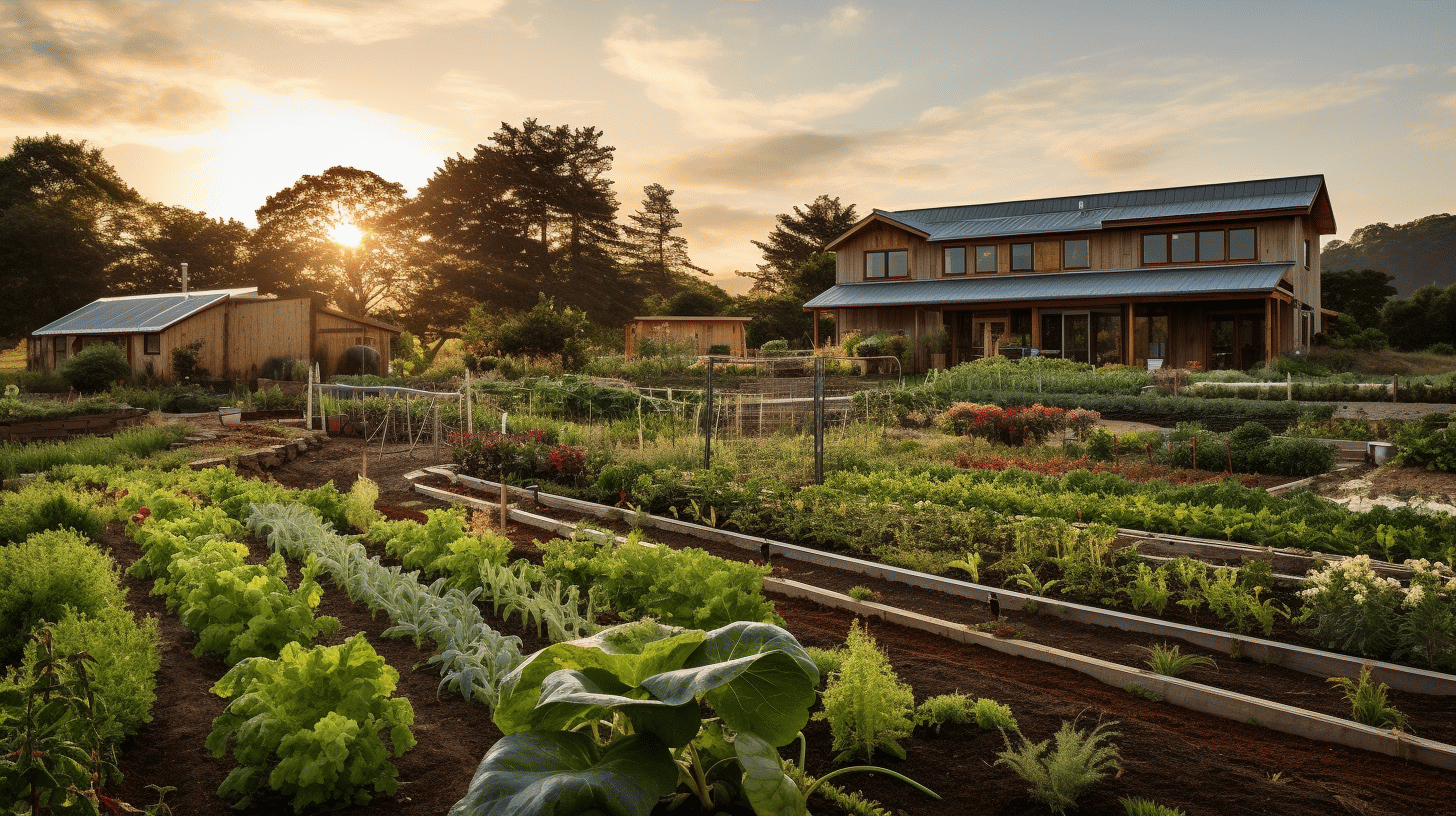
In today’s world, the concept of sustainable farming has become increasingly important. As people become more aware of the environmental impact of traditional agricultural practices, there is a growing need for alternative methods that promote long-term ecological balance. One such approach gaining traction is regenerative farming. Regenerative farming goes beyond just sustaining the land; it actively seeks to restore and improve the health of the soil, biodiversity, and the overall ecosystem. This article will explore the contribution of regenerative farming to sustainable food production, its environmental benefits, and the positive outcomes it brings to both local and global communities.
So, what exactly is regenerative farming? It is an approach that emphasizes working with nature rather than against it, adopting practices that foster the health of the ecosystem instead of depleting it. By implementing regenerative farming techniques, farmers can minimize their environmental impact, enhance soil health, and promote biodiversity preservation. It is a holistic approach that not only benefits the environment but also prioritizes the well-being of farmers and consumers alike.
Throughout this article, we will dive deeper into the numerous benefits of regenerative farming. From reduced greenhouse gas emissions to increased agricultural output, regenerative farming offers a promising solution to the challenges we face in the realm of sustainable food production. Join us as we explore the environmental, social, and economic advantages that come with adopting regenerative farming practices.
Environmental Benefits of Regenerative Farming
Regenerative farming is gaining traction as a sustainable agricultural practice that not only benefits farmers but also has significant environmental implications. By adopting regenerative farming techniques, farmers can play a crucial role in mitigating climate change and restoring biodiversity. Let’s explore some of the key environmental benefits of regenerative farming:
Reduced Greenhouse Gas Emissions
One of the standout benefits of regenerative farming is its ability to reduce greenhouse gas emissions. By moving away from the use of synthetic inputs such as chemical fertilizers and pesticides, regenerative farmers minimize the release of carbon dioxide (CO2) and other harmful gases into the atmosphere. But that’s not all – regenerative farming actively promotes carbon sequestration, which helps to offset emissions and mitigate climate change. How does it work?
- Building Organic Matter in Soil: Regenerative farming practices, such as cover cropping, crop rotation, and the use of natural soil amendments, encourage the accumulation of organic matter in the soil. This organic matter acts as a carbon sink, capturing and storing carbon dioxide from the atmosphere. In fact, studies have shown that regenerative agriculture can sequester significant amounts of carbon, thus contributing to climate change mitigation.
Lower Environmental Impact
Compared to conventional farming practices, regenerative farming has a lower overall environmental impact. This can be attributed to several factors:
- Reduced Resource Usage: Regenerative farmers emphasize efficient resource usage, including water, energy, and fertilizers. By maximizing the utilization of available resources and relying on natural processes, regenerative farming minimizes waste and reduces the strain on the environment.
- Soil Erosion Prevention: Conventional farming practices often lead to soil erosion, which has detrimental effects on ecosystems and water quality. In contrast, regenerative farming methods, such as the use of cover crops and low tillage techniques, help to prevent soil erosion, maintain soil structure, and preserve topsoil.
Improved Soil Health and Productivity
Regenerative farming practices prioritize the health and vitality of the soil. By focusing on soil health, farmers can achieve multiple benefits:
- Enhanced Nutrient Cycling: Regenerative farming techniques, such as diversified crop rotations and the use of organic fertilizers, foster a diverse and robust soil microbiome. This rich microbial community improves nutrient cycling and availability, leading to healthier plants and increased crop yields.
- Water Retention: Healthy soils with high organic matter content have better water-holding capacity. This means that regenerative farming practices help to conserve water and enhance resilience in the face of drought conditions.
Fighting Climate Change and Restoring Biodiversity
Regenerative farming is not only about reducing environmental harm; it is also about actively restoring biodiversity and tackling climate change. By adopting regenerative practices, farmers can make significant contributions to:
- Habitat Restoration: Regenerative farming methods, such as agroforestry and the creation of wildlife corridors, provide habitat for a diverse range of plant and animal species, which in turn helps to restore biodiversity and promote ecosystem health.
- Climate Resilience: As the impacts of climate change become increasingly severe, regenerative farming offers a resilient and sustainable approach to agriculture. Through carbon sequestration, reduced reliance on external inputs, and increased biodiversity, regenerative farming systems can help communities adapt to changing climatic conditions.
In conclusion, regenerative farming holds enormous potential for mitigating climate change, restoring biodiversity, and promoting sustainable agriculture. By reducing greenhouse gas emissions, minimizing environmental impact, improving soil health, and fighting climate change, regenerative farming represents a significant step towards a more sustainable and resilient future.
Benefits for Sustainable Food Production
Sustainable food production is a crucial aspect of ensuring food security and environmental stewardship for future generations. One approach that has gained significant attention in recent years is regenerative agriculture. By implementing regenerative farming practices, farmers can not only produce food but also restore and improve the health of the soil and surrounding ecosystems. This section will explore some of the key benefits of regenerative agriculture for sustainable food production.
Conservation and Rebuilding of Nutrient Stores
One of the primary benefits of regenerative farming practices is the conservation and rebuilding of nutrient stores in the soil. Traditional farming methods, such as excessive tilling and the use of synthetic fertilizers, can deplete the soil of essential nutrients over time. This depletion can lead to decreased crop yields and increased reliance on artificial inputs.
Regenerative agriculture focuses on replenishing these nutrient stores by utilizing organic fertilizers, cover crops, and crop rotation. By doing so, farmers can enhance soil fertility, improve soil structure, and promote the growth of beneficial soil microorganisms. This abundance of nutrients not only benefits crops but also supports a diverse and thriving ecosystem underground.
Increased Agricultural Output
Regenerative agriculture has been shown to increase agricultural output in the long run. By nurturing the health of the soil, farmers can improve crop productivity and resilience to environmental stresses, such as drought or disease. Additionally, the use of cover crops helps prevent erosion, reduce weed pressure, and enhance moisture retention in the soil, further contributing to increased yields.
In a world where food demand is expected to rise due to population growth, regenerative agriculture offers a promising solution by maximizing the potential of agricultural lands and minimizing the need for expensive and environmentally harmful inputs.
Support for Sustainable Food Production Systems
Another significant benefit of regenerative agriculture is its support for sustainable food production systems. By focusing on ecological principles and minimizing the use of synthetic inputs, regenerative farmers can reduce their reliance on fossil fuels and other non-renewable resources. This approach aligns with the principles of sustainability, which aim to meet the needs of the present without compromising the ability of future generations to meet their own needs.
Regenerative agriculture also promotes biodiversity by creating habitats for various beneficial organisms, including pollinators and natural predators. Moreover, by using organic practices, farmers mitigate the risk of chemical runoff and contamination of water sources, promoting the health and safety of both humans and wildlife.
Positive Environmental, Social, and Economic Outcomes
Regenerative agriculture delivers not only positive environmental but also social and economic outcomes. By fostering healthy soil and ecosystems, farmers can reduce greenhouse gas emissions and sequester carbon dioxide from the atmosphere, contributing to climate change mitigation efforts. Additionally, regenerative practices can help minimize water usage and improve water quality, ensuring the availability of clean water for future generations.
Moreover, regenerative agriculture supports local economies by creating jobs and promoting small-scale farming practices. By diversifying their crops and selling directly to consumers through farmers’ markets or community-supported agriculture (CSA) programs, regenerative farmers can foster a stronger connection between producers and consumers, promoting food sovereignty and local resilience.
In summary, regenerative agriculture offers a multitude of benefits for sustainable food production. By conserving and rebuilding nutrient stores, increasing agricultural output, supporting sustainable production systems, and generating positive environmental, social, and economic outcomes, regenerative farming practices play a crucial role in building a more sustainable and resilient food system for the future.
Regenerative Farming as Climate-Smart Agriculture
Conservation of Water and Soil Fertility
Climate-smart farming methods that conserve water and soil fertility are necessary, and regenerative agriculture fulfills that purpose.
When it comes to water conservation, regenerative farming practices are designed to minimize water usage. By implementing techniques such as drip irrigation, cover cropping, and water-harvesting systems, farmers can reduce water wastage and maximize efficiency. This not only helps to preserve a precious resource but also ensures that crops receive the right amount of water when they need it most.
In addition to water conservation, regenerative agriculture also focuses on maintaining soil fertility. Healthy soils are the foundation for successful farming, and regenerative techniques aim to enhance the natural fertility of the soil, promoting long-term sustainability. Here are a few ways in which regenerative farming contributes to soil health:
- Cover cropping: Planting cover crops in between main crops helps to protect the soil from erosion, suppresses weeds, and adds organic matter back into the soil when the cover crop is incorporated.
- Crop rotation: Rotating crops in a sequence helps to break pest and disease cycles, prevent soil nutrient depletion, and improve soil structure.
- Minimal tillage: By reducing or eliminating tilling, farmers can prevent soil erosion, preserve soil structure, and promote the growth of beneficial soil microorganisms.
- Composting: Composting organic waste materials like crop residues, animal manure, and kitchen scraps provides a rich source of nutrients for the soil, fostering healthy microbial activity and enhancing soil fertility.
As climate change continues to pose significant challenges to agriculture, it is crucial to adopt sustainable farming practices that not only mitigate the impact of climate change but also contribute to its reversal. Regenerative agriculture, with its focus on water conservation and soil fertility, aligns perfectly with these goals.
Incorporating regenerative farming techniques into mainstream agriculture not only benefits the environment but also offers economic advantages for farmers. By minimizing water and fertilizer usage, farmers can reduce their production costs while maintaining or even increasing yields. Additionally, improved soil health leads to better crop resilience, reducing the need for chemical inputs and enhancing overall farm productivity.
With the growing awareness of the importance of sustainable and climate-smart agriculture, regenerative farming practices are gaining traction worldwide. By implementing these methods, farmers can play a vital role in mitigating climate change while ensuring a secure and sustainable food future for generations to come.
Additional Information:
According to a report by the Food and Agriculture Organization (FAO), regenerative agriculture practices have the potential to sequester carbon dioxide from the atmosphere and help mitigate climate change. The report suggests that regenerative practices can contribute to the reduction of greenhouse gas emissions, improvement of soil health, conservation of water resources, and increase in biodiversity.
Challenges and Risks in Adopting Regenerative Farming
Regenerative farming has gained significant attention in recent years for its potential to improve soil health, increase biodiversity, and combat climate change. However, for farmers considering a transition to regenerative practices, there are several challenges and risks to consider. One of the main challenges is the financial risk involved in adopting regenerative farming practices.
Financial Risk for Farmers
Adopting regenerative farming practices can be a financial risk for farmers due to the upfront investment in new equipment. Unlike conventional farming methods that rely heavily on synthetic inputs, regenerative farming requires different tools and machinery to implement practices such as cover cropping, no-till farming, and rotational grazing.
Investing in this new equipment can be costly, especially for small-scale farmers who may already be operating on tight budgets. They may need to secure loans or find alternative sources of funding to cover these expenses. Additionally, the transition to regenerative practices may result in a temporary decrease in yield or income during the initial transition period, further adding to the financial risk.
It’s important to note, however, that while there may be upfront costs, regenerative farming has the potential to provide long-term financial benefits. By improving soil health and reducing the reliance on synthetic inputs, farmers can potentially lower their input costs over time. Additionally, regenerative practices have been linked to increased crop resilience, which can help mitigate the potential financial risks associated with weather-related disasters and market fluctuations.
Conclusion
While there are financial risks involved in adopting regenerative farming practices, it’s essential to consider the long-term benefits they can provide. As with any major change, careful planning, financial management, and support from agricultural organizations can help farmers navigate these challenges and make a successful transition. The potential for improved soil health, increased profitability, and a more sustainable farming system make regenerative farming an enticing option for those willing to take on the initial financial risk.
Biological Diversity and Long-Term Sustainability
In today’s rapidly changing world, the need for sustainable practices is more critical than ever before. One area that is receiving increasing attention is the promotion of biological diversity, which plays a crucial role in ensuring long-term sustainability. Regenerative agriculture is a practice that encompasses a range of techniques aimed at enhancing biodiversity and supporting the health of ecosystems. Let’s explore how regenerative agriculture promotes biodiversity, supports long-term adaptation to climatic variability, and improves soil health and crop yields.
Promotion of Biodiversity
Regenerative agriculture goes beyond conventional farming practices by actively working to enhance biodiversity on farms. By creating a favorable environment for diverse plant species, regenerative agriculture promotes the presence of beneficial insects, birds, and soil organisms. This rich tapestry of life helps to control pests naturally, reduce the need for pesticides, and provide pollination services. As a result, farmers can cultivate crops with minimal ecological disruption while fostering a sustainable and robust ecosystem.
Supporting Long-Term Adaptation to Climatic Variability
With climate change impacting agricultural productivity, it is crucial to develop strategies that allow farms to adapt to shifting weather patterns and extreme events. Regenerative agriculture takes a proactive approach by enhancing the resilience of farming systems to climatic variability. By increasing the diversity of crops and incorporating cover crops, farmers create a buffer against climate-related challenges. These practices help reduce the risk of crop failure, maintain soil health, and ensure long-term agricultural productivity.
Improved Soil Health and Yield
At the heart of regenerative agriculture lies a focus on soil health. By utilizing techniques such as cover cropping, crop rotation, and reduced tillage, regenerative farmers promote the development of healthy, carbon-rich soils. This leads to improved soil structure, increased water-holding capacity, and enhanced nutrient cycling. As a result, farmers can achieve higher crop yields while reducing the need for synthetic fertilizers and irrigation. Moreover, healthy soils act as a carbon sink, helping to mitigate climate change by sequestering atmospheric carbon dioxide.
In summary, regenerative agriculture offers a holistic approach to farming that prioritizes biodiversity, resilience, and soil health. By adopting regenerative practices, farmers can contribute to the conservation of biological diversity, support long-term adaptation to climate change, and improve their yields sustainably. This integrated approach not only benefits the environment but also ensures the long-term viability and resilience of our agricultural systems.
Improved Nutritional Content and Reduced Pollution
Regenerative agriculture is not only beneficial for the environment, but it also has a positive impact on the nutritional content of our food. By employing regenerative practices, farmers are able to produce crops that are more nutrient-dense and packed with essential vitamins and minerals. Here’s how regenerative agriculture contributes to improved nutritional content and reduced pollution:
Higher Nutritional Content
Food grown using regenerative agriculture practices has been found to have higher nutritional content compared to conventional farming methods. Here are some key reasons behind this:
- Healthy Soil: Regenerative agriculture focuses on building healthy soil, which is the foundation for nutrient-rich crops. By using techniques like cover cropping and crop rotation, regenerative farmers improve the soil’s fertility and nutrient-holding capacity, resulting in more nutrient-dense crops.
- Microbial Activity: Regenerative practices increase the microbial activity in the soil. These microorganisms play a crucial role in breaking down organic matter and making essential nutrients more available to plants. As a result, crops grown in regenerative systems have higher levels of beneficial compounds like antioxidants and vitamins.
- Biodiversity: Regenerative agriculture promotes biodiversity by creating diverse habitats for beneficial insects, birds, and other wildlife. This biodiversity helps to enhance pollination, pest control, and nutrient cycling, leading to healthier plants and more nutritious harvests.
In summary, regenerative farming practices create an environment where plants can access a wide range of essential nutrients, resulting in crops that are more abundant in vitamins, minerals, and other beneficial compounds.
Reduced Pollution and Carbon Sequestration
Apart from improving nutritional content, regenerative agriculture also plays a critical role in reducing pollution and sequestering carbon. Here’s how:
- Reduced Chemical Inputs: Regenerative farmers minimize or eliminate the use of synthetic fertilizers, pesticides, and herbicides. This helps prevent chemical runoff and pollution of waterways, protecting ecosystems and reducing the risk of pesticide residue in our food.
- Carbon Sequestration: Through techniques like cover cropping and conservation tillage, regenerative farmers increase soil organic matter levels. This process sequesters carbon from the atmosphere and stores it in the soil, helping to mitigate climate change by reducing greenhouse gas emissions.
- Water Conservation: Regenerative practices such as mulching and improved water management techniques help to conserve water and prevent soil erosion. This reduces the amount of water needed for irrigation and prevents pollution from agricultural runoff, which can contain harmful chemicals and sediment.
Regenerative agriculture is a promising practice for a sustainable future, not only for its environmental benefits but also for the improved nutritional content it offers. By supporting regenerative farming methods, we can enjoy food that is not only good for us but also good for the planet.
Conclusion
In conclusion, regenerative farming offers a multitude of benefits for sustainable food production and environmental conservation. By adopting regenerative practices, farmers can contribute to the reduction of greenhouse gas emissions, improve soil health and productivity, and promote biodiversity. This, in turn, leads to increased agricultural output and the rebuilding of nutrient stores, supporting sustainable food production systems.
Moreover, regenerative farming plays a crucial role in climate-smart agriculture by conserving water and maintaining soil fertility. While there are challenges and financial risks associated with transitioning to regenerative practices, the long-term benefits far outweigh the initial investment. The improved nutritional content of regenerative crops and the reduced pollution and carbon sequestration they offer further enhance their value.
At Regenerative Agriculture Wiki, we are committed to providing extensive content and resources to educate and inspire individuals and communities to adopt sustainable and regenerative farming practices. Join us in fostering a future where agriculture and ecology thrive in harmony by discovering the potential of regenerative agriculture.
Remember, each small step towards regenerative farming contributes to a sustainable future for all. Let’s cultivate a world where food production nourishes the planet while also meeting the needs of its inhabitants.
Read more about regenerative farming and get inspired to make a difference today – Regenerative Agriculture Wiki
Frequently Asked Questions
- What is regenerative farming?
Regenerative farming is a holistic approach to agriculture that focuses on restoring and improving the health of the soil, biodiversity, and ecosystem by using practices such as cover cropping, crop rotation, composting, and reduced tillage.
- How does regenerative farming contribute to sustainable food production?
Regenerative farming helps improve soil health, increase water retention, reduce erosion, enhance biodiversity, and promote carbon sequestration. These practices create a more sustainable and resilient food production system.
- What are the benefits of regenerative farming?
The benefits of regenerative farming include improved soil fertility, increased crop yields, reduced reliance on synthetic inputs, healthier and more nutritious food, enhanced biodiversity, and climate change mitigation.
- Can regenerative farming practices be implemented on a large scale?
Yes, regenerative farming practices can be scaled up to benefit large-scale agricultural operations. Many farms and organizations around the world have successfully implemented regenerative practices on a large scale, showing that it is possible to transition towards more sustainable food production.
- Are there any certifications or labels for regenerative farming?
Currently, there is no standardized certification or label specifically for regenerative farming. However, there are various organic and sustainability certifications that incorporate regenerative practices. It’s important to research and verify the practices used by farmers and look for third-party certifications that align with regenerative principles.


