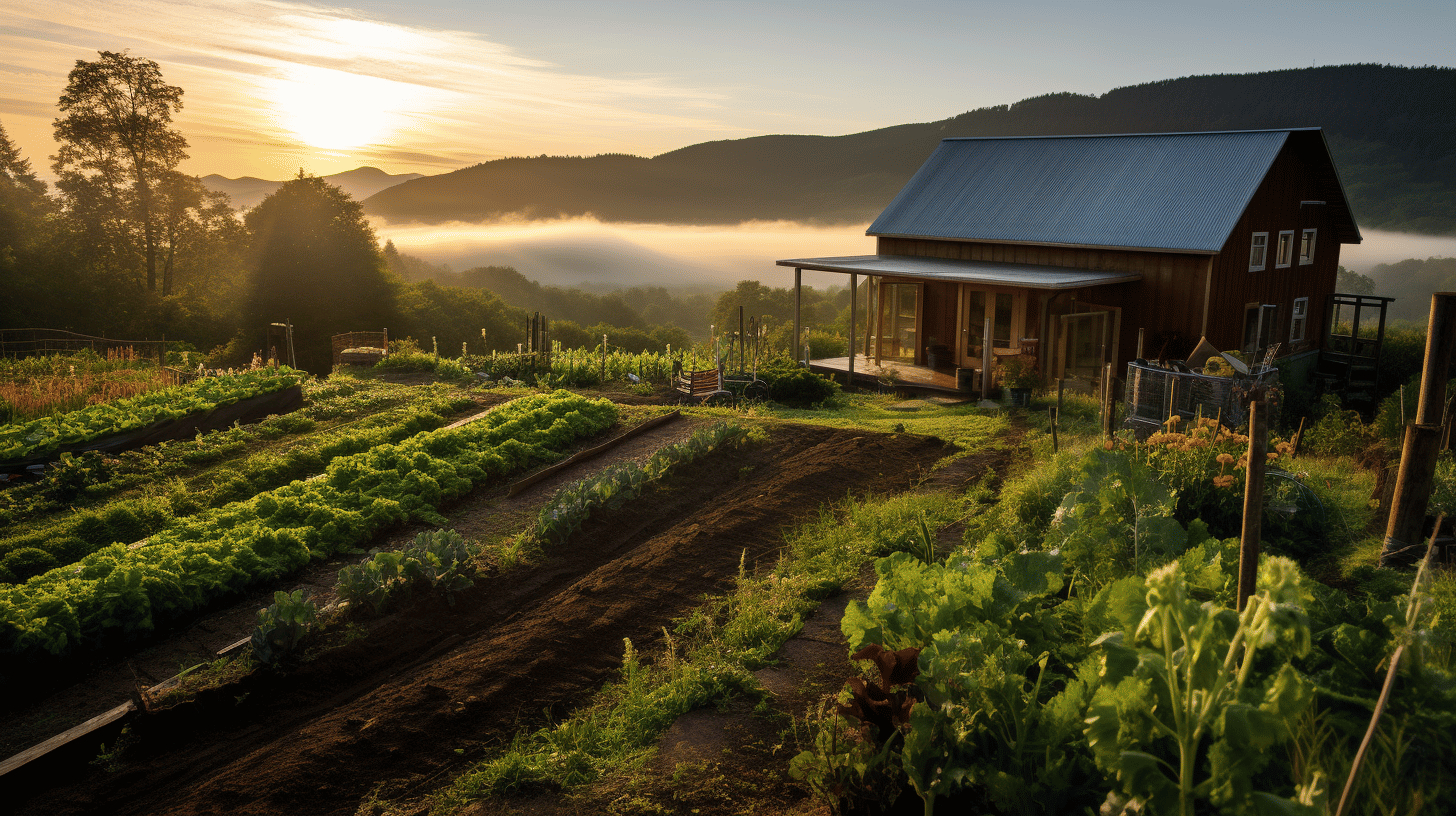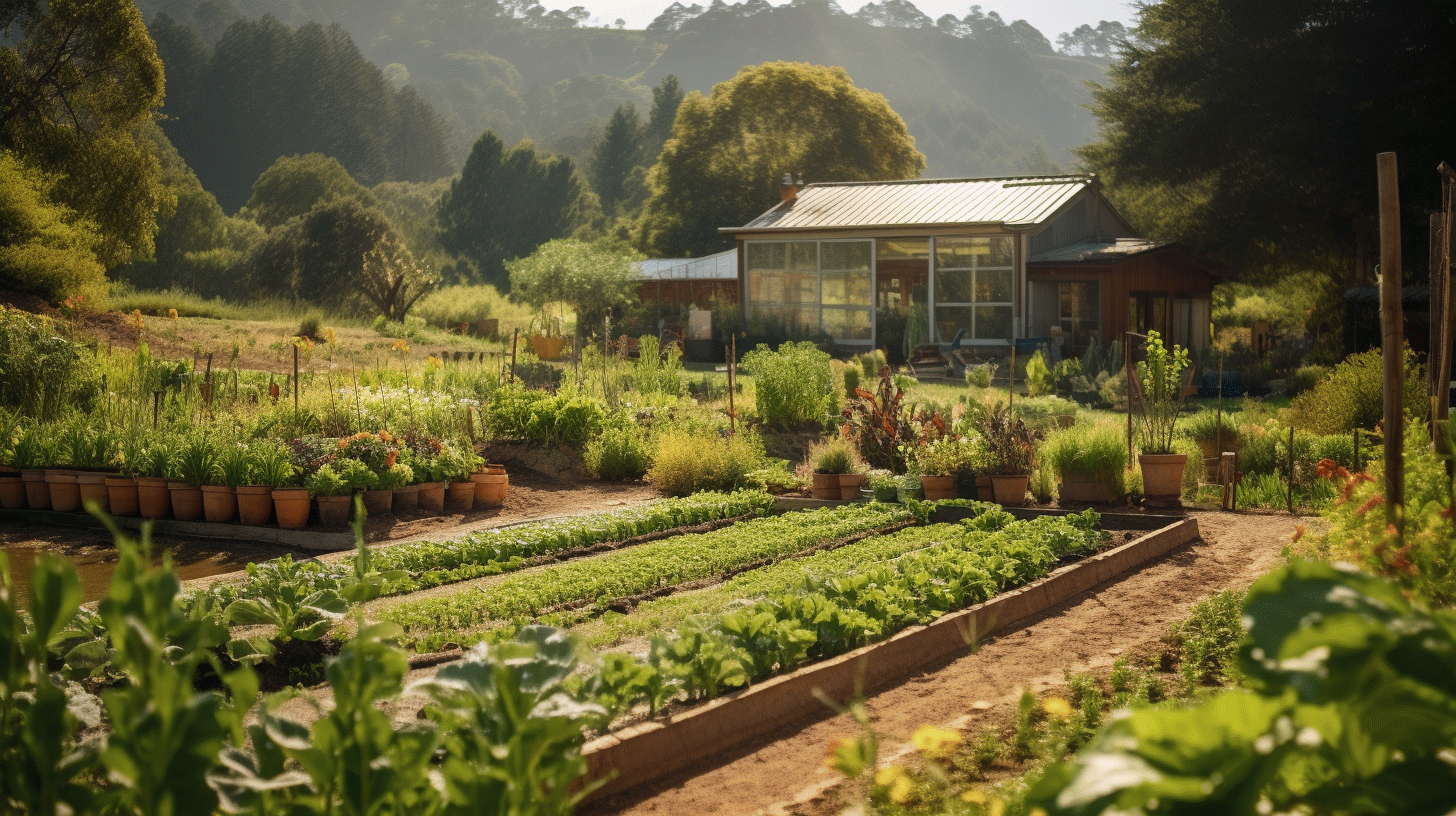
Welcome to the fascinating world of agroecology, where farmers are looking beyond conventional agricultural practices and embracing ecological principles to transform the way food is grown. Agroecology represents a shift towards sustainable farming methods that prioritize the well-being of the environment, local communities, and economic viability.
In this article, we will explore the concept of agroecology, its key principles, and the benefits it offers to both the environment and society. We will also delve into some of the innovative practices that agroecological farmers employ to cultivate healthy food while nurturing the land.
From crop rotation and polyculture to soil management and water conservation, agroecology holds immense potential to revolutionize our agricultural systems for the better. So, let’s dive in and discover how these ecological principles can be applied to farming practices, ensuring a healthier and more sustainable future for our planet and its inhabitants.
Understanding Agroecology
Agroecology is a fascinating and multidisciplinary approach that incorporates ecological principles into agriculture. By understanding the ecological dynamics of agricultural systems, we can cultivate crops and raise livestock in a way that is not only sustainable but also promotes biodiversity and resilience.
Definition and Principles
At its core, agroecology seeks to create a harmonious balance between agriculture and the environment. It integrates ecological knowledge with local practices to develop farming methods that are both environmentally-friendly and economically viable.
The principles of agroecology provide a framework for sustainable agricultural practices. These principles include:
- Biodiversity: Agroecology recognizes the importance of diverse ecosystems in supporting healthy agricultural systems. By promoting biodiversity, such as using a variety of crops and livestock breeds, agroecology enhances ecosystem resilience and stability.
- Recycling of Nutrients: In agroecology, nutrient cycling takes center stage. Instead of relying heavily on external inputs like synthetic fertilizers, agroecological practices focus on recycling nutrients within the farming system. For example, integrating livestock with crop production allows for the use of animal manure as a natural fertilizer.
- Enhancing Ecosystem Services: Agroecology harnesses the power of ecosystem services to support agricultural productivity. By creating habitats for pollinators, natural pest control agents, and soil organisms, agroecology promotes ecological processes that benefit crop yields and overall farm health.
- Promoting Resilience: Agroecological systems are designed to withstand challenges and disturbances, such as climate change and pests. By diversifying crops and implementing agroforestry practices, farmers can increase their resilience to environmental shocks.
Agroecology is not a one-size-fits-all approach. Instead, it encourages local adaptation and the use of traditional knowledge, taking into account the unique ecological dynamics of each farming system.
In the next sections, we will dive deeper into the various aspects of agroecology and explore its applications across different agricultural contexts. Stay tuned to discover how this approach can revolutionize the way we produce food while protecting our environment.
Benefits of Agroecology
Agroecology, a holistic approach to agriculture, offers a multitude of benefits that go beyond traditional farming practices. By focusing on ecological processes and the interaction between crops, animals, and the environment, agroecology provides both environmental and social-economic advantages. Let’s explore these benefits in more detail.
Environmental Benefits
Agroecology plays a crucial role in safeguarding the environment by promoting sustainable practices and reducing the reliance on synthetic inputs and harmful chemicals. Here are some of the key environmental benefits of agroecology:
- Reduces pollution: Agroecology minimizes the use of synthetic fertilizers, pesticides, and herbicides, which can contaminate water sources and harm biodiversity. By adopting natural pest control methods and organic fertilizers, farmers can significantly reduce pollution and protect the ecosystem.
- Preserves natural resources: By employing agroforestry techniques, such as intercropping and alley cropping, agroecology helps to maximize the use of land and reduce soil erosion. This approach also enhances water retention in the soil, reduces water usage, and conserves valuable natural resources like freshwater.
- Enhances biodiversity: Agroecology emphasizes crop diversity and the preservation of natural habitats. By avoiding monoculture farming and creating ecological niches within agricultural landscapes, agroecology promotes biodiversity, supports beneficial insects and pollinators, and helps to maintain a healthy balance in the ecosystem.
Social and Economic Benefits
Agroecology not only protects the environment but also brings numerous social and economic advantages to farmers and communities. Here are some of the key benefits:
- Sustainable livelihoods: Agroecology promotes sustainable farming practices that ensure long-term profitability. By reducing farmers’ dependence on expensive synthetic inputs and focusing on natural resource management, agroecology offers a more stable and resilient livelihood for farmers, protecting them from market fluctuations and reducing dependency on external inputs.
- Enhanced food and nutritional security: Agroecology encourages the production of diverse crops, including traditional and local varieties, which are often more nutritious. By emphasizing food sovereignty and reducing reliance on external food sources, agroecology contributes to increased food security and better nutrition for communities.
- Social equity and community empowerment: Agroecology fosters community participation, knowledge sharing, and local decision-making. By empowering farmers and promoting cooperative models, it supports local economies and helps to build resilient and self-sustaining communities.
In conclusion, agroecology offers a wide range of benefits, both environmental and social-economic. By adopting sustainable practices and embracing the principles of biodiversity and resource conservation, farmers and communities can experience not only healthier ecosystems but also improved livelihoods and food security. It’s time to recognize the potential of agroecology as a powerful solution for a sustainable and resilient agricultural future.
Practices in Agroecology
When it comes to sustainable farming practices, agroecology stands out as an effective approach that focuses on ecological principles to promote healthier and more resilient agricultural systems. By implementing various techniques, such as crop rotation, polyculture and diversification, soil management, and water conservation, farmers can achieve not only higher yields but also long-term environmental sustainability.
Crop Rotation
Crop rotation is a fundamental practice in agroecology that involves the systematic alternation of crops on a particular piece of land over time. This technique offers numerous benefits, including:
- Improved Soil Fertility: Different crops have varying nutrient requirements, and by rotating them, farmers can avoid depleting specific nutrients from the soil. For example, legume crops are known for their ability to fix nitrogen from the atmosphere, enriching the soil for subsequent crops.
- Reduction of Pest and Disease Pressure: Crop rotation disrupts the life cycles of pests and diseases, making it harder for them to establish and spread. This natural pest control method reduces the need for synthetic pesticides and promotes a healthier ecosystem.
- Weed Suppression: Certain crop rotations can help manage weed populations. For instance, planting a cover crop like rye or clover can smother weeds and prevent them from taking over the field.
Polyculture and Diversification
Agroecology emphasizes the importance of moving away from monoculture practices and embracing polyculture and diversification. Instead of growing a single crop on large stretches of land, farmers can benefit from the following advantages when diversifying their crops:
- Enhanced Resilience: With a diverse array of crops, farmers can mitigate the risks of crop failure caused by pests, diseases, and extreme weather events. If one crop is affected, others may thrive and ensure a stable source of income.
- Improved Nutrient Cycling: By planting a variety of crops with different root structures and growth patterns, agroecological systems can enhance nutrient cycling and reduce the need for synthetic fertilizers. This leads to healthier soils and reduced environmental impact.
Soil Management
Maintaining healthy soil is the cornerstone of successful agroecological practices. Here are some key soil management techniques employed by agroecological farmers:
- Conservation Tillage: Agroecology promotes reduced or no-till practices, which help to minimize soil erosion, maintain soil structure, and preserve soil moisture. By disturbing the soil less, farmers can protect its organic matter and improve its capacity to hold water.
- Cover Crops: Planting cover crops, such as legumes or grasses, during fallow periods helps prevent soil erosion, suppress weeds, and improve soil health. These crops also add organic matter to the soil when incorporated, boosting its fertility.
Water Conservation
Water is a precious resource, and agroecology recognizes the importance of efficient water management in agriculture. By implementing water conservation techniques, farmers can reduce water wastage and ensure its availability for the long term. Some practices include:
- Drip Irrigation: This method delivers water directly to the roots of plants, minimizing water loss through evaporation and runoff. Drip irrigation systems can significantly reduce water usage while maintaining crop yields.
- Rainwater Harvesting: Capturing rainwater for agricultural use can be a cost-effective and sustainable solution. Rainwater can be collected and stored in ponds or tanks, providing a reliable water source during dry periods.
Agroecology offers a holistic and environmentally-friendly approach to farming. By implementing practices like crop rotation, polyculture and diversification, soil management, and water conservation, farmers can build resilient and sustainable agricultural systems that benefit both people and the planet.
Success Stories in Agroecology
Farm Examples
Agroecology is a holistic approach to farming that emphasizes sustainable agriculture practices and the integration of ecological principles. It is a farming method that not only prioritizes the productivity of crops but also takes into account the well-being of the environment and the farmers themselves.
Farmers around the world have embraced agroecology and have witnessed remarkable results in terms of increased yields, improved soil health, and reduced reliance on synthetic inputs. Let’s take a closer look at some inspiring farm examples that have successfully implemented agroecological practices:
-
Mama Ene’s Organic Farm (Nigeria)
Mama Ene’s Organic Farm, located in Nigeria, is an inspiring example of small-scale agroecology in action. Mama Ene, the founder of the farm, transformed her traditional farming methods into sustainable practices that have yielded impressive results.
- Mama Ene adopted agroforestry techniques by planting fruit trees alongside her crops, enhancing biodiversity, and promoting natural pest control.
- She implemented organic composting and vermiculture to improve soil fertility and reduce the use of chemical fertilizers.
- By incorporating cover cropping and crop rotation, Mama Ene has effectively managed soil erosion and improved water retention on her farm.
Today, Mama Ene’s Organic Farm serves as a model for other small-scale farmers in the region, showcasing how agroecology can improve livelihoods and enhance food security.
-
Finca El Cisne (Costa Rica)
Finca El Cisne, located in Costa Rica, is an exemplary agroecological farm that demonstrates the benefits of biodiversity and ecological balance in farming practices.
- The farm follows agroforestry principles by intercropping various crops with trees, providing shade, improving soil structure, and attracting beneficial insects.
- Finca El Cisne has implemented natural pest management techniques such as using companion planting and maintaining native plant species to attract beneficial insects that predate pests.
- The farm also practices efficient water management through rainwater harvesting techniques and the use of drip irrigation systems.
As a result of these agroecological practices, Finca El Cisne has witnessed increased crop yields, improved soil fertility, and enhanced biodiversity on the farm.
-
Polyface Farm (United States)
Polyface Farm, located in Virginia, USA, is an outstanding example of agroecology in a larger-scale farming operation. The farm is known for its regenerative agricultural practices that mimic natural ecosystems.
- Polyface Farm utilizes rotational grazing techniques, where animals graze on pasture while improving soil health and fertility through their natural behaviors.
- The farm practices multi-species integration, raising a variety of livestock that contribute to soil fertility and pest management.
- Polyface Farm emphasizes biodiversity by planting cover crops, creating wildlife habitats, and preserving natural areas within the farm.
Through these agroecological practices, Polyface Farm has shown that sustainable agriculture is not only possible on a larger scale but also economically viable and environmentally friendly.
These farm examples highlight the success and potential of agroecology in transforming farming practices towards a more sustainable and resilient future. By adopting agroecology, farmers can improve their livelihoods, protect the environment, and contribute to a healthier and more sustainable food system for all.
Resources and Organizations
When it comes to resources and organizations dedicated to promoting sustainable agriculture and agroecology practices, there is a wealth of information available. Whether you’re a farmer looking for research papers and publications or an advocate wanting to get involved with government initiatives, there are numerous avenues to explore. Additionally, there are several nonprofit organizations that focus on agroecology and provide valuable support and resources to those interested in adopting sustainable farming practices. Let’s take a closer look at each of these categories:
Research Papers and Publications
One of the best ways to stay informed and up-to-date on the latest advancements in agroecology is through research papers and publications. These scholarly works not only provide valuable insights into sustainable farming practices but also showcase the scientific evidence supporting the benefits of agroecology. Whether you’re interested in the ecological impacts of certain farming techniques or the economic benefits of sustainable agriculture, research papers and publications can be an excellent resource. Some notable resources in this category include:
- Journal of Sustainable Agriculture – A peer-reviewed journal that publishes research on a wide range of topics related to sustainable agriculture and agroecology.
- Agroecology and Sustainable Food Systems – Another reputable journal focusing on the ecological and social dimensions of sustainable agriculture.
- Food Policy – A journal that explores the intersection of food and agricultural policies, including topics related to sustainability and agroecology.
Government Initiatives
Governments around the world are recognizing the importance of sustainable agriculture and are taking action to support farmers in adopting agroecological practices. These government initiatives aim to promote sustainable farming methods, provide financial support, and educate farmers about the benefits of agroecology. Some key initiatives include:
- United States Department of Agriculture (USDA) – The USDA offers several programs and resources to support sustainable agriculture, such as grants, technical assistance, and conservation programs.
- European Union’s Common Agricultural Policy (CAP) – The CAP includes measures to promote sustainable farming practices and provide financial support for farmers adopting agroecology.
- Sustainable Agriculture Initiative Platform (SAI Platform) – This international organization brings together food and beverage companies, farmers, and NGOs to promote sustainable agriculture and share best practices.
Agroecology Organizations
In addition to government initiatives, there are several nonprofit organizations that are actively working to promote and support agroecology around the world. These organizations often provide resources, training, and networking opportunities for farmers, researchers, and advocates. Some notable agroecology organizations include:
- Agroecology Now – This global network of researchers and practitioners promotes agroecology as a means to achieve food sovereignty, social justice, and ecological sustainability.
- Groundswell International – Groundswell International works with local partners to support agroecology movements that enhance food security, improve livelihoods, and protect natural resources.
- Regeneration International – This organization aims to promote regenerative agriculture practices, including agroecology, to restore soil health, combat climate change, and improve food and water security.
By tapping into these resources and getting involved with organizations dedicated to agroecology, you can access valuable information, connect with like-minded individuals, and contribute to the sustainable farming movement. Whether you’re a farmer, researcher, or concerned citizen, there are numerous opportunities to deepen your understanding of agroecology and contribute to a more sustainable future for agriculture.
Conclusion
In conclusion, agroecology offers a transformative approach to farming that aligns with the principles of sustainability and environmental stewardship. By adopting agroecological practices, farmers can not only enhance the health of their land and increase crop yields but also mitigate the negative impacts of conventional agricultural practices on the environment.
Through practices such as crop rotation, polyculture, soil management, and water conservation, agroecology promotes biodiversity, preserves natural resources, and reduces the reliance on synthetic inputs. These practices not only benefit the environment but also have social and economic benefits, fostering resilient and prosperous farming communities.
There are numerous success stories that highlight the effectiveness of agroecology in various farming systems and regions. From small-scale organic farms to large-scale regenerative agricultural projects, farmers have witnessed the transformative power of agroecology in revitalizing their land, improving soil health, and increasing profitability.
For readers interested in learning more about agroecology and its practical implementation, there are abundant resources and organizations dedicated to promoting and advancing this field. Research papers, publications, government initiatives, and agroecology organizations offer valuable information, guidance, and support to individuals and communities seeking to adopt agroecological practices.
At Regenerative Agriculture Wiki, we are committed to providing comprehensive guides, insightful articles, and engaging content to educate and inspire individuals in their journey towards regenerative farming practices. Visit our website to explore a wealth of information on regenerative agriculture, permaculture, soil health, holistic management, and agroecology. Together, let’s foster a future where agriculture and ecology thrive in harmony.
Frequently Asked Questions
- What is agroecology?
Agroecology is an approach to farming that applies ecological principles and practices to promote sustainable agriculture. It focuses on the integration of social, economic, and environmental aspects of farming.
- What are the benefits of practicing agroecology?
Practicing agroecology offers numerous benefits, such as improved soil fertility, biodiversity conservation, reduced reliance on synthetic inputs, increased resilience to climate change, and enhanced livelihoods for farmers.
- How can ecological principles be applied in farming?
Ecological principles can be applied in farming through practices such as crop rotation, intercropping, agroforestry, natural pest control, soil conservation techniques, and the use of organic fertilizers. These practices promote sustainability and ecosystem health.
- Is agroecology suitable for all types of farming?
Yes, agroecology principles can be applied to different types of farming systems, including small-scale subsistence farming, organic farming, and even larger-scale commercial agriculture. The approach can be adapted to suit the specific needs and conditions of each farming context.
- How can farmers transition to agroecological farming practices?
Farmers can transition to agroecological farming practices by gradually implementing ecological techniques such as diversifying crops, reducing chemical inputs, integrating livestock, and strengthening local knowledge exchange networks. Training programs and support from agricultural institutions can also aid in the transition.