Sustainable farming has gained significant attention in recent years as individuals and communities seek ways to reduce their environmental impact and promote self-sufficiency. One effective method that has emerged is polyculture farming, which involves growing multiple plant species together in a diverse and interconnected system. This approach not only promotes biodiversity but also offers numerous benefits in terms of soil health, pest control, and overall sustainability.
In this article, we will explore the concept of designing a polyculture garden for home-scale sustainable farming. We will delve into the various aspects of polyculture farming, including its benefits, implementation at home scale, and how it differs from conventional farming methods. Additionally, we will discuss the role of polyculture in community gardens, its impact on food security, and the use of perennial plants. We will also explore the effectiveness of polyculture in pest control, with a focus on crop rotations and intercropping techniques.
Furthermore, we will examine the economical and environmental benefits of polyculture systems, including land utilization, clean food production, and biodiversity. We will highlight the role of polyculture in reducing chemical inputs and promoting soil health through sustainable farming practices such as crop rotation and integrated pest management.
While sustainable farming is often associated with larger agricultural operations, we will also explore the potential of small-scale growers in embracing resilient and eco-friendly practices. We will discuss the importance of regenerative farming techniques like cover cropping, agroforestry, and natural pest management. Additionally, we will touch upon the integration of alternative energy sources such as solar power and wind farms to further enhance the sustainability of farming practices.
Moreover, we will shed light on diversified farming practices and ecological farming, including cover cropping, composting, and the establishment of hedgerows. We will emphasize the role of technology in sustainable farming, exploring how it can enhance efficiency, increase productivity, and aid in lifecycle management.
Ultimately, the goal of this article is to empower individuals and communities with the knowledge and tools needed to adopt sustainable farming practices and contribute to a more resilient and eco-friendly future. By embracing polyculture gardening and implementing sustainable methods, we can create thriving ecosystems that not only provide abundant food but also protect our environment for generations to come. So let’s dive in and discover the world of polyculture farming and its transformative potential!
Understanding Polyculture Farming
Polyculture farming is an agricultural practice that involves growing multiple crops or raising multiple species of animals in the same space. Unlike monoculture farming, which focuses on cultivating a single crop or species, polyculture farming encourages biodiversity and creates a more resilient ecosystem. By harnessing the power of nature’s diverse systems, polyculture farming offers a range of benefits that contribute to sustainable and environmentally-friendly food production. In this article, we will delve deeper into the concept of polyculture farming and explore its advantages, implementation at home scale, and how it compares to conventional farming methods.
Benefits of Polyculture Farming
There are several notable benefits associated with polyculture farming. Let’s take a closer look at some of them:
- Increased Yield: Polyculture farming can lead to higher overall yields compared to monoculture practices. By diversifying the crops or species grown, farmers can optimize resource utilization and minimize the risk of total crop failure due to pests, diseases, or adverse weather conditions. The diversity of plants and animals in a polyculture system can also enhance pollination and improve soil fertility, ultimately leading to improved crop productivity.
- Biodiversity Conservation: One of the critical advantages of polyculture farming is its positive impact on biodiversity. By creating a habitat that supports various plants and animals, polyculture systems can provide a sanctuary for different species. This diversity not only helps to maintain ecological balance but also contributes to the conservation of endangered species and the preservation of genetic diversity.
- Soil Health: Polyculture farming promotes soil health and fertility. Different crops have varying root structures and nutrient requirements, which helps prevent nutrient depletion and soil erosion. In addition, planting cover crops in the intercropped spaces can protect the soil from erosion and nutrient loss, improve water retention, and promote organic matter decomposition, leading to healthier and more productive soils.
Implementation at Home Scale
Implementing polyculture farming at a smaller scale, such as in home gardens or urban settings, offers numerous advantages. Here are some key insights:
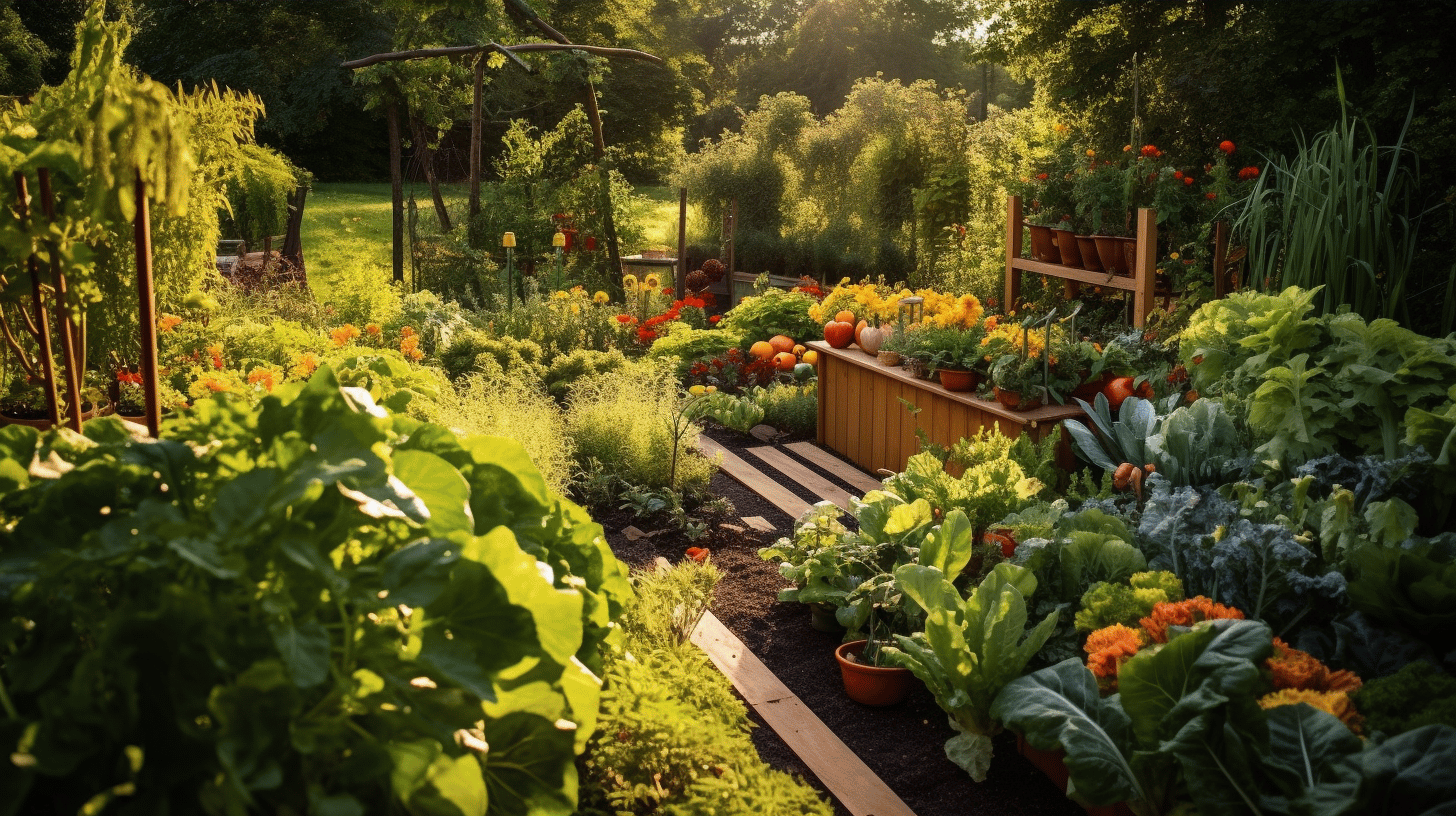
- Vertical Gardening: Utilizing vertical space, such as walls or trellises, allows for the cultivation of plants with varying heights. For example, growing climbing vegetables like beans or cucumbers along with lower-growing plants, such as lettuce or herbs, can optimize space and increase overall crop yield.
- Companion Planting: Pairing companion plants that have beneficial relationships with each other can enhance their growth and deter pests. For instance, planting marigolds alongside tomatoes helps repel harmful insects and attract beneficial ones, promoting a healthy and biodiverse garden.
- Crop Rotation: Rotating different crops in a specific area over time can help prevent the buildup of pests and diseases associated with monoculture. By strategically planning crop rotation, home gardeners can maintain soil health and improve overall plant productivity.
Conventional vs. Polyculture Methods
When comparing conventional farming methods with polyculture farming, it becomes evident that the latter offers several advantages for sustainable and resilient agriculture. Here are some key differences:
| Conventional Farming | Polyculture Farming | |
|---|---|---|
| Diversity | Focuses on a single crop | Emphasizes diversity of crops or species |
| Pest Control | Relies on pesticides and herbicides | Promotes natural pest control through companion planting and biodiversity |
| Soil Conservation | Often leads to soil degradation and erosion | Enhances soil health and fertility through crop diversity and organic practices |
| Resource Utilization | Utilizes large amounts of water, fertilizers, and pesticides | Optimizes resource utilization through intercropping and symbiotic relationships |
In conclusion, polyculture farming offers a promising alternative to conventional farming methods, providing increased yields, biodiversity conservation, and improved soil health. Implementing polyculture at a smaller scale, such as in home gardens, allows for space optimization and natural pest control. By adopting polyculture practices, we can move towards more sustainable and resilient agricultural systems that benefit both the environment and human well-being.
Using Polyculture in Community Gardens
Food Security and Increased Consumption
Community gardens that utilize polyculture practices have the potential to significantly contribute to food security in their communities. By growing a diverse range of fruits and vegetables, these gardens can provide a reliable and sustainable source of fresh produce for local residents.
One of the main advantages of polyculture gardens is that they increase fruit and vegetable consumption among community members. With a wider variety of crops available, individuals have greater access to nutritious food options, which can have a positive impact on their overall health and well-being.
In addition, the presence of polyculture gardens can also help address food deserts and food insecurity in low-income neighborhoods. These gardens provide an affordable and accessible way for residents to obtain fresh produce, reducing their reliance on expensive and often unhealthy processed foods.
Perennial Plants in Polycultures
When designing a polyculture garden, incorporating perennial plants can offer numerous benefits. Perennials are plants that live for more than two years, meaning they don’t need to be replanted annually like most annual crops. This characteristic makes them a valuable addition to polyculture systems.
The integration of perennial plants in polycultures helps maintain year-round soil cover. By doing so, it minimizes erosion, retains moisture in the soil, and improves overall soil health. With a protective cover in place, the soil is less prone to nutrient depletion and weed growth, reducing the need for synthetic fertilizers and herbicides.
Furthermore, the inclusion of perennial plants increases the diversity of the garden, both above and below the ground. Different plant species attract a wider range of beneficial insects and pollinators, creating a more balanced and resilient ecosystem within the garden. This biodiversity can enhance overall plant health and reduce the risk of pest and disease outbreaks.
Overall, community gardens that incorporate polyculture practices and include perennial plants can make a significant positive impact. They not only promote food security by increasing fruit and vegetable consumption but also contribute to environmental sustainability through improved soil health and increased plant diversity. By adopting these methods, communities can create thriving and resilient gardens that benefit both people and the planet.
Pest Control in Polyculture Systems
With increasing concerns over the sustainability and environmental impact of monoculture systems, many farmers and researchers are exploring alternative methods of crop production. One such method is polyculture, which involves growing multiple crops together in the same field. Apart from its potential benefits in terms of crop diversity and soil health, polyculture systems can also play a vital role in pest control.
Crop Rotations
Crop rotations are one of the essential pest control strategies used in polyculture systems. By alternating the crops grown in a particular area, farmers can disrupt pest life cycles and reduce the build-up of pest populations. This practice is based on the idea that different crops attract different pests, and by changing the crop each season, farmers can effectively break the cycle.
For example, suppose a particular pest species thrives on a specific crop. In that case, introducing a different crop in the next growing season can significantly reduce the pest’s ability to find its preferred host plants, reducing the damage it can cause. This disruption in pest life cycles helps to control pest populations naturally without the need for excessive pesticide use.
In addition to breaking pest cycles, crop rotations in polyculture systems can also promote beneficial insects and microorganisms that help control pests. Certain crops, such as legumes, have the ability to fix nitrogen in the soil, enriching it and enhancing overall plant health. This, in turn, attracts beneficial insects like ladybugs and lacewings, which feed on pests and act as natural pest control agents.
Intercropping
Another pest control strategy commonly used in polyculture systems is intercropping. Intercropping involves planting different crops in close proximity to each other. This practice can disrupt pests’ ability to locate their preferred host plants, making it harder for them to establish large populations. It also creates a more diverse and complex environment that is less favorable for pests.
Intercropping can also enhance pest control by promoting what is known as “companion planting.” This technique involves combining crops that have mutual benefits, such as repelling pests or attracting beneficial insects. For example, planting aromatic herbs like basil or rosemary alongside susceptible crops can help deter pests with their strong scents. Similarly, attracting pollinators like bees and butterflies can also benefit crops’ overall health and productivity.
By adopting a diverse range of crops and implementing proper crop rotations and intercropping practices, farmers can reduce pest pressures and mitigate the need for chemical pesticides. This not only benefits the environment but also contributes to healthier, more sustainable agricultural systems.
In conclusion, incorporating crop rotations and intercropping in polyculture systems is an effective strategy for pest control. By disrupting pest life cycles, attracting beneficial insects, and creating a diverse environment, farmers can minimize the impact of pests on their crops naturally. This approach promotes sustainable agriculture practices, reduces dependence on pesticides, and contributes to the overall health and resilience of the farming system.
The Economical and Environmental Benefits of Polyculture Systems
Polyculture systems are gaining popularity as a sustainable and efficient method of food production. By diversifying crops and incorporating multiple species into a single farming system, polyculture offers numerous benefits for both the economy and the environment. Let’s explore some of the key advantages of adopting polyculture systems.
Land Utilization
One of the significant advantages of polyculture systems is their ability to utilize land more efficiently. In monoculture systems, where a single crop is grown on vast stretches of land, there is a high risk of crop failure due to pests, diseases, or adverse weather conditions. On the other hand, polyculture systems combine different crops that complement each other, reducing the vulnerability of the system as a whole. Additionally, polyculture allows for better nutrient cycling, reducing the need for synthetic fertilizers and maximizing the use of available resources.
Clean Food Production
Polyculture systems contribute to clean food production, which is essential for ensuring the health and well-being of consumers. Here are a few reasons why polyculture promotes cleaner food production:
- Reduced chemical inputs: By diversifying crops and incorporating natural pest control methods, polyculture systems can significantly reduce the need for chemical pesticides and fertilizers. This leads to a decrease in chemical residues on food products and a healthier environment for farm workers.
- Enhanced soil health: The use of diverse crops in polyculture systems promotes better soil health and fertility. Different crops have varying nutrient requirements, and their root systems can help prevent soil erosion, increase organic matter content, and improve water retention capacity. This results in healthier, nutrient-rich soil and higher-quality produce.
- Resilience to climate change: Polyculture systems are more resilient to the effects of climate change than monoculture systems. The diversity of crops helps buffer against extreme weather events, such as droughts or heavy rainfall, reducing the risk of crop failure. This resilience ensures a more stable food supply and contributes to food security.
Biodiversity and Self-Sufficiency
Polyculture systems foster biodiversity and promote self-sufficiency in farming communities. Here’s how:
- Enhanced biodiversity: By incorporating different crops, intercropping, or agroforestry practices, polyculture systems provide habitats for various plant and animal species. This promotes biodiversity, maintains ecological balance, and supports beneficial insects and pollinators essential for crop reproduction.
- Diversified income sources: Polyculture systems allow farmers to diversify their income sources by growing multiple crops throughout the year. This reduces their reliance on a single crop and provides a more stable income, especially during market fluctuations.
- Local food production and self-sufficiency: Polyculture systems promote local food production, reducing the dependence on imported or long-distance transported food. This contributes to food security, enhances community resilience, and supports the local economy.
In conclusion, the adoption of polyculture systems offers significant economical and environmental benefits. This farming approach optimizes land utilization, promotes clean food production, preserves biodiversity, and enhances self-sufficiency within farming communities. As more farmers and policymakers recognize the advantages of polyculture, it has the potential to revolutionize sustainable agriculture and contribute to a more resilient and sustainable food system.
Soil Health and Reduced Chemical Inputs with Sustainable Farming Practices
Sustainable farming practices are gaining momentum as farmers and researchers recognize the numerous benefits they bring to both the environment and crop productivity. One of the key advantages of these practices is their ability to improve soil health while reducing the need for chemical inputs. By implementing techniques like polyculture, crop rotation, and integrated pest management, farmers can create a healthier ecosystem that promotes long-term sustainability.
Polyculture: Diversifying Plant Species for a Healthy Soil
Polyculture involves cultivating multiple plant species together in the same field. This practice contrasts with monoculture, where a single type of crop is grown over a large area. By diversifying plant species, farmers can achieve a range of benefits, including:
- Enhanced nutrient cycling: Different plants have different nutritional needs and root structures. By growing a variety of crops together, nutrients can be more efficiently utilized and recycled within the ecosystem.
- Improved soil structure: Each species has a unique root system that penetrates the soil at different depths. This diversity of roots helps to create channels for air and water movement, leading to improved soil structure and drainage.
- Reduced pest and disease pressure: Planting a mix of crops can disrupt the habitat of specific pests and diseases, making it less likely for outbreaks to occur. This reduces the reliance on chemical pesticides, minimizing their impact on the environment.
Crop Rotation: Giving the Soil a Break and Boosting Nutrient Levels
Crop rotation involves the systematic sequencing of different crops in the same field over time. This practice offers several advantages for soil health and reduces the need for synthetic fertilizers:
- Nutrient cycling and balance: Different crops have varying nutrient requirements. By rotating crops, farmers can ensure that the nutrients in the soil are utilized more effectively and replenished in a balanced manner.
- Natural pest and disease control: Crop rotation disrupts pest and disease cycles, as certain pathogens and insects are specific to particular crops. This rotation reduces the need for chemical pesticides and promotes natural pest control mechanisms.
- Weed suppression: Crop rotation can help manage weed populations by interfering with their life cycles. Certain crops can suppress weeds, reducing the need for herbicides.
Integrated Pest Management: A Holistic Approach to Pest Control
Integrated Pest Management (IPM) is an approach that uses a combination of techniques to control pests while minimizing the impact on the environment and human health. Key aspects of IPM include:
- Biological control: Encouraging the presence of natural predators and beneficial insects that prey on pests can help keep their populations in check. This reduces the need for chemical insecticides.
- Cultural practices: Practices such as crop rotation, proper irrigation, and pruning can create an inhospitable environment for pests, reducing their ability to establish and reproduce.
- Monitoring and threshold levels: Regular monitoring of pest populations allows farmers to intervene only when necessary. IPM focuses on treating pests when their numbers reach a certain threshold, minimizing the use of chemical controls.
By adopting sustainable farming practices like polyculture, crop rotation, and integrated pest management, farmers can improve soil health and reduce their reliance on chemical inputs. These practices not only benefit the environment but also contribute to the long-term viability and profitability of agricultural systems. Embracing these techniques is a win-win situation for both farmers and the planet.
Small Scale Sustainable Farming Settings
Small-scale farming can be practiced in various settings, catering to the needs of individuals, small farms, and even larger agriculture operations. These settings provide opportunities for individuals and communities to engage in sustainable farming practices while promoting local food production and self-sufficiency.
Home Gardens
One of the most accessible and intimate settings for small-scale sustainable farming is the home garden. Whether you have a small balcony in an urban apartment or a spacious backyard in the suburbs, a home garden allows you to cultivate your own fruits, vegetables, and herbs. Here are some key advantages of home gardens:
- Health Benefits: Growing your own food ensures access to fresh, organic produce, free from harmful pesticides and chemicals.
- Cost Savings: Home gardens can help reduce your grocery bill, as you no longer have to rely solely on store-bought produce.
- Environmental Impact: By growing your own food, you reduce the carbon footprint associated with transporting food from farm to table.
- Connection to Nature: Home gardens provide a direct connection to the natural world, fostering appreciation for the environment and promoting biodiversity.
Small Farms
Moving beyond home gardens, small-scale sustainable farming can also be practiced on small farms. These farms typically cover several acres of land and aim to produce a diverse range of crops and livestock. Here’s why small farms are crucial for sustainable agriculture:
- Local Food Production: Small farms play a vital role in supplying their local communities with fresh and nutritious food, reducing reliance on long-distance food transportation.
- Biodiversity Conservation: Small farms often integrate diverse crops, promote crop rotation, and use natural pest control methods, thereby preserving biodiversity and enhancing soil health.
- Strengthening Local Economies: By supporting small farms, consumers contribute to the local economy, creating jobs and fostering community development.
- Preserving Traditional Farming: Small farms often preserve traditional farming practices, ensuring the continuation of valuable knowledge and skills for future generations.
Large Agriculture Operations
While small-scale sustainable farming is commonly associated with smaller operations, larger agriculture operations can also adopt sustainable practices. These operations may cover hundreds or thousands of acres while prioritizing environmentally friendly farming techniques. Here’s why sustainable practices are essential for large agricultural operations:
- Resource Conservation: Large agriculture operations can employ practices such as precision irrigation, efficient fertilizer use, and soil conservation to minimize resource waste and maintain long-term productivity.
- Mitigating Environmental Impact: Sustainable techniques, such as integrated pest management and crop rotation, help reduce the use of chemical inputs and minimize the negative impact on surrounding ecosystems and water sources.
- Enhancing Resilience: Sustainable agriculture practices build resilience against climate change by improving soil health, reducing water consumption, and promoting crop diversity.
- Adapting to Market Demands: Consumers are increasingly demanding sustainably produced food, and large agriculture operations need to adapt to these market trends to remain competitive.
Small-scale sustainable farming can be practiced in various settings, each offering unique benefits and opportunities. Whether you’re starting a small garden in your backyard or managing a large-scale farm, adopting sustainable farming practices is essential for building resilient, environmentally friendly food systems.
Regenerative Farming Techniques
Regenerative farming techniques are gaining recognition for their ability to improve soil health, increase crop yields, and protect the environment. These practices go beyond traditional agriculture methods by adopting holistic approaches that work in harmony with nature. In this article, we will explore three effective regenerative farming techniques: cover cropping, agroforestry, and natural pest management.
Cover Cropping
One of the key principles of regenerative farming is keeping the soil covered at all times. This is where cover cropping comes into play. Cover crops are planted between cash crops to provide a protective cover for the soil, preventing erosion and nutrient loss. They offer a myriad of benefits, including:
- Improved Soil Health: Cover crops protect the soil from erosion caused by wind and water, creating a favorable environment for beneficial soil microorganisms to thrive.
- Nutrient Cycling: Cover crops capture excess nutrients, such as nitrogen, preventing them from leaching into water bodies and causing pollution. When the cover crop is incorporated into the soil, these nutrients are released, providing a natural fertilizer for the next crop.
- Weed Suppression: Cover crops compete with weeds for resources like sunlight and nutrients, reducing weed pressure and the need for synthetic herbicides.
Agroforestry
Agroforestry is a regenerative farming technique that integrates trees and shrubs into agricultural systems. By combining crops, livestock, and trees, farmers can create diverse and resilient landscapes. Agroforestry offers several advantages:
- Climate Change Mitigation: Trees capture and store carbon dioxide, making agroforestry a valuable strategy for mitigating climate change.
- Enhanced Biodiversity: Agroforestry systems provide habitat for a variety of plants and animals, promoting biodiversity and ecological balance.
- Improved Soil Fertility: Trees contribute organic matter to the soil through leaf litter and root systems, improving soil structure and nutrient cycling.
- Diversified Income Sources: Agroforestry systems can provide multiple sources of income, such as timber, fruits, nuts, and livestock, reducing farmers’ reliance on a single crop.
Natural Pest Management
In regenerative farming, the emphasis is on preventing pest problems rather than relying heavily on synthetic pesticides. Natural pest management techniques focus on maintaining a balanced ecosystem that discourages pests. Some effective methods include:
- Crop Rotation: By rotating crops, farmers can disrupt pest life cycles and reduce the buildup of pests in the soil.
- Biological Control: Encouraging beneficial insects, birds, and predatory organisms that feed on pests can help naturally control pest populations.
- Trap Crops: Planting specific crops that attract pests away from cash crops can help protect the main crop.
- Companion Planting: Selecting plant combinations that repel pests or attract beneficial insects can create a natural pest management system.
Incorporating these regenerative farming techniques into agricultural practices can lead to healthier soils, increased biodiversity, and improved resilience to climate change. By embracing these holistic approaches, farmers can create sustainable and productive farming systems that benefit both the environment and their livelihoods.
Alternative Energy in Sustainable Farming
Alternative energy sources like solar power and wind farms can be incorporated into sustainable farming to reduce dependence on non-renewable resources. These renewable sources of energy have great potential to power agricultural operations and contribute to a more eco-friendly farming system.
Solar Power
Solar power is a clean and abundant source of energy that can be harnessed to meet the energy needs of sustainable farming. Here are some benefits of using solar power in agriculture:
- Cost savings: By installing solar panels on farms, farmers can significantly cut down on electricity costs. The sun’s energy is free, and once the initial investment is made, the ongoing operational costs are minimal.
- Carbon footprint reduction: Solar power produces zero greenhouse gas emissions during operation. By switching to solar energy, farmers can contribute to the fight against climate change and reduce their carbon footprint.
- Energy independence: Solar power grants farmers the ability to generate their own energy on-site, reducing dependence on fossil fuel-based electricity from the grid. This energy independence not only provides stability in the face of power outages but also reduces vulnerability to rising energy costs.
- Long-term investment: Solar panels have a lifespan of 25-30 years, providing a long-term solution for farmers. Moreover, the return on investment for solar installations is typically achieved within a few years, making it a financially viable option.
To incorporate solar power effectively, farmers can install solar panels on rooftops, open fields, or even use specialized solar structures like solar arrays or sun-tracking systems. This allows them to capture sunlight efficiently and convert it into usable electricity for various farming operations, including powering irrigation systems, livestock housing, and machinery.
Wind Farms
Wind farms are another alternative energy option that can be integrated into sustainable farming practices. Here are some key benefits of wind farms in agriculture:
- Renewable energy generation: Wind farms harness the power of the wind to generate electricity. As wind is a free and abundant resource, it offers a sustainable energy solution for farmers.
- Scalability: Wind farms can be tailored to fit the specific energy needs of farms of all sizes. Small-scale wind turbines can be installed on individual farms, while larger wind farms can generate electricity for multiple farms or even entire communities.
- Additional income: Farmers can lease their land to wind farm developers, earning additional income through land rent or royalties. This can provide a valuable source of revenue and diversify income streams for farmers.
- Community benefits: Wind farms have the potential to create jobs and stimulate local economies. They can also help reduce air pollution and dependence on fossil fuels, benefiting both the farming community and the surrounding areas.
To effectively integrate wind farms, farmers need to assess the wind resources available on their land. Wind speed, consistency, and location play a crucial role in determining the feasibility of installing wind turbines. By conducting a thorough assessment, farmers can strategically position wind turbines to optimize electricity generation and minimize potential impacts on agricultural operations.
In conclusion, incorporating alternative energy sources like solar power and wind farms into sustainable farming practices offers numerous benefits. By leveraging these renewable energy options, farmers can reduce their reliance on non-renewable resources, lower operating costs, and contribute to a greener future for agriculture.
Diversified Farming Practices and Ecological Farming
Diversified farming practices play a crucial role in promoting ecological farming and preserving critical habitats. By incorporating a range of techniques and strategies, farmers can create a healthier and more sustainable agricultural system that benefits both the environment and the food production process. In this section, we will explore some key diversified farming practices that contribute to ecological farming.
Cover Cropping
One effective diversified farming practice is the use of cover cropping. Cover crops are crops that are planted between main crops to cover the soil during off-season periods or when the main crops are not actively growing. These cover crops provide a multitude of benefits, including:
- Preventing soil erosion: The dense vegetation of cover crops helps to protect the soil from erosion caused by wind and water, which helps to maintain soil fertility and structure.
- Improving soil health: Cover crops greatly enhance soil health by increasing organic matter content, improving soil structure, and increasing nutrient availability.
- Suppressing weeds: Cover crops can help suppress the growth of weeds, reducing the need for herbicides and manual weed control.
- Enhancing biodiversity: The presence of cover crops attracts beneficial insects, pollinators, and other organisms, creating a more diverse and balanced ecosystem on the farm.
Composting
Composting is another vital diversified farming practice that contributes to ecological farming. It involves the decomposition of organic matter, such as crop residues, manure, and kitchen scraps, into nutrient-rich compost. This compost can then be used as a natural fertilizer to improve soil fertility and structure. Some benefits of composting include:
- Nutrient recycling: Composting allows farmers to recycle organic materials and return valuable nutrients back to the soil, reducing the reliance on synthetic fertilizers.
- Soil enrichment: Compost improves soil structure, water-holding capacity, and nutrient retention, promoting healthy plant growth and reducing the risk of nutrient leaching.
- Reduced waste: By composting organic materials, farmers can divert waste from landfills and reduce greenhouse gas emissions associated with organic waste decomposition.
Hedgerows
Hedgerows are rows of trees, shrubs, and other perennial plants that are strategically planted along field boundaries or within fields. These diverse vegetation strips offer numerous ecological benefits, such as:
- Biodiversity conservation: Hedgerows provide habitat and food sources for a wide array of wildlife, including beneficial insects, birds, and small mammals.
- Pollination support: Bees and other pollinators are attracted to the flowering plants in hedgerows, enhancing pollination activities and promoting crop productivity.
- Windbreaks and erosion control: The dense vegetation of hedgerows helps to reduce wind speed, preventing soil erosion and protecting crops from damage.
- Natural pest control: Hedgerows can harbor beneficial insects and birds that prey on agricultural pests, reducing the need for chemical pesticides.
In conclusion, employing diversified farming practices, such as cover cropping, composting, and hedgerow establishment, is crucial for promoting ecological farming and preserving critical habitats. These practices not only enhance soil health, nutrient cycling, and pest management but also contribute to biodiversity conservation and the overall sustainability of our agricultural systems.
Potential of Small-Scale Growers for Resilient, Eco-friendly Practices
Small-scale growers can truly be the unsung heroes of sustainable local food production. They have the power to play a pivotal role in advancing resilient and environmentally friendly practices. These growers may not have the vast resources and infrastructure of large-scale industrial farms, but what they lack in scale, they more than make up for in passion, creativity, and innovation.
Supporting Local Communities
One of the remarkable aspects of small-scale growers is their ability to connect with and support their local communities. By cultivating relationships with consumers, restaurants, and farmers markets, these growers foster a sense of community and promote a sustainable food system. When you buy from a small-scale grower, you’re not just getting fresh, flavorful produce; you’re also supporting the livelihoods of your neighbors and strengthening the local economy.
Biodiversity Conservation
Small-scale growers often embrace a diverse range of crops and farming methods, which promotes biodiversity and reduces the reliance on monocultures. By growing a variety of fruits, vegetables, and herbs, they help preserve genetic diversity and contribute to healthier ecosystems. Moreover, many small-scale growers practice organic farming techniques, avoiding the use of harmful pesticides and synthetic fertilizers, thus minimizing their impact on the environment.
Climate Change Adaptation
With the increasing threats posed by climate change, small-scale growers have an advantage in their ability to be adaptable and resilient. By employing regenerative farming practices, such as cover cropping, crop rotation, and soil conservation, they enhance the health and fertility of the soil. This not only improves their crop yields but also helps sequester carbon, mitigating the effects of climate change. Furthermore, small-scale growers are often more suited to diversify their production and experiment with resilient crops that can thrive in changing climate conditions.
Closing Thoughts
The potential of small-scale growers should not be underestimated. They have the ability to revolutionize local food systems, protect biodiversity, and contribute to climate change mitigation and adaptation. By supporting these growers and embracing their resilient and eco-friendly practices, we can create a more sustainable and resilient future for our communities and the planet as a whole.
Role of Technology in Sustainable Farming
Technology plays a crucial role in enhancing the efficiency, increasing productivity, and promoting sustainable practices in farming and agriculture. With advancements in technology, farmers now have access to a wide range of tools and innovations that help them optimize their operations and make informed decisions. From precision agriculture to smart irrigation systems, technology has revolutionized the way we approach farming.
Enhancing Efficiency
One of the significant contributions of technology in sustainable farming is the improvement in efficiency. Farmers can now utilize tools such as GPS and remote sensing to precisely map their fields and monitor crop health. This information allows them to identify specific areas that require attention, such as higher irrigation needs or pest infestations. By targeting these areas instead of treating the entire field uniformly, farmers can reduce waste and optimize resource utilization.
Moreover, automation and robotics have simplified and accelerated various farming tasks. For instance, automated machinery can handle activities like seeding, planting, and harvesting with precision, reducing labor needs and minimizing errors. With these technologies in place, farmers can save time, reduce costs, and streamline their operations, ultimately leading to increased efficiency and productivity.
Increasing Productivity
Technology has the potential to increase agricultural productivity significantly. By leveraging data analytics and predictive modeling, farmers can make data-driven decisions that optimize yields and maximize resource utilization. For example, weather forecasting combined with sensor data can help farmers determine the optimal time for planting or harvesting, resulting in higher crop yields.
In addition, the use of innovative technologies such as genetic engineering and biotechnology has led to the development of high-yielding crop varieties that are resistant to pests, diseases, and environmental stressors. These advancements enable farmers to cultivate crops that can thrive under challenging conditions and produce higher yields.
Lifecycle Management
Sustainable farming involves managing the entire lifecycle of agricultural products, from production to distribution. Technology plays a crucial role in ensuring efficient and sustainable management throughout this lifecycle. For example:
- Inventory and Supply Chain Management: Farm management software and cloud-based platforms allow farmers to keep track of inventory levels, monitor product quality, and optimize supply chain logistics. This helps minimize waste and ensures that products reach consumers in a timely manner.
- Water and Resource Management: Technology-driven solutions, such as precision irrigation systems and soil moisture sensors, enable farmers to monitor water usage and apply irrigation only when necessary. This reduces water wastage and promotes efficient resource management.
- Monitoring and Compliance: Technology can help farmers comply with environmental regulations by monitoring and reporting on key sustainability metrics. Automated sensors and real-time data collection allow farmers to measure and manage factors like soil health, nutrient levels, and greenhouse gas emissions.
In conclusion, technology has transformed sustainable farming practices by enhancing efficiency, increasing productivity, and promoting lifecycle management. With continuous advancements in technology, we can expect further innovation in the agricultural sector, leading to more sustainable and productive farming practices.
Conclusion
In conclusion, designing a polyculture garden offers numerous benefits for sustainable farming at home. By implementing polyculture methods, individuals can promote biodiversity, enhance soil health, and reduce the reliance on chemical inputs. Community gardens can also benefit from polyculture systems, contributing to food security and increased consumption. Additionally, the use of alternative energy sources and regenerative farming techniques further supports eco-friendly practices in agriculture.
At Regenerative Agriculture Wiki, we are dedicated to providing in-depth content on regenerative agriculture practices. Explore our platform to learn more about polyculture farming, soil health, sustainable farming settings, and the potential of small-scale growers. Join us in fostering a future where agriculture and ecology thrive in harmony.

Frequently Asked Questions
- What is a polyculture garden?
A polyculture garden is a type of garden design that involves growing multiple plant species together in the same space. It focuses on creating a diverse and balanced ecosystem that supports sustainable farming practices.
- What are the benefits of designing a polyculture garden?
Designing a polyculture garden offers several benefits, including increased biodiversity, natural pest control, healthier soil, reduced water consumption, enhanced pollination, and improved resilience to climate change.
- How do I choose plant species for my polyculture garden?
When selecting plant species for your polyculture garden, consider factors such as companion planting, biodiversity, plant compatibility, growth habits, nutrient needs, and pest resistance. Aim for a mix of vegetables, fruits, herbs, flowers, and beneficial plants.
- What techniques can I use to maintain a polyculture garden?
To maintain a polyculture garden, practice techniques such as crop rotation, intercropping, mulching, companion planting, natural pest control methods, regular soil testing, organic fertilization, and proper watering. Regular observation and monitoring are also important.
- Can I design a polyculture garden in a small backyard?
Yes, you can design a polyculture garden in a small backyard. Vertical gardening, container gardening, raised beds, and utilizing trellises and arbors can optimize space. Choose compact and dwarf varieties, and make efficient use of available sunlight and water.