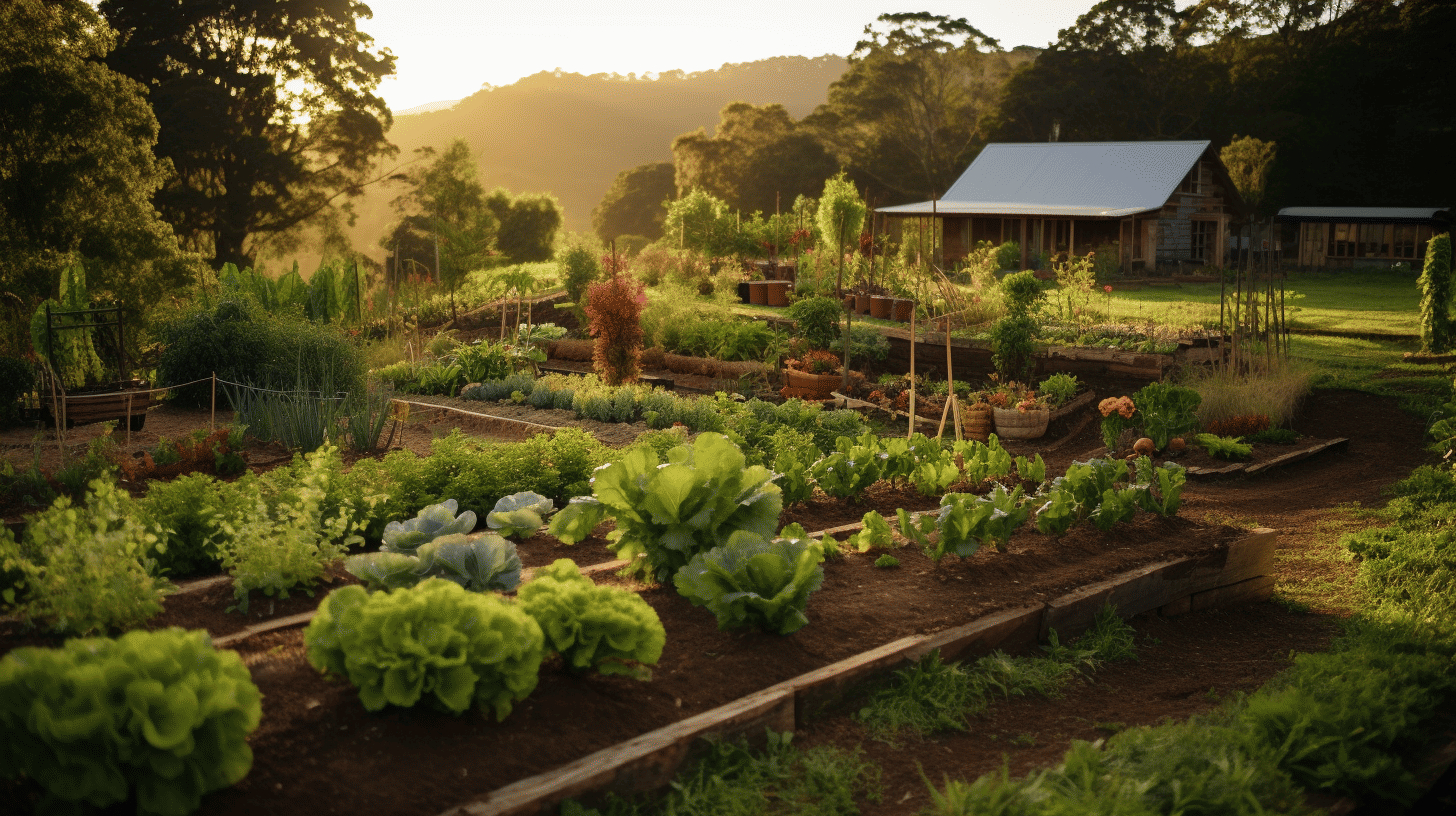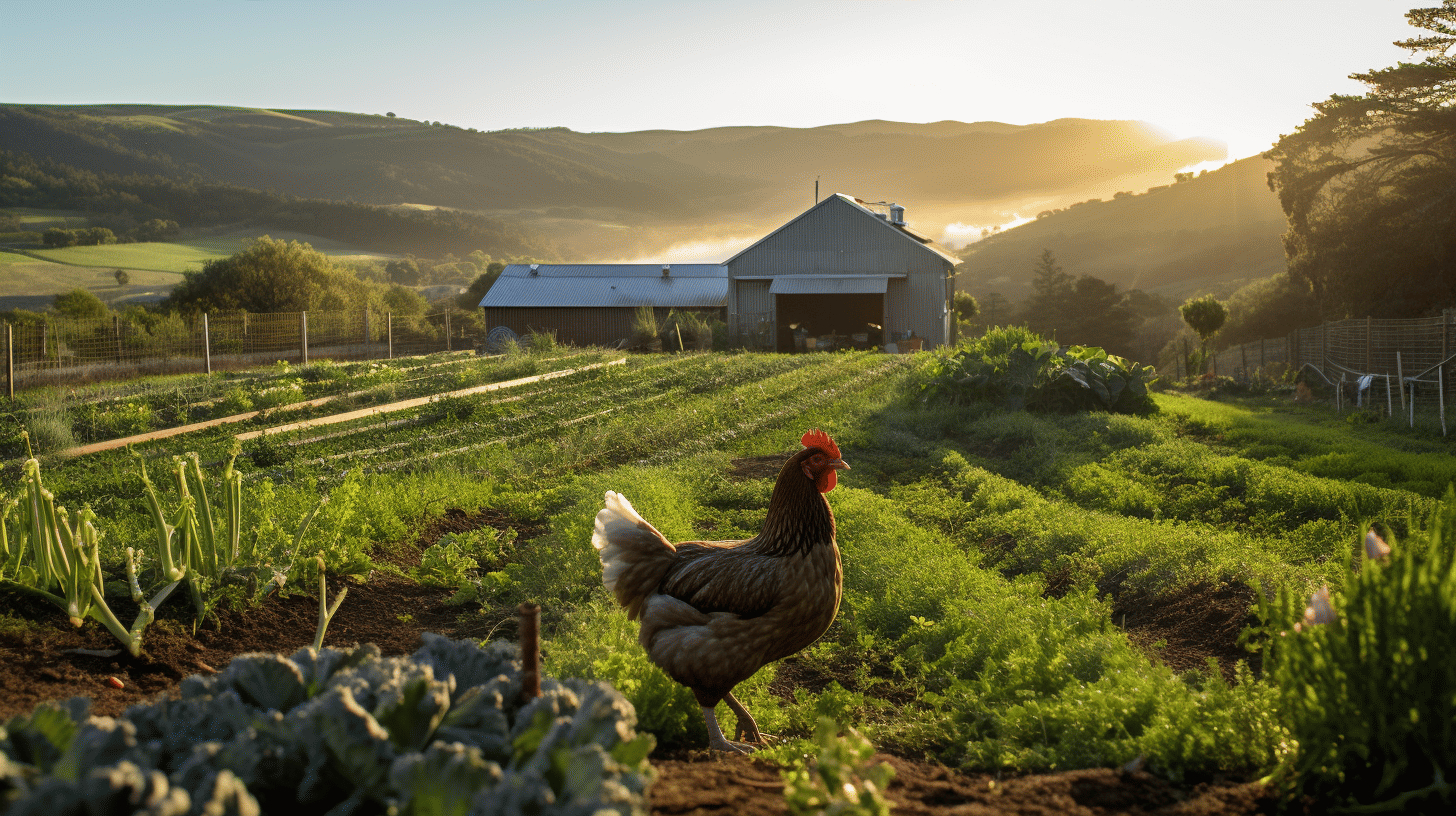
Regenerative farming is a holistic approach to agriculture that aims to improve the health of the land, enhance biodiversity, and mitigate climate change. Unlike conventional farming methods that deplete soil nutrients and rely heavily on chemical inputs, regenerative farming techniques work in harmony with nature to build healthier, more resilient ecosystems.
In recent years, there has been increasing interest and momentum around regenerative farming practices globally. Farmers, both big and small, are recognizing the importance of shifting towards sustainable agricultural practices that not only support their livelihoods but also contribute to a healthier planet.
In this article, we will explore the relevance of regenerative farming practices in the context of today’s climate crisis and food security concerns. We will delve into key regenerative farming techniques, highlighting their positive impacts on food production, animal welfare, profits, soil health, water quality, biodiversity, and carbon sequestration. Additionally, we will discuss the transition to regenerative farming practices, including the implementation duration and potential challenges that farmers may encounter along the way.
Whether you’re a farmer looking to incorporate regenerative practices into your operations or simply curious about the benefits of regenerative farming, this article will provide valuable insights and practical knowledge to help guide you on your journey. So, let’s dive in and explore the world of regenerative farming together.
Relevance of Regenerative Farming Practices
Regenerative farming practices have gained significant relevance in recent years, and for good reason. These practices focus on restoring and enhancing the health of the soil, biodiversity, and ecosystems, ultimately leading to more sustainable and resilient agricultural systems. Let’s explore why regenerative farming practices are so important in today’s world.
Adoption by Small Farmers Globally
One of the remarkable aspects of regenerative farming practices is their widespread adoption by small farmers globally. According to recent data, over 15 million small farmers across the developing world have embraced regenerative techniques in their agricultural practices[1]. This adoption is a testament to the practicality and effectiveness of regenerative farming.
By implementing regenerative practices, small farmers are able to:
- Improve soil fertility: Regenerative practices such as cover cropping, crop rotation, and composting help improve soil health and fertility, leading to increased crop yields and reduced reliance on synthetic fertilizers.
- Enhance water conservation: Regenerative farming techniques like mulching and agroforestry help retain moisture in the soil, reducing the need for irrigation and mitigating the effects of drought.
- Increase resilience to climate change: The diverse and robust agroecosystems created through regenerative practices are better equipped to withstand extreme weather events, making small farmers less vulnerable to the impacts of climate change.
Historical Perspective
While regenerative farming practices have gained popularity in recent years, their roots go back much further. Indigenous peoples have been practicing regenerative agriculture for thousands of years, working harmoniously with nature to sustainably cultivate the land. Their deep understanding of ecosystems and interconnections within the natural world has provided valuable insights for modern regenerative farming practices[2].
Importance in Climate Crisis and Food Security
In the face of the climate crisis and the need for greater food security, regenerative farming practices offer a promising solution. Here’s why:
- Carbon sequestration: Regenerative practices such as agroforestry and holistic grazing can sequester significant amounts of carbon dioxide from the atmosphere, helping mitigate climate change by reducing greenhouse gas emissions[1].
- Soil health and nutrient cycling: Regenerative farming focuses on building healthy, fertile soil through practices like cover cropping and organic matter additions. This enhances nutrient cycling, reduces erosion, and improves the overall resilience of agricultural systems.
- Reduced chemical inputs: By employing regenerative practices, farmers can minimize the use of synthetic fertilizers, pesticides, and herbicides, reducing their environmental impact and potentially improving human health.
Adopting regenerative farming practices is not only an environmentally-friendly choice but also a low-cost approach for small farmers to combat the climate crisis and enhance food security[3]. These practices offer a holistic solution that addresses multiple challenges in agriculture, making them increasingly relevant in our changing world.
In conclusion, regenerative farming practices have gained immense relevance due to their practicality, historical significance, and potential to address pressing environmental and food security issues. By implementing these practices, small farmers can improve the health of their soil, mitigate climate change, and create more sustainable and resilient agricultural systems.
References:
Key Regenerative Farming Techniques
Regenerative farming is gaining traction among farmers around the world as a sustainable and environmentally-friendly way to cultivate their land. This innovative approach to agriculture focuses on enhancing soil health, conserving water, and promoting biodiversity. In this article, we will explore some of the key regenerative farming techniques and how they contribute to a more sustainable future.
Cover Cropping
One of the fundamental practices of regenerative agriculture is cover cropping. Farmers plant a variety of cover crops, such as legumes, grasses, and grains, during the fallow period of their fields. These cover crops provide a multitude of benefits, including:
- Soil Conservation: Cover crops help protect the soil from erosion caused by wind and water. Their dense root systems bind the soil together, preventing it from being washed away during heavy rains or blown away by strong winds.
- Nutrient Cycling: Cover crops scavenge nutrients from deep within the soil and make them available for future cash crops. When these cover crops are terminated and incorporated into the soil, they release these nutrients, improving overall soil fertility.
- Weed Suppression: Cover crops act as a natural weed suppressant, smothering weeds and reducing the need for herbicides. This reduces the environmental impact of weed control methods and helps maintain a healthy and diverse ecosystem.
Reduced Tilling
Another technique used in regenerative farming is reduced tilling or no-till farming. Traditionally, farmers would plow or till their fields to prepare the soil for planting. However, this practice can result in soil degradation and loss of organic matter. In contrast, reduced tilling minimizes soil disturbance by:
- Preserving Soil Structure: Tilling can break down the structure of the soil, leading to increased compaction and reduced water infiltration. By reducing or eliminating tilling, farmers preserve the natural structure of the soil, allowing it to hold more water and nutrients.
- Conserving Soil Moisture: Reduced tilling helps retain moisture in the soil, reducing the need for excessive irrigation. This can be particularly beneficial in areas experiencing water scarcity or drought conditions.
- Promoting Soil Biology: Tilling disrupts the delicate balance of soil microorganisms, which play a vital role in nutrient cycling and overall soil health. By minimizing soil disturbance, farmers encourage the proliferation of beneficial microorganisms, improving soil biodiversity.
Composting
Composting is a regenerative farming technique that involves converting organic materials, such as crop residues, animal manure, and kitchen waste, into nutrient-rich compost. This compost can then be applied to the soil to provide a range of benefits, including:
- Enhancing Soil Fertility: Compost is a natural source of nutrients, including nitrogen, phosphorus, and potassium. When incorporated into the soil, compost replenishes essential nutrients, promoting healthy plant growth.
- Improving Soil Structure: Compost acts as a soil conditioner, improving the structure and texture of the soil. It increases the soil’s ability to retain water, enhances aeration, and reduces soil compaction.
- Sequestering Carbon: Composting helps mitigate climate change by capturing and storing carbon in the soil. It promotes the formation of stable organic matter, which locks carbon away for years, reducing greenhouse gas emissions.
Crop Rotation
Crop rotation is a crucial regenerative farming method that involves systematically changing the type of crops grown in a field over a defined period. This practice offers several benefits, including:
- Disease and Pest Control: Different crops have varying susceptibility to pests and diseases. By rotating crops, farmers can break pest and disease cycles, reducing reliance on chemical pesticides and promoting a more balanced ecosystem.
- Soil Health Improvement: Different crops have different nutrient requirements. By rotating crops, farmers can prevent the depletion of specific nutrients, as each crop extracts different nutrients from the soil. This helps maintain soil fertility and prevents nutrient imbalances.
- Weed Control: Crop rotation can disrupt weed life cycles and reduce weed pressure. Some crops naturally suppress weeds, while others are particularly vulnerable to certain types of weeds. By rotating crops strategically, farmers can manage weed populations effectively.
By implementing these key regenerative farming techniques – cover cropping, reduced tilling, composting, and crop rotation – farmers can bring about positive environmental change while improving the long-term sustainability of their farms. These practices contribute to healthier soils, better water management, reduced reliance on chemicals, and overall biodiversity conservation.
Positive Impacts of Regenerative Agriculture Practices
Regenerative agriculture practices have gained significant attention in recent years due to their potential to address several pressing issues facing our food system and the environment. These innovative farming techniques not only offer solutions for improving yields and climate resilience but also have a positive impact on various aspects of our society and ecosystems. Let’s explore some of the key positive impacts of regenerative agriculture practices.
On Food Production
One of the remarkable benefits of regenerative agriculture is its ability to enhance food production. Contrary to common misconceptions, regenerative farming techniques can actually outperform conventional methods in terms of yields. By focusing on building healthy soil and optimizing natural processes, regenerative farmers can create robust and productive ecosystems that yield high-quality crops. This not only ensures a more reliable and sustainable food supply but also supports the livelihoods of farmers and their communities.
On Animal Welfare
Regenerative agriculture practices go hand in hand with the welfare of animals. These practices emphasize a holistic approach to farming that recognizes the significance of animals within the ecosystem. By implementing rotational grazing systems and providing ample access to pasture, regenerative farmers prioritize the well-being of their livestock. This allows animals to engage in natural behaviors, promotes their health, and reduces stress. As a result, regenerative agriculture contributes to improved animal welfare standards, ensuring that animals are raised in humane and ethical conditions.
On Profits
Regenerative agriculture practices not only benefit the environment and animals, but they are also financially rewarding for farmers. By implementing regenerative methods, farmers can reduce their reliance on costly inputs like synthetic fertilizers and pesticides. This leads to significant cost savings, increasing profitability. Additionally, the adoption of regenerative practices often opens up new income streams for farmers, such as carbon credits, ecosystem services, and direct-to-consumer sales. These additional revenue sources contribute to the economic viability of farming operations and help support rural economies.
On Soil Health
Soil health is a critical factor in agricultural productivity and environmental sustainability. Regenerative agriculture practices put a strong emphasis on improving and preserving soil health. By minimizing soil disturbance, using cover crops, practicing crop rotation, and integrating livestock, regenerative farmers can enhance soil fertility and structure. This leads to increased water-holding capacity, nutrient availability, and overall resilience in the face of climate variability. Healthy soils not only support higher crop yields but also reduce erosion, enhance carbon sequestration, and improve the long-term sustainability of farming systems.
On Water Quality
Regenerative agriculture practices play a vital role in protecting water quality. By employing strategies that focus on soil health and reducing chemical inputs, regenerative farmers minimize the risk of nutrient runoff and pollution. The use of cover crops and diverse plant species helps to retain nutrients within the soil, preventing them from leaching into waterways. As a result, regenerative agriculture practices contribute to cleaner water sources, healthier aquatic ecosystems, and safer drinking water for communities.
On Biodiversity
The promotion of biodiversity is a key pillar of regenerative agriculture. By creating a diverse and thriving ecosystem on their farms, regenerative farmers provide habitats for a wide range of plants and animals. This fosters biodiversity, supporting pollinator populations, beneficial insects, and other wildlife. In turn, these organisms contribute to the overall health and resilience of the farming system by enhancing natural pest control, pollination, and nutrient cycling. The preservation and enhancement of biodiversity through regenerative practices not only protect our natural heritage but also have far-reaching ecological benefits.
On Carbon Sequestration
Perhaps one of the most significant positive impacts of regenerative agriculture practices is their potential to combat climate change. Regenerative farming methods have the ability to remove carbon from the atmosphere and store it in the soil. Through practices like cover cropping, rotational grazing, and agroforestry, regenerative farmers can enhance carbon sequestration, effectively reducing greenhouse gas emissions. This carbon sequestration potential can contribute to mitigating climate change while also improving soil health and fertility.
In summary, regenerative agriculture practices offer a multitude of positive impacts that extend beyond the farm gate. From improving food production and animal welfare to enhancing profits, soil health, water quality, biodiversity, and carbon sequestration, these practices address some of the most pressing challenges facing our food system and the environment. By embracing regenerative agriculture, we can create a more sustainable, resilient, and inclusive future for generations to come.
The Transition to Regenerative Farming Practices
Regenerative farming practices are gaining momentum as farmers recognize their potential to restore and improve the health of the land and create sustainable food systems. However, transitioning from conventional farming methods to regenerative practices is not without its challenges. In this section, we will explore the implementation duration and potential challenges that farmers may face during this transition.
Implementation Duration
Implementing regenerative farming practices is a process that requires time and patience. It typically takes three to five years for farmers to fully embrace and integrate these practices into their operations. During this transition period, farmers gradually adopt new techniques and adjust their management strategies to align with regenerative principles.
The implementation duration for regenerative farming practices can vary depending on several factors, including the size of the farm, the complexity of the existing agricultural systems, and the farmer’s level of familiarity with regenerative practices. It is crucial for farmers to approach this transition with a long-term perspective and be prepared for the adjustments and learning curve that may come along the way.
To successfully implement regenerative farming practices, farmers often follow a phased approach, gradually incorporating new techniques and methods over time. This allows for a smoother transition and minimizes disruption to ongoing farming activities. Some of the steps involved in the implementation process may include:
- Conducting a thorough assessment of the farm’s current state and identifying areas for improvement.
- Planning and implementing soil regeneration practices, such as cover cropping, crop rotation, and minimization of soil disturbance.
- Introducing regenerative livestock management practices, such as managed grazing and rotational grazing systems.
- Adopting agroforestry practices, such as planting trees or integrating perennial crops.
- Utilizing natural pest management strategies and reducing reliance on synthetic fertilizers and pesticides.
By taking a systematic and incremental approach, farmers can gradually transform their operations and achieve long-term sustainability and environmental benefits.
Potential Challenges
While the adoption of regenerative farming practices brings numerous benefits, it can also present challenges for farmers. Some of the potential challenges that farmers may encounter during the transition include:
- Financial Considerations: Shifting to regenerative practices may require upfront investments in infrastructure and equipment, such as fencing for rotational grazing or machinery for cover cropping. Additionally, there may be a temporary decrease in profitability during the initial transition period as farmers adjust to new management techniques.
- Knowledge and Training: Implementing regenerative farming practices requires a deep understanding of ecological processes, soil health, and ecosystem dynamics. Farmers may need to invest time and resources in gaining the necessary knowledge and training to effectively implement these practices.
- Resistance to Change: Transitioning from conventional farming methods to regenerative practices can be a significant cultural shift. Some farmers might be resistant to change due to ingrained habits or skepticism about the effectiveness of regenerative practices. Overcoming this resistance and creating a supportive network of like-minded farmers can contribute to a smoother transition.
- Market Demand and Accessibility: As regenerative farming practices gain popularity, there is a growing demand for regeneratively produced food. However, farmers may need to navigate market barriers and find suitable avenues to market their products to conscious consumers. Accessibility to resources and support networks can also pose challenges, especially for farmers in remote areas.
Despite these challenges, the benefits of transitioning to regenerative farming practices, such as improved soil fertility, increased biodiversity, and reduced environmental impact, make it a worthwhile endeavor for farmers committed to long-term sustainability. With careful planning, education, and support, farmers can successfully make the transition, contributing to a healthier and more resilient food system.
Conclusion
In conclusion, regenerative farming practices hold immense potential for transforming the agricultural landscape and addressing pressing challenges such as climate change and food security. By adopting techniques such as cover cropping, reduced tilling, composting, and crop rotation, farmers can not only improve soil health and water quality but also promote biodiversity and carbon sequestration. These practices have positive impacts on food production, animal welfare, and profitability, making them a win-win solution for both farmers and the environment.
Implementing regenerative farming techniques may require a transition period and present some challenges, but the long-term benefits outweigh the initial hurdles. It is crucial for small farmers globally to embrace these practices and contribute to a sustainable future for agriculture.
At Regenerative Agriculture Wiki, we are dedicated to educating and inspiring individuals to explore the potential of regenerative farming. Visit our platform to access comprehensive guides, insights, and tips on regenerative agriculture. Join us in fostering a future where agriculture and ecology thrive in harmony.
Explore Regenerative Agriculture Wiki to discover the power of regenerative farming practices and contribute to a sustainable future.
Frequently Asked Questions
- What is regenerative farming?
Regenerative farming is a holistic approach to agriculture that focuses on improving soil health, enhancing biodiversity, and restoring ecosystem balance. It aims to minimize the use of synthetic inputs and promote sustainable farming practices.
- What are some regenerative farming techniques?
Some regenerative farming techniques include cover cropping, crop rotation, composting, agroforestry, conservation tillage, and the use of organic fertilizers. These techniques help improve soil fertility, reduce erosion, and increase biodiversity on the farm.
- How does regenerative farming benefit the environment?
Regenerative farming practices promote soil health, which in turn improves water quality, enhances carbon sequestration, and reduces greenhouse gas emissions. These practices also help protect and restore biodiversity, mitigate climate change, and promote sustainable agricultural systems.
- Is regenerative farming economically viable?
Yes, regenerative farming can be economically viable in the long term. While transitioning to regenerative practices may require initial investments and adjustments, the long-term benefits include improved soil fertility, reduced input costs, increased crop yields, and enhanced resilience to climate change.
- Can regenerative farming techniques be applied to all types of agriculture?
Yes, regenerative farming techniques can be applied to various types of agriculture, including crop farming, livestock production, and mixed farming systems. The principles of regenerative agriculture can be adapted to different scales and contexts to promote sustainability and environmental stewardship.