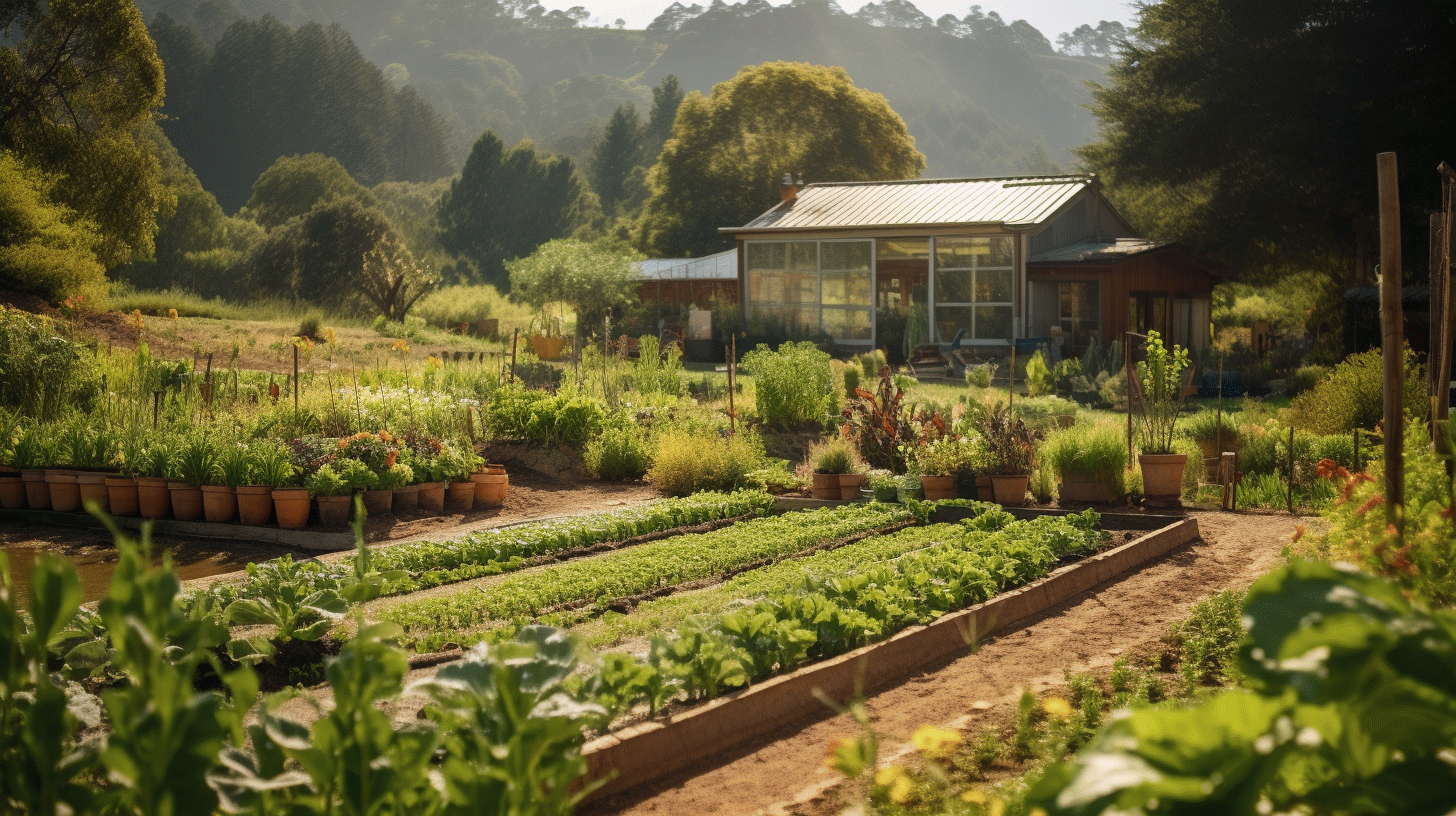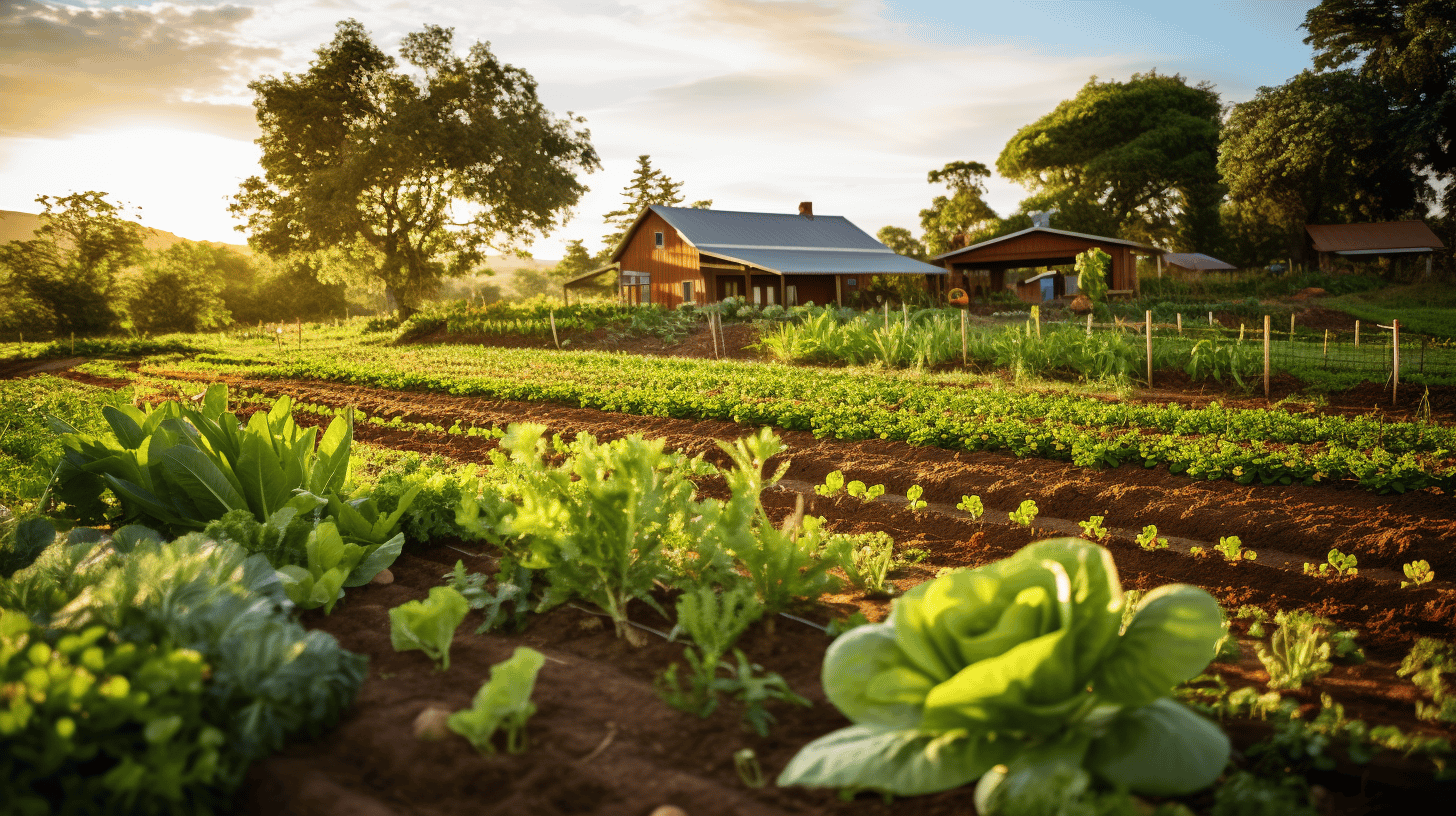
Regenerative agriculture has gained significant attention in recent years as a sustainable farming approach that promotes biodiversity and environmental health. With its focus on restoring soil health, enhancing ecosystem services, and reducing negative environmental impacts, regenerative agriculture offers a promising solution for the challenges facing modern farming practices.
In this article, we will explore the practices and principles of regenerative agriculture and their potential to enhance biodiversity on farms. We will delve into the motivations behind embracing regenerative agriculture and discuss the positive impacts it can have on soil health, biodiversity restoration, farmer profitability, and nutrient pollution reduction. Additionally, we will examine the role of regenerative agriculture in reversing biodiversity loss and its integration into farming practices.
Through a comprehensive analysis of regenerative agriculture, we hope to shed light on the ways in which this approach can contribute to the conservation of biodiversity and provide tangible benefits for farmers worldwide. So let’s dive in and uncover the transformative potential of regenerative agriculture in enhancing biodiversity on farms.
“Regenerative agriculture offers a promising solution for the challenges facing modern farming practices.”
Understanding Regenerative Agriculture
Regenerative agriculture is gaining traction as a promising approach to farming that goes beyond sustainable practices. It focuses on improving soil health, increasing biodiversity, and enhancing the overall ecosystem. In this section, we will explore the motivations behind embracing regenerative agriculture and its vast potentials.
Motivations for Embracing Regenerative Agriculture
One of the primary motivations for farmers to adopt regenerative agriculture is the desire to improve soil health. With conventional farming practices depleting the soil of its nutrients and organic matter, regenerative agriculture offers a viable solution. By implementing practices such as cover cropping, crop rotation, and minimal tillage, farmers allow the soil to regenerate and regain its natural fertility.
Another significant motivation stems from the desire to preserve and enhance biodiversity. Conventional agriculture heavily relies on chemical inputs and monoculture, which can have detrimental effects on local ecosystems. Regenerative agriculture, on the other hand, emphasizes the importance of diverse plant species, providing habitat for beneficial insects, birds, and other wildlife.
Potentials of Regenerative Agriculture
Regenerative agriculture holds tremendous potentials, not only for farmers but also for the environment and society as a whole. Here are some of the key benefits and potentials associated with regenerative agriculture:
- Reduced Greenhouse Gas Emissions: By adopting regenerative practices such as agroforestry and holistic grazing, farmers can sequester more carbon in the soil and reduce greenhouse gas emissions. This plays a crucial role in mitigating climate change.
- Enhanced Biodiversity: Regenerative agriculture promotes the establishment of diverse plant species, which in turn attracts a wide array of wildlife. This enhanced biodiversity not only helps in natural pest control but also contributes to the overall health and resilience of the ecosystem.
- Improved Water Management: Through practices like conservation tillage and water-harvesting techniques, regenerative agriculture can help improve water retention in the soil. This reduces water runoff and soil erosion, thus enhancing water availability for plants and reducing the negative impacts on surrounding water bodies.
- Increased Crop Resilience: By nurturing healthy soils and fostering diverse plant communities, regenerative agriculture enhances the resilience of crops to pest and disease outbreaks. This can lead to reduced dependence on synthetic pesticides and ultimately contribute to more sustainable food production.
- Economic Benefits: While regenerative agriculture may involve a transitional phase for farmers, it has the potential to increase their long-term profitability. By improving soil fertility and reducing input costs, regenerative practices can enhance yields and reduce the need for expensive chemical inputs.
In conclusion, regenerative agriculture offers a holistic and sustainable approach to farming that addresses some of the most pressing environmental and economic challenges. By prioritizing soil health, biodiversity, and ecosystem resilience, farmers can contribute to a more sustainable and resilient agricultural system. The potentials of regenerative agriculture extend beyond the farm, encompassing benefits for the environment, society, and future generations.
Practices in Regenerative Agriculture
Crop Rotation
Crop rotation is a centuries-old technique that involves growing different crops in a particular sequence on a piece of land. Instead of planting the same crop year after year, farmers rotate different types of crops, taking advantage of the unique characteristics of each plant. Here’s how it works:
- Diversifying crops: By growing a variety of crops, farmers can reduce the risk of pests and diseases that target specific plants. Each crop has different nutrient requirements, so the practice of crop rotation helps maintain balanced soil fertility.
- Breaking pest cycles: Certain pests have a preference for specific crops. By rotating crops, farmers disrupt the life cycle of pests, making it harder for them to establish a large population. This can result in reduced pest pressure and decreased reliance on chemical pesticides.
- Enhancing soil health: Different crops have different root structures and nutrient uptake preferences. Growing a variety of crops through rotation can help break up compacted soil, improve soil structure, and increase organic matter content. This leads to better water infiltration, increased soil fertility, and reduced erosion.
Cover Cropping
Cover cropping, also referred to as green manure or living mulch, involves planting crops specifically to cover and protect the soil during periods when cash crops are not growing. Here’s why cover cropping is an essential practice in regenerative agriculture:
- Soil protection: Cover crops act as a protective shield for the soil, preventing erosion caused by wind and water. The plant roots hold the soil together and offer valuable organic matter when they decompose.
- Nutrient cycling: Cover crops take up nutrients from the soil, reducing the risk of leaching and nutrient runoff. When the cover crop is terminated and left to decompose, it releases those nutrients back into the soil, making them available for the subsequent cash crop.
- Weed suppression: Certain cover crops have allelopathic properties, which means they release chemicals that inhibit the growth of weed seeds and seedlings. This can significantly reduce the need for herbicides and manual weeding.
Cover cropping and crop rotation are not only age-old practices but are also backed by scientific research. Studies have shown that these practices create numerous benefits, including increased soil organic matter, improved water infiltration, enhanced biodiversity, and reduced greenhouse gas emissions. By incorporating these regenerative practices into their farming systems, farmers can improve the health and productivity of their land while contributing to a more sustainable and resilient agricultural future.
Impacts of Regenerative Agriculture
Regenerative agriculture is not just a buzzword; it is a transformative approach to farming that has numerous benefits for the environment, farmers, and society as a whole. By implementing regenerative practices, farmers can go beyond sustainability and actively work towards restoring and revitalizing their land. Let’s explore some of the key impacts of regenerative agriculture.
Soil Health and Fertility
One of the primary focuses of regenerative agriculture is improving soil health and fertility. Through practices like cover cropping, crop rotation, and reduced tillage, regenerative farmers can promote the growth of beneficial microorganisms, enhance soil structure, and increase organic matter content. This, in turn, leads to improved soil water holding capacity and nutrient cycling, resulting in healthier and more productive soils.
Regenerative agriculture goes beyond merely sustaining soil health; it actively seeks to regenerate soils that have been degraded by conventional farming practices. By nurturing the living ecosystem within the soil, regenerative farming creates a foundation for long-term agricultural sustainability.
Biodiversity Restoration
Regenerative farming practices provide vital habitat for a wide range of plant and animal species. By incorporating diverse crop rotations, planting hedgerows and windbreaks, and creating on-farm habitats, regenerative farmers support biodiversity and promote the conservation of native flora and fauna.
According to a study published in the journal Nature, regenerative farming methods can increase biodiversity by up to 50% compared to conventional farming practices. This means that regenerative agriculture not only produces food but also creates thriving ecosystems that benefit pollinators, birds, insects, and other wildlife.
Farmer’s Profitability
Contrary to the belief that sustainable farming is expensive and less profitable, regenerative agriculture has been shown to increase the profitability of farms. According to a study conducted by the Rodale Institute, regenerative farms can become up to 60% more profitable after just six years of implementing regenerative practices.
By reducing input costs, such as synthetic fertilizers and pesticides, and improving soil health, regenerative farmers can enhance crop resilience, increase yields, and reduce the risk of crop failure. Moreover, regenerative agriculture often opens up new market opportunities for farmers who prioritize sustainability and environmental stewardship.
Decrease in Nutrient Pollution
Conventional agriculture practices, such as excessive application of chemical fertilizers, can result in the runoff of excess nutrients into water bodies, leading to water pollution and harmful algal blooms. This nutrient pollution has detrimental effects on aquatic ecosystems and can pose risks to human health.
Regenerative agriculture, on the other hand, focuses on building healthy soil ecosystems that naturally retain and cycle nutrients. By minimizing the use of synthetic fertilizers and adopting practices like cover cropping and precision nutrient management, regenerative farmers can significantly reduce nutrient runoff and, consequently, decrease nutrient pollution in water systems.
To sum it all up, regenerative agriculture brings about a multitude of positive impacts. It improves soil health and fertility, restores biodiversity, increases farmer profitability, and reduces nutrient pollution. By adopting regenerative practices, farmers can play a crucial role in addressing environmental challenges, securing their livelihoods, and contributing to a food system that is sustainable for future generations.
Biodiversity Conservation in Regenerative Farming
Introduction
Biodiversity plays a crucial role in our ecosystem, supporting the health and stability of our planet. In recent years, the loss of biodiversity has become a pressing issue, threatening the balance of our natural systems. However, there is hope. Regenerative farming, a sustainable agricultural practice, has emerged as a promising solution to reverse biodiversity loss and restore soil health. This article will delve into the role of biodiversity conservation in regenerative farming and explore how it can be seamlessly integrated into agricultural practices.
Role in Reversing Biodiversity Loss
Regenerative farming focuses on holistic approaches to agriculture that not only aim to produce high-quality crops but also regenerate and protect the environment. By prioritizing soil health, regenerative farming creates an ecosystem that fosters biodiversity and natural resilience. Here are some of the key ways in which biodiversity conservation intersects with regenerative farming:
- Habitat Creation: Regenerative farming practices such as cover cropping, hedgerow planting, and creating buffer zones provide essential habitats for a wide range of plant and animal species. These habitats serve as refuge and nesting grounds for beneficial insects, birds, and mammals, enhancing biodiversity on the farm.
- Pollinator Support: As pollinators play a vital role in plant reproduction, regenerative farmers recognize the importance of attracting and supporting these essential creatures. By planting diverse flowering plants, regenerative farming practices provide food and shelter for pollinators, helping to maintain their populations and promote pollination throughout the ecosystem.
- Natural Pest Control: Biodiversity conservation in regenerative farming promotes the presence of natural predators, such as birds and beneficial insects, which help control pests without the need for harmful chemical interventions. By nurturing a diverse range of species, regenerative farmers can maintain a delicate balance that minimizes the impact of pests on their crops.
- Genetic Diversity: In addition to promoting the diversity of species, regenerative farming also encourages genetic diversity within plant populations. By planting a variety of crops and utilizing heirloom or traditional seed varieties, farmers ensure a greater resilience to diseases, pests, and changing environmental conditions.
Integration Into Practice
Integrating biodiversity conservation into regenerative farming practices is deemed crucial for its long-term success. It is a process that requires careful planning and implementation, but the rewards are substantial. Here’s how regenerative farmers can effectively integrate biodiversity conservation into their agricultural practices:
- Assessment of Landscape: Understanding the unique characteristics of the farm landscape is essential to identify areas where biodiversity conservation efforts can be maximized. By identifying existing habitats, potential corridors, and areas that could benefit from habitat restoration, regenerative farmers can create a comprehensive plan for biodiversity integration.
- Crop Diversification: Incorporating a wide range of crops and plant species that are native or well-adapted to the local environment is an effective way to enhance biodiversity on the farm. Crop diversification not only promotes genetic diversity but also attracts a variety of beneficial insects and supports pollinator populations.
- Conservation Tillage: Minimizing soil disturbance through practices like conservation tillage or no-till farming helps preserve soil structure, organic matter, and microorganisms, which are essential for maintaining healthy ecosystems. This approach also reduces erosion and nutrient runoff, protecting nearby water bodies and aquatic biodiversity.
- Collaboration and Knowledge Sharing: Regenerative farmers can benefit from collaborating with experts, conservation organizations, and fellow farmers. This collaboration facilitates knowledge sharing, practical advice, and innovative strategies for integrating biodiversity conservation into regenerative farming practices.
In conclusion, biodiversity conservation is a fundamental component of regenerative farming. By implementing practices that prioritize habitat creation, pollinator support, natural pest control, and genetic diversity, regenerative farmers can contribute to the restoration of biodiversity while promoting sustainable agriculture. Through thoughtful integration and collaboration, regenerative farming has the potential to not only address the challenges of biodiversity loss but also create a harmonious balance between food production and nature conservation.
Promises of Regenerative Agriculture
Regenerative agriculture has garnered significant attention in recent years for its potential to revolutionize the way we approach agricultural practices. Its core principles, which focus on improving soil health, biodiversity, and ecosystem function, offer a promising avenue for addressing the numerous challenges facing modern agriculture.
Potential in Increasing Agricultural Production
One of the most exciting promises of regenerative agriculture is its potential to increase agricultural production sustainably. By adopting regenerative practices such as cover cropping, crop rotation, and no-till farming, farmers can enhance soil fertility and nutrient cycling. This, in turn, can lead to higher crop yields over the long term.
Research studies have shown that regenerative practices, when implemented correctly, can improve soil structure and water-holding capacity, allowing plants to access nutrients more effectively. This increased nutrient availability can result in healthier plants with enhanced resistance to pests and diseases, resulting in higher crop yields.
Additionally, regenerative practices that promote biodiversity, such as the integration of flowering plants and the creation of wildlife habitats, can contribute to pollination and natural pest control. This reduces the need for synthetic inputs like pesticides and herbicides, making agriculture more environmentally friendly while still maintaining productivity.
Restoration of Degraded Soils
Another significant promise of regenerative agriculture lies in its capacity to restore degraded soils. Traditional agricultural practices, such as intensive tillage and heavy chemical inputs, have contributed to soil erosion, nutrient depletion, and loss of organic matter.
Regenerative practices, on the other hand, focus on building soil health and resilience. By adopting techniques like cover cropping and rotational grazing, farmers can improve soil structure through the accumulation of organic matter and the development of a diverse soil microbiome.
A healthy soil ecosystem not only supports plant growth but also increases the soil’s capacity to retain water, reducing the risk of drought and water stress. The rejuvenation of degraded soils through regenerative agriculture is a valuable asset, especially in regions where arable land is limited and environmental conditions are challenging.
Water Security Enhancement
Water scarcity is a growing global concern, particularly in agriculture, where irrigation accounts for the majority of freshwater usage. Regenerative agriculture offers a promising solution to enhance water security by reducing water demand and improving water-use efficiency.
Through practices like conservation tillage, cover cropping, and mulching, regenerative agriculture helps to conserve soil moisture and reduce water loss through evaporation. These methods increase the infiltration and retention of water in the soil, enhancing the water-holding capacity of agricultural lands.
Simultaneously, regenerative practices that restore and protect riparian zones and wetlands can help mitigate water pollution and reduce nutrient runoff into water bodies, thus contributing to improved water quality.
Regenerative agriculture’s ability to enhance water security while reducing water demand aligns with the goals of sustainable development and can play a crucial role in ensuring the availability of clean water for future generations.
In conclusion, regenerative agriculture holds immense promise in addressing the challenges facing modern agriculture. Its potential to increase agricultural production sustainably, restore degraded soils, and enhance water security is increasingly recognized by farmers, researchers, and policymakers alike. By embracing regenerative practices, we can pave the way for a more resilient and sustainable agricultural system that benefits both the planet and its inhabitants.
Regenerative Agriculture and Specific Crops
Regenerative agriculture is taking the farming world by storm. Not only does it focus on sustainable practices, but it also emphasizes the importance of biodiversity and the specific needs of different crops in different regions. By implementing regenerative agricultural techniques, farmers can cultivate healthier, more resilient crops while also ensuring the long-term health of the environment.
When it comes to specific crops, regenerative agriculture recognizes that each one has unique requirements based on its place and region. By understanding these needs and tailoring farming practices accordingly, farmers can optimize crop yields and enhance resilience to pests, diseases, and climate variations.
So, what does this mean for farmers and the crops they grow? Let’s take a closer look:
- Biodiversity: Regenerative agriculture encourages farmers to diversify their crop selection. Instead of relying solely on monoculture, where a single crop dominates, farmers are encouraged to plant a variety of crops. This diversity not only minimizes the risk of crop failure but also promotes a healthy ecosystem by attracting beneficial insects and improving soil health.
- Crop Rotation: Rotating crops is another important practice in regenerative agriculture. By alternating crops in specific sequences, farmers can break pest and disease cycles, reduce soil erosion, and replenish soil nutrients naturally. For example, leguminous crops like peas and beans can fix nitrogen in the soil, benefiting subsequent crops that require this essential nutrient.
- Cover Crops: Cover crops are crops intentionally planted to cover and protect bare soil during periods when the main crop is not growing. They help suppress weeds, prevent erosion, and improve soil moisture retention. Additionally, certain cover crops like clover or vetch can fix nitrogen, adding fertility to the soil. The choice of cover crops can be tailored to the specific needs of the main crop.
- Adapting to Climate: Regenerative agriculture also allows farmers to adapt their practices to the specific climate conditions of their region. For example, in arid regions, farmers can implement water-conserving techniques like drip irrigation or mulching to preserve soil moisture and minimize water waste. In flood-prone areas, farmers can implement drainage systems and contour planting to prevent soil erosion and waterlogging.
By considering the specific needs of crops, regenerative agriculture promotes a more sustainable and resilient farming system. This approach not only benefits the environment by reducing chemical inputs and conserving natural resources, but it also creates healthier and more robust crops. As a result, farmers can improve their yields, reduce their dependence on external inputs, and contribute to the overall well-being of the ecosystem.
So, whether you’re a farmer looking to improve your farming practices or a consumer interested in supporting sustainable agriculture, regenerative agriculture and its focus on specific crop needs offer a path towards a more resilient and sustainable future.
Regenerative Agriculture and Native Biodiversity
Regenerative agriculture practices have gained recognition for their ability to not only improve soil health but also enhance native biodiversity on farms and ranches. By implementing regenerative techniques, farmers and land managers can create a harmonious environment that supports a wide range of plant and animal species. Let’s explore how regenerative agriculture contributes to native biodiversity and why it is essential for the sustainability of our ecosystems.
In regenerative agriculture, the focus is not solely on maximizing crop yields but also on fostering a balanced ecosystem where native plants and animals can thrive. This approach recognizes the interconnectedness of all living beings and emphasizes the importance of preserving and restoring biodiversity. Here are some ways that regenerative agriculture practices can support native biodiversity:
- Diverse Crop Rotation: Instead of relying on monoculture, regenerative farmers practice diverse crop rotation. This involves growing a variety of crops in a specific sequence, which creates a healthier and more resilient ecosystem. By cultivating different crops with different nutrient requirements, farmers can naturally replenish soil nutrients, reduce pest pressure, and provide food sources for a wide range of native insects and birds.
- Cover Crops and Habitat Creation: Cover crops, such as legumes and grasses, are intentionally grown during fallow periods to protect and enrich the soil. These cover crops not only prevent soil erosion and improve soil structure but also create habitats for beneficial insects, birds, and small mammals. The diverse root systems of cover crops provide food and shelter, supporting the survival of native species.
- Conservation of Natural Areas: Regenerative agriculture practices often involve the conservation and restoration of natural areas within farms and ranches. These areas serve as sanctuaries for native fauna and flora, providing crucial habitats for a wide range of species. By preserving these natural areas, farmers can help support endangered species and contribute to the overall health and resilience of the ecosystem.
- Water Conservation: Regenerative agriculture practices focus on efficient water use, which plays a vital role in maintaining native biodiversity. By implementing strategies such as precision irrigation, water recycling, and soil moisture monitoring, farmers can minimize water wastage and ensure that enough water is available for native plants and animals.
In conclusion, regenerative agriculture practices can have a significant positive impact on native biodiversity. By working with nature rather than against it, regenerative farmers help create diverse and resilient ecosystems on their land. This approach not only benefits the environment but also supports the long-term sustainability of agricultural systems. Embracing regenerative agriculture is a crucial step towards ensuring a thriving future for both agriculture and native biodiversity.
Conclusion
In conclusion, regenerative agriculture is a powerful approach that holds immense potential for transforming our farming systems and restoring ecological balance. By adopting regenerative practices such as crop rotation and cover cropping, farmers can regenerate soil health, increase biodiversity, and enhance their profitability.
Moreover, regenerative agriculture not only benefits farmers but also contributes to important environmental outcomes, including the restoration of degraded soils, the reversal of biodiversity loss, and the enhancement of water security. These practices have the power to provide sustainable solutions to the challenges we face in agriculture today.
By prioritizing regenerative agriculture, we can promote a future where farming and ecology thrive in harmony, ensuring food security and a healthier planet for generations to come.
Join us at Regenerative Agriculture Wiki to explore more about this transformative agricultural approach and learn how you can make a positive impact in your own farming practices or support regenerative farmers.
Discover the potential of regenerative agriculture with us and take part in nurturing the environment while contributing to global food security.
Frequently Asked Questions
- What is regenerative agriculture?
Regenerative agriculture is a set of farming practices that aim to restore and enhance soil health, biodiversity, and ecosystem services. It focuses on improving soil fertility, water retention, and carbon sequestration, using methods such as cover cropping, crop rotation, agroforestry, and minimal tillage.
- How does regenerative agriculture enhance biodiversity on farms?
Regenerative agriculture practices promote biodiversity by creating diverse habitats, increasing plant and animal species, and improving the overall ecosystem balance. This includes planting cover crops, creating hedgerows, preserving native vegetation, and providing habitat for beneficial insects and wildlife.
- What are some common regenerative agriculture practices?
Some common regenerative agriculture practices include cover cropping, crop rotation, no-till or minimal tillage, composting, agroforestry, integrating livestock, and using natural pest control methods. These practices help build healthy soils, reduce erosion, conserve water, and promote biodiversity.
- What are the environmental benefits of regenerative agriculture?
Regenerative agriculture provides numerous environmental benefits, including improved soil health and fertility, increased carbon sequestration, reduced greenhouse gas emissions, enhanced water quality and retention, and preservation of biodiversity. It helps combat climate change and supports sustainable food production.
- Can regenerative agriculture practices be implemented on all types of farms?
Yes, regenerative agriculture practices can be implemented on various types of farms, including small-scale and large-scale operations. They can be adapted to different climates, crop types, and farm sizes, providing benefits for both conventional and organic farming systems.