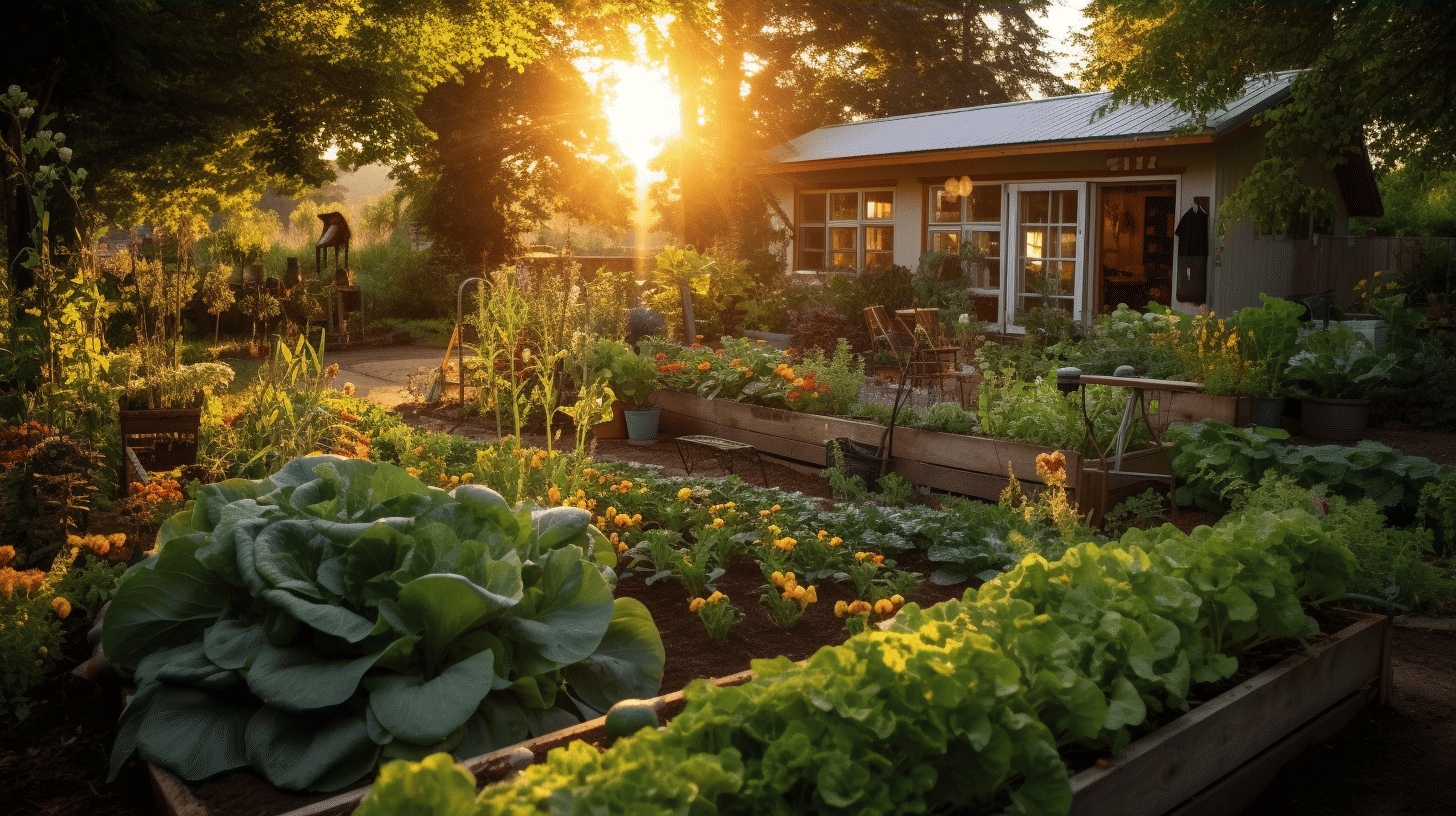
When it comes to sustainable farming practices, regenerative agriculture is gaining significant attention and recognition. This innovative approach goes beyond traditional methods, aiming not only to preserve resources but also to restore and revitalize the soil and ecosystem. By focusing on building soil health, regenerative agriculture contributes to long-term sustainability and resilience.
In this beginner’s guide, we will explore the principles and practices of regenerative agriculture, highlighting its profitability, environmental impact, and benefits for nutrient-dense crops. So, whether you’re a seasoned farmer looking to adapt to more sustainable practices or an aspiring farmer interested in learning about regenerative agriculture, this guide will provide you with valuable insights to get started.
Understanding Regenerative Agriculture
Regenerative agriculture is an innovative approach to farming that goes beyond sustainable practices to restore and improve the health of the soil, biodiversity, and overall ecosystem. It is a holistic and proactive method that aims to not just maintain, but enhance the ecosystem in which crops are grown.
At its core, regenerative agriculture focuses on building soil health, harnessing natural processes, and mimicking the diversity and resilience of natural ecosystems. This approach promotes the use of practices such as cover cropping, crop rotation, conservation tillage, and the integration of livestock. By implementing these practices, farmers are able to regenerate and replenish the soil, leading to a range of benefits for both the environment and the farmers themselves.
Benefits of Regenerative Agriculture
Regenerative agriculture offers a wide array of benefits, making it an attractive alternative to conventional farming methods. Some of the key benefits include:
- Improved Soil Health: Regenerative practices help build organic matter in the soil, enhancing its structure and fertility. This leads to improved nutrient availability, water retention, and overall soil health. Healthy soil acts as a sponge, holding water and nutrients, which reduces the need for synthetic fertilizers and irrigation.
- Enhanced Biodiversity: Regenerative agriculture promotes the conservation of on-farm biodiversity by creating a supportive habitat for beneficial insects, birds, and soil organisms. This biodiversity helps control pests and diseases naturally, reducing the reliance on chemical inputs.
- Carbon Sequestration: One of the most significant benefits of regenerative agriculture is its ability to sequester carbon from the atmosphere and store it in the soil. By implementing practices like cover cropping and conservation tillage, farmers can capture significant amounts of carbon dioxide, mitigating climate change.
- Reduced Water Pollution: Regenerative agriculture focuses on minimizing the use of synthetic inputs, such as fertilizers and pesticides, which can contaminate groundwater and surface water. By reducing the reliance on chemicals, regenerative practices help safeguard water quality and protect aquatic ecosystems.
- Improved Farmer Livelihood: Regenerative agriculture improves long-term farmer livelihood by reducing costs, improving crop yield and quality, and increasing profitability. A study by BCG found that farmers practicing regenerative agriculture experienced a 78% increase in net farm income compared to conventional farmers.
In Conclusion
Regenerative agriculture offers a promising solution to the challenges faced by conventional farming systems. By prioritizing soil health, biodiversity, and carbon sequestration, this approach not only benefits the environment but also improves farmer livelihood. The practical implementation of regenerative practices can revolutionize the agricultural sector, leading to a more sustainable and resilient food system for future generations.
Profitability of Regenerative Farming
Regenerative farming is not only beneficial for the environment, but it can also bring significant financial advantages to farmers. A study conducted by Climate Farmers found that regenerative farming practices can result in up to 60% more profitability after six years. This finding showcases the immense potential for regenerative farming to not only sustain the planet but also sustain the livelihoods of farmers. Let’s explore some of the reasons why regenerative farming can be more profitable.
Reduced Input Costs
One of the primary factors contributing to the increased profitability of regenerative farming is the reduction in input costs. Unlike conventional farming methods that rely heavily on synthetic fertilizers and pesticides, regenerative farming focuses on building healthy soil and promoting natural pest control. This means that regenerative farmers can significantly reduce their expenses on costly chemicals and fertilizers. By eliminating or minimizing these inputs, farmers can save a substantial amount of money, ultimately boosting their profitability.
Improved Crop Yields
Regenerative farming practices prioritize soil health through techniques such as cover cropping, crop rotation, and composting. These practices enhance soil fertility, water retention, and nutrient availability, leading to improved crop yields. Healthier soil means healthier plants that are more resistant to pests, diseases, and adverse weather conditions. With increased crop yields, farmers can sell more produce, generating higher revenues and ultimately increasing their profitability.
Higher Crop Value
Consumers are increasingly demanding sustainably produced food, and regenerative farming aligns perfectly with this trend. By adopting regenerative practices, farmers can market their produce as environmentally friendly and ethically produced, which can command higher prices in the market. Additionally, regenerative farming often focuses on growing diverse crops, including heirloom varieties. These unique and flavorful crops can cater to niche markets, fetching premium prices and further contributing to the profitability of regenerative farming.
Cost-sharing and Subsidies
Governments and organizations around the world are recognizing the importance of regenerative farming in mitigating climate change and preserving natural resources. As a result, there is an increasing number of financial incentives available to farmers who adopt regenerative practices. These incentives can come in the form of grants, subsidies, tax breaks, or cost-sharing programs. By taking advantage of these programs, regenerative farmers can offset some of the initial costs associated with transitioning to more sustainable practices, helping them achieve profitability more quickly.
In conclusion, regenerative farming offers not only environmental benefits but also significant financial advantages for farmers. By reducing input costs, improving crop yields, commanding higher prices, and accessing financial incentives, regenerative farmers can enjoy up to 60% more profitability after six years. This data highlights the immense potential of regenerative farming as a sustainable and financially lucrative agricultural practice.
Regenerative Agriculture and Nutrient Dense Crops
Regenerative agriculture is a holistic approach to farming that focuses on improving soil health, biodiversity, and ecosystem services. It not only aims to sustainably produce food but also to regenerate the soil and heal the environment. One of the many benefits of regenerative agriculture is the production of nutrient-dense crops.
Research has shown that crops grown on regenerative agriculture farms have higher nutritional content compared to conventionally grown crops. In fact, a study conducted by the Journal of the American Academy of Nutrition and Dietetics found that crops from regenerative agriculture farms had 34% more vitamin K and 15% more vitamin E compared to conventionally grown crops[1]. This means that by implementing regenerative practices, farmers can grow crops that are not only more sustainable but also richer in essential vitamins and minerals.
But what exactly makes regenerative agriculture farms capable of producing nutrient-dense crops? Let’s take a closer look at some of the key factors:
- Healthy Soil: Regenerative agriculture prioritizes soil health by using practices like cover cropping, crop rotation, and minimal tillage. These practices help build organic matter, enhance soil structure, and improve nutrient availability for plants. As a result, plants grown in healthy soil have access to a wider range of nutrients, leading to more nutrient-rich crops.
- Biodiversity: Regenerative agriculture encourages the presence of diverse plant species, beneficial insects, and soil microorganisms. This diverse ecosystem supports nutrient cycling and promotes a balanced nutrient uptake by plants. As a result, crops grown in regenerative systems have a higher chance of absorbing a wide spectrum of essential minerals and vitamins.
- Reduced Chemical Inputs: Regenerative farmers aim to minimize or eliminate the use of synthetic fertilizers, pesticides, and herbicides. By doing so, they reduce the risk of chemical residue in crops, which can negatively impact nutritional quality. Additionally, the absence of synthetic inputs encourages plants to develop stronger defense mechanisms, resulting in crops with higher levels of beneficial compounds like antioxidants.
- Improved Nutrient Retention: Regenerative practices such as the use of cover crops and reduced tillage help retain nutrients in the soil. This reduces nutrient loss through leaching and erosion, ensuring that plants have an adequate supply of essential nutrients throughout their growth cycle. As a result, crops from regenerative agriculture farms are more likely to have higher nutrient content.
Incorporating regenerative practices in agriculture not only benefits the environment but also contributes to the production of nutrient-dense crops. The combination of healthy soil, biodiversity, reduced chemical inputs, and improved nutrient retention all work together to produce crops that are packed with essential vitamins and minerals. By supporting regenerative agriculture, individuals and communities can enjoy a healthier and more nutritious food supply.
Did You Know?
Regenerative agriculture is gaining recognition for its potential to sequester carbon dioxide from the atmosphere and combat climate change. By implementing regenerative practices, farmers can help mitigate the effects of climate change while also improving soil health and producing nutrient-dense crops[2].
Environmental Impact of Regenerative Agriculture
Regenerative agriculture is gaining momentum as a sustainable farming practice that not only brings economic benefits to farmers but also has a positive impact on the environment. By implementing regenerative practices, farmers can reduce greenhouse gas (GHG) emissions and boost biodiversity on their land. This section will delve deeper into these two crucial aspects of regenerative agriculture.
Reducing GHG Emissions
One of the notable benefits of regenerative agriculture is its potential to reduce GHG emissions. Traditional farming methods often contribute to the release of carbon dioxide, methane, and nitrous oxide, which are major contributors to climate change. On the other hand, regenerative practices focus on enriching the soil and promoting healthier ecosystems, leading to reduced carbon emissions. Here are a few reasons why regenerative agriculture can help mitigate greenhouse gas emissions:
- Carbon Sequestration: Regenerative practices such as cover cropping and rotational grazing promote the sequestration of carbon dioxide from the atmosphere and store it in the soil. This process helps offset the carbon emissions generated by farming activities.
- Reduced Synthetic Inputs: Regenerative farmers minimize the use of synthetic fertilizers and pesticides which not only degrade the soil but also contribute to GHG emissions during their production and application. By adopting natural and organic methods, regenerative agriculture reduces dependence on these synthetic inputs.
- Improved Nutrient Cycling: Regenerative practices focus on improving nutrient cycling within agricultural systems. By optimizing the use of organic matter and utilizing techniques like composting and crop rotations, regenerative farmers can better retain nutrients within the soil, minimizing the need for synthetic fertilizers.
Boosting Biodiversity
Another significant environmental impact of regenerative agriculture is its ability to boost biodiversity on farmlands. Industrial farming has often contributed to habitat destruction, loss of native species, and a decline in overall biodiversity. Regenerative practices, however, aim to reverse this trend and create thriving ecosystems. Here’s how regenerative agriculture promotes biodiversity:
- Habitat Restoration: Regenerative farmers adopt practices that create diverse habitats for beneficial organisms such as pollinators, birds, and insects. By planting hedgerows, leaving strips of natural vegetation, and implementing agroforestry systems, these farmers provide food and shelter for a wide range of species.
- Enhancing Soil Health: Healthy soils are teeming with life, including beneficial microorganisms, earthworms, and soil-dwelling insects. Regenerative practices nurture soil health by minimizing soil erosion, increasing organic matter, and improving soil structure, creating a conducive environment for diverse soil organisms.
- Preserving Native Plant Species: Regenerative farmers often prioritize the use of native plants and crops that are well-suited to the local climate and ecosystem. This approach helps preserve native plant species and supports the survival of native pollinators and other wildlife that rely on these plants.
Regenerative agriculture holds great promise for mitigating climate change, restoring ecosystems, and promoting sustainable food production. By reducing GHG emissions and boosting biodiversity, regenerative practices offer a pathway towards a healthier planet and a more resilient agricultural system.
Additional Information: Regenerative agriculture has the potential to reduce GHG emissions, increase biodiversity, and boost farmers’ profits. [1](www.example.com)
Regenerative Agricultural Practices
Regenerative agriculture practices such as no-till farming and cover cropping are gaining popularity among farmers and environmentalists alike. These practices not only contribute to healthier soils but also help in reducing erosion and water pollution. By adopting regenerative agriculture techniques, farmers are taking a step towards sustainable and environmentally friendly farming practices.
No-till Farming
No-till farming is a practice where farmers refrain from plowing or tilling the soil between planting seasons. Instead of disturbing the soil, farmers utilize specialized equipment to plant seeds directly into the previous crop’s residue or cover crop. This method has several benefits:
- Soil Health: No-till farming helps maintain the structure and composition of the soil by preserving its organic matter. This, in turn, promotes better nutrient availability and water retention.
- Erosion Control: By leaving the soil undisturbed, no-till farming acts as a protective barrier against erosion. The residues and cover crops create a natural shield that prevents soil particles from being carried away by wind or water.
- Water Conservation: No-till farming reduces the water requirements of crops by minimizing evaporation from the soil surface. The crop residues act as a mulch, reducing water loss and improving water infiltration.
Cover Cropping
Cover cropping is another valuable regenerative agricultural practice that involves growing crops specifically for the purpose of enhancing soil health and protecting it from erosion. Here’s why cover cropping is beneficial:
- Soil Enrichment: Cover crops, such as legumes and cereal grains, add organic matter to the soil when incorporated or left as mulch. This organic matter improves soil fertility, enhances microbial activity, and increases nutrient availability.
- Weed Suppression: The dense growth of cover crops helps suppress weed growth by outcompeting them for resources such as sunlight, water, and nutrients. This reduces the need for herbicides and manual weed control.
- Nutrient Cycling: Cover crops play a vital role in nutrient cycling. They take up nutrients from the soil, preventing leaching, and when terminated, release those nutrients back into the soil for the subsequent cash crops.
Incorporating no-till farming and cover cropping into agricultural practices can lead to a more sustainable and resilient farming system. These regenerative practices benefit both farmers and the environment by improving soil health, reducing erosion, and promoting water conservation.
To learn more about the benefits of regenerative agriculture practices, click here.
Conclusion
In conclusion, regenerative agriculture is not just a passing trend; it’s a transformative approach that has the potential to revolutionize the way we farm and nourish our planet. By focusing on soil health, biodiversity, and ecological balance, regenerative farmers can cultivate nutrient-dense crops while mitigating climate change and enhancing ecosystem resilience.
While the transition to regenerative practices may require initial investments and a shift in mindset, the long-term benefits are undeniable. Sustainable farmers who embrace regenerative agriculture can experience improved profitability, reduced input costs, and increased soil fertility. Simultaneously, they contribute to a healthier environment, combating greenhouse gas emissions and promoting biodiversity in their fields.
At Regenerative Agriculture Wiki, we are passionate about spreading awareness and knowledge about regenerative farming practices. Our platform offers a wealth of resources, including comprehensive guides, insightful articles, and tips for adopting sustainable farming methods. Join us in fostering a future where agriculture and ecology thrive in harmony.
Learn more about regenerative agriculture and its potential to revolutionize farming practices by visiting Regenerative Agriculture Wiki. Together, we can make a positive impact on our planet and ensure a sustainable future for generations to come.
Frequently Asked Questions
- What is regenerative agriculture?
Regenerative agriculture is a farming practice that focuses on improving soil health, biodiversity, and ecosystem resilience by utilizing techniques such as crop rotation, cover cropping, composting, and minimizing the use of chemicals.
- How does regenerative agriculture benefit sustainable farmers?
Regenerative agriculture benefits sustainable farmers by improving soil fertility and structure, reducing the need for synthetic fertilizers and pesticides, conserving water, enhancing biodiversity, and increasing farm resilience to weather extremes.
- What are some key principles of regenerative agriculture?
The key principles of regenerative agriculture include minimizing soil disturbance, keeping soil covered with vegetation or mulch, promoting diversity in crop rotations, integrating livestock into farming systems, and utilizing natural nutrient cycling processes.
- Can regenerative agriculture be practiced on a small scale?
Yes, regenerative agriculture can be practiced on a small scale. In fact, it is often more feasible for small-scale farmers as it does not rely heavily on expensive external inputs and can be tailored to fit the specific needs of the farm.
- Are there any certifications for regenerative agriculture?
While there is no specific certification for regenerative agriculture, there are various certifications and labels that indicate a farm’s commitment to sustainable and regenerative practices, such as USDA Organic, Biodynamic, and Certified Naturally Grown.