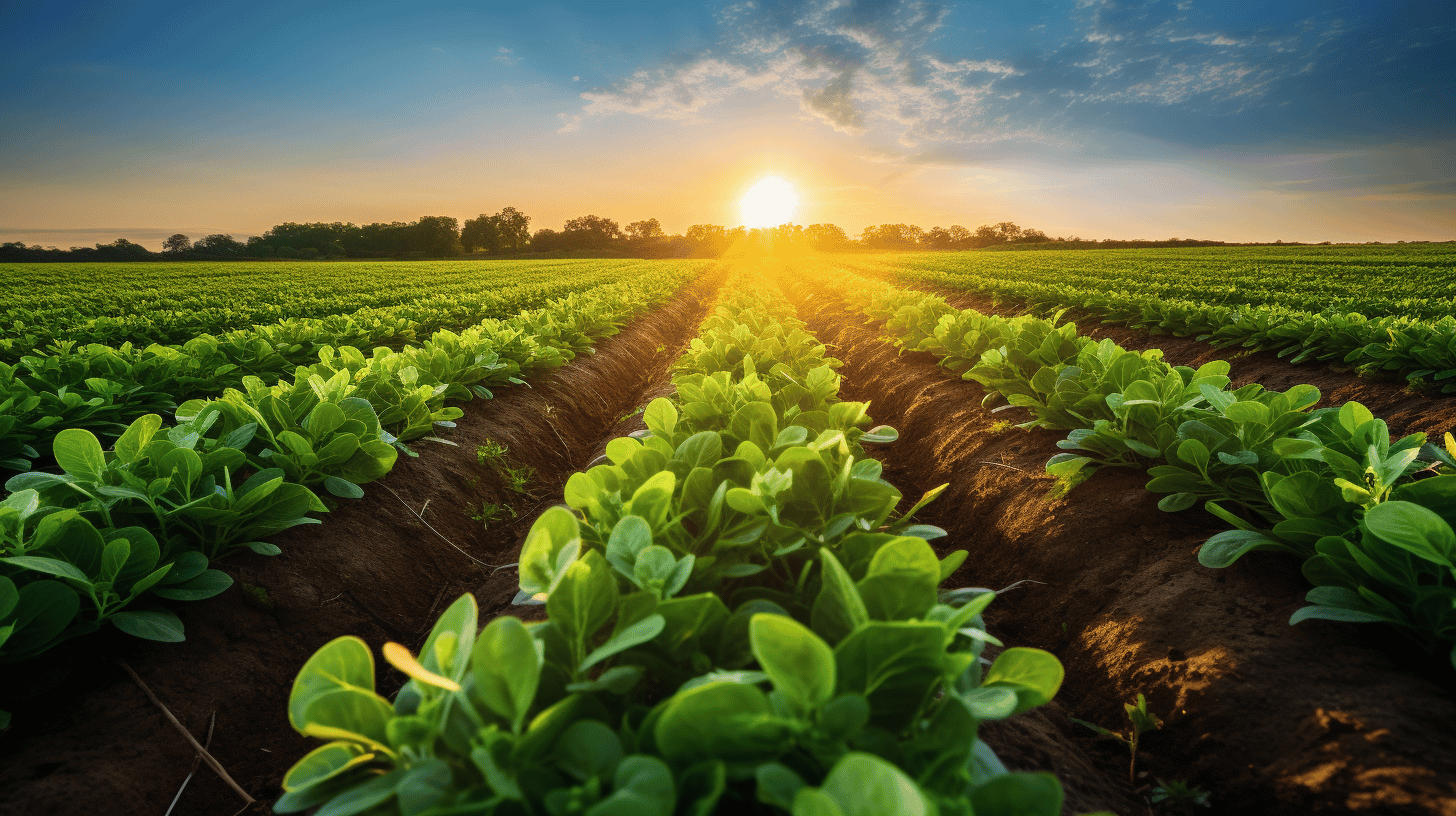
In today’s rapidly changing world, the need for sustainable and environmentally friendly practices has become more important than ever. One approach gaining traction is regenerative farming. Regenerative farming goes beyond traditional agriculture by focusing on restoring and enhancing the health of ecosystems while minimizing negative impacts on the environment.
From improving soil health to mitigating climate change and preserving biodiversity, regenerative farming offers a holistic and forward-thinking approach to food production. By understanding and implementing regenerative farming principles, farmers and gardeners can create a more sustainable and resilient future.
In this article, we will delve into the world of regenerative farming, exploring its definition, principles, and the crucial differences between regenerative and conventional farming methods. We will also discuss the nutrient composition of food from regenerative farms and the environmental impact of this innovative approach. Finally, we will explore the numerous benefits of regenerative farming and how individuals can incorporate it into their backyard gardens or commercial agriculture practices.
So, whether you’re a farmer, gardener, or simply someone interested in sustainable practices, join us on this journey to discover the power of regenerative farming and its potential to transform our agricultural systems for the better.
Understanding Regenerative Farming
Regenerative farming is gaining attention as a sustainable and environmentally-friendly approach to agriculture. In this article, we will delve deeper into regenerative farming, exploring its principles, comparing it to conventional farming, and understanding its importance in today’s agricultural landscape. So, let’s jump right in!
Definition and Principles
Regenerative farming is an agricultural practice that aims to restore and improve the health of the soil, increase biodiversity, and promote carbon sequestration. It goes beyond sustainable farming by actively working to regenerate ecosystems and create a healthier environment for plants, animals, and humans alike.
The principles of regenerative farming focus on enhancing soil health, capturing and using water efficiently, promoting biodiversity, and minimizing the use of synthetic inputs. Let’s take a closer look at these principles:
- Soil Health: Regenerative farming prioritizes building and maintaining healthy soil. This involves practices such as minimizing or eliminating tillage, using cover crops to protect the soil, and adding organic matter to improve soil structure and fertility.
- Water Management: Efficient water management is crucial in regenerative farming. Techniques like contouring, mulching, and installing water catchment systems help to retain moisture in the soil, reduce erosion, and prevent water runoff.
- Biodiversity: Regenerative farmers understand the importance of biodiversity in creating resilient agricultural ecosystems. They encourage wildlife habitats, plant diverse crops and cover crops, and avoid monocultures to promote a balanced and thriving ecosystem.
- Reduced Chemical Inputs: In regenerative farming, the use of synthetic inputs like chemical fertilizers and pesticides is minimized. Instead, organic and natural alternatives are utilized to maintain the overall health and balance of the farm ecosystem.
Differences between Regenerative and Conventional Farming
Now that we have a better understanding of regenerative farming, let’s compare it to conventional farming to highlight the key differences:
| Regenerative Farming | Conventional Farming | |
|---|---|---|
| Soil Health | Focuses on building and improving soil health | Relies on chemical inputs to maintain soil fertility |
| Biodiversity | Promotes biodiversity and encourages wildlife habitats | Often leads to monoculture farming, reducing biodiversity |
| Water Management | Emphasizes water conservation and efficient usage | May result in water pollution from agrochemical runoff |
| Synthetic Inputs | Minimizes the use of synthetic inputs | Relies heavily on synthetic fertilizers and pesticides |
By adopting regenerative farming practices, farmers can experience a range of benefits, not only for the environment but also for their livelihoods. Some of these benefits include:
- Increased profitability: A study by BCG found that regenerative farming can be up to 60% more profitable than conventional farming practices [1].
- Healthier crops and improved yields: While regenerative farms may yield 29% lower grain production compared to conventional farms, the quality and nutritional value of the crops are often superior [2].
- Carbon sequestration and climate change mitigation: Regenerative farming has the potential to sequester carbon in the soil, helping to mitigate climate change by reducing greenhouse gas emissions.
Importance of Regenerative Farming
Regenerative farming plays a crucial role in addressing the challenges faced by modern agriculture. Here are a few reasons why regenerative farming is important:
- Environmental Sustainability: By prioritizing soil health, biodiversity, and water management, regenerative farming helps to reduce soil erosion, minimize pollution, and protect natural resources.
- Resilience to Climate Change: Regenerative farming practices improve the soil’s ability to retain water and withstand extreme weather conditions, making farms more resilient to the impacts of climate change.
- Food Security: With a growing global population and increasing pressure on agricultural resources, regenerative farming offers a sustainable solution to meet the world’s need for food production.
In conclusion, regenerative farming offers a holistic approach to agriculture that goes beyond mere sustainability. By focusing on soil health, biodiversity, water management, and reduced chemical inputs, regenerative farming has the potential to transform our agricultural systems towards a more sustainable and resilient future.
Read more about sustainable farming practices here
Nutrient Composition of Food from Regenerative Farms
When it comes to the nutrient composition of food, the type of farming practices used can have a significant impact. One such farming approach that has gained attention in recent years is regenerative farming. Regenerative farms focus on restoring and improving the health of the soil, which in turn can have positive effects on the quality and quantity of nutrients in the food produced.
Nutrient Content Comparison
To understand the benefits of regenerative farming on nutrient composition, it is important to compare the nutrient content of food from regenerative farms with that of conventional farms. Several studies have explored this topic and have found some intriguing findings. Here are a few key points to consider:
- Higher nutrient density: Food from regenerative practices has been found to contain higher contents of certain nutrients. This can be attributed to the healthy soil ecosystem that regenerative farms foster, allowing plants to uptake a wide range of nutrients and minerals.
- More vitamins: One study comparing crops from regenerative agriculture farms to those from conventional farms found that regeneratively grown crops had significantly higher levels of vitamin K and E. These vitamins play important roles in supporting immune function, bone health, and antioxidant protection.
It’s worth noting that nutrient composition can vary depending on specific factors such as soil quality, farming practices, and crop selection. However, overall, the evidence suggests that food from regenerative farms holds promise for greater nutrient density and diversity.
Impact of Soil Health on Nutrient Quality
One of the primary reasons why food from regenerative farms tends to have higher nutrient composition is the emphasis on soil health. Regenerative farming practices focus on improving soil fertility and promoting beneficial microbial activity, which directly impacts the nutrient quality of the crops. Here are a few ways in which soil health affects nutrient composition:
- Enhanced nutrient availability: Regenerative practices, such as cover cropping and crop rotation, help improve soil structure and increase the availability of nutrients for plants. This allows crops to access a broader range of essential minerals and trace elements, resulting in a more nutrient-rich end product.
- Increased nutrient uptake: A healthy soil ecosystem provides plants with a balanced supply of nutrients, enabling them to uptake and utilize these nutrients more efficiently. This can lead to higher nutrient content in the harvested crops.
By prioritizing the health of the soil, regenerative farming practices create an environment where plants can thrive and maximize their nutrient intake. As a result, the food produced can provide a richer array of essential vitamins, minerals, and antioxidants.
In conclusion, food from regenerative farms offers a promising alternative for individuals seeking nutrient-dense and high-quality produce. By focusing on soil health and implementing regenerative farming practices, farmers can cultivate crops that are not only environmentally sustainable but also nutritionally superior. This knowledge can empower consumers to make informed choices about the food they consume and support regenerative farming practices for a healthier future.
Environmental Impact of Regenerative Farming
Regenerative farming is gaining popularity as a sustainable agricultural practice that focuses on maximizing soil health and minimizing environmental impact. By implementing regenerative farming techniques, farmers can not only improve the productivity and profitability of their land but also contribute to crucial environmental goals, such as mitigating climate change and supporting biodiversity.
Climate Change Mitigation
One of the most significant environmental benefits of regenerative farming is its potential to mitigate climate change. How does it work? By sequestering carbon dioxide from the atmosphere and storing it in the soil. Through practices like cover cropping, crop rotation, and the use of organic matter, regenerative farming helps build up the organic carbon content in the soil, effectively locking away carbon dioxide.
According to recent studies[1], regenerative farming has the potential to sequester significant amounts of carbon. In fact, farms with regenerative practices were found to be 78% more profitable compared to conventional farms[2]. This proves that regenerative agriculture not only addresses global sustainability challenges but also provides economic benefits for farmers.
Reduced Need for Pesticides and Artificial Fertilizers
Another substantial environmental benefit of regenerative farming is the reduced need for pesticides and artificial fertilizers. By promoting healthy soil biology, regenerative practices help farmers rely less on chemical inputs that can harm the environment. Here’s how it works:
- Enhanced Soil Health: Regenerative farming focuses on building up the organic matter in the soil, which improves its structure, water-holding capacity, and nutrient availability. Healthy soils can support robust plant growth, leading to plants that are more resilient to pests and diseases.
- Crop Rotation: Rotating crops helps reduce pest and disease pressure, as different crops attract different pests and pathogens. By avoiding mono-cropping, regenerative farming minimizes the need for chemical pesticides.
- Natural Pest Management: Regenerative farmers often use integrated pest management techniques, such as attracting beneficial insects or using natural predators to control pests. This approach reduces the reliance on synthetic pesticides.
By reducing the use of pesticides and artificial fertilizers, regenerative farming helps prevent chemical runoff into waterways and protects the health of ecosystems.
Ecosystem and Biodiversity Support
Regenerative farming practices focus on creating diverse and resilient ecosystems, which in turn support greater biodiversity. Here’s how regenerative farming contributes to ecosystem and biodiversity support:
- Habitat Restoration: By implementing practices like hedgerows, cover crops, and field borders, regenerative farmers create additional habitat for beneficial insects, birds, and other wildlife. These habitats help support biodiversity and promote natural pest control.
- Water Management: Regenerative farming techniques, such as contour plowing and the use of cover crops, help reduce soil erosion and improve water infiltration. This not only benefits soil health but also supports aquatic ecosystems by preventing sedimentation in water bodies.
- Preserving Native Species: By providing diverse habitats, regenerative farming practices help preserve and support native plant and animal species. This plays a crucial role in maintaining healthy ecosystems and contributing to overall biodiversity.
In conclusion, regenerative farming practices offer a promising solution to address global sustainability challenges and provide a range of environmental benefits. By sequestering carbon, reducing the need for pesticides and artificial fertilizers, and supporting ecosystem and biodiversity, regenerative farming can play a significant role in building a more sustainable and resilient agricultural system.
[1] Regenerative farming can sequester carbon in soil
[2] Farms with regenerative practices found to be 78% more profitable
Benefits of Regenerative Farming
Regenerative farming is an innovative approach to agriculture that focuses on improving soil health and promoting environmental sustainability. This farming practice goes beyond traditional methods by implementing techniques that regenerate and restore ecosystems, leading to a range of benefits. Let’s explore some of the key advantages of regenerative farming.
Improved Topsoil
One of the primary benefits of regenerative farming is the improvement of topsoil. Conventional farming methods often lead to the degradation of soil quality through erosion, nutrient depletion, and compaction. In contrast, regenerative farming practices, such as cover cropping and crop rotation, help to build and maintain healthy topsoil. This is achieved by:
- Increasing organic matter content in the soil
- Enhancing soil structure and aeration
- Boosting microbial activity and biodiversity
By prioritizing soil health, regenerative farmers are able to create an environment that is conducive to strong plant growth and resilience.
Reduction in Emissions and Increase Biodiversity
Regenerative farming also offers significant benefits in terms of reducing greenhouse gas emissions and enhancing biodiversity. As regenerative farmers focus on improving soil health, they naturally sequester carbon dioxide from the atmosphere. In fact, healthy soils can store significant amounts of carbon, contributing to climate change mitigation efforts.
Additionally, regenerative farming practices support the preservation and development of biodiversity. By avoiding the use of synthetic fertilizers and pesticides, regenerative farmers create a more balanced ecosystem. This allows for the return of beneficial insects, birds, and other wildlife that play crucial roles in maintaining a healthy and productive farm.
Adaptation to Climatic Variability
As our climate continues to change, the ability to adapt to climatic variability is becoming increasingly important for farmers. Regenerative farming offers several strategies to help mitigate the impacts of extreme weather events and unpredictable growing conditions. Some of these strategies include:
- Diverse crop rotations that increase resilience to pests, diseases, and weather fluctuations
- Improved water management techniques, such as water conservation and efficient irrigation systems
- Incorporation of agroforestry practices to provide shade, windbreaks, and additional nutrient sources for crops
By implementing these strategies, regenerative farmers can minimize the risks associated with climate variability and maintain a stable and productive farming system.
Enhanced Resilience to Climate Change
In addition to adaptation, regenerative farming also plays a critical role in enhancing overall resilience to climate change. The practices associated with regenerative farming, such as minimal tillage and diverse cropping systems, contribute to:
- Improved water infiltration and retention, reducing the risk of drought
- Protection against soil erosion and nutrient runoff during heavy rainfall events
- Greater stability and productivity of agricultural systems in the face of changing climate patterns
By building resilience through regenerative farming, farmers are better equipped to withstand the challenges posed by a changing climate.
Reduced Erosion
Soil erosion is a serious issue in conventional farming, leading to the loss of fertile topsoil and water pollution. Regenerative farming practices offer effective solutions to mitigate erosion and protect soil health. By implementing techniques such as contour plowing, windbreaks, and cover cropping, regenerative farmers can:
- Prevent soil loss caused by wind and water erosion
- Improve water infiltration and reduce runoff
- Retain valuable nutrients in the soil, minimizing the need for synthetic fertilizers
Through these practices, regenerative farming not only safeguards the integrity of the land but also contributes to long-term sustainability and productivity.
Improved Water Management
Water scarcity is a pressing concern in many regions, making efficient water management an essential aspect of sustainable agriculture. Regenerative farming practices prioritize water conservation and sustainable irrigation methods, benefiting both the farm and the environment. These practices can include:
- Installation of soil moisture sensors for precise irrigation scheduling
- Utilization of cover crops to reduce evaporation and increase water infiltration
- Implementation of agroforestry systems to trap moisture and enhance groundwater recharge
By improving water management, regenerative farming reduces reliance on scarce water resources and helps to ensure a more sustainable future for agriculture.
In conclusion, regenerative farming offers a multitude of benefits that go beyond traditional agricultural practices. By improving topsoil health, reducing emissions, increasing biodiversity, and enhancing resilience to climate change, regenerative farmers are paving the way for a more sustainable and environmentally-friendly future. Through practices like reduced erosion and improved water management, regenerative farming also addresses critical issues facing our planet today. Embracing regenerative farming practices not only benefits individual farmers but also contributes to the long-term well-being of our ecosystems and the global community as a whole.
Regenerative Agriculture as a Strategy
Regenerative agriculture is gaining traction as a powerful strategy to restore and enhance the health of our planet’s ecosystems. This holistic approach focuses on building healthy soil, promoting biodiversity, and reducing reliance on synthetic inputs. But did you know that regenerative farming techniques can be implemented not only in large-scale commercial agriculture but also in backyard gardens?
In Backyard Gardens
Backyard gardens serve as a perfect starting point for individuals who want to embrace regenerative practices. By implementing regenerative techniques, you can create a flourishing ecosystem in your own backyard while enjoying the numerous benefits it brings. Here are a few reasons why regenerative agriculture is a game-changer for backyard gardens:
- Soil health: Regenerative practices, such as cover cropping and composting, nourish and replenish the soil, resulting in richer, more fertile ground for your plants to thrive. Healthy soil is the foundation for the success of any garden.
- Biodiversity: By planting a diverse range of crops and flowers, you attract beneficial insects, birds, and pollinators, creating a vibrant and balanced ecosystem. This helps control pests naturally and encourages the growth of native species.
- Water conservation: Regenerative practices like mulching and water-harvesting techniques help conserve water by reducing evaporation and improving soil water retention. This is especially crucial in regions where water scarcity is a concern.
- Carbon sequestration: Did you know that healthy soil acts as a carbon sink, helping to mitigate climate change? Through regenerative practices like no-till gardening and incorporating organic matter into the soil, you can increase carbon sequestration in your backyard and contribute to a more sustainable future.
In Commercial Agriculture
Regenerative agriculture is not limited to backyard gardens; it also provides practical guidance for designing and managing profitable small farms. Here’s how regenerative agriculture is transforming the commercial agriculture industry:
- Enhanced soil fertility: By promoting practices like crop rotation, agroforestry, and managed grazing, regenerative agriculture improves soil fertility over time. This reduces the need for chemical fertilizers, which not only saves costs but also minimizes environmental impacts.
- Increased resilience: Regenerative practices build healthy ecosystems that can withstand and recover from challenges such as extreme weather events and pests. This reduces the risk of crop failure and provides farmers with a more stable and resilient farming system.
- Improved profitability: While adopting regenerative practices may require an initial investment, the long-term benefits can significantly improve the profitability of commercial farms. Increased soil health leads to higher crop yields, reduced input costs, and potentially higher market prices for sustainably produced food.
- Environmental stewardship: Regenerative agriculture focuses on promoting biodiversity, conserving water, and reducing greenhouse gas emissions. By adopting these practices, commercial farms can contribute to a more sustainable and environmentally friendly food production system.
In conclusion, regenerative agriculture is not just a trend; it is a powerful strategy for transforming our food systems and healing our planet. Whether you have a small backyard garden or manage a large commercial farm, implementing regenerative practices can bring numerous benefits, including healthier ecosystems, increased yields, and improved profitability. So, why not join the regenerative agriculture movement and play your part in creating a more sustainable future?
Planning for Regenerative Farming
Regenerative farming is an innovative and sustainable approach to agriculture that focuses on restoring and revitalizing the health of the soil and ecosystem. It goes beyond conventional farming practices by working with nature rather than against it. To embark on a successful journey toward regenerative farming, effective planning is key. In this section, we will explore the importance of effective communication, setting goals and priorities, and fostering robust soil health and biodiversity.
Effective Communication
Communication serves as the foundation for any successful endeavor, and regenerative farming is no exception. In regenerative farming, effective communication is critical for building strong relationships within the farming community, engaging with consumers, and collaborating with experts in the field. Here are a few key points to consider when it comes to communication:
- Foster knowledge-sharing: Connect with other farmers, researchers, and agricultural organizations to exchange ideas and gain insights. Joining local farming networks or attending workshops and conferences can provide valuable opportunities for learning and growth.
- Engage with consumers: Educate consumers about the benefits of regenerative farming practices and the environmental impact of conventional farming. Transparent communication about your farming methods and the positive outcomes of your regenerative practices can build trust and loyalty among consumers.
- Collaborate with experts: Seek guidance from agronomists, soil scientists, and environmentalists who specialize in regenerative farming. Their expertise can provide valuable insights and help you adapt your farming practices to achieve optimal results.
Setting Goals and Priorities
Setting clear goals and priorities is essential for guiding your journey towards regenerative farming. These goals will help you stay focused and measure your progress along the way. Here are some key steps to consider when setting your goals and priorities:
- Assess your current farming practices: Evaluate your existing farming methods and identify areas where you can incorporate regenerative practices. This assessment will help you understand the scope of changes needed and set realistic goals.
- Identify your priorities: Determine which aspects of regenerative farming are most important to you. Is it soil health, biodiversity, carbon sequestration, or water conservation? By prioritizing specific goals, you can allocate your time, resources, and efforts effectively.
- Set measurable targets: Create specific, measurable, achievable, relevant, and time-bound (SMART) targets that align with your priorities. For example, you might aim to increase soil organic matter by a certain percentage within a specified timeframe or implement cover cropping on a certain percentage of your land.
Robust Soil Health and Biodiversity
Central to the concept of regenerative farming is the focus on nurturing robust soil health and promoting biodiversity. Here’s why these elements are crucial for a sustainable and thriving farm ecosystem:
- Soil health: Healthy soil is the backbone of a successful farm. It provides essential nutrients for crops, absorbs and retains water, regulates temperature, and supports beneficial soil organisms. By implementing practices such as cover cropping, crop rotation, and minimal tillage, you can improve soil structure and fertility, reduce erosion, and enhance nutrient cycling.
- Biodiversity: Encouraging biodiversity on your farm can have numerous benefits. Diverse plant and animal species contribute to pollination, pest control, and nutrient recycling. Incorporating features like hedgerows, wildlife corridors, and native plantings can create habitats for beneficial insects and wildlife, enhancing the overall resilience and ecological balance of your farm.
In conclusion, effective communication, goal setting, and a focus on robust soil health and biodiversity are vital components of a successful plan for regenerative farming. By implementing these strategies, farmers can not only improve their productivity and profitability but also contribute to a more sustainable and resilient food system.
Conclusion
In conclusion, regenerative farming offers a holistic and sustainable approach to agriculture that benefits both the environment and those who rely on its produce. By implementing regenerative practices, farmers can improve soil health, enhance nutrient composition in their crops, mitigate climate change, and support biodiversity. Through effective communication, setting clear goals and priorities, and nurturing robust soil health and biodiversity, farmers can pave the way for a regenerative farming plan that yields long-term benefits.
At Regenerative Agriculture Wiki, we are dedicated to sharing knowledge and resources on regenerative farming. Explore our platform to learn more about the principles and practices of regenerative agriculture and discover how you can contribute to a future where agriculture and ecology thrive in harmony.
Monetize:
If you’re interested in implementing regenerative farming on your own land, consider investing in our comprehensive guidebook, “The Regenerative Farming Handbook.” This handbook offers in-depth insights, step-by-step instructions, and practical tips to help you develop and execute a successful regenerative farming plan. Start your journey towards sustainable and regenerative agriculture today. Check out “The Regenerative Farming Handbook” here.
Frequently Asked Questions
- What is regenerative farming?
Regenerative farming is a holistic approach to agriculture that aims to enhance the health and vitality of the soil, improve biodiversity, and promote sustainable farming practices. It focuses on building organic matter in the soil, reducing chemical inputs, and restoring ecological balance.
- Why is goal setting important in regenerative farming?
Goal setting is important in regenerative farming as it helps farmers define their objectives, identify priorities, and track progress. It allows farmers to have a clear roadmap for implementing regenerative practices and measuring the impact of their efforts.
- What should be considered when setting goals for a regenerative farming plan?
When setting goals for a regenerative farming plan, consider factors such as improving soil health, increasing biodiversity, reducing synthetic inputs, enhancing water management, promoting carbon sequestration, and establishing sustainable crop rotation and cover cropping practices.
- How can I prioritize my goals in a regenerative farming plan?
Prioritize your goals in a regenerative farming plan by assessing the current state of your farm, understanding the potential benefits and challenges of each goal, consulting with experts or other regenerative farmers, and considering the long-term sustainability and profitability of your farming operations.
- Are there any resources available for creating a regenerative farming plan?
Yes, there are various resources available for creating a regenerative farming plan. These include online guides, workshops, courses, books, and support from agricultural organizations or experts specializing in regenerative farming practices.