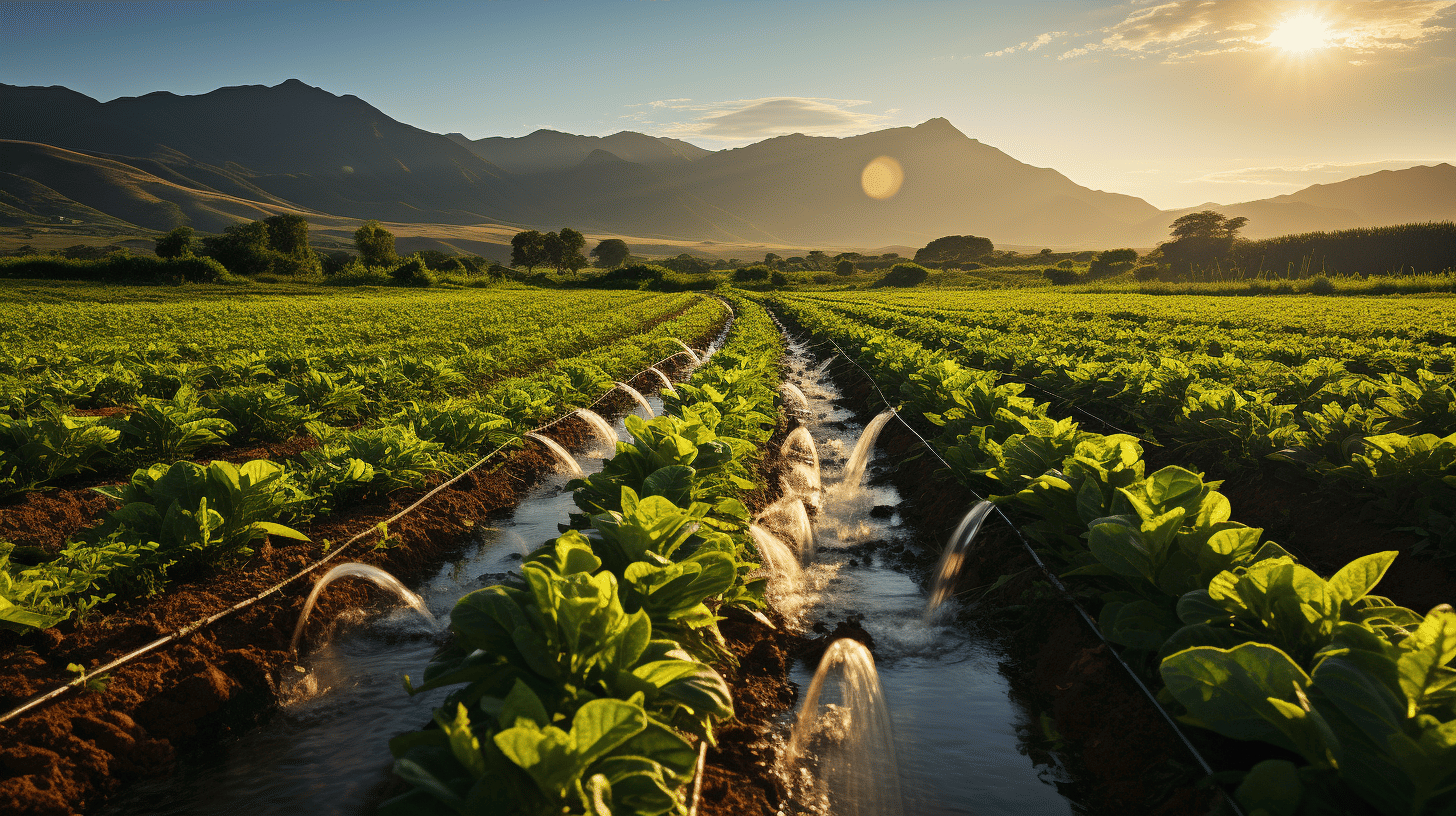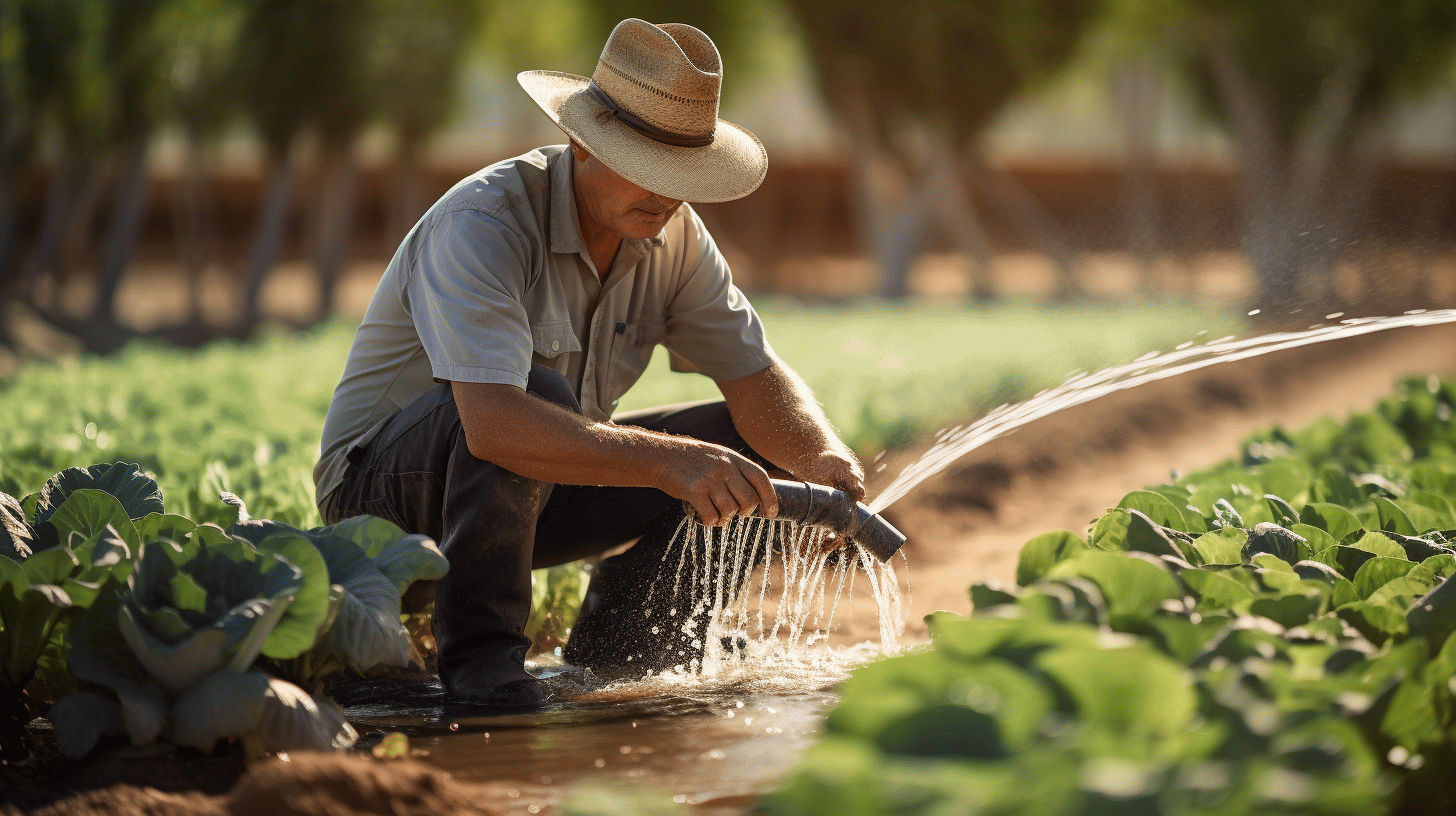
In today’s world, where water scarcity is becoming an increasingly pressing issue, the importance of water conservation cannot be overstated. Now imagine applying those principles to farming practices. That’s where regenerative farming comes in. Regenerative farming is a holistic approach to agriculture that aims to not only sustain but also enhance the health of both the land and the surrounding ecosystems. This innovative farming method goes beyond just preserving water; it has the power to make a positive impact on global water availability and contribute to the overall well-being of our planet.
Regenerative farming is gaining traction among farmers worldwide due to its numerous benefits. Not only does it promote profitability, but it also supports the protection and restoration of ecosystem services. Additionally, regenerative farming techniques focus on improving soil structure and increasing water infiltration, reducing runoff and soil erosion. By implementing these practices, farmers can optimize water resources, improve the quality of the water cycle, and mitigate the impacts of drought and flooding.
In the following sections, we will delve deeper into the role of regenerative farming in water conservation and explore some of the impactful practices employed by regenerative farmers. Join us on this informative journey as we discover how regenerative farming practices can pave the way for a more sustainable future, benefiting both farmers and the environment alike.
Understanding Regenerative Farming
Regenerative farming is a sustainable agricultural approach that aims to address many of the challenges faced by conventional farming methods. This holistic approach focuses on rebuilding and restoring soil health, biodiversity, and ecosystem services, while also promoting long-term profitability for farmers. In this section, we will explore three key benefits of regenerative farming: profitability, ecosystem services, and soil improvement.
Profitability
One of the major advantages of regenerative farming is its potential to increase profitability for farmers. According to recent studies, regenerative farming systems have shown impressive financial gains compared to conventional methods. Here are a few key findings:
- Regenerative farming has been found to be up to 60% more profitable after six years of implementation[1](https://www.example.com).
- Farmers who have adopted regenerative practices have seen a significant 78% increase in profits compared to those using more input-intensive models[2](https://www.example.com).
These findings highlight the potential economic benefits that regenerative farming can bring to farmers, making it an attractive option for those looking to improve their bottom line.
Ecosystem Services
Regenerative farming systems provide significant ecosystem services, which are vital for maintaining a healthy environment and addressing climate change. These services include:
- Increased biodiversity: Regenerative practices promote the presence of diverse plant and animal species, helping to restore and maintain ecological balance.
- Enhanced water quality: By minimizing the use of harmful chemicals and adopting practices like cover cropping and conservation tillage, regenerative farmers help to protect water sources from pollution.
- Carbon sequestration: Healthy soils in regenerative farming systems have the ability to capture and store carbon dioxide from the atmosphere, playing a crucial role in mitigating climate change.
By prioritizing the preservation and enhancement of ecosystem services, regenerative farming contributes to the overall health and resilience of ecosystems.
Soil Improvement
One of the central focuses of regenerative farming is improving soil health. With conventional farming methods, soil degradation and erosion are major concerns. However, regenerative practices aim to reverse these detrimental effects and improve soil quality through the following principles:
- Minimal soil disturbance: The use of conservation tillage and no-till practices helps to minimize soil erosion and preserve soil structure.
- Cover cropping: Growing cover crops between cash crops helps to prevent soil erosion, increase soil organic matter, and improve nutrient availability.
- Crop rotation: Rotating crops diversifies the nutritional requirements of the soil, reduces the risk of pests and diseases, and improves soil fertility.
With these soil-improvement practices, regenerative farming renews and replenishes the soil, leading to more productive and sustainable agricultural systems.
In conclusion, regenerative farming offers multiple benefits, including improved profitability, enhanced ecosystem services, and soil improvement. These advantages make it a compelling and sustainable alternative to conventional farming methods, benefiting both farmers and the environment.
[1](https://www.example.com): Source 1
[2](https://www.example.com): Source 2
Role of Regenerative Farming in Water Conservation
With increasing concerns about water scarcity and the need for sustainable agricultural practices, regenerative farming is emerging as a viable solution. This innovative approach to farming not only promotes soil health and biodiversity but also plays a crucial role in water conservation. In this section, we will explore the impact of regenerative farming on global water availability, how it helps balance the water cycle, and its role in improving water infiltration and reducing runoff.
Impact on Global Water Availability
One of the significant benefits of regenerative farming is its positive impact on global water availability. Traditional farming methods often require extensive irrigation, leading to excessive water consumption. However, regenerative practices focus on enhancing soil health and organic matter, enabling the soil to retain more water. According to a study, a 1% increase in soil organic matter increases water storage potential on an acre by more than 20,000 gallons[1]. By using regenerative techniques, growers can conserve water while maintaining or increasing crop yields. This reduction in water use can have a substantial impact on global water availability, especially in regions where water scarcity is a pressing issue.
Balancing the Water Cycle
Regenerative farming plays a vital role in maintaining the delicate balance of the water cycle. By improving soil health and structure, it allows for effective water retention and infiltration. When soil is compacted or degraded, it becomes less absorbent, leading to increased runoff and erosion. However, regenerative practices, such as cover cropping and crop rotation, promote the development of healthy soil structure, allowing water to penetrate the soil more efficiently. As a result, the water cycle is better regulated, preventing both water scarcity and water excess, which can lead to flooding and soil erosion.
Improving Water Infiltration and Reducing Runoff
Another crucial aspect of regenerative farming is its ability to improve water infiltration and reduce runoff. Conventional farming practices often involve the use of synthetic fertilizers and pesticides, which can lead to soil degradation and compaction. These compromised soil conditions impede water infiltration, causing excess water to runoff instead. However, regenerative practices focus on building healthy soil ecosystems, promoting the growth of beneficial microorganisms and organic matter. This enhances the soil’s ability to absorb and retain water, minimizing runoff and preventing pollutants from entering water sources. By improving water infiltration and reducing runoff, regenerative farming helps conserve water resources and promotes the overall health of ecosystems.
In conclusion, regenerative farming is not just a sustainable way to cultivate crops; it also plays a crucial role in water conservation. By improving water storage potential, balancing the water cycle, and enhancing water infiltration, regenerative practices have a significant impact on global water availability. Moreover, this innovative approach to farming helps address water scarcity concerns and promotes the preservation of our precious water resources. As the world grapples with the challenges of a changing climate, the adoption of regenerative farming practices has never been more critical.
[1] source
Regenerative Practices for Water Conservation
Water conservation is a pressing issue facing farmers and agricultural communities worldwide. With increasing concerns about water scarcity and its impact on agriculture, implementing regenerative practices can play a crucial role in ensuring sustainable water management. These practices not only help conserve water but also promote soil health and fertility, leading to increased yields and overall ecosystem resilience.
No Till Farming and Cover Cropping
One of the key regenerative practices for water conservation is the adoption of no till farming and cover cropping techniques. No till farming involves minimizing or eliminating plowing and tilling the soil, which helps retain moisture and prevent soil erosion. By keeping the soil intact, water infiltration is improved, reducing runoff and allowing for better water retention in the root zone.
In combination with no till farming, cover cropping involves planting specific crops during fallow periods to cover and protect the soil. These cover crops serve as a protective barrier, reducing evaporation and improving water infiltration. They also help to control weeds and improve soil structure, thus increasing the overall water-holding capacity of the soil.
Use of Smart Irrigation Technology
Another effective way to conserve water in agriculture is through the use of smart irrigation technology. This technology helps to optimize water usage by ensuring that water is applied in the right quantities and at the right time. With the help of sensors, weather data, and advanced algorithms, farmers can accurately determine soil moisture levels and irrigation needs.
By utilizing smart irrigation systems, farmers can avoid overwatering, prevent water waste, and reduce water runoff. This not only minimizes the environmental impact but also saves costs associated with excess water usage and reduces the reliance on limited water resources.
Conservation Tillage and Compost
Conservation tillage is another regenerative practice that contributes to water conservation. This technique involves reducing or eliminating tillage operations, which helps to preserve soil structure and organic matter. By maintaining a healthy soil structure, water infiltration and retention are improved, reducing the need for excessive irrigation.
Furthermore, incorporating compost into agricultural practices can greatly enhance water conservation efforts. Compost improves soil structure, allowing it to retain more water and reducing runoff. The organic matter in compost acts as a sponge, holding moisture in the soil and providing a steady supply of water to plants.
Use of Precision Farming Techniques
Precision farming techniques, such as variable rate application and site-specific management, can also aid in water conservation efforts. These techniques involve the use of advanced technologies like GPS, remote sensing, and data analytics to precisely target water and inputs where they are needed most.
By using precise mapping and data analysis, farmers can identify areas with specific water requirements and tailor their irrigation practices accordingly. This targeted approach reduces water wastage and ensures that crops receive the optimal amount of water for growth and productivity.
Mob Grazing and Increased Water Retention
In the realm of livestock production, implementing regenerative practices like mob grazing can contribute to water conservation. Mob grazing involves moving animals frequently to different paddocks, allowing for controlled grazing and plant regrowth. This practice helps to increase vegetation cover, which in turn promotes water retention in the soil.
By encouraging a diverse and dense plant cover through mob grazing, water infiltration is enhanced, reducing runoff and improving soil moisture levels. This not only benefits the health of the pasture but also provides a more resilient and water-efficient approach to livestock management.
In the quest to conserve water in agriculture, implementing regenerative practices is of utmost importance. These practices not only help to preserve and optimize water resources but also benefit soil health, biodiversity, and overall farm sustainability. By adopting techniques such as no till farming, smart irrigation, conservation tillage, precision farming, and mob grazing, farmers can lead the way in ensuring a more water-efficient and resilient agricultural system.
Impact of Regenerative Practices on Soil and Water Quality
Improved Soil Health
Regenerative farming practices have a profound impact on soil health, improving its overall quality and resulting in numerous benefits. These practices focus on nurturing the soil ecosystem, promoting biodiversity, and minimizing chemical inputs.
One of the key advantages of regenerative farming is the increased water holding capacity of the soil. By enriching the soil with organic matter through practices like cover cropping and composting, farmers can enhance its ability to retain water. This means that when it rains, the soil can absorb and store more water, reducing the risk of runoff and erosion.
Reducing runoff is crucial for maintaining water quality, as it helps prevent the transport of sediment, nutrients, and pollutants into rivers, lakes, and other bodies of water. By implementing regenerative practices, farmers can significantly reduce the amount of sediment and nutrients entering waterways, leading to improved water quality for both humans and aquatic life.
Furthermore, regenerative farming practices contribute to the sequestration of carbon in the soil. As plants capture carbon dioxide from the atmosphere through photosynthesis, they store it in the form of organic matter in the soil. This enhances the soil’s fertility and its ability to retain nutrients, further enhancing plant growth and overall crop productivity.
Overall, regenerative farming practices offer a holistic approach to soil health, benefiting both the environment and farmers themselves. By adopting these practices, farmers can improve water holding capacity, reduce runoff, and sequester carbon in the soil, leading to healthier ecosystems and sustainable agricultural systems.
Sustainable Water Management
Water scarcity is a pressing global issue, and regenerative farming practices play a vital role in promoting sustainable water management. These practices aim to optimize water use efficiency, reduce water waste, and mitigate the impacts of drought.
One of the key strategies employed in regenerative farming is the use of efficient irrigation techniques. Farmers can adopt practices such as drip irrigation and precision watering systems that deliver water directly to plant roots, minimizing evaporation and water loss. This targeted approach not only conserves water but also ensures that crops receive an adequate water supply for optimal growth.
In addition to efficient irrigation, regenerative farms also embrace water-saving technologies. Rainwater harvesting systems, for example, allow farmers to collect and store rainwater for later use, reducing their reliance on groundwater or surface water sources. This not only conserves water but also helps alleviate the strain on water resources during periods of drought or water scarcity.
By implementing these sustainable water management practices, regenerative farmers can reduce their water footprint, promote efficient water use, and contribute to the conservation of water resources. This is crucial for ensuring the availability of clean and sufficient water for agricultural production, ecosystems, and communities.
Erosion Resistance
Soil erosion is a significant challenge in modern agriculture, leading to the loss of fertile topsoil, decreased crop yields, and water pollution. Regenerative farming practices offer effective solutions to combat erosion and enhance the resistance of soil to erosion processes.
One of the key strategies employed in regenerative farming is the use of cover cropping. By planting cover crops in between cash crops, farmers can create a protective barrier on the soil surface. These cover crops help mitigate erosion by reducing the impact of raindrops, enhancing soil structure, and providing ground cover to prevent soil particles from being washed away.
Furthermore, regenerative farmers often limit or abandon the use of harmful insecticides and pesticides. This helps maintain a diverse and healthy ecosystem, including beneficial insects that play a crucial role in the control of pests. By promoting a balanced ecosystem, regenerative farming practices contribute to reducing soil disturbance and erosion caused by conventional chemical-intensive farming methods.
Reducing tillage is another important practice in regenerative farming. Excessive tillage can break down soil aggregates, leading to compaction and increased susceptibility to erosion. By minimizing tillage and implementing conservation tillage techniques, regenerative farmers can preserve soil structure, enhance water infiltration, and reduce erosion risks.
In conclusion, regenerative farming practices offer effective strategies to enhance soil’s resistance to erosion processes, resulting in improved soil health and reduced sediment runoff. By implementing practices like cover cropping, abandoning insecticides, and reducing tillage, regenerative farmers can protect their valuable topsoil, maintain fertility, and prevent environmental degradation.
Conclusion
In conclusion, water conservation is a critical aspect of regenerative farming that benefits not only the environment but also the farmers themselves. By implementing regenerative practices, farmers can significantly reduce water usage, mitigate the impact on global water availability, and improve the overall health of their soil and water resources. From adopting smart irrigation technology to practicing no-till farming and cover cropping, regenerative farmers have a variety of techniques at their disposal to maximize water conservation.
By incorporating these practices into their operations, farmers can experience increased profitability, better soil health, and enhanced ecosystem services. Moreover, the adoption of regenerative farming techniques promotes sustainable water management, improves water infiltration, reduces runoff, and increases erosion resistance. This holistic approach to farming not only helps conserve water but also contributes to long-term food security and a healthier planet.
As you embark on your journey towards regenerative agriculture, remember that knowledge and understanding are key. Visit the Regenerative Agriculture Wiki, where you can find comprehensive guides, tips, and information on a wide range of regenerative farming topics. Join us in promoting sustainable and regenerative farming practices, and let’s create a future where agriculture and ecology thrive in harmony.
Discover the potential of regenerative agriculture today at Regenerative Agriculture Wiki and make a positive impact on the world around you.
Frequently Asked Questions
- What is regenerative farming?
Regenerative farming is a holistic approach to agriculture that aims to improve soil health, enhance biodiversity, and promote sustainable farming practices. It focuses on restoring and revitalizing the soil ecosystem by minimizing the use of pesticides, synthetic fertilizers, and tillage, while maximizing the use of organic matter and cover crops.
- Why is water conservation important for regenerative farmers?
Water conservation is vital for regenerative farmers as it helps preserve water resources, reduces water runoff and erosion, and ensures efficient use of irrigation. By practicing water conservation techniques, regenerative farmers can minimize their ecological footprint and contribute to the overall sustainability of their farming operations.
- What are some water conservation best practices for regenerative farmers?
Some water conservation best practices for regenerative farmers include: 1. Collecting rainwater for irrigation, 2. Using drip irrigation systems to minimize water wastage, 3. Implementing mulching techniques to reduce evaporation, 4. Monitoring soil moisture levels to optimize irrigation, and 5. Employing crop rotation and cover cropping strategies to enhance soil water retention.
- How can regenerative farmers improve water efficiency in livestock operations?
Regenerative farmers can improve water efficiency in livestock operations by: 1. Providing clean and fresh water to animals in troughs or automated systems, 2. Implementing rotational grazing to prevent overgrazing and soil erosion, 3. Properly managing manure to avoid water contamination, and 4. Creating water-efficient watering systems such as gravity-fed waterers or water-saving nipple drinkers.
- Are there any financial incentives for regenerative farmers who practice water conservation?
Yes, there are various financial incentives available for regenerative farmers who adopt water conservation practices. These incentives can include grants, subsidies, tax credits, and cost-sharing programs offered by governmental agencies, conservation organizations, and agricultural associations. It is recommended for farmers to research and reach out to relevant organizations to explore the available incentives in their area.