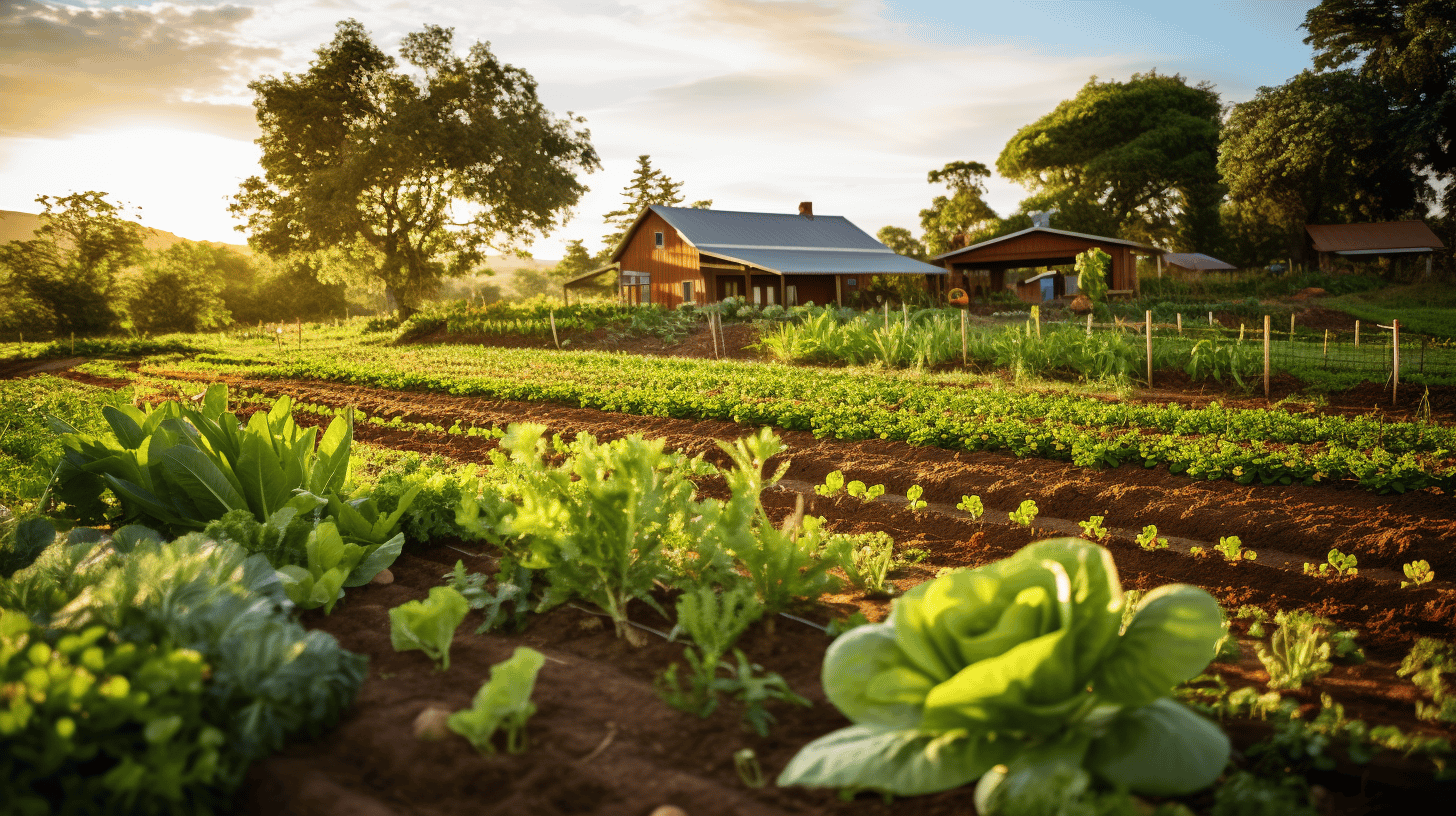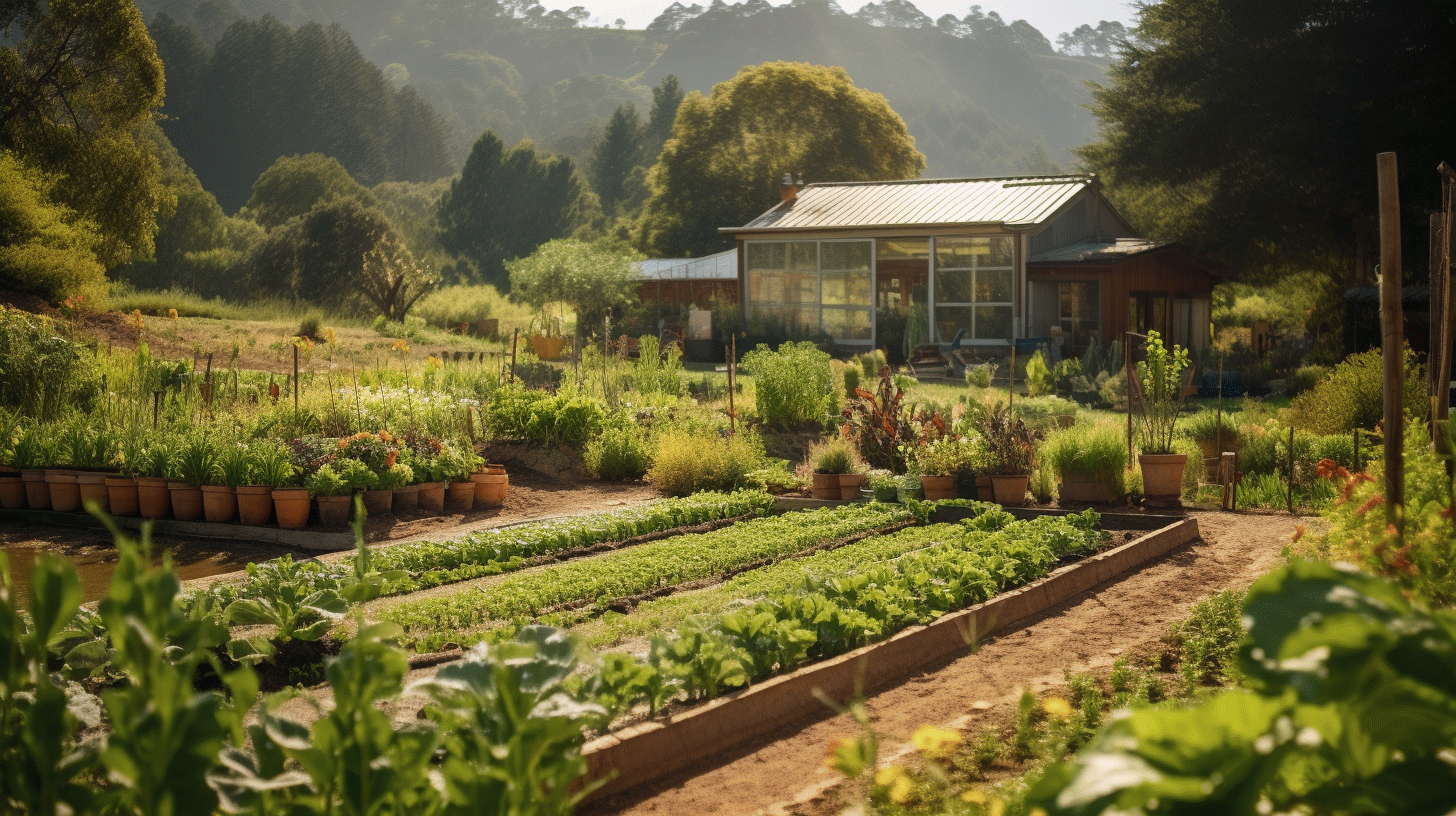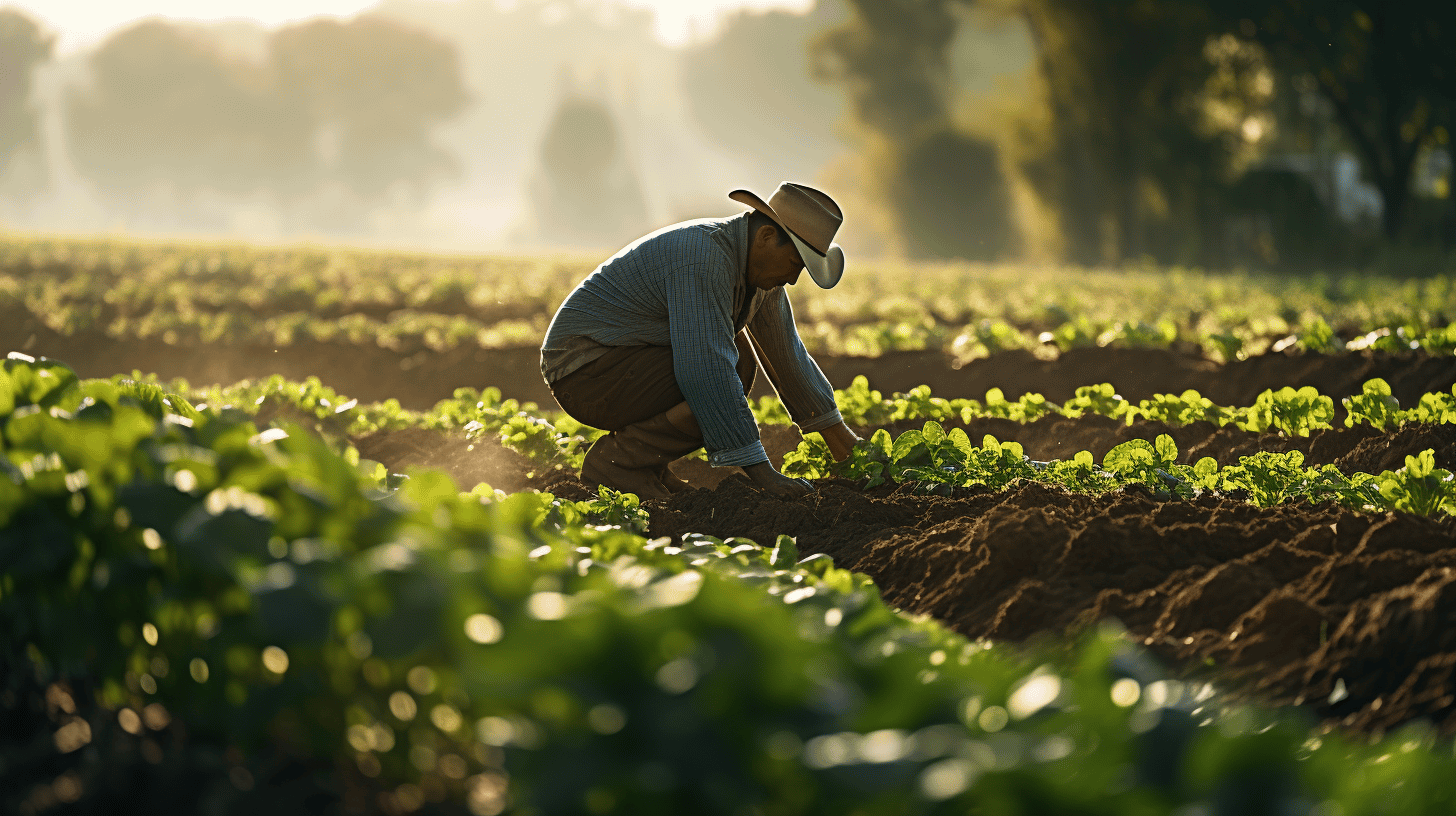
Regenerative agriculture is a game-changing approach to food production that holds the promise of addressing critical issues such as soil degradation, biodiversity loss, and climate change. By adopting regenerative practices, farmers can work in harmony with nature to restore and revitalize the land, rather than depleting its resources. In this article, we will explore the key principles of regenerative agriculture, unravel its benefits for sustainable food production, and discuss the challenges and opportunities associated with its implementation.
Regenerative agriculture focuses on nurturing the health of the soil, promoting biodiversity, and maximizing the natural processes that foster plant growth. Unlike conventional farming methods that rely heavily on chemical inputs and mechanical interventions, regenerative agriculture emphasizes the importance of working with nature’s ecosystems to create a self-sustaining and resilient agricultural system.
Throughout this article, we will delve into the fundamentals of regenerative agriculture, examining its core principles and their implications for the environment, farm profitability, and food quality. We will also compare regenerative agriculture with conventional farming practices, highlighting the stark differences and the potential impact on various facets of sustainable food production.
Moreover, we will explore how regenerative agriculture can increase crop yield, enhance climate resilience, preserve food security, and improve the nutritional quality of our food. By understanding the potential benefits of this approach, we can appreciate how it aligns with the urgent need to transform our food systems towards sustainability.
However, we must also acknowledge the challenges that come with implementing regenerative agriculture. Transitioning from conventional practices, the financial implications, government policies, and the role of technological innovation all play a crucial role in shaping the success and scalability of regenerative agriculture. By examining these challenges and opportunities, we can gain insights into what is needed to foster the widespread adoption of regenerative agricultural practices.
Join us as we embark on a journey to uncover the key principles of regenerative agriculture and its potential to revolutionize sustainable food production. By the end of this article, you will have a clear understanding of how regenerative agriculture can pave the way for a more resilient, nutritious, and environmentally conscious future.
Fundamentals of Regenerative Agriculture
Regenerative agriculture is gaining recognition as a powerful and sustainable approach to farming and land management. By focusing on soil health, biodiversity, and ecosystem restoration, regenerative agriculture aims to not only produce healthy and nutritious food but also to restore and enhance the natural resources on which our planet depends.
Definition and Importance
Regenerative agriculture can be defined as a holistic approach to farming and land management that aims to regenerate and improve the health of our soils, water, and ecosystems. It goes beyond the conventional methods of agriculture, which often rely heavily on synthetic inputs and can degrade the environment over time.
The importance of regenerative agriculture cannot be overstated. Here’s why it should be on everybody’s radar:
- Climate Change Mitigation: Regenerative agriculture practices, such as cover cropping, crop rotation, and agroforestry, can help sequester carbon from the atmosphere and mitigate the impacts of climate change.
- Soil Health: Healthy soils are the foundation of regenerative agriculture. Practices like minimal tillage, composting, and rotational grazing rejuvenate the soil, allowing for better nutrient uptake, water retention, and overall crop productivity.
- Biodiversity Conservation: Regenerative agriculture supports and enhances biodiversity by creating habitats for beneficial insects, birds, and other wildlife. This biodiversity is crucial for natural pest control, pollination, and the overall resilience of agroecosystems.
- Water Conservation: By improving soil health and structure, regenerative agriculture helps to retain water in the soil, reducing the risk of erosion and increasing water infiltration. This promotes water conservation and improves the resilience of agricultural systems in drought-prone areas.
History
Although the term “regenerative agriculture” has gained popularity in recent years, the principles and practices behind it have been around for centuries. Indigenous communities and traditional farmers have long understood the importance of nurturing and replenishing the land they depend on.
It was not until the mid-20th century when industrial agriculture and the widespread use of synthetic fertilizers and pesticides became the dominant paradigm. While these innovations brought increased yields in the short term, they also led to numerous environmental and health issues, such as soil erosion, water pollution, and loss of biodiversity.
Over time, a growing number of farmers, scientists, and environmental advocates started recognizing the need for a more sustainable and regenerative approach to agriculture. Drawing inspiration from traditional farming practices and incorporating modern scientific knowledge, regenerative agriculture emerged as a powerful alternative to conventional farming.
Steps in Regenerative Agriculture
Implementing regenerative agriculture practices may vary depending on the specific landscape and farming system in question. However, some common steps and practices are often employed:
- Diversify Cropping Systems: Planting a diverse range of crops, including cover crops and cash crops, helps promote soil health, enhance nutrient cycling, and reduce the reliance on synthetic inputs.
- Avoid Synthetic Inputs: Regenerative agriculture aims to minimize the use of synthetic fertilizers, pesticides, and herbicides, instead focusing on natural alternatives and biological controls.
- Minimize Soil Disturbance: Excessive tillage can disrupt soil structure and microbial communities. Adopting minimal tillage or no-till practices helps preserve soil health and reduce erosion.
- Integrate Livestock: Integrating livestock into the farming system through practices like rotational grazing allows for the recycling of nutrients, improves soil fertility, and enhances biodiversity.
- Support Agroforestry: Planting trees and integrating them into agricultural landscapes not only provides multiple ecosystem services but also aids in carbon sequestration and temperature regulation.
Regenerative agriculture holds tremendous potential to transform our food systems, address environmental challenges, and build resilient agricultural communities. By embracing its principles and practices, we can usher in a more sustainable and regenerative future.
To learn more about the principles and practices of regenerative agriculture, check out the Regenerative Agriculture Guide.
Principles of Regenerative Agriculture
Regenerative agriculture is a holistic approach to farming that focuses on restoring and improving the health of our ecosystems. By utilizing regenerative practices, farmers can enhance soil health, promote biodiversity, sequester carbon, restore the water cycle, and implement crop rotation and mixed farming techniques. These principles work hand in hand to create a sustainable and resilient agricultural system. Let’s take a closer look at each principle and understand their significance in supporting regenerative agriculture:
Soil Health Improvement
Soil health is the foundation of any successful agricultural system. Regenerative agriculture seeks to improve soil health by reducing the use of synthetic inputs and adopting practices that promote soil fertility and structure. Farmers employ techniques such as cover cropping, composting, and reduced tillage to replenish organic matter, improve soil structure, and enhance nutrient cycling. This not only leads to improved plant growth and productivity but also increases the soil’s capacity to retain water, reduce erosion, and mitigate the effects of drought and flood events.
Biodiversity Enhancement
Biodiversity is critical for a thriving ecosystem and is at the heart of regenerative agriculture. By promoting biodiversity, farmers can enhance the resilience of their farms. They do this by creating suitable habitats for beneficial insects, birds, and other wildlife, as well as incorporating diverse crop rotations and intercropping systems. Increasing biodiversity supports natural pest control, nutrient cycling, and pollination, ultimately reducing the need for pesticides and synthetic fertilizers. This helps in creating a balanced and sustainable farming environment.
Carbon Sequestration
Regenerative agriculture plays a vital role in combatting climate change by sequestering carbon from the atmosphere and storing it in the soil. By adopting practices that increase organic matter in the soil, such as cover cropping and the use of green manures, farmers enable the soil to capture carbon dioxide and convert it into stable forms of carbon. This not only helps to mitigate greenhouse gas emissions but also improves soil fertility and resilience, making it a win-win for both farmers and the environment.
Water Cycle Restoration
Restoring the water cycle is essential for sustainable agriculture. Traditional farming practices often disrupt the natural water cycle, leading to water scarcity, reduced water quality, and increased soil erosion. Regenerative agriculture aims to reverse these effects by implementing strategies that enhance water infiltration, retention, and conservation. By minimizing soil disturbance, increasing organic matter content, and using appropriate irrigation techniques, farmers can ensure that water is efficiently used and conserved, benefiting both their farms and surrounding ecosystems.
Crop Rotation and Mixed Farming
Crop rotation and mixed farming are fundamental practices in regenerative agriculture. By diversifying the types of crops grown and integrating livestock into farming systems, farmers can improve soil health, break pest and disease cycles, and enhance nutrient cycling. Crop rotation helps to naturally control pests, reduce soil erosion, and improve soil fertility, while mixed farming integrates livestock into crop production to enhance nutrient cycling, reduce waste, and promote ecological balance.
In conclusion, regenerative agriculture embodies a set of principles that work synergistically to create a sustainable and resilient farming system. By focusing on soil health improvement, biodiversity enhancement, carbon sequestration, water cycle restoration, and implementing crop rotation and mixed farming practices, we can foster a regenerative approach to agriculture that not only ensures food security but also contributes to the preservation and regeneration of our natural environment.
Regenerative Agriculture Vs Conventional Farming
Soil Conservation
Regenerative Agriculture places a strong emphasis on soil health and regeneration. By adopting practices such as cover cropping, crop rotation, and minimal tillage, regenerative farmers aim to improve soil structure, increase organic matter content, and enhance biodiversity. These practices help to prevent erosion, reduce soil degradation, and promote water infiltration and retention. Resultantly, regenerative farming fosters healthier soils and improves their long-term productivity.
On the other hand, Conventional Farming often relies on intensive tilling, synthetic fertilizers, and pesticides. While these practices can provide short-term benefits by increasing yields, they can also degrade the soil over time. Heavy tilling disturbs the soil’s natural structure, leading to erosion and the loss of valuable topsoil. Furthermore, the excessive use of chemical inputs can harm beneficial soil organisms and reduce overall soil fertility.
Ecological Impact
Regenerative Agriculture aims to create a harmonious relationship between farming and the environment. By promoting biodiversity, reducing chemical inputs, and improving soil health, regenerative practices contribute to the overall health of the ecosystems in and around farmland. This approach focuses on preserving habitats, supporting pollinators and beneficial insects, and mitigating the negative impacts of agriculture on water quality.
Conventional Farming, while meeting the global demand for food, often comes at a cost to the environment. The heavy use of synthetic fertilizers and pesticides can contaminate waterways and harm non-target organisms. Additionally, the reliance on monocultures in conventional agriculture reduces biodiversity and disrupts natural ecosystems, making them more susceptible to pests and diseases.
Farm Profitability
While implementing regenerative practices may require upfront investments and a transition period, Regenerative Agriculture has shown potential for long-term economic benefits. By improving soil health, reducing input costs, and enhancing the overall resilience of the farming system, regenerative farmers can achieve greater yields and reduce their dependence on external inputs. Additionally, regenerative practices often lead to improved market access and premium prices for sustainably produced goods.
Conventional Farming, on the other hand, is often associated with high input costs, such as synthetic fertilizers and pesticides. Farmers practicing conventional methods may face challenges when commodity prices fluctuate, affecting their bottom line. Moreover, the long-term effects of soil degradation and environmental damage can decrease the productivity and profitability of conventional farming operations.
Food Quality
One of the key benefits of Regenerative Agriculture is its potential to enhance the nutritional value and flavor of food. By focusing on soil health and biodiversity, regenerative farming methods can lead to crops and livestock that are more nutrient-dense and flavorful. Studies have shown that regeneratively produced food often contains higher levels of vitamins, minerals, and antioxidants compared to conventionally grown counterparts.
Conventional Farming, while capable of producing large quantities of food, may not always prioritize nutritional quality. The focus on maximizing yields and uniformity may come at the expense of taste and nutritional content. Furthermore, the use of synthetic additives and pesticides in conventional farming can raise concerns about the potential health risks associated with consuming these residues.
In conclusion, Regenerative Agriculture and Conventional Farming differ significantly in their approaches and outcomes. While Conventional Farming has been the conventional choice for many years, Regenerative Agriculture offers a more sustainable and holistic approach. By focusing on soil conservation, minimizing ecological impact, promoting farm profitability, and improving food quality, regenerative practices have the potential to reshape the future of agriculture.
Impact of Regenerative Agriculture on Sustainable Food Production
Increasing Yield
One of the key benefits of regenerative agriculture is its ability to improve crop yields over time. By implementing practices such as cover cropping, crop rotation, and the minimization of synthetic inputs, regenerative farmers can create a more fertile and nutrient-rich soil environment. This leads to healthier plants that are more resistant to pests and diseases, resulting in higher yields.
But how does regenerative agriculture achieve this? Here are some factors that contribute to increased yields:
- Enhanced soil fertility: By building up organic matter in the soil, regenerative practices provide essential nutrients to crops, promoting healthy growth and development.
- Increased water-holding capacity: The improved soil structure in regenerative systems allows it to retain more water, reducing the risk of drought stress and helping crops thrive even during dry periods.
- Protection against erosion: Regenerative practices like contour plowing and the use of windbreaks help prevent soil erosion, preserving the topsoil where essential nutrients and beneficial microorganisms reside.
Climate Resilience
Climate change poses significant challenges to the agricultural sector, including increased temperature, changes in precipitation patterns, and extreme weather events. Regenerative agriculture has emerged as an effective strategy to mitigate the impacts of climate change and make farming systems more resilient. Here’s how:
- Carbon sequestration: Regenerative practices, such as the use of cover crops and conservation tillage, contribute to carbon sequestration in the soil. This helps to offset greenhouse gas emissions and mitigate climate change.
- Improved water management: By enhancing the soil’s water-holding capacity, regenerative agriculture helps farmers adapt to changing rainfall patterns and reduces the risk of crop failure due to drought or excessive rainfall.
- Biodiversity conservation: Regenerative practices create habitat diversity on farms, promoting the population of beneficial insects, birds, and other wildlife. This biodiversity plays a vital role in pest control and pollination, contributing to more resilient agroecosystems.
Preserving Food Security
In an era of growing population and limited arable land, ensuring food security becomes paramount. Regenerative agriculture plays a crucial role in preserving food security by:
- Sustainable land use: Through practices like agroforestry and rotational grazing, regenerative farmers optimize land use, increasing productivity without depleting natural resources.
- Local food production: Regenerative agriculture encourages small-scale and diversified farming systems, fostering local food production and reducing dependence on long-distance food transportation.
- Resilient food systems: By building resilient agroecosystems, regenerative agriculture helps combat the effects of climate change and minimize the risk of food shortages during extreme weather events or other crises.
Promoting Food’s Nutritional Quality
Lastly, regenerative agriculture doesn’t just focus on quantity but also quality. By prioritizing soil health and biodiversity, regenerative practices enhance the nutritional value of the food we consume. Here’s how:
- Nutrient-dense crops: Regenerative farming methods supply crops with a rich array of nutrients from the soil, resulting in greater nutritional content in harvested produce.
- Beneficial soil microorganisms: By promoting the growth of beneficial microorganisms in the soil, regenerative agriculture supports the conversion and availability of nutrients for plants, contributing to better nutrient uptake and healthier crops.
- Reduced chemical inputs: Regenerative practices minimize the use of synthetic fertilizers and pesticides, reducing the presence of harmful residues in food and promoting safer and healthier agricultural practices.
In conclusion, regenerative agriculture has a transformative impact on sustainable food production by increasing yield, enhancing climate resilience, preserving food security, and promoting food’s nutritional quality. By adopting regenerative practices, farmers can contribute to a more sustainable and resilient agricultural system that can meet the challenges of feeding our growing population while protecting our planet.
Challenges and Opportunities in Implementing Regenerative Agriculture
Regenerative agriculture is gaining momentum as a sustainable farming practice that aims to restore and improve the health of the soil, enhance biodiversity, and mitigate climate change. However, like any transformative movement, there are challenges that farmers and stakeholders face in transitioning to regenerative practices. These challenges are not insurmountable and present exciting opportunities for growth and positive change.
Challenges in Transition
Transitioning from conventional farming to regenerative agriculture presents unique challenges that require careful consideration and planning. Some of the key hurdles include:
- Mindset Shift: Shifting from conventional farming practices to regenerative agriculture requires a change in mindset. Farmers need to let go of old habits and embrace new methodologies that prioritize soil health and ecosystem resilience.
- Knowledge and Education: Adopting regenerative practices requires a deep understanding of soil biology, crop rotation, cover cropping, and integrated pest management. Access to comprehensive education and training programs is crucial for successful implementation.
- Initial Investment: Transitioning to regenerative agriculture often requires an initial investment in infrastructure and equipment. This financial burden can be a hurdle for farmers, especially small-scale operations with limited budgets.
- Time and Patience: Regenerative agriculture is a long-term approach that takes time to yield results. The benefits, such as improved soil health and increased yields, may not be immediate, requiring patience and perseverance.
Financial Implications
While transitioning to regenerative agriculture may involve initial costs, there are also financial opportunities associated with this farming practice. By implementing regenerative techniques, farmers can:
- Reduce input costs: By focusing on soil health and natural processes, farmers can minimize the use of expensive fertilizers, pesticides, and herbicides.
- Increase yield and profitability: Over time, regenerative practices can lead to improved soil fertility and water retention, resulting in higher crop yields and increased profitability.
- Access premium markets: Consumer demand for sustainably produced food is growing. Implementing regenerative practices can help farmers access premium markets that value environmentally friendly and socially responsible production methods.
Government Policies
Government policies play a crucial role in supporting the widespread adoption of regenerative agriculture. Some key policy considerations are:
- Incentive Programs: Governments can provide financial incentives, tax breaks, and grants to encourage farmers to transition to regenerative practices.
- Research and Development Funding: Investing in research and development can lead to the development of new regenerative farming techniques and technologies, making it easier for farmers to adopt them.
- Educational Initiatives: Governments can collaborate with educational institutions and organizations to create training programs and resources for farmers interested in transitioning to regenerative agriculture.
Role of Technological Innovation
Technological innovation holds great potential in supporting farmers in their journey towards regenerative agriculture. Some innovative solutions include:
- Precision Agriculture: Sensor technologies, drones, and data analytics can help farmers monitor soil health, moisture levels, and nutrient content. This data can inform precise and targeted interventions.
- Blockchain and Traceability: Blockchain technology can enhance transparency and traceability in the agricultural value chain, enabling consumers to verify the regenerative practices used in food production.
- Biological Inputs: Advancements in biotechnology can lead to the development of biofertilizers, biopesticides, and biostimulants that promote soil health and reduce reliance on synthetic inputs.
In conclusion, while there are challenges in transitioning to regenerative agriculture, such as mindset shifts, initial investments, and the need for education, there are also numerous opportunities for financial benefits, government support, and technological innovation. By addressing these challenges head-on and embracing the opportunities, farmers can contribute to a more sustainable and resilient agricultural system for generations to come.
Conclusion
In conclusion, regenerative agriculture holds immense potential for transforming our food production systems towards sustainability and ecological harmony. By prioritizing principles such as soil health improvement, biodiversity enhancement, carbon sequestration, water cycle restoration, and crop rotation, regenerative agriculture offers a holistic approach to farming that benefits both the environment and farmers. Through its positive impact on increasing yield, climate resilience, preserving food security, and promoting food’s nutritional quality, regenerative agriculture proves to be a viable solution for a more sustainable and regenerative future.
At Regenerative Agriculture Wiki, we are committed to providing comprehensive and insightful content on regenerative agriculture. Our platform offers a wealth of information, tips, and guides to empower individuals and communities in adopting sustainable farming practices. Explore our website to learn more about this transformative approach and join us in fostering a future where agriculture and ecology thrive in harmony.
Continue your journey with Regenerative Agriculture Wiki by visiting our website here. Together, let’s cultivate a sustainable and regenerative future for the benefit of our planet and future generations.
Frequently Asked Questions
- What is regenerative agriculture?
Regenerative agriculture is a farming practice that focuses on improving soil health, enhancing ecosystem biodiversity, and reducing the use of synthetic inputs. It aims to restore degraded land, capture carbon from the atmosphere, and promote sustainable food production.
- What are the key principles of regenerative agriculture?
The key principles of regenerative agriculture include minimizing soil disturbance, maximizing soil cover, promoting crop diversity, maintaining living roots in the soil, integrating livestock into the farming system, using natural fertilizers and pest management techniques, and considering the socio-economic aspects of farming.
- How does regenerative agriculture contribute to sustainable food production?
Regenerative agriculture improves soil health, which enhances nutrient availability for plants, increases water retention, and reduces erosion. It also promotes biodiversity, supporting beneficial insects and wildlife that assist in natural pest control. Additionally, regenerative practices help sequester carbon, mitigating climate change impacts on agriculture.
- Can regenerative agriculture be practiced on large-scale farms?
Yes, regenerative agriculture can be practiced on large-scale farms. While it may require a shift in traditional farming methods and systems, implementing regenerative practices at a larger scale can have significant positive environmental and social impacts, including improved water quality, reduced pesticide use, and increased resilience to climate change.
- Are there any certifications for regenerative agriculture?
Although there isn’t a specific certification exclusively for regenerative agriculture, some existing certifications like USDA Organic and Demeter Biodynamic can indicate adherence to regenerative principles. These certifications focus on sustainable and ecologically sound farming practices that align with regenerative agriculture goals.