In recent years, there has been a growing concern about the environmental impact of conventional farming practices. The excessive use of synthetic fertilizers and pesticides, along with soil degradation and biodiversity loss, has led to the depletion of our natural resources and a decline in the quality of our food.
Enter regenerative agriculture, a sustainable approach to farming that aims to restore and enhance the health of our ecosystems. This transformative practice not only mitigates the negative impacts of agriculture but also offers a range of benefits for the environment, economy, and society as a whole.
By implementing regenerative techniques, farmers can work in harmony with nature, fostering soil health, improving water quality, and sequestering carbon. But what exactly does regenerative agriculture entail, and how does it differ from conventional farming practices? Let’s dive in and explore the core principles and advantages of this innovative approach to farming.
Regenerative agriculture is gaining traction as a powerful solution for addressing environmental and agricultural challenges. But what exactly does this term mean? In this section, we will explore the definition of regenerative agriculture and delve into its core principles.
Definition of Regenerative Agriculture
Regenerative agriculture is an approach to farming and land management that aims to restore and enhance the health of ecosystems and the vitality of agricultural lands. It goes beyond sustainable practices by actively regenerating and rebuilding soil health, promoting biodiversity, and enhancing the overall ecosystem.
At its core, regenerative agriculture seeks to mimic natural processes to create a harmonious and resilient agricultural system. By working with nature, rather than against it, regenerative farmers strive to maximize the ecosystem’s potential to support productive and sustainable food systems.
Core Principles of Regenerative Agriculture
Regenerative agriculture is guided by several core principles that set it apart from conventional farming methods. These principles provide a holistic framework for farmers to implement regenerative practices and cultivate a regenerative ecosystem. Some of the key principles include:
- Minimizing Disturbance: Regenerative agriculture aims to minimize soil disturbance through reduced tilling and the use of cover crops. This practice helps protect and enhance soil structure, moisture retention, and nutrient availability.
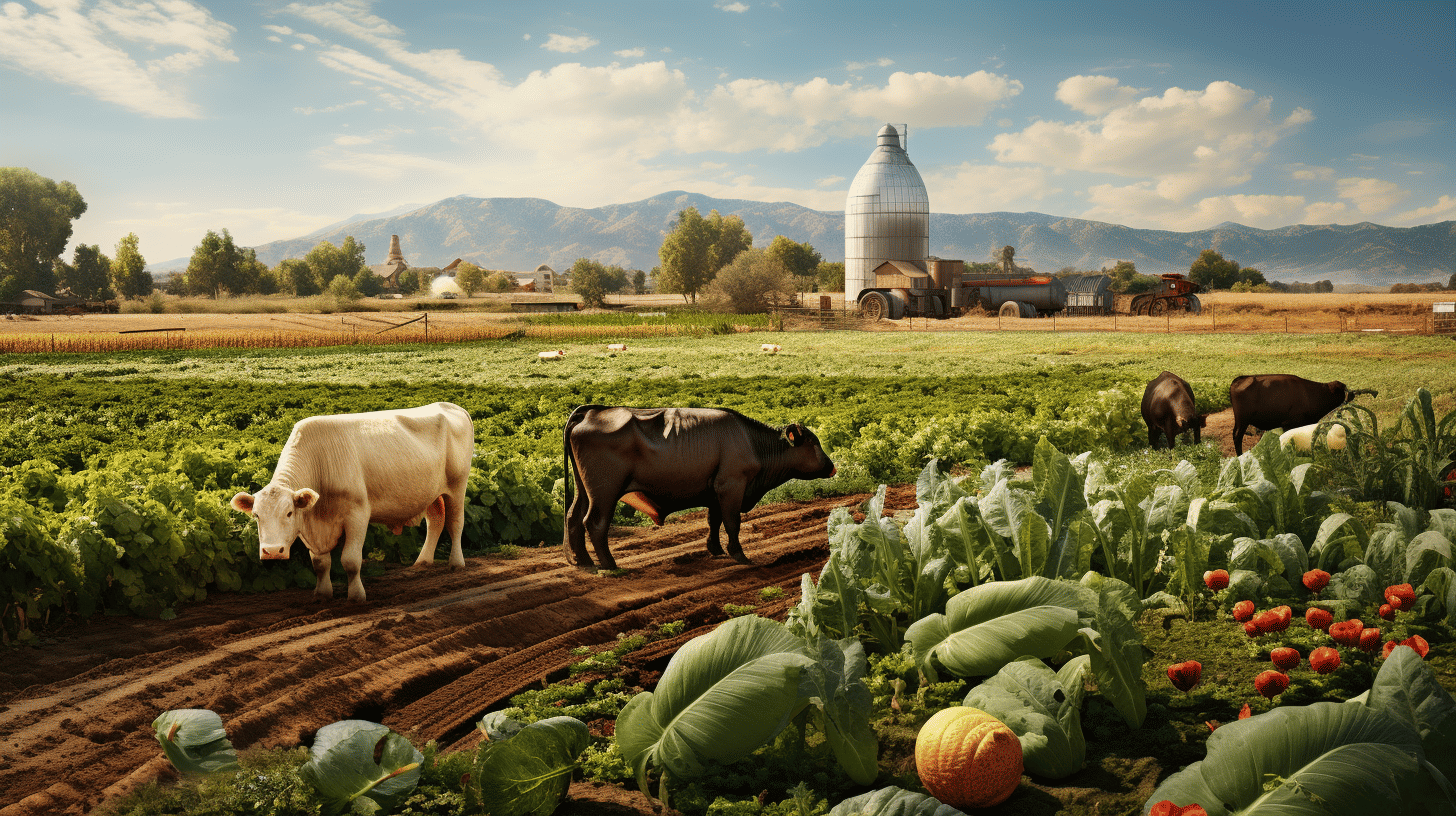
- Maximizing Biodiversity: Enhancing biodiversity is a vital aspect of regenerative agriculture. Planting a diversity of crops, integrating livestock into the system, and creating wildlife habitats all contribute to a healthy and balanced ecosystem.
- Keeping Living Roots in the Ground: By keeping living roots in the soil as much as possible, regenerative farmers help improve soil health. Living roots exude sugars and other substances into the soil, nourishing soil microorganisms and promoting nutrient cycling.
- Integrating Livestock: Integrating livestock into agricultural systems can have numerous benefits. Raising livestock on pasture allows for more efficient nutrient cycling, improves soil health, and reduces the need for synthetic fertilizers.
- Managing Water: Regenerative agriculture emphasizes strategies to manage water effectively. This includes practices such as building swales and ponds to capture rainfall, using cover crops to reduce erosion and improve water infiltration, and implementing irrigation techniques that minimize water waste.
Incorporating these principles into their farming practices enables regenerative farmers to restore and enhance the health of the land while producing nutritious and sustainable food.
Regenerative agriculture offers promising solutions to combat climate change, improve soil health, and ensure food security for future generations. By adopting these principles, farmers can create a regenerative ecosystem that supports both nature and agriculture’s long-term sustainability.
Regenerative agriculture is a farming practice that focuses on improving soil health, increasing biodiversity, and reducing the use of synthetic inputs. This holistic approach not only benefits the environment but also has positive effects on the economy and society as a whole. Let’s explore the various benefits of regenerative agriculture in more detail.
Environmental Benefits
- Soil Health: Regenerative agriculture practices, such as cover cropping, crop rotation, and reduced tillage, promote the health of the soil. This leads to improved soil structure, enhanced water holding capacity, and increased nutrient availability. Healthy soils are better equipped to sequester carbon, mitigate erosion, and reduce the need for synthetic fertilizers.
- Biodiversity Conservation: By promoting diverse crop rotations and incorporating cover crops, regenerative agriculture helps foster biodiversity on farms. This promotes the presence of beneficial insects, birds, and other wildlife, which in turn helps control pests naturally and reduces the reliance on chemical pesticides.
- Water Quality and Conservation: By reducing the use of chemical inputs and practicing soil conservation techniques, regenerative agriculture helps prevent water pollution. It also enhances water infiltration and retention in the soil, leading to improved water conservation and reduced runoff.
Economic Benefits
- Cost Savings: While transitioning to regenerative agriculture may require initial investments, such as purchasing cover crop seeds or implementing conservation practices, it can lead to long-term cost savings. Reduced inputs like synthetic fertilizers and pesticides, lower fuel and labor costs, and increased soil health result in improved farm profitability.
- Resilience to Climate Change: Regenerative agriculture practices improve the resilience of farms to climate change impacts. Diverse crop rotations and healthy soils help buffer against extreme weather events, such as droughts and heavy rainfall. This reduces the risk of crop failure and financial losses for farmers.
Social Benefits
- Community Engagement: Regenerative agriculture promotes community engagement by involving farmers, consumers, and local stakeholders in sustainable farming practices. This fosters a sense of shared responsibility, knowledge exchange, and support for local food systems.
- Food Security and Nutrition: By focusing on soil health and biodiversity, regenerative agriculture produces nutritious and high-quality food. This contributes to improved food security, access to fresh produce, and a healthier diet for communities.
- Rural Development: This farming approach can contribute to rural development by providing employment opportunities, supporting local economies, and revitalizing rural communities. It also encourages sustainable land use practices and preserves cultural heritage associated with agriculture.
In conclusion, regenerative agriculture offers a multitude of benefits, ranging from environmental conservation and economic savings to social engagement and rural development. By adopting these practices, farmers can play a crucial role in building a sustainable and resilient future for agriculture.
Introduction
Implementing regenerative agriculture practices brings about numerous benefits, from increasing soil health and biodiversity to mitigating climate change impacts. However, like any new approach, there are challenges that farmers and policymakers face when transitioning to regenerative practices. This section will explore some of the major challenges encountered in implementing regenerative agriculture.
Transition Barriers
Transitioning from conventional agricultural practices to regenerative agriculture requires a shift in mindset, knowledge, and organizational practices. Some of the common barriers that farmers face during this transition include:
- Financial Burden: Adopting regenerative practices often requires upfront investment in new equipment, technology, and training. This financial burden can be discouraging for farmers, particularly those with limited resources.
- Education and Training: Farmers may lack awareness or understanding of regenerative agriculture techniques. They may require education and training to learn about new practices, such as cover cropping, crop rotation, and rotational grazing.
- Time and Labor: Transitioning to regenerative practices can be time-consuming and labor-intensive. Farmers need to invest more time and effort into managing diverse cropping systems, integrating livestock, and implementing conservation practices. This additional workload can be a significant hurdle, especially for farmers with limited labor resources.
Market Challenges
While demand for regenerative products is growing, there are still market challenges that impact the adoption of regenerative agriculture on a larger scale. Some of the key market challenges include:
- Limited Market Access: Farmers implementing regenerative practices often face difficulties in accessing markets that value and reward regenerative products. The demand for regenerative products is still niche, and mainstream markets may lack sufficient infrastructure to accommodate these products.
- Price and Premiums: Receiving fair prices and premiums is crucial for farmers embracing regenerative practices. However, the current market system often undervalues the additional environmental and social benefits provided by regenerative agriculture, making it challenging for farmers to justify the costs associated with adopting these practices.
- Consumer Awareness and Demand: While consumer interest in sustainable and regenerative products is increasing, there is still limited awareness and understanding of what regenerative agriculture entails. Creating consumer demand and educating the public about the benefits of regenerative products is a necessary step in overcoming market challenges.
Policy and Institutional Challenges
Policy and institutional support play a crucial role in encouraging and scaling up regenerative agriculture practices. However, there are challenges that need to be addressed in order to create an enabling environment for farmers to adopt regenerative practices. Some of the policy and institutional challenges include:
- Lack of Incentives: There is a need for clear policy incentives and support mechanisms to encourage farmers to transition to regenerative agriculture. This could include financial assistance, tax breaks, and technical assistance to overcome the initial costs and knowledge barriers associated with implementing regenerative practices.
- Insufficient Research and Data: Regenerative agriculture is a relatively new field, and there is still a need for robust scientific research and data to support the effectiveness and long-term impacts of these practices. Lack of data can hinder policymaking and limit the ability to develop evidence-based programs and initiatives.
- Coordination and Collaboration: Building effective partnerships and collaboration between various stakeholders, including farmers, policymakers, researchers, and industry players, is essential for the successful implementation of regenerative agriculture. Coordinated efforts are needed to align policies, share knowledge, and overcome challenges that arise during the transition process.
In conclusion, transitioning to regenerative agriculture presents various challenges at the farmer and policymaker levels. Overcoming financial barriers, creating market demand, and establishing supportive policies are crucial steps in unlocking the potential of regenerative agriculture for a sustainable and resilient future. By addressing these challenges and working towards a regenerative agricultural system, we can pave the way for a more environmentally friendly and socially responsible food production system.
Introduction:
Successfully implementing regenerative agriculture practices requires overcoming various challenges faced by farmers and stakeholders. From limited access to education and training to inadequate policies and markets, these obstacles can hinder the widespread adoption of regenerative practices. However, there are strategies that can be employed to tackle these challenges and pave the way for a regenerative future.
Education and training of farmers:
One of the key strategies to overcome the challenges associated with regenerative agriculture is the education and training of farmers. By equipping farmers with the necessary knowledge and skills, they can effectively implement regenerative practices and manage their farms sustainably. This can be achieved through:
- Workshops and training programs: Conducting workshops and training programs that focus on regenerative agriculture techniques can help farmers learn the principles and practices of this approach. It is crucial to provide practical, hands-on training that empowers farmers to apply regenerative techniques on their own farms.
- Knowledge sharing platforms: Creating platforms that facilitate the exchange of knowledge and experiences among farmers can be immensely beneficial. Online forums, discussion groups, and agricultural extension services can serve as valuable resources for farmers to gather information and learn from each other’s successes and challenges.
- Collaboration with agricultural institutions: Collaborating with agricultural institutions such as universities and research centers can enhance the education and training opportunities available to farmers. These institutions can provide access to research findings, experts, and resources that can further enhance farmers’ understanding of regenerative agriculture.
Creating supportive policies:
Another crucial strategy to overcome challenges in regenerative agriculture is the creation of supportive policies. By establishing policies that incentivize and support regenerative practices, governments can encourage farmers to adopt sustainable farming methods. Examples of policy measures include:
- Financial incentives: Providing financial incentives such as grants, subsidies, and tax breaks to farmers who adopt regenerative practices can significantly motivate their uptake. These incentives can help offset the initial costs involved in transitioning to regenerative agriculture and make it a more economically viable option.
- Protective regulations: Implementing regulations that protect natural resources, promote soil health, and regulate harmful farming practices can foster the adoption of regenerative agriculture. Regulations regarding pesticide use, water management, and soil conservation can create a conducive environment for regenerative farming.
- Collaborative policymaking: Engaging farmers, agricultural experts, and policymakers in a collaborative policymaking process ensures that the policies enacted are practical, feasible, and aligned with the needs of farmers. This approach encourages dialogue and cooperation among stakeholders and helps address potential challenges and concerns.
Developing strong markets for regenerative products:
An essential strategy for overcoming challenges in regenerative agriculture is the development of strong markets for regenerative products. Creating demand and market opportunities for products produced using regenerative practices can incentivize farmers to adopt and sustain these practices. Key steps in developing strong markets include:
- Consumer education and awareness: Educating consumers about the benefits of regenerative agriculture and the value it adds to the quality and sustainability of products can drive demand. Raising awareness through marketing campaigns, labels, and certifications can help consumers make informed choices and support regenerative farming practices.
- Collaboration with supply chain partners: Building strong relationships with supply chain partners, including retailers, restaurants, and food processors, can create more opportunities for regenerative products. Working together to incorporate regenerative products into their offerings and marketing efforts can increase market access for farmers practicing regenerative agriculture.
- Market differentiation: Highlighting the unique attributes and benefits of regenerative products can create a niche market segment and differentiate them from conventionally produced goods. Labels and certifications that clearly indicate the regenerative practices employed can attract environmentally conscious consumers and foster market growth.
In conclusion, overcoming challenges in regenerative agriculture requires a multifaceted approach that encompasses education and training, supportive policies, and strong markets. By implementing the strategies discussed above, farmers and stakeholders can pave the way for a sustainable and regenerative agricultural future.
Advancements and Technological Developments
In 2023, regenerative agriculture is poised to experience significant advancements and technological developments that have the potential to revolutionize farming practices. These innovations will not only improve crop yields and soil health but also pave the way for a more sustainable and environmentally friendly agricultural industry.
Precision Agriculture and IoT:
One of the key technological developments in regenerative agriculture is the integration of precision agriculture and the Internet of Things (IoT). Precision agriculture utilizes advanced technologies such as drones, sensors, and GPS to collect and analyze data on soil conditions, weather patterns, and plant health. This data is then used to make informed decisions in real-time, optimizing the use of water, fertilizers, and pesticides. By implementing precision agriculture techniques, farmers can minimize their ecological footprint while maximizing their yields.
Vertical Farming and Controlled Environment Agriculture:
Another exciting development in regenerative agriculture is the rise of vertical farming and controlled environment agriculture (CEA). These innovative farming methods involve growing crops indoors, in stacked layers or vertically, using controlled lighting, temperature, and nutrient systems. Vertical farming and CEA offer numerous benefits, including increased crop productivity, reduced water usage, and the ability to grow food in urban areas close to consumers. This technology has the potential to address issues of food security and provide fresh produce year-round, regardless of geographical location or climate.
Biotechnology and Genetic Engineering:
Advancements in biotechnology and genetic engineering play a significant role in the future of regenerative agriculture. Scientists are working on developing crops with enhanced traits, such as improved resistance to pests and diseases, tolerance to drought and extreme temperatures, and increased nutrient content. These genetically modified organisms (GMOs) have the potential to enhance crop productivity and reduce the need for chemical inputs. However, it is essential to ensure that appropriate regulations and safety measures are in place to address concerns regarding the potential environmental and health impacts of GMOs.
Data Analytics and Artificial Intelligence:
The integration of data analytics and artificial intelligence (AI) into regenerative agriculture will enable farmers to make data-driven decisions and optimize their farming practices further. By analyzing vast amounts of data collected from various sources, including sensors, satellites, and historical weather patterns, AI algorithms can provide insights and recommendations on optimal planting times, irrigation schedules, and crop rotations. This advanced analytics technology empowers farmers to make informed decisions, increase their productivity, and reduce waste, ultimately contributing to a more sustainable farming industry.
In conclusion, the future of regenerative agriculture in 2023 is characterized by significant advancements and technological developments. Precision agriculture, vertical farming, biotechnology, and data analytics are just some of the key areas of innovation that hold immense potential for improving crop yields while minimizing environmental impact. With these advancements, regenerative agriculture will continue to play a crucial role in addressing climate change, ensuring food security, and promoting sustainable farming practices.
In conclusion, regenerative agriculture offers a transformative and sustainable approach to farming in 2023 and beyond. By focusing on rebuilding and restoring soil health, regenerative agriculture has the potential to address a range of environmental, economic, and social challenges faced by the agricultural industry.
Through its core principles of biodiversity, soil health, and ecosystem regeneration, regenerative agriculture promotes a holistic and interconnected approach to farming. By enhancing biodiversity, farmers can foster resilient ecosystems that can better withstand environmental stressors and provide habitat for beneficial insects and wildlife.
The environmental benefits of regenerative agriculture are significant. By improving soil health and fertility, regenerative practices can increase carbon sequestration and mitigate climate change. Additionally, regenerative agriculture can reduce soil erosion, improve water quality, and protect biodiversity.
From an economic perspective, regenerative agriculture can offer farmers opportunities to increase their profitability. By reducing input costs and increasing yields over the long term, regenerative practices can provide economic stability and resilience for farmers. Furthermore, regenerative products can command premium prices in the market due to their environmentally-friendly and sustainable production methods.
The social benefits of regenerative agriculture should also not be overlooked. By prioritizing soil health and ecological balance, regenerative practices can support rural communities by fostering meaningful and sustainable livelihoods. Additionally, regenerative agriculture can enhance food security by promoting diverse cropping systems and reducing reliance on synthetic inputs.
While implementing regenerative agriculture may come with its challenges, such as transitioning from conventional practices and addressing market and policy barriers, there are strategies in place to overcome these obstacles. By providing education and training programs for farmers, creating supportive policies at local and national levels, and developing strong markets for regenerative products, the widespread adoption of regenerative agriculture can be facilitated.
Looking towards the future, regenerative agriculture is poised to continue advancing and evolving. Technological developments, such as precision agriculture and data-driven decision-making, will further optimize regenerative practices. Moreover, regenerative agriculture can play a crucial role in addressing climate change by sequestering carbon and promoting the use of renewable energy in farming operations.
As the world grapples with the challenges of ensuring food security and sustainability, regenerative agriculture provides a promising solution. Its principles and practices have the potential to revolutionize the way we farm, fostering a more resilient, environmentally-friendly, and socially beneficial agricultural system. Embracing regenerative agriculture in 2023 and beyond is not only necessary but is also a crucial step towards a more sustainable future for our planet.
Frequently Asked Questions
- What is regenerative agriculture?
Regenerative agriculture is a sustainable approach to farming that focuses on rebuilding and restoring soil health, improving biodiversity, and enhancing ecosystem resilience. It aims to increase soil organic matter, promote carbon sequestration, and reduce dependence on external inputs.
- Why is regenerative agriculture important?
Regenerative agriculture helps combat climate change by sequestering carbon dioxide from the atmosphere into the soil, reducing greenhouse gas emissions, and promoting long-term sustainability. It also improves soil fertility, water retention, and overall ecosystem health.
- What are the key principles of regenerative agriculture?
The key principles of regenerative agriculture include minimizing soil disturbance, maximizing soil cover, promoting diversity, incorporating livestock integration, utilizing crop rotation and cover cropping, reducing synthetic inputs, and emphasizing a holistic approach to farming.
- How does regenerative agriculture benefit farmers?
Regenerative agriculture practices can benefit farmers by reducing input costs, increasing crop yields, improving soil health and fertility, enhancing water retention, mitigating pest and disease pressures, and providing long-term sustainability for their farms.
- Are there any certifications for regenerative agriculture?
Yes, several certifications exist for regenerative agriculture, such as the Regenerative Organic Certification (ROC), which ensures adherence to specific standards related to soil health, animal welfare, and social fairness. Other certifications include the Savory Institute’s Land to Market program and the Carbon Underground’s Regenerative Agriculture Standard.


