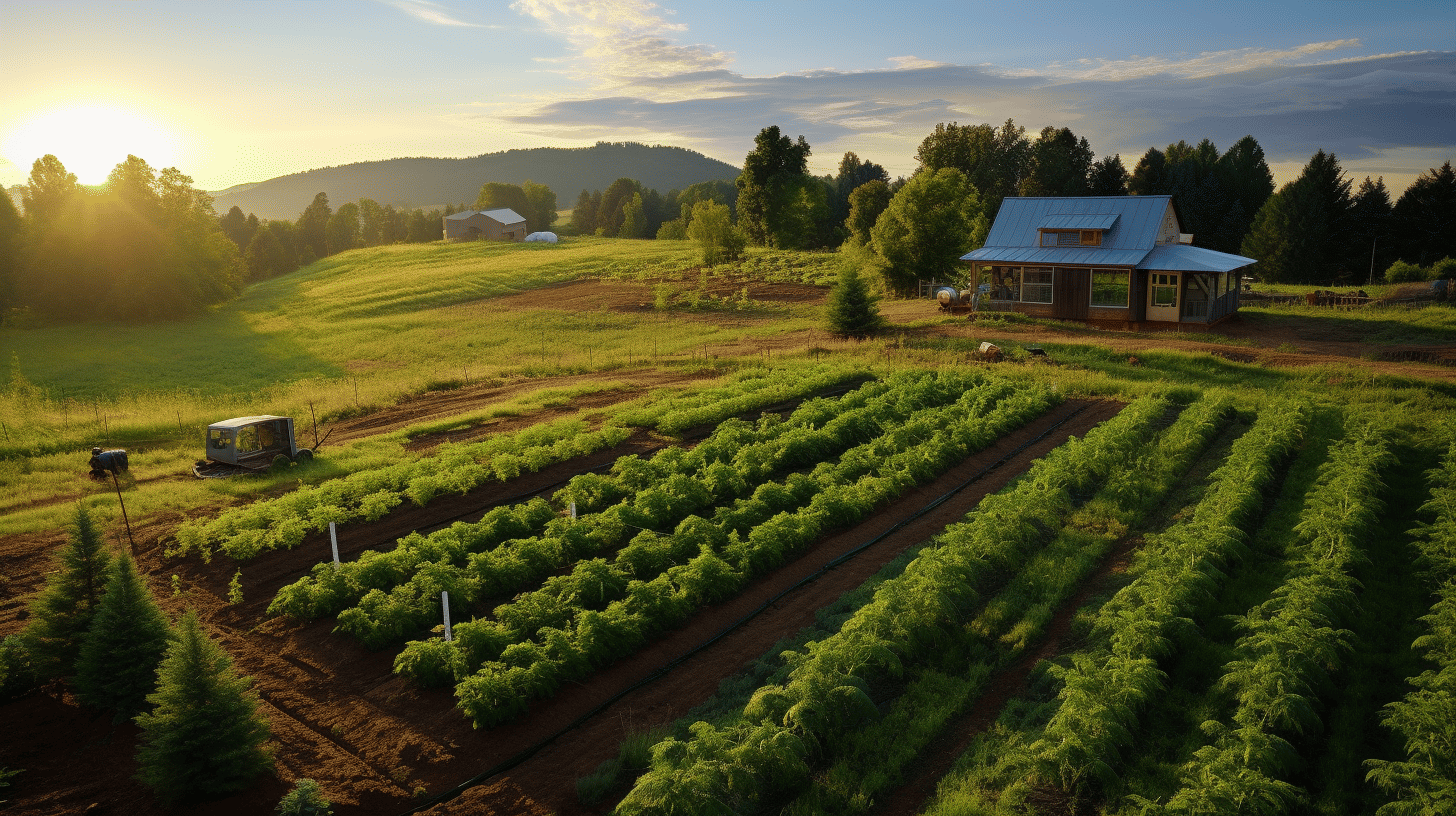
Regenerative farming is gaining popularity as a sustainable and environmentally-friendly approach to agriculture. It focuses on the restoration and improvement of soil health, biodiversity, and ecosystem functions. One integral component of regenerative farming practices is the use of cover crops.
Cover crops, also known as green manure, are plants that are grown primarily to protect and enrich the soil rather than for harvest. They offer numerous benefits, ranging from soil erosion prevention to nutrient cycling. One often overlooked advantage of cover crops is their ability to manage weeds effectively.
In this article, we will explore the role of cover crops in weed management on regenerative farms. We will delve into the benefits of cover crops, how they suppress weed growth, and how they improve soil health to prevent weeds. Additionally, we will discuss different types of cover crops and their effectiveness in controlling weeds. Finally, we will look at implementation strategies for incorporating cover crops into regenerative farming practices. By the end of this article, you will have a thorough understanding of how cover crops can contribute to weed management on regenerative farms.
So, let’s get started by understanding the fundamentals of regenerative farming!
What is Regenerative Farming?
Regenerative farming is an innovative approach to agriculture that goes beyond simply sustaining the land—it actively works to regenerate and restore ecosystems. This system of farming principles and practices focuses on enhancing biodiversity, enriching soils, improving watersheds, and enhancing ecosystem services. By prioritizing the health and vitality of the land, regenerative farming aims to create a more sustainable and resilient agricultural system for the long term.
Key Principles of Regenerative Farming:
Regenerative farming is guided by a set of core principles that are designed to work in harmony with nature. These principles include:
- Holistic management: Regenerative farmers take a holistic approach to managing their land, considering the interconnectedness of soil health, water resources, biodiversity, and ecosystem services.
- Soil regeneration: Building healthy and fertile soils is at the heart of regenerative farming. Farmers implement practices such as cover cropping, crop rotation, composting, and minimal tillage to improve soil structure, increase organic matter, and enhance nutrient cycling.
- Water management: Regenerative farmers prioritize water conservation and improve water quality by using practices such as water harvesting, contouring, and conservation tillage. These methods help to reduce erosion and retain water in the soil, supporting both plant growth and watershed health.
- Biodiversity enhancement: By creating diverse and resilient ecosystems on their farms, regenerative farmers attract beneficial insects, birds, and other wildlife that play key roles in natural pest control and pollination. They also establish wildlife corridors and protect native habitat to promote biodiversity conservation.
Benefits of Regenerative Farming:
Regenerative farming offers a wide range of benefits, not only for farmers but also for the environment and society as a whole. Some of the notable advantages include:
- Climate change mitigation: Regenerative farming practices help sequester carbon dioxide from the atmosphere and store it in the soil, acting as a natural carbon sink. This can contribute to mitigating climate change by reducing greenhouse gas emissions and enhancing carbon sequestration.
- Improved soil health: The focus on soil regeneration in regenerative farming leads to increased organic matter content, improved soil structure, enhanced water-holding capacity, and reduced erosion. Healthy soils support healthier crops, resulting in better yields and reduced dependence on synthetic fertilizers and pesticides.
- Water conservation: The water management strategies employed in regenerative farming play a crucial role in conserving water resources. By retaining more water in the soil, farmers can reduce irrigation needs, improve drought resilience, and prevent runoff that can carry pollutants into waterways.
- Enhanced biodiversity: Regenerative farming methods support the restoration of biodiversity by creating habitats that attract diverse plant and animal species. This helps to strengthen ecosystems, increase pollination rates, and reduce pest pressures naturally.
In summary, regenerative farming represents an exciting paradigm shift in agriculture. By focusing on soil health, water management, and biodiversity enhancement, regenerative farmers aim to create a more sustainable and resilient food system that considers the long-term health of the planet. Through their innovative practices, regenerative farmers show us that it is possible to nourish both the soil and our communities in harmony with nature.
Use of Cover Crops
Cover crops have gained popularity in recent years as a sustainable farming practice. With their ability to protect and enrich the soil, cover crops are proving to be a valuable addition to any agricultural system. From suppressing pests and diseases to improving soil fertility and structure, the benefits of cover crops are hard to ignore.
What Are Cover Crops?
Cover crops, also known as green manure or living mulch, are plants that are intentionally grown to cover the soil between cash crops. These crops are predominantly used in agricultural practices to promote soil health and prevent erosion. Unlike cash crops that are grown for harvest, cover crops serve other purposes in the farming ecosystem.
Some common examples of cover crops include:
- Legumes: such as clover, vetch, and peas, which fix nitrogen in the soil.
- Grasses: including rye, oats, and barley, which provide excellent ground cover and help with preventing soil erosion.
- Brassicas: like radishes and mustard, which have deep taproots that can break up compacted soil and improve its structure.
Each cover crop has its unique qualities and benefits, making them suitable for various farming systems. Farmers can also choose a combination of cover crops to maximize the positive impact on their soil health.
Benefits of Cover Crops
The use of cover crops offers several advantages to farmers and the environment alike. Here are some of the key benefits:
- Soil Fertility: Cover crops play a crucial role in enhancing soil fertility by adding organic matter and nutrients to the soil. When cover crops decompose, they release essential nutrients like nitrogen, phosphorus, and potassium back into the soil, which are then available for the subsequent cash crops. This reduces the reliance on synthetic fertilizers, making cover crops an environmentally friendly option.
- Erosion Control: One of the primary purposes of cover crops is to protect the soil from erosion. The dense foliage of cover crops acts as a natural barrier, reducing the impact of raindrops on the soil surface and preventing soil particles from being washed away by heavy rainfall or wind. This helps in retaining valuable topsoil and preserving soil structure.
- Pest and Disease Suppression: Certain cover crops, such as marigolds, can help in suppressing pests and diseases. These plants release natural compounds that repel insects and suppress the growth of harmful pathogens. This reduces the need for chemical pesticides, promoting a healthier and more sustainable farming system.
- Weed Suppression: Cover crops can outcompete weeds for resources such as light, water, and nutrients. Their dense growth and extensive root systems shade the soil, preventing weed seeds from germinating and establishing. This natural weed suppression reduces the reliance on herbicides and promotes a more sustainable approach to weed management.
- Improved Soil Structure and Water Infiltration: Cover crops with deep taproots can break up compacted soil, improving its structure and increasing water infiltration. This allows rainwater to penetrate the soil more efficiently, reducing the risk of runoff and water pollution. Additionally, the increased soil porosity promotes better root development in cash crops, leading to healthier and more productive plants.
In conclusion, the use of cover crops in agriculture offers numerous benefits for farmers and the environment. From enhancing soil fertility and structure to reducing erosion and suppressing pests and diseases, cover crops are proving to be an effective and sustainable practice. By incorporating cover crops into their farming systems, farmers can improve the long-term health and productivity of their soil while minimizing the reliance on synthetic inputs.
Cover Crops and Weed Management
Cover crops are not just beneficial for improving soil health; they also play a crucial role in effective weed management. By incorporating cover crops into farming practices, farmers can address weed concerns while reaping numerous other benefits. In this section, we will explore two key ways in which cover crops can help manage weeds: suppressing weed growth and improving soil health to prevent weed proliferation.
Suppressing Weed Growth
One of the primary ways cover crops assist in weed management is by suppressing weed growth. Here’s how it works:
- Blocking Sunlight: Cover crops, such as rye or wheat, are known for their dense foliage. This thick vegetation acts as a natural shade, blocking sunlight from reaching the soil surface. Since weeds heavily rely on sunlight to thrive, this shading effect inhibits their growth and suppresses their ability to compete with cash crops.
- Creating Physical Barrier: The dense root systems of cover crops also create a physical barrier that hinders weed emergence. These roots help hold the soil together, making it harder for weeds to penetrate the surface. By impeding weed seed germination and emergence, cover crops reduce the overall weed population.
Improving Soil Health to Prevent Weeds
In addition to suppressing weed growth, cover crops contribute to improved soil health, which helps prevent weed proliferation. Let’s take a closer look:
- Enhancing Soil Structure: The extensive root systems of cover crops help improve soil structure by increasing its organic matter content. This enhanced structure promotes better water infiltration and reduces soil compaction. By creating an unfavorable environment for weed establishment, cover crops make it more difficult for weeds to take hold and thrive.
- Suppressing Weed Seed Bank: Cover crops can also disrupt the weed seed bank in the soil. As cover crops grow and develop, they outcompete weeds for resources, limiting the weed’s ability to reproduce and set seeds. By doing so, cover crops reduce the number of viable weed seeds present in the soil, further reducing weed pressure in subsequent cropping seasons.
Incorporating cover crops into a farming system can offer a sustainable and effective approach to weed management. By suppressing weed growth and improving soil health, farmers can reduce the reliance on herbicides and other chemical interventions, promoting environmentally friendly practices.
Remember, cover crops can help in weed management by blocking sunlight, creating a physical barrier for weed emergence, and improving overall soil health, thus reducing weed proliferation. By adopting cover crop practices, farmers can tackle weed concerns while simultaneously enhancing the productivity and sustainability of their agricultural systems.
Different Cover Crops and their Effectiveness in Weed Control
Introduction:
When it comes to weed control, farmers and gardeners are constantly looking for effective and sustainable solutions. One approach that has gained popularity in recent years is the use of cover crops. These crops not only provide numerous benefits to the soil, but they can also help suppress weeds and reduce the need for herbicides. However, it’s important to note that not all cover crops are created equal when it comes to weed control. In this section, we will explore the effectiveness of different cover crops in weed management.
Leguminous Cover Crops:
Leguminous cover crops, such as clovers, peas, and beans, have long been recognized for their ability to fix nitrogen in the soil and improve soil fertility. But did you know that they can also play a crucial role in weed control? Here’s what makes leguminous cover crops effective in suppressing weeds:
- Competition: Leguminous cover crops have dense foliage that shades the soil, reducing the amount of sunlight available for weed germination. This competition for light and resources can help suppress weed growth.
- Allelopathy: Some leguminous cover crops release chemical compounds that inhibit weed seed germination and growth. For example, hairy vetch has been shown to have allelopathic effects on certain weed species.
- Nitrogen Competition: Leguminous cover crops have the unique ability to fix atmospheric nitrogen and convert it into a plant-available form. This increased nitrogen availability gives leguminous cover crops a competitive advantage over weeds, as they can outcompete them for this essential nutrient.
Non-leguminous Cover Crops:
While leguminous cover crops are widely recognized for their weed management abilities, non-leguminous cover crops should not be overlooked. Cover crops like rye, wheat, and oats can also contribute to weed suppression. Here’s how non-leguminous cover crops can help control weeds:
- Biomass Production: Non-leguminous cover crops, especially grasses like rye and wheat, have vigorous growth and can produce a dense biomass. This helps to crowd out and smother weed seedlings, preventing them from establishing and growing.
- Physical Weed Suppression: Non-leguminous cover crops with tall and upright growth habits can physically suppress weed growth by shading and blocking their access to sunlight. This shading effect can hinder weed establishment and reduce their ability to compete with the cover crop.
- Root Exudates: Some non-leguminous cover crops produce root exudates that can inhibit the growth of certain weed species. For example, cereal rye has been found to release allelochemicals that can exhibit herbicidal effects on weeds.
By carefully selecting and managing cover crops, farmers and gardeners can harness their weed control potential and reduce reliance on synthetic herbicides. Whether it’s leguminous cover crops or non-leguminous ones, each has its unique way of suppressing weeds, making them valuable tools in sustainable agriculture practices.
Additional Information: Different cover crops have different abilities to suppress weeds. Leguminous cover crops like clovers, peas, and beans, and non-leguminous cover crops like rye, wheat, and oats have been found effective in weed management. [1]
[1] source
Implementation Strategies for Cover Crops in Regenerative Farming
Imagine a farm where the soil is rich and fertile, teeming with life, and capable of sustaining healthy crops year after year. This may sound like a dream, but with the right implementation strategies, regenerative farming practices can make it a reality. One key practice in regenerative farming is the use of cover crops. These are crops that are grown specifically to benefit the soil, rather than for direct harvest. They can improve soil health, prevent erosion, suppress weeds, and even provide habitat for beneficial insects. In this article, we’ll explore two important aspects of implementing cover crops: when to plant them and how to properly utilize them.
When to Plant Cover Crops
The timing of cover crop planting can greatly impact their effectiveness. Farmers need to consider both the specific goals they have for their cover crops and the climate in which they are farming. Here are some key considerations for determining when to plant cover crops:
- Fall Planting – Many farmers choose to plant cover crops in the fall after their cash crops have been harvested. This allows cover crops to establish during the cooler months and provide soil protection and nutrient uptake over the winter.
- Spring Planting – In regions with mild or warm winters, cover crops can also be planted in the spring. This can be advantageous if farmers want to capture additional growing degree days or if they missed the opportunity for fall planting.
- Crop Rotation – Another important consideration is the timing of cover crop planting in relation to the crop rotation schedule. Farmers need to ensure that their cover crops fit into the overall crop rotation plan and allow enough time for cover crop growth and termination before the next cash crop is planted.
It’s crucial for farmers to choose the right planting time for their cover crops based on their specific circumstances, climate, and goals. Taking these factors into account will maximize the benefits gained from cover crop implementation.
How to Properly Utilize Cover Crops
Once cover crops have been planted, it’s essential to use them effectively to achieve optimal outcomes. Here are some strategies for proper cover crop utilization:
- Species Selection – Choosing the right cover crop species is crucial for achieving desired outcomes. Different cover crops offer various benefits, such as nitrogen fixation, weed suppression, or root penetration. Farmers should select cover crop species that align with their goals and complement their cash crops.
- Termination Techniques – When it comes time to terminate cover crops, farmers have several options. They can use mechanical methods like mowing or rolling, chemical methods such as herbicides, or even rely on natural termination through winterkill. The choice of termination technique will depend on factors such as cover crop species, growth stage, and desired timing for planting the cash crop.
- Crop Integration – Integrating cover crops into the overall farm system is critical for success. Farmers should consider how cover crops fit into their crop rotation, pest management, and nutrient management plans. By strategically incorporating cover crops into their farming practices, farmers can maximize benefits while minimizing potential challenges.
Implementing cover crops in regenerative farming requires thoughtful planning and execution. By understanding when to plant cover crops and how to properly utilize them, farmers can harness their full potential to improve soil health, protect the environment, and create a sustainable farming system.
Want to learn more about the benefits of using cover crops in regenerative farming practices? Check out our article on The Benefits of Cover Crops in Regenerative Agriculture.
Conclusion
With the rapidly growing demand for sustainable and regenerative farming practices, the role of cover crops in weed management cannot be overstated. Cover crops offer multiple benefits, including suppressing weed growth and improving soil health to prevent weeds from taking hold. By strategically implementing cover crops, regenerative farms can effectively control weeds while enhancing the overall health and productivity of their land.
Different cover crops, such as leguminous and non-leguminous varieties, offer varying levels of effectiveness in weed control. Farmers can choose the right cover crop mix based on their specific needs and the types of weeds they are targeting. Additionally, proper timing and utilization of cover crops are crucial for maximizing their weed management potential.
At Regenerative Agriculture Wiki, we are committed to providing comprehensive insights and resources on regenerative farming practices, including the use of cover crops for weed management. Join us in exploring the potential of regenerative agriculture and discovering how these innovative practices can contribute to a future where agriculture and ecology thrive in harmony.
Continue your journey towards sustainable farming practices by visiting our website here.
Frequently Asked Questions
- What are cover crops?
Cover crops are plants that are grown specifically to protect and improve the soil, prevent erosion, suppress weeds, and enhance nutrient cycling in agricultural fields.
- How do cover crops help in weed management on regenerative farms?
Cover crops act as a natural weed suppressant by shading out weeds, competing for resources such as sunlight, water, and nutrients, and releasing allelopathic compounds that inhibit weed growth.
- Do cover crops eliminate the need for herbicides?
While cover crops can significantly reduce weed pressure, they may not completely eliminate the need for herbicides. However, cover crops can greatly minimize herbicide use, leading to a more sustainable and environmentally friendly approach to weed management.
- Which cover crops are best for weed suppression?
Cover crops such as winter rye, hairy vetch, crimson clover, buckwheat, and cereal rye are known for their excellent weed suppression abilities. These cover crops compete aggressively with weeds, smothering them and preventing their growth.
- When should cover crops be planted for effective weed management?
Cover crops should be planted during the off-season or between cash crop rotations. Timing may vary depending on the region and crop schedule, but generally, cover crops are sown in late summer or early fall to maximize weed suppression and soil benefits.